landmark
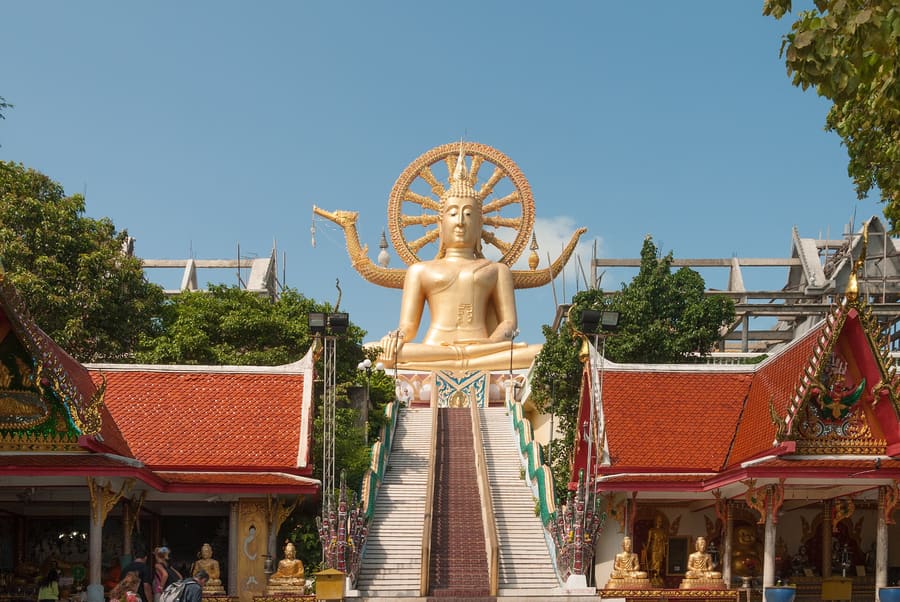
Wat Phra Yai
A 12-meter golden Buddha set on a small rocky island. Visit before 09:00 to clear tour groups and avoid sun-heated concrete stairs.
Ρωτήστε το ParleyΤαϊλάνδη
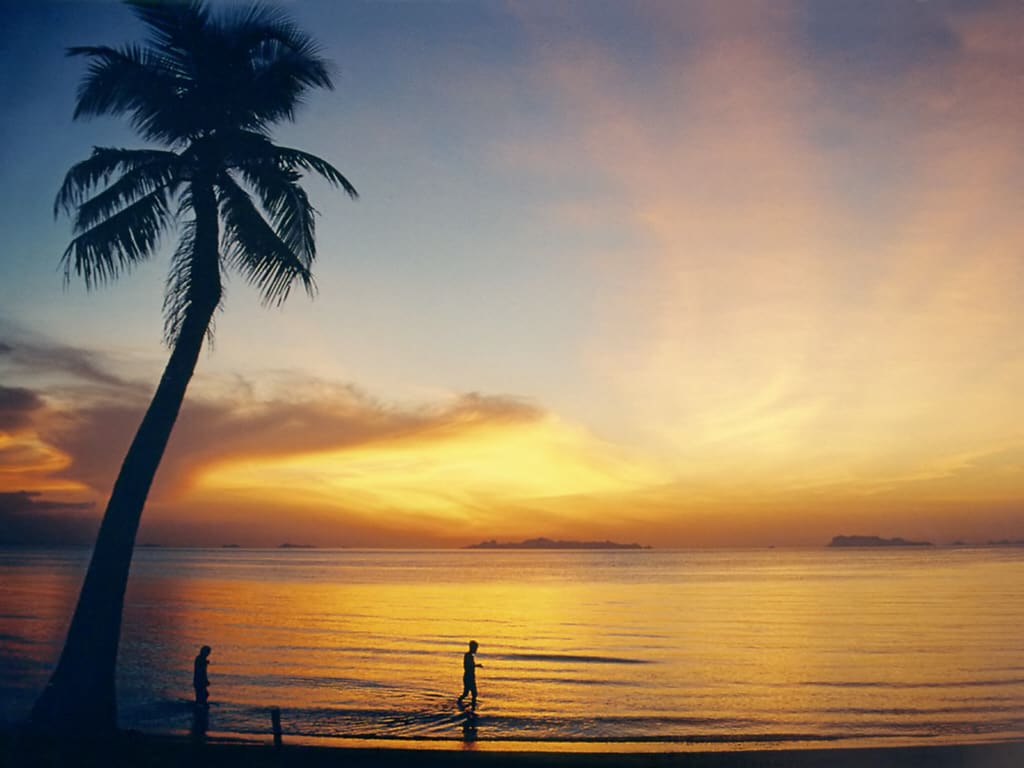
Granite hills, coconut palms, and Route 4169, a congested, low-speed two-lane ring road.
introduction
Koh Samui is Thailand's second-largest island, ringed by Route 4169. You navigate it by following this single 51-kilometer loop around a mountainous jungle center. Eastern beaches hold heavy resort density, while the north and west remain quietly tidal. Expect rapid shifts between luxury enclaves, commercial strips, and quiet fishing bays.
Arrival trick
USM airport is privately owned by Bangkok Airways. Airfares into Samui run significantly higher than mainland flights to Surat Thani.
Marine reserve
Ang Thong National Marine Park sits 31 kilometers west. Its 42 limestone islands form a protected archipelago of marine basins.
Tide reality
Low tide on the north coast exposes shallow reef flats. Choose east-coast beaches like Chaweng or Lamai if you want deep swimming year-round.
Koh Samui
Thajsko · CC BY 3.0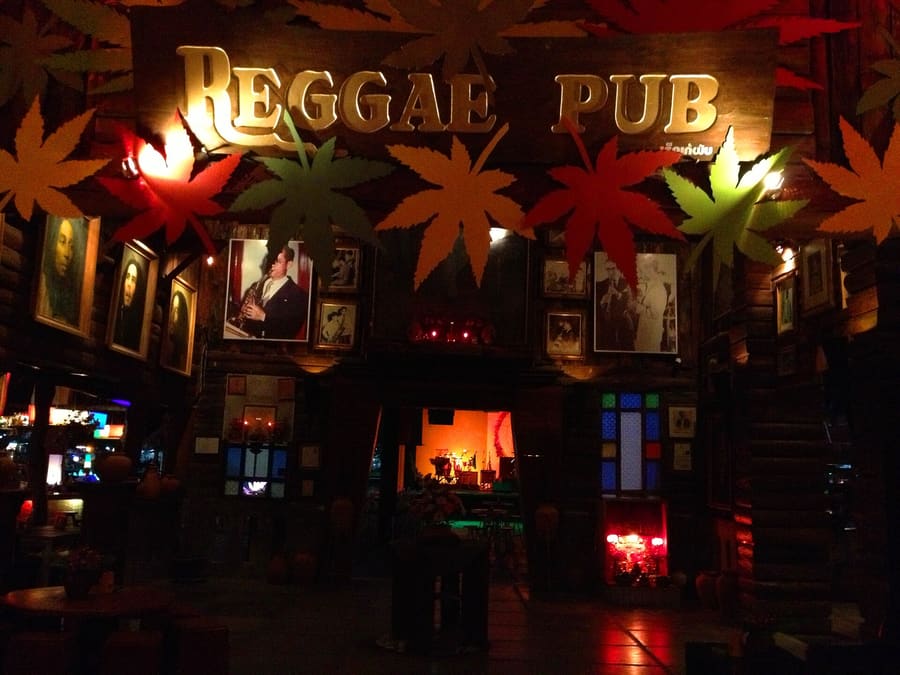
Chaweng — A broad white-sand strip with dense night markets, beach clubs, and continuous road traffic.
Mark Stepanov · CC BY 3.0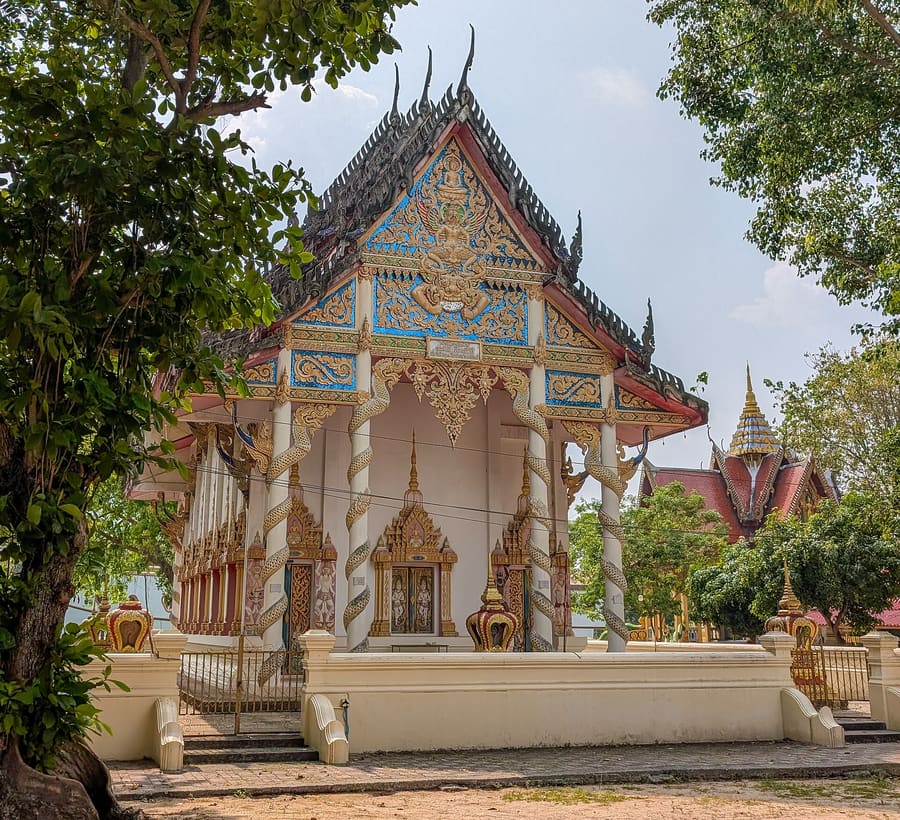
Bophut — A quiet northern bay defined by timber architecture, coastal dining, and calm water.
Vano111ru · CC BY-SA 4.0
Lamai — A deep-water eastern bay with relaxed beach bars and classic resort infrastructure.
Christophe95 · CC BY-SA 4.0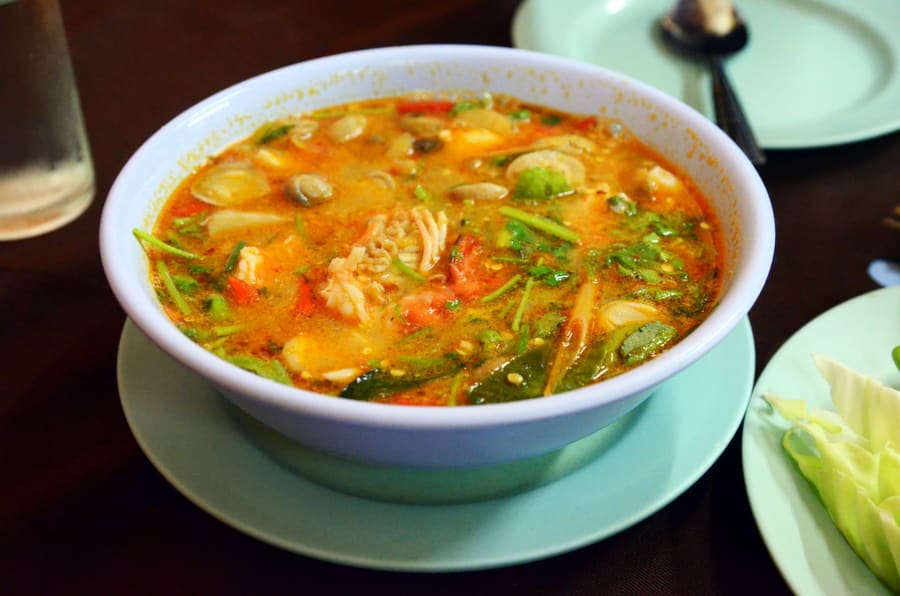
Southern curries depend on fresh coconut milk, wild turmeric, and shrimp paste.
Takeaway · CC BY-SA 3.0highlights
landmark
A 12-meter golden Buddha set on a small rocky island. Visit before 09:00 to clear tour groups and avoid sun-heated concrete stairs.
Ρωτήστε το Parley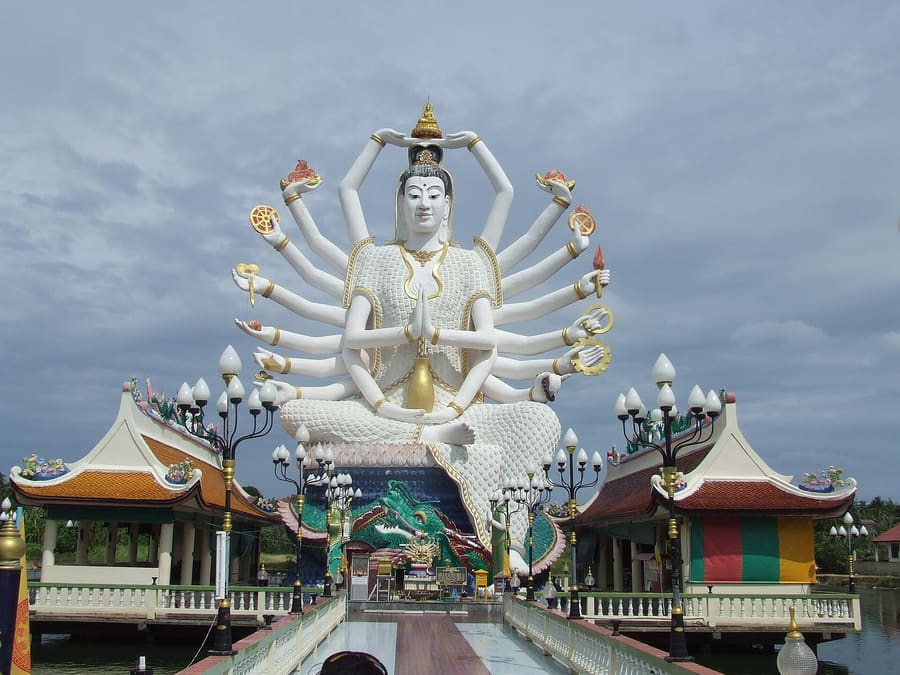
landmark
An 18-armed statue of Guanyin set inside a lake filled with catfish. Buy fish food at the entry kiosk for 10 THB.
Ρωτήστε το Parley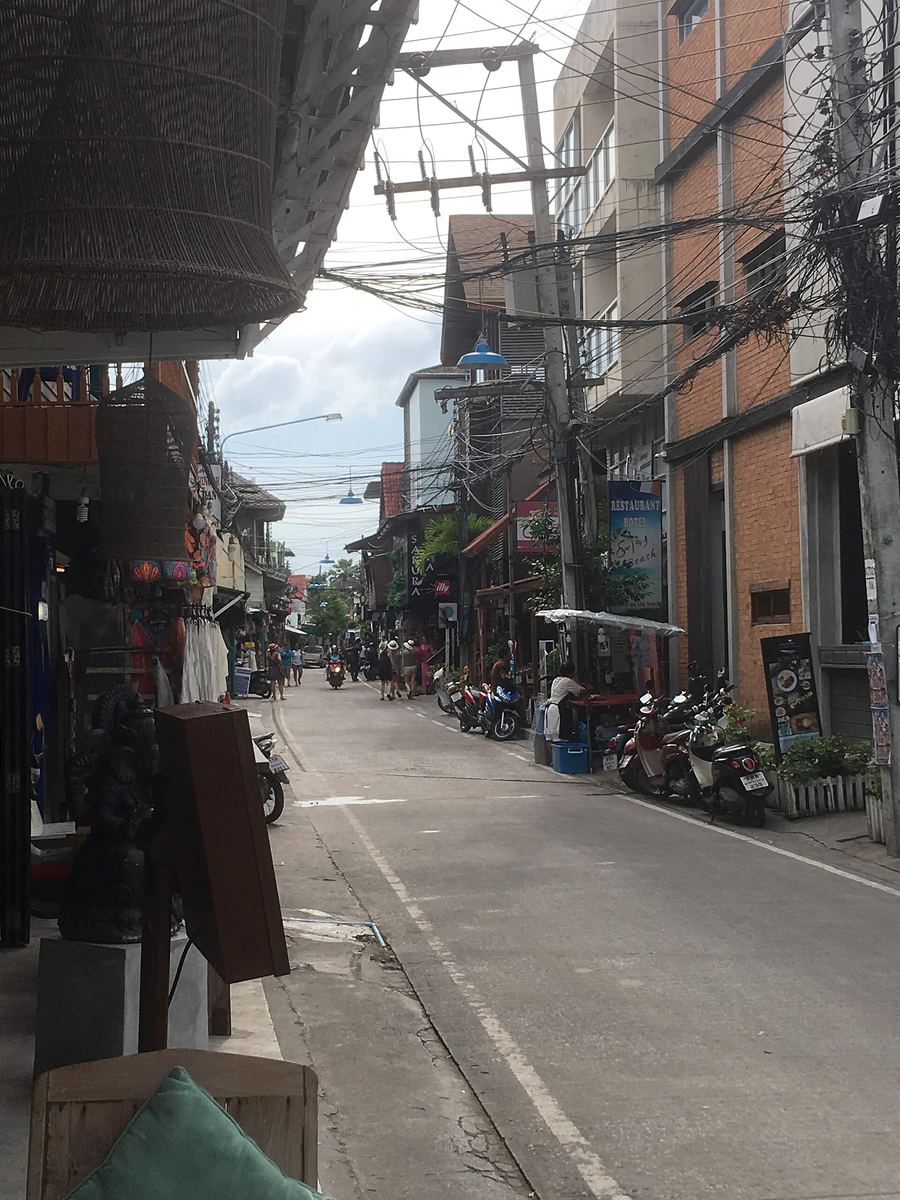
landmark
Wooden shophouses along a narrow alley facing Bophut bay. Friday night market brings dense street food traffic.
Ρωτήστε το Parley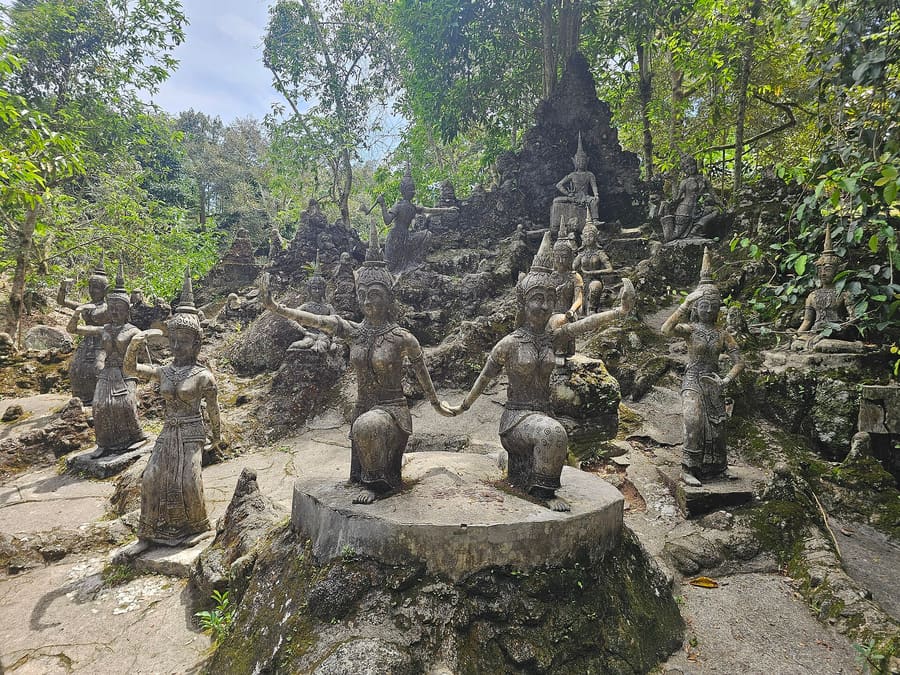
landmark
Mossy stone statues hidden inside high inland hills. You need a 4WD vehicle or strong scooter engine to tackle the steep access road.
Ρωτήστε το Parleyattractions
areas
A broad white-sand strip with dense night markets, beach clubs, and continuous road traffic.
ΚοντάCentral Samui shopping centre and Samui Airport.
Ρωτήστε το ParleyA quiet northern bay defined by timber architecture, coastal dining, and calm water.
ΚοντάFisherman's Village night market.
Ρωτήστε το ParleyA deep-water eastern bay with relaxed beach bars and classic resort infrastructure.
ΚοντάHin Ta and Hin Yai rock formations.
Ρωτήστε το ParleyA small northeast cove with shallow water, quiet resort yards, and minimal traffic.
ΚοντάWat Phra Yai and Big Buddha pier.
Ρωτήστε το Parleyfood
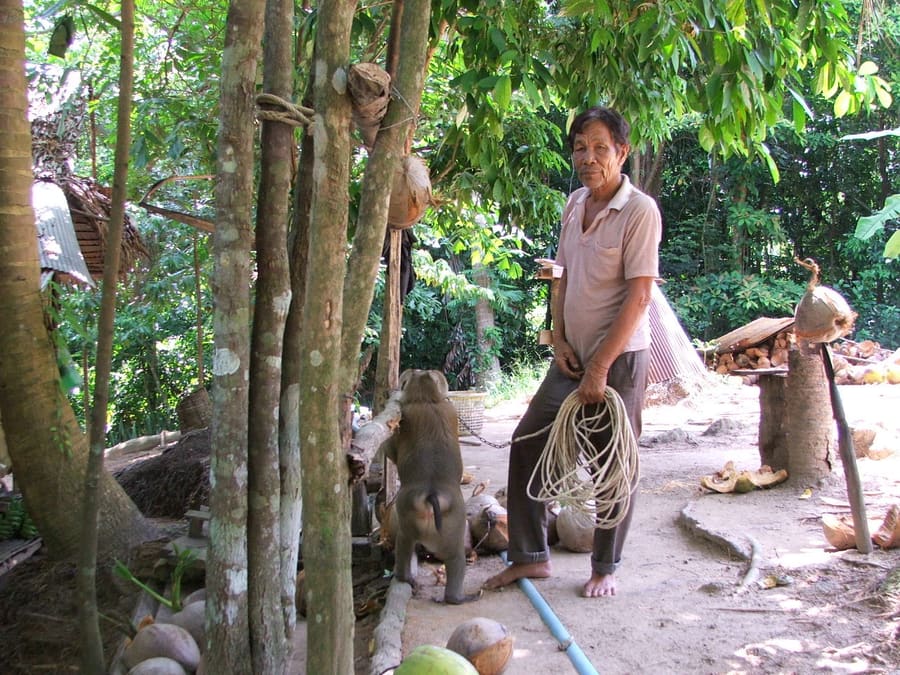
Samui food runs hot, herbal, and heavily dependent on coconut. Southern Thai curry pastes use fresh turmeric root and bird's-eye chillies that pack significantly more heat than central Thai dishes. Local cooks rely on thick coconut cream pressed from island palms and fermented shrimp paste (*kapi*) sourced from nearby fishing ports.
Southern curries depend on fresh coconut milk, wild turmeric, and shrimp paste.
Takeaway · CC BY-SA 3.0Try *gaeng tai pla*, an intensely spiced sour curry made with fish viscera, dark curry paste, and bamboo shoots. It is a staple eaten at morning rice stalls.
Visit Hua Thanon market in the south for authentic yellow chicken biryani (*khao mok gai*) cooked by the island's long-standing Thai-Muslim community.
Stop by stalls near Hin Ta and Hin Yai to buy freshly stirred *kalamae*, a sticky coconut caramel rolled in sesame seeds.
history
Uninhabited for centuries, Koh Samui was settled around 1,500 years ago by sea traders from southern China and the Malay Peninsula. The island operated almost entirely on coconut farming and small-scale fishing until the late 20th century. Before paved roads arrived in the 1970s, crossing the central jungle required a full day's trek on foot.
Backpacker arrival
The first foreign travellers arrive on wooden coconut freight boats from mainland Surat Thani.
Airport opening
Bangkok Airways completes Samui Airport, shifting the local economy from coconut trade to air tourism.
where to stay
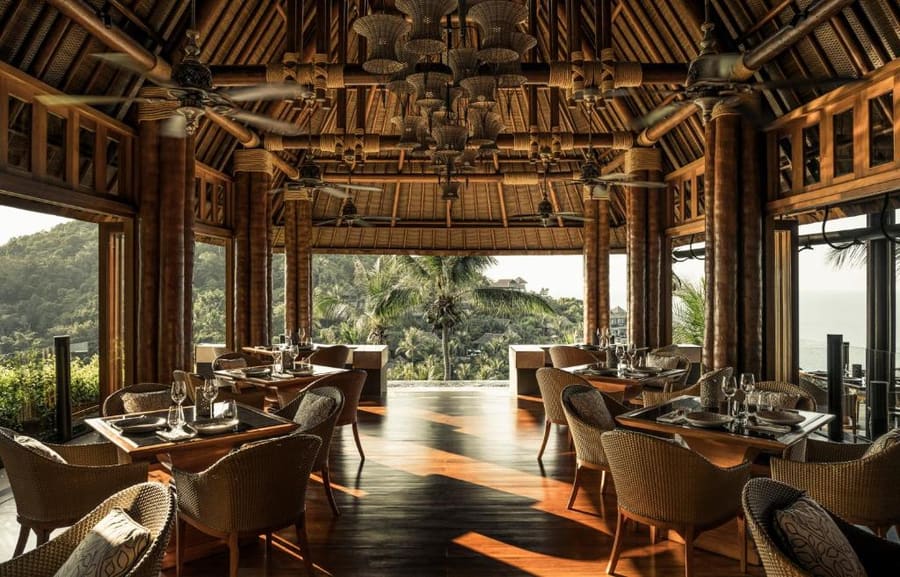
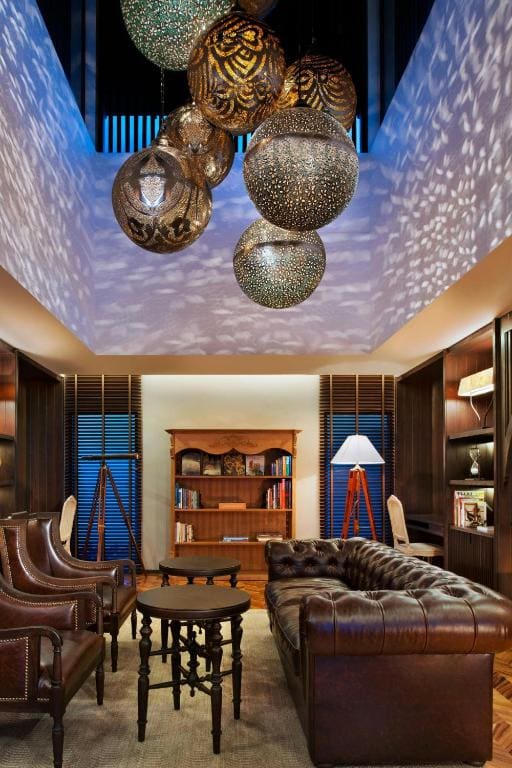
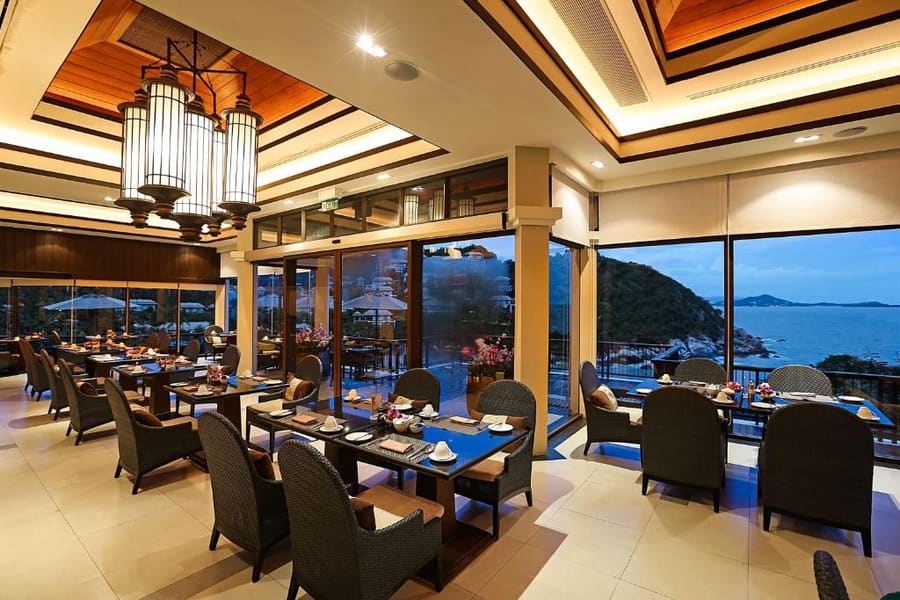
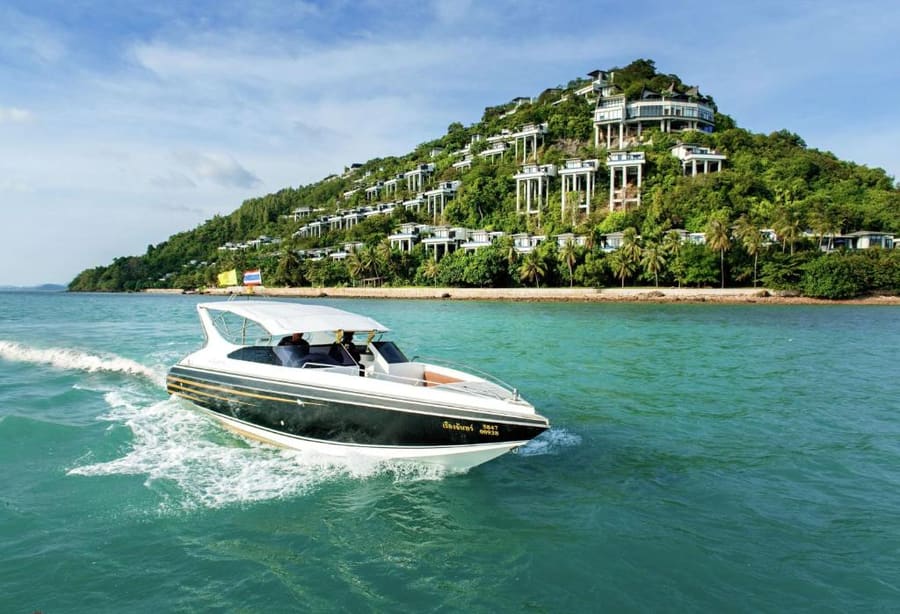
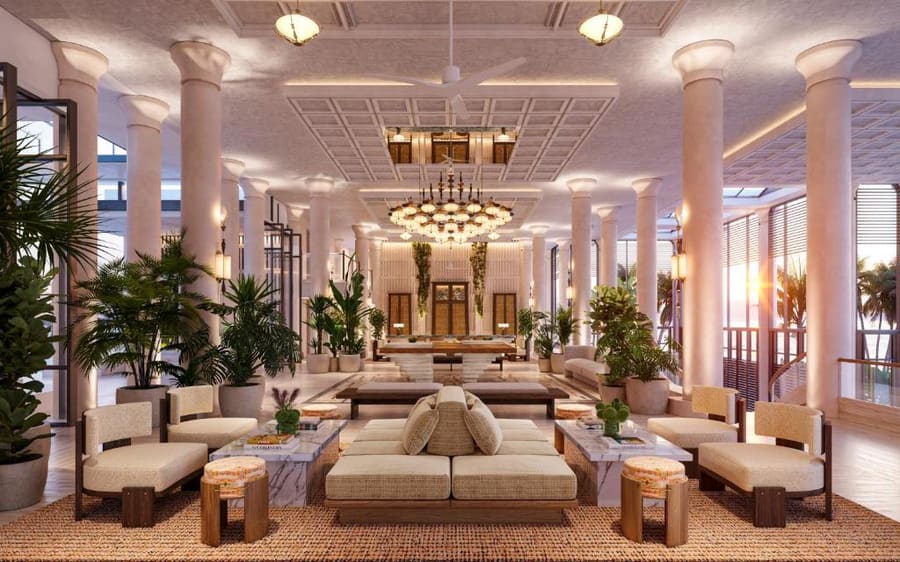
Base yourself according to water depth and night noise. The east coast yields long sandy beaches and deep water, but brings heavy traffic and late music. The north offers shallow, calm water with quieter roads, while the west coast focuses on working piers and sunsets.
Live rates, matched to the areas above.
transport
Koh Samui relies on a single main loop road, Route 4169. Taxis are expensive due to local minimum pricing agreements. Shared pickup trucks (*songthaews*) act as public buses along the ring road during daylight hours.
Από Samui Airport (USM)
Fixed zonal rates apply from airport counters. Taxis rarely run on meters here.
Shared minibuses depart once full. Cheap for solo travellers heading to Chaweng or Bophut.
Grab and NaviGo apps work on the island. Airport pickups require walking to the main gate.
Flag down red pickup trucks along Route 4169. Daytime trips between adjacent towns cost 50–100 THB. Fares rise after 18:00.
Rentals cost 200–300 THB daily. Inspect brakes before driving; inland mountain passes feature steep 20% inclines.
Confirm the total price before placing luggage inside a street taxi, as drivers decline meter usage.
Songthaews park directly at Nathon Pier to meet incoming car ferries, providing cheap connections east.
cost
Prices on Koh Samui run 30–50% higher than mainland Surat Thani due to island logistics and airport monopolies. Expect higher transport costs offset by affordable street food.
A plate of pad thai or chicken rice at night markets like Chaweng Night Market.
Standard daytime fare between adjacent eastern or northern beach towns along Route 4169.
Three dishes and two beers at a sit-down beachfront restaurant in Bophut.
Standard 125cc scooter from local rental shops; passport deposit or cash bond required.
seasonality
DEC – FEB
Calm seas, moderate humidity, and low rainfall. Peak room pricing applies across all beach areas.
MAR – MAY
Hot and dry with temperatures exceeding 35°C. Water is warm, but low spring tides reduce swimming depth.
JUN – SEP
Short afternoon tropical showers with bright sun breaks. Solid balance of clear water and reasonable hotel rates.
OCT – NOV
Monsoon window brings heavy downpours and rough swell. Gulf ferry crossings face delay or cancellation.
practicalities
Box jellyfish can appear from late August to October. Pay attention to vinegar stations placed along resort beaches.
Day speedboats to Ang Thong lack complete shade canopy. Carry zinc sunscreen and a dry bag for electronics.
Cover shoulders and knees when visiting Wat Phra Yai and Wat Plai Laem. Slip off footwear before stepping onto temple platforms.
Thai ATMs charge a flat 220 THB fee for foreign card withdrawals. Take out larger lump sums to minimize charges.
Avoid drinking tap water directly. Use sealed bottled water or resort filtration taps for drinking and brushing teeth.