landmark
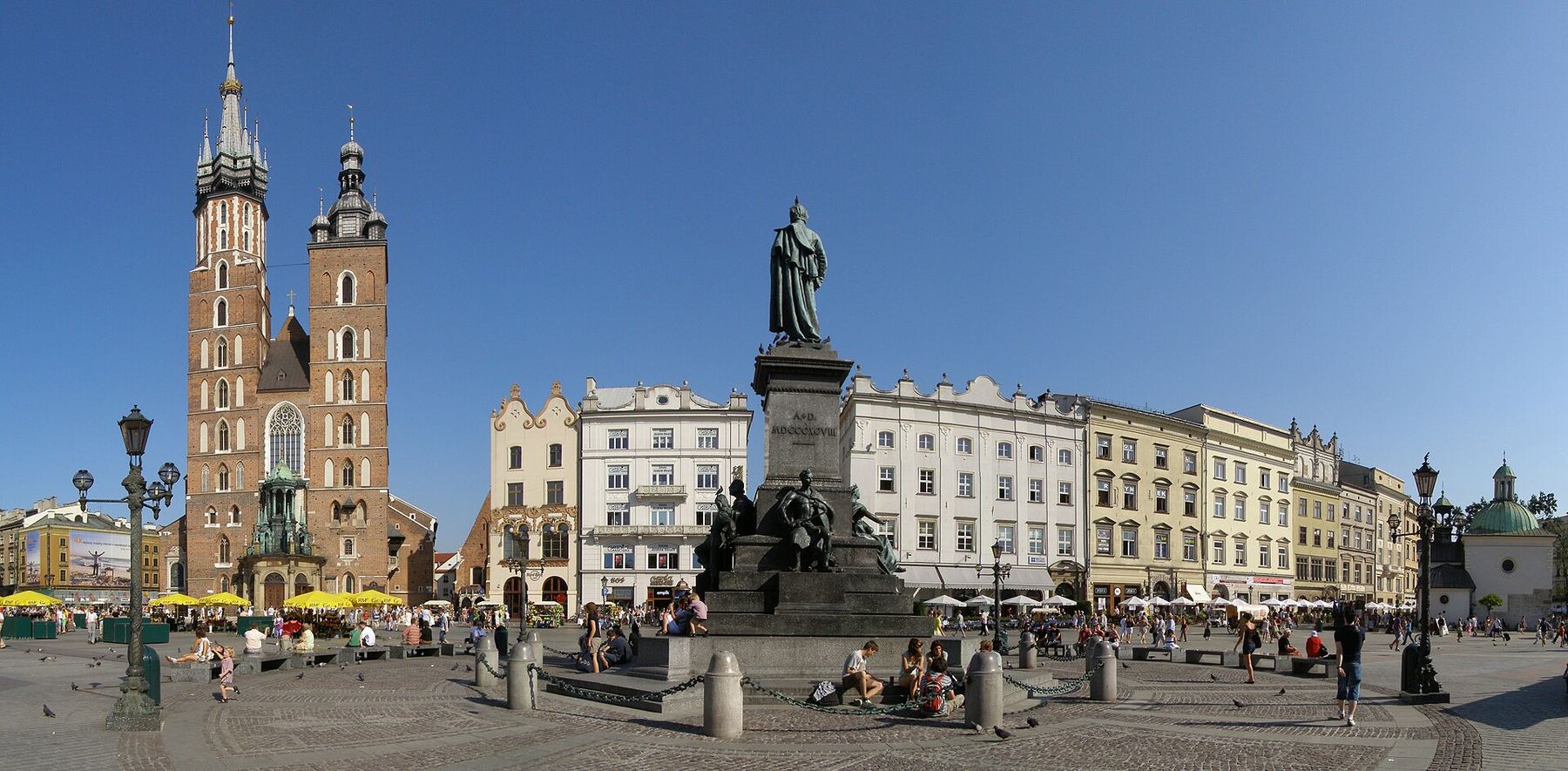
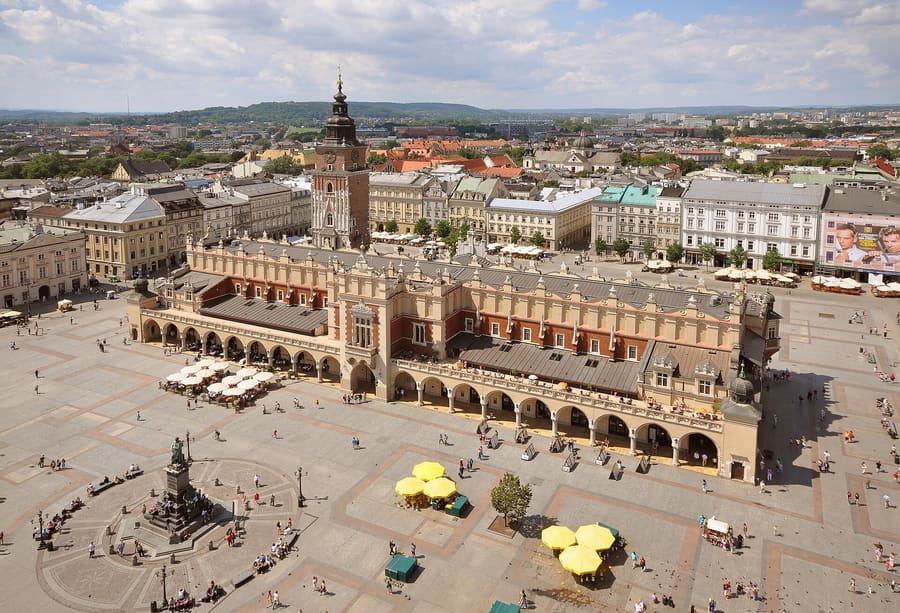
Rynek Główny & Cloth Hall
Europe's largest medieval town square anchors the city. Head to the Rynek Underground museum beneath the hall floor.
Ρωτήστε το ParleyΠολωνία
Royal history, socialist planned grids, and walkability.
introduction
Kraków centers on a medieval grid that survived World War II intact. You move through the city on foot or via a dense tram system. Royal monuments sit at the center, bordered by the former Jewish quarter of Kazimierz and the industrial grid of Podgórze, while Nowa Huta is located about 10 kilometers east of the city center.
Airport train over taxi
The SKA1 train links Balice Airport to Kraków Główny in 20 minutes for 17 PLN. Taxis take twice as long during rush hour.
First UNESCO World Heritage site
Kraków's Old Town entered the original UNESCO list in 1978. Its medieval street grid remains intact.
Book Schindler's Factory early
Schindler's Factory caps daily entry and sells out days ahead. Monday tickets are free but require online booking.
Kraków
Zygmunt Put Zetpe0202 · CC BY-SA 4.0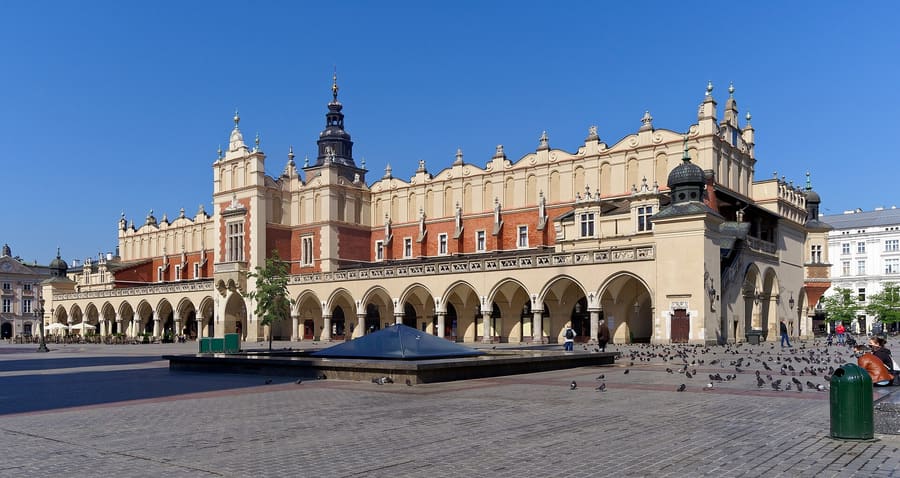
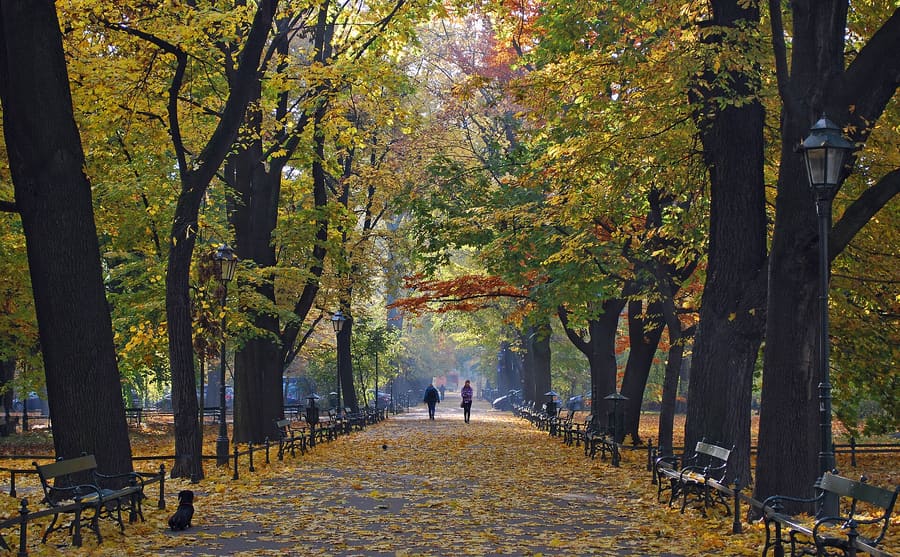
Stare Miasto — Pedestrianized medieval grid enclosed by a green park ring.
Jakub Hałun · CC BY-SA 4.0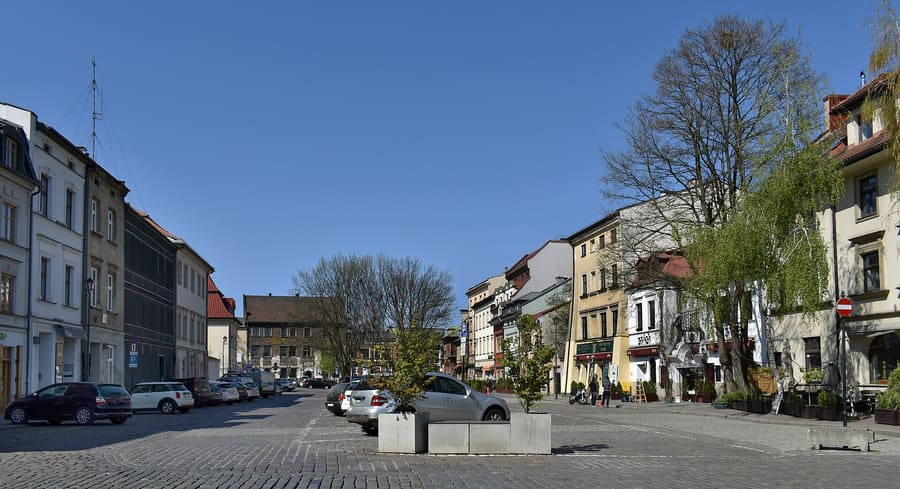
Kazimierz — Former Jewish district filled with courtyards, cafes, and bar culture.
Zygmunt Put · CC BY-SA 4.0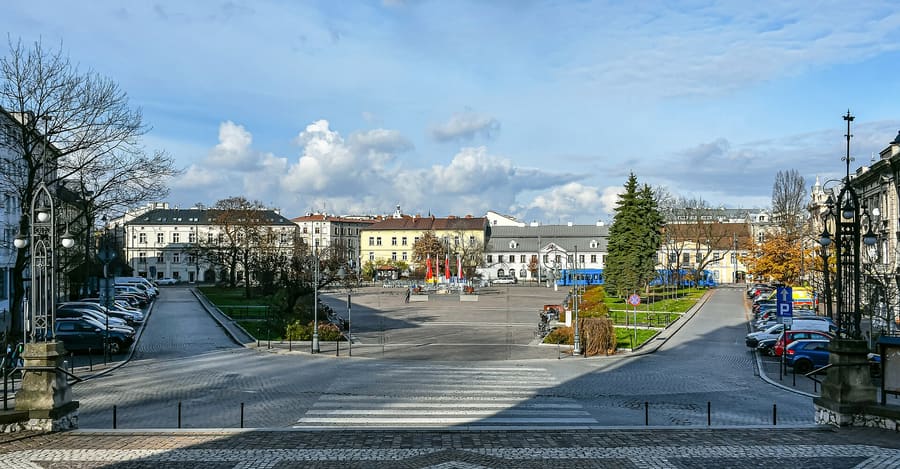
Podgórze — Industrial area turned quiet district across the Vistula River.
Jeremiah Z. Cockroach · CC BY-SA 4.0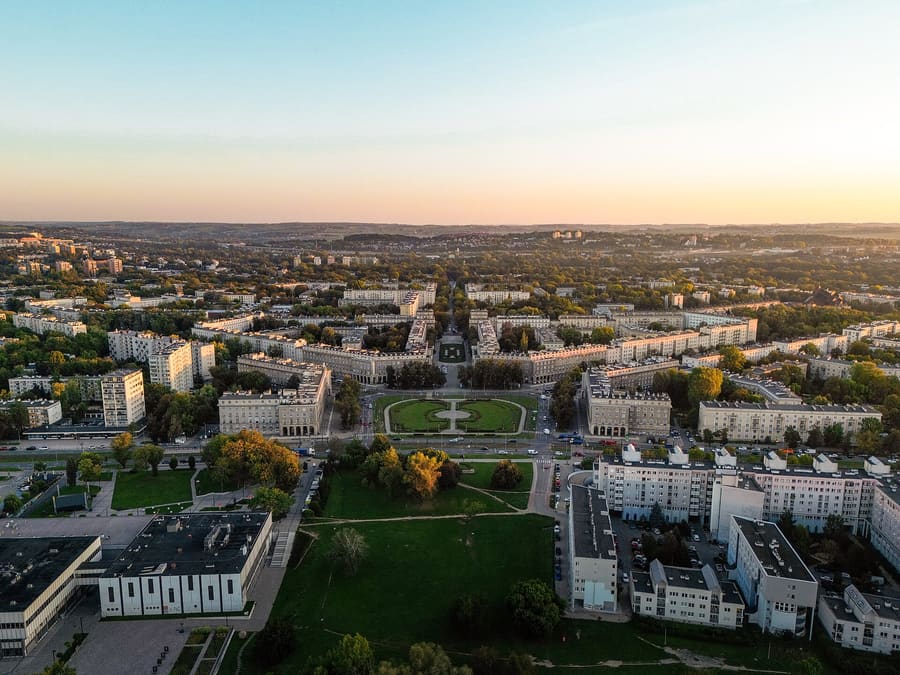
Nowa Huta — Planned socialist-realist industrial district built around steelworks.
Ptaszek747 · CC BY-SA 4.0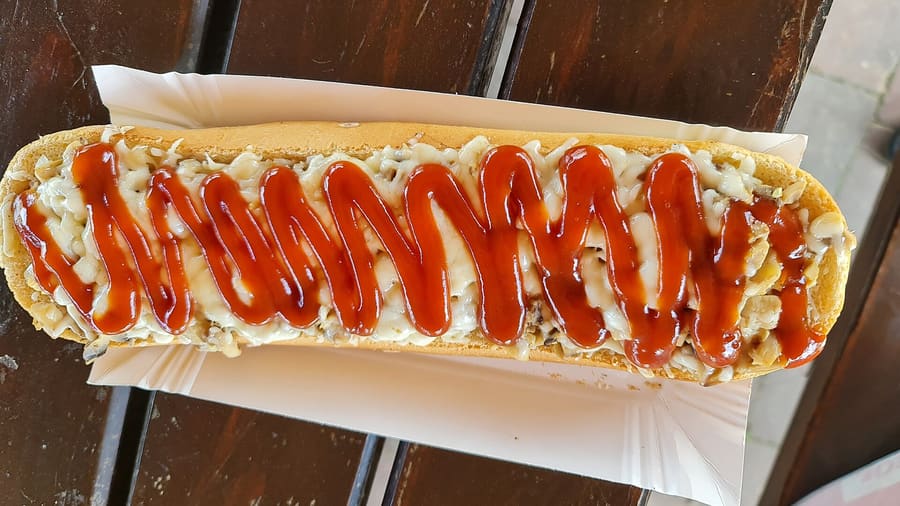
Zapiekanka served fresh at Plac Nowy in Kazimierz.
MichalPL · CC BY-SA 4.0highlights
landmark
Europe's largest medieval town square anchors the city. Head to the Rynek Underground museum beneath the hall floor.
Ρωτήστε το Parley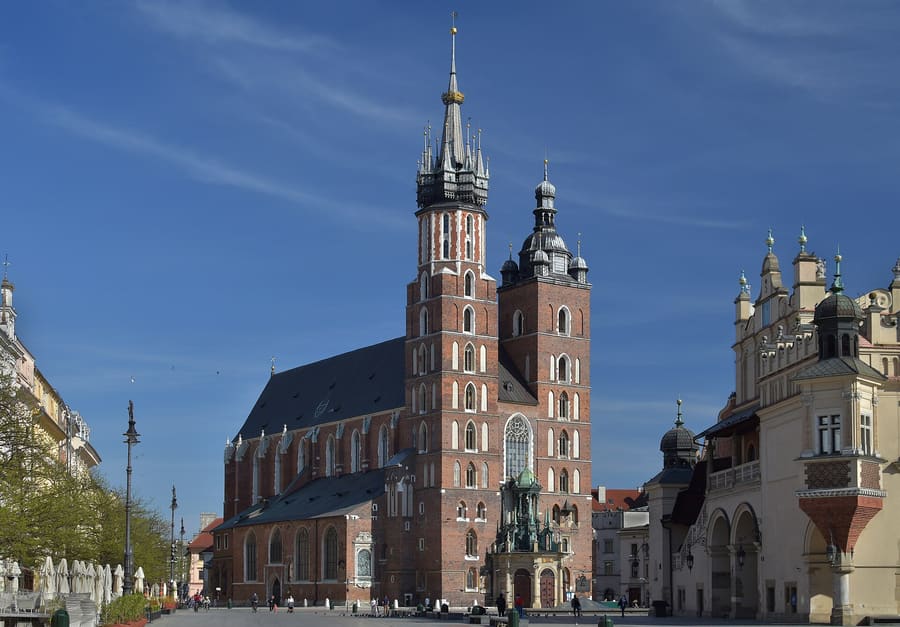
landmark
Gothic church known for Veit Stoss's carved wooden altarpiece. A trumpet bugle call plays hourly from the taller tower.
Ρωτήστε το Parley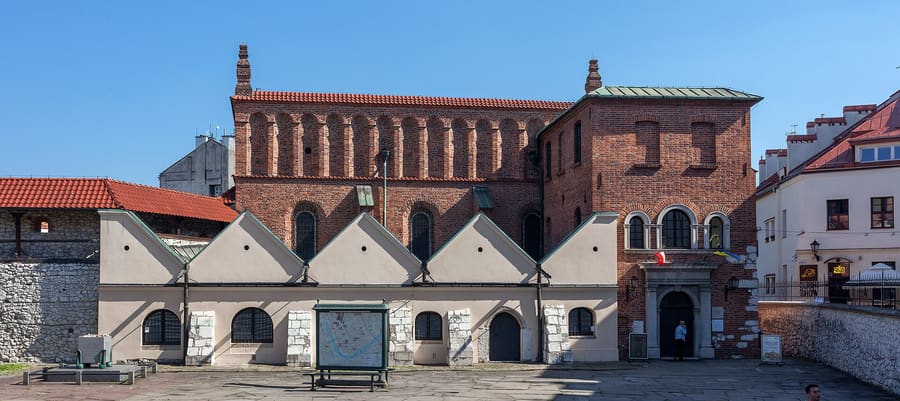
landmark
The historic heart of Jewish Kraków houses 16th-century synagogues. Visit the Old Synagogue for the Jewish history exhibit.
Ρωτήστε το Parley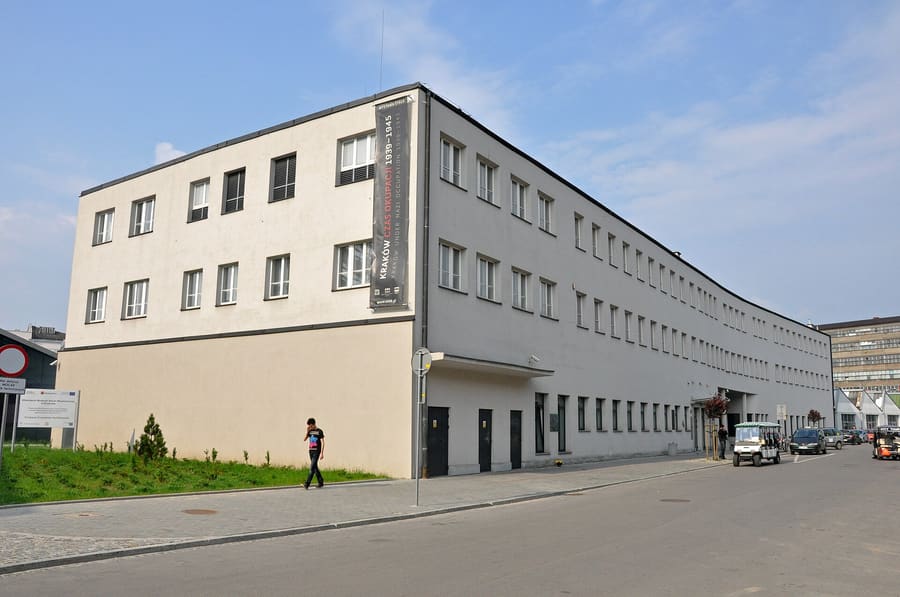
landmark
Permanent exhibition detailing Kraków under Nazi occupation. Pre-book timed entry weeks ahead during summer.
Ρωτήστε το Parleyattractions
areas
Pedestrianized medieval grid enclosed by a green park ring.
ΚοντάWawel Castle and main rail station.
Ρωτήστε το ParleyFormer Jewish district filled with courtyards, cafes, and bar culture.
ΚοντάVistula river boulevards and Stare Miasto.
Ρωτήστε το ParleyIndustrial area turned quiet district across the Vistula River.
ΚοντάSchindler's Factory and MOCAK museum.
Ρωτήστε το ParleyPlanned socialist-realist industrial district built around steelworks.
ΚοντάLaskowy Park and Avenue of Roses.
Ρωτήστε το Parleyfood
Kraków's food scene rests on traditional Polish hearty classics and fast street snacks. Milk bars (bar mleczny) serve subsidized staples like pierogi, barszcz, and kotlet schabowy at communal tables. At Plac Nowy in Kazimierz, open-face toasted baguettes known as zapiekanki feed night crowds until early morning.
Zapiekanka served fresh at Plac Nowy in Kazimierz.
MichalPL · CC BY-SA 4.0Buy these braided ring breads from blue street carts across the city for 3 to 4 PLN. They hold protected geographical status.
Order pierogi ruskie at Bar Pod Temidą on Grodzka street. Pay at the counter, hand your receipt to the cook, and wait at a table.
Head to the central rotunda (Okrąglak) in Plac Nowy after 22:00 for zapiekanki topped with sautéed mushrooms, cheese, and garlic sauce.
history
Kraków expanded as a trade outpost on the Vistula River before becoming Poland's royal capital in 1038. After royal power moved to Warsaw in 1596, Kraków remained the coronation site for monarchs. During World War II, Nazi forces occupied the city and turned nearby Oświęcim into Auschwitz, though Kraków's physical buildings escaped bombing.
Magdeburg Law charter
Duke Bolesław V charters Kraków and establishes the grid system surrounding Rynek Główny.
Jagiellonian University founded
King Casimir III establishes Central Europe's second oldest university.
Capital moves to Warsaw
King Sigismund III Vasa transfers the administrative capital north, leaving Wawel as coronation site.
Construction of Nowa Huta
Communist authorities break ground on a massive planned steel town east of the historical centre.
UNESCO inscription
Kraków's historic centre becomes one of the twelve inaugural UNESCO World Heritage sites.
where to stay
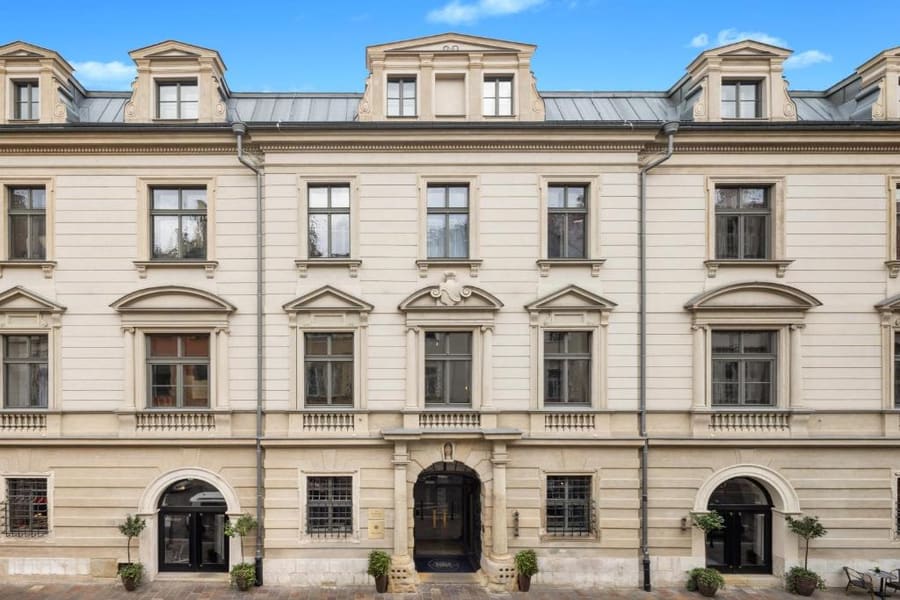
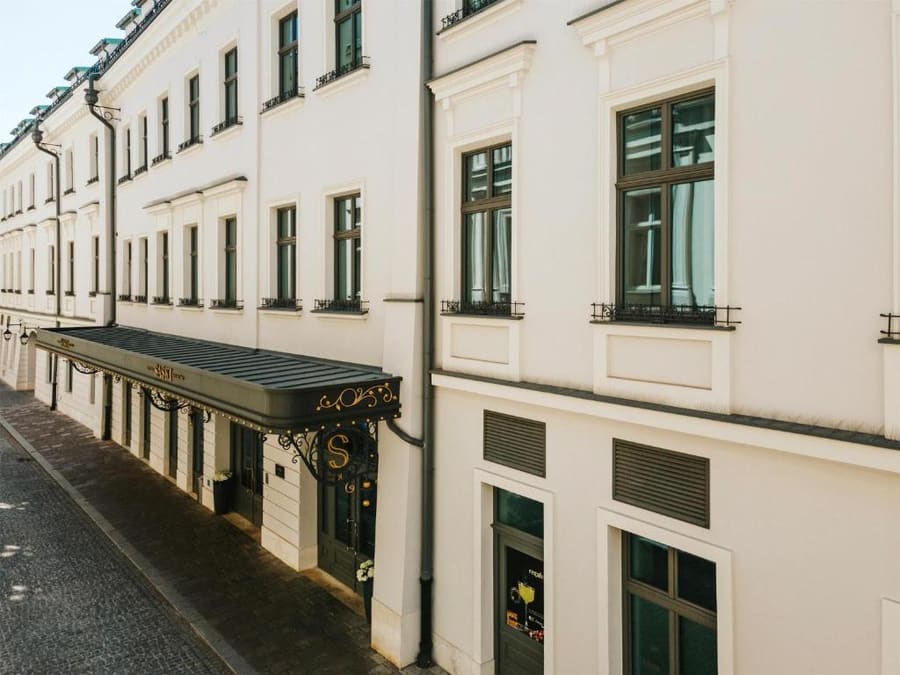
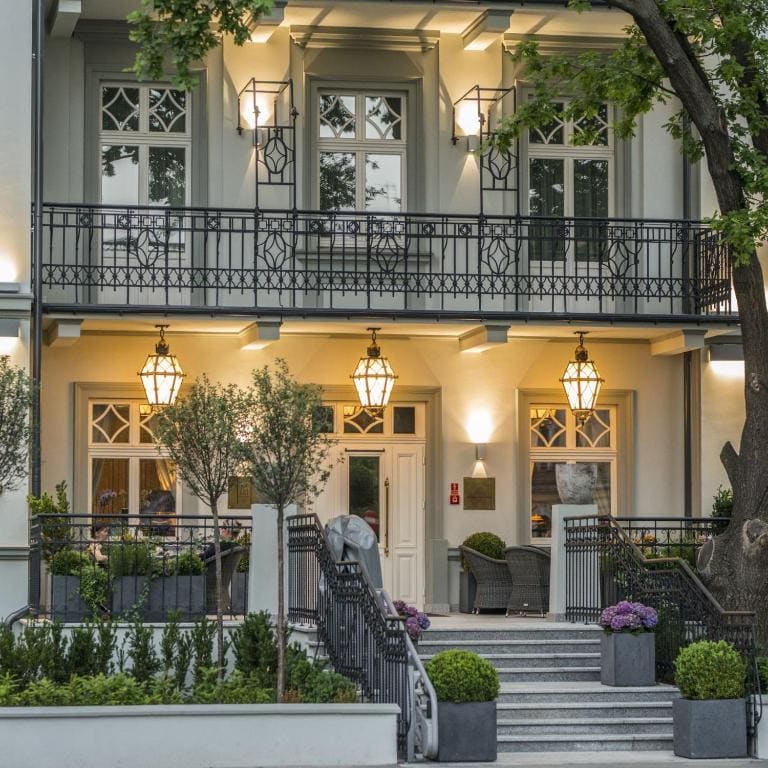
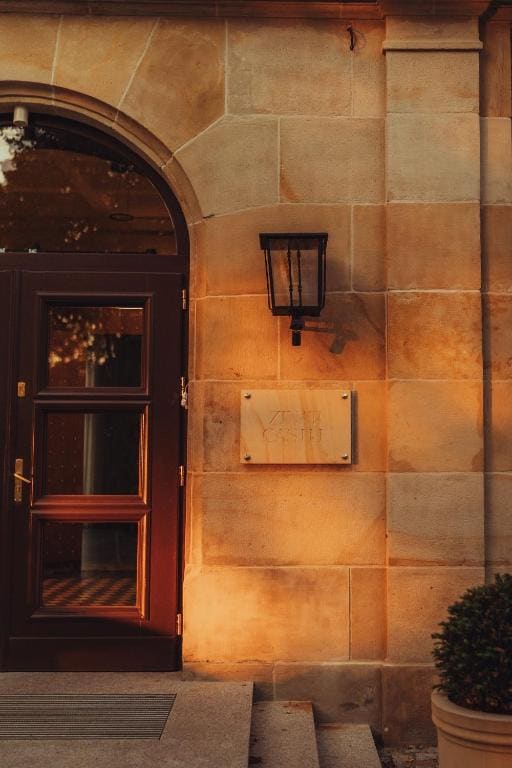
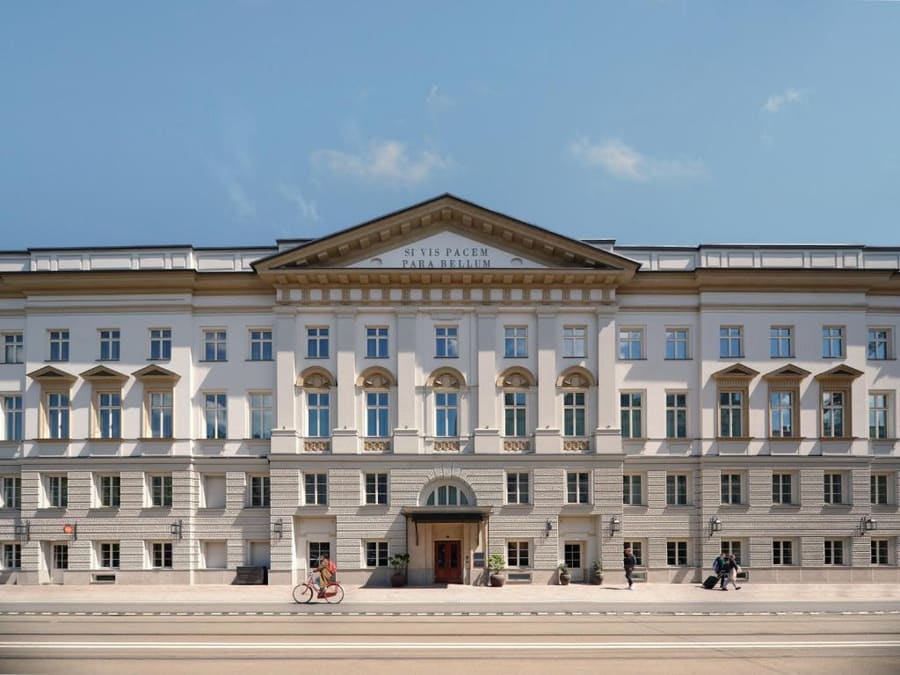
Choose your base by walking distance and night quiet. Stare Miasto keeps you steps from monuments, while Kazimierz offers local bar culture outside your door. Podgórze provides quiet residential streets across the river.
Live rates, matched to the areas above.
transport
Kraków's Old Town is not entirely pedestrianized, as tram lines run directly through it and authorized motor vehicles are permitted. Trams and buses run by MPK Kraków cover the rest of the municipality with frequent service and electronic ticketing.
Από Kraków John Paul II Airport (KRK)
SKA1 line runs every 30 minutes straight to Kraków Główny station.
Lines 200 and 300 run to the centre. Line 902 operates at night.
Official airport taxis use fixed zonal rates. App rides depart from floor 2.
Uber and Bolt pick up at the designated passenger drop-off zone.
Most modern trams have ticket machines accepting contactless cards. Validate paper tickets immediately upon boarding.
Download Jakdojade to check real-time tram departures and purchase digital tickets directly on your phone.
If you take more than three tram rides a day, buy a 24-hour Zone I pass for 17 PLN instead of single-ride tickets.
The Planty green belt surrounds Stare Miasto along the old moat line. Walking end-to-end takes roughly 40 minutes.
cost
Kraków remains affordable relative to Western European capitals. Cash is rarely necessary, as contactless card payment is accepted almost everywhere from bakeries to tram machines.
Available from blue street carts throughout the city center.
Includes soup and a full plate of pierogi or schnitzel at a traditional bar mleczny.
Local Polish microbrews served on tap in Kazimierz pubs.
Sufficient for most single journeys across the inner zones.
seasonality
MAR – MAY
Mild spring weather with manageable crowds. Ideal for walking Planty and outdoor cafe seating.
JUN – AUG
Warm summer days bring peak tourist numbers. Book main museum tickets weeks ahead.
SEP – OCT
Crisp autumn light and thinning crowds. Cultural events and university life resume.
NOV – FEB
Cold winter temperatures and occasional snow. Christmas market occupies Rynek Główny in December.
practicalities
Large supermarkets and shops are closed on most Sundays by national law. Restaurants and museums remain open.
Tap-to-pay works everywhere. You can go days without touching physical zloty notes.
Consuming alcohol on public streets or in parks is illegal and enforced with fines by Municipal Police.
Public toilets in train stations and parks charge 2 to 4 PLN. Keep small change or look for card readers.
Jaywalking across red lights carries strict fines. Wait for the green walk signal at designated crossings.