landmark
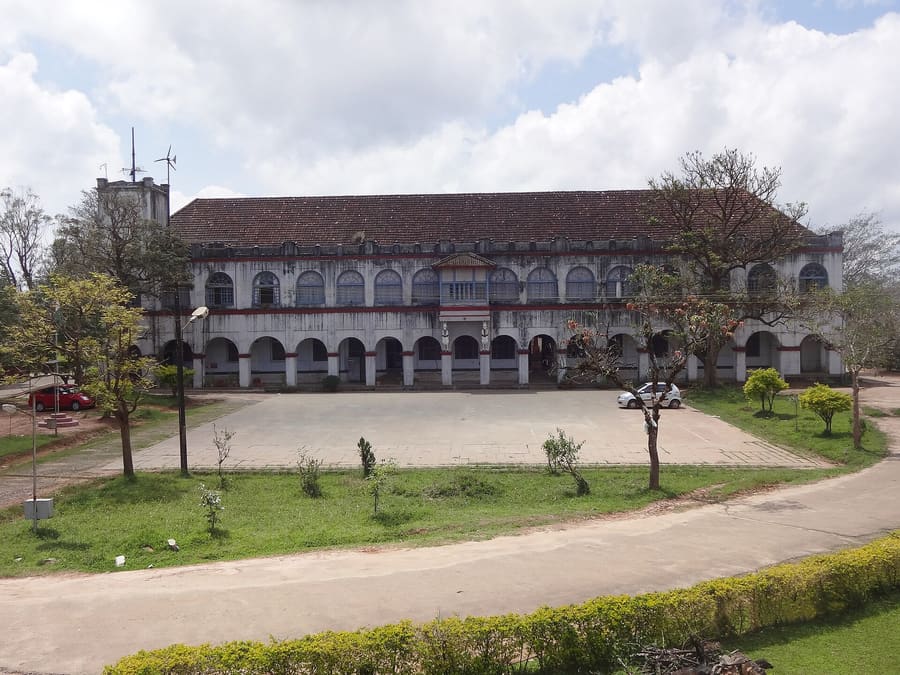
Madikeri Fort
Seventeenth-century fort enclosing a palace and museum. Visit early morning before tour buses fill the inner courtyard.
Ρωτήστε το ParleyΙνδία
Coffee plantations, mist, and Kodava culinary tradition.
introduction
Madikeri sits on a high ridge in Karnataka’s Kodagu district, framed by dense coffee estates. The town operates as a commercial hub for the surrounding plantation hills rather than a manicured resort town. Expect steep, narrow roads, heavy monsoon rains from June to September, and distinct Kodava culture. Moving around requires hiring private local taxis or navigating winding routes by auto-rickshaw.
Arrival trick
Fly into Kannur (CNN) rather than Bengaluru to cut road time down to three hours. The route via Virajpet climbs smoothly through hill reserve forests.
UNESCO recognition
The surrounding Western Ghats hold UNESCO World Heritage status for biodiversity. Madikeri sits on a hill plateau within this protected ecological zone.
Planning trick
Book stays on coffee estates outside town if you want silence. The town centre remains congested with transit traffic and local bus queues.
Madikeri
Michael Allen Smith, INeedCoffee · CC BY-SA 2.0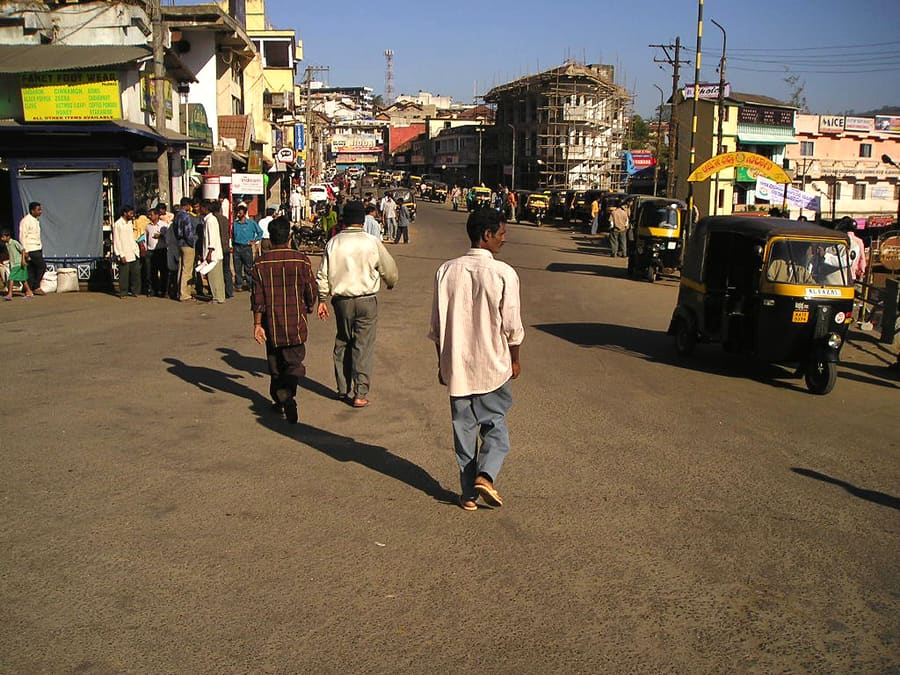
Town Centre — Noisy transport hub packed with banks, spice stores, and local eateries.
Dasprevailz · Public domain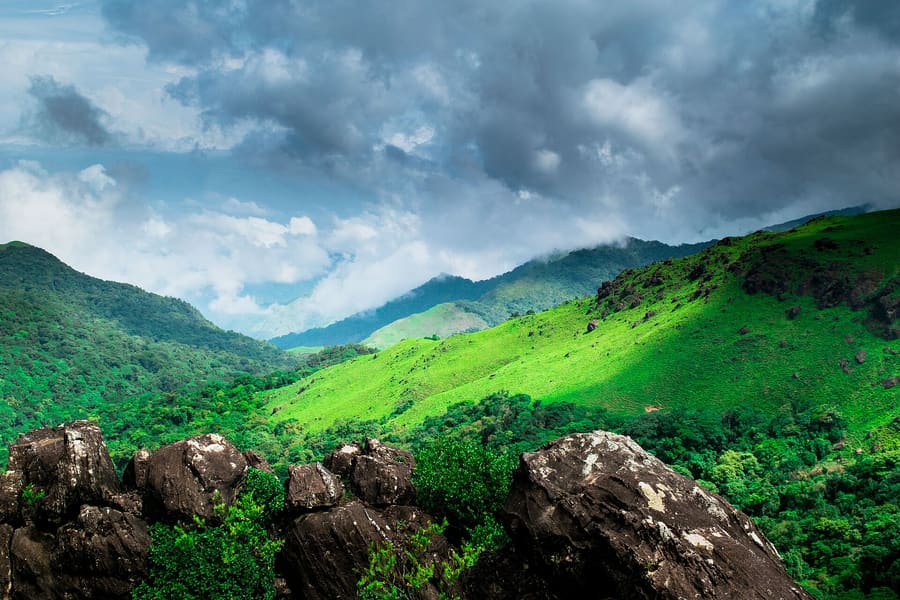
Stuart Hill — Calmer residential slope lined with traditional homestays and tree shade.
Jyotirmoy · CC BY-SA 4.0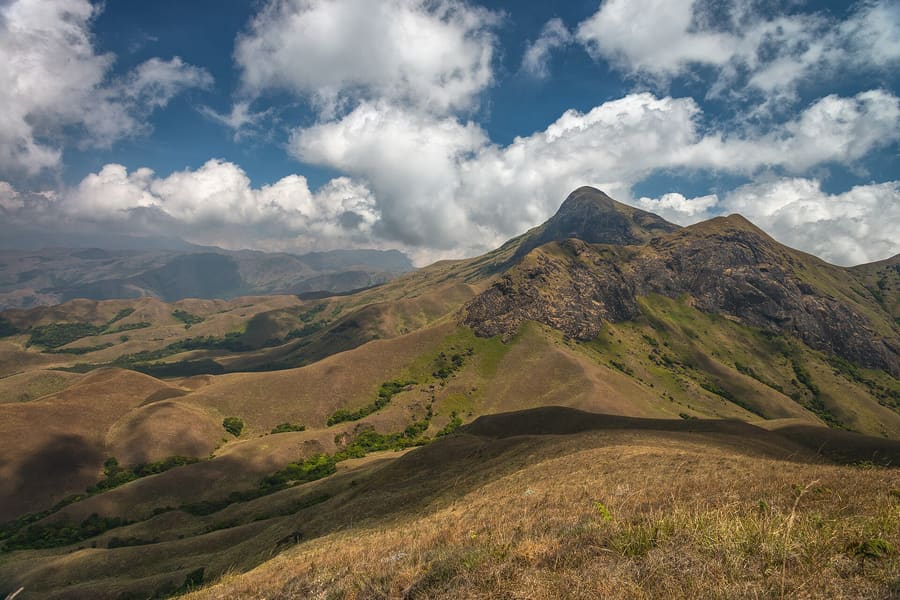
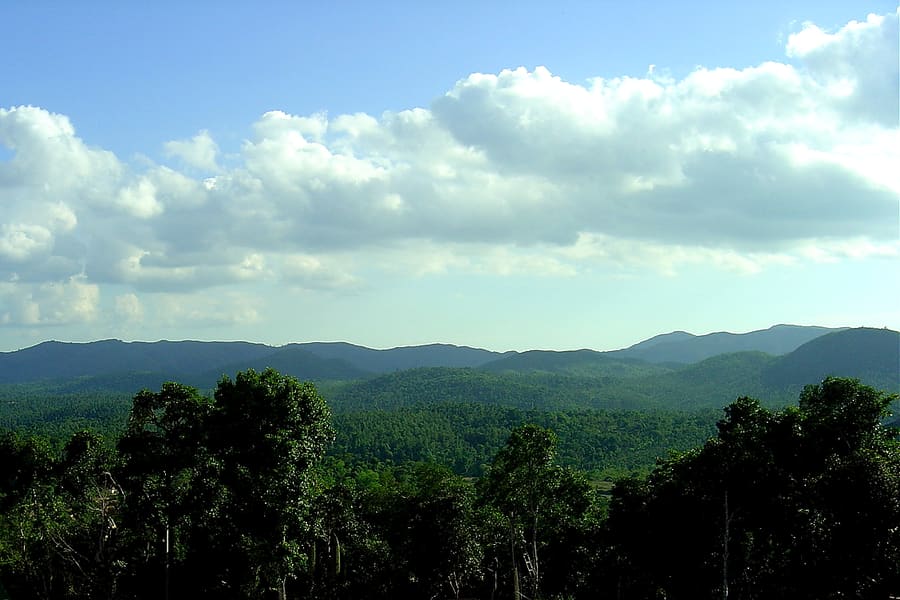
Galibeedu Ridge — Mist-covered ridge road passing active coffee estates and quiet valleys.
Mdmadhu · CC BY-SA 4.0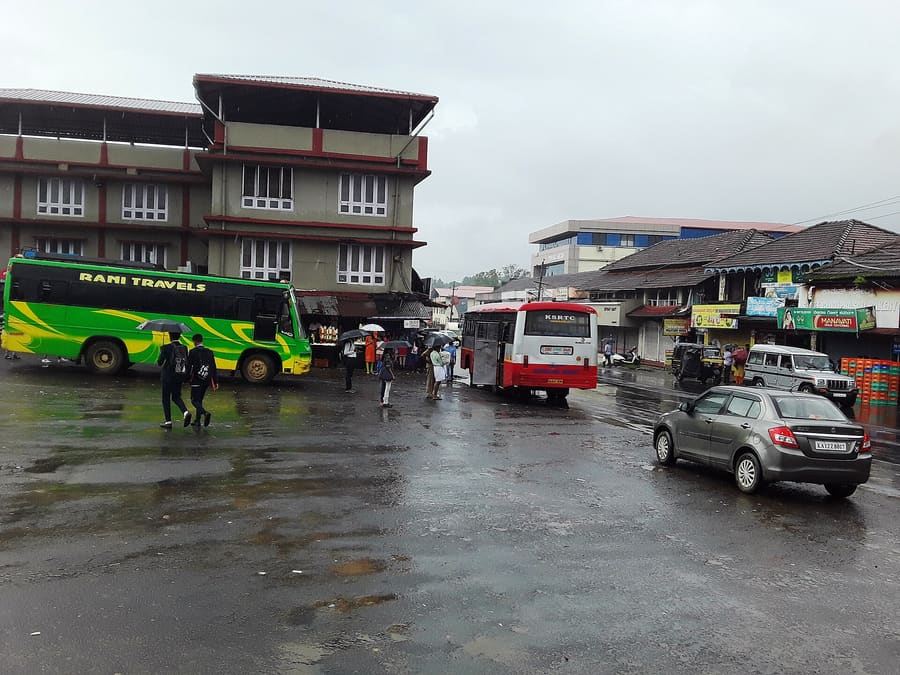
Siddapura Road — Rural estate corridor dominated by broad coffee plantations and forest.
Prof tpms · CC BY-SA 4.0highlights
landmark
Seventeenth-century fort enclosing a palace and museum. Visit early morning before tour buses fill the inner courtyard.
Ρωτήστε το Parley
landmark
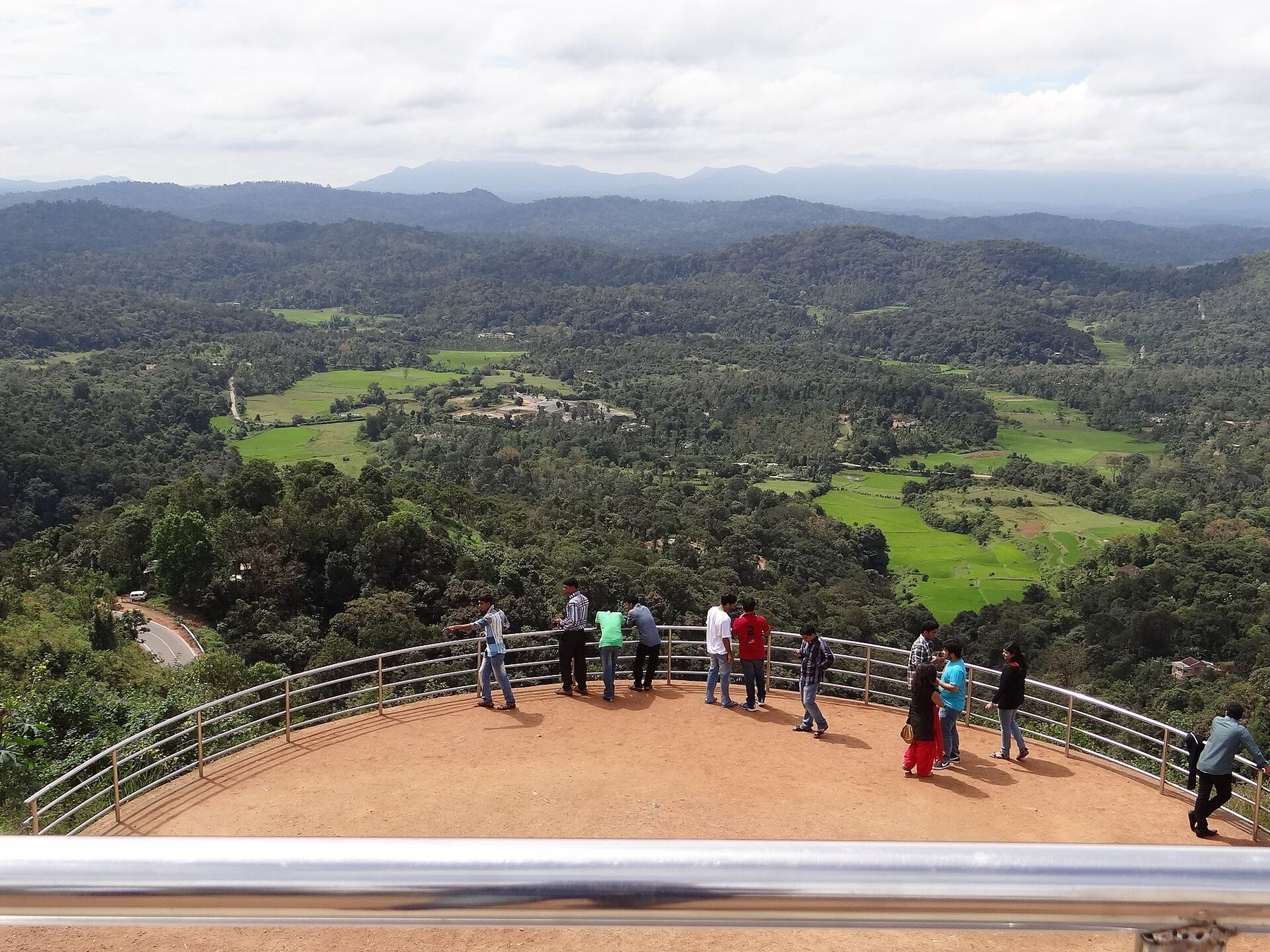
A brick canopy overlooking the western valley. Go on clear winter evenings; skip if heavy fog coats the ridge.
Ρωτήστε το Parley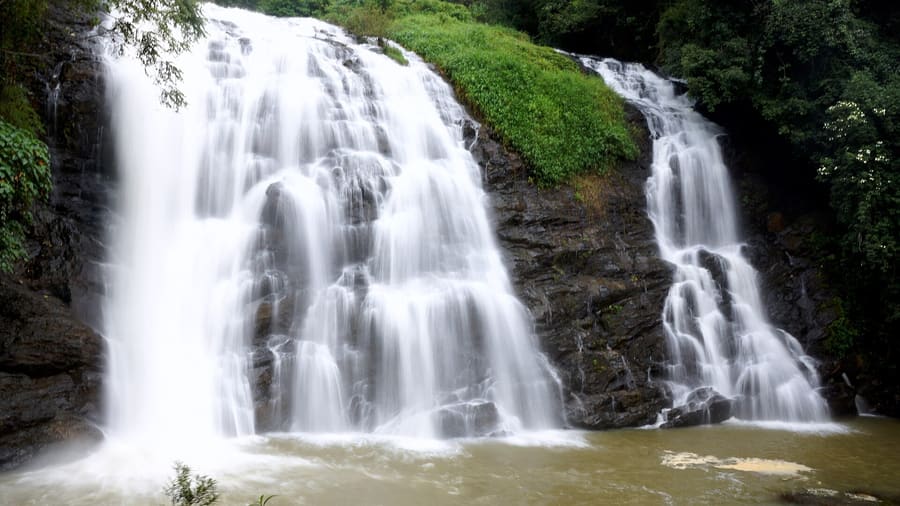
landmark
Waterfalls plunging through a coffee plantation canyon 8km north. View from the footbridge; swimming is prohibited.
Ρωτήστε το Parley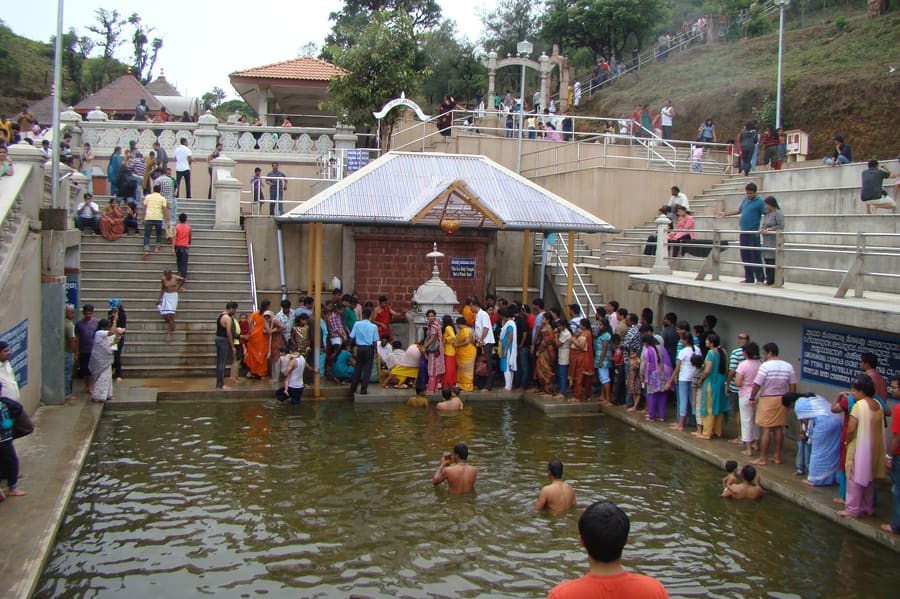
landmark
Source of the Kaveri River 44km west on Brahmagiri Hill. Climb 350 steps above the temple for broad valley views.
Ρωτήστε το Parleyattractions
areas
Noisy transport hub packed with banks, spice stores, and local eateries.
ΚοντάMadikeri Fort and KSRTC Bus Stand
Ρωτήστε το ParleyCalmer residential slope lined with traditional homestays and tree shade.
ΚοντάRaja's Seat and sunset vantage points
Ρωτήστε το ParleyMist-covered ridge road passing active coffee estates and quiet valleys.
ΚοντάAbbey Falls and hill trekking paths
Ρωτήστε το ParleyRural estate corridor dominated by broad coffee plantations and forest.
ΚοντάDubare Elephant Camp and spice gardens
Ρωτήστε το Parleyfood
Kodava cuisine differs sharply from standard South Indian fare through its focus on dark pork dishes, wild greens, and kachampuli—a dark, viscous vinegar extracted from Garcinia fruit. Meals centre on rice staples like kadambuttu (steamed rice balls) and noolputtu (rice string hoppers) rather than wheat flatbreads.
Order pork curry at spots like Coorg Cuisine on College Road. Authentic versions feature a peppery gravy darkened with aged kachampuli vinegar.
Local lunch rooms close early around 15:00. Arrive before 13:00 to get fresh batches of kadambuttu before rice preparations sell out.
Buy single-origin Arabica and Robusta coffee beans directly from estate outlets on Mysore Road rather than generic market shops.
history
Madikeri grew as the seat of the Haleri kingdom from the late seventeenth century. Kodagu maintained independence through hill geography and warrior clan alliances until British annexation in the nineteenth century.
Capital Founded
Haleri ruler Muddu Raja establishes Madikeri as his capital, constructing a mud fort and hilltop palace.
Fort Reclaimed
Doddavira Rajendra reclaims the fort with British support after years of occupation by Mysore forces.
British Annexation
The East India Company deposes Chikka Vira Rajendra, ending the dynasty and establishing direct British rule.
State Integration
Kodagu relinquishes its standalone state status and merges into Mysore State, later renamed Karnataka.
where to stay
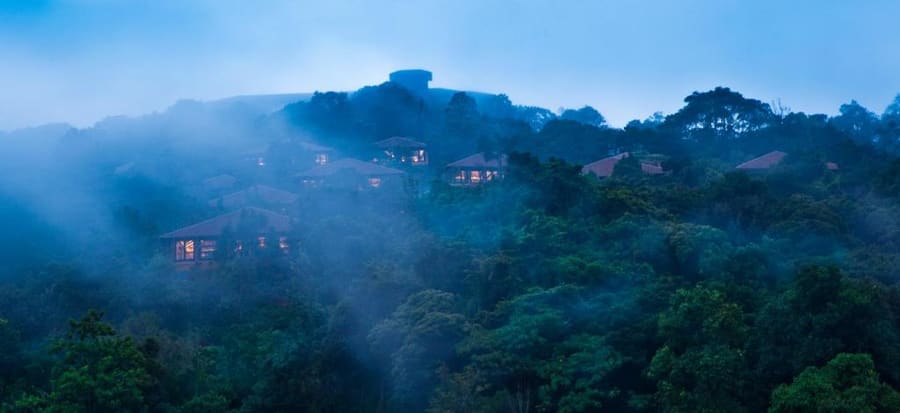
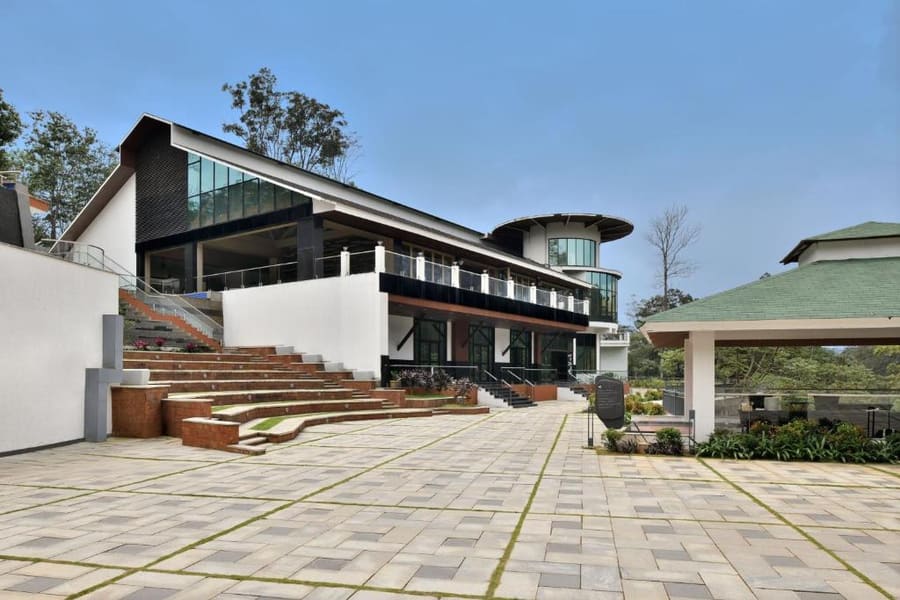
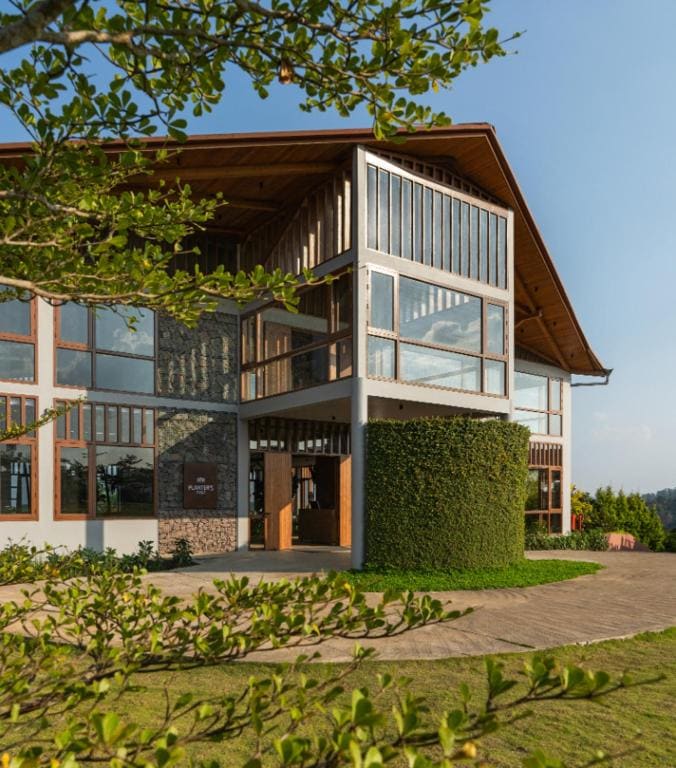
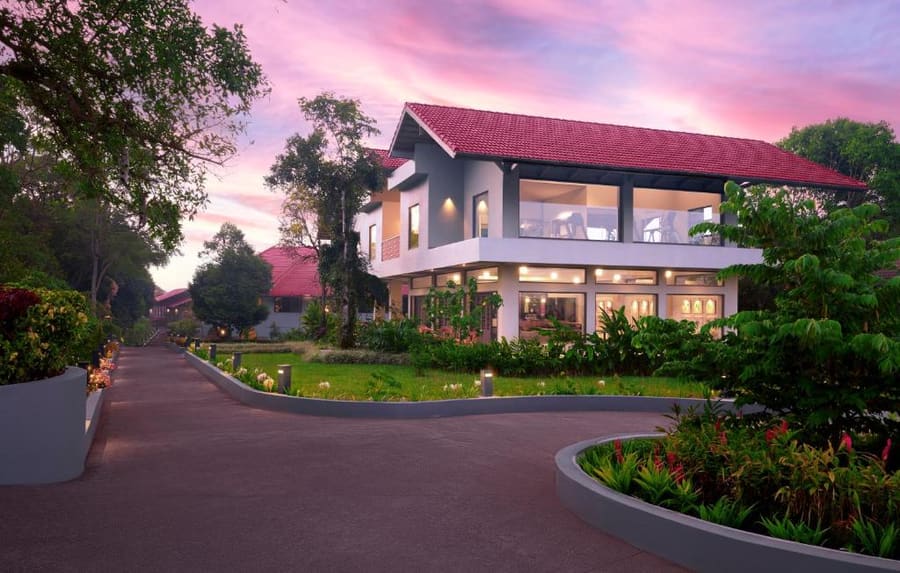
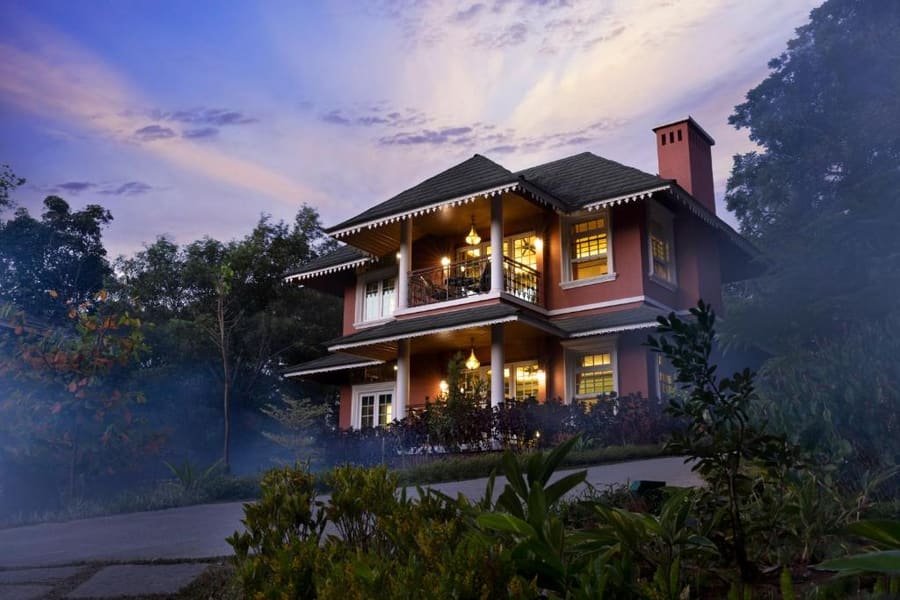
Choose your stay based on transit needs versus quiet. Town stays keep you close to transport stands, while estate stays offer forest solitude at the cost of driving for meals.
Live rates, matched to the areas above.
transport
Kannur International Airport (CNN) provides the shortest mountain drive to Madikeri. Local movement inside town relies on taxis and auto-rickshaws due to steep topography.
Από Kannur International Airport (CNN)
Picks up outside the CNN arrival terminal. Agree on fixed price before ascending the hill pass.
KSRTC buses run from Kannur bus station via Virajpet straight to Madikeri central stand.
Arranged directly through homestays; drivers know narrow plantation access roads.
Drivers inside Madikeri town rarely run meters. Agree on a set price before starting short hill rides.
Blue regional buses connect Madikeri to nearby villages like Bhagamandala, but runs drop off quickly after sunset.
Road conditions degrade significantly between July and August due to heavy rains and landslips on winding hill passes.
Local taxi drivers accept cash or UPI payment apps; physical credit cards are rarely accepted in vehicles.
cost
Prices reflect Madikeri’s dual identity as a working rural hub and a hill tourist center. Estate stays cost significantly more than town homestays.
Standard price for a hearty meal at a traditional local restaurant in town.
Guided walking tour through a coffee plantation with beans tasting.
Typical short fare between Madikeri Bus Stand and Raja's Seat.
Hiring a car with driver for an eight-hour tour of regional sights.
seasonality
MAR – MAY
Warm day temperatures up to 30°C. Coffee bushes bloom with white flowers after spring showers.
JUN – SEP
Heavy monsoon rains soak the hill slopes. Waterfalls run full, but forest trekking routes close.
OCT – NOV
Post-monsoon period bringing green landscapes and clear air. Visibility improves across valleys.
DEC – FEB
Cool climate with misty mornings down to 12°C. Peak travel period; book accommodation early.
practicalities
Wear thick socks and use sanitizer spray when walking through wet coffee estates during rain months.
Robusta coffee harvesting runs from December through February; estate activity peaks during these months.
Town ATMs regularly run dry during holiday weekend tourist rushes. Carry sufficient cash reserve.
Drink filtered or bottled water in town; unboiled stream water on trekking routes carries runoff.
Kannada and Kodava Takk are widely spoken locally; English and Hindi are understood in hospitality.