landmark
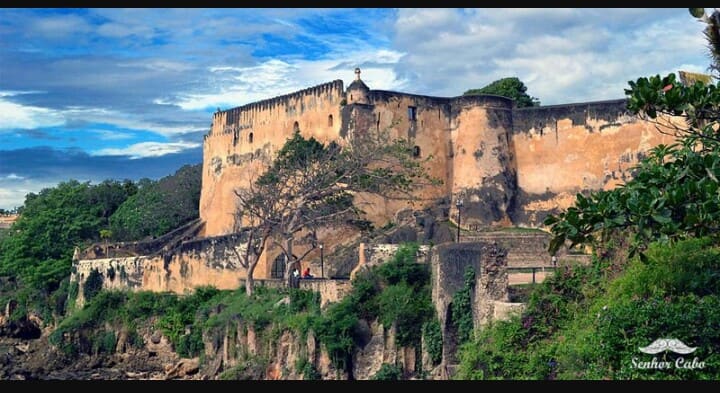
Fort Jesus
This 1593 Portuguese fortress guards the harbour entrance. Visit early morning before heat and tour buses arrive.
Ρωτήστε το ParleyΚένυα
Kenya's ancient port where Swahili culture meets the sea.
introduction
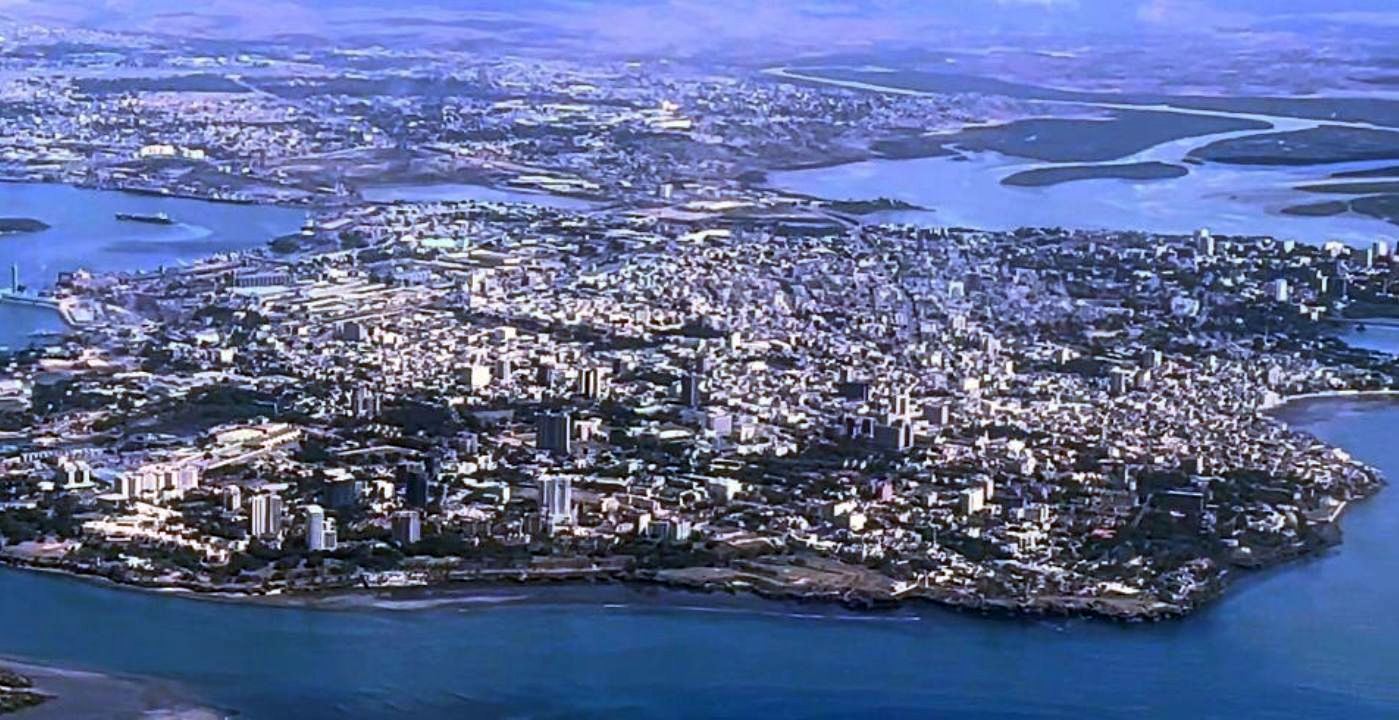
Mombasa is an island city shaped by century-old trade routes across the Indian Ocean. You move between its historic coral core, northern beach suburbs, and southern ferry crossings. Traffic bogs down at choke points like the Nyali Bridge and Likoni Channel, so pick your base based on where you plan to spend your days.
Airport to island transit
Taxis from Moi International Airport charge fixed rates to the island. Negotiate before sitting down or use a ride-hailing app to avoid inflated tourist fares.
UNESCO World Heritage Site
Fort Jesus received UNESCO World Heritage status in 2011. It stands as a 16th-century masterpiece of Portuguese military architecture.
Likoni Ferry bottleneck
Crossing to the South Coast via the Likoni Ferry causes severe road delays during peak hours. Budget at least an extra hour if travelling to Diani before evening.
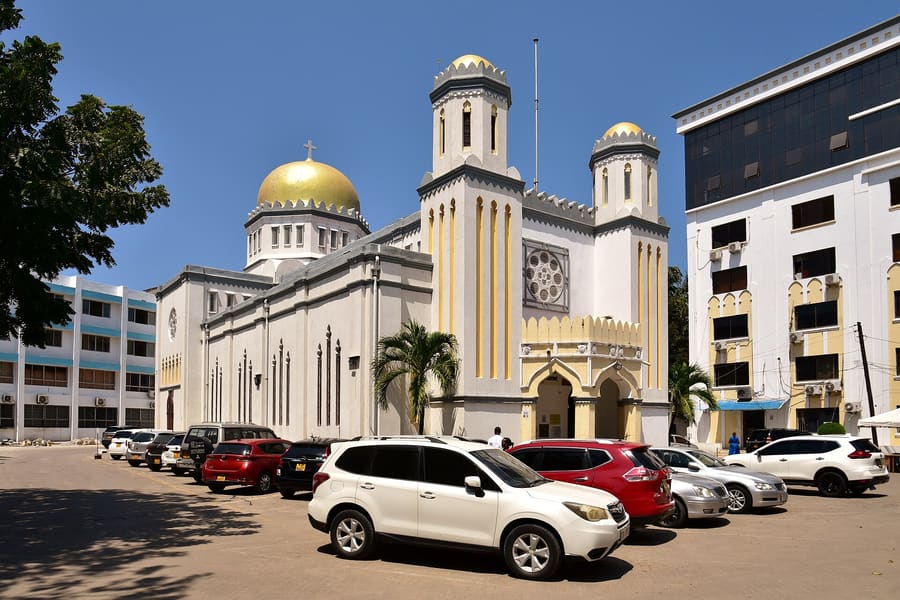
Mombasa
Bahnfrend · CC BY-SA 4.0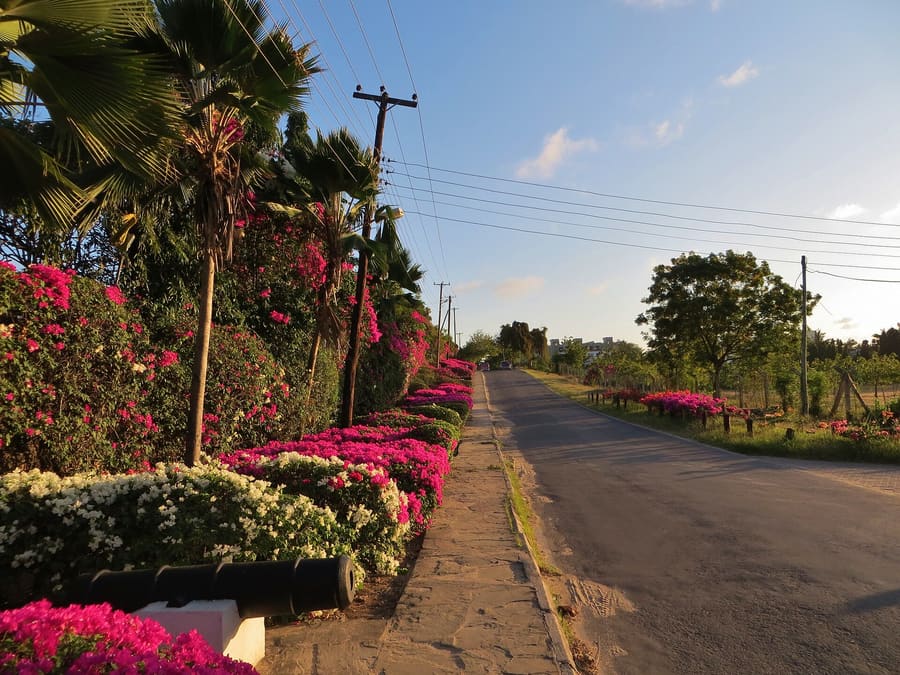
Nyali — Upscale residential neighbourhood with sandy beaches and modern dining.
FredD · CC BY-SA 3.0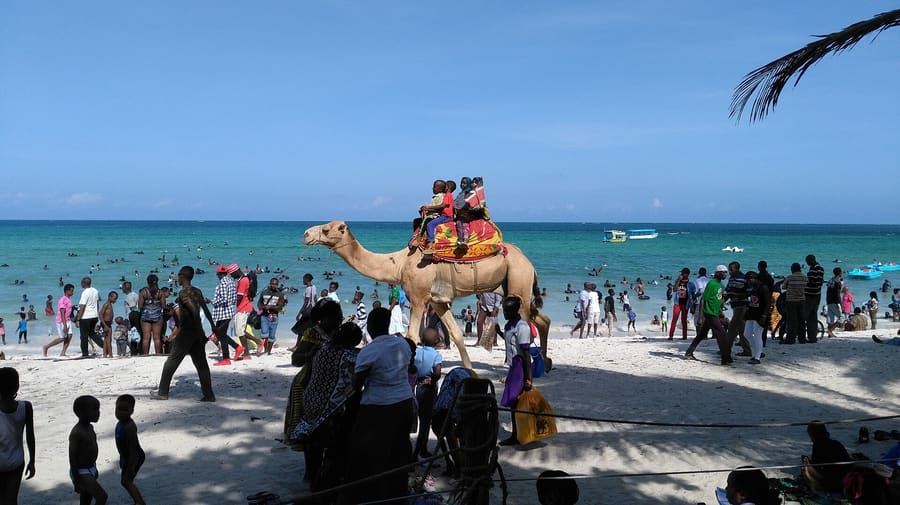
Bamburi — Lively beachfront strip dominated by mid-range resorts and lively bars.
Stavrosm63 · CC BY-SA 4.0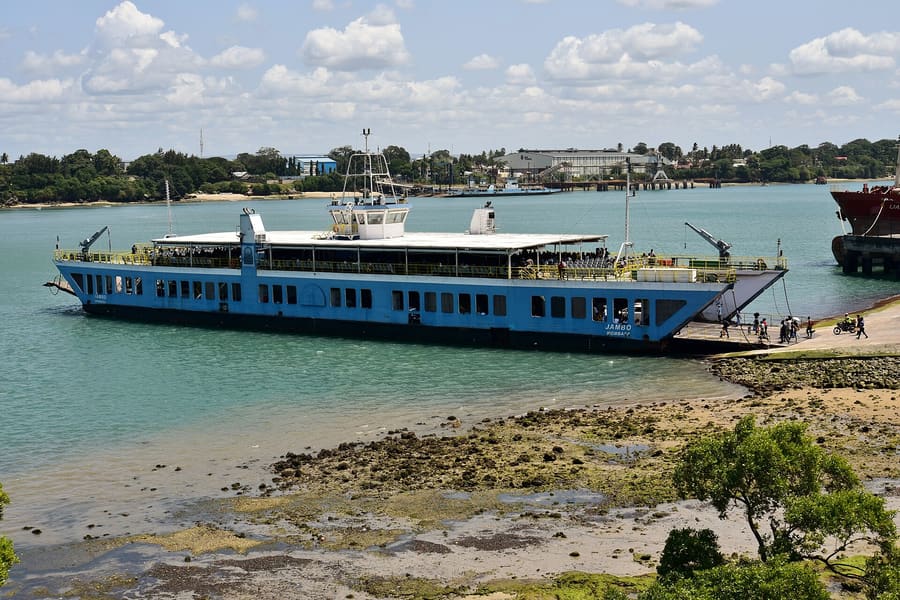
Likoni — A busy transit zone connecting the island to the southern coastline.
Bahnfrend · CC BY-SA 4.0highlights
landmark
This 1593 Portuguese fortress guards the harbour entrance. Visit early morning before heat and tour buses arrive.
Ρωτήστε το Parley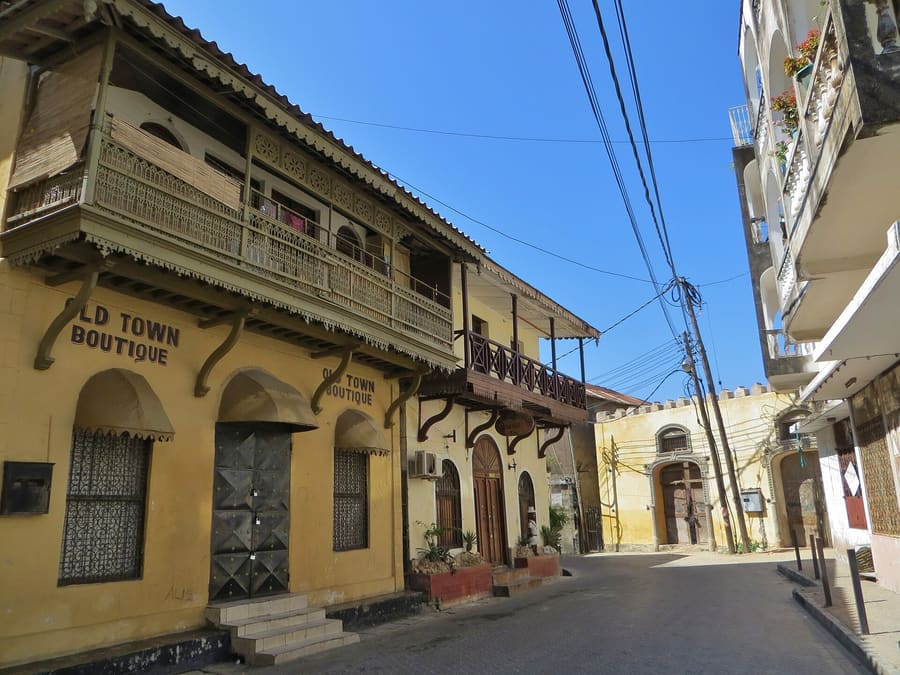
landmark
Narrow alleys lined with carved Swahili doors and spice shops. Walk with a local guide to navigate the maze easily.
Ρωτήστε το Parley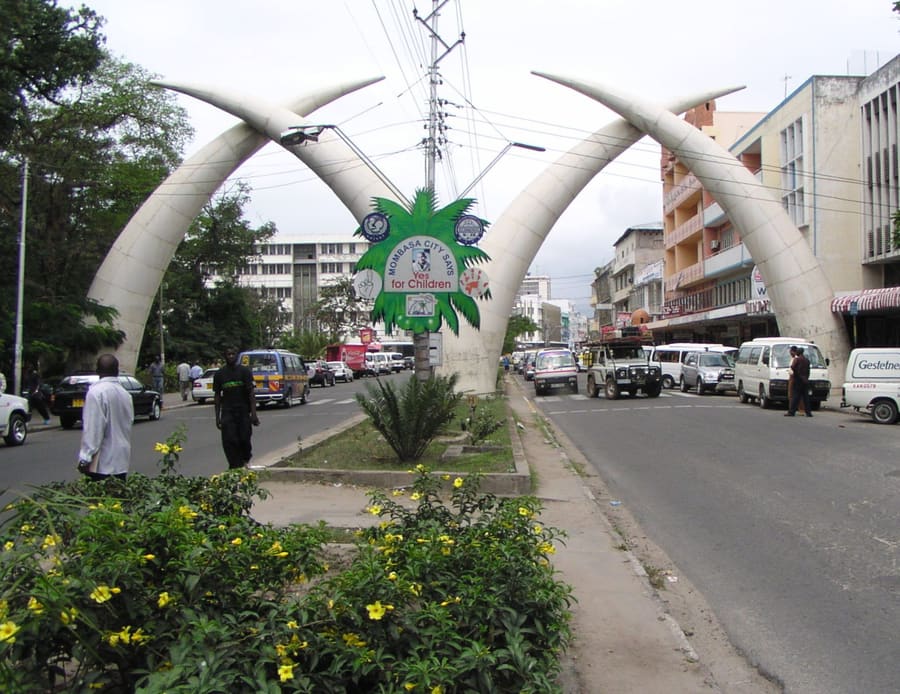
landmark
Commemorative aluminium arches built in 1952 along Moi Avenue. A quick photo stop while crossing the central island.
Ρωτήστε το Parley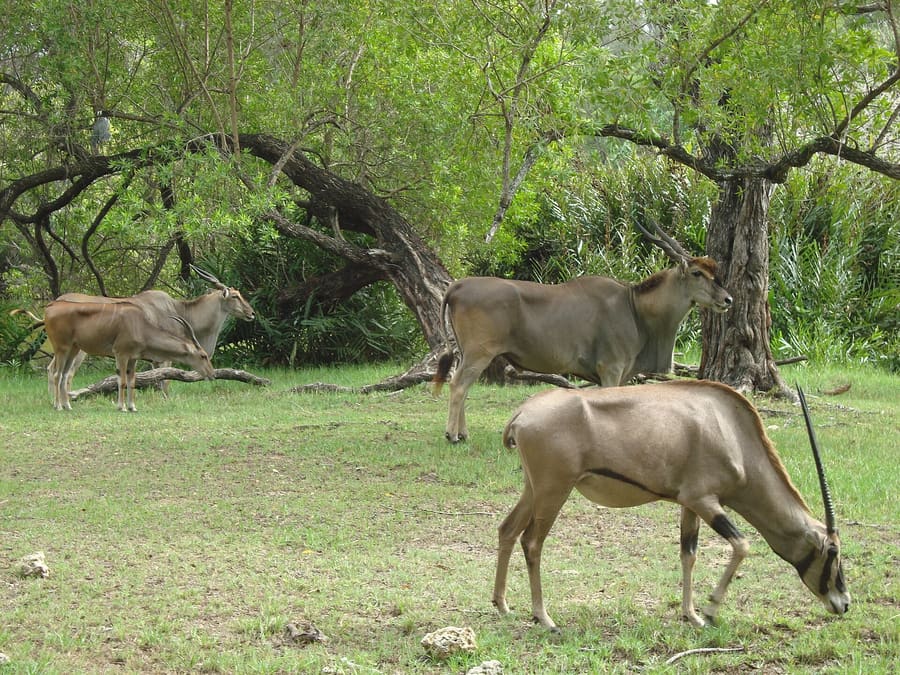
landmark
A reclaimed limestone quarry converted into a thriving nature sanctuary. Giraffe feedings happen daily at 15:00.
Ρωτήστε το Parleyattractions
areas
Upscale residential neighbourhood with sandy beaches and modern dining.
ΚοντάNyali Golf Club, Mamba Village, and modern shopping malls.
Ρωτήστε το ParleyLively beachfront strip dominated by mid-range resorts and lively bars.
ΚοντάHaller Park, Bamburi Beach, and marine reserves.
Ρωτήστε το ParleyA busy transit zone connecting the island to the southern coastline.
ΚοντάLikoni Ferry Terminal and roads south toward Diani.
Ρωτήστε το ParleyNarrow stone alleys, historic Arab architecture, and aromatic spice stalls.
ΚοντάFort Jesus, Old Port, and central spice markets.
Ρωτήστε το Parleyfood
Mombasa cuisine reflects centuries of Indian Ocean trade. Coconut milk, cardamoms, cloves, and tamarind define local marinades. Street vendors prepare fried cassava and mahamri along Old Town streets from late afternoon.
Pair light cardamom-spiced mahamri donuts with pigeon peas in coconut sauce (mbazi) at small Old Town tea shops for breakfast.
Eat chicken or mutton biryani at Barka Restaurant near Fort Jesus, where rich spice layers simmer slowly over charcoal.
Order grilled lobster or kingfish directly from beachfront shacks along Nyali Beach, paying cash per kilogram.
history
Mombasa grew as a major Swahili trading port long before European arrival. Control shifted between local sultans, Omani Arabs, Portuguese conquerors, and British colonial administrators, leaving a layered urban landscape.
Early Arab Trade
Geographer Al-Idrisi documents Mombasa as a prosperous coastal trading center dealing in ivory and timber.
Portuguese Fortification
The Portuguese construct Fort Jesus to secure control over the western Indian Ocean trade routes.
Omani Conquest
Omani Arabs capture Fort Jesus after a two-year siege, ending Portuguese dominance on the coast.
British East Africa
Mombasa becomes the capital of the British East Africa Protectorate and starting point for the Uganda Railway.
where to stay
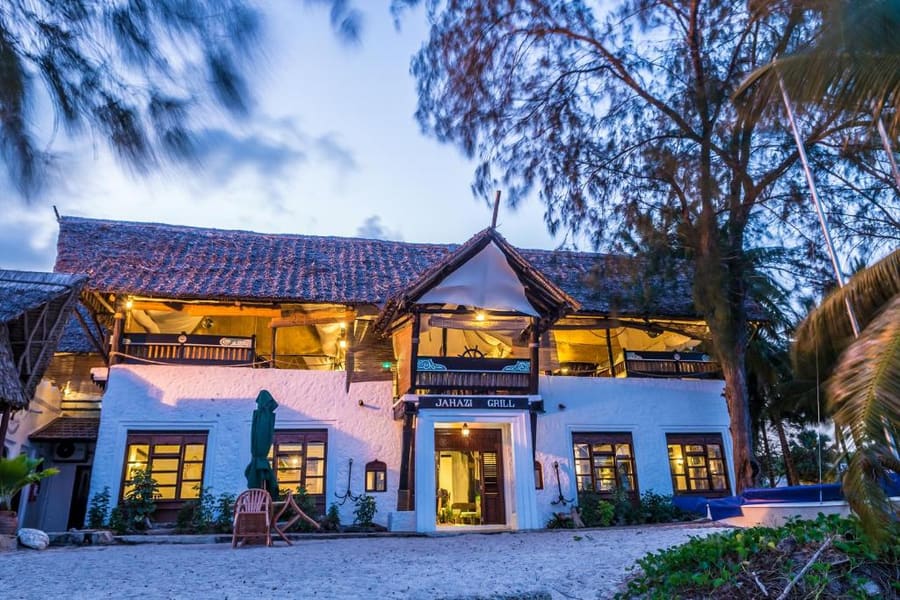
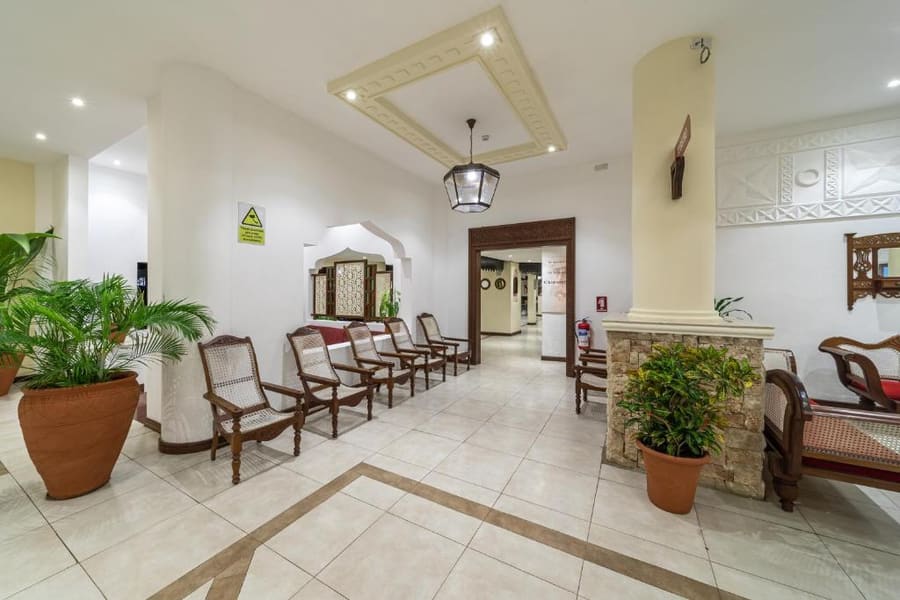
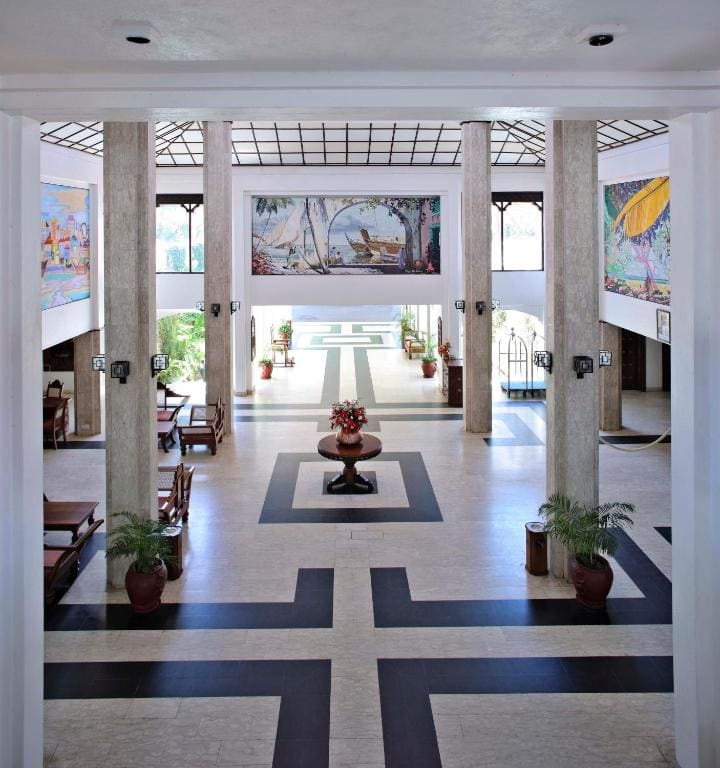
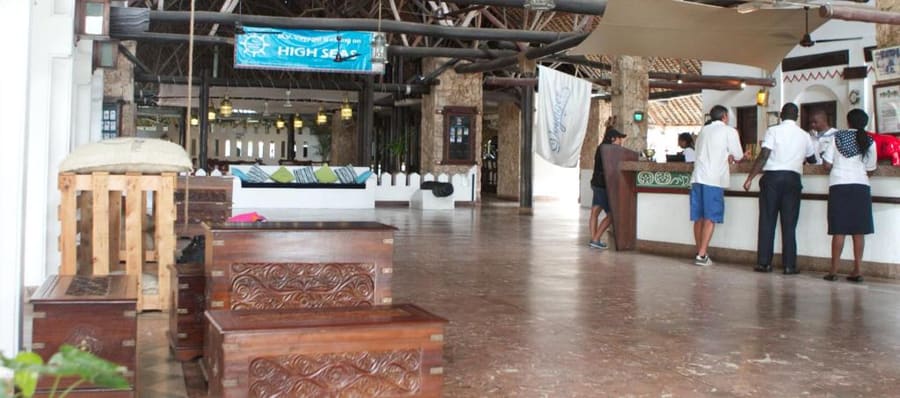
Choose your location based on transit priorities. Stay on the North Coast in Nyali or Bamburi for clean beaches and resorts. Stay on Mombasa Island if historical walking tours and street food are your main focus.
Live rates, matched to the areas above.
transport
Transport across Mombasa relies heavily on tuk-tuks, matatus, and ride-hailing apps. Waterways split the city, making bridges and ferries critical transit bottlenecks.
Από Moi International Airport (MBA)
Agree on the price before starting the trip if not using a meter.
Pick-up locations operate right outside the arrivals terminal.
Tuk-tuks handle short inner-city runs best. Negotiate fares beforehand as drivers rarely use meters.
Traffic over Nyali Bridge peaks during weekday mornings and evenings. Plan airport runs with extra leeway.
Minibuses (matatus) run along main corridors like Moi Avenue. Pay cash directly to the conductor.
Uber and Bolt operate reliably across the island and northern suburbs like Nyali.
cost
Prices in Mombasa are lower than in Nairobi, though tourist resorts charge Western rates. Local markets and street eateries offer extremely inexpensive meals.
Standard price for a light breakfast at local Swahili tea shops in Old Town.
Standard entry ticket price for non-resident adult visitors.
Typical fare for short rides across Mombasa Island core.
Fresh grilled fish dish at mid-range Nyali oceanfront restaurants.
seasonality
DEC – MAR
Hot and dry with calm ocean water. Ideal conditions for diving and deep-sea fishing.
APR – MAY
Heavy monsoon rains hit the coast. Coastal resorts offer deep discounts, but beach activities slow down.
JUN – OCT
Cooler, dry weather with comfortable humidity. High season for wildlife safaris in nearby parks.
NOV
Short rains arrive briefly. Warm temperatures return ahead of peak festive season travel.
practicalities
Mombasa has a large Muslim community. Dress modestly when walking around Old Town, covering shoulders and knees.
Ocean tides vary dramatically daily. Low tide leaves wide beach flats exposed, making swimming difficult.
Curio sellers and camel handlers walk the public beaches. A polite, firm 'no thank you' stops unwanted haggling.
Coastal heat and high humidity dehydrate quickly. Carry bottled water during daytime walking tours.
M-Pesa and cash are accepted everywhere. Cards work reliably at major hotels and established restaurants.