landmark
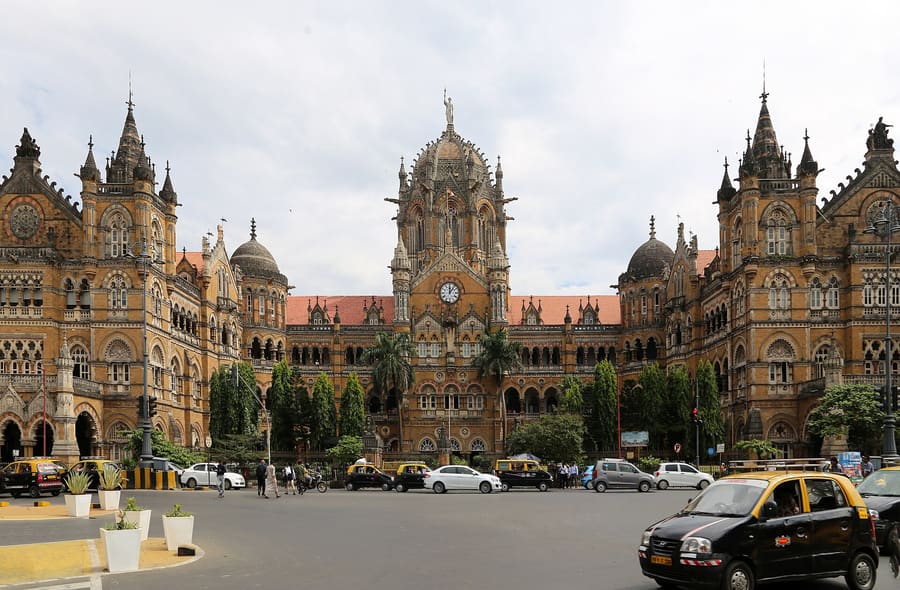
Chhatrapati Shivaji Maharaj Terminus
High Victorian Gothic train terminal operating since 1888. View the grand facade from the pedestrian crosswalk.
Ρωτήστε το ParleyΙνδία
India's financial capital built on seven reclaimed islands.
introduction
Mumbai stretches north along a narrow peninsula, pinned between the Arabian Sea and a vast inland bay. You navigate the city along a strict south-to-north axis defined by its railway lines. Distance matters less here than time of day, as rush-hour traffic slows road travel to a crawl. Moving effectively requires matching your transit mode to the direction and hour of travel.
Arrival trick
Prepaid taxis from Chhatrapati Shivaji Maharaj International Airport cost less than hotel cars. Queue at the official prepaid counter inside the terminal.
Victorian Gothic UNESCO status
CSMT train station and the nearby Victorian Gothic assembly of Fort received UNESCO World Heritage status in 2004 and 2018.
Train travel planning
Avoid the suburban railway between 08:00 and 11:00 and 17:30 and 20:30. Cars fill beyond maximum capacity during peak hours.
Mumbai
Streetsoda · CC0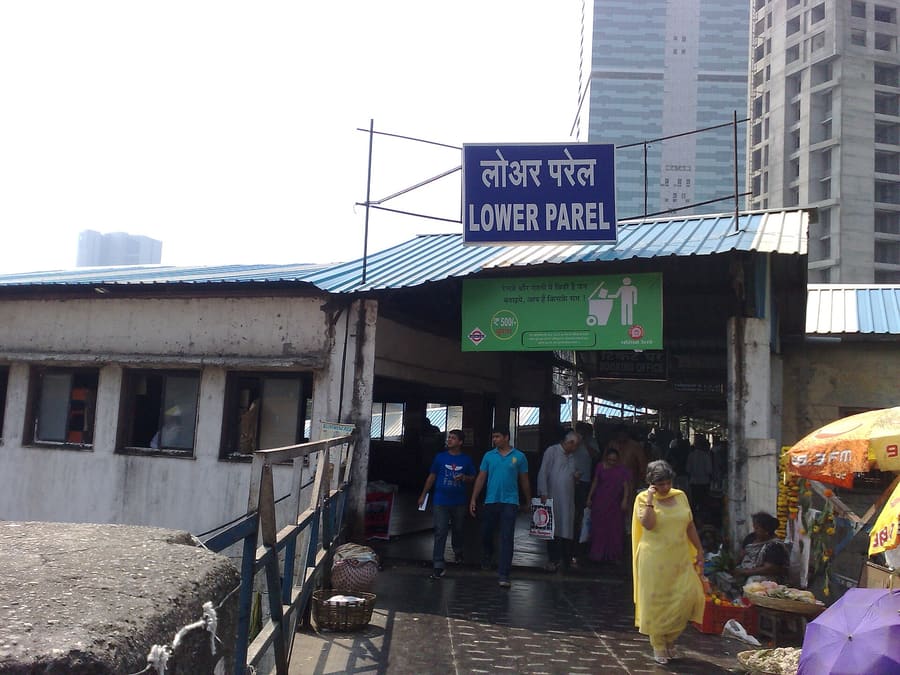
Lower Parel — Former textile mill compounds converted into high-rise office parks, bars, and luxury dining.
Superfast1111 · CC BY-SA 4.0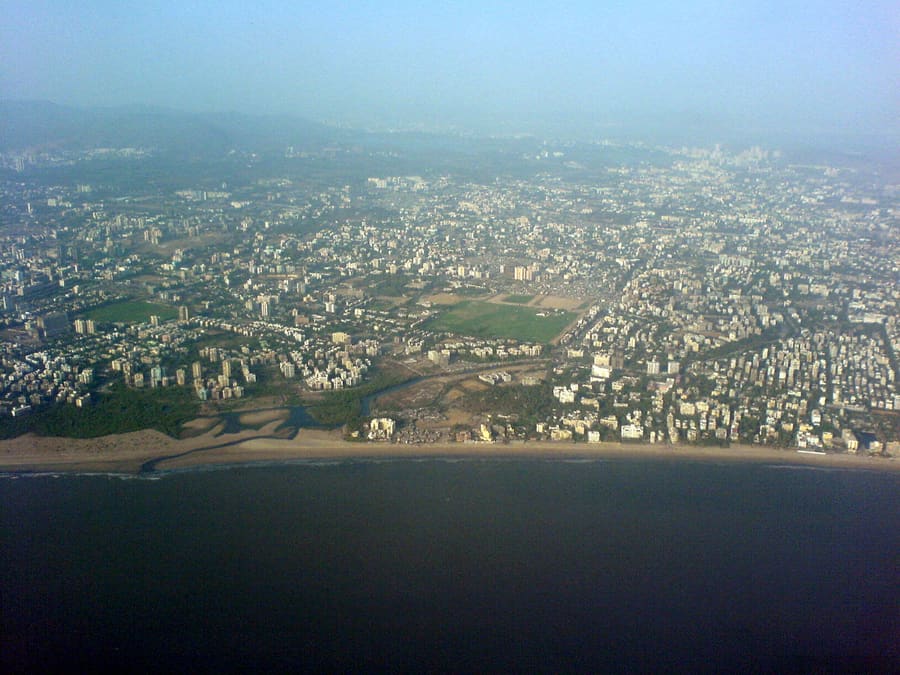
Juhu — Coastal suburb with wide beaches, upscale residential lanes, and street snack stalls.
Ranga27 (talk) · CC BY-SA 3.0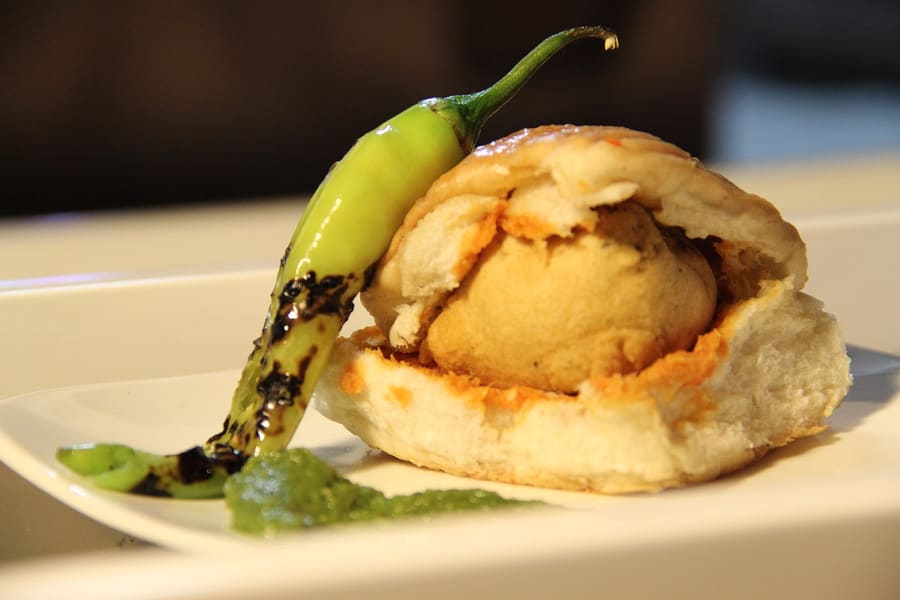
Vada pav served fresh with salted green chilli and fried garlic chutney.
Rutvi Mistry · CC BY-SA 4.0highlights
landmark
High Victorian Gothic train terminal operating since 1888. View the grand facade from the pedestrian crosswalk.
Ρωτήστε το Parley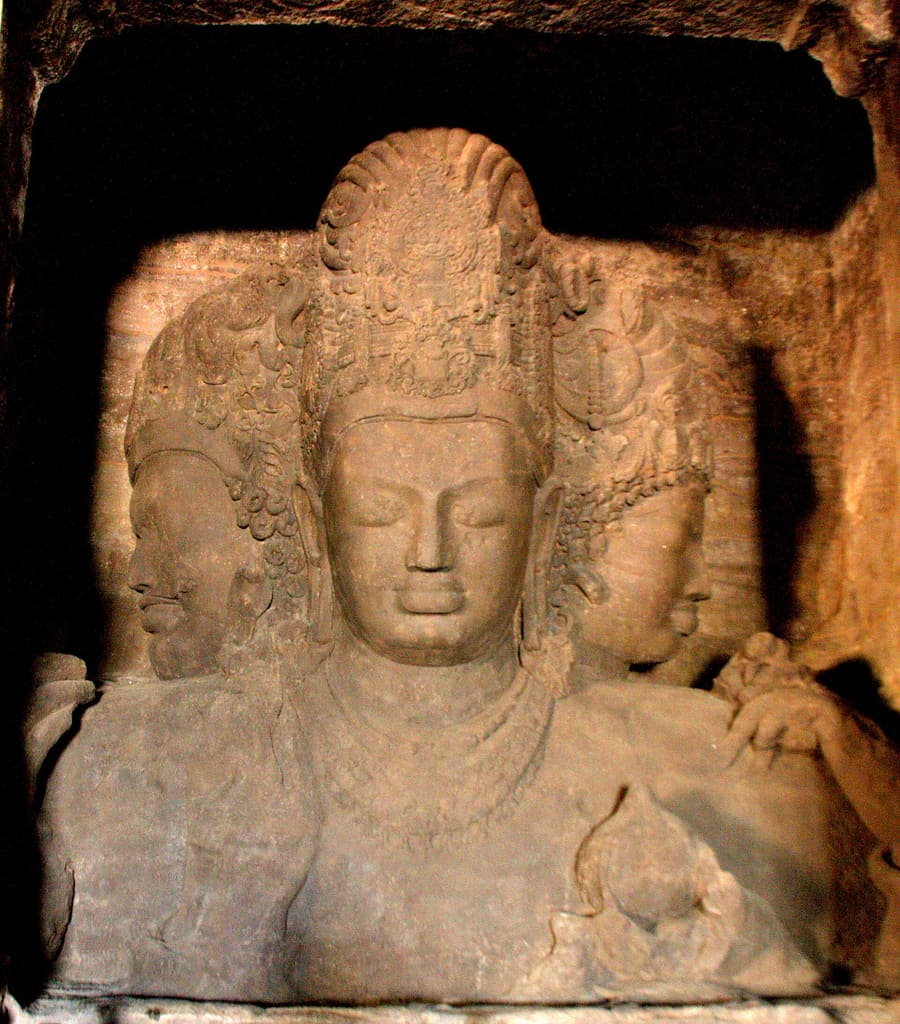
landmark
Sixth-century rock-cut cave temples on an island. Boats depart hourly from Gateway of India, closing Mondays.
Ρωτήστε το Parley
landmark
Three-kilometer coastal boulevard along Back Bay. Walk at sunset when heat subsides and streetlights turn on.
Ρωτήστε το Parley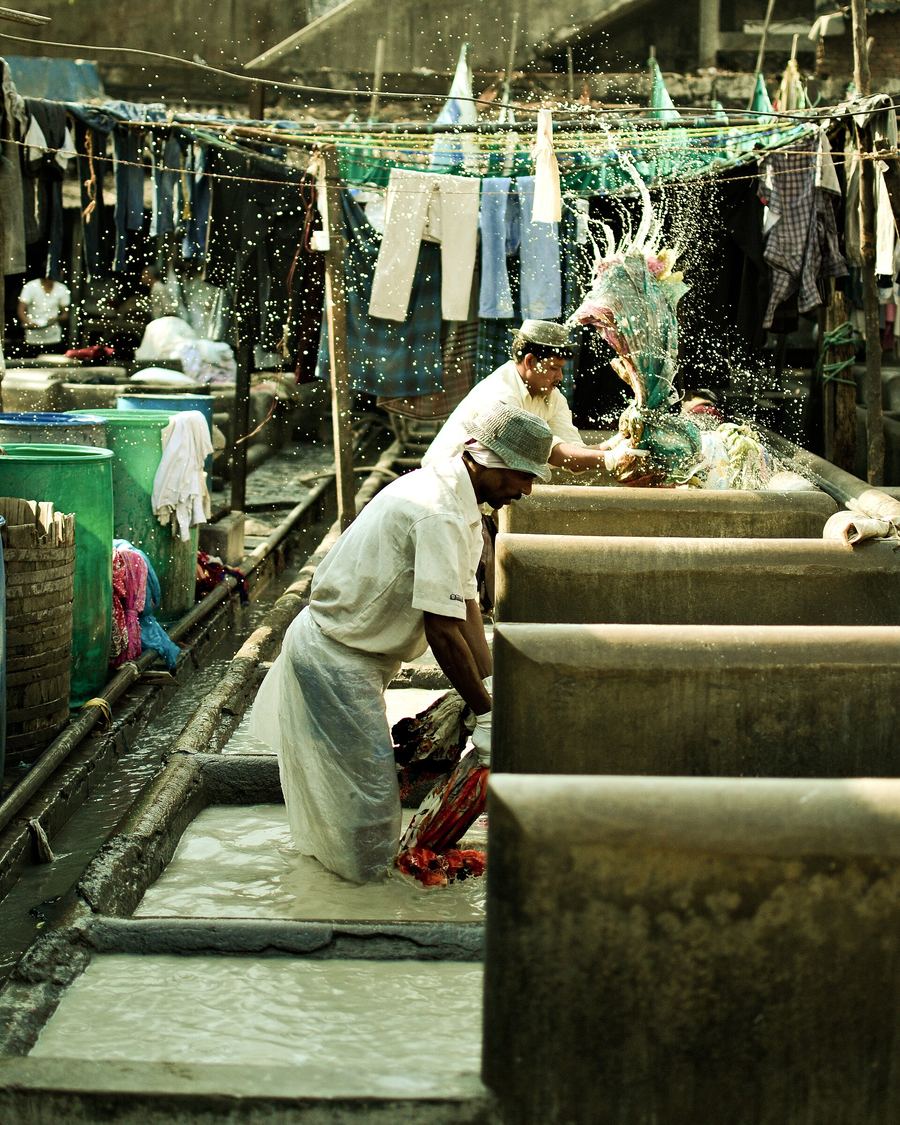
landmark
Massive open-air laundry established in 1890. View the entire complex clearly from Mahalaxmi station bridge.
Ρωτήστε το Parley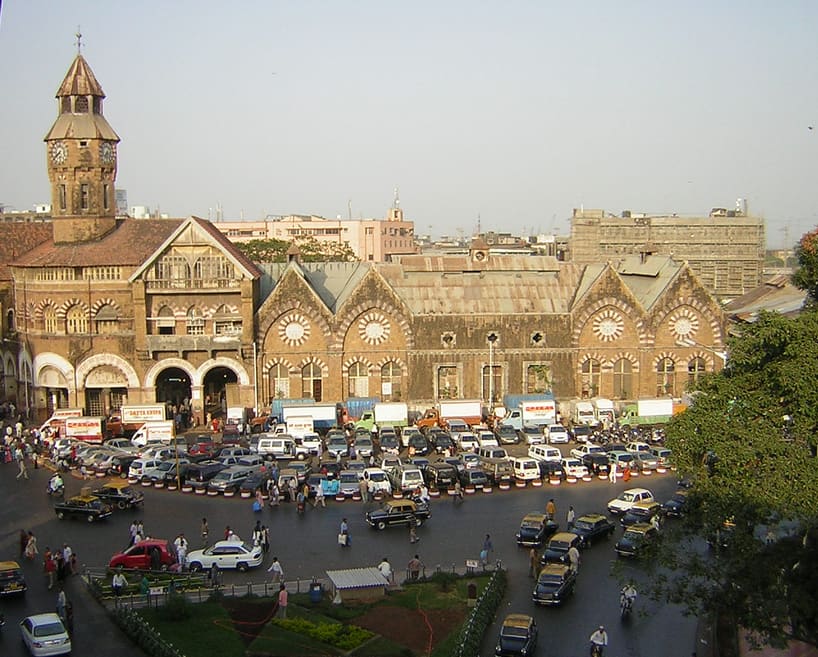
landmark
Covered produce market designed with Norman-Gothic arches. Walk through early morning for wholesale fruit trade.
Ρωτήστε το Parleyattractions
areas
Former textile mill compounds converted into high-rise office parks, bars, and luxury dining.
ΚοντάMahalaxmi Racecourse and Phoenix Palladium mall.
Ρωτήστε το ParleyCoastal suburb with wide beaches, upscale residential lanes, and street snack stalls.
ΚοντάJuhu Beach and Chhatrapati Shivaji Maharaj Airport.
Ρωτήστε το ParleyColonial architecture, dense street markets, historic art galleries, and waterfront views.
ΚοντάGateway of India and Kala Ghoda art district.
Ρωτήστε το ParleyPortuguese-influenced hamlets, modern cafes, boutique retail, and seaside promenades.
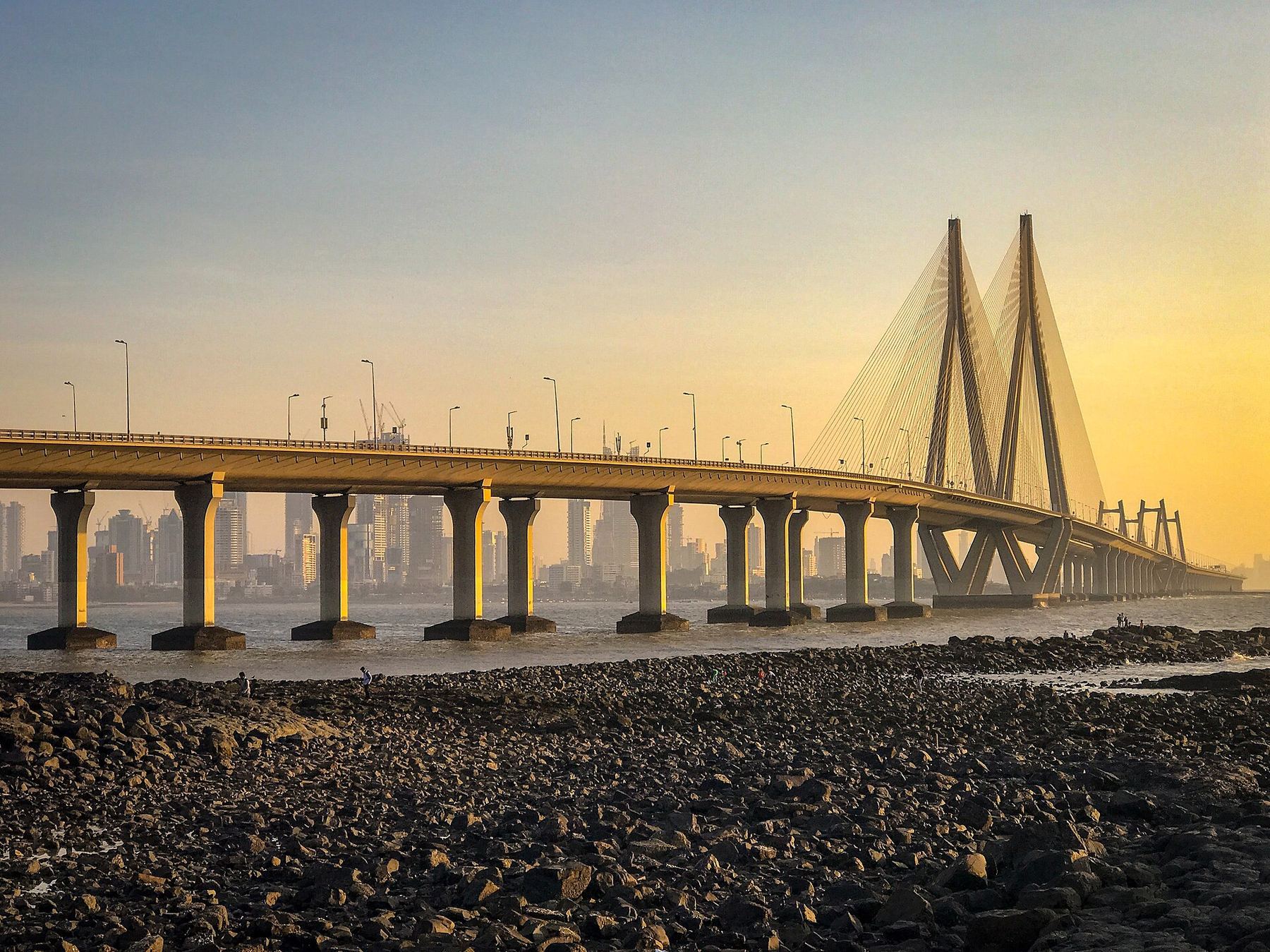
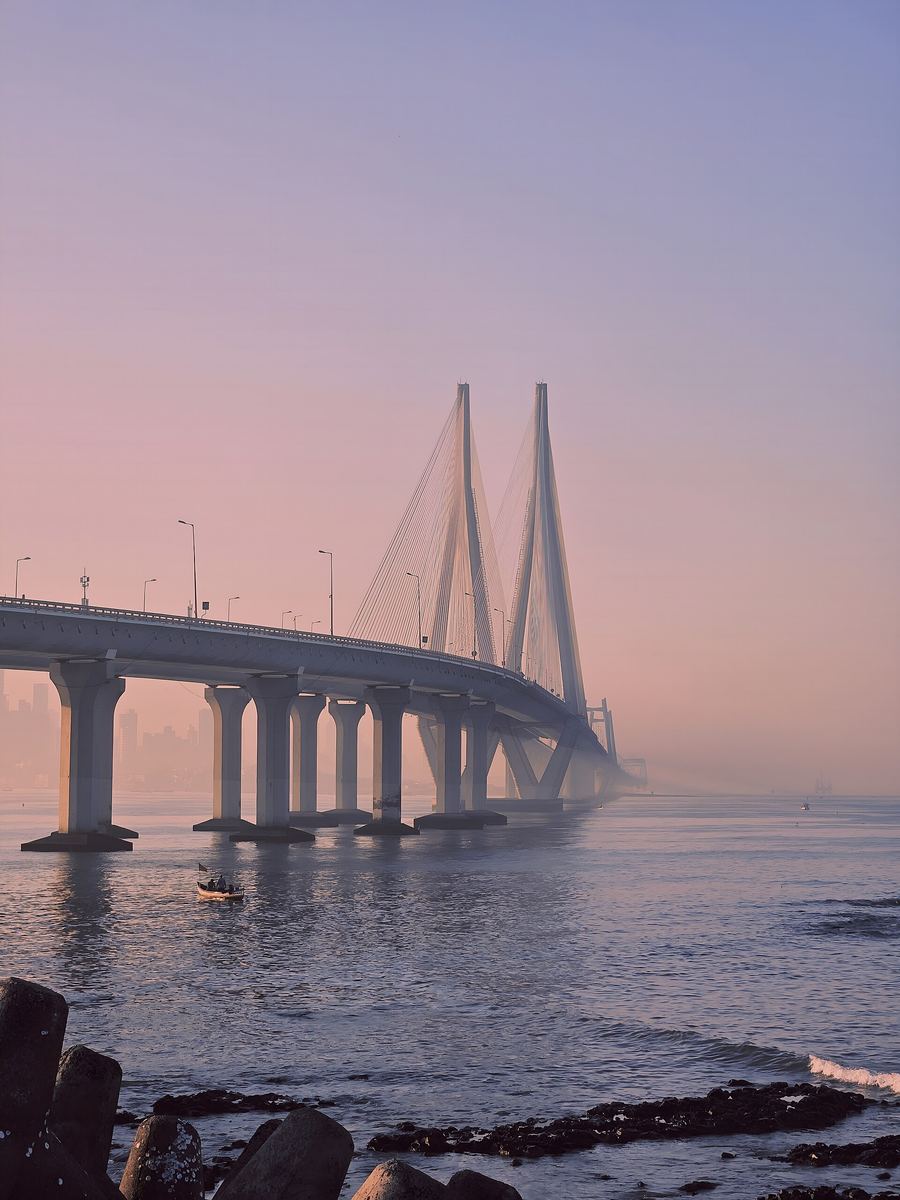
ΚοντάBandra-Worli Sea Link and Carter Road promenade.
Ρωτήστε το Parleyfood
Mumbai food centers on quick fuel for workers and specialized regional coastal cooking. The city invented vada pav, a deep-fried spiced potato ball inside a soft yeast roll, served at roadside stalls outside railway stations. Irani cafes founded by Parsi and Irani immigrants serve bun maska (buttered bread) dipped in sweet spiced tea alongside keema ghotala (minced spiced mutton with egg).Seafood restaurants in South Mumbai serve Mangalorean and Koli coastal preparations. Order butter garlic crab or bombil fry (crispy Bombay duck fish) cooked with fiery red Byadgi chillies and kokum souring fruit.
Vada pav served fresh with salted green chilli and fried garlic chutney.
Rutvi Mistry · CC BY-SA 4.0Order chai with bun maska at Kyani & Co in Marine Lines. Seating is shared at marble-topped tables during rush hours.
Eat cooked street snacks like pav bhaji at high-turnover stalls near Churchgate or Dadar station where pans stay piping hot.
Reserve tables ahead at Trishna in Kala Ghoda or Mahesh Lunch Home for coastal Mangalorean seafood preparations.
history
Mumbai was originally an archipelago of seven distinct islands inhabited by indigenous Koli fishing communities. Portugal gained control of the islands in 1534 and ceded them to the British Crown in 1661 as part of Catherine of Braganza's dowry to Charles II. The British East India Company leased the land and began major civil engineering projects to consolidate the islands.The Hornby Vellard was completed in 1784 to plug the Great Breach, while the complete unification of the islands into a single landmass was achieved through subsequent 19th-century reclamation projects such as the Colaba Causeway in 1838. The opening of the Suez Canal in 1869 made Mumbai the primary Arabian Sea port of British India, accelerating industrial textile growth and railway development.
Portuguese Treaty
Sultan Bahadur of Gujarat cedes the seven islands of Bombay to Portugal under the Treaty of Bassein.
Royal Dowry Transfer
Britain acquires the islands through the marriage treaty between King Charles II and Catherine of Braganza.
First Indian Railway
India's first commercial passenger train runs 34 kilometers from Bori Bunder in Mumbai to Thane.
Official Renaming
The city official changes its legal name from Bombay to Mumbai, honoring the local deity Mumbadevi.
where to stay
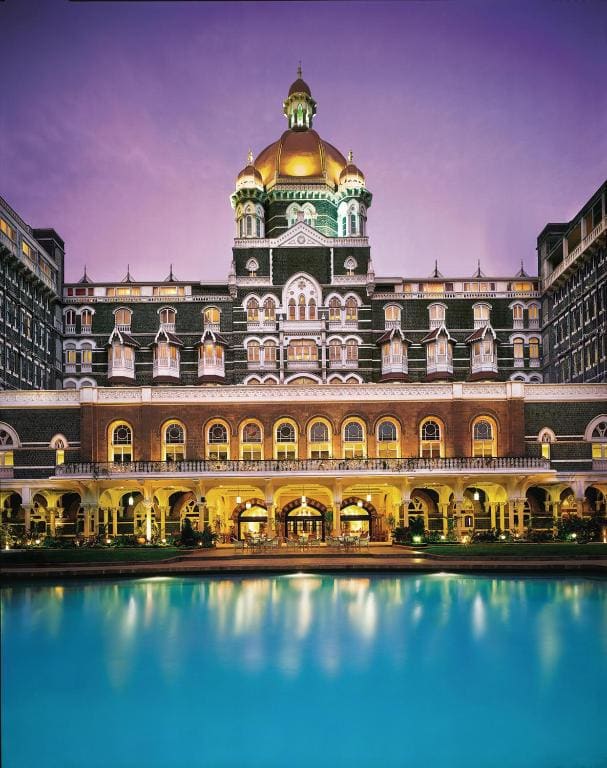
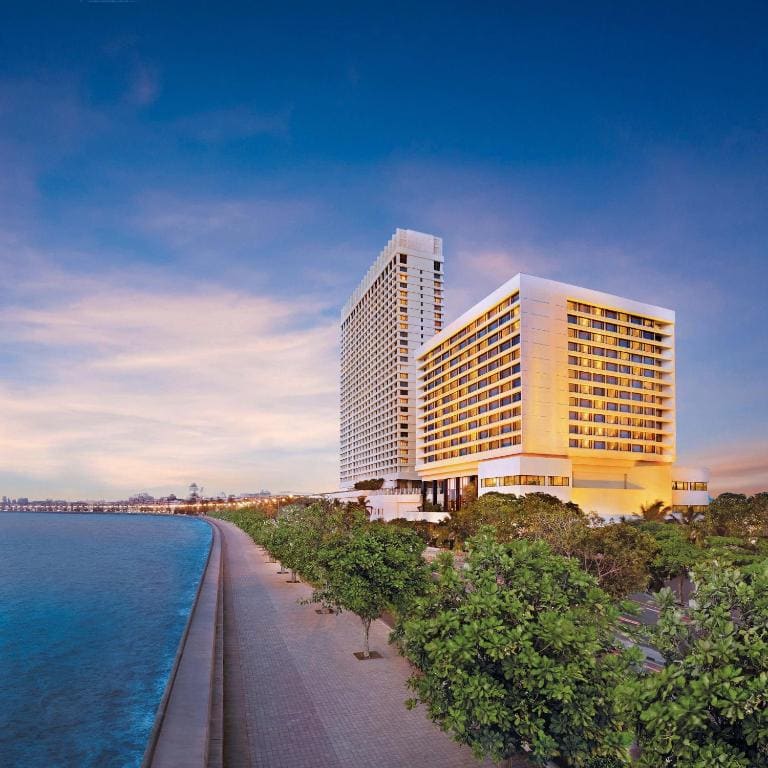
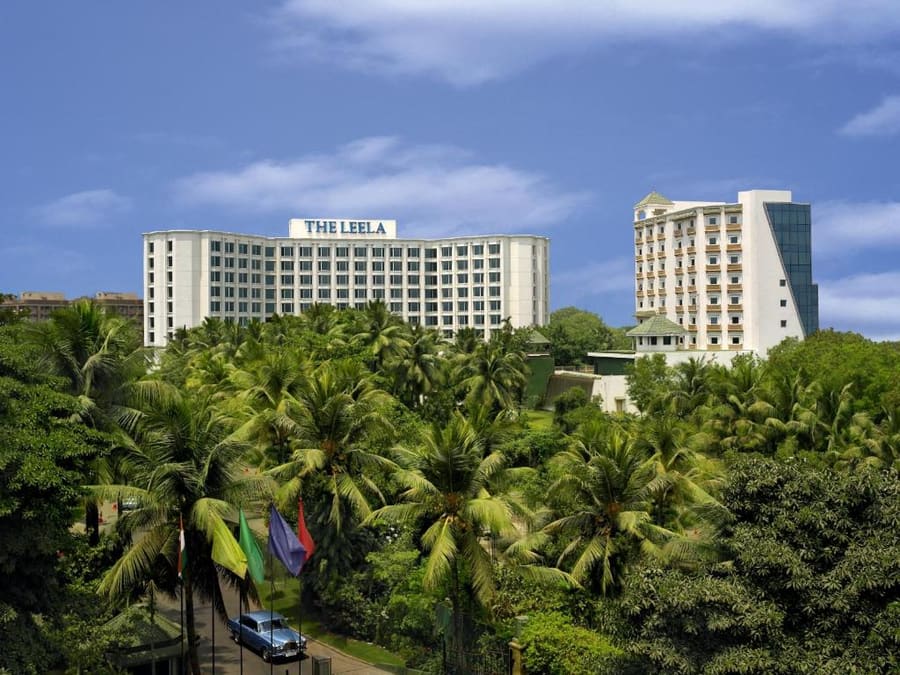
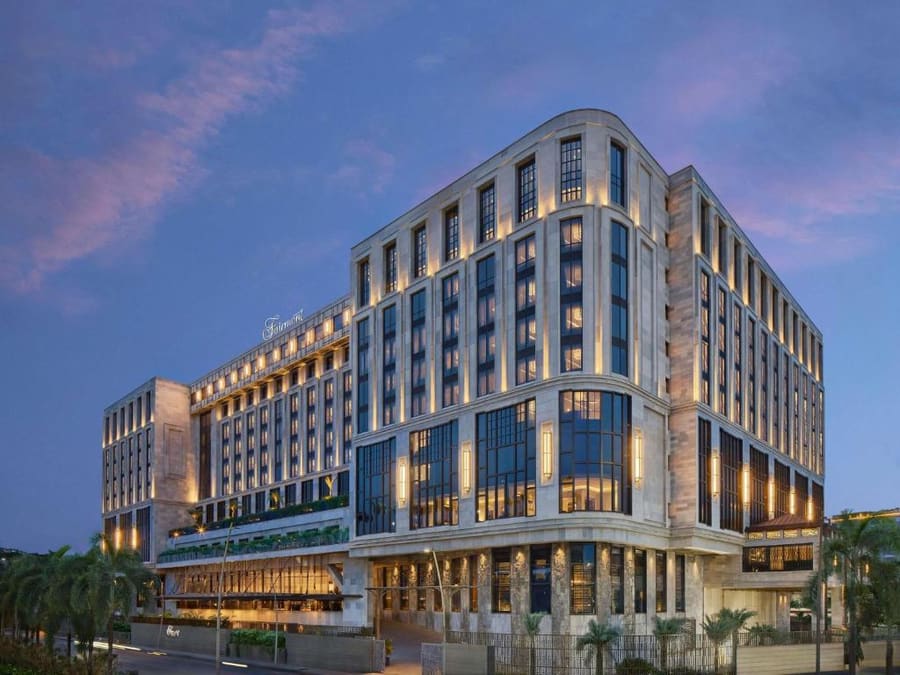
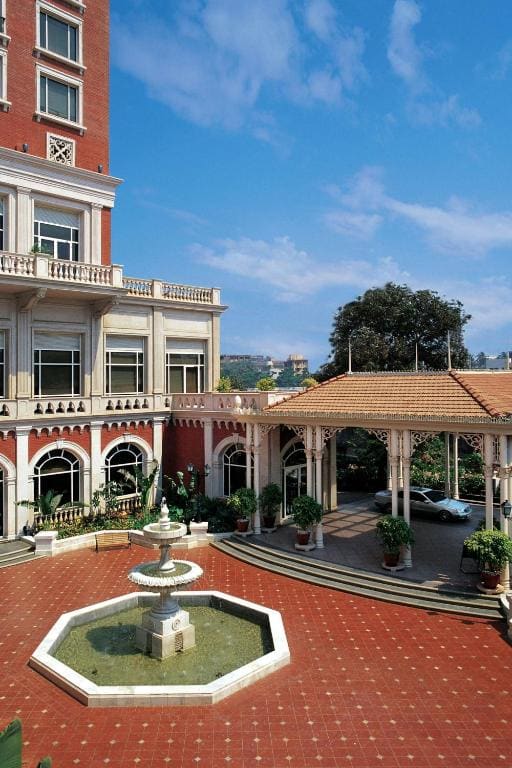
Base yourself according to your primary itinerary. South Mumbai keeps you near historic architecture, major museums, and central train terminals. North suburban hubs put you close to nightlife, fine dining, and the international airport.
Live rates, matched to the areas above.
transport
Mumbai's transport system runs along north-south transit corridors. The Suburban Railway carries over seven million commuters daily. Road traffic moves slowly during business hours, making local trains or metered cabs better choices depending on the time of day.
Από BOM
Prepaid black-and-yellow or official airport AC taxis operate from counters inside Terminal 2.
Uber and Ola pick up from dedicated zones in the Terminal 2 multi-level parking garage.
Requires short taxi transfer to Vile Parle or Andheri station to catch Western Line services south.
Buy First Class or Air-Conditioned (AC) train tickets at ticket counters to secure space during non-peak hours.
Metered Kaali Peeli taxis run south of Mahim Creek. Drivers must use the electronic meter by law.
Three-wheeled auto rickshaws operate only north of Bandra and Mahim. They are banned in South Mumbai.
The Mumbai Coastal Road connects Marine Drive directly to Worli, bypassing inland traffic spots.
cost
Mumbai is India's most expensive real estate market, but daily food and local transport remain cheap if you use local services. High-end dining and luxury hotels carry taxes of up to 18 percent GST.
A fresh hot potato patty in a soft roll at station street stalls.
Sweet spiced milk tea served with buttered roll at traditional cafes.
Minimum flag fall meter charge for a black-and-yellow cab starts around ₹28.
Full seafood or regional meal in established neighborhood restaurants.
seasonality
NOV – FEB
Dry winter air and comfortable temperatures (20–32°C). Peak tourist period for walking tours and harbor boat trips.
MAR – MAY
High humidity and temperatures rising to 35°C. Plan outdoor sightseeing early in the morning.
JUN – SEP
Monsoon brings torrential downpours and coastal high winds. Ferry services to Elephanta Caves stop running.
OCT
Post-monsoon transition month with clear skies and rising temperatures. Sea conditions settle down.
practicalities
UPI mobile payments are universal, but foreign credit cards work only at formal stores and hotels. Keep cash for cabs.
Waterproof sandals are essential if visiting between June and September due to frequent street flooding.
Download the Yatri or m-Indicator smartphone apps for real-time live local train schedules and platform numbers.
Do not swim at Juhu or Marine Drive beaches. Currents are strong and water quality is unsafe.