landmark
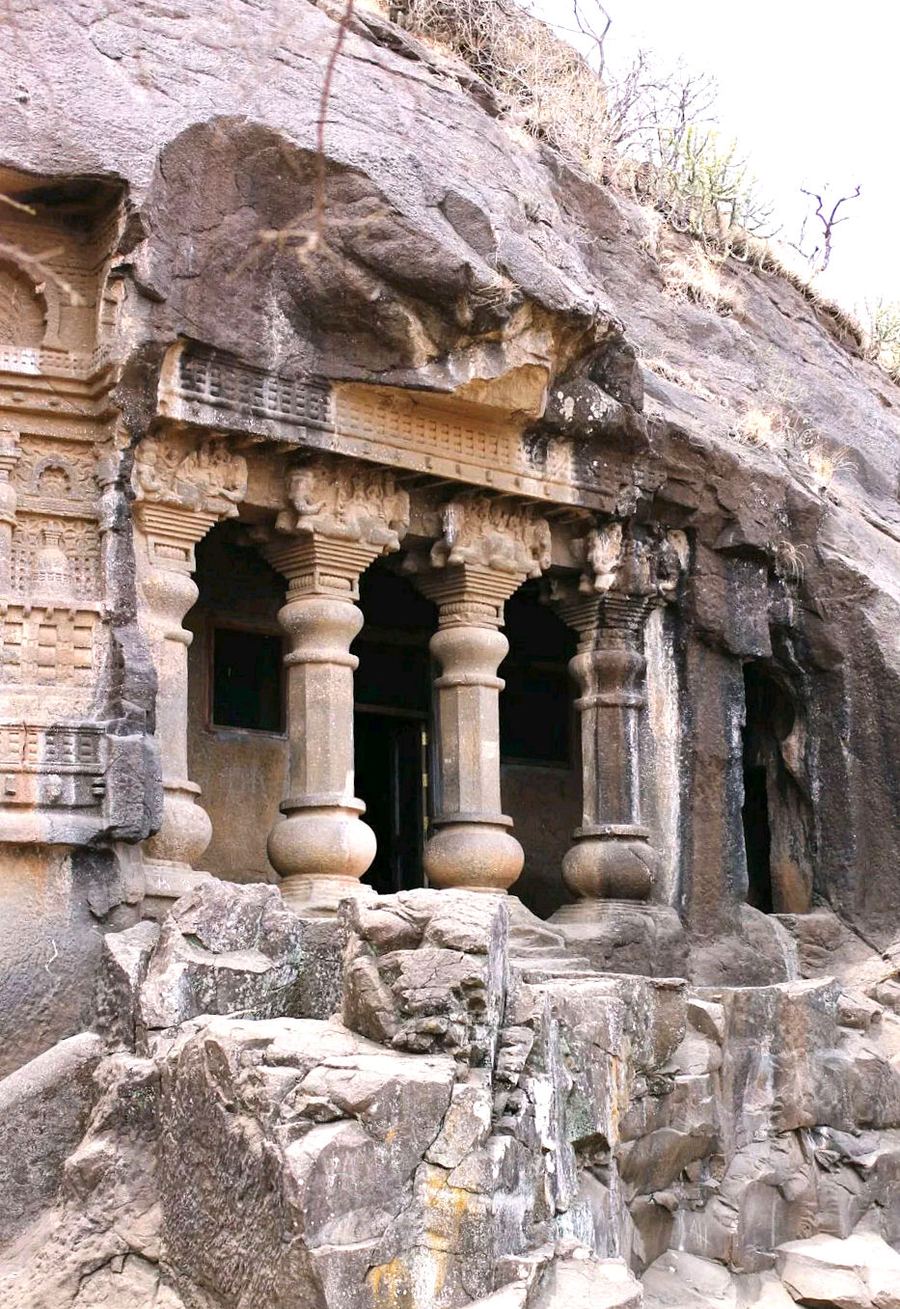
Pandavleni Caves
24 rock-cut Buddhist caves from the 1st century BCE. Climb 200 stone steps early in the morning to beat the afternoon heat.
Ρωτήστε το ParleyΙνδία
India's wine capital anchored by ancient Godavari ghats.
introduction
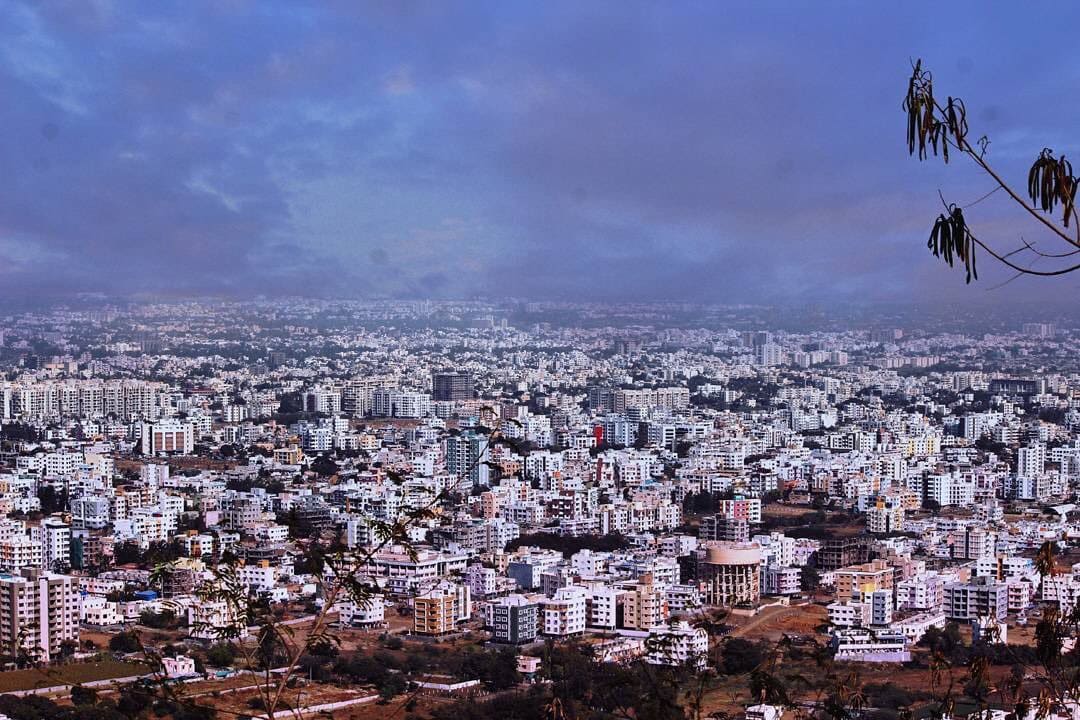
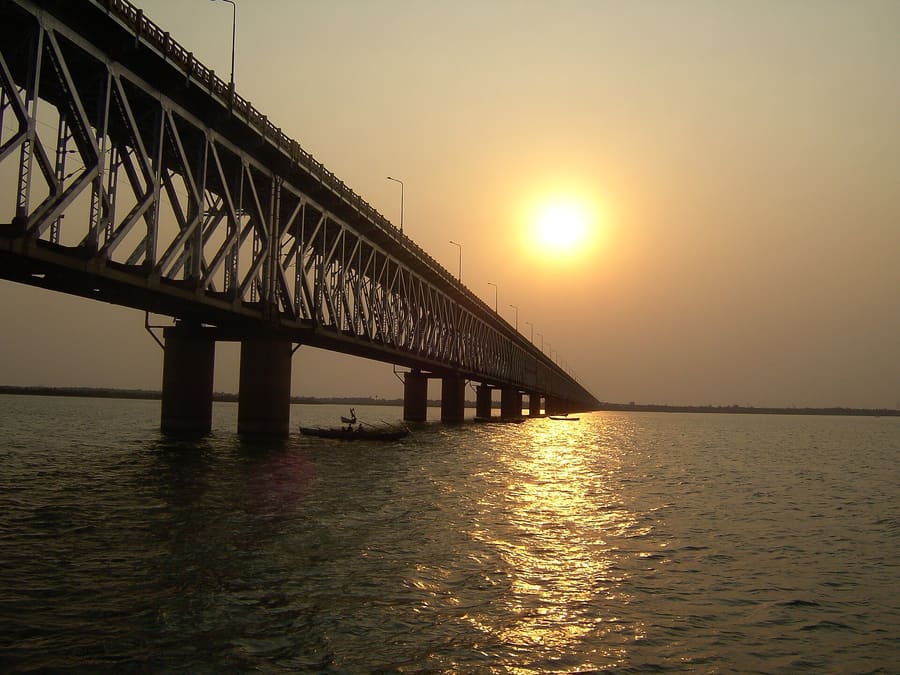
Nashik sits along the Godavari River in northern Maharashtra, split between ancient pilgrimage ghats and modern viticulture. You navigate the city in two distinct modes: walking the riverbanks of Panchavati or taking cabs out to western vineyards. Plan for dense traffic in the old center and long transit times to regional wineries.
Arrival trick
Nashik Road Railway Station sits 9 kilometers southeast of the center. Skip unmetered autos outside and book an app taxi from the station curb.
Kumbh Mela hub
Every 12 years Nashik hosts the Sinhastha Kumbh Mela, drawing millions to the Godavari riverbanks.
Nashik
Original uploader was Rishabhchandan at en.wikipedia. Later version(s) were uploaded by Tatiraju.rishabh at en.wikipedi · CC BY-SA 3.0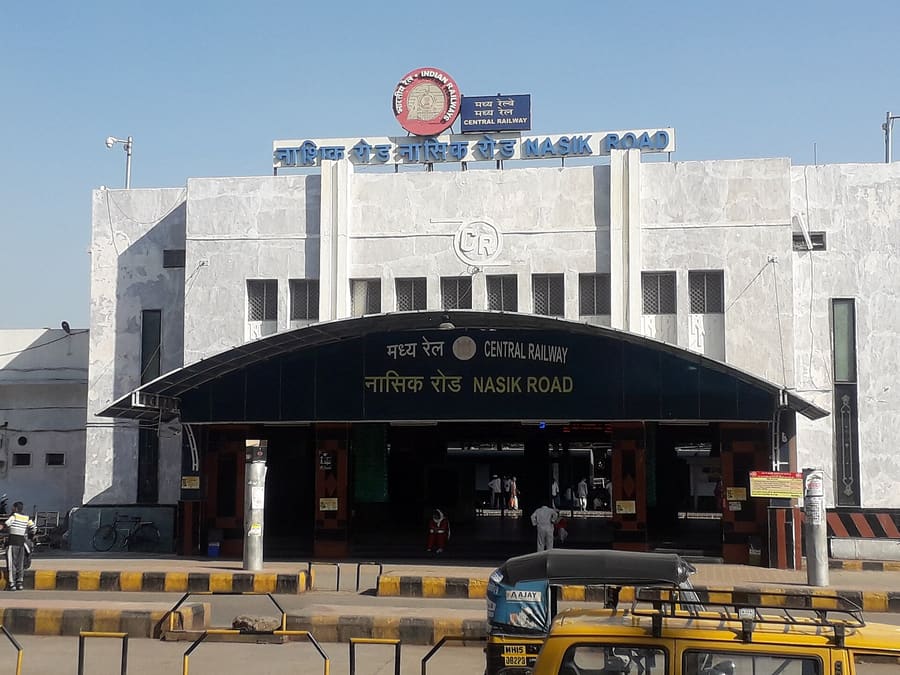
Nashik Road — Commercial transit hub centered around the main railway station.
Superfast1111 · CC BY-SA 4.0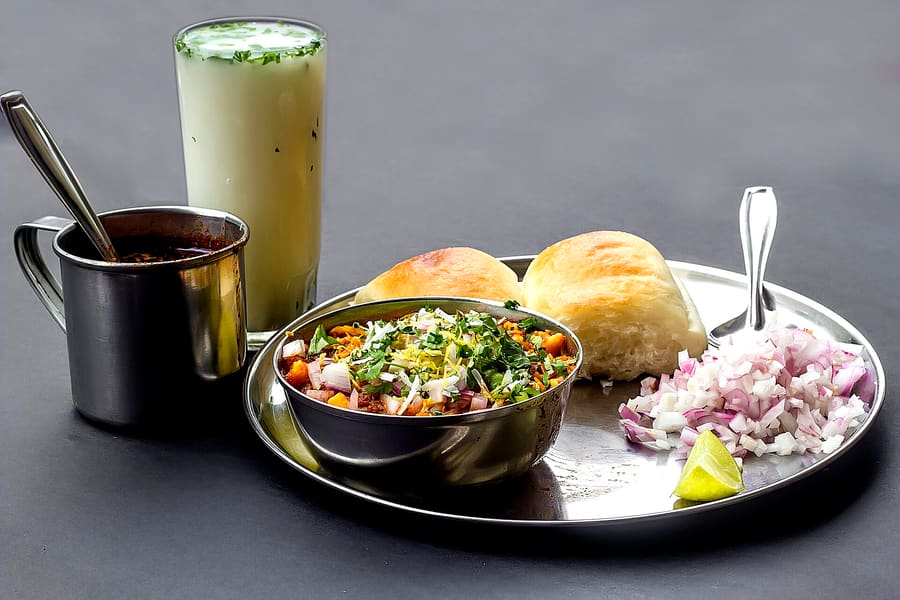
A bowl of fiery Nashik misal served with pav and farsan toppings.
Ankushkr2020 · CC BY-SA 4.0highlights
landmark
24 rock-cut Buddhist caves from the 1st century BCE. Climb 200 stone steps early in the morning to beat the afternoon heat.
Ρωτήστε το Parley
landmark
Pioneer of Indian commercial wine. Book tours online in advance to skip long wait times at the main gate on weekends.
Ρωτήστε το Parley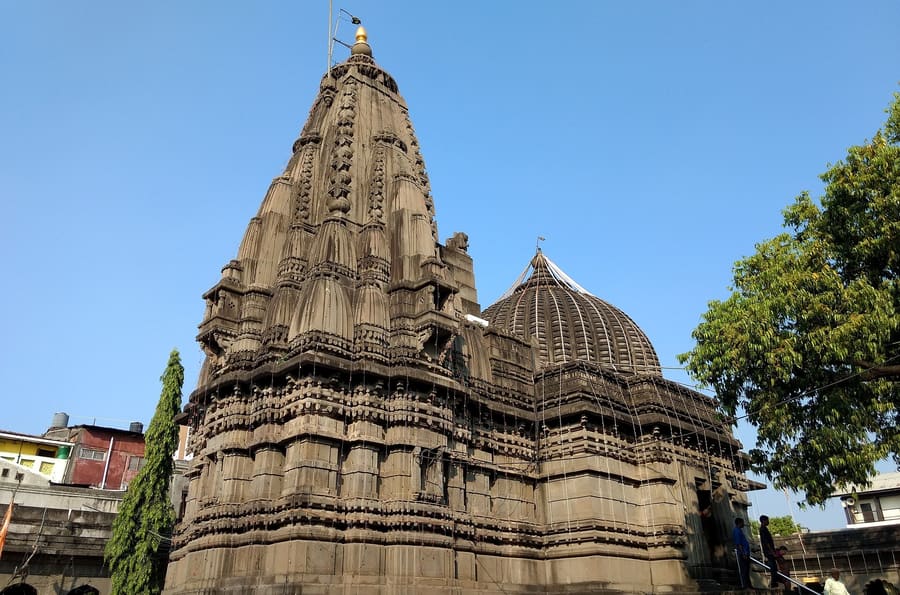
landmark
18th-century black basalt temple dedicated to Rama. Footwear storage is available near the east entrance for a small fee.
Ρωτήστε το Parley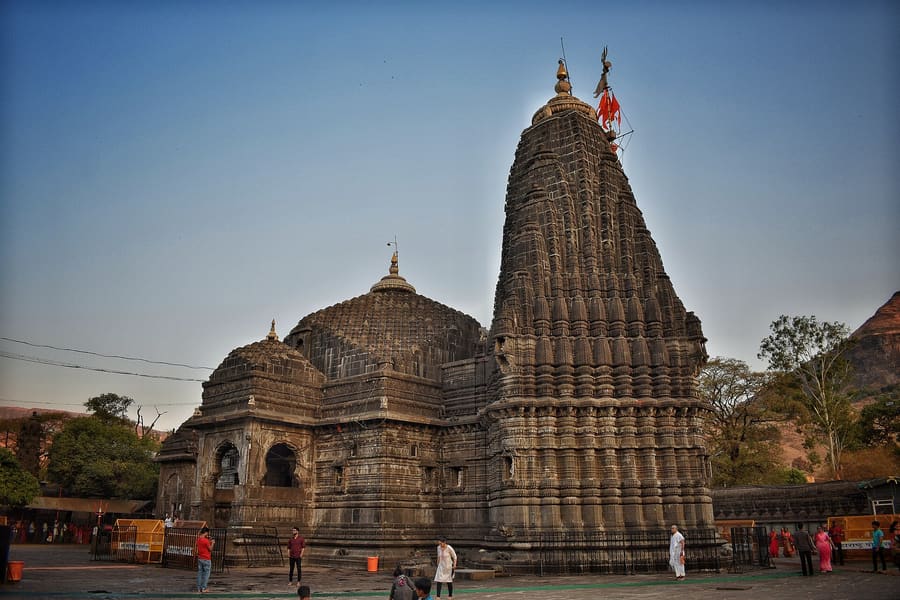
landmark
Ancient Jyotirlinga site 28 km west of the city. Arrive before 06:00 to avoid queue times that exceed three hours.
Ρωτήστε το Parleyattractions
areas
Commercial transit hub centered around the main railway station.
ΚοντάNashik Road Station, Muktidham Temple
Ρωτήστε το ParleyDense, religious core packed with ancient temples, narrow alleys, and bustling spice markets.
ΚοντάRamkund, Kalaram Temple, Sita Gufa
Ρωτήστε το ParleyUpscale residential district with leafy streets, modern cafes, and resort hotels.
ΚοντάSula Vineyards, Someshwar Waterfalls, York Winery
Ρωτήστε το ParleyEnergetic commercial belt popular with students, filled with coffee shops and retail outlets.
ΚοντάBYK College, City Centre Mall
Ρωτήστε το Parleyfood
Nashik eats spicy food. The city's definitive breakfast dish is Misal Pav, a fiery curry of sprouted moth beans topped with crunchy farsan and raw onions, served alongside soft bread rolls. Every neighborhood argues over who makes the best version, measuring quality by the depth of heat in the sample red oil float called tarri.Beyond street side joints, Nashik has built a modern food culture around its winery restaurants. These venues pair local Maharashtrian flavors and continental platters with Shiraz and Chenin Blanc bottled on site.
A bowl of fiery Nashik misal served with pav and farsan toppings.
Ankushkr2020 · CC BY-SA 4.0Top misal spots like Sadhana Chulivarchi Misal or Ambika Misal sell out by 13:00. Arrive before 09:30 to avoid long queue times.
The spicy oil gravy comes poured on top by default. Ask for extra tarri in a separate bowl to control your dish heat level.
Winery tasting room entries cost around ₹500–₹1,000, but most estates deduct this cost if you buy wine bottles at exit.
history
Nashik derives its name from the Sanskrit word 'Nasika', meaning nose. According to Hindu epic traditions, Ramayana's Lakshmana cut off the nose of demoness Surpanakha at this spot along the Godavari River.In recorded history, Nashik served as a trade hub under the Satavahana dynasty, who funded the carving of the Pandavleni Caves. It later fell under Maratha control before becoming a key security printing center, home to the India Security Press and Currency Note Press, and a modern industrial district.
Buddhist Cave Carvings
Satavahana rulers sponsor the excavation of 24 rock-cut caves at Pandavleni.
Mughal and Maratha Era
Nashik shifts between Mughal rule and Maratha control, expanding riverfront ghat construction.
India Security Press
The British establish the national currency print facility at Nashik Road.
First Modern Vineyard
Sula Vineyards plants its first wine grapes, establishing Nashik as India's viticulture capital.
where to stay
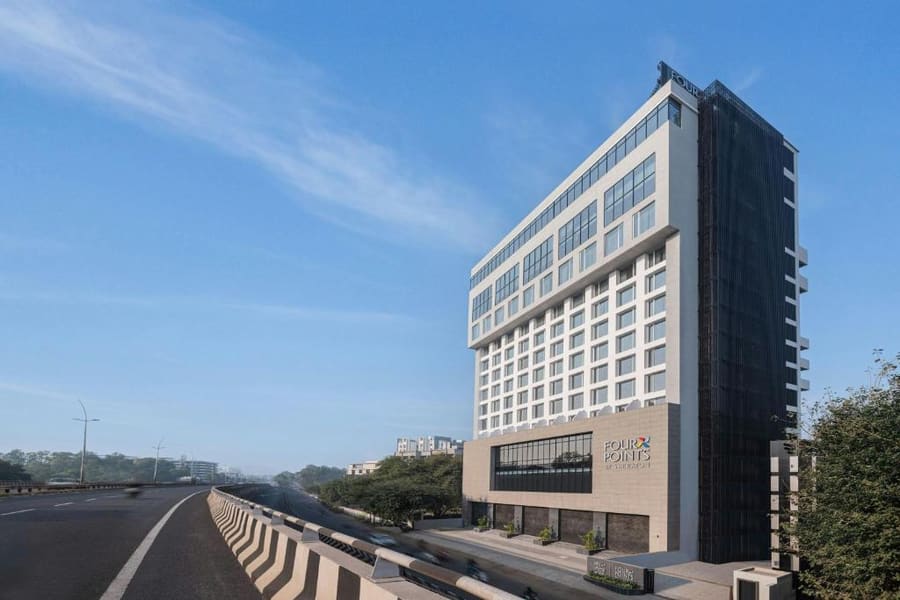
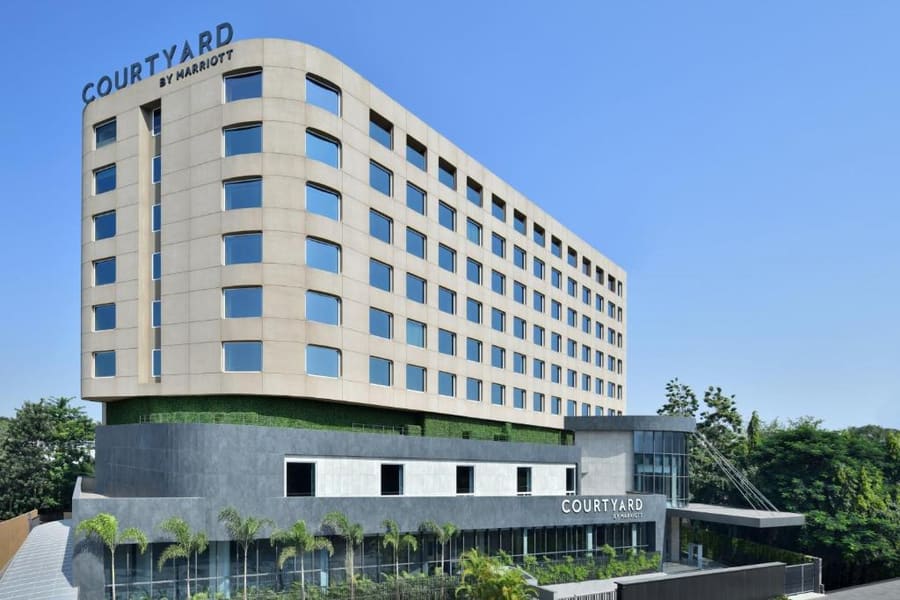
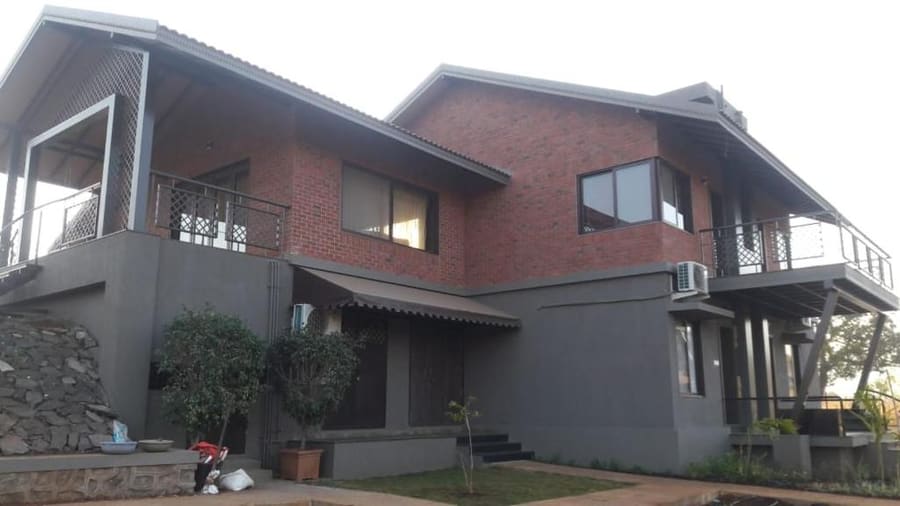
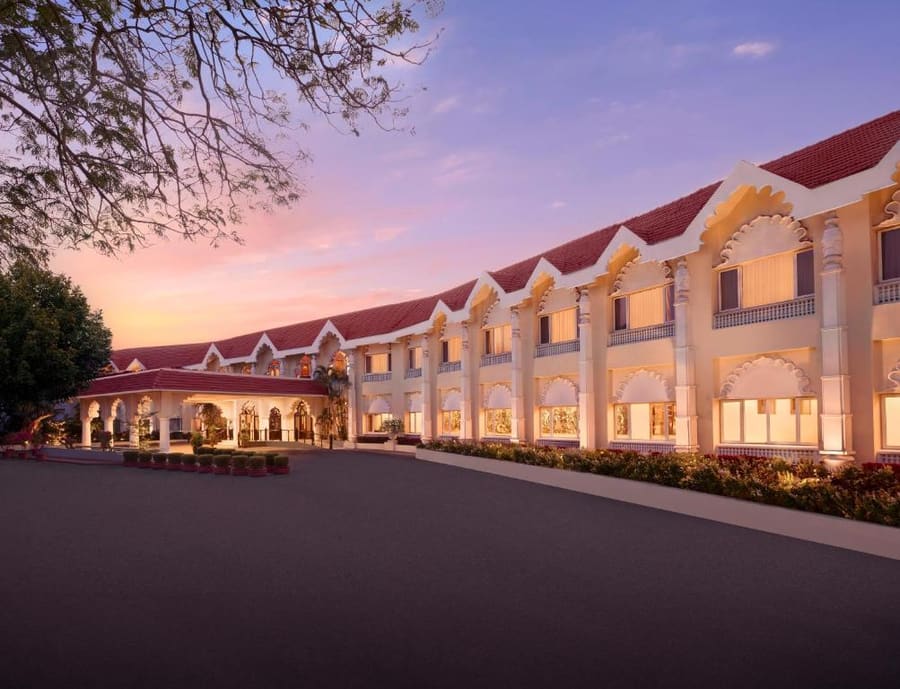
Choose your base based on your primary reason for visiting Nashik. Wine travelers should stay along Gangapur Road or near the western vineyards to avoid crossing city traffic. Cultural visitors and pilgrims benefit from staying closer to Panchavati, while short transit layovers work best near Nashik Road Station.
Live rates, matched to the areas above.

transport
Nashik lacks a metro system. Auto-rickshaws dominate short urban hops, while app cabs handle longer journeys out to Gangapur wineries. Old city zones around Panchavati require walking due to congested lanes.
Από Nashik Road Railway Station (NK)
Best option to avoid haggling with station auto drivers.
Prepaid counter available inside station main exit.
City buses depart outside station gates every 15 minutes toward Panchavati.
Negotiate your fare with auto drivers before getting inside, or use ride-hailing apps to lock in fixed prices.
Wineries sit 15–25 kilometers outside town. Booking a full-day private driver costs less than individual app cab trips.
Cross-river traffic between Panchavati and the south bank clogs severely during morning and evening commute hours.
Auto drivers rarely accept card payments and often lack change for ₹500 currency bills.
cost
Nashik is significantly cheaper than neighboring Mumbai. Dining and local transport remain inexpensive, though tasting tours at high-end wineries match international price levels.
Includes a full bowl of spicy misal, extra pav rolls, and chopped onions.
Standard entry package covering 5–6 wine tastings with a cellar guide.
Covers short 2–4 kilometer trips within the urban center.
Covers 8 hours of transport between city sights and outer vineyard locations.
seasonality
OCT – FEB
Pleasant daytime temperatures (15°C–28°C). Ideal for wine tasting and outdoor temple exploring.
MAR – MAY
Hot summer days reaching over 38°C. Sightseeing requires early mornings before noon heat sets in.
JUN – SEP
Monsoon rains cover nearby Western Ghat hills in green foliage. Vineyard outdoor tours are restricted.
practicalities
Cover shoulders and knees when visiting Kalaram, Trimbakeshwar, or Muktidham temple complexes.
Wineries and bars close on official dry days and national holidays. Verify dates on calendar before planning vineyard visits.
UPI mobile payment apps work at almost every store, though small auto drivers still require cash.
Pandavleni Caves lack shops along the staircase. Buy bottled water at the base ground before ascending.
Currents at Ramkund and river ghats change rapidly when upstream dams release water during rainy seasons.