landmark
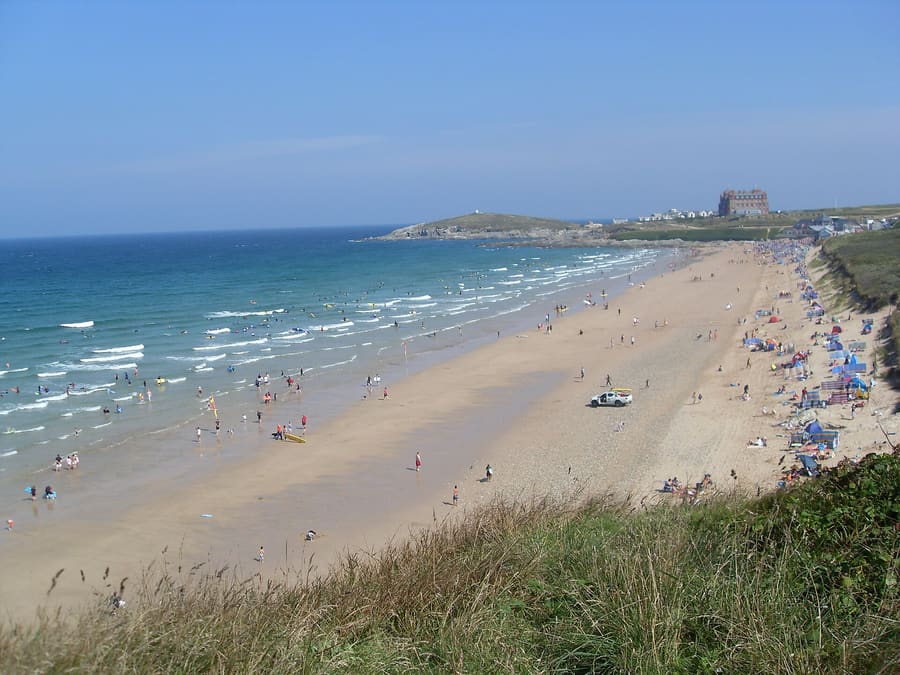
Fistral Beach
The UK's main surf venue. Surf hire shops and board rentals sit directly on the sand.
Ρωτήστε το ParleyΗνωμένο Βασίλειο
Britain's surf capital built on slate and sandstone Atlantic cliffs.
introduction
Newquay sits on the north coast of Cornwall, shaped entirely by ocean tides and Atlantic swells. You move through it along high cliff paths that connect seven distinct sandy beaches. Surfers dominate the water early, while the town centre caters to casual beachgoers by day and pub crowds by night. Expect steep climbs between the sea and the high street, unpredictable weather, and raw coastal scenery.
Arrival option
Cornwall Airport Newquay sits 5 miles north. Bus line 56 connects the terminal directly to Newquay bus station.
Surf status
Fistral Beach hosts major international surfing competitions, including the annual Boardmasters festival.
Tide reality
Atlantic tides change beach footprints dramatically twice daily. Check local tide tables before setting up camp.
Newquay
Geof Sheppard · CC BY-SA 4.0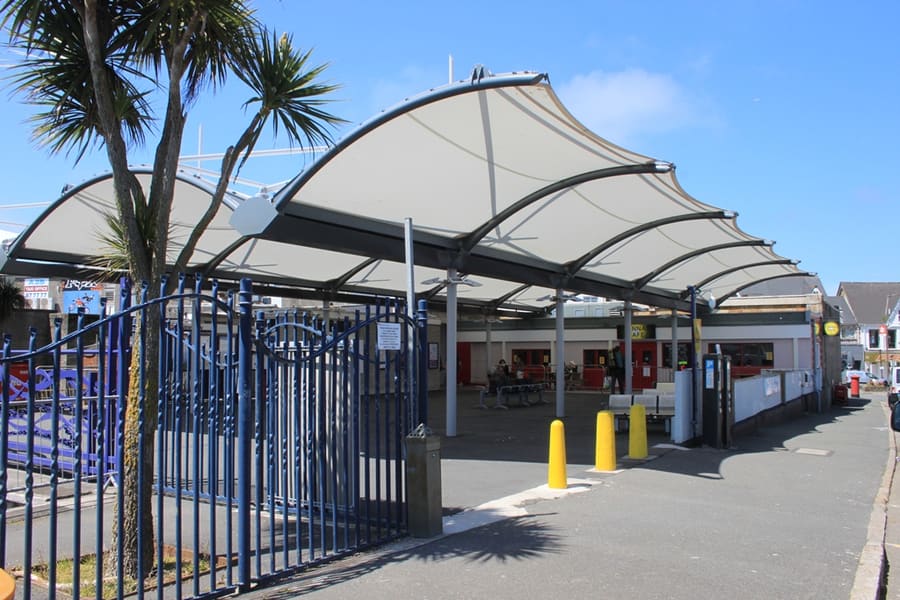
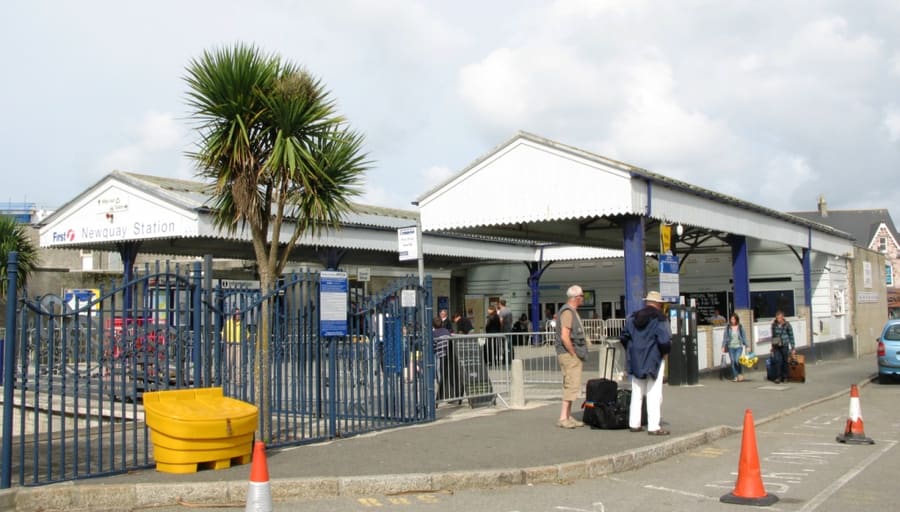
Town Centre — High-street retail, pasty bakeries, late-night pubs, and quick access to Great Western Beach.
Geof Sheppard · CC BY-SA 4.0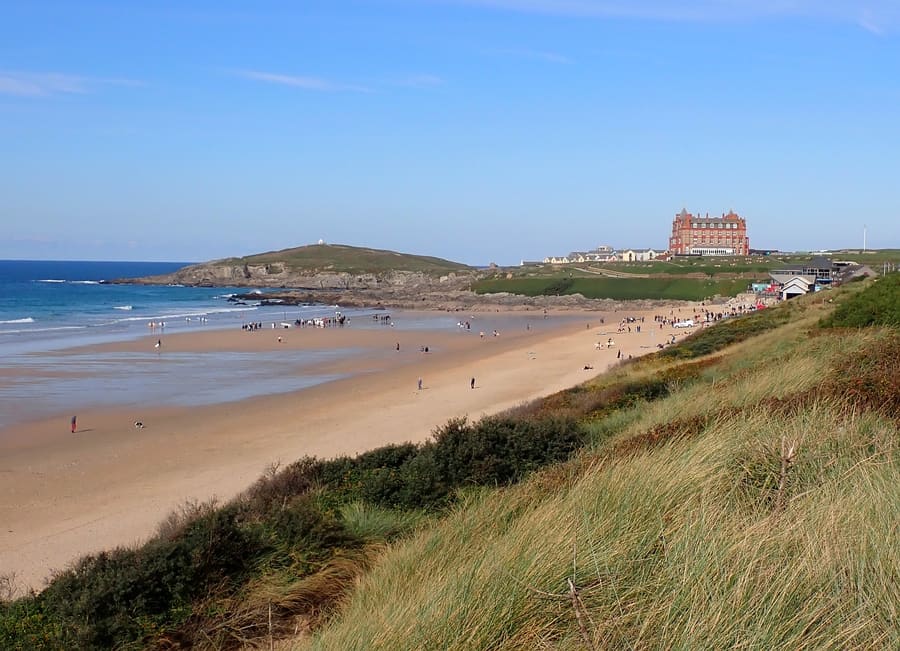
Fistral & Pentire — Surf shops, wave-watching, oceanfront dining, and open headland walking paths.
Rob Farrow · CC BY-SA 2.0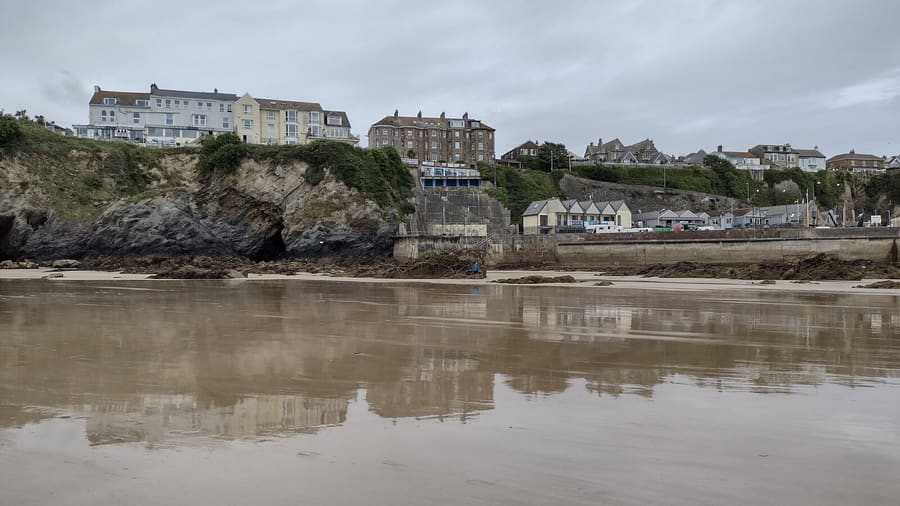
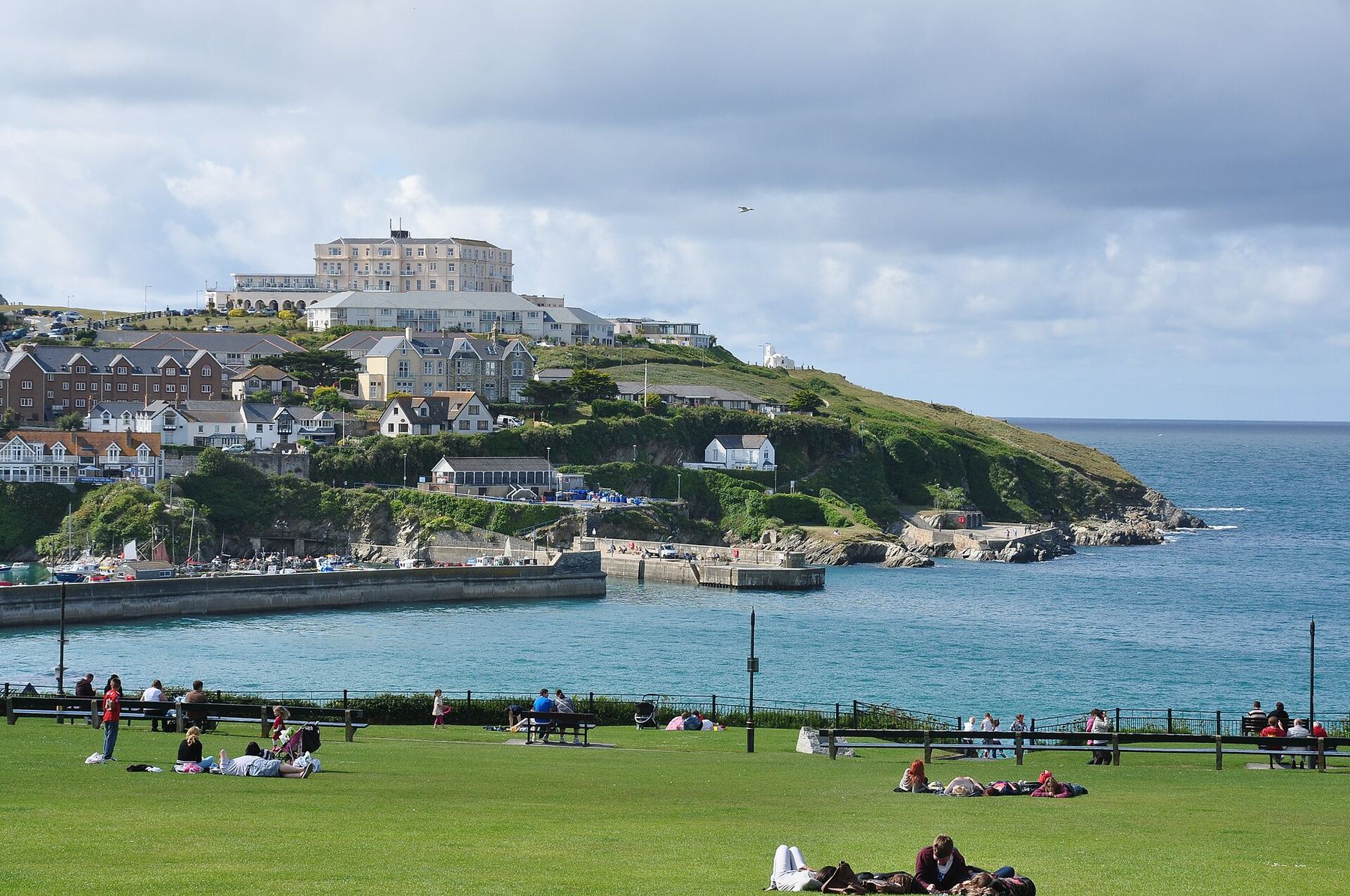
Harbour & Towan — Steep stone ramps, working crab boats, sheltered beach coves, and waterside cafes.
Shaun Ferguson · CC BY-SA 2.0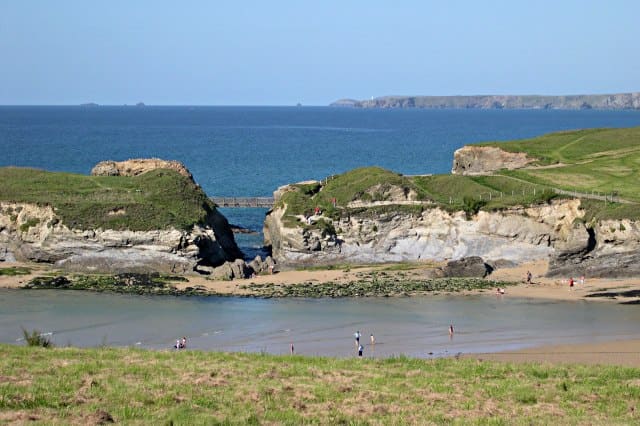
Porth & Lusty Glaze — Quieter residential bays, dramatic cove cliffs, and long sand stretches at low tide.
Tony Atkin · CC BY-SA 2.0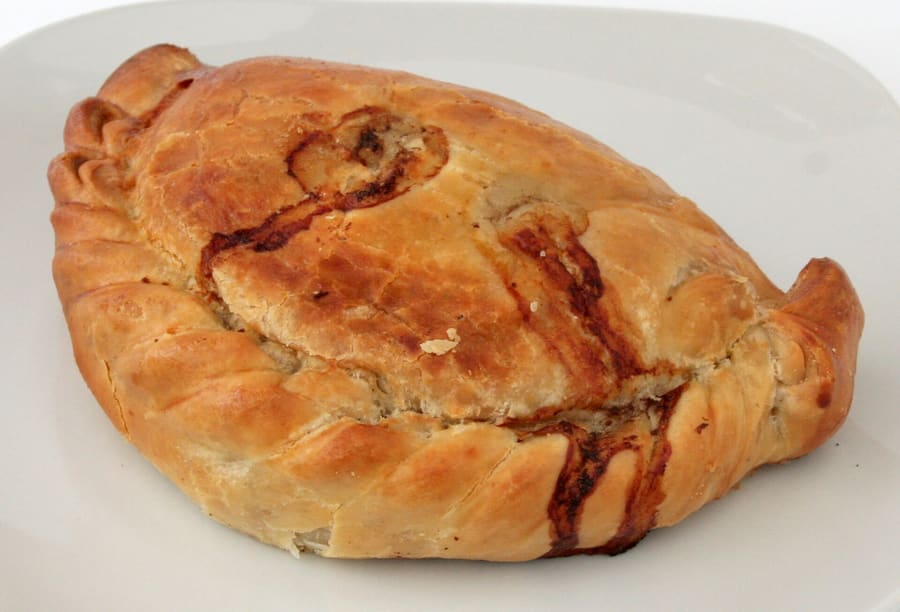
A traditional baked Cornish pasty, crimped along the side edge.
David Johnson [1] · CC BY-SA 3.0highlights
landmark
The UK's main surf venue. Surf hire shops and board rentals sit directly on the sand.
Ρωτήστε το Parley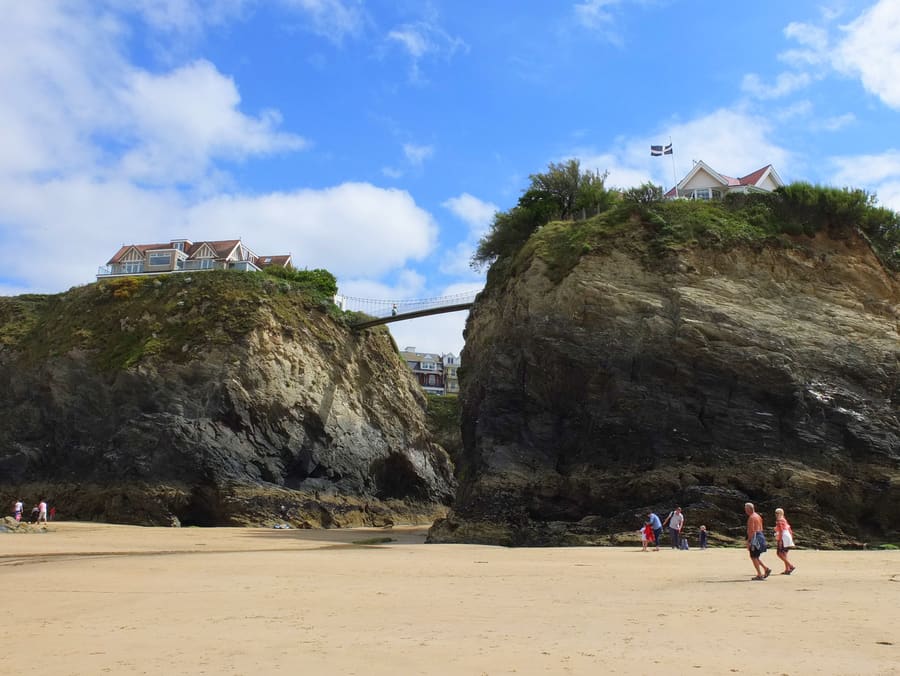
landmark
A rocky islet topped by a private house, reached by a 90-foot suspension bridge.
Ρωτήστε το Parley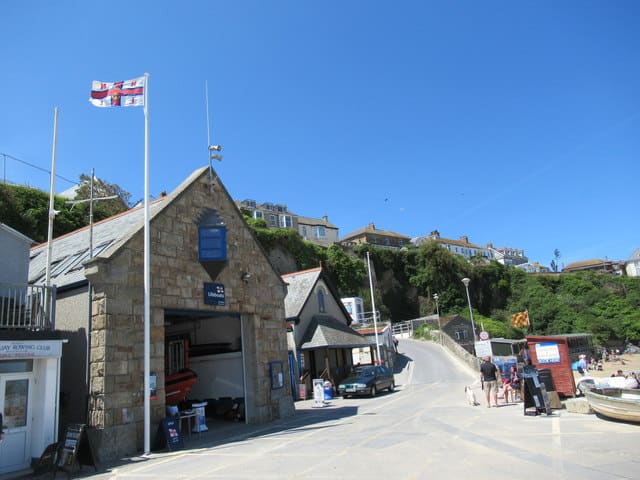
landmark
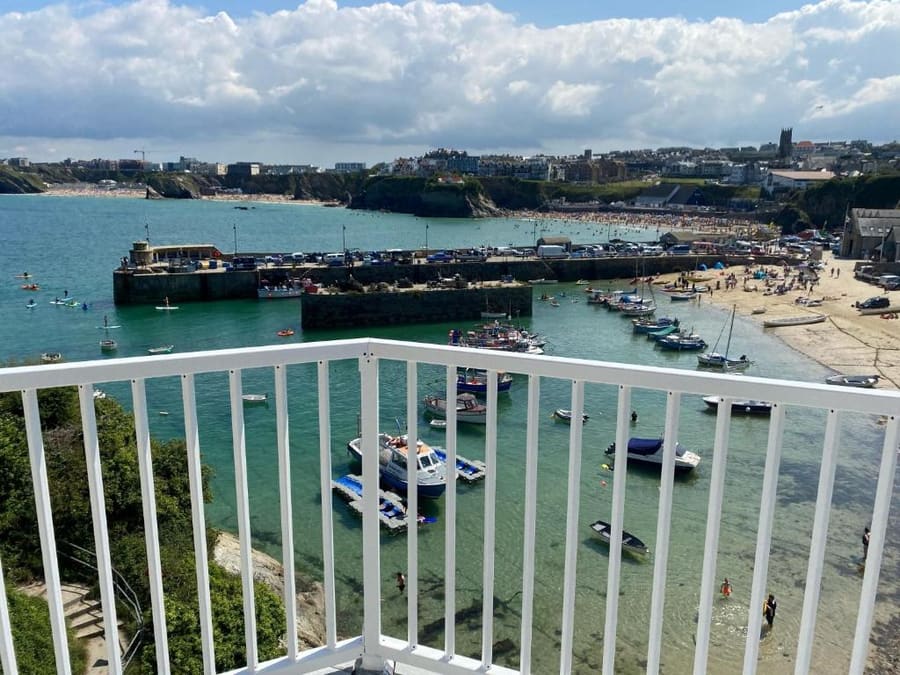
A working fishing harbour framed by stone piers. Boat tours depart from the inner quay.
Ρωτήστε το Parley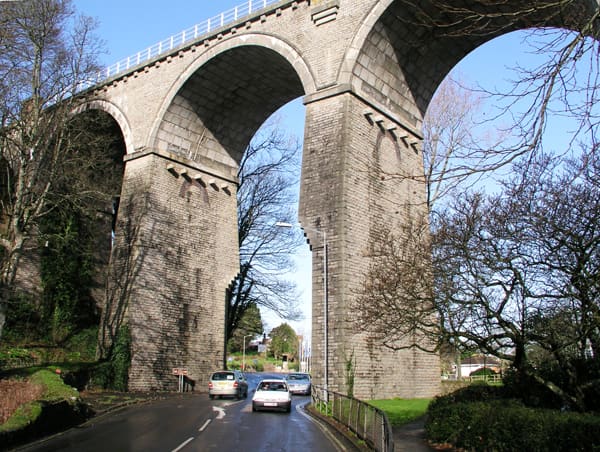
landmark
Quiet Victorian gardens and a boating lake inland from the beach crowds.
Ρωτήστε το Parley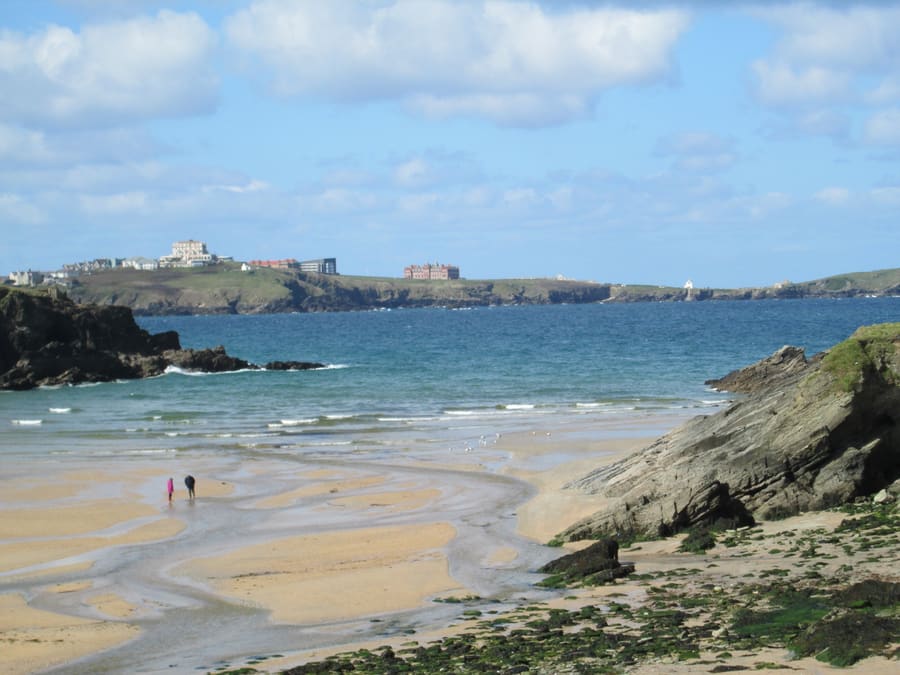
landmark
A sheltered tidal inlet east of town, ideal for shallow swimming at low tide.
Ρωτήστε το Parley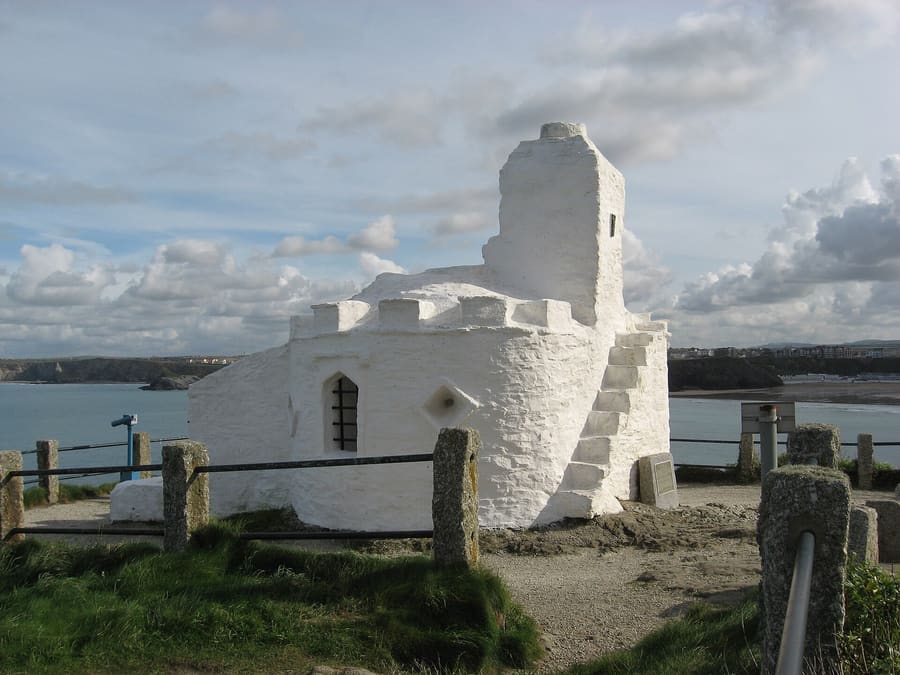
landmark
14th-century lookout where lookouts once shouted 'Hevva!' to signal pilchard shoals.
Ρωτήστε το Parleyattractions
areas
High-street retail, pasty bakeries, late-night pubs, and quick access to Great Western Beach.
ΚοντάNewquay Rail Station and Towan Beach.
Ρωτήστε το ParleySurf shops, wave-watching, oceanfront dining, and open headland walking paths.
ΚοντάFistral Beach and the Gannel Estuary.
Ρωτήστε το ParleySteep stone ramps, working crab boats, sheltered beach coves, and waterside cafes.
ΚοντάTowan Beach and Huer's Hut.
Ρωτήστε το ParleyQuieter residential bays, dramatic cove cliffs, and long sand stretches at low tide.
ΚοντάPorth Beach and Barrowfields park.
Ρωτήστε το Parleyfood
Newquay dining revolves around seafood landed directly at the harbour and traditional bakery staples. Cornish pasties provide dense fuel for outdoor activities. Local shellfish, particularly brown crab and spider crab, features heavily in harbour restaurants. Contemporary casual dining has expanded near Fistral Beach, serving wood-fired pizzas and Asian street food alongside local ales.
A traditional baked Cornish pasty, crimped along the side edge.
David Johnson [1] · CC BY-SA 3.0Authentic Cornish pasties carry Protected Geographical Indication status. They must be crimped on the side, never on top.
Harbour fishmongers sell crab sandwiches made from morning landings. Buy before 14:00 when daily stock sells out.
In Cornwall, spread jam first, then top with clotted cream. Reversing this order is considered a Devon mistake.
history
Newquay began as the tiny fishing hamlet of Towan Blystra. In the 15th century, a new quay was built to safeguard fishing vessels, giving the settlement its modern name. Mining and pilchard fishing drove the town's economy for centuries before the railway arrived in 1876, transforming it into a Victorian seaside resort. Surfing arrived in the 1960s, permanently reshaping its identity.
The new quay
Local landowner Bishop Lacy grants funds to construct a stone pier, naming the settlement Newquay.
Pilchard boom
Huers monitor the ocean from headland huts to spot pilchard shoals, driving the local export economy.
Railway connects
The Cornwall Minerals Railway opens to passenger trains, introducing mass tourism from London.
Surf culture arrives
American and Australian surfers bring custom boards to Fistral Beach, establishing Britain's surf scene.
where to stay
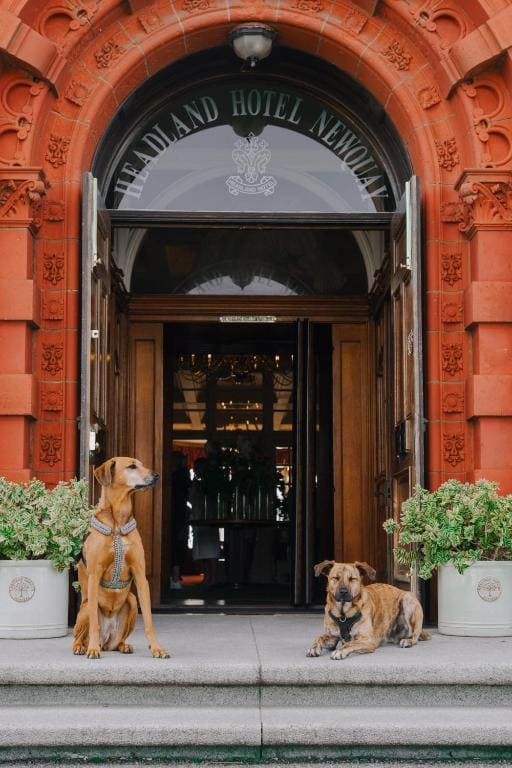
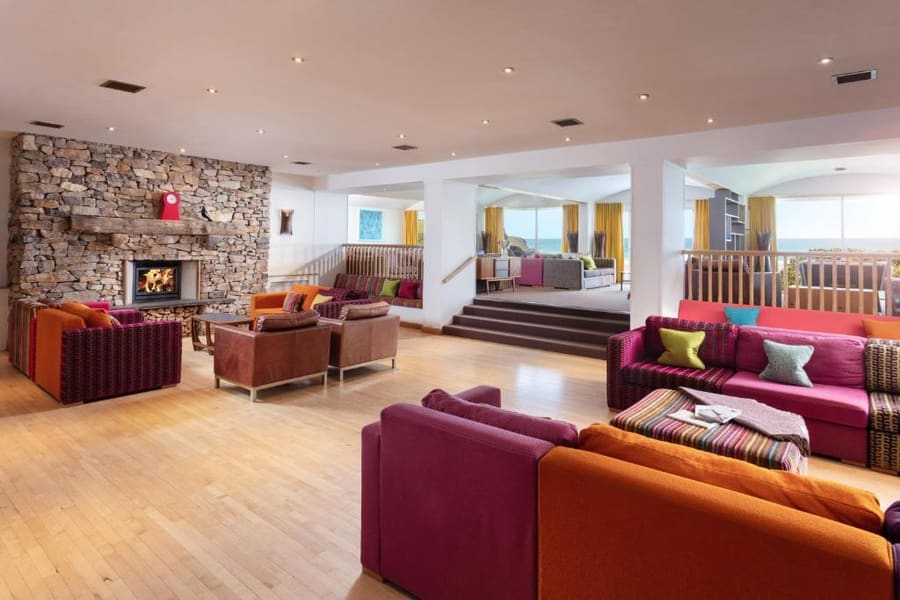
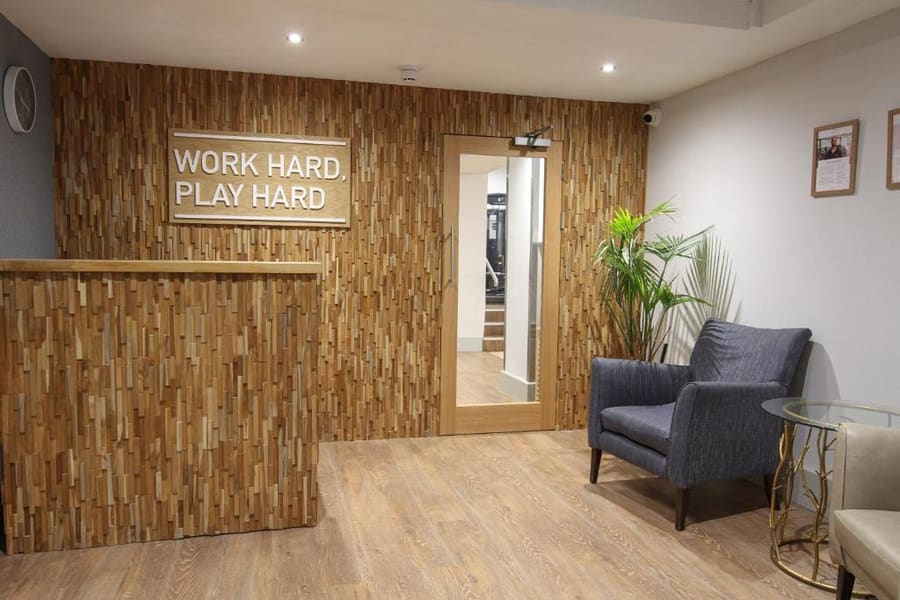
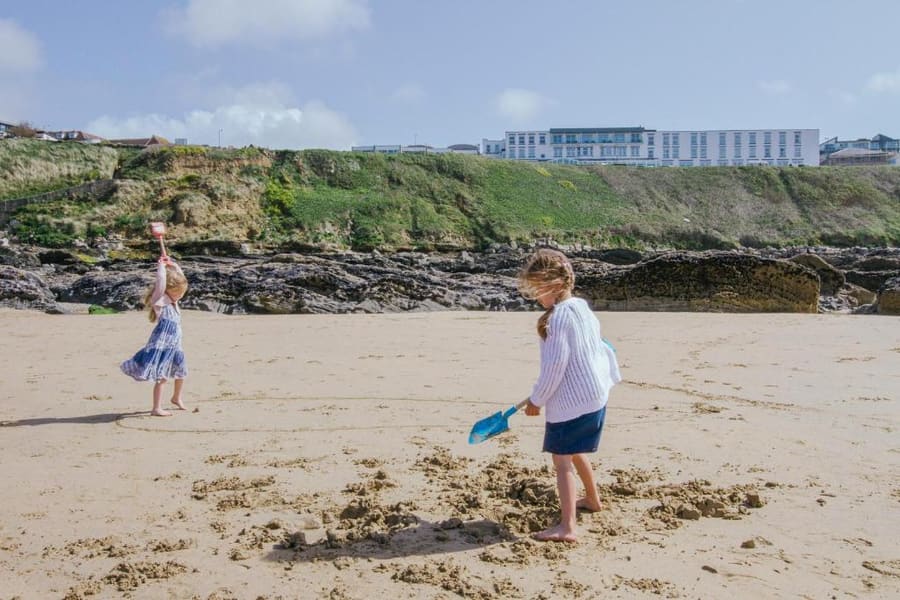
Choose your stay based on wave access and noise tolerance. Fistral Beach puts you steps from surf schools but feels windy and exposed. Town Centre offers walkable pub access but stays noisy late into summer nights. Porth and Pentire offer quieter clifftop hotels with wider sea views.
Live rates, matched to the areas above.
transport
Newquay is compact enough to navigate on foot, provided you can handle steep coastal slopes. Local buses run frequently along the main coastal highway to neighbouring villages like Padstow and St Ives. Parking inside the town centre fills early in July and August.
Από Cornwall Airport Newquay (NQY)
Go Cornwall line 56 connects NQY airport to Newquay bus station.
Pre-book with local taxi firms as airport ranks have limited vehicles.
Single bus journeys across Cornwall are capped at £2 under local transit programs.
The train from Par station runs directly to Newquay rail station near Great Western Beach.
Steep ramps connect town streets down to beach sand. Factor in extra time uphill.
Go Cornwall buses accept contactless cards for tap-on tap-off payment.
cost
Prices peak sharply between July and August. Beach equipment rentals remain standardized across local surf shops, while casual food options like pasties offer budget dining.
A traditional beef and potato pasty from a central bakery.
Includes foam board rental from shops on Fistral or Towan.
Standard full neoprene wetsuit suitable for Atlantic water temperatures.
Draft ale or cider in central pubs.
seasonality
MAR – MAY
Crisp sunny days and spring bloom on cliff paths. Water temperatures require thick winter wetsuits.
JUN – AUG
Warmest sea temperatures and long days. Peak crowd density and traffic congestion on coastal access roads.
SEP – OCT
Best swell conditions for experienced surfers. Sea water remains warm from summer heat.
NOV – FEB
Heavy Atlantic storms and short daylight hours. Many seasonal beach shops and cafes close.
practicalities
Swim only between red and yellow flags on lifeguarded beaches from May to September.
Strong currents exist along Fistral and Watergate. If caught, paddle parallel to the shore.
Local gulls scavenge food directly from hands along the harbour. Cover your pasty while walking.
Rising tides cut off walking paths between Towan and Great Western beaches. Plan around low tide.
Nearly all venues accept card and mobile payments; cash is rarely required.