landmark
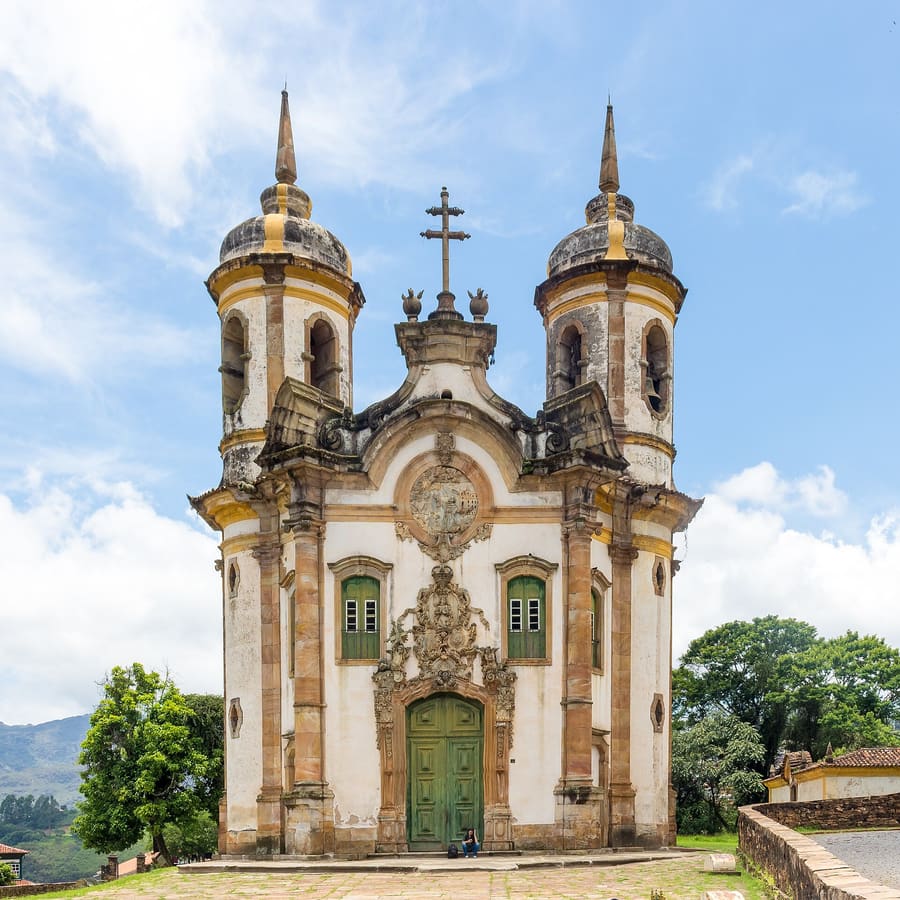
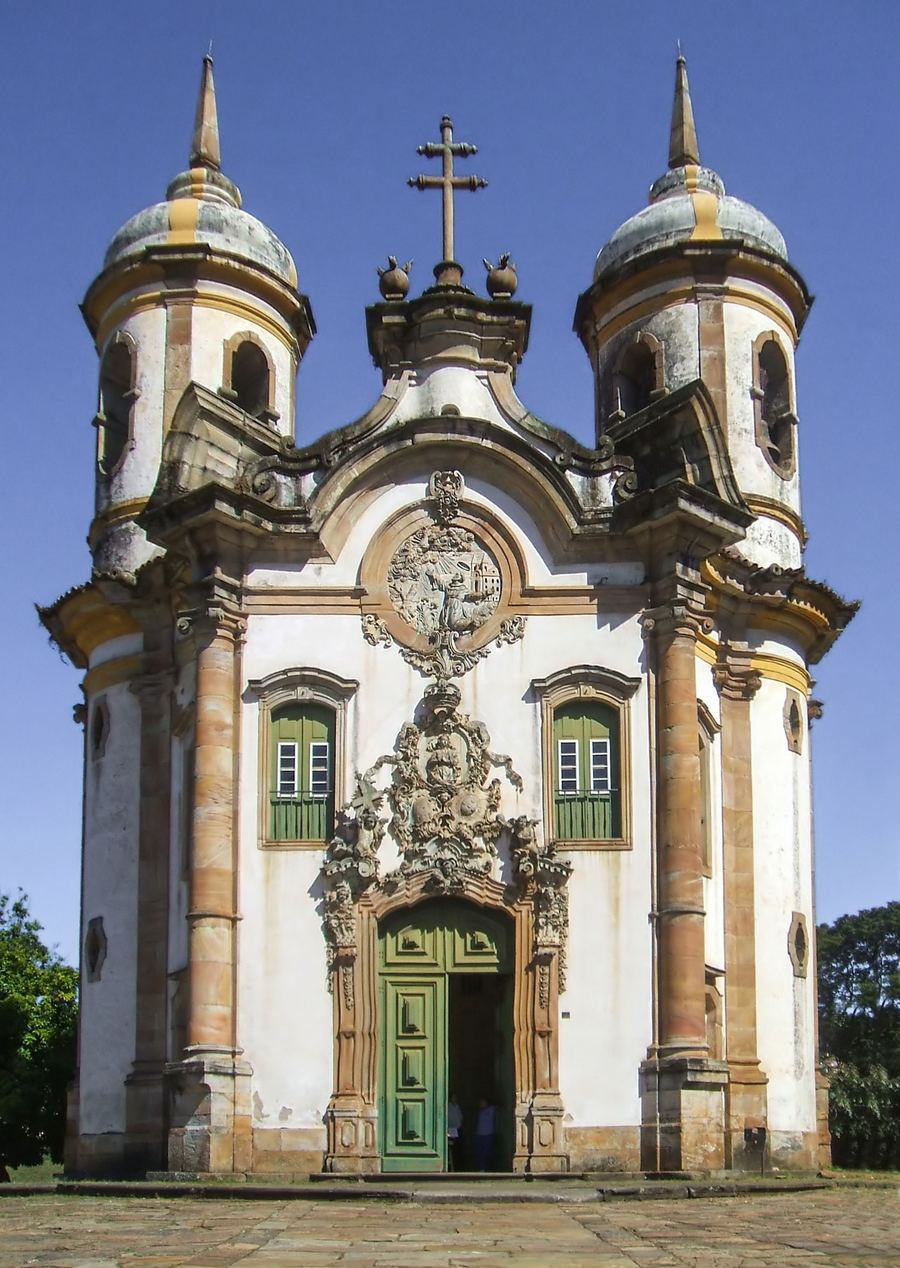
Igreja de São Francisco de Assis
Masterpiece by sculptor Aleijadinho. Pay cash at the door and inspect the carved soapstone portal.
Ρωτήστε το ParleyΒραζιλία
Colonial gold, steep stone slopes, and Barroco Mineiro.
introduction
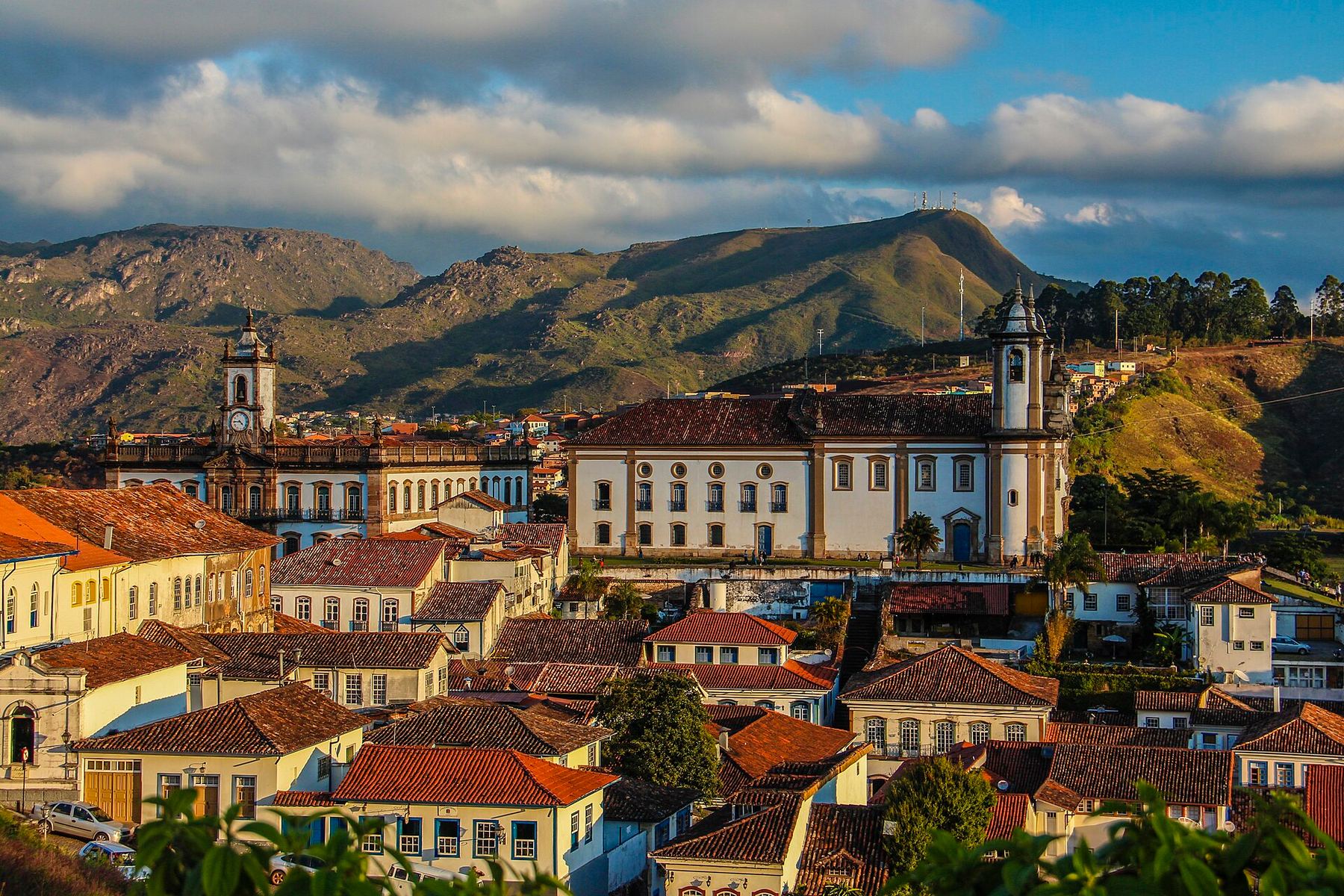
Ouro Preto sits in a steep valley carved by 18th-century gold fever. Walking here requires strong calf muscles and shoes with rubber soles. You navigate winding cobblestone corridors that link lavish gold-leaf churches to former royal administrative seats.
Arrival trick
Fly into Belo Horizonte (CNF), then catch a direct Pássaro Verde bus from the main terminal. Buses run frequently and take two hours.
UNESCO distinction
UNESCO listed the entire town center in 1980 for its preserved 18th-century Baroque layout and public art.
Footwear requirement
Wear rubber-soled shoes with good traction. The soapstone street cobbles turn slick when wet.
Ouro Preto
Sarah and Iain · CC BY 2.0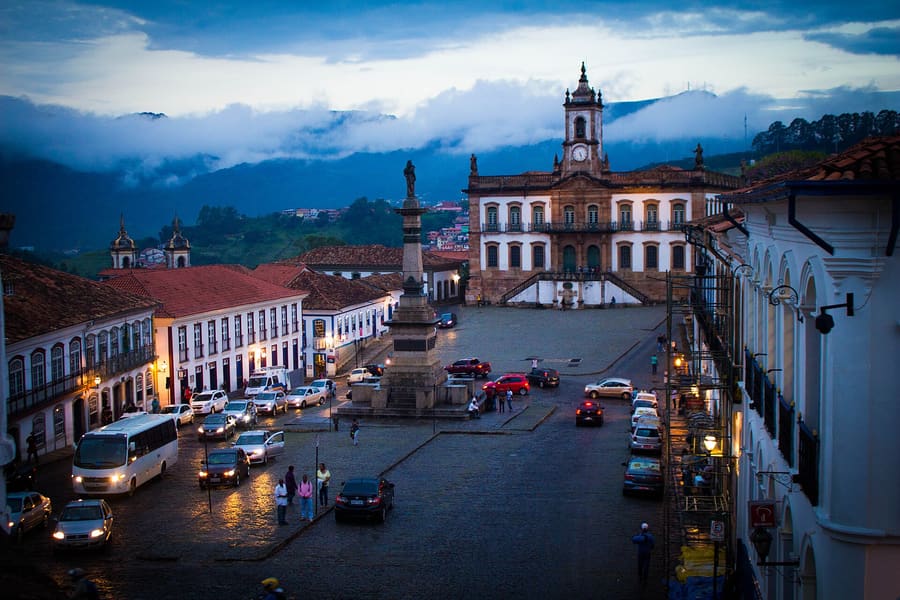
Centro Histórico — Sloped plaza surrounded by museums, official buildings, and high pedestrian traffic.
João André Simiquelli de Souza · CC BY-SA 4.0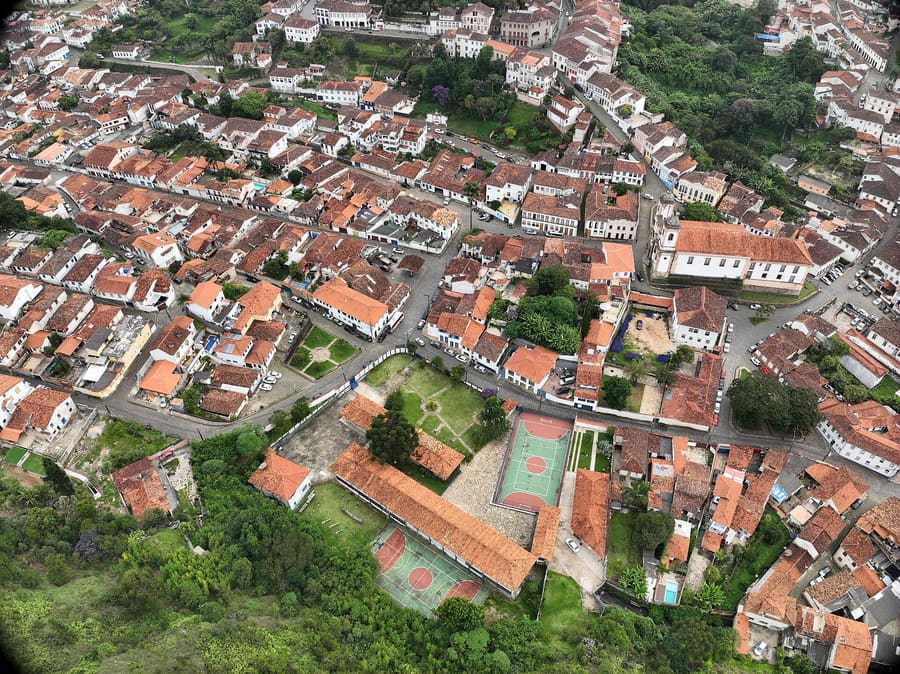
Rosário — Quieter residential pocket anchored by a baroque church with a rounded façade.
Rafael Lemieszek · CC BY-SA 4.0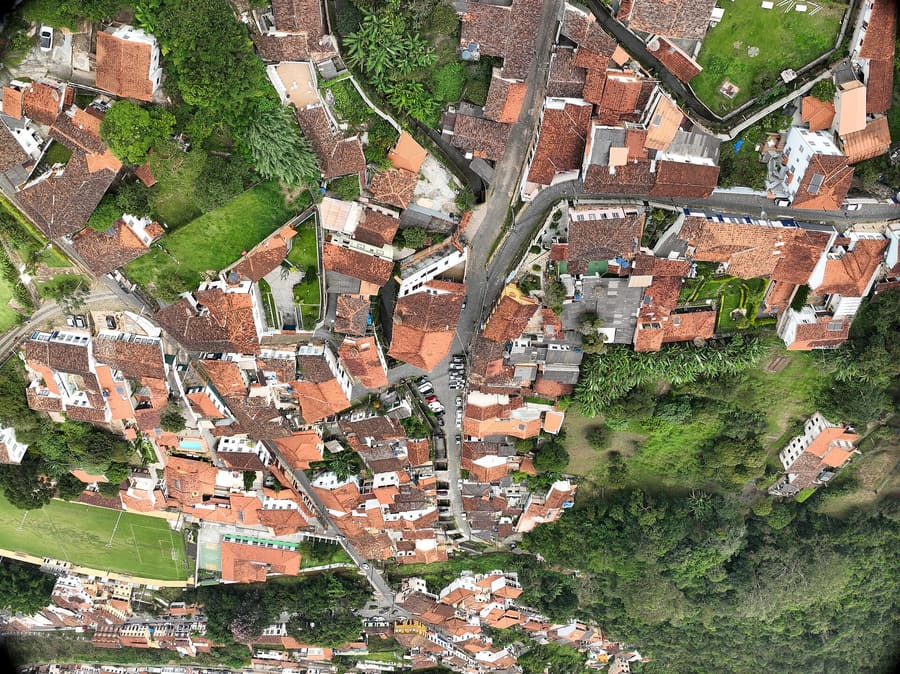
Antônio Dias — Historic quarter filled with artisan shops, soapstone carvers, and steep alleys.
Rafael Lemieszek · CC BY-SA 4.0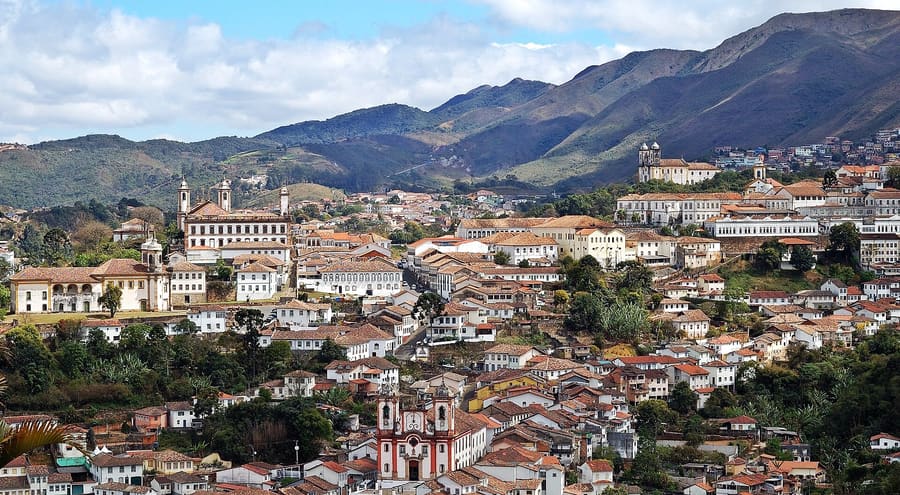
Cabeças — Residential gateway district along the main entry route into town.
Rosino · CC BY-SA 2.0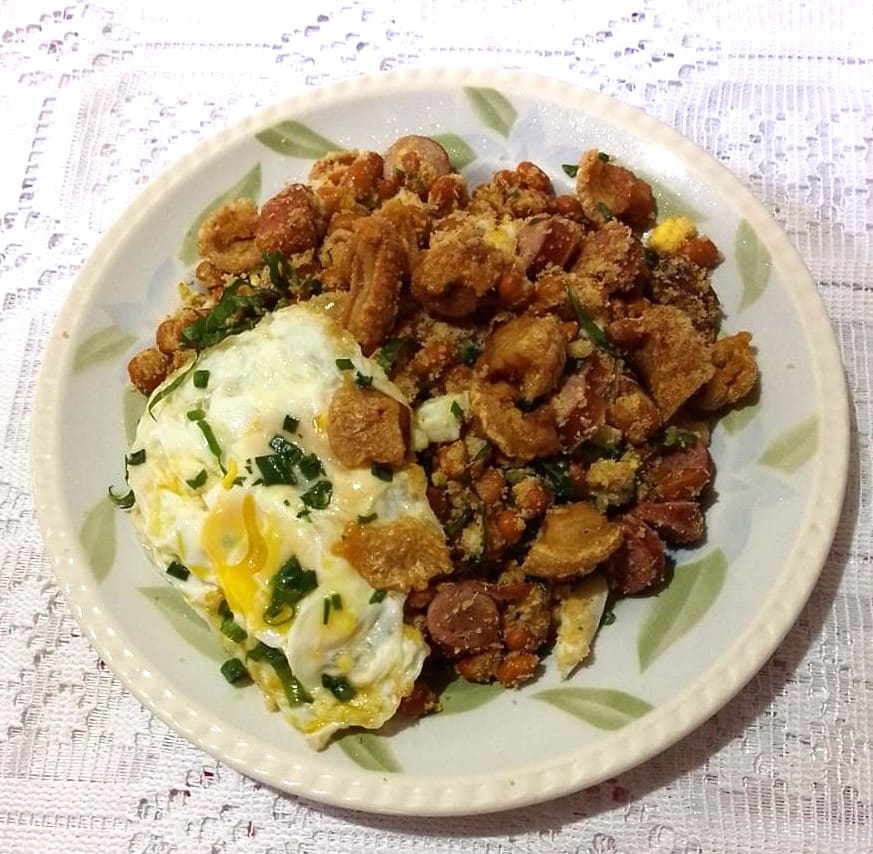
Feijão tropeiro served in a soapstone pot with pork chop and sautéed kale.
Jdorbrazil · CC BY-SA 4.0highlights
landmark
Masterpiece by sculptor Aleijadinho. Pay cash at the door and inspect the carved soapstone portal.
Ρωτήστε το Parley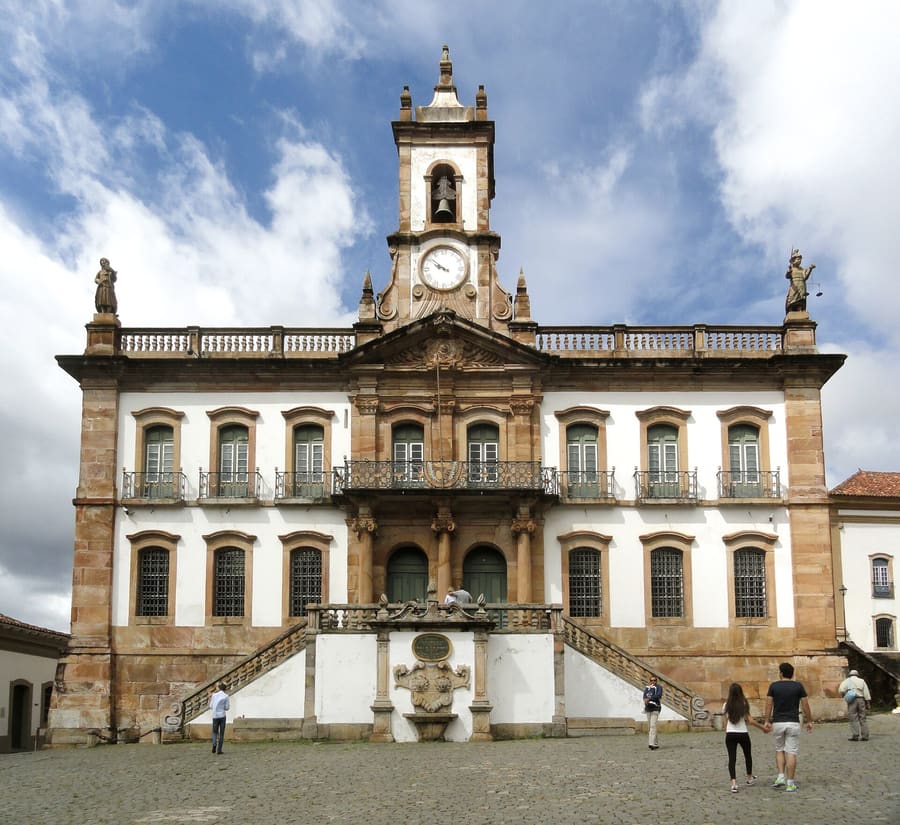
landmark
Housed in the 1784 municipal palace. Expect displays on the 1789 independence conspiracy and regional decorative arts.
Ρωτήστε το Parley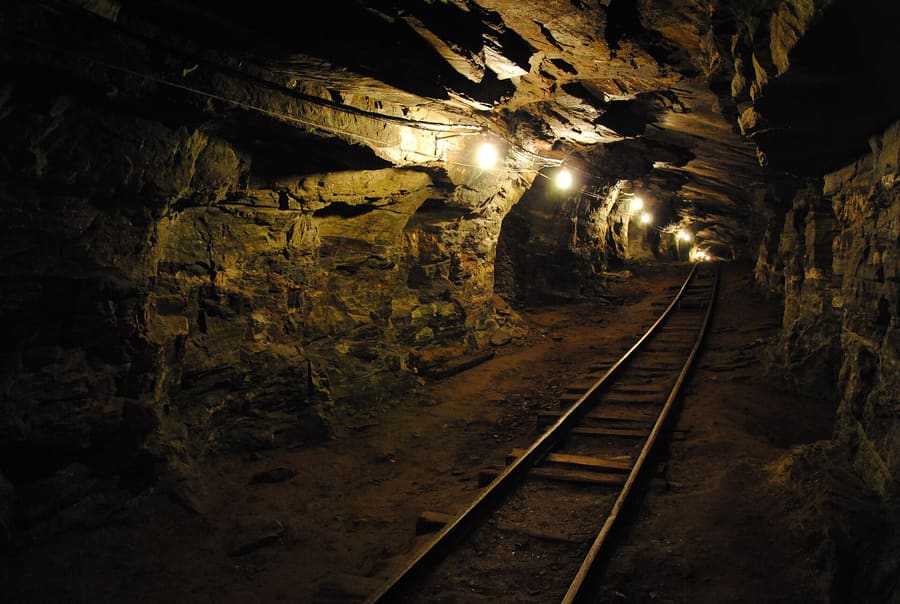
landmark
Historic gold mine five kilometers east. Ride an 1860s winch car down to an underground flooded cavern.
Ρωτήστε το Parley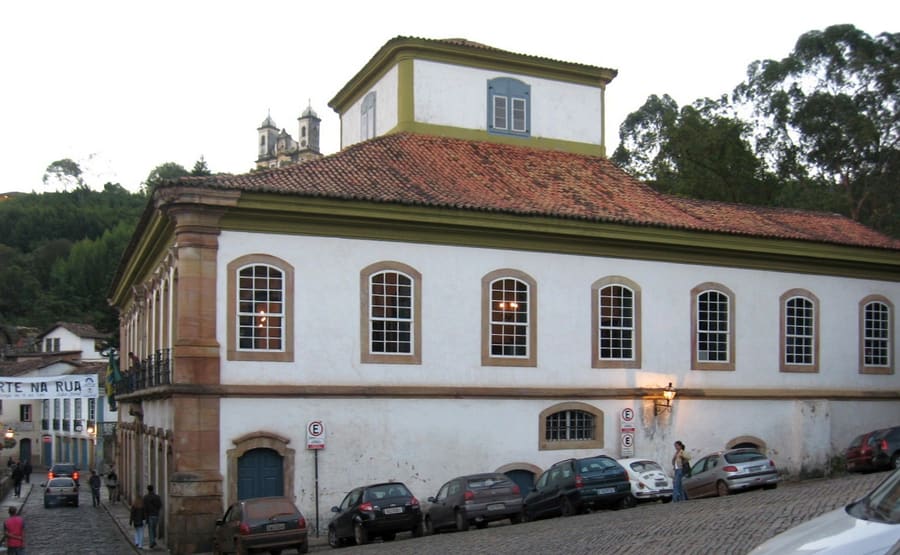
landmark
Former tax collection center and mint. Free entry gives access to original gold melting furnaces and coin dies.
Ρωτήστε το Parley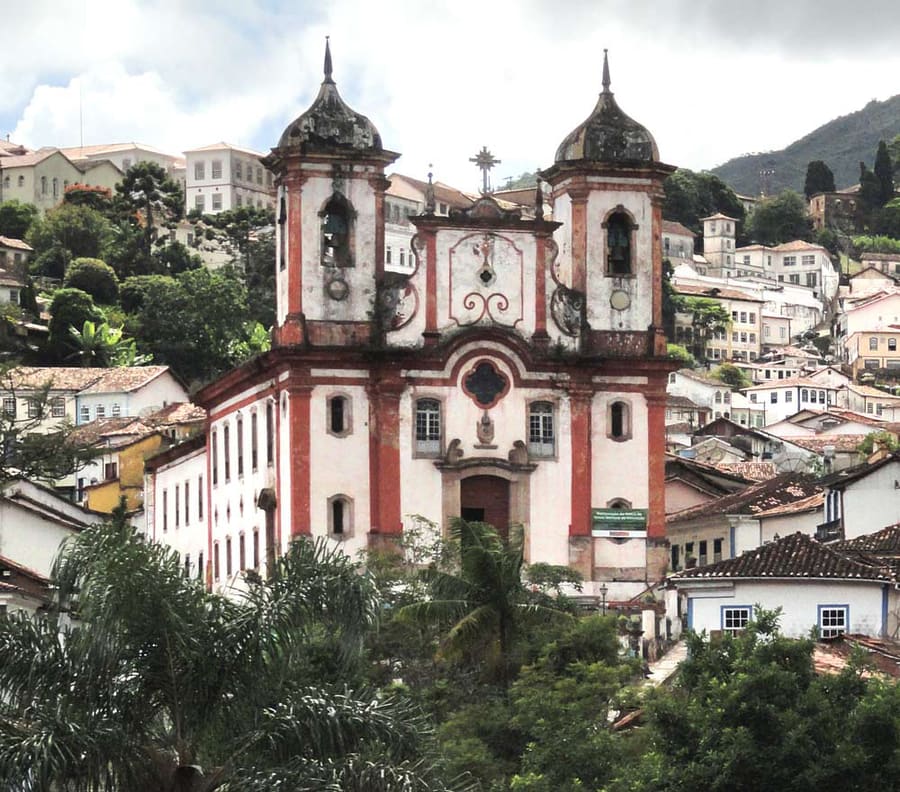
landmark
Burial place of sculptor Aleijadinho. Architectural redesign showcases mature Brazilian Baroque style.
Ρωτήστε το Parleyattractions
areas
Sloped plaza surrounded by museums, official buildings, and high pedestrian traffic.
ΚοντάPraça Tiradentes and Museu da Inconfidência
Ρωτήστε το ParleyQuieter residential pocket anchored by a baroque church with a rounded façade.
ΚοντάIgreja do Rosário and Matriz do Pilar
Ρωτήστε το ParleyHistoric quarter filled with artisan shops, soapstone carvers, and steep alleys.
ΚοντάIgreja de São Francisco and Feirinha de Pedra Sabão
Ρωτήστε το ParleyResidential gateway district along the main entry route into town.
ΚοντάRodoviária (Bus station) and main highway access
Ρωτήστε το Parleyfood
Comida mineira developed in mining camps where food had to endure transport on mule back. Heavy iron and soapstone pots cook pork, beans, corn, and native greens over low fires.Feijão tropeiro combines beans, cassava flour, fried eggs, sausage, and pork crackling. Frango com quiabo pairs chicken with okra stewed until tender.
Feijão tropeiro served in a soapstone pot with pork chop and sautéed kale.
Jdorbrazil · CC BY-SA 4.0Most lunch spots offer 'comida a quilo'. You weigh your plate at the counter and pay only for what you scoop.
Stews served in panelas de pedra sabão remain boiling long after reaching your table. Let dishes cool before eating.
Order small pours of regional cachaça aged in balsam or oak barrels alongside rich pork dishes.
history
Explorers found dark gold gravel in the Tripuí Stream in 1698. The dark hue came from iron oxide coating the metal, giving the site its name: Ouro Preto (Black Gold).Rival miners fought for dominance in the Guerra dos Emboabas from 1707 to 1709. After the conflict had ended, the Portuguese crown consolidated control, established Vila Rica in 1711, and demanded a 20 percent tax on all gold extractions.
Gold discovery
Bandeirantes locate gold deposits in stream beds around Itacolomi peak.
Founding of Vila Rica
Royal charter unifies mining settlements into the municipality of Vila Rica.
Inconfidência Mineira
Local elites plot against Portuguese taxation; leader Tiradentes is arrested.
Renamed Ouro Preto
Emperor Pedro I grants city status and official name following Brazilian independence.
Capital relocation
State capital moves from Ouro Preto to newly planned Belo Horizonte.
where to stay
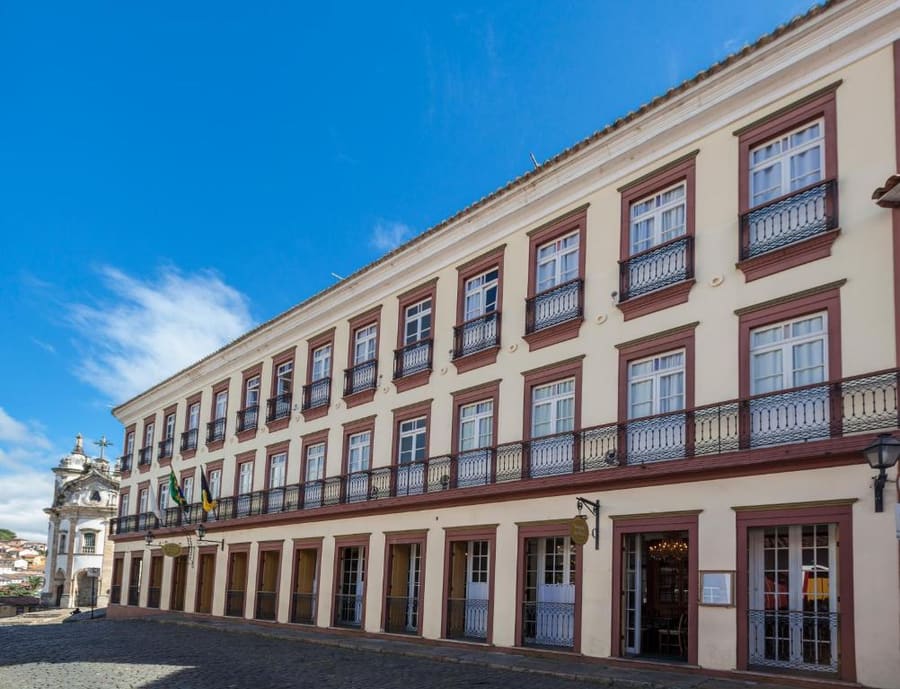
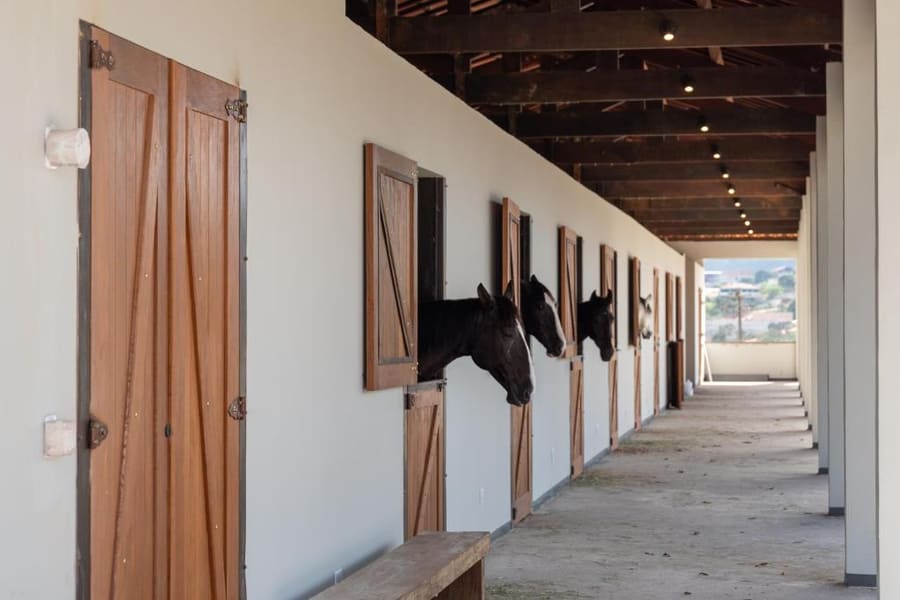
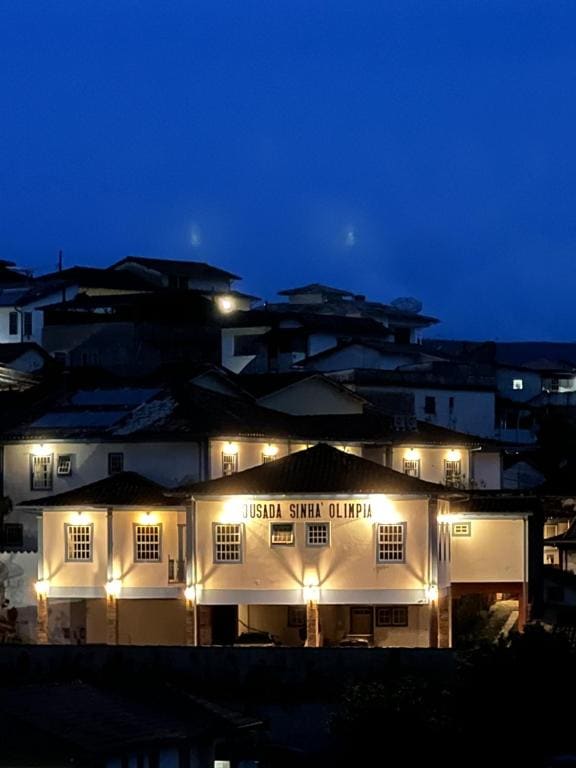
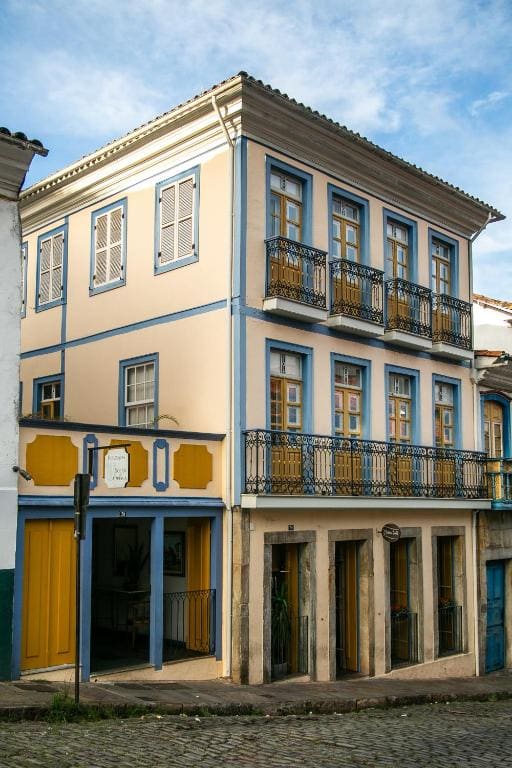
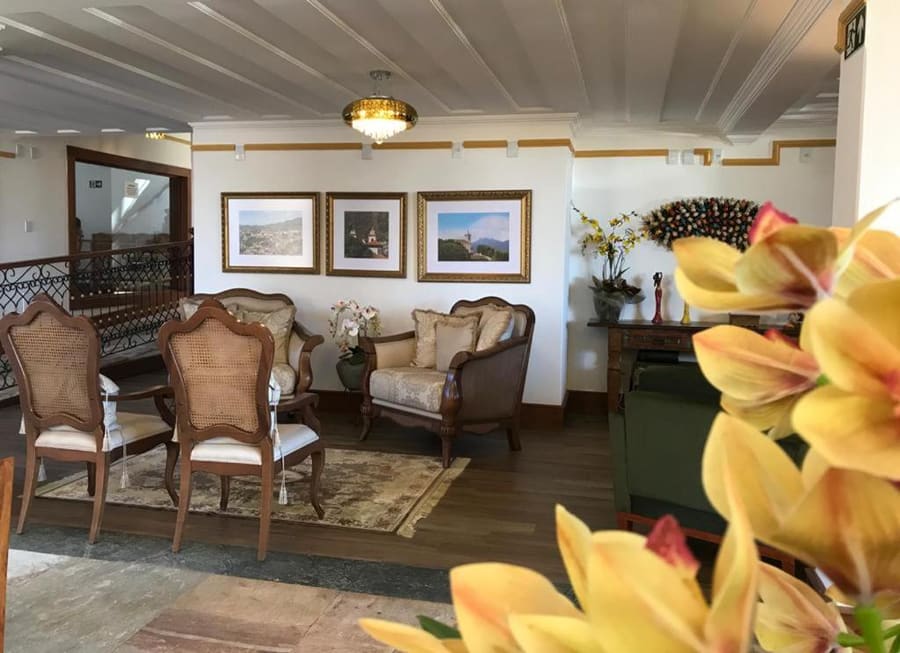
Choose your base by your tolerance for steep hill climbs. Stay near Praça Tiradentes if you want short walks to dinner and major museums. Pick Rosário or Antônio Dias for quieter nights inside historic townhouses, though returning from evening meals means walking uphill.
Live rates, matched to the areas above.
transport
Ouro Preto is built for foot travel, but the terrain demands patience. High-clearance mini-buses serve outer neighbourhoods, while cars face steep gradients and narrow single-lane turns.
Από Belo Horizonte Rodoviária (Main Bus Station)
Pássaro Verde runs frequent direct services daily. Buy online during holiday weekends.
Negotiate fixed rate before departing Belo Horizonte or Confins Airport.
Drivers from Belo Horizonte may request extra fee to cover return empty leg.
Small local buses mark destinations on front windshields. Pay cash to conductor onboard.
Find taxis queued at Praça Tiradentes and the bus station. Fixed rates apply for set routes.
Avoid driving inside Centro Histórico. Streets are narrow, steep, and parking spaces are scarce.
Walk down hills during midday heat and take short taxi rides uphill for evening dinners.
cost
Prices reflect Ouro Preto's status as a major regional tourism site, but daily costs remain lower than in Rio de Janeiro or São Paulo.
Churches charge separate admission fees at the door. Most accept cash only.
Self-service buffet price per kilo in central restaurants.
Standard snack cost at bakeries around Praça Tiradentes.
Single flat fare across municipal transit routes.
seasonality
APR – SEP
Dry weather and cooler temperatures. Ideal conditions for walking steep cobblestone streets.
OCT – NOV
Transitional spring months with occasional afternoon showers and moderate crowds.
DEC – FEB
Heavy summer rains make slopes slippery. High holiday and Carnival prices.
MAR
Rain begins to taper off. Good light for photo shooting between rain storms.
practicalities
Most public museums and municipal churches close on Mondays for maintenance.
Keep small Brazilian Real banknotes ready. Ticket counters at smaller chapels do not take cards.
Flash photography and interior photography are strictly forbidden inside most historic sanctuaries.
Plazas offer little shade. Wear sun protection during midday walking tours.
The city rests at 1,150 metres above sea level. Nights cool down quickly even in summer.