landmark
Rocca Paolina
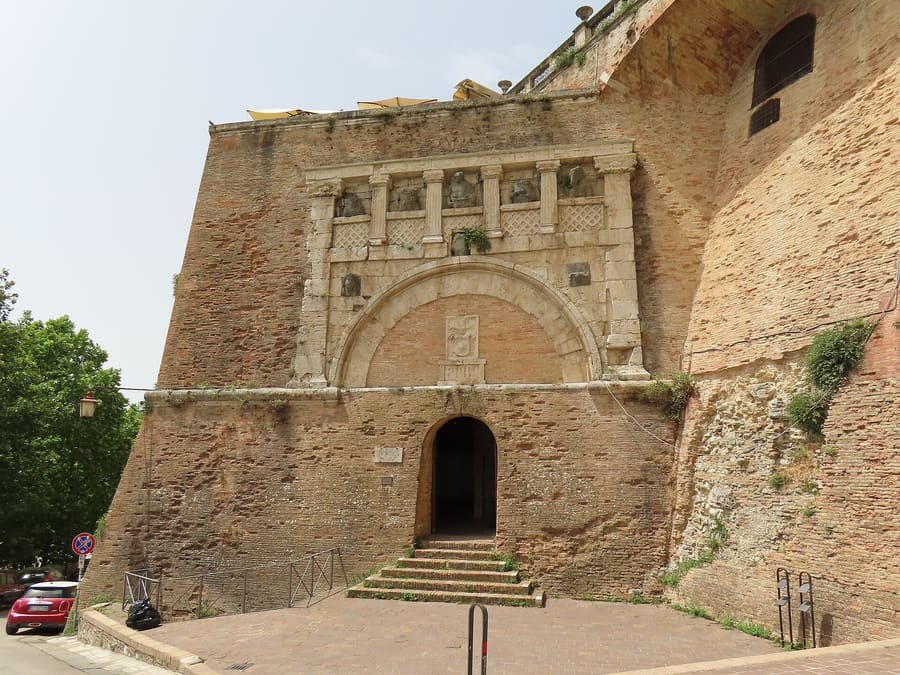
Pope Paul III buried entire medieval streets beneath this 1540 fortress. You can ride public escalators straight through the dark brick vaults.
Ρωτήστε το ParleyΙταλία
A hilltop Etruscan fortress powered by student energy.
introduction
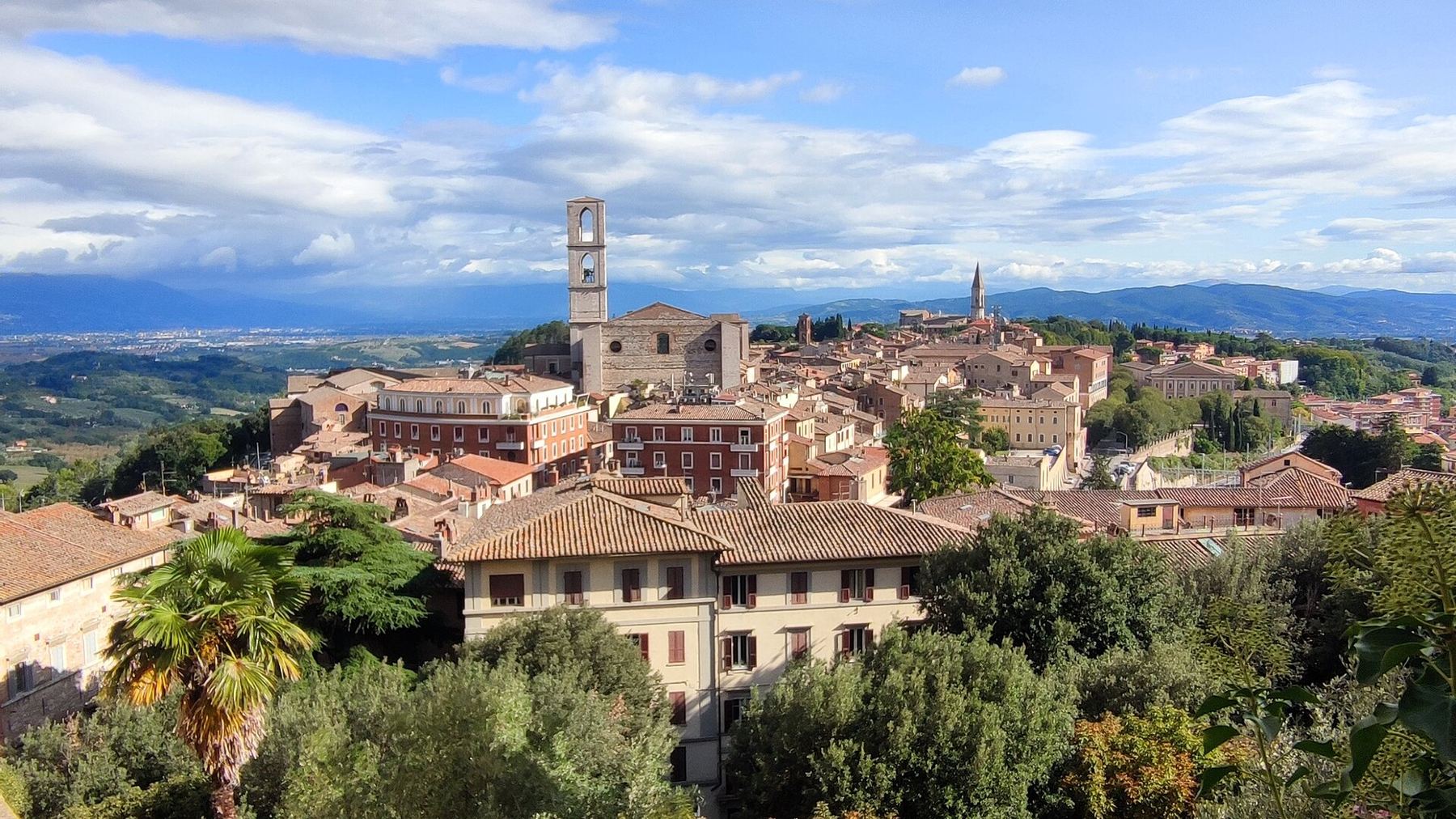
Perugia sits on a high ridge above the Tiber valley in central Italy. Escalators buried inside Renaissance fortresses lift you from lower parking lots straight into medieval plazas. The large international student population keeps the hill town active late into the evening. You come for Etruscan walls, gothic palaces, and raw Umbrian cooking.
Arrival trick
Arriving by train puts you at Fontivegge station at the hill's base. Ride the driverless Minimetrò cable car directly up to Pincetto station in seven minutes.
Etruscan engineering
The city walls date to the 3rd century BC. You can still walk through the massive original stone gateways built without mortar.
Perugia
Geobia · CC BY-SA 3.0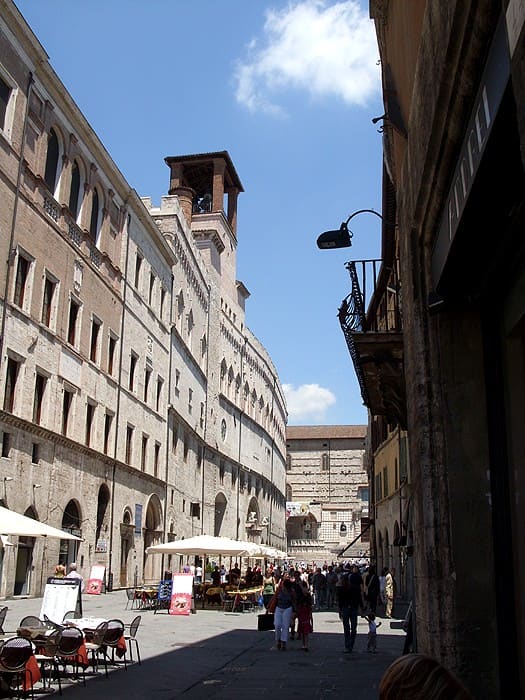
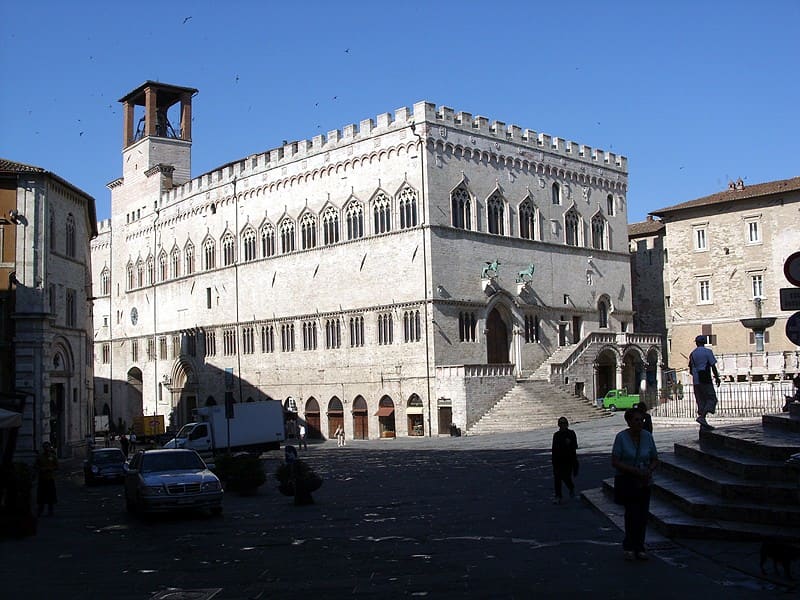
Centro Storico — High-altitude medieval core dominated by grand palaces, main squares, and busy paved promenades.
Geobia · CC BY-SA 3.0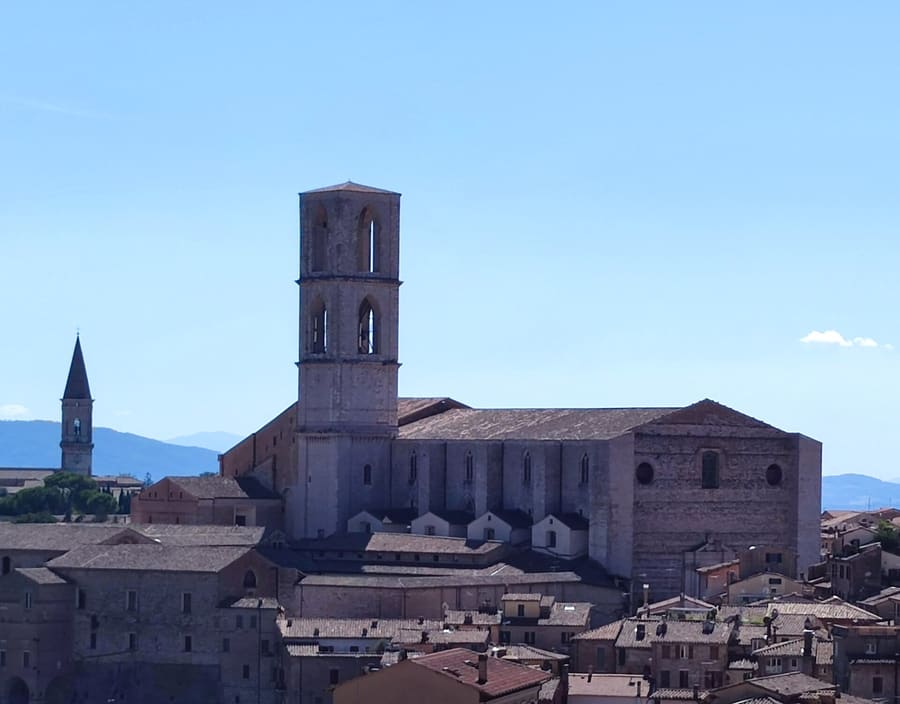
Borgo Bello — Creative district extending south along Corso Cavour with artisan shops and wine bars.
AliasXX00 · CC BY-SA 4.0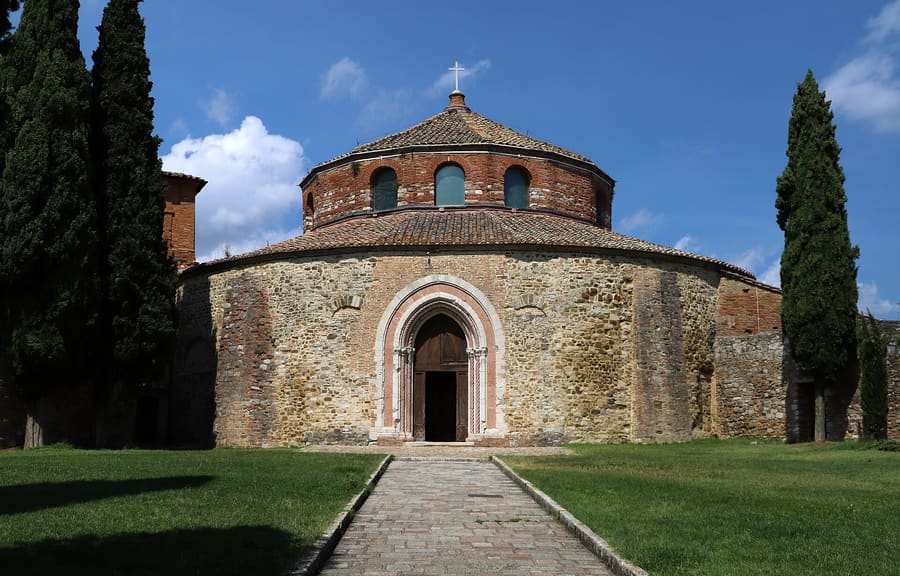
Borgo Sant'Angelo — Northern quarter near the Università per Stranieri, filled with affordable trattorias and students.
Sailko · CC BY 3.0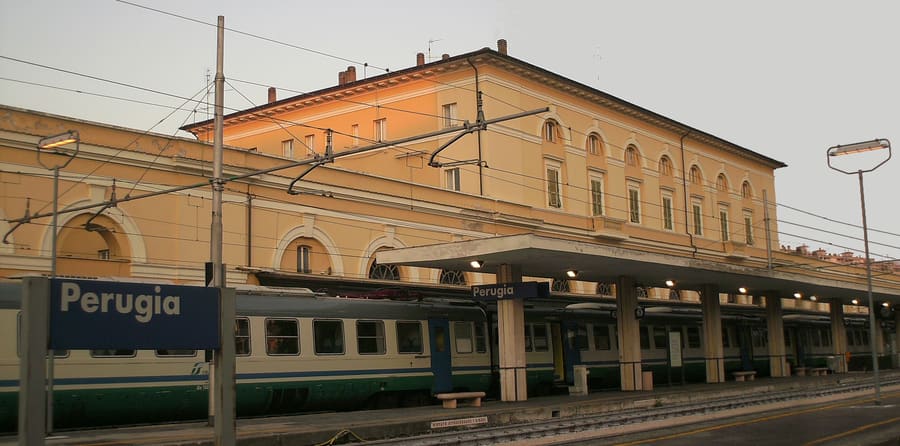
Elce & Fontivegge — Modern residential slope at the base of the hill containing the train terminal and university dorms.
No machine-readable author provided. Grifomaniacs assumed (based on copyright claims). · CC BY-SA 2.5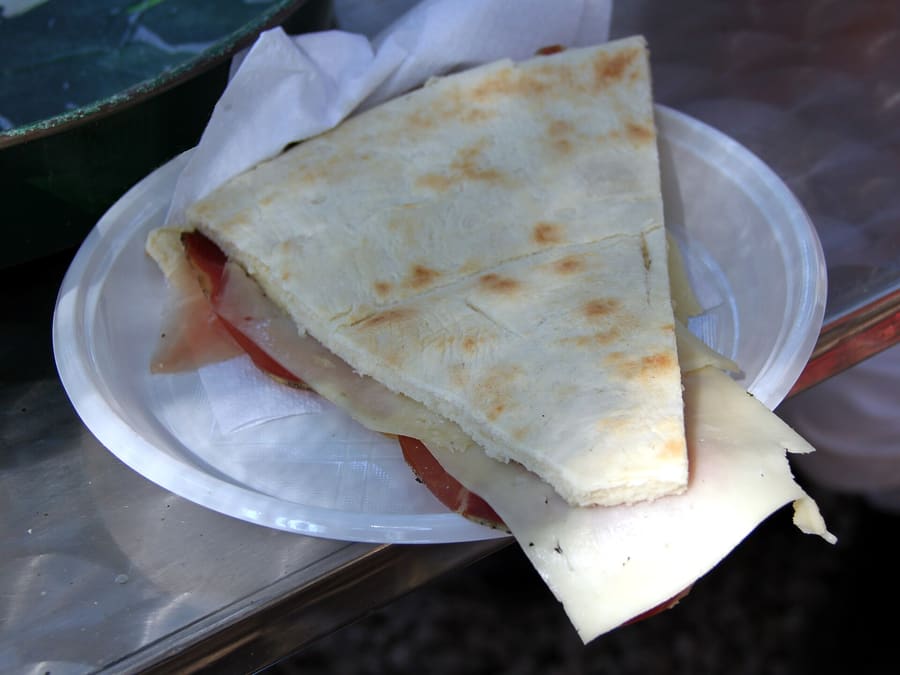
Torta al testo stuffed with sausage and cooked chicory.
LepoRello · CC BY-SA 3.0highlights
landmark
Pope Paul III buried entire medieval streets beneath this 1540 fortress. You can ride public escalators straight through the dark brick vaults.
Ρωτήστε το Parley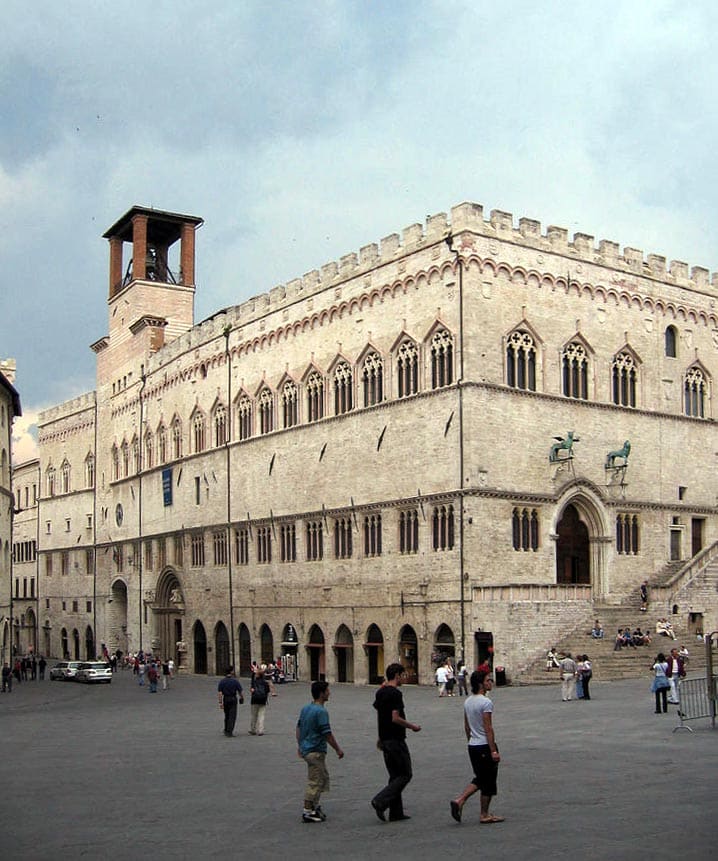
landmark
Housed on the upper floors of Palazzo dei Priori. Holds key Renaissance works by Perugino, Piero della Francesca, and Duccio.
Ρωτήστε το Parley
landmark
Raphael started the top half of the Holy Trinity fresco in 1505. His teacher Perugino completed the lower saints 16 years later.
Ρωτήστε το Parleyattractions
areas
High-altitude medieval core dominated by grand palaces, main squares, and busy paved promenades.
ΚοντάFontana Maggiore, Galleria Nazionale, Corso Vannucci
Ρωτήστε το ParleyCreative district extending south along Corso Cavour with artisan shops and wine bars.
ΚοντάSan Domenico, Porta San Pietro, Church of San Pietro
Ρωτήστε το ParleyNorthern quarter near the Università per Stranieri, filled with affordable trattorias and students.
ΚοντάEtruscan Arch, Tempio di Sant'Angelo, Aqueduct walk
Ρωτήστε το ParleyModern residential slope at the base of the hill containing the train terminal and university dorms.
ΚοντάPerugia Train Station, Minimetrò terminal, Bus hub
Ρωτήστε το Parleyfood
Perugian food skips delicate coastal traditions in favour of saltless bread, cured pork, and heavy iron-griddle flatbreads. The local staple is torta al testo, a dense unleavened flatbread cooked on a hot stone or iron plate and stuffed with wild greens, grilled sausage, or prosciutto.Pasta here means hand-rolled strangozzi, thick rectangular wheat noodles served with black truffles from nearby Norcia or a slow-cooked wild boar ragù. You will notice Perugian bread lacks salt, a direct hangover from the 1540 Salt Tax dispute with the Papacy.
Torta al testo stuffed with sausage and cooked chicory.
LepoRello · CC BY-SA 3.0Order torta al testo filled with salsiccia e cicoria (sausage and chicory) at casual counters for under €7.
Black winter truffles peak between December and March. Summer black truffles (scorzone) dominate menus from May to September.
Visit historic bakeries along Corso Vannucci for dark chocolate, but buy factory Baci Perugina packs in regular supermarkets for half the tourist shop price.
history
Perugia originated as one of the twelve confederated cities of Etruria. Rome absorbed the settlement after the siege of Perusia in 40 BC, but the city retained its hilltop strategic prominence throughout the Middle Ages.In 1540, Pope Paul III crushed local resistance during the Salt War, stripping Perugia of its independence. To enforce papal rule, the Pope built the massive Rocca Paolina fortress directly over the razed palaces of the city's ruling Baglioni family, sealing the medieval streets underneath.
Etruscan walls built
Massive stone fortification ring constructed, defining the city layout that survives today.
University founded
The Studium Generale opens, beginning Perugia's ongoing history as an international academic center.
The Salt War
Pope Paul III defeats the city and builds Rocca Paolina over buried medieval neighborhoods.
Italian Unification
Perugians tear down the papal fortress walls immediately after joining the new Kingdom of Italy.
Umbria Jazz begins
The city launches its summer music festival, transforming the historic center into open-air stages.
where to stay
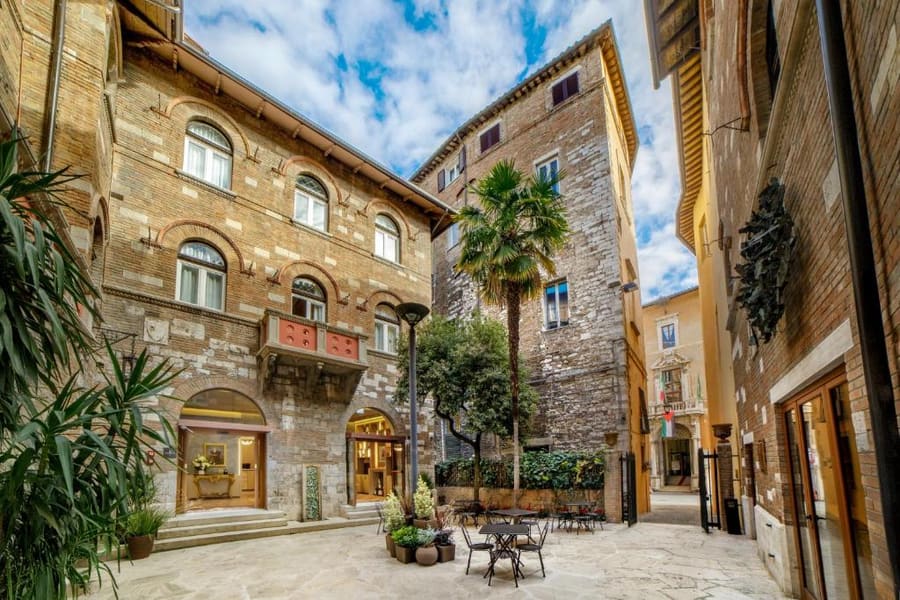
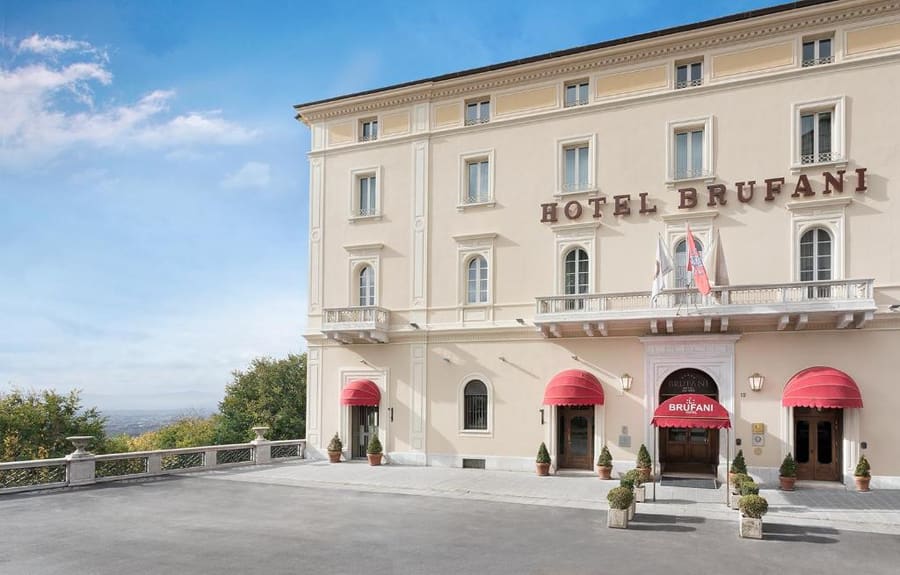
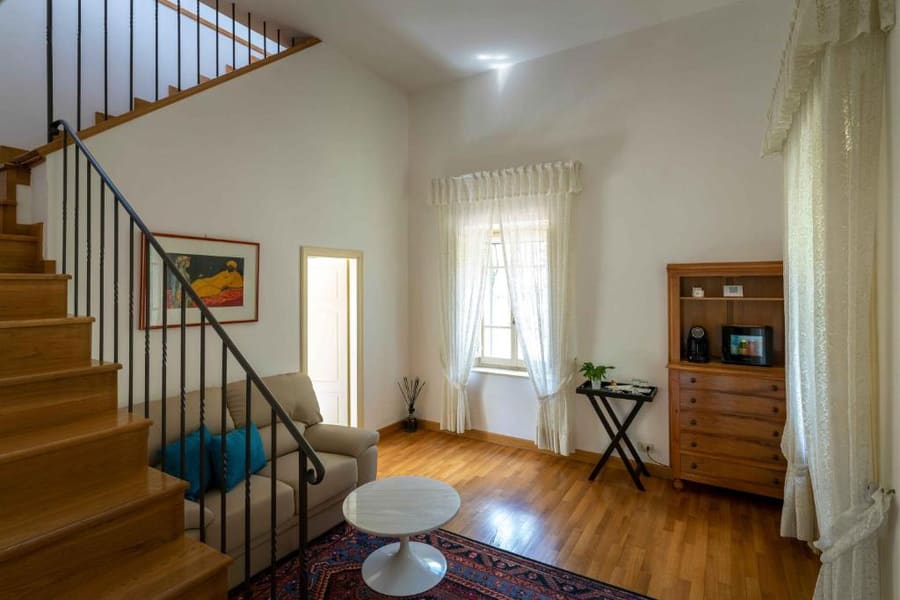
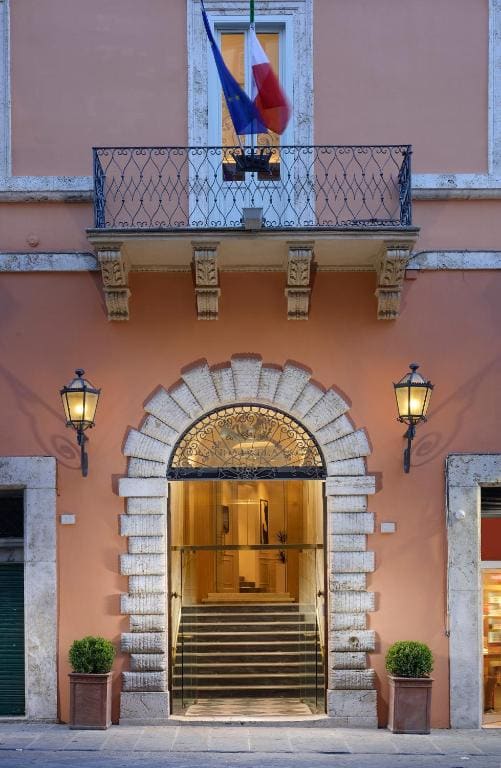
Choose your hotel based on how you arrive. Staying in the upper historic center puts you steps from medieval sites, but driving into the restricted zone leads to heavy fines. If traveling by car, pick a place with dedicated parking along the outer ring or near the Minimetrò stations.
Live rates, matched to the areas above.
transport
The historic core is entirely pedestrianized and steep. Cars without local permits are banned by cameras in the ZTL zone. Park at the base of the hill and rely on the Minimetrò cable car, public escalators (scale mobili), or urban buses to travel uphill.
A single ticket costs €1.50 and stays valid for 70 minutes across both the cable car and city buses.
Free public escalators connect Piazza Partigiani bus station to Piazza Italia through Rocca Paolina.
Purchase transit tickets at newsstands (edicole) or tabacchi shops before boarding buses.
cost
Perugia remains noticeably cheaper than Florence or Rome due to its permanent university population. Expect modest prices for street food, espresso, and everyday dining.
Stuffed griddle sandwich served in casual lunch bars.
Valid for 70 minutes across town transit.
Standard ticket for Galleria Nazionale dell'Umbria.
Standard price along Corso Vannucci bars.
seasonality
MAR – MAY
Mild temperatures and manageable sightseeing lines. Ideal window for walking hill trails.
JUN – JUL
Umbria Jazz in mid-July packs the center. Hotel prices spike and advance booking is mandatory.
AUG – SEP
Hot August days clear out local students. Many neighborhood shops close for summer holidays.
OCT – NOV
Eurochocolate event in October fills streets. Crisp fall weather coincides with olive harvest season.
practicalities
Cameras guard all ZTL gates. Entering without a registered hotel exception brings automated fines.
Uneven medieval flagstones and steep slopes make high heels or slick soles uncomfortable.
The main weekly food market operates on Saturday mornings outside Pian di Massiano stadium.
Small public fountains marked acqua potabile offer safe, cold drinking water throughout town.
Head to the top floor of Biblioteca Augusta at Porta Sole for panoramic valley views.