landmark
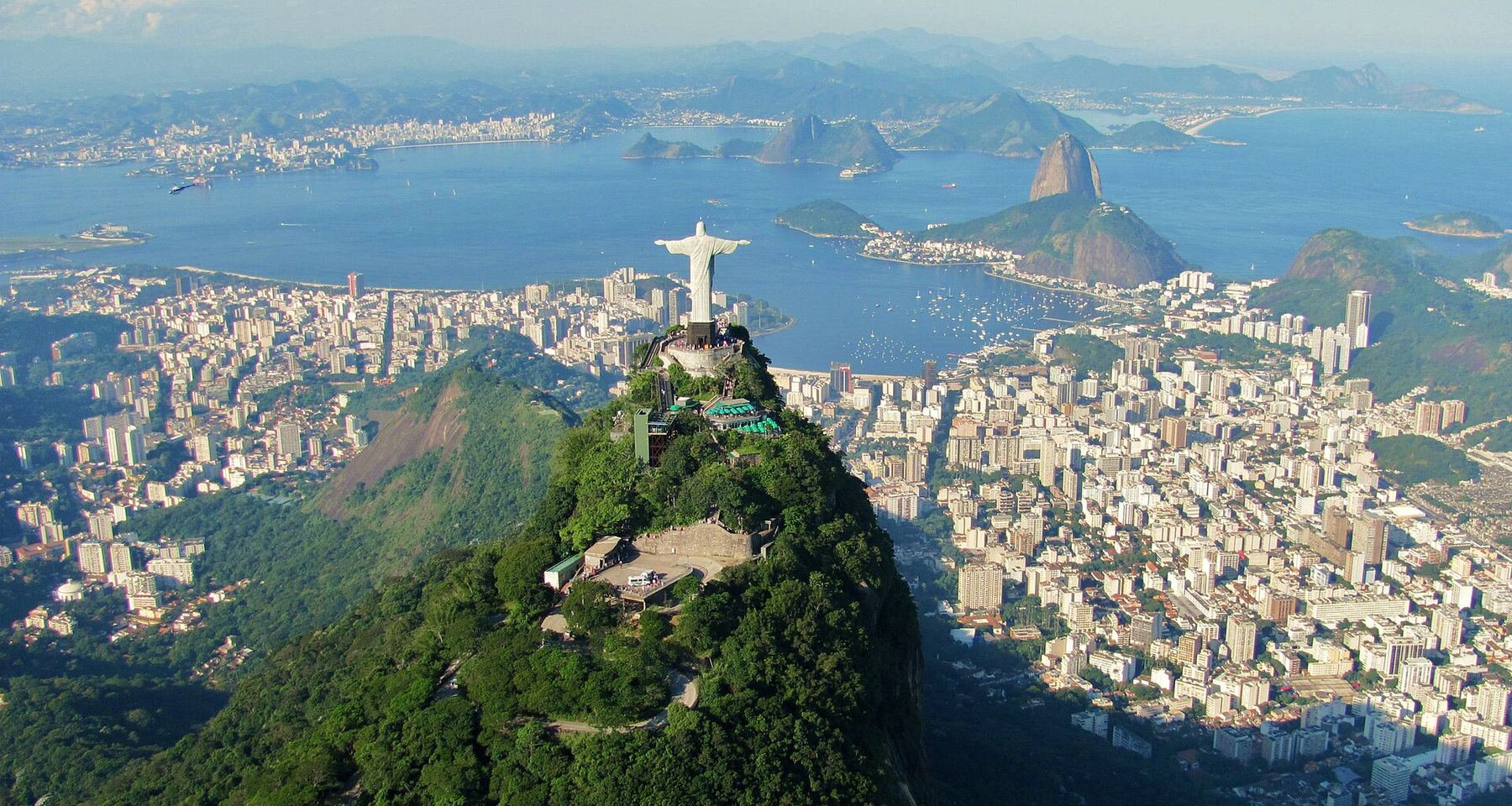
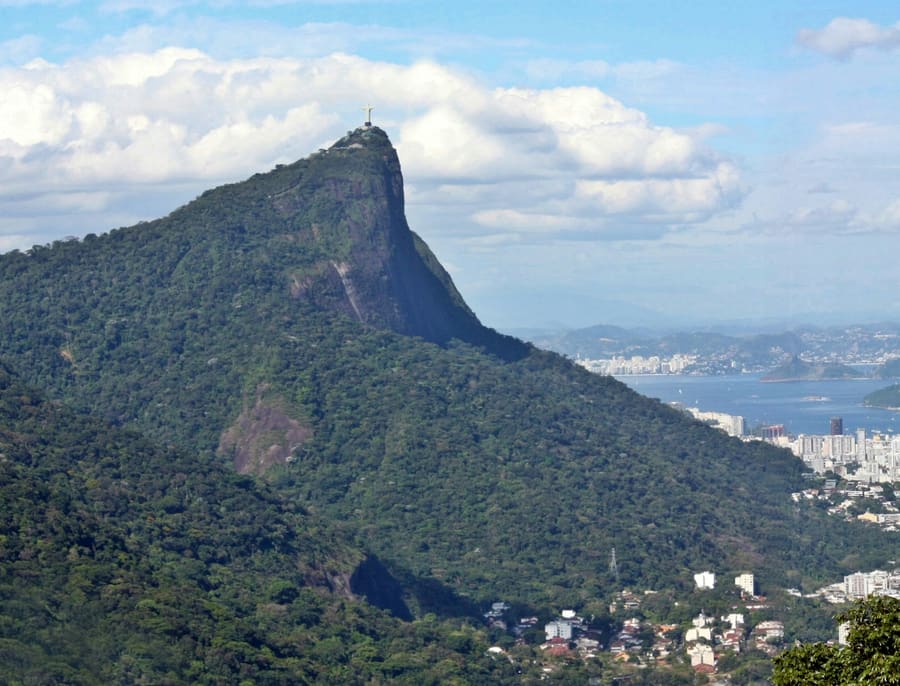
Christ the Redeemer
The 30-meter statue sits atop Corcovado mountain. Take the official rack railway from Cosme Velho to bypass van queue bottlenecks.
Ρωτήστε το ParleyΒραζιλία
Granite peaks, Atlantic tides, and urban improvisation.
introduction
Rio de Janeiro spreads between steep Atlantic granite and Guanabara Bay. You travel through it in distinct strips separated by tunnels cut into dense urban mountains. Beach life dominates the southern zone, while administrative and historical institutions sit in the center. Expect rapid transit options along the coast and slower road traffic around mountain bends.
Airport transit trick
Take the VLT light rail directly from Santos Dumont Airport to Central do Brasil. It connects straight to Metro Line 1 and bypasses gridlocked surface traffic.
UNESCO recognition
UNESCO designated Rio a World Heritage landscape in 2012. The title recognises how urban development integrates with the Tijuca forest and coastal peaks.
Corcovado booking trick
Book the official Trem do Corcovado online three days ahead for an early morning slot. You skip the hour-long van queues at Paineiras.
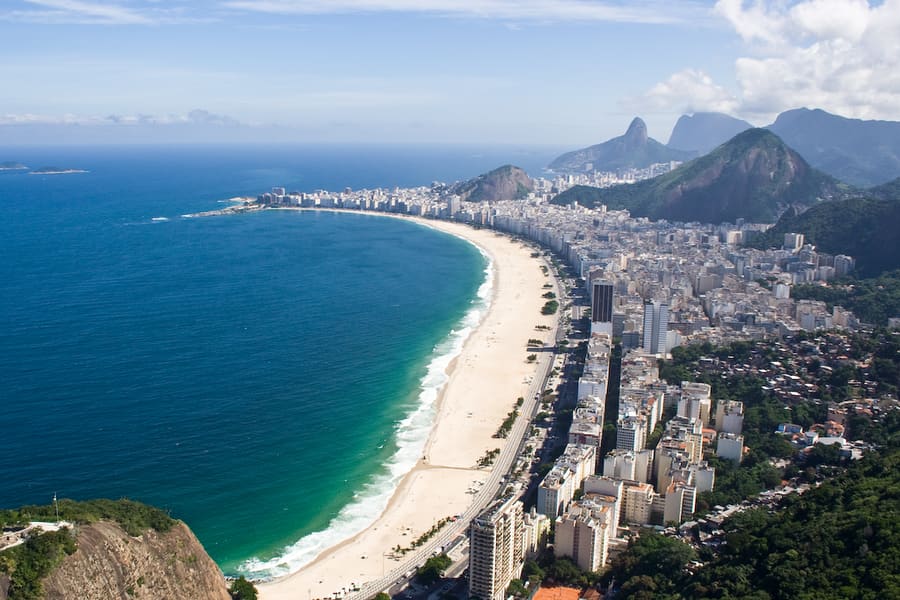
Rio de Janeiro
[www.flickr.com/photos/26912057@N02/ bisonlux] · CC BY 2.0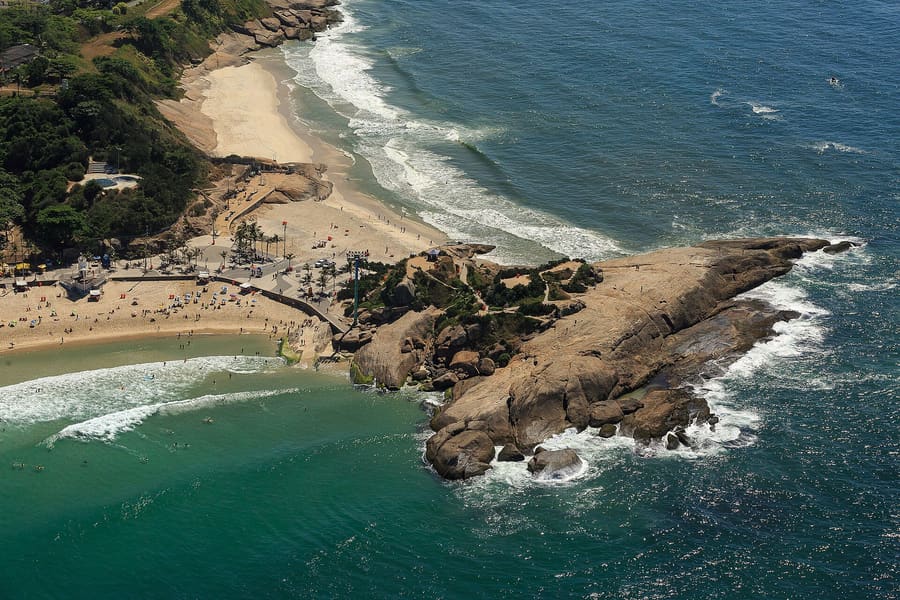
Ipanema — Upscale grid layout packed with boutiques, juice bars, and lively beach posts.
Diego Baravelli · CC BY-SA 4.0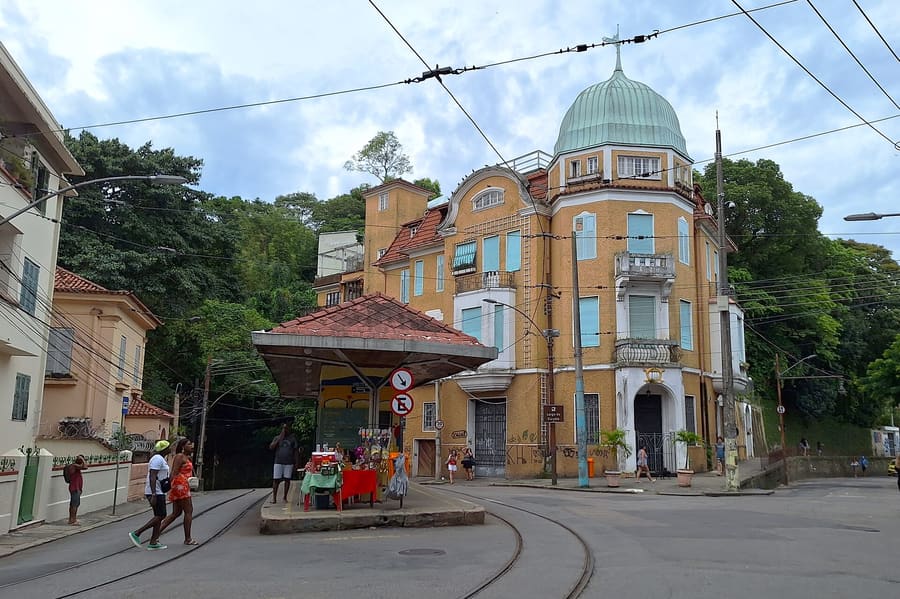
Santa Teresa — Hilltop enclave of colonial villas, artists' studios, and narrow tram tracks.
Fulviusbsas · CC BY 4.0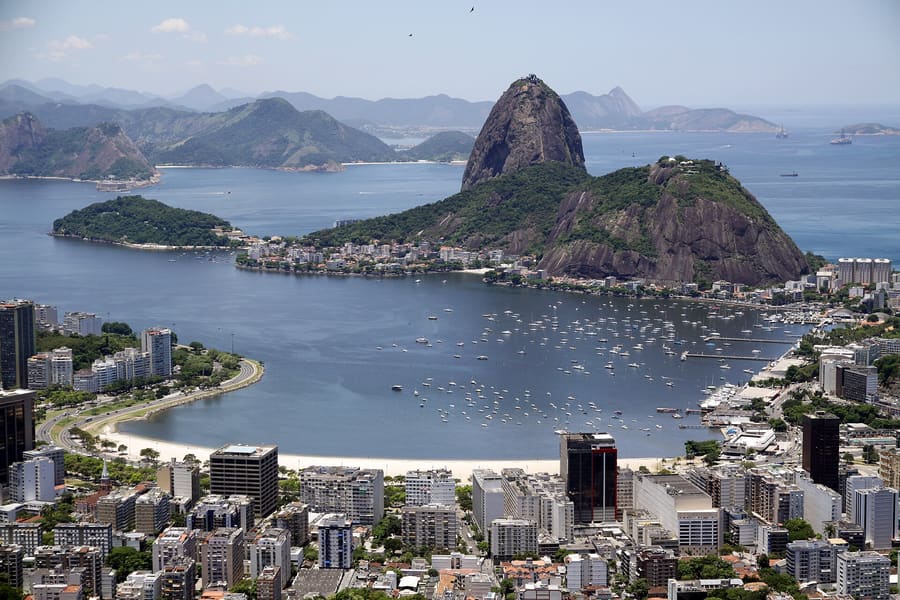
Botafogo — Residential transit hub turned craft beer and independent restaurant district.
Halley Pacheco de Oliveira · CC BY-SA 3.0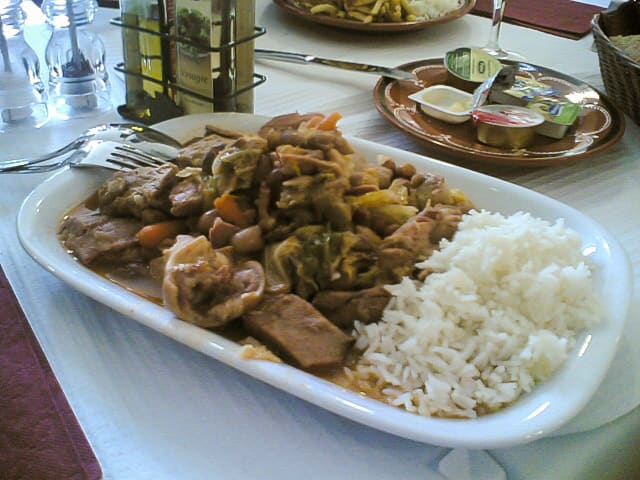
Feijoada served with farofa, kale, and orange slices at a traditional Rio restaurant.
Adrião · CC BY 3.0highlights
landmark
The 30-meter statue sits atop Corcovado mountain. Take the official rack railway from Cosme Velho to bypass van queue bottlenecks.
Ρωτήστε το Parley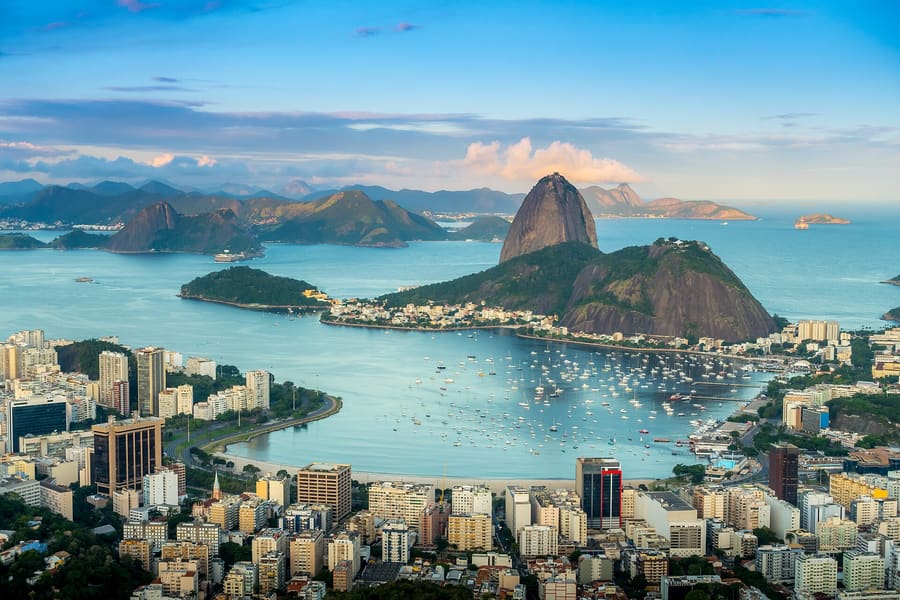
landmark
Two cable car spans link Urca hill to the granite summit. Ride during late afternoon to catch dusk over Guanabara Bay.
Ρωτήστε το Parley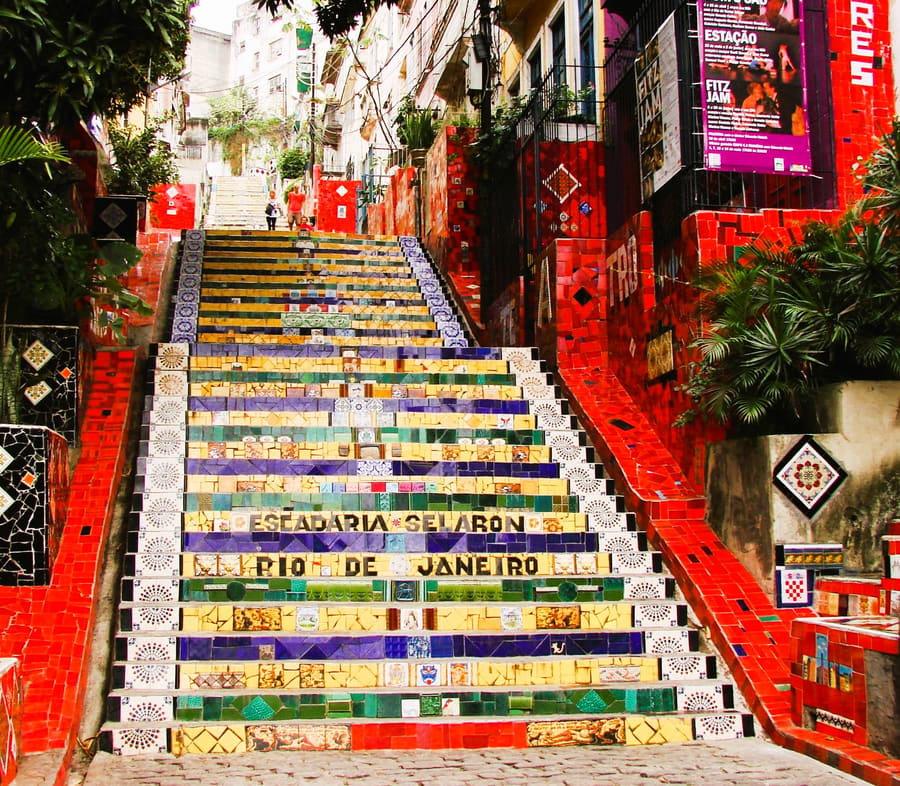
landmark
Artist Jorge Selarón tiled 215 steps between Lapa and Santa Teresa. Visit before 08:30 to avoid tour group crowds.
Ρωτήστε το Parley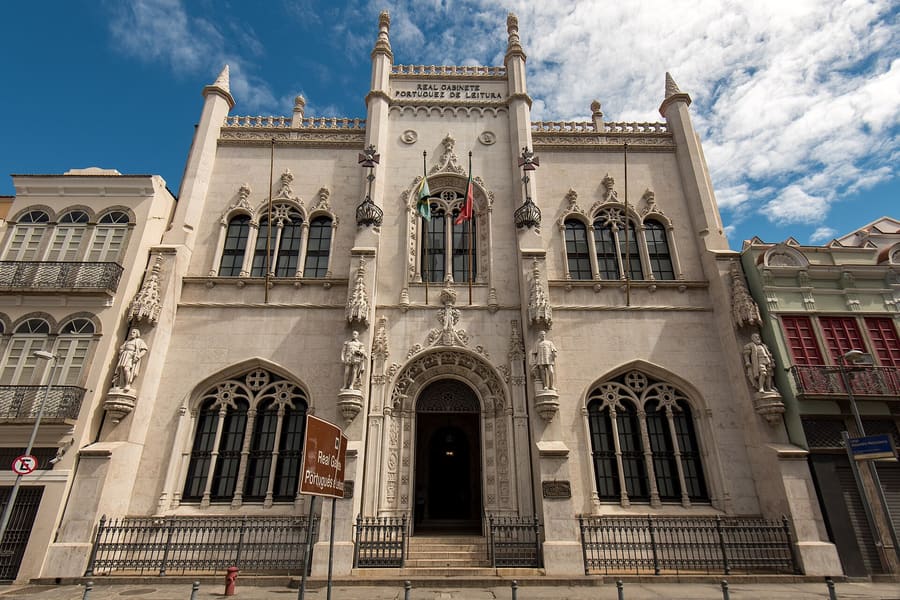
landmark
A 19th-century neo-Manueline library holding three floors of rare books. Admission is free, but photos require silence.
Ρωτήστε το Parley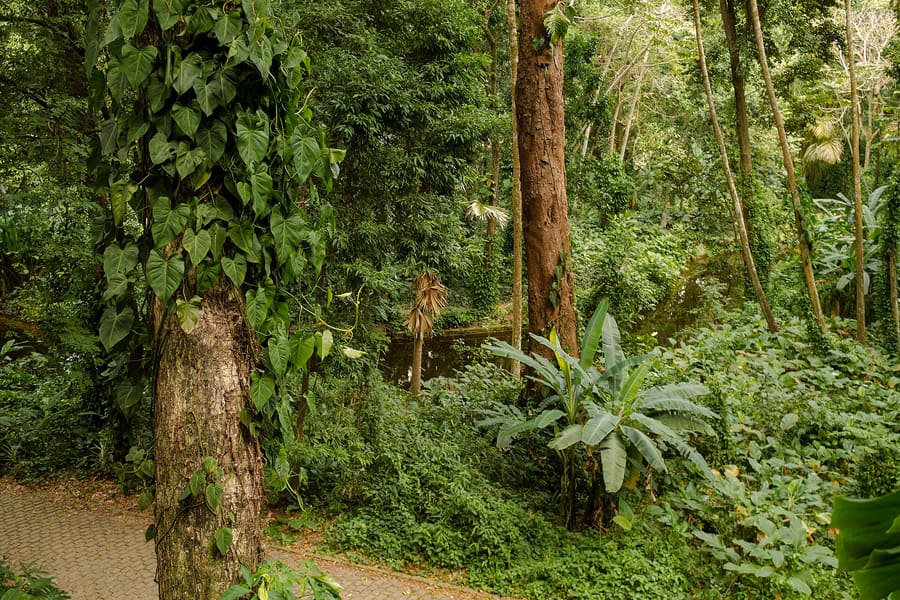
landmark
A public park featuring an Italianate mansion set against rainforest roots. Reserve breakfast at the courtyard café early.
Ρωτήστε το Parley
landmark
The cathedral of Brazilian football sits in the North Zone. Take Metro Line 2 directly to the stadium gate on match days.
Ρωτήστε το Parleyattractions
areas
Upscale grid layout packed with boutiques, juice bars, and lively beach posts.
ΚοντάLeblon, Copacabana, Lagoa
Ρωτήστε το ParleyHilltop enclave of colonial villas, artists' studios, and narrow tram tracks.
ΚοντάLapa, Centro
Ρωτήστε το ParleyResidential transit hub turned craft beer and independent restaurant district.
ΚοντάFlamengo, Urca, Copacabana
Ρωτήστε το ParleyDense high-rise residential blocks meet a four-kilometer ocean boardwalk.
ΚοντάIpanema, Leme, Botafogo
Ρωτήστε το Parleyfood
Rio eats on the sidewalk. Local life centers around botecos—unfussy neighborhood bars serving cold draught beer called chopp alongside fried snacks like empadas and coxinha. On Saturdays, restaurants across the city slow down for traditional feijoada, a heavy pork and black bean stew served with rice, farofa, and sliced oranges.
Feijoada served with farofa, kale, and orange slices at a traditional Rio restaurant.
Adrião · CC BY 3.0Order chopp in small glasses so it stays cold under the sun. Pay at the register or let the server keep a running paper tally on your table.
Order fresh fruit juices pressed on demand at street counters like BB Lanches. Try açai in a bowl topped with granola or fresh suco de cupuaçu.
history
Founded by the Portuguese in 1565 to expel French traders, Rio grew rapidly through the eighteenth-century gold rush in neighboring Minas Gerais. It served as the capital of the Portuguese Empire from 1808 to 1821 after the royal family fled Napoleon. Rio remained Brazil’s national capital until Brasilia took over the political center in 1960.
City foundation
Estácio de Sá establishes a Portuguese settlement between Sugarloaf and Cara de Cão to guard Guanabara Bay.
Royal court arrives
Prince Regent John VI transfers the Portuguese court to Rio, establishing banks, botanical gardens, and printing presses.
Urban renovation
Mayor Pereira Passos demolishes central tenements to construct Avenida Rio Branco, mimicking Parisian avenues.
Capital relocation
The federal government shifts to newly built Brasília, transforming Rio into a regional cultural capital.
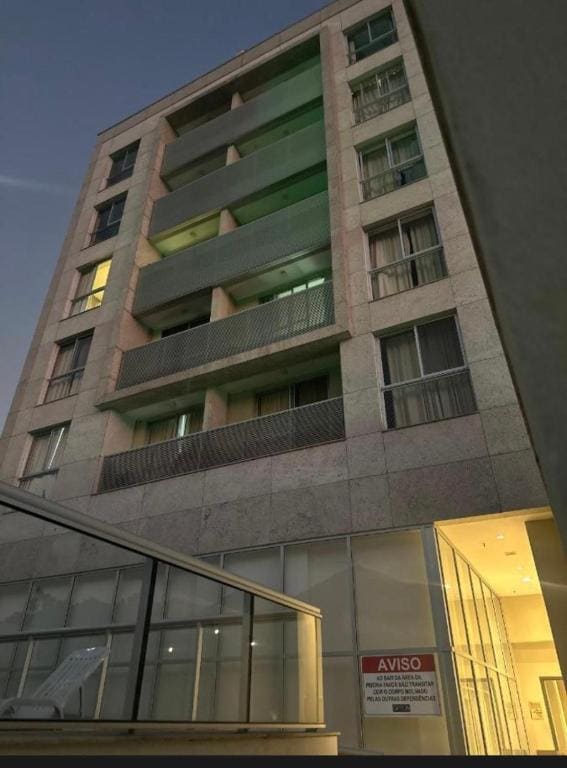
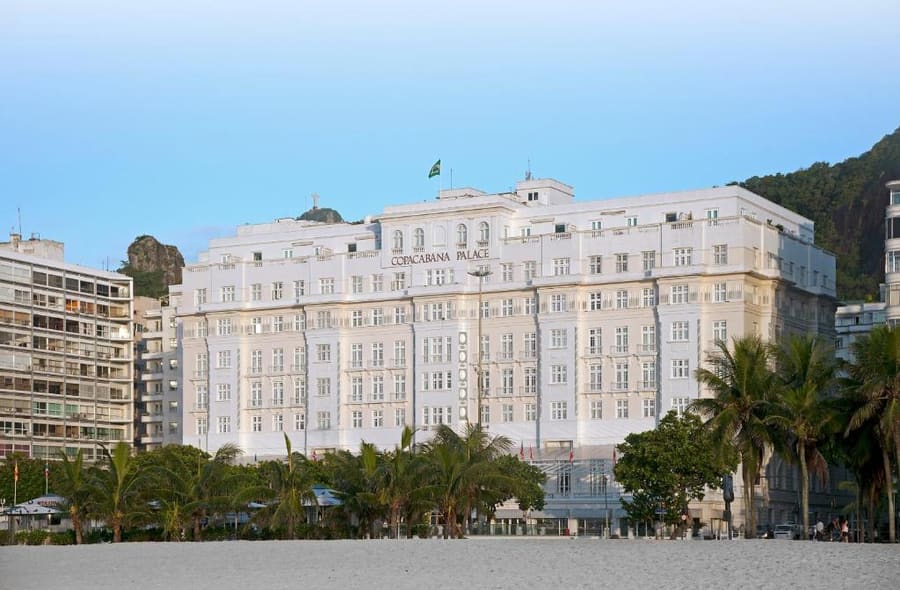
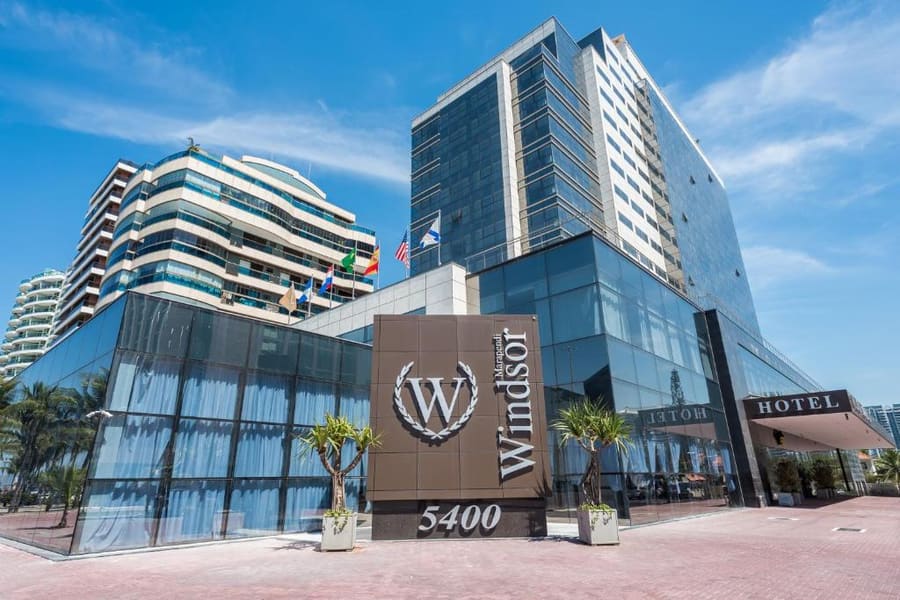
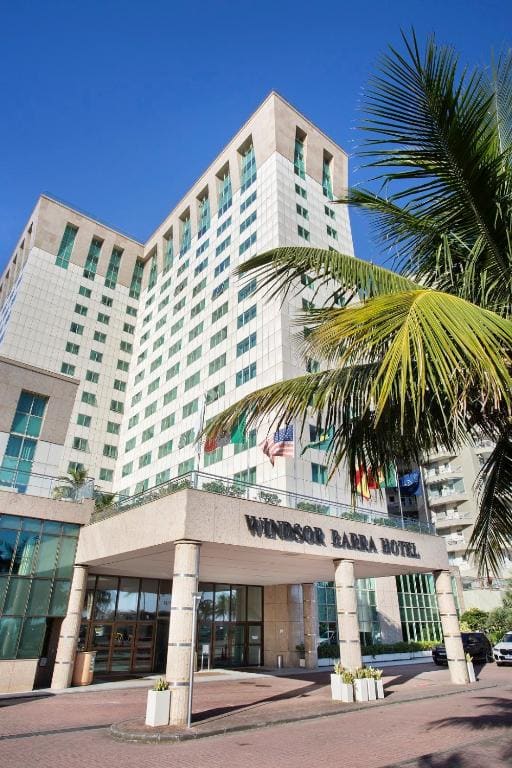
where to stay
Choose your neighborhood based on how you want to start your mornings. The South Zone coastal strip offers immediate beach access and easy metro lines. Hilltop districts deliver lower night temperatures and historic architecture but require taxis for every outing.
Live rates, matched to the areas above.

transport
Rio's public transit system relies heavily on an efficient underground metro and a light rail system downtown. Yellow taxis and rideshare services cover areas where rail routes bypass steep hills. Avoid public buses late at night in unlit areas.
Από GIG / SDU
Premium Auto Ônibus line 2018 runs from GIG airport through Centro to South Zone beach hotels.
Pick-up area at GIG is on the departures level of Terminal 2. Rates surge during peak rain or rush hours.
Pre-pay at official airport desks inside arrivals to secure fixed rates before stepping outside.
Metro Lines 1, 2, and 4 cover the South Zone and Central districts. Buy a reusable MetrôRio card at station kiosks to avoid long ticket counter lines.
The VLT serves Downtown and the port area. You must tap your card upon boarding inside the tram carriage.
Metro turnstiles accept contactless credit cards and mobile phones directly at the gates without buying paper tickets.
Yellow taxis operate on meters. Ensure the driver turns on the taxímetro before the car starts moving.
cost
Prices in Rio vary significantly between the beachside South Zone and the rest of the city. Paying with contactless cards is standard even at beach stalls, though carrying small cash bills helps with small tips and vendors.
Vendors along Ipanema and Copacabana rent aluminum chairs and umbrellas for the day.
A cold 300ml draught beer at a traditional corner boteco in Botafogo or Tijuca.
Flat rate single subway journey across any line including transferred connections.
A complete daily lunch plate with meat, rice, beans, farofa, and french fries at a local diner.
seasonality
DEC – FEB
Peak summer brings hot humid days above 35°C and heavy afternoon rain. Carnival crowds triple hotel rates.
MAR – MAY
Warm clear days with lower humidity and manageable tourist volume. Ideal conditions for mountain hiking.
JUN – AUG
Mild winters with daytime temperatures around 22°C. Sea temperatures drop, but rain is rare.
SEP – NOV
Spring brings rising heat and occasional rain showers. Flowers bloom along the Rodrigo de Freitas lagoon.
practicalities
Street vendors and beach kiosks accept card payments. Carry minimal cash to reduce theft risk.
Leave expensive jewelry, watches, and visible gold chains at your hotel. Keep your phone tucked away when walking on busy streets.
Avenida Atlântica in Copacabana and Avenida Vieira Souto in Ipanema close to motor traffic on Sundays for pedestrian use.
Never hike urban forest trails alone late in the afternoon. Stick to established trails like Pedra Bonita or Urca peak.