landmark
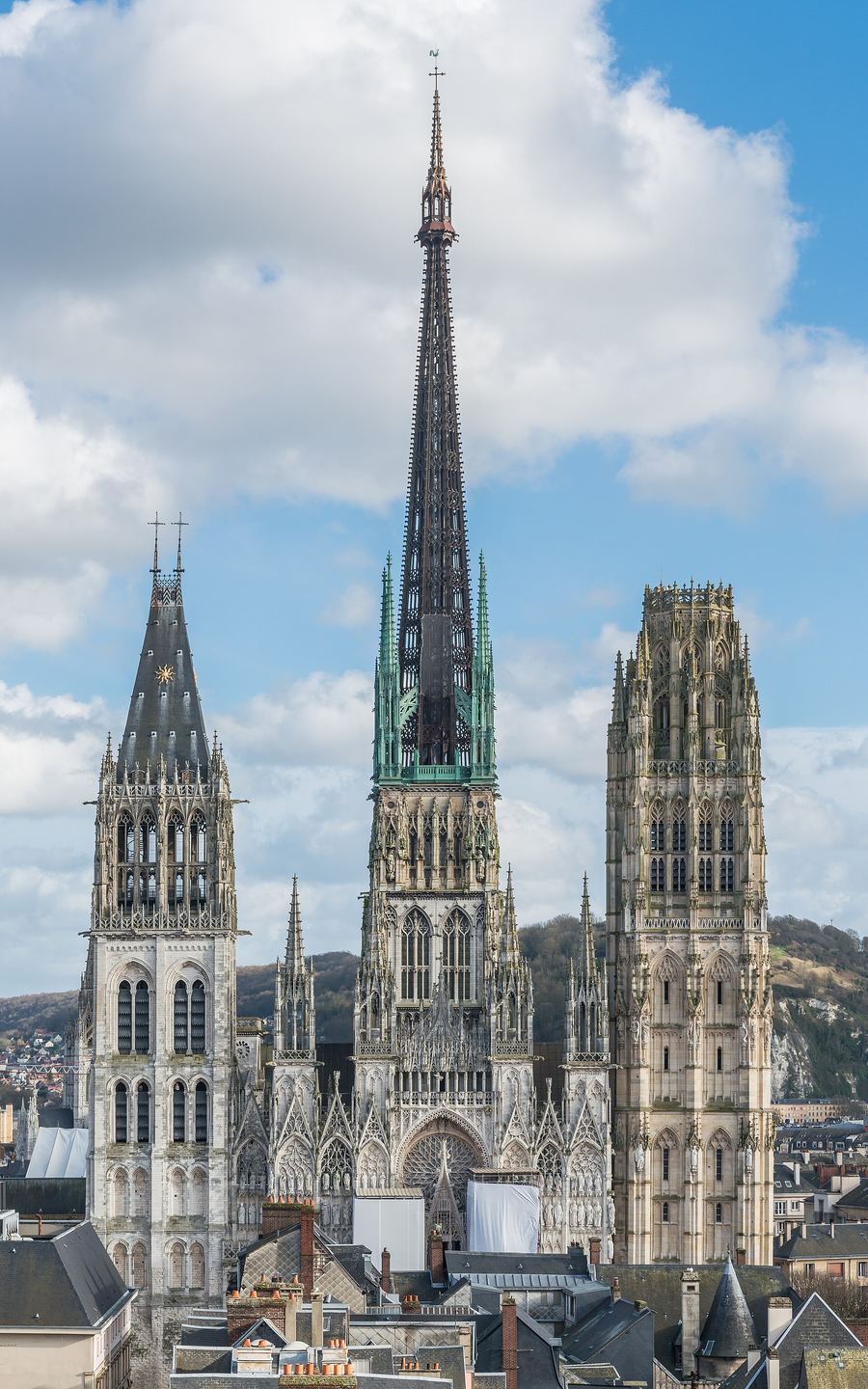
Cathédrale Notre-Dame
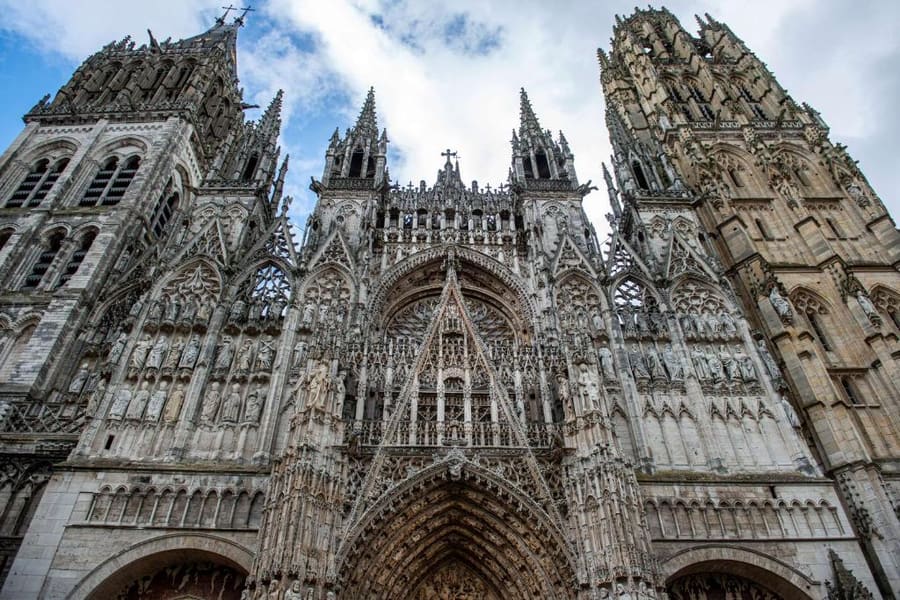
Claude Monet painted this facade dozens of times. Entry is free, and summer nights feature light shows projected on the stone.
Ρωτήστε το ParleyΓαλλία
Gothic spires, half-timbered streets, and Seine riverfronts.
introduction
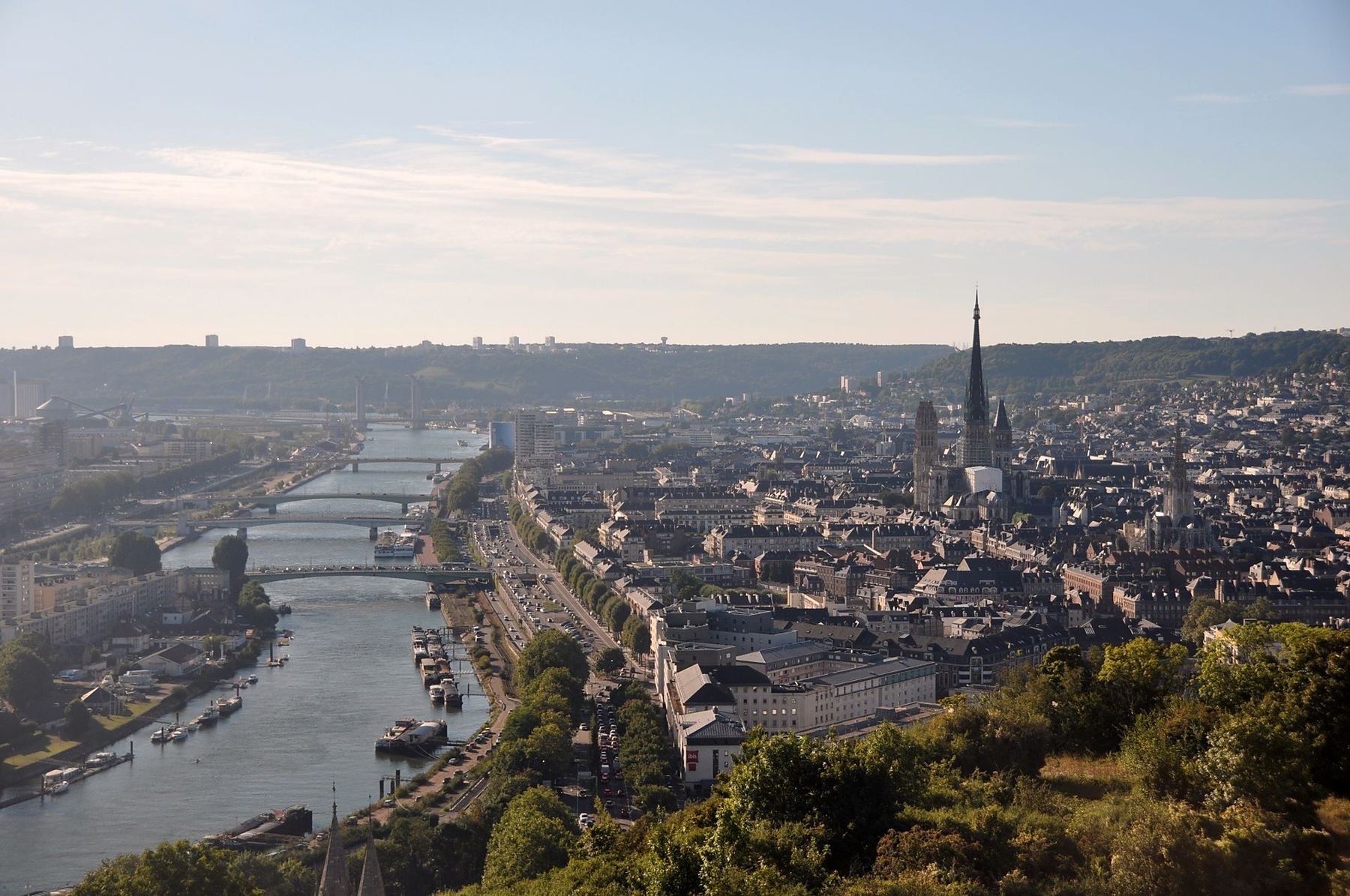
Rouen sits along a loop of the Seine River in Normandy, 130 kilometres northwest of Paris. The historic core on the right bank is compact, only partially pedestrianised, though it contains significant pedestrian-only streets, and easily navigated on foot. You encounter centuries of timber-framed houses alongside major Gothic churches and quiet canal lanes. Expect damp Atlantic weather, short train travel times from the capital, and a relaxed evening pace.
Arrival timing
Direct TER trains from Paris-Saint-Lazare reach Gare Rive-Droite in 80 minutes. Sit on the left side heading north for views of the Seine valley.
UNESCO designation
Rouen is a UNESCO Creative City of Gastronomy. Local dining focuses on duck dishes, cider making, and traditional Norman dairy farming.
Museum entry rule
Permanent collections in all municipal museums are free to enter. You only pay admission fees for special temporary exhibitions.
Rouen
Валерий Дед · CC BY 3.0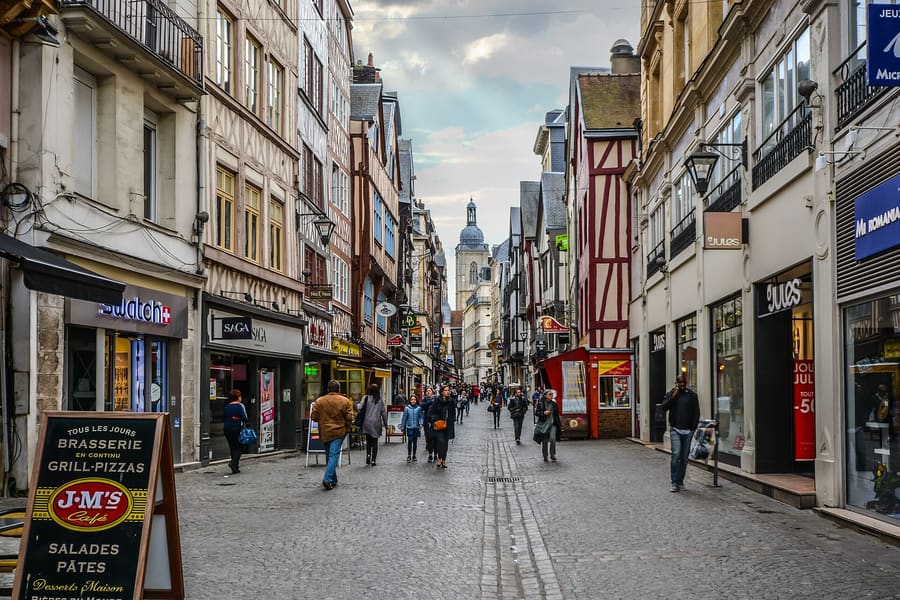
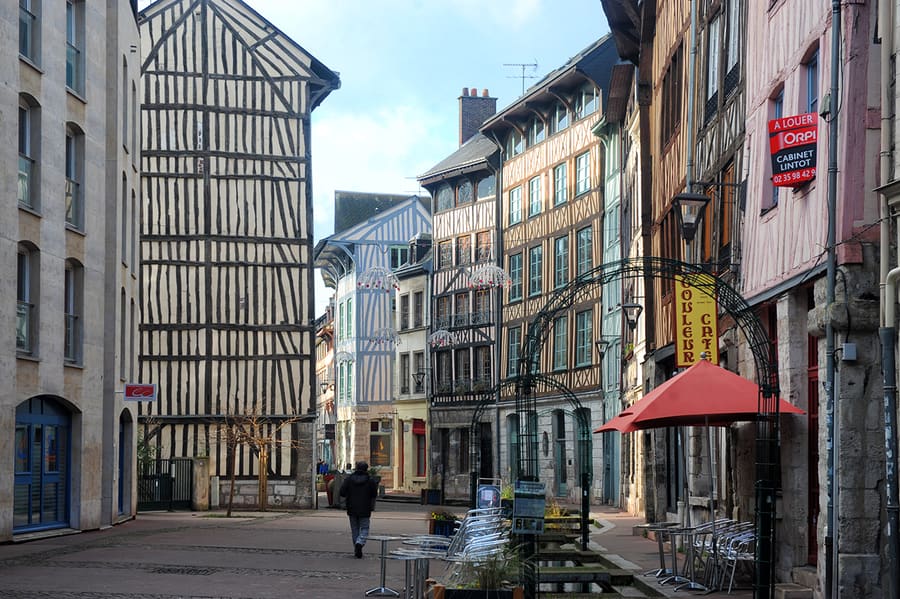
Vieux Rouen — Pedestrian medieval lanes, timber frames, and lively café terraces.
kirkandmimi · CC0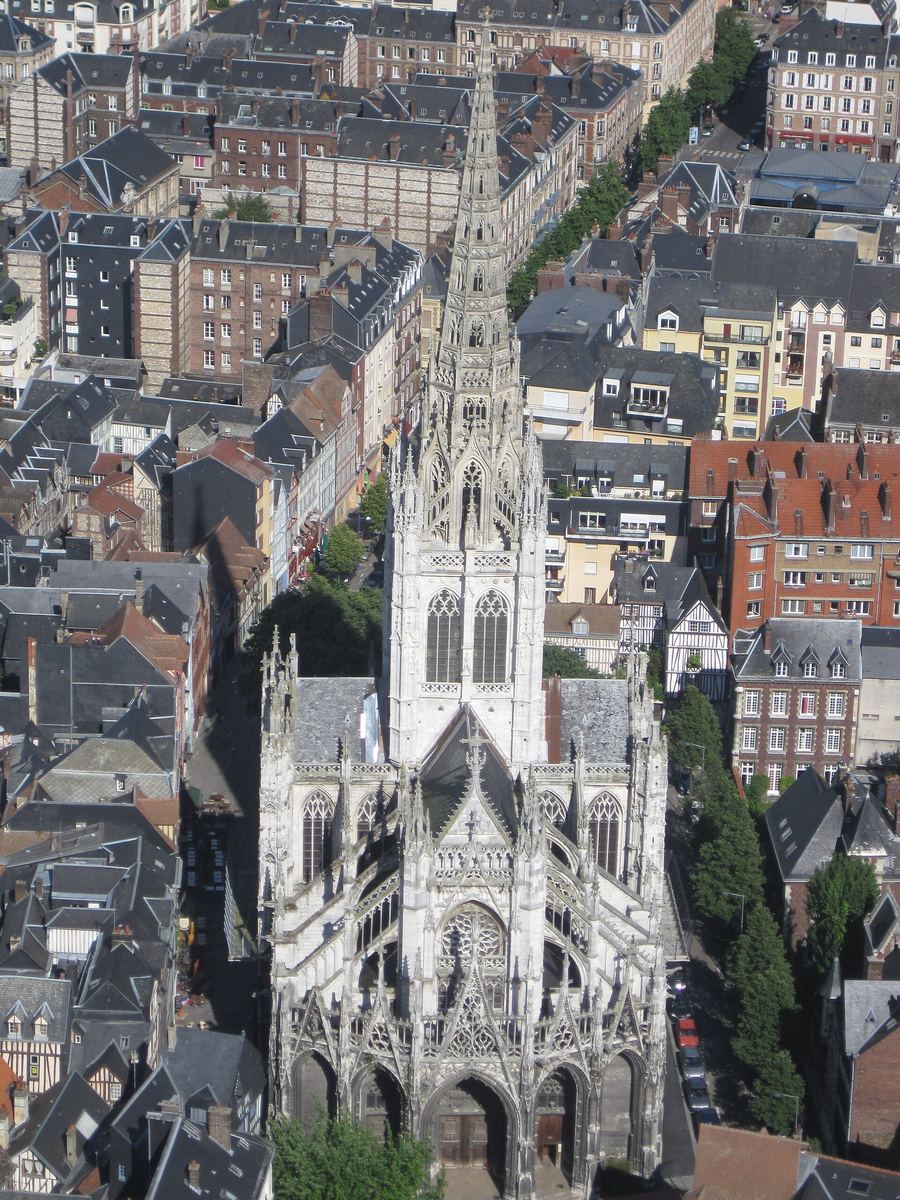
Saint-Maclou & Robec — Antique shops, quiet stone courtyards, and small canal side-paths.
Alphaclem · CC BY-SA 3.0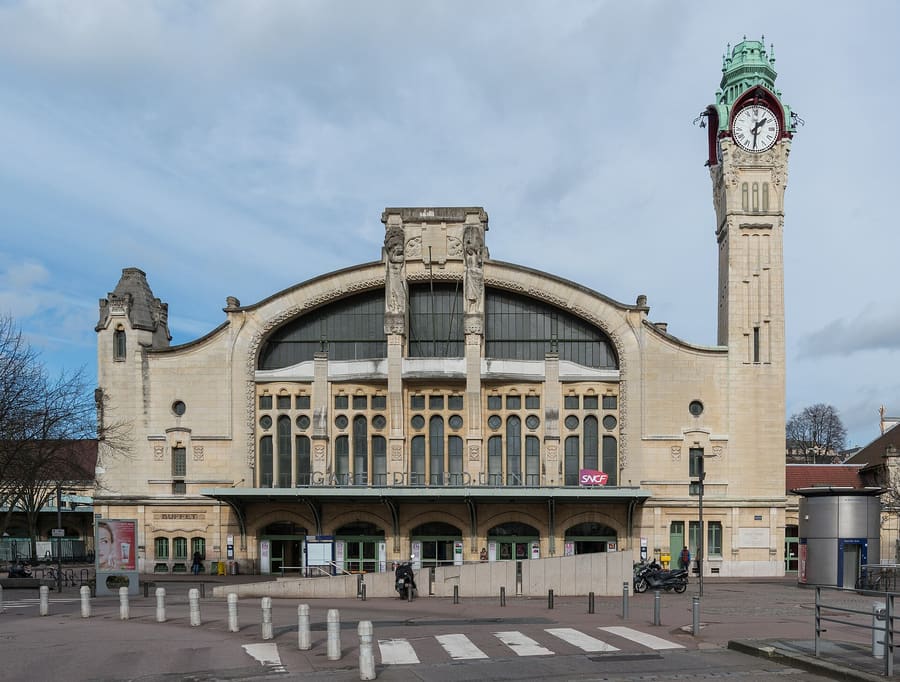
Quartier Gare — Practical grid streets surrounding the main railway station.
DXR · CC BY-SA 3.0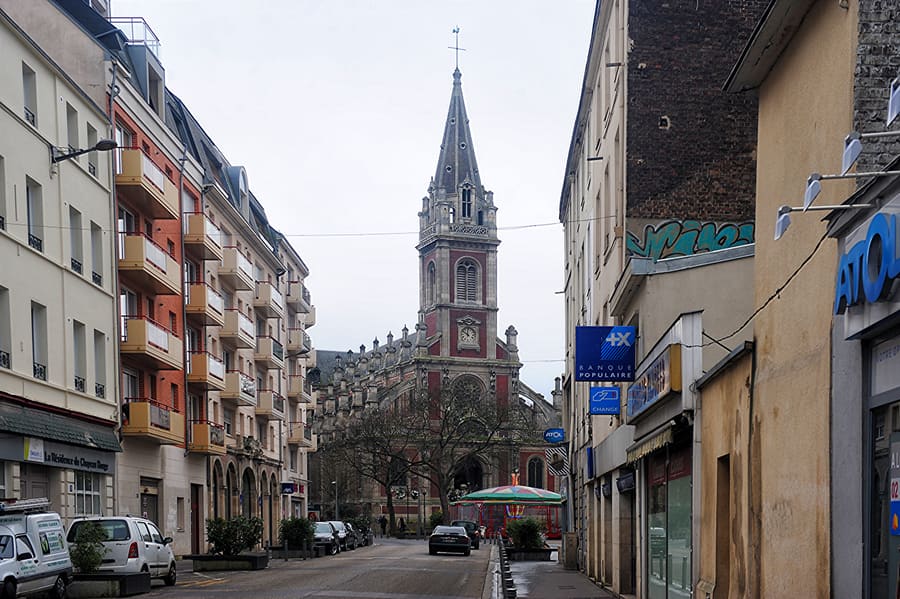
Saint-Sever — Working-class residential area on the south bank of the Seine.
Валерий Дед · CC BY 3.0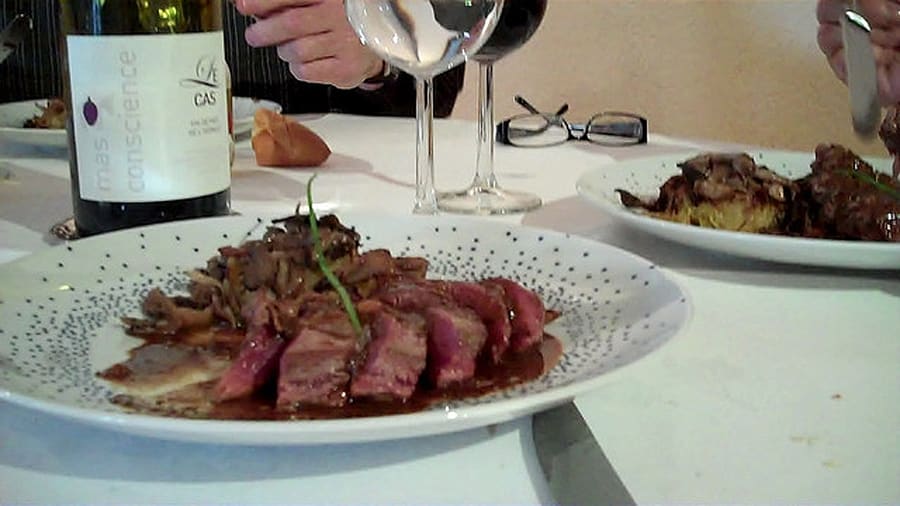
Canard à la rouennaise served with traditional red wine reduction sauce.
ryanovineyards · CC BY-SA 2.0highlights
landmark
Claude Monet painted this facade dozens of times. Entry is free, and summer nights feature light shows projected on the stone.
Ρωτήστε το Parley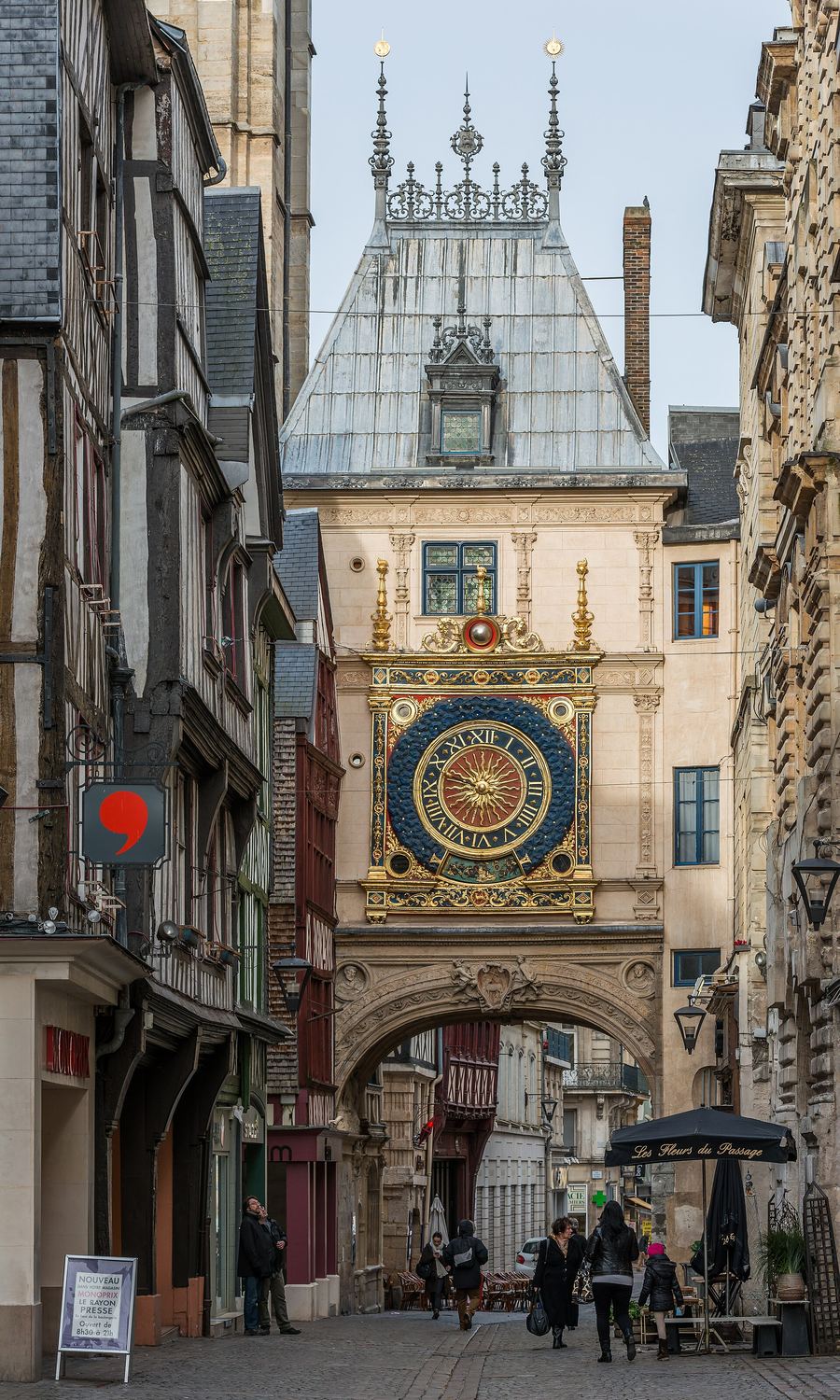
landmark
A 14th-century astronomical clock spans the main pedestrian street. Buy a ticket to climb the tower for roof views over the river.
Ρωτήστε το Parley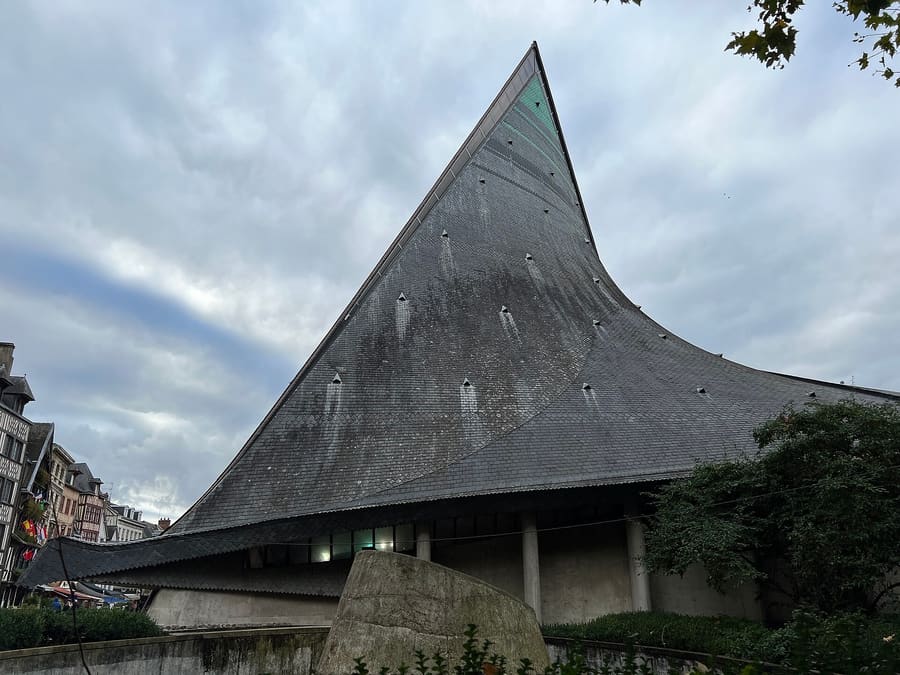
landmark
Built in 1979 where Joan of Arc was executed. The modern roof resembles an overturned boat and shelters 16th-century stained glass.
Ρωτήστε το Parley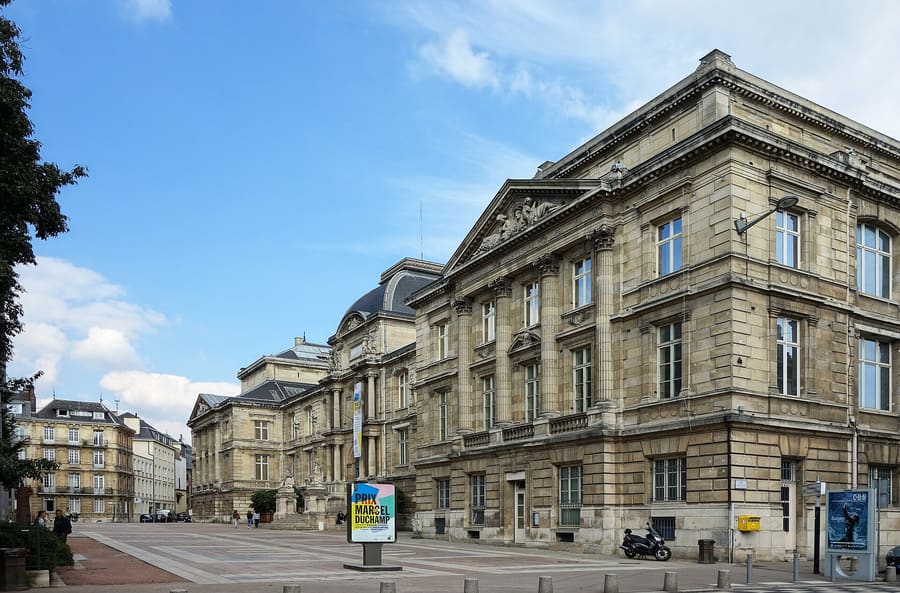
landmark
Houses France's second-largest Impressionist collection outside Paris. Entry to permanent galleries costs nothing.
Ρωτήστε το Parley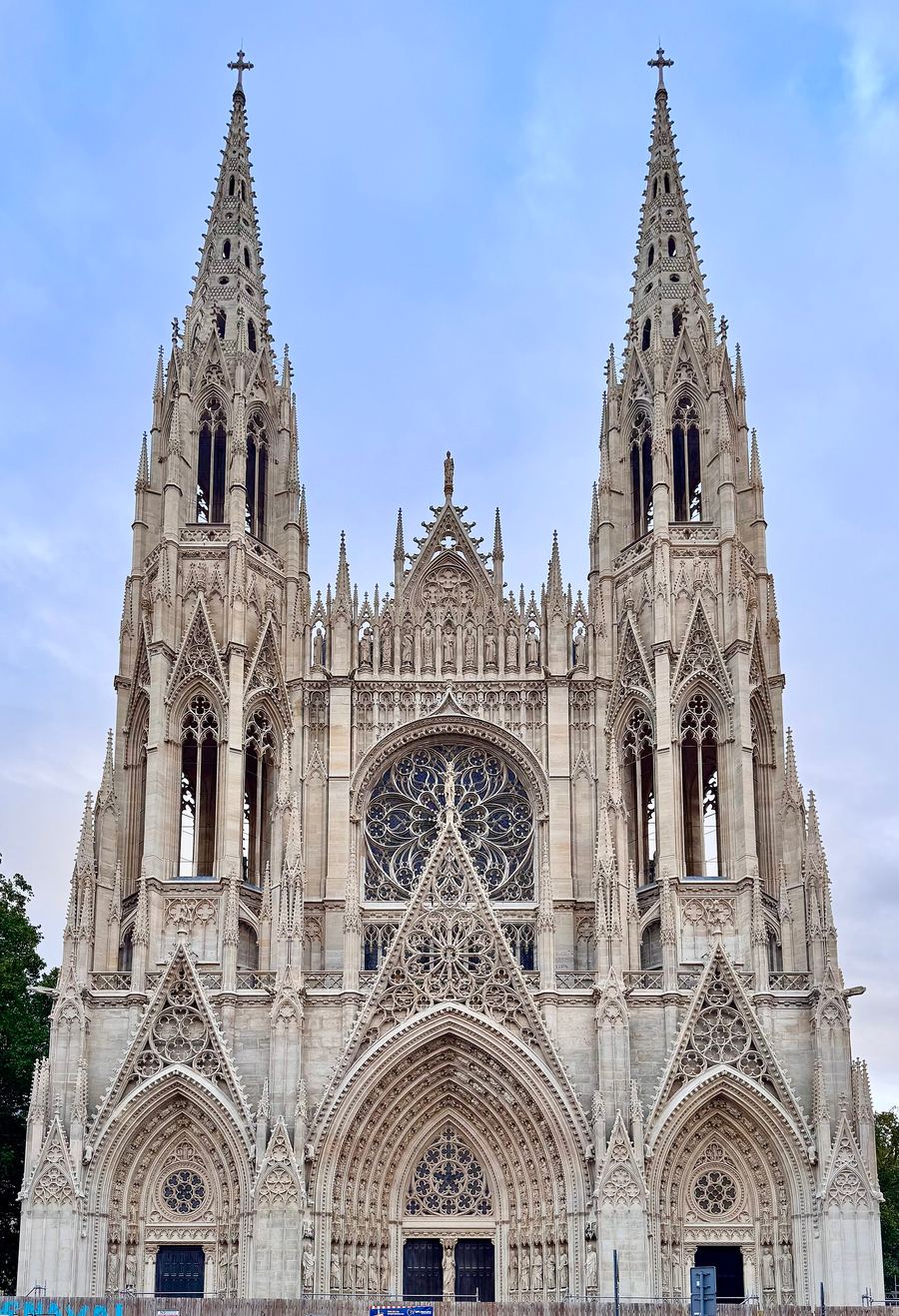
landmark
A massive Benedictine abbey church taller than many cathedrals. It contains a preserved Cavaillé-Coll pipe organ.
Ρωτήστε το Parley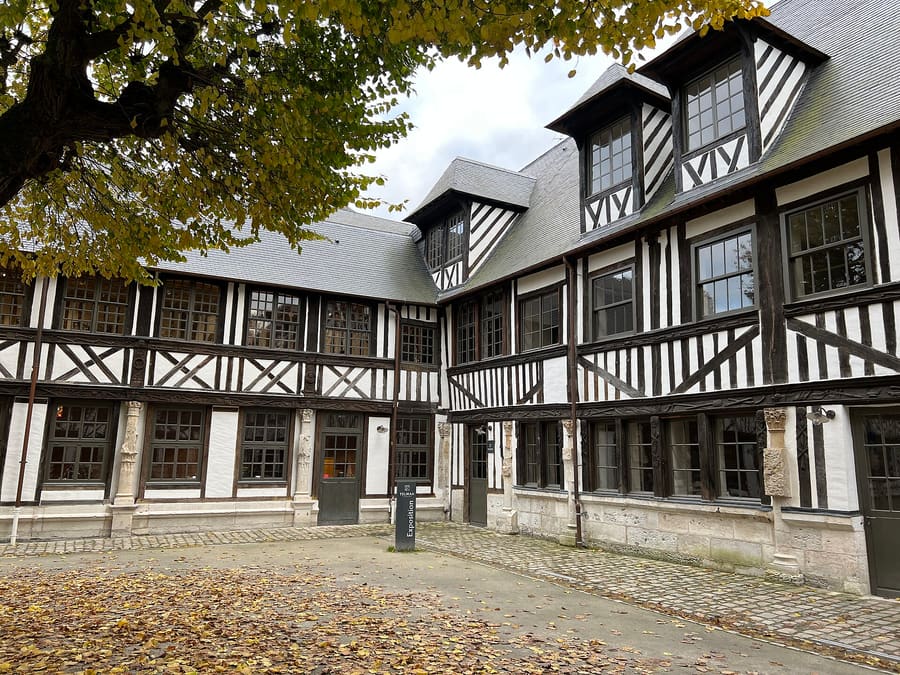
landmark
A 16th-century plague ossuary turned arts courtyard. Look closely at the wooden carvings depicting skulls and bones.
Ρωτήστε το Parleyattractions
areas
Pedestrian medieval lanes, timber frames, and lively café terraces.
ΚοντάCathédrale Notre-Dame, Gros-Horloge
Ρωτήστε το ParleyAntique shops, quiet stone courtyards, and small canal side-paths.
ΚοντάAître Saint-Maclou, Église Saint-Maclou
Ρωτήστε το ParleyPractical grid streets surrounding the main railway station.
ΚοντάGare Rive-Droite, Musée des Beaux-Arts
Ρωτήστε το ParleyWorking-class residential area on the south bank of the Seine.
ΚοντάCentre Commercial Saint-Sever, Jardin des Plantes
Ρωτήστε το Parleyfood
Rouen culinary traditions lean heavily on rich Norman agricultural outputs. The city's signature specialty is Canard à la rouennaise, a dish where roast duck breast is served with a sauce made from duck juices extracted using a silver press. Cream, butter, and local apples define daily regional cooking.Nearby Normandy farms supply Neufchâtel, a heart-shaped soft cheese with a white rind. You will also find traditional cider and Calvados brandy served in traditional taverns along the old market square.
Canard à la rouennaise served with traditional red wine reduction sauce.
ryanovineyards · CC BY-SA 2.0Order Canard à la rouennaise at La Couronne on Place du Vieux-Marché to watch the carver press the duck at your table.
Head to Place Saint-Marc on Sunday morning for stalls selling regional Neufchâtel cheeses, fresh cider, and roasted meats.
Kitchens in traditional restaurants generally accept dinner seatings between 19:15 and 21:00.
history
Rouen developed as a Roman river settlement called Rotomagus along the trade routes of the lower Seine. In the 9th century, Viking raids led to the Treaty of Saint-Clair-sur-Epte, establishing Rouen as the capital of Normandy under Rollo.English forces controlled Rouen during the Hundred Years' War and tried Joan of Arc here in 1431. WWII bombings in 1944 damaged large areas near the river, but the city preserved and restored its core Gothic monuments.
Capital of Normandy
Rollo the Viking makes Rouen the capital of the Duchy of Normandy.
Annexation by France
King Philip Augustus captures Normandy and incorporates Rouen into the French Crown.
Trial of Joan of Arc
Joan of Arc is burned at the stake in Place du Vieux-Marché during English occupation.
Monet's Cathedral Series
Claude Monet paints his famous series capturing light variations on Rouen Cathedral.
Wartime Reconstruction
Allied bombing damages riverfront districts, prompting decades of historic restoration.
where to stay
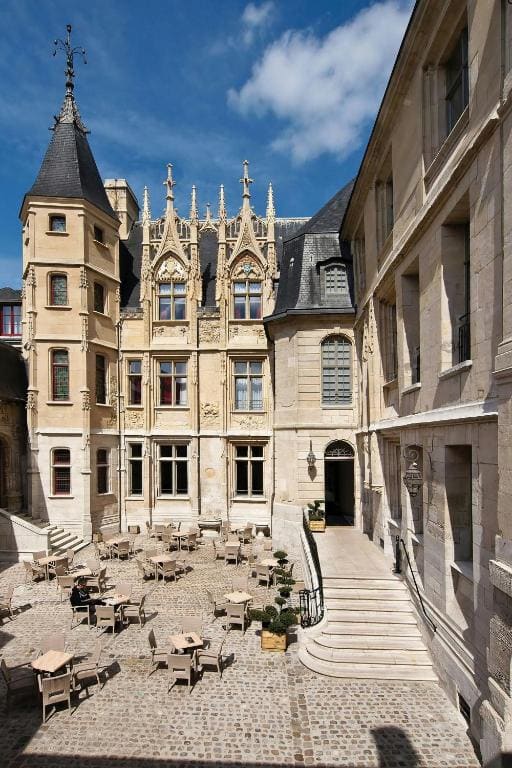
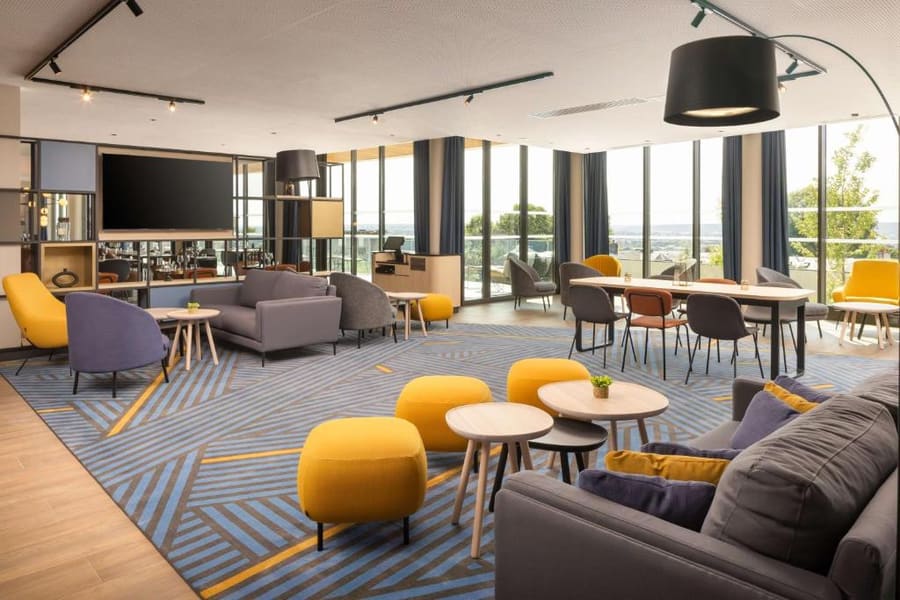
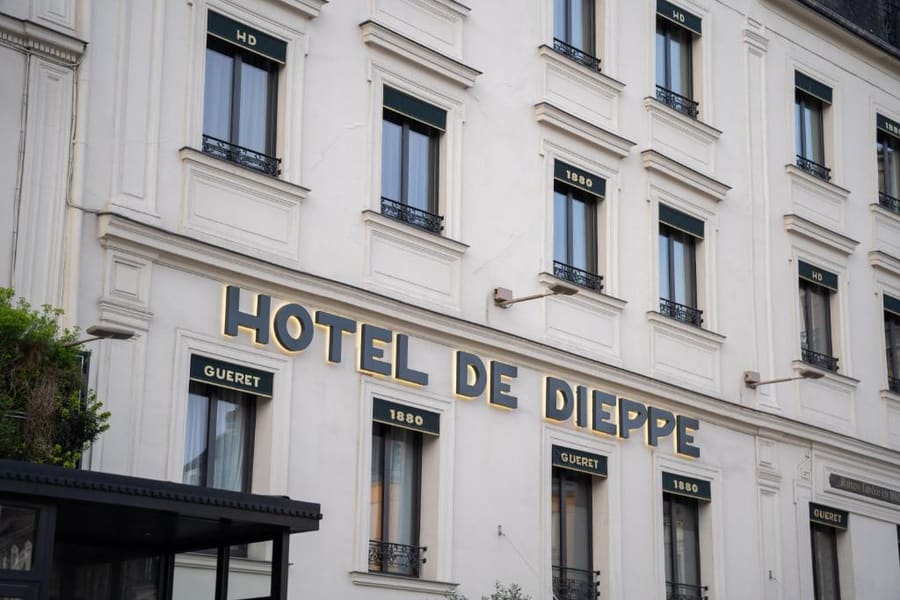
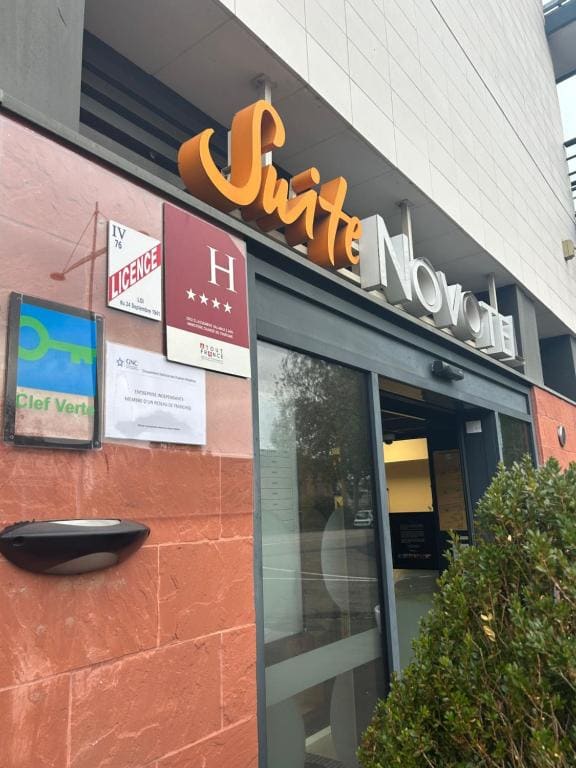
Select your accommodation based on how easily you want to walk to monuments and train connections. Staying in Vieux Rouen puts historic timber buildings outside your door, but room sizes in older buildings can be smaller. The station district offers contemporary chain hotels with straightforward luggage access.
Live rates, matched to the areas above.
transport
Rouen's historic centre is compact and almost entirely pedestrianised. You will accomplish most city sightseeing on foot. For longer trips across the river or to suburban districts, the local transit network Astuce operates an underground tram line and dedicated bus corridors called TEOR.
Rouen's tram runs underground in the city centre between Gare Rive-Droite and Théâtre des Arts before crossing the river.
Tap your bank card on Astuce ticket validators inside buses and tram stations for single journeys.
Trams and TEOR buses operate daily from 05:00 until 23:30, with reduced frequencies on Sundays.
Taxis cannot access narrow pedestrian streets like Rue Eau-de-Robec. Have driver drop-offs set at outer ring roads.
cost
Rouen is less expensive than Paris for food and overnight stays. Expect moderate restaurant pricing, with affordable transit options and free access to major municipal art museums.
Standing at counter level keeps coffee prices low in local brasseries.
Midday set menus (formule) offer substantial savings over dinner à la carte rates.
Valid for 60 minutes across all Astuce bus and tram lines.
Includes audio guide covering the clock mechanism and bell tower history.
seasonality
MAR – MAY
Cool temperatures and rain showers. Hotel availability is good, and museum lines remain short.
JUN – AUG
Warmest weather and long daylight hours. Summer cathedral light shows run nightly after dark.
SEP – NOV
Crisp autumn air and clear walking conditions. Regional cider harvest begins in late September.
DEC – FEB
Cold, damp days with early sunsets. Christmas markets fill Place du Vieux-Marché in December.
practicalities
Many independent boutiques and smaller restaurants close on Mondays throughout Normandy.
Medieval streets in Vieux Rouen feature uneven flagstones. Wear flat walking shoes.
Atlantic weather brings sudden showers year-round. Carry a compact umbrella when walking.
Contactless cards are accepted almost everywhere, including bakery counters and food market stalls.
The Rouen Armada tall ships festival happens every four to six years, filling all hotel capacity well in advance.