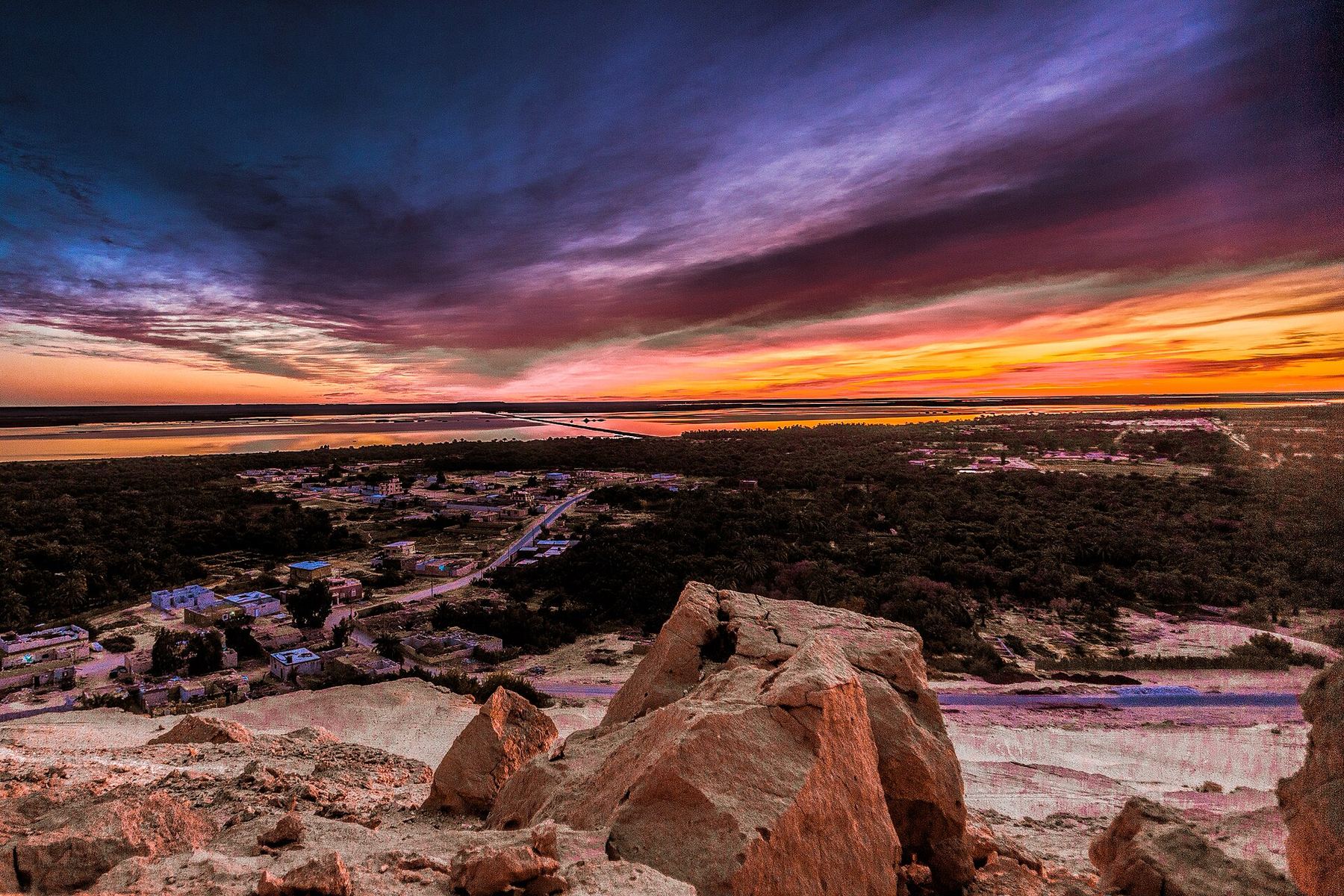
landmark
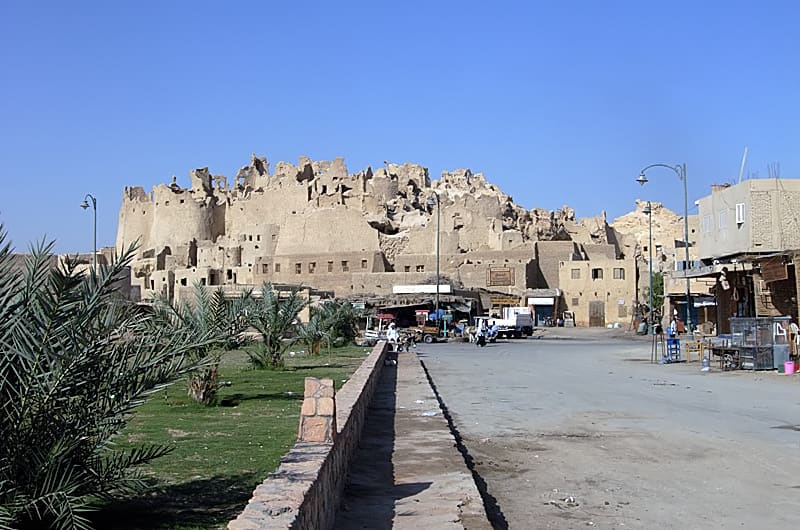
Shali Fortress
A 13th-century mudbrick citadel melted by heavy rain in 1926. Climb the high towers late in the afternoon for views across the oasis.
Ρωτήστε το ParleyΑίγυπτος
An isolated salt oasis deep in the Western Desert.
introduction
Siwa sits in a deep desert depression 50 kilometres from the Libyan border. You navigate its palm groves and salt flats by tuk-tuk, standard bicycle, or 4x4. Expect extreme temperatures, quiet nights, and an indigenous Amazigh culture distinct from the Nile Valley.
Night bus trick
The direct overnight bus from Cairo takes 10 to 12 hours. Book seats on the right side for morning dune views as you enter the basin.
Protecting kershif architecture
Siwa preserves kershif, a traditional mix of salt-rich mud and palm logs. Building codes now mandate its use for all new central construction.
Desert permit requirement
Dune safaris west toward Bir Wahed require border police permits. Local drivers handle this paperwork if you submit your passport details early.
highlights
landmark
A 13th-century mudbrick citadel melted by heavy rain in 1926. Climb the high towers late in the afternoon for views across the oasis.
Ρωτήστε το Parley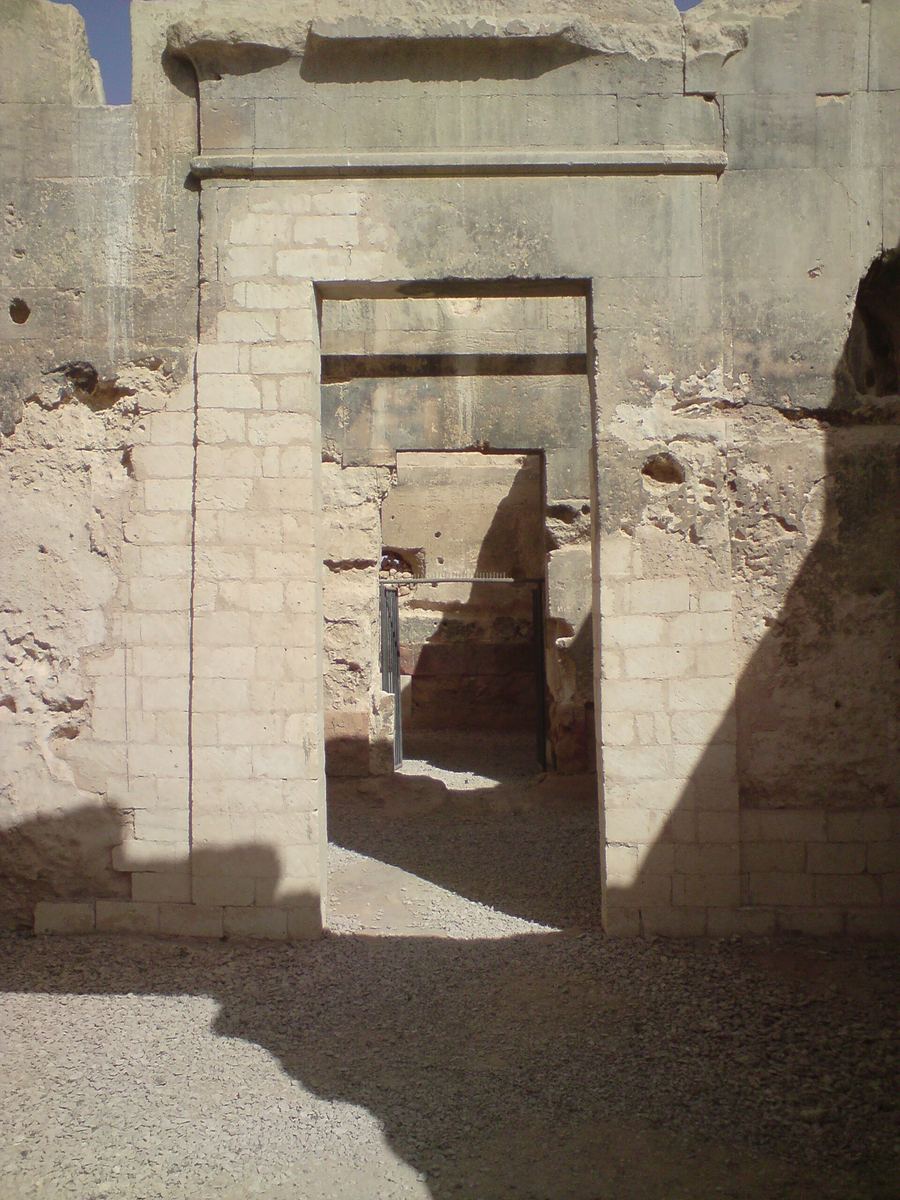
landmark
Alexander the Great marched here in 332 BCE to confirm his lineage. Visit before 10:00 to avoid mid-day sun on the exposed hilltop.
Ρωτήστε το Parley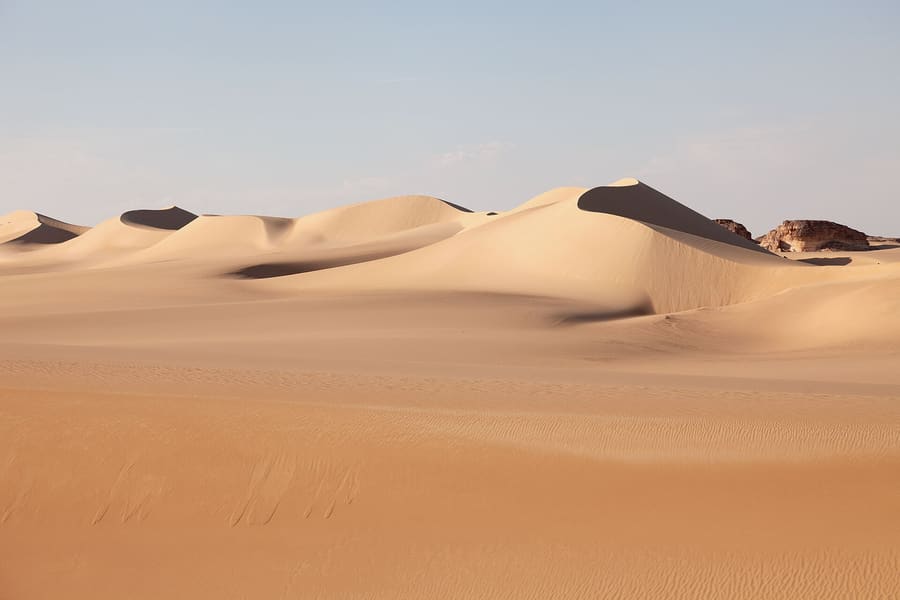
landmark
Endless dune fields stretching west toward Libya. Drivers must drop tire pressure to 12 PSI to cross steep slip faces safely.
Ρωτήστε το Parley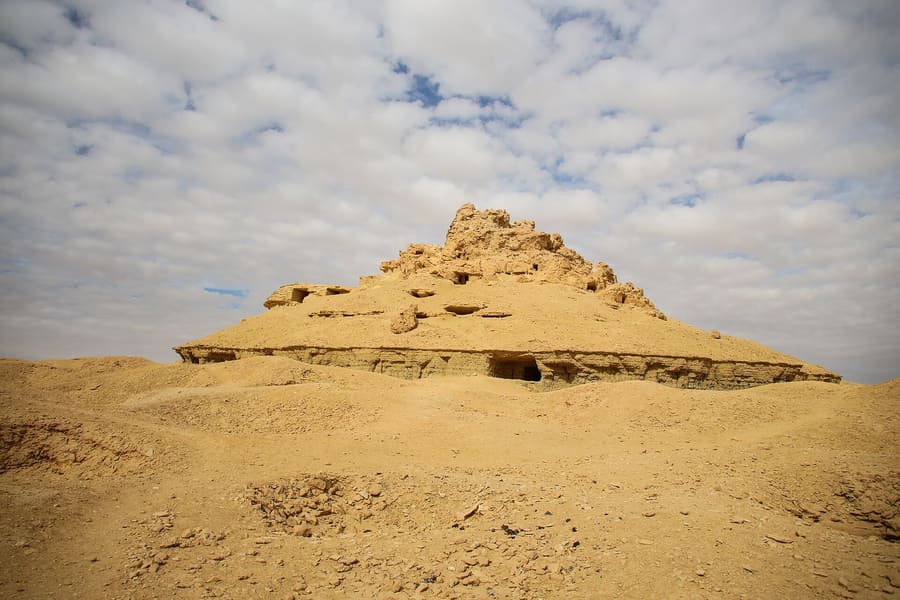
landmark
A conical hill honeycombed with Roman and Ptolemaic tombs. Enter the Tomb of Si-Amun to inspect preserved wall paintings.
Ρωτήστε το Parleyattractions
areas
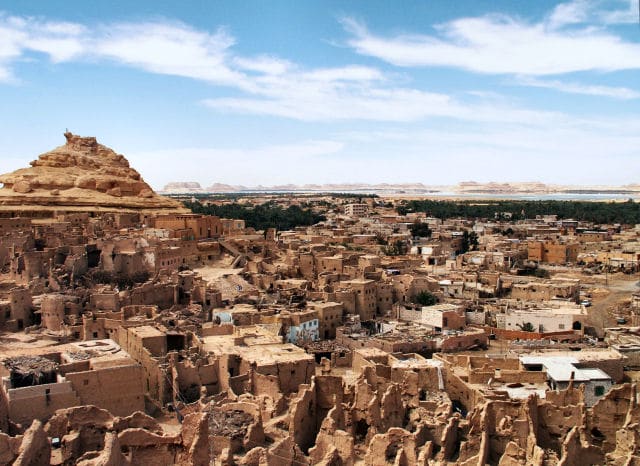
Unpaved lanes with date shops, market stalls, and constant tuk-tuk movement.
ΚοντάShali Fortress and Cairo bus office
Ρωτήστε το Parley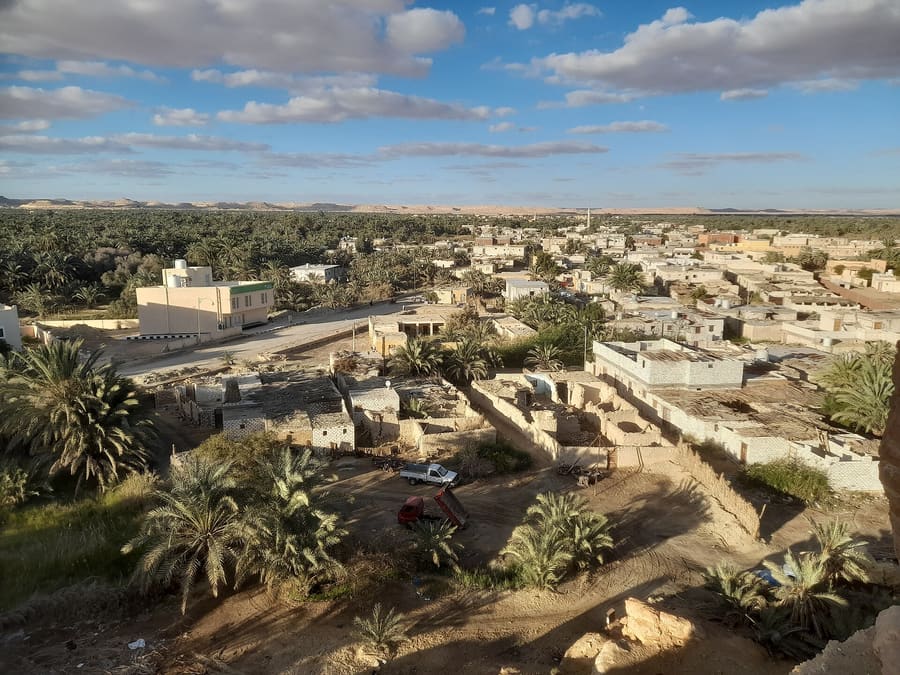
Rural agricultural hamlet set inside thick date palm and olive groves.
ΚοντάTemple of the Oracle
Ρωτήστε το Parley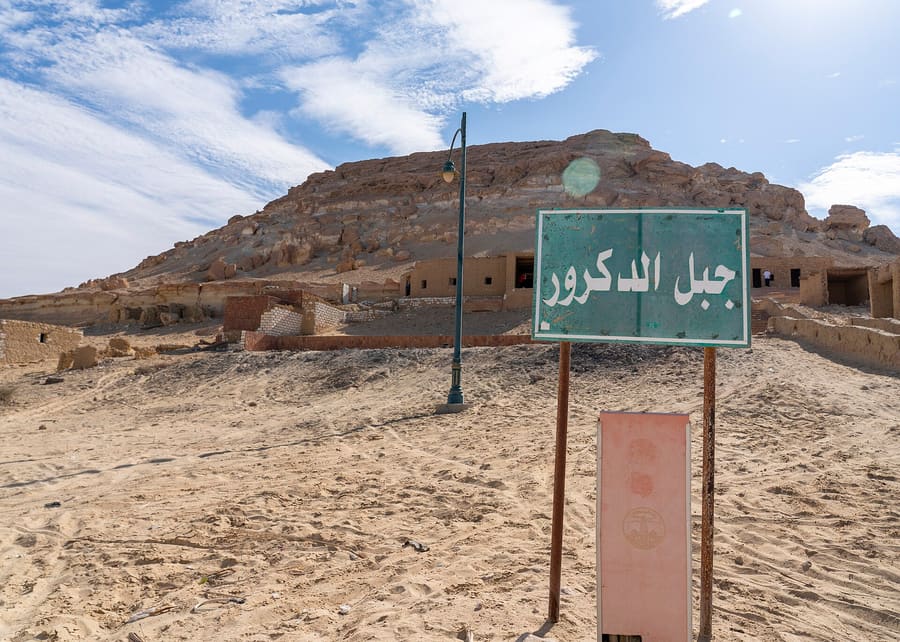
Arid settlement along limestone cliffs, famed for summer sand treatments.
ΚοντάDakrur Mountain
Ρωτήστε το ParleyLakeside groves facing west over saltwater flats and distant dunes.
ΚοντάFatnas Island
Ρωτήστε το Parleyfood
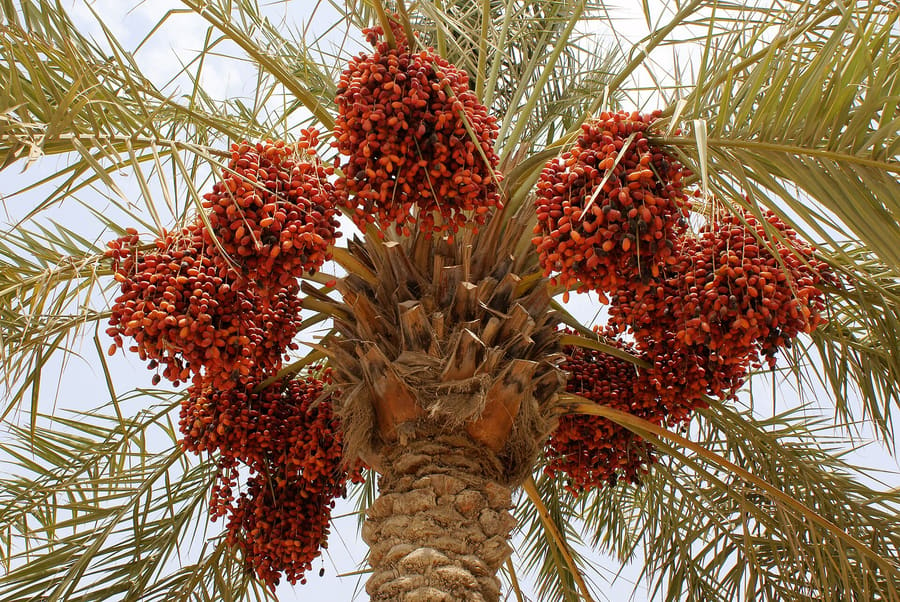
Date harvests drive the oasis economy and dictate local sweet dishes.
Nepenthes · CC BY-SA 3.0Order the date-and-egg scramble or vegetable stew at this central staple on the main market square.
Expect three distinct boilings when offered tea. Refusing the third glass breaks local host etiquette.
Buy extra virgin oil directly from central pressing shops. Virgin bottles sold on highway stands often blend inferior oils.
history
Geographic isolation kept Siwa largely independent for centuries. Indigenous Berber communities built defensive hilltop settlements from salt mud to resist nomadic raids. The oasis integrated into Egyptian administrative networks slowly, retaining its own language and social customs.
Shali Citadel built
Residents construct the high-walled citadel using kershif to consolidate defence against desert raiders.
The great rainstorm
Unseasonal rains hit the arid basin for three days, melting the mud-and-salt homes of Shali and forcing downhill relocation.
Marsa Matrouh road paved
The first asphalt highway connects Siwa to the Mediterranean coast, opening regular trade and passenger transit.
where to stay
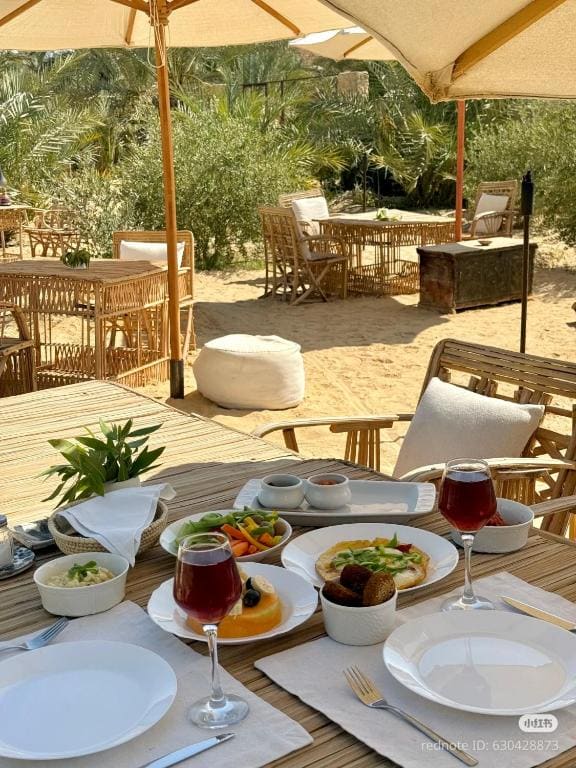
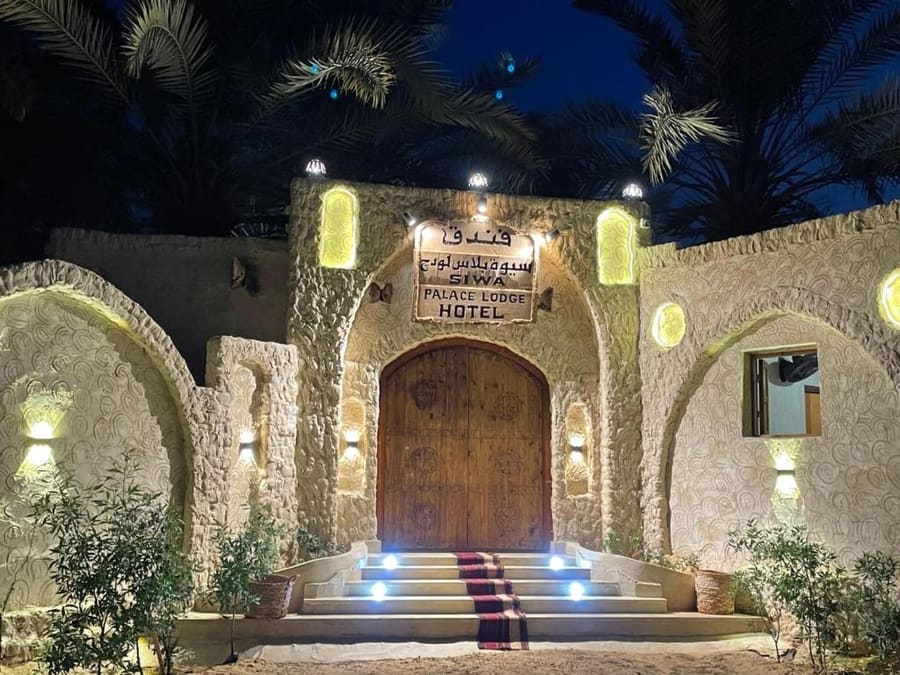
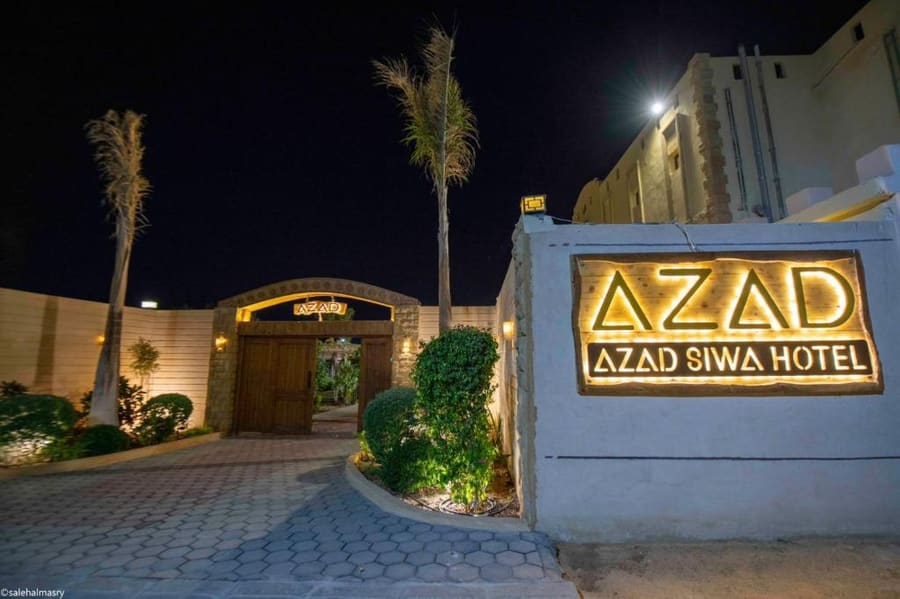
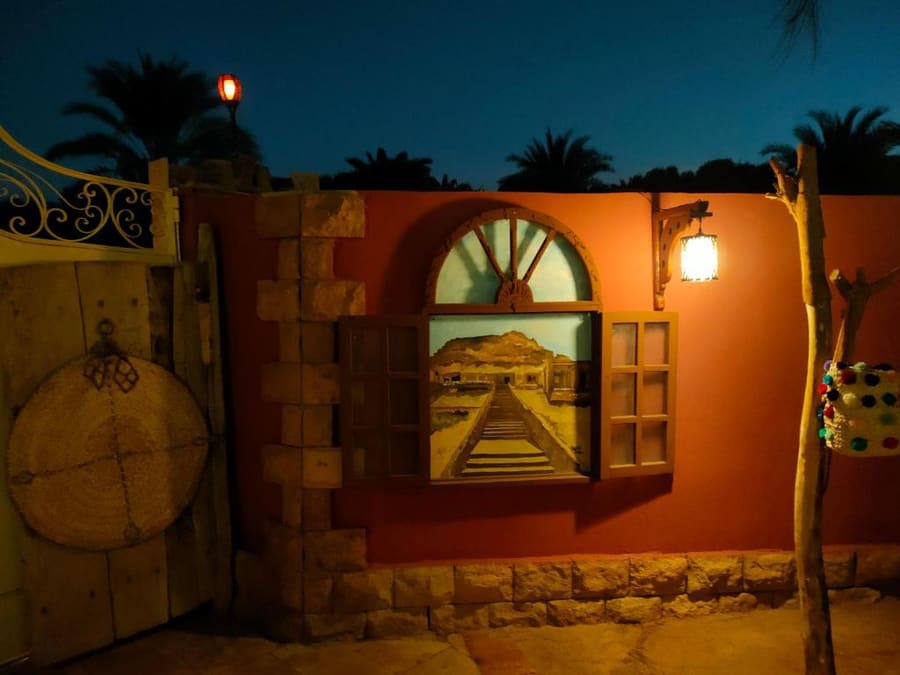
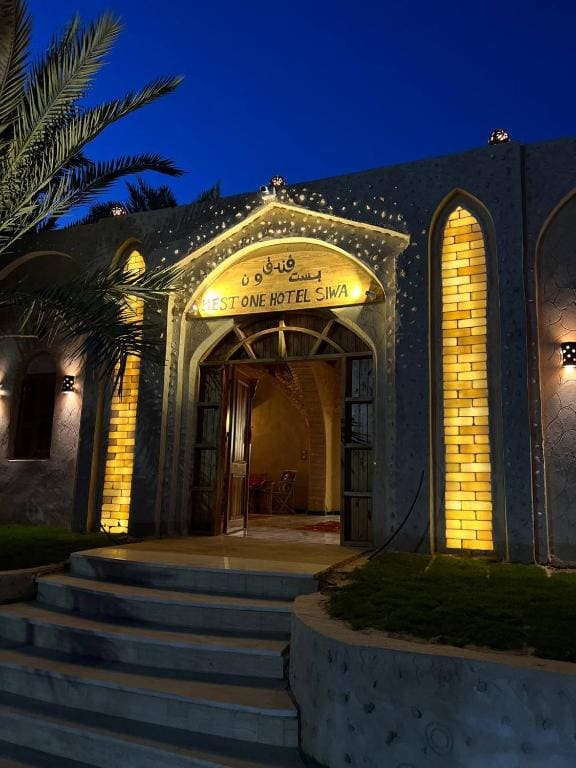
Choose your base based on power grid preference and transport. Central Shali offers grid electricity, walking access to food, and hot water. Outer eco-lodges run entirely on beeswax candles and solar energy, offering silence at the cost of nightly tuk-tuk transfers.
Live rates, matched to the areas above.
transport
There is no commercial airport in Siwa. Access requires long overland road travel from Cairo or Marsa Matrouh. Within the oasis, primary transport consists of three-wheeled tuk-tuks, bicycles, or private 4x4 vehicles for desert terrain.
Από Cairo West Bus Terminal
Overnight buses leave Cairo daily. West & Mid Delta and Go Bus run main routes.
Hired car directly from Cairo. Required if travelling outside scheduled bus windows.
Short rides inside central Shali cost EGP 20–30. Expect EGP 70–100 for trips out to Cleopatra Spring.
Central shops rent single-speed bicycles for roughly EGP 100 per day. Check tire pressure before riding into sand lanes.
Book 4x4 dune trips directly through local drivers in town. Ensure the driver holds an active desert safari permit.
Lanes outside central Shali lack street lighting. Carry a headlamp if walking or cycling after dark.
cost
Siwa runs almost exclusively on cash transactions. ATM machines operate in central Shali near the main square, but frequently run out of bills on weekends. Carry sufficient Egyptian Pounds from Cairo or Marsa Matrouh.
Covers a main dish, flatbread, salad, and tea at local spots like Abdu or Kenooz.
Per vehicle price including driver, permit, sandboarding, and Bir Wahed visit.
Official government entry ticket for non-Egyptian visitors at major heritage sites.
Retaining a single driver for a full day of visits around spring sites.
seasonality
OCT – NOV
Daytime temperatures drop to 25°C. The date harvest is active across the palm groves.
DEC – FEB
Clear sunny days with cool air. Night temperatures can plunge toward freezing in open sand.
MAR – APR
Warm days return. Occasional sandstorms (Khamaseen winds) can reduce visibility for days.
MAY – SEP
Severe heat exceeds 40°C. Peak season for traditional black sand therapy at Gebel Dakrur.
practicalities
Siwa remains conservative. Cover shoulders and knees when walking through residential areas and public springs.
Bring paper currency from major cities. Network outages occasionally stop central ATMs from processing foreign cards.
Wear t-shirts and shorts over swimwear at popular springs like Cleopatra Bath out of respect for local norms.
Do not submerge your eyes in salt mining pools. Keep small open cuts covered, as the salt burns immediately.
Shops and cafes close between 11:30 and 14:00 on Fridays for congregational prayers.