landmark
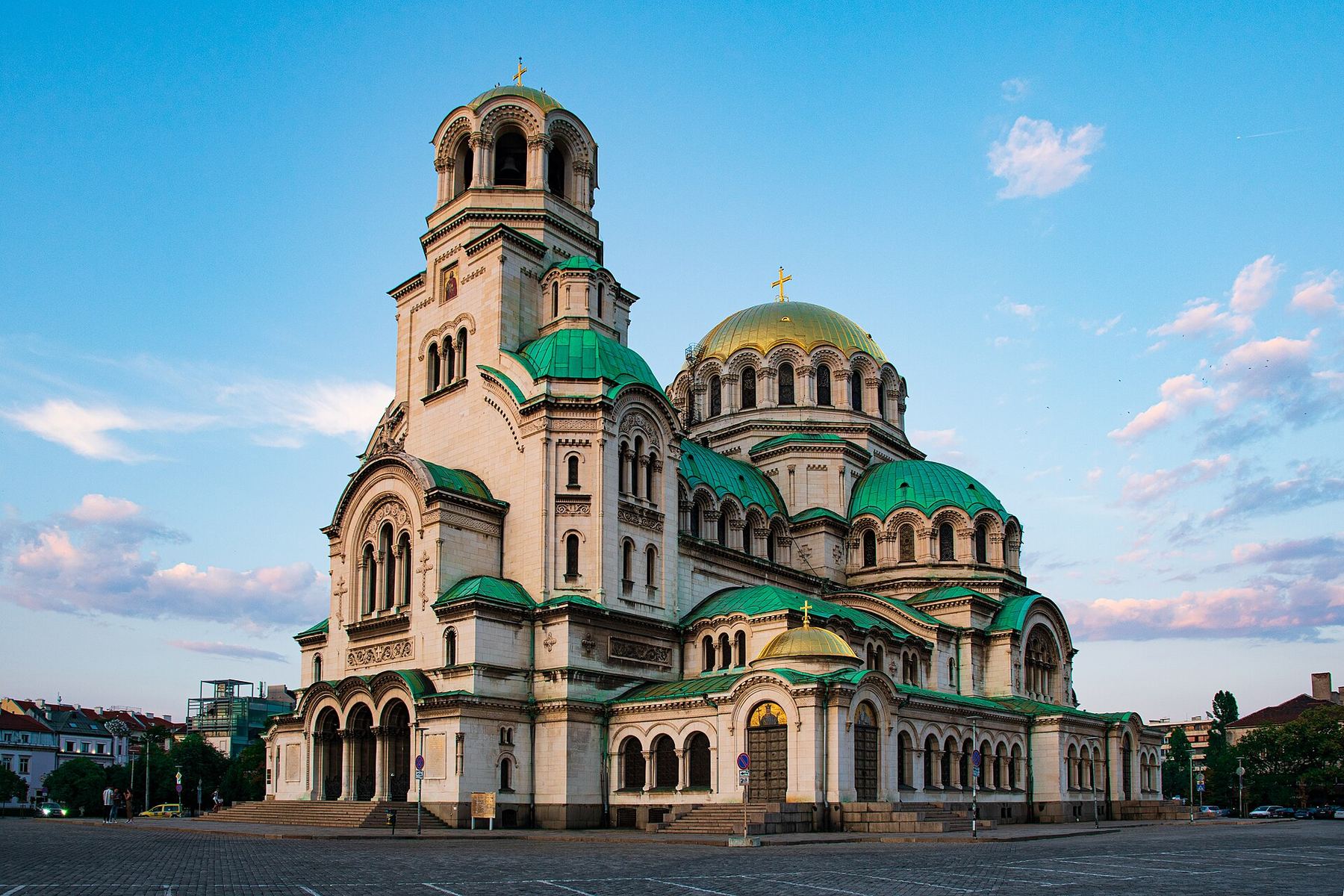
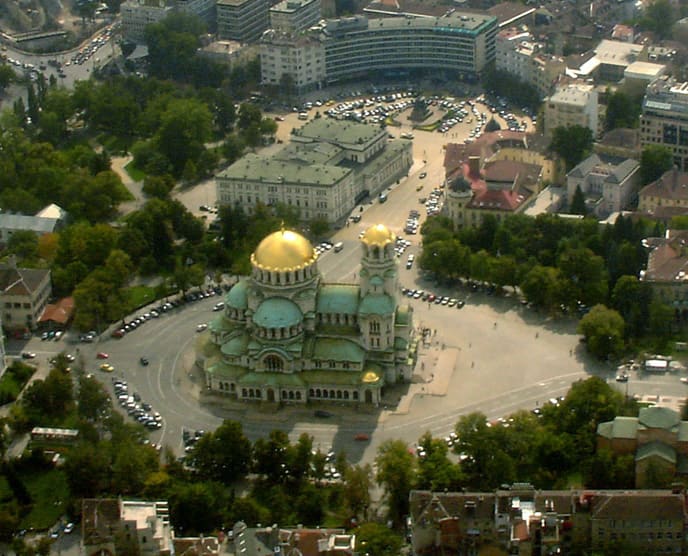
Alexander Nevsky Cathedral
Gold-domed Neo-Byzantine cathedral. Entry inside is free; paying for an interior photo permit costs 10 BGN at the door.
Ρωτήστε το ParleyΒουλγαρία
Brutalist scale, Thracian roots, and mountain backdrops.
introduction
Sofia sits in a mountain valley where Roman ruins share pavement with yellow-brick roads and Cold War concrete. You navigate the centre mostly on foot, stepping down into subway stations where the subway ruins are preserved open-air museum exhibits rather than active excavation sites. Expect an unpretentious capital where dinner costs half of what you pay in Western Europe, but municipal maintenance can be patchy. Mount Vitosha towers directly over the southern districts, offering a quick mountain escape when urban grey gets heavy.
UNESCO Boyana Church
Boyana Church hosts 13th-century frescoes that predate the Italian Renaissance. Entry is limited to 15 minutes per group to protect the artwork.
Yellow Brick pavements
The glazed yellow cobblestones around parliament get extremely slick in the rain. Wear shoes with deep rubber tread whenever wet weather hits.
Sofia
Stolichanin · CC BY-SA 4.0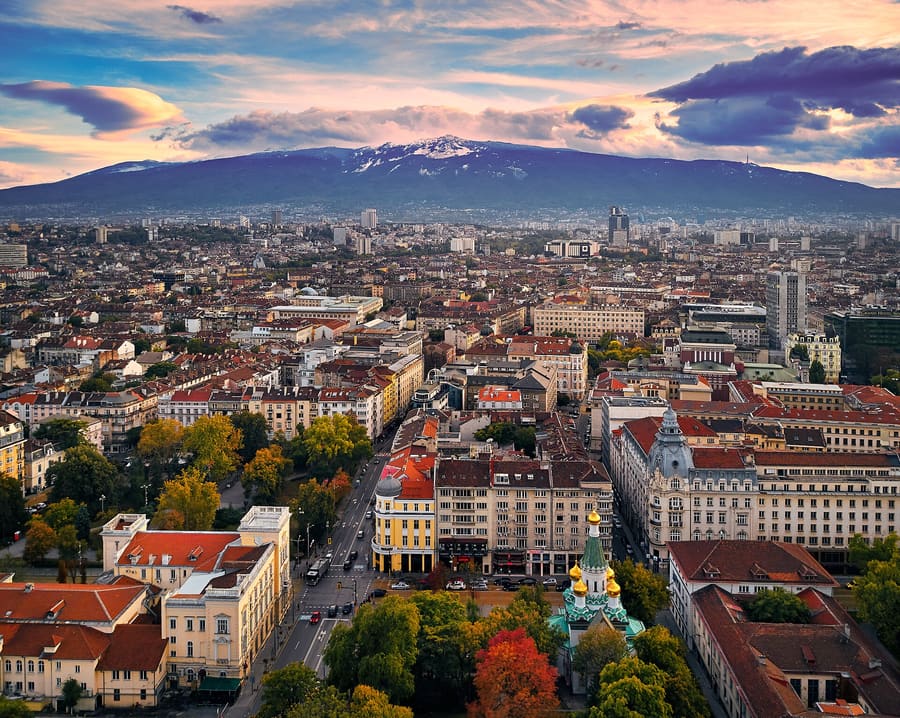
Tsentar — Dense downtown core blending Ottoman, royal Bulgarian, and socialist-realist architecture.
Deensel · CC BY 2.0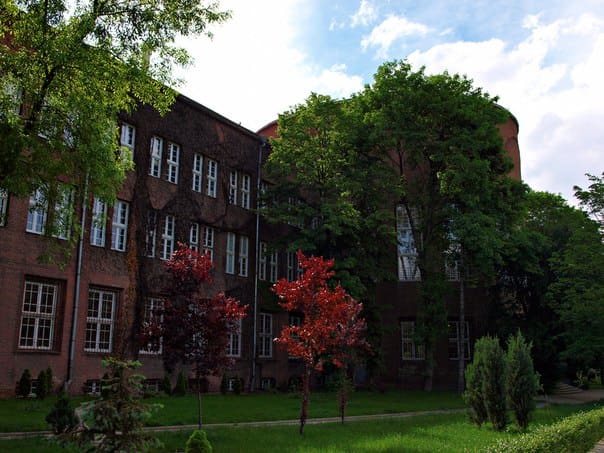
Lozenets — Hilly residential district south of the centre with local bistros and modern apartments.
Todor Bozhinov · CC BY-SA 3.0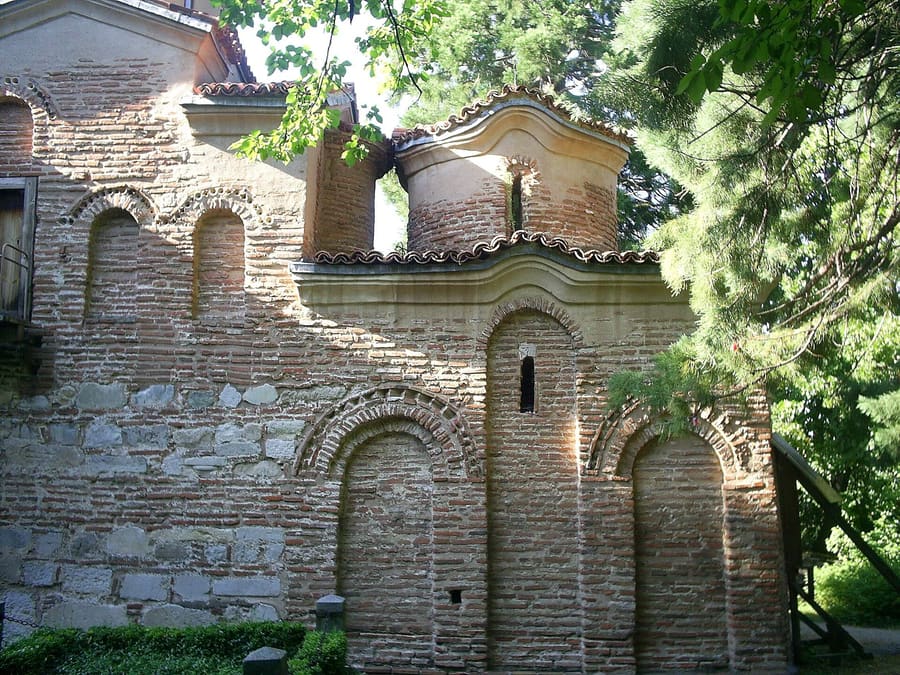
Boyana — Suburban mountain-foot quarter offering fresh air, residential villas, and trailheads.
Svilen Enev · CC BY-SA 3.0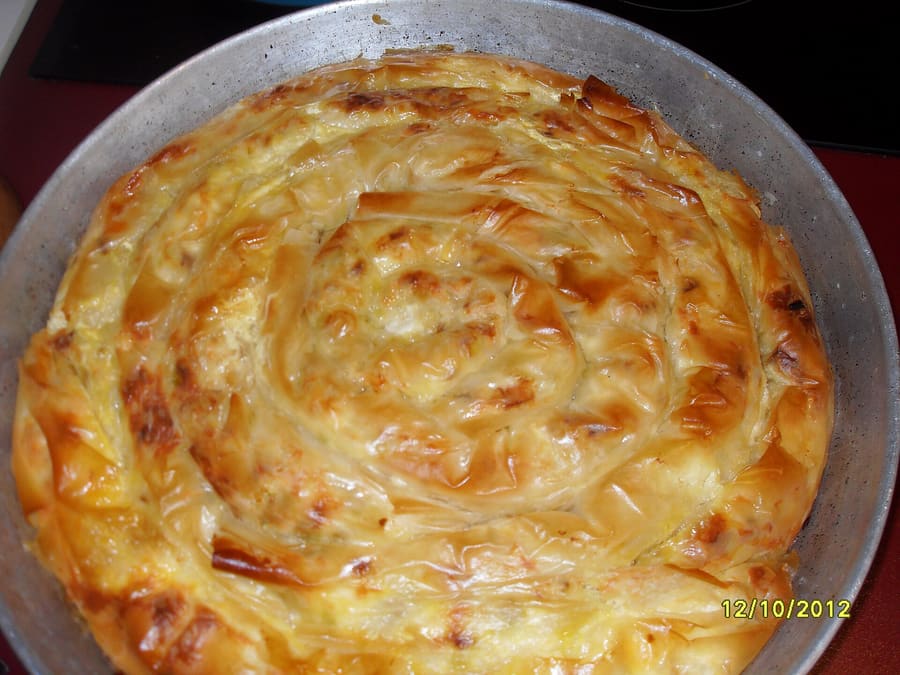
Fresh banitsa pastry baked with white cheese and butter.
Sheku80 · CC BY-SA 3.0highlights
landmark
Gold-domed Neo-Byzantine cathedral. Entry inside is free; paying for an interior photo permit costs 10 BGN at the door.
Ρωτήστε το Parley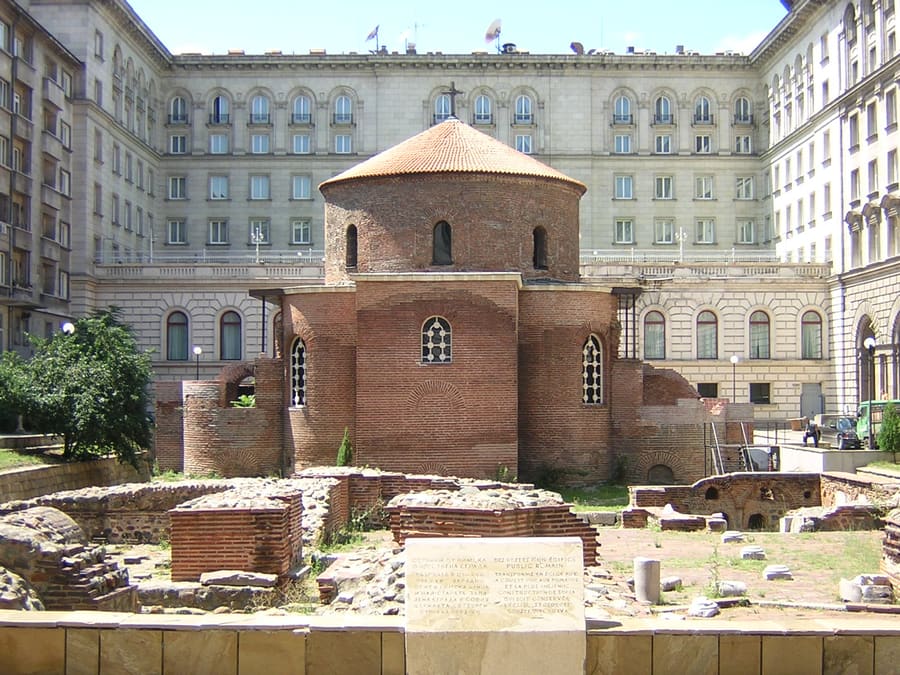
landmark
Sofia's oldest standing structure, dating to the 4th century. Tucked inside the courtyard behind the presidency.
Ρωτήστε το Parley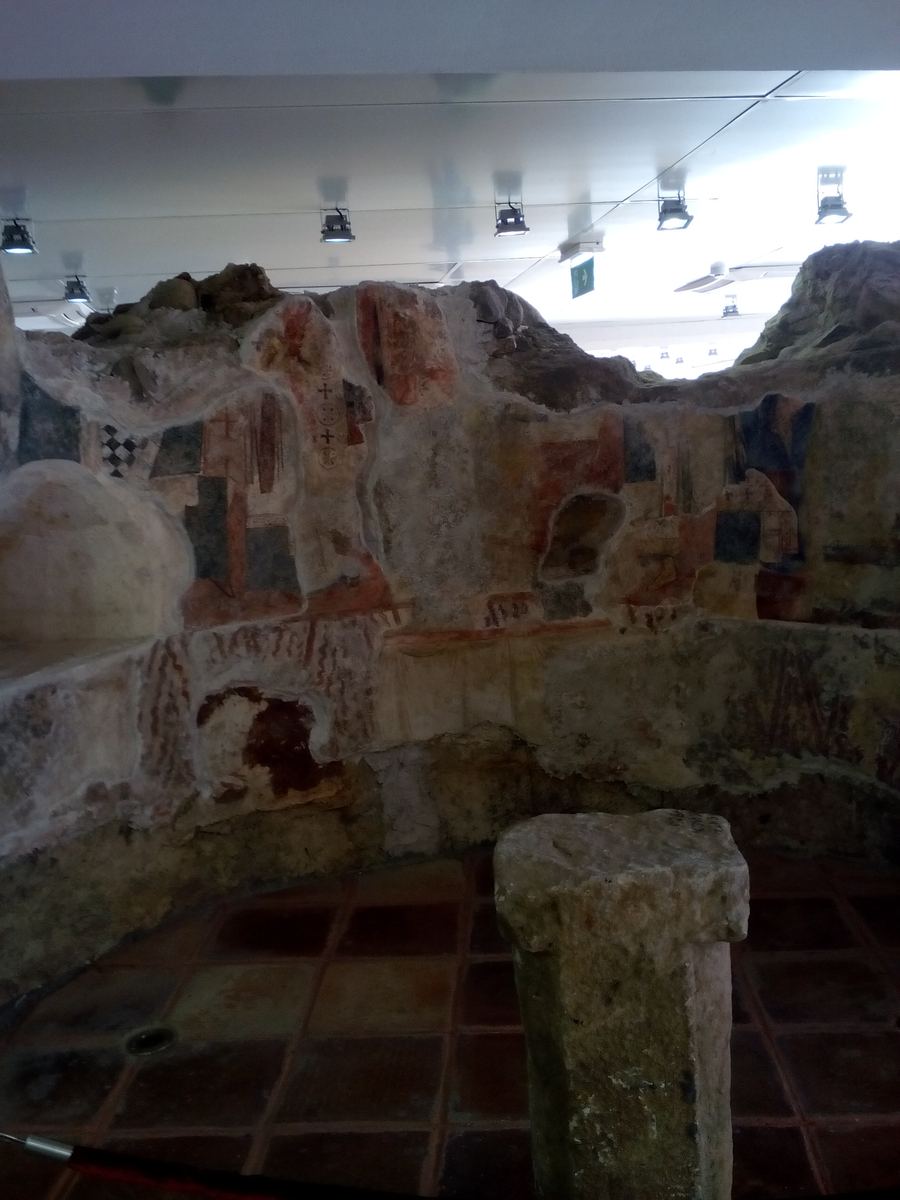
landmark
Uncovered during subway excavations in 2010. You walk along original Roman street paving free of charge.
Ρωτήστε το Parley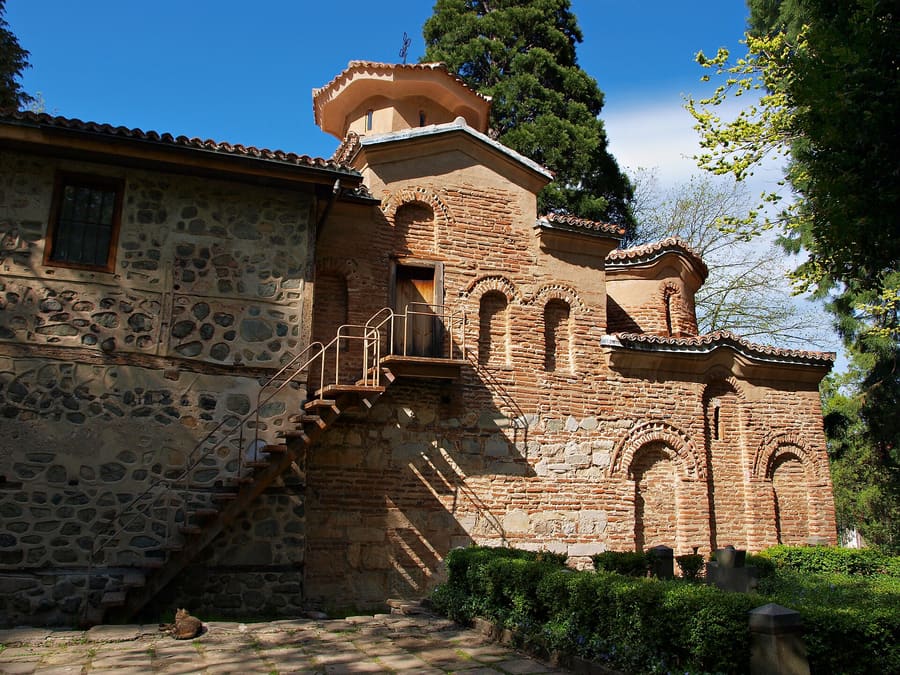
landmark
Suburban medieval church holding pristine 1259 frescoes. Book early; entry is capped at 15 minutes per group.
Ρωτήστε το Parley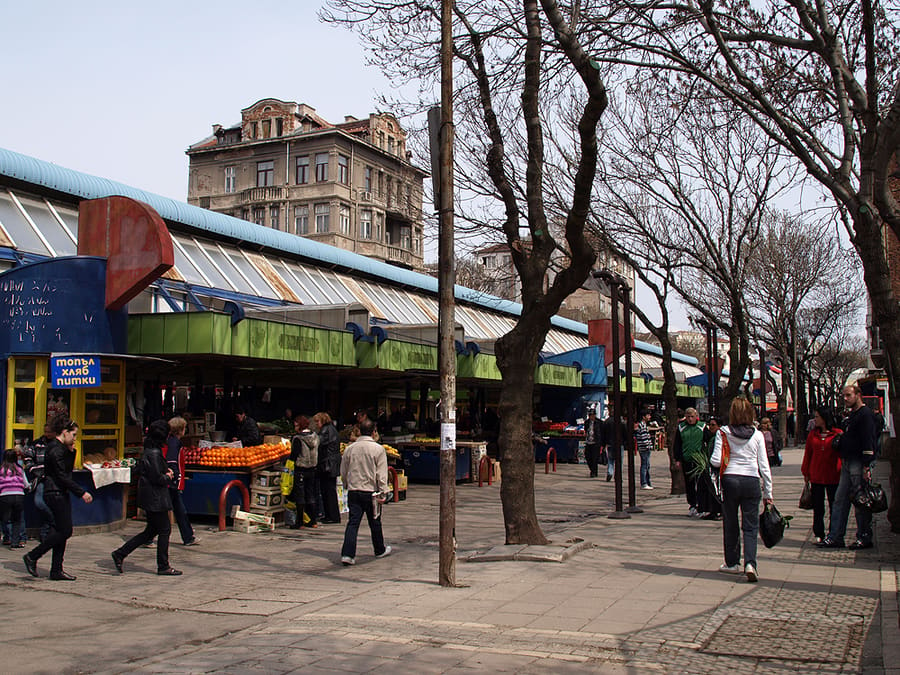
landmark
The open-air Women's Market offers spices, olives, and fresh produce. Bring cash and keep an eye on your pockets.
Ρωτήστε το Parley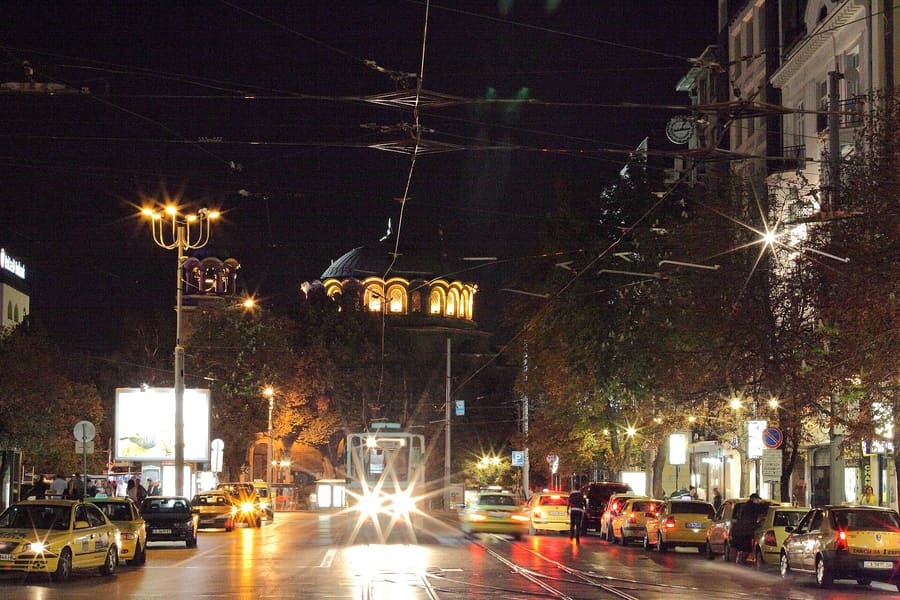
landmark
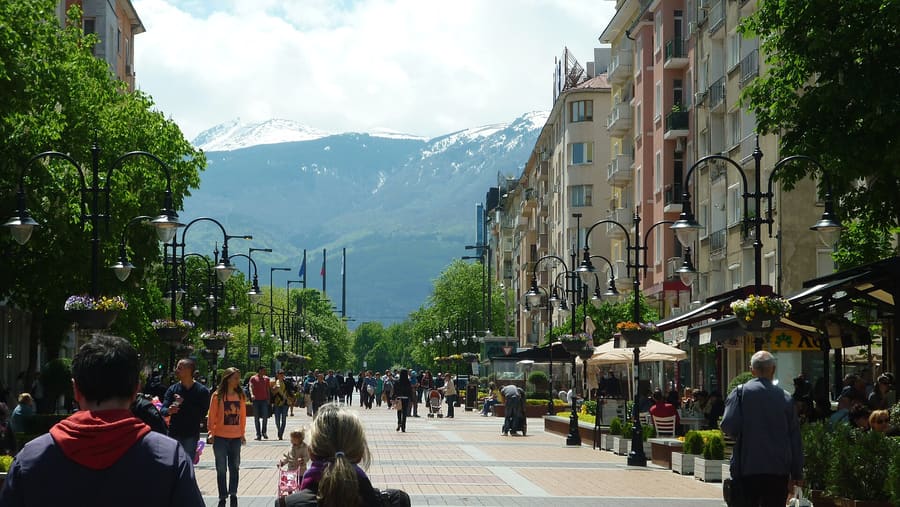
Main pedestrian avenue with outdoor cafes facing Mount Vitosha. Drinks here carry a mark-up over side streets.
Ρωτήστε το Parleyattractions
areas
Dense downtown core blending Ottoman, royal Bulgarian, and socialist-realist architecture.
ΚοντάSerdica subway hub and Vitosha Boulevard
Ρωτήστε το ParleyHilly residential district south of the centre with local bistros and modern apartments.
ΚοντάSouth Park and European Union metro station
Ρωτήστε το ParleySuburban mountain-foot quarter offering fresh air, residential villas, and trailheads.
ΚοντάBoyana Church and Mount Vitosha Nature Park
Ρωτήστε το ParleyLeafy embassy district filled with specialty coffee, wine bars, and quiet mid-century blocks.
ΚοντάAlexander Nevsky Cathedral and Doctor's Garden
Ρωτήστε το Parleyfood
Sofia dining centers on Balkan comfort food paired with cold rakia plum brandy or local draft beer. Breakfast starts with banitsa—flaky filo pastry filled with white sirene cheese—bought warm from street kiosks alongside boza, a thick fermented wheat drink. Dinners almost always start with a Shopska salad of tomatoes, cucumbers, roasted peppers, and grated white cheese. Side streets feature unique squat shops (klek shops) selling beer and snacks through sidewalk-level basement windows.
Fresh banitsa pastry baked with white cheese and butter.
Sheku80 · CC BY-SA 3.0Squat shops sell snacks and cold drinks from cellar windows. Crouch down on the sidewalk to place your order with the clerk.
Traditional taverns (mehana) serve slow-cooked clay pot stews like kavarma. Tables fill quickly on Friday nights; reserve ahead.
Service charges are rarely included on restaurant bills in Sofia. Leave 10% in cash directly on the table for good service.
history
Sofia stands over ancient Serdica, a major Roman city favored by Emperor Constantine the Great. Ottoman rule from 1382 reshaped the urban landscape, adding minarets and public baths. After becoming Bulgaria's capital in 1879, Sofia replaced Ottoman alleys with yellow-brick boulevards. Forty years of communist governance following World War II added imposing socialist-realist monuments and concrete residential blocks.
Ottoman conquest
Ottoman forces capture the city, establishing it as a regional trade centre for nearly five centuries.
Capital declared
Following the Russo-Turkish War, Sofia is named the official capital of independent Bulgaria.
Socialist era
The communist state rebuilds central Sofia with monumental administrative buildings and concrete housing.
where to stay
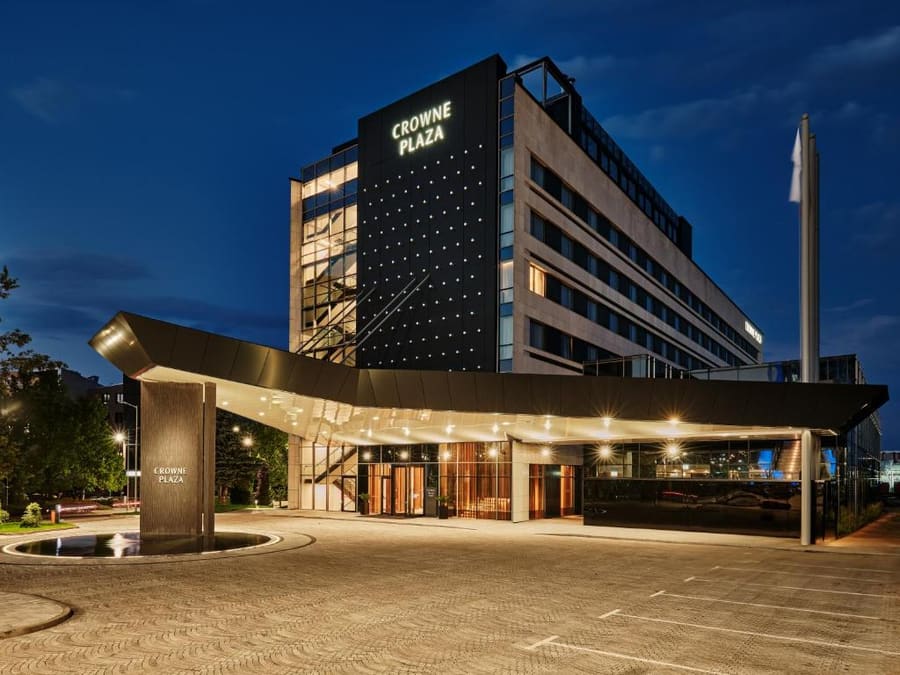
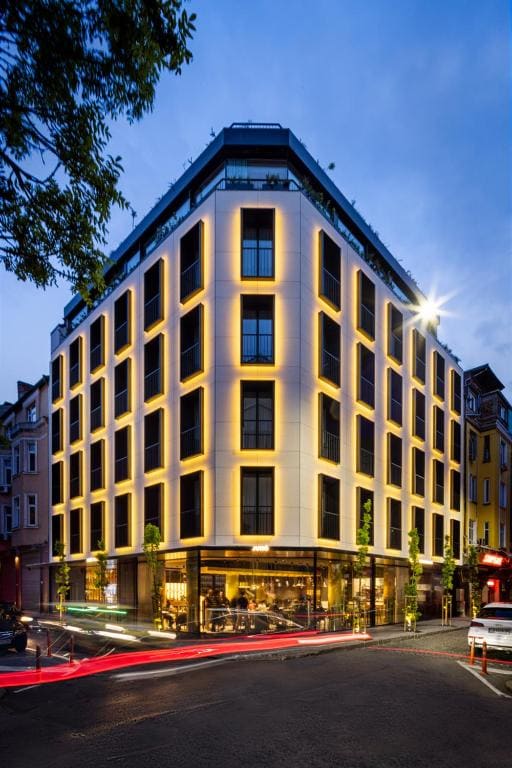
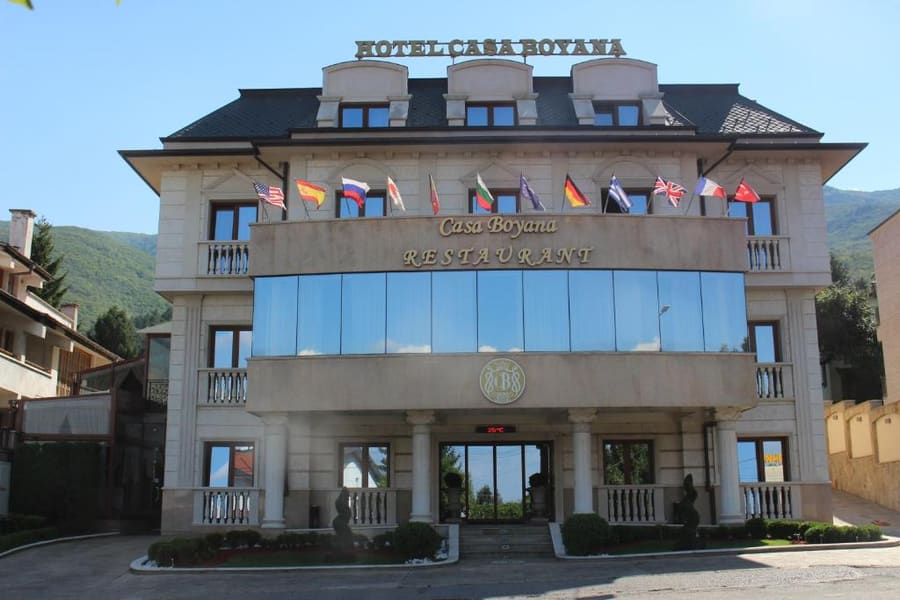
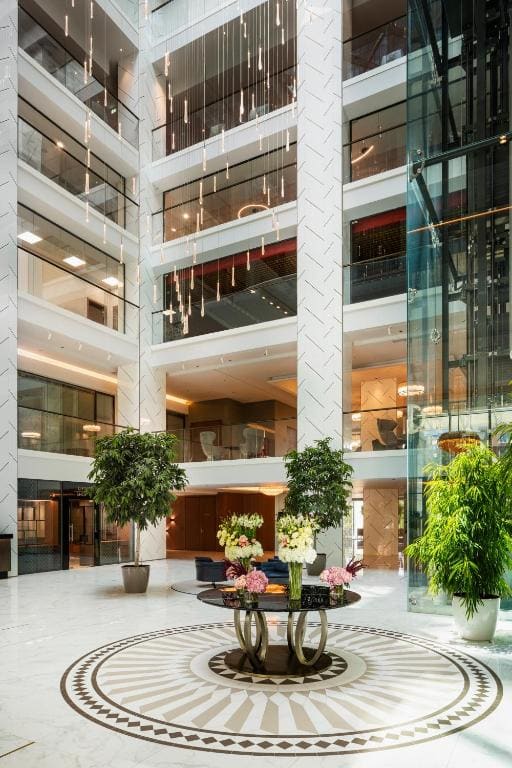
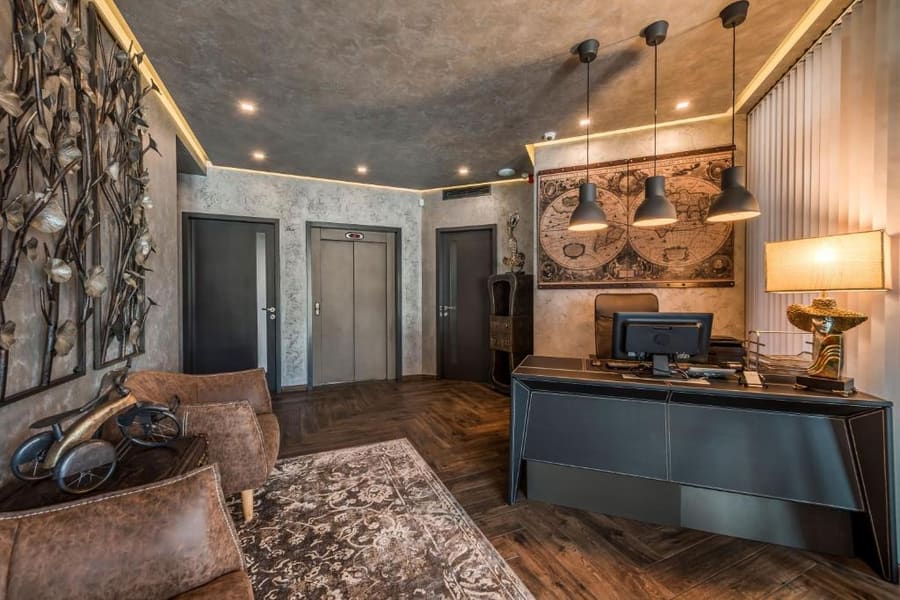
Choose your base in Sofia by how you want to move. Tsentar puts every major landmark within a fifteen-minute walk but stays lively late. Oborishte offers a quieter, polished neighborhood feel near parks and wine bars. Suburban Boyana trades central convenience for immediate access to mountain trails and cooler air.
Live rates, matched to the areas above.
transport
Sofia's transit network includes four metro lines, trams, trolleybuses, and buses. The metro is modern, clean, and the fastest way to travel across town. You can pay for single fares directly at turnstiles and onboard buses using a contactless credit or debit card.
Από Sofia Airport (SOF)
Book at the official OK Supertrans desk in arrivals; ignore drivers shouting inside the terminal.
Buses 84 and 184 connect Terminal 1 to downtown, useful for budget airline arrivals.
Tap your bank card at turnstiles or vehicles. A single ride costs 1.60 BGN; daily spend caps automatically at 4.00 BGN.
Trams handle central cobbled streets like Graf Ignatiev. Always validate physical paper tickets upon boarding if not using card tap.
The metro closes around midnight. Four night bus lines operate from Knyaz Alexander I Square between 00:00 and 04:00.
cost
Sofia remains one of Europe's most affordable capitals. Public transport costs next to nothing, while dining ranges from cheap street bakeries to European-priced modern bistros.
Fixed rate across the metro and bus network when tapping a bank card.
Standard third-wave coffee prices in Oborishte and central specialty cafes.
Includes salad, main stews, and local draft beer at a traditional mehana.
Standard adult admission ticket for the UNESCO medieval church site.
seasonality
MAR – MAY
Crisp air and greening parks. Vitosha snow clears by late April, opening lower mountain hiking routes.
JUN – AUG
Hot summer days over 30°C. Locals leave for the coast; outdoor dining and beer gardens stay busy late.
SEP – NOV
Warm autumn days and clear skies. The best window for combined city sightseeing and mountain trails.
DEC – FEB
Cold and foggy with snow. Vitosha ski slopes open; Christmas markets operate around City Garden.
practicalities
Street signs use Cyrillic script. Learning basic letters helps when navigating bus stops and local menus.
Bulgarians nod down for 'no' and tilt side-to-side for 'yes'. Younger locals often use Western gestures.
Bring a reusable bottle. Natural hot mineral taps near the Central Baths supply warm drinking water free.
Most state museums and municipal art galleries close on Mondays. Plan museum visits for midweek.