landmark
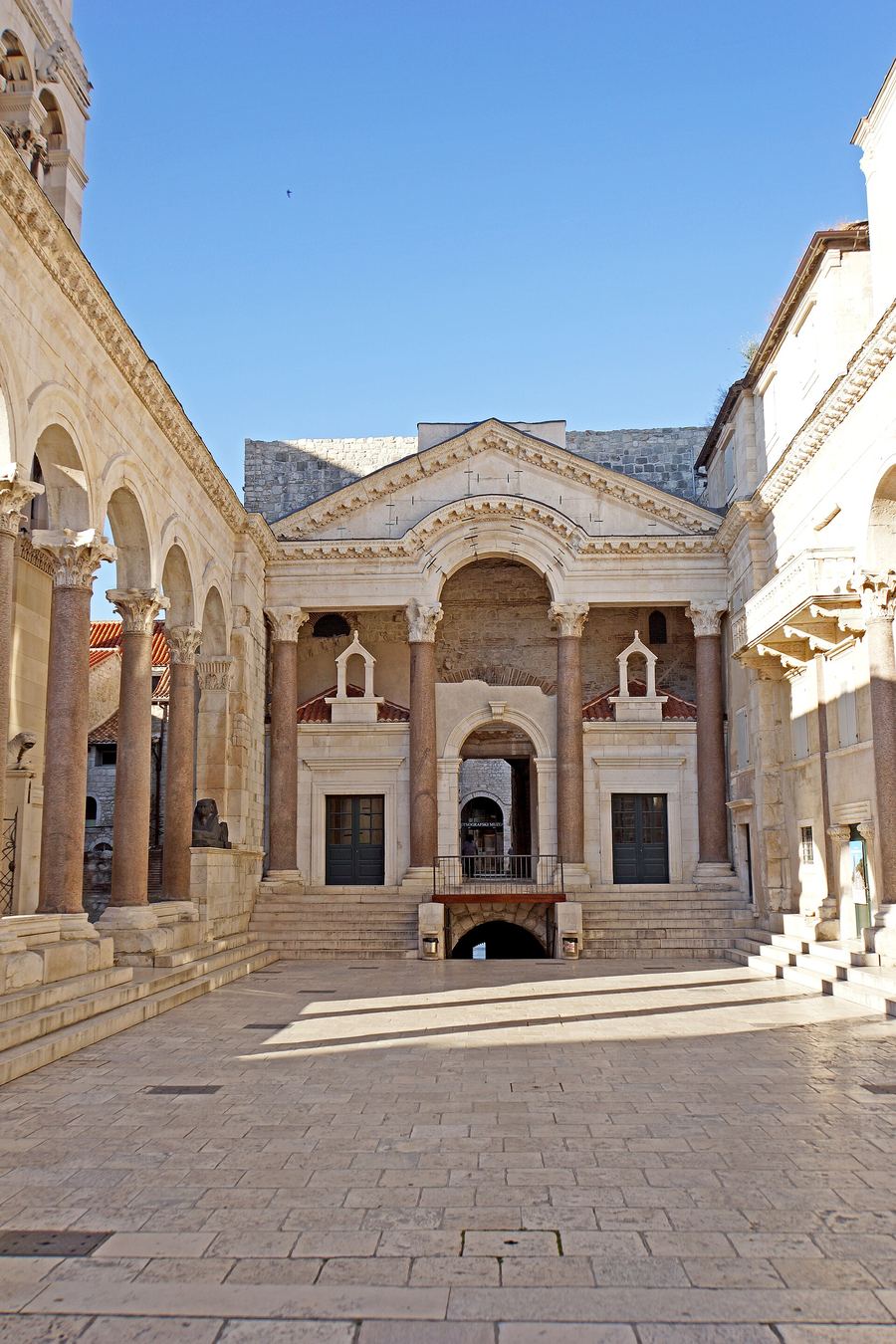
Diocletian's Palace
A 4th-century Roman imperial residence that forms the city center. Enter the cellars via the Substructures for a cool shortcut.
Ρωτήστε το ParleyΚροατία
A living 4th-century Roman palace turned working Adriatic port.
introduction
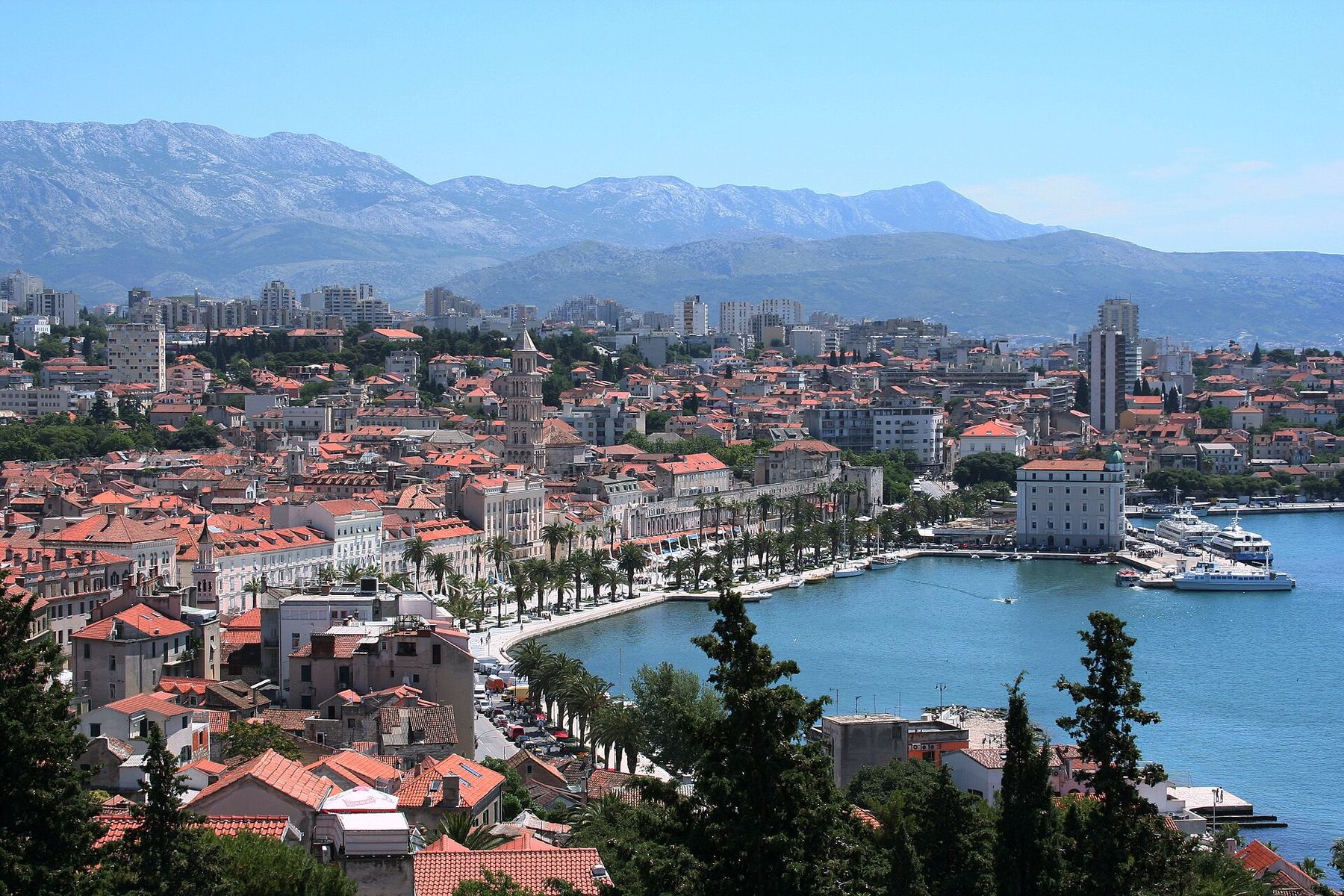
Split is an ancient palace that absorbed a city rather than a city that built a palace. You walk through Roman arches to reach laundry lines, coffee bars, and apartment stairwells. Life pivots between the white limestone alleys of the old center and the working ferry terminal at the harbor's edge. Navigating it requires accepting high summer crowds for immediate access to the Dalmatian islands.
Airport transport shortcut
Pleso Prijevoz buses timed to flights cost €8 and drop you at the main ferry terminal. Local bus 37 is €2.50 but takes 50 minutes and stops at Sukoišan, 1km north.
UNESCO Diocletian Palace
The historical complex of Split with Diocletian's Palace was designated a UNESCO World Heritage site in 1979. It remains a living residential ruin.
Ferry vehicle booking
Jadrolinija car ferries cannot be overbooked, but vehicle slots sell out hours early in July. Buy car tickets online two days ahead and queue 60 minutes prior.
Split
Niels Elgaard Larsen - (WT-en) Elgaard at English Wikivoyage · CC BY-SA 3.0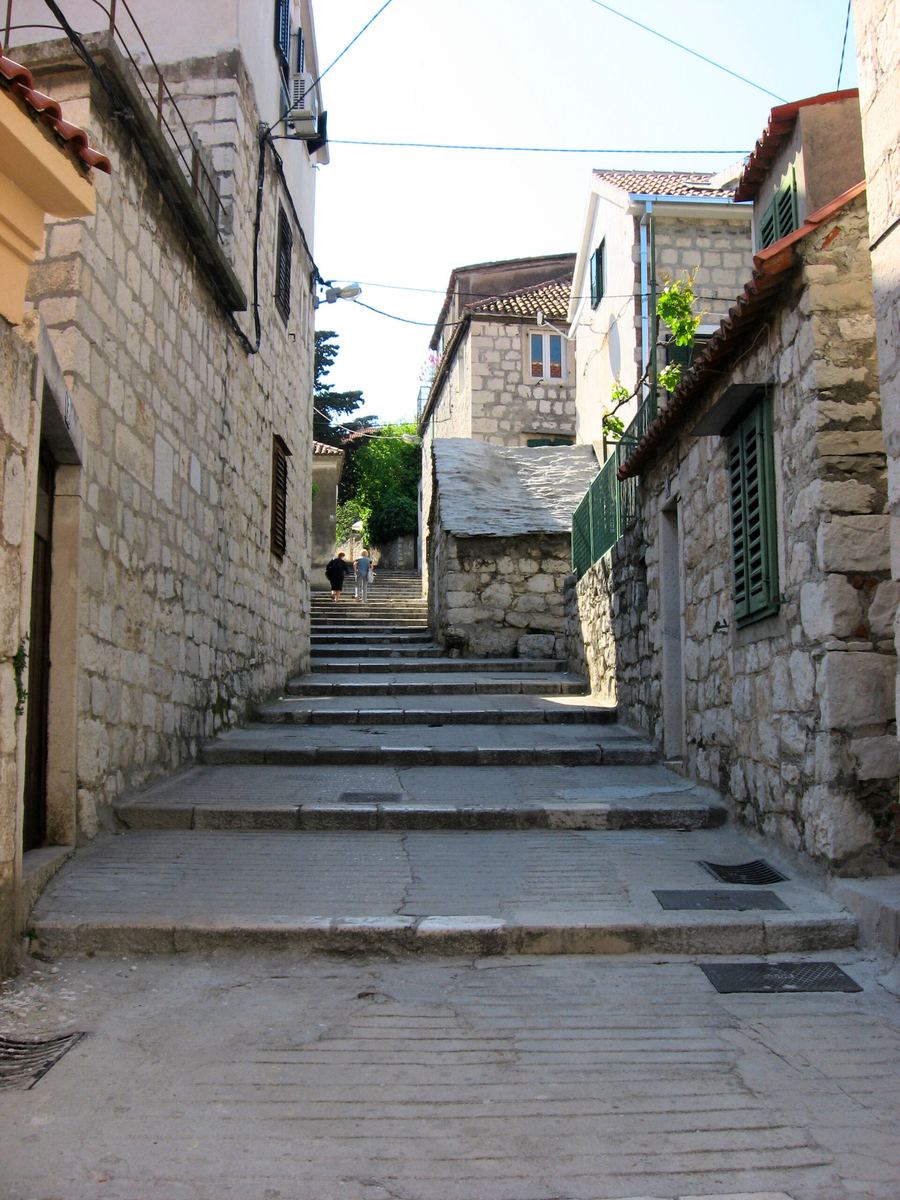
Varoš — Former fishermen's quarter with steep, maze-like stone lanes climbing toward Marjan hill.
Kaiser87 · CC BY-SA 3.0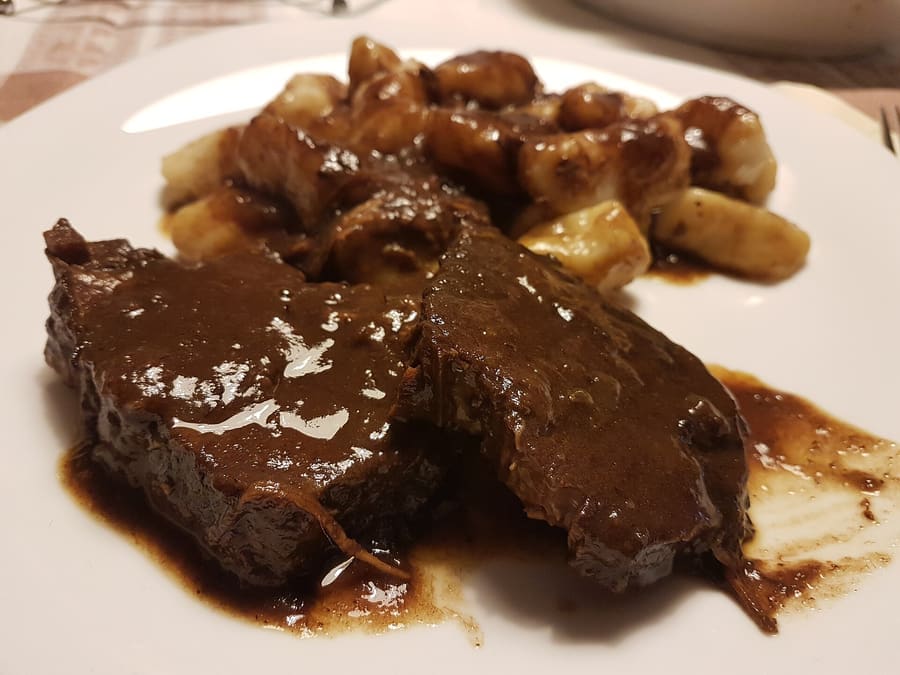
Traditional Pašticada served with handmade potato gnocchi.
Imbehind · CC BY 4.0highlights
landmark
A 4th-century Roman imperial residence that forms the city center. Enter the cellars via the Substructures for a cool shortcut.
Ρωτήστε το Parley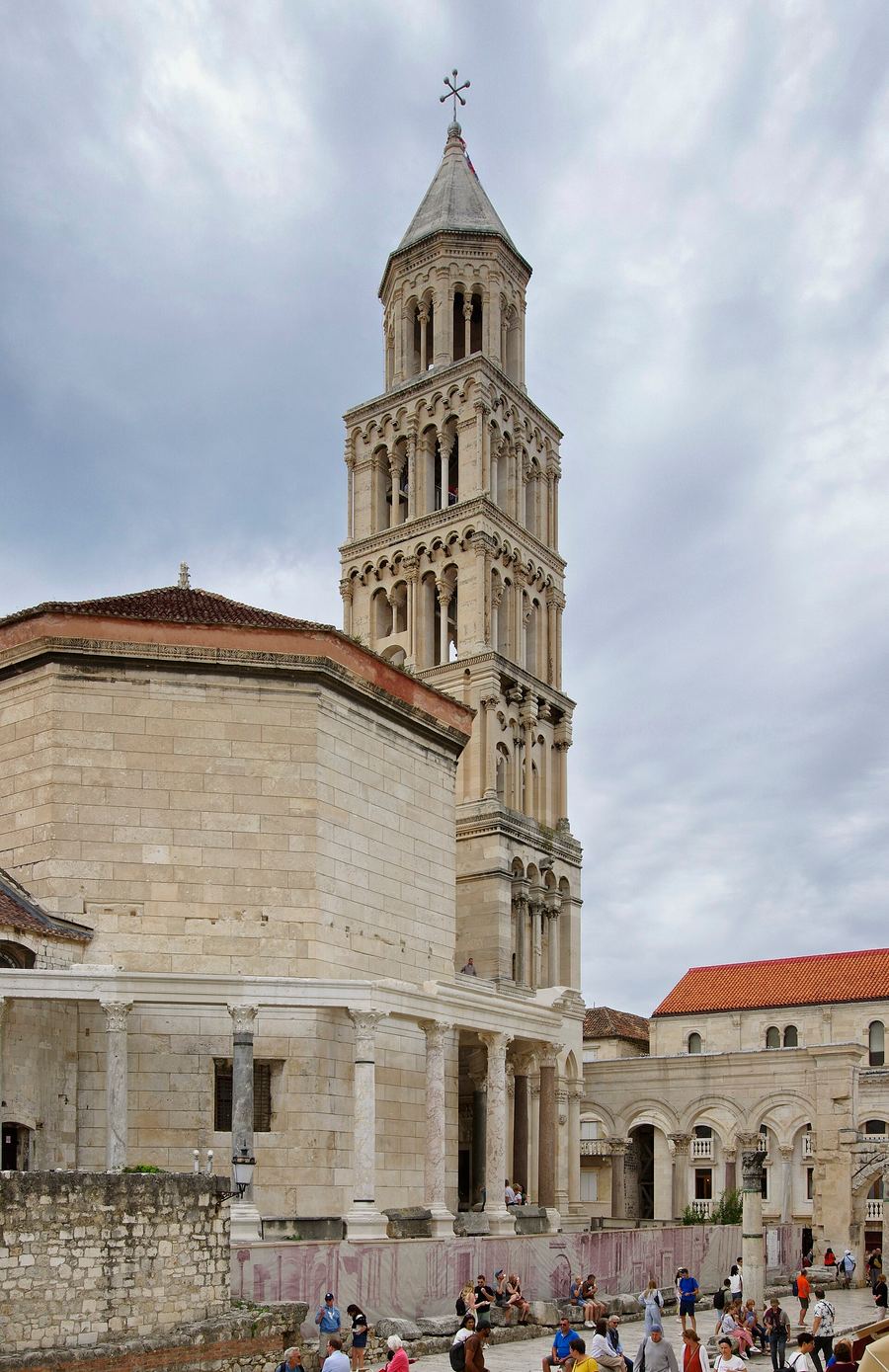
landmark
Built as Diocletian's mausoleum before becoming a cathedral. Climb the steep 57-meter bell tower for views across the harbor.
Ρωτήστε το Parley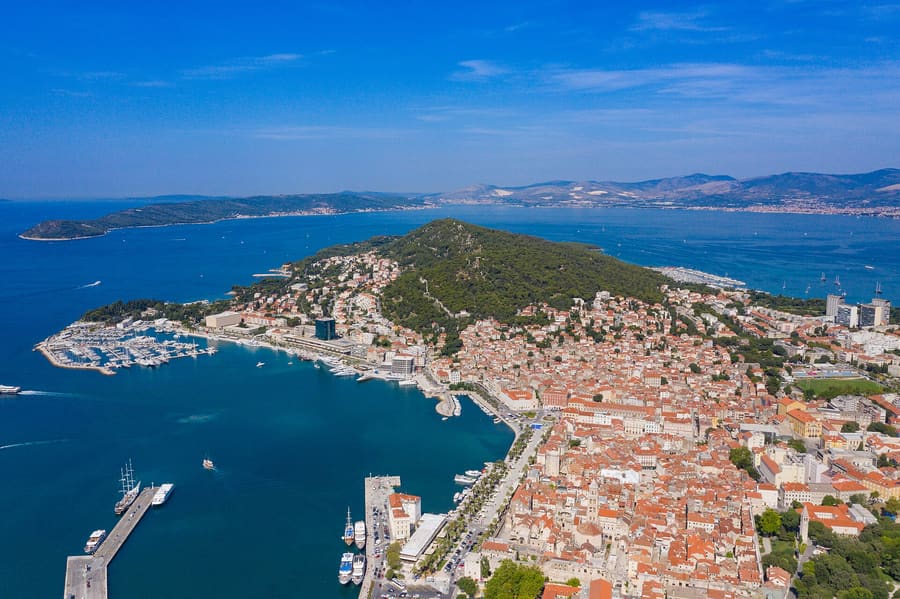
landmark
A pine-covered peninsula west of the center. Walk the stone steps from Varoš up to the Vidilica lookout for sunset.
Ρωτήστε το Parley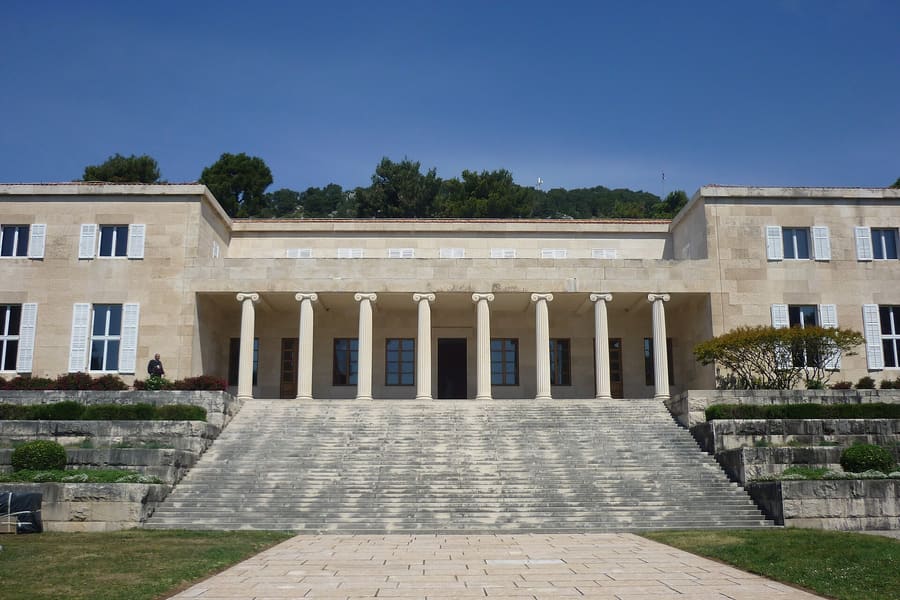
landmark
The former home and studio of Croatia's greatest 20th-century sculptor, set in a seafront garden west of the port.
Ρωτήστε το Parleyattractions
areas
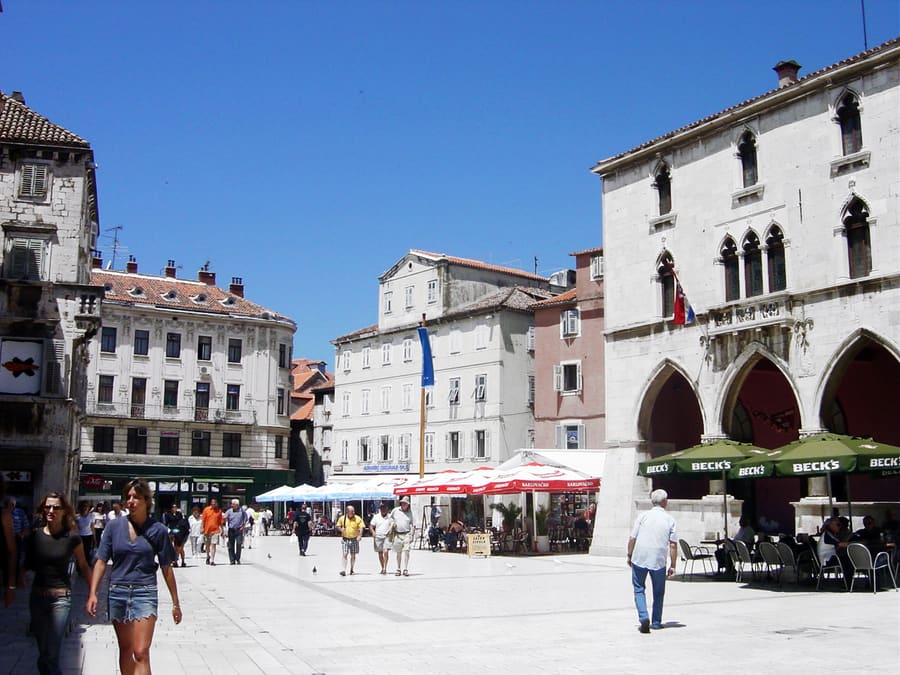
Living Roman ruins mixed with lively cafes, narrow stone alleyways, and dense summer crowds.
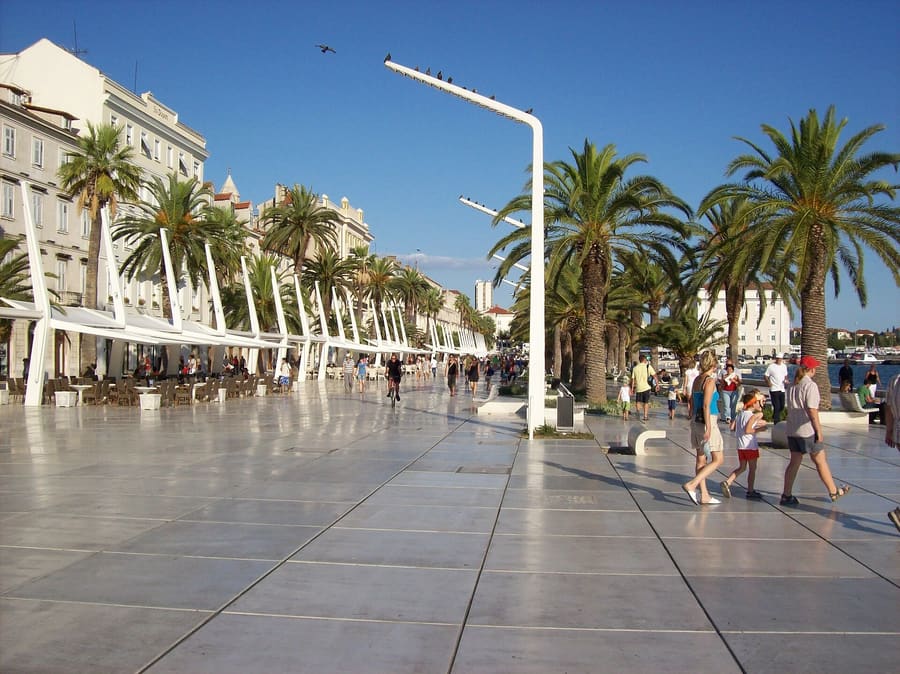
ΚοντάPeristyle, Riva promenade, Substructures
Ρωτήστε το ParleyFormer fishermen's quarter with steep, maze-like stone lanes climbing toward Marjan hill.
ΚοντάMarjan hill, Peškarija market, Matejuška cove
Ρωτήστε το Parleyfood
Split's cuisine turns on fresh catches from the Adriatic and centuries of Venetian influence. You eat pašticada, a beef marinated in vinegar and wine then braised for six hours with dried figs and served over handmade gnocchi. Seafood relies on simple preparations: white fish or squid grilled over oak embers, always accompanied by blitva (swiss chard tossed with boiled potatoes, garlic, and olive oil).
Traditional Pašticada served with handmade potato gnocchi.
Imbehind · CC BY 4.0Seek out soparnik, a medieval Savory pie stuffed with swiss chard and onions, baked between hot coals and brushed with olive oil.
Traditional marenda (a rustic mid-morning worker's lunch) is eaten between 10:00 and 12:30 at old-school taverns like Konoba Hvaranin.
Seafood in traditional konobas is sold by weight (Class 1 or Class 2 per kg). Always ask to see the fish and confirm the weight before it goes on the grill.
history
Roman Emperor Diocletian built his retirement palace here between 295 and 305 AD. When the neighboring Roman city of Salona was sacked in the 7th century, displaced residents fled into the fortified imperial residence. They filled in arcades, converted pagan temples into churches, and turned grand halls into public squares, creating a living town within fortress walls.
Diocletian retires
The Roman Emperor steps down and moves into his newly completed seaside fortress palace.
Salona refugees arrive
Citizens fleeing Slavic and Avar raids take shelter inside the abandoned palace, founding modern Split.
Venetian rule begins
Venice purchases rights to Dalmatia, building defensive bastions around Split to counter Ottoman expansion.
Port expansion
Following the fall of Austria-Hungary, Split grows rapidly as Yugoslavia's primary industrial and naval port.
where to stay
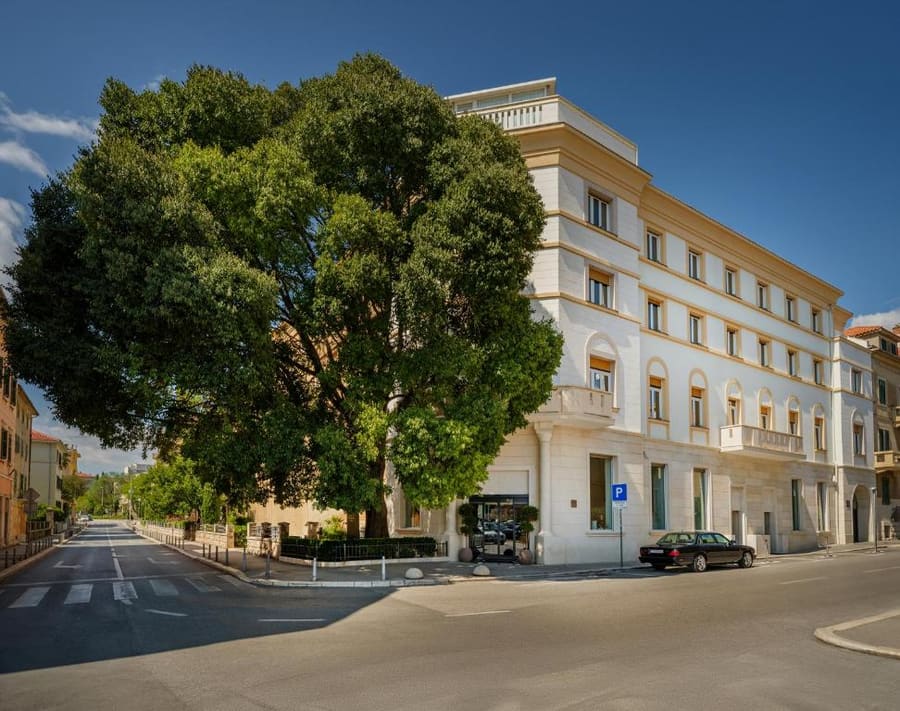
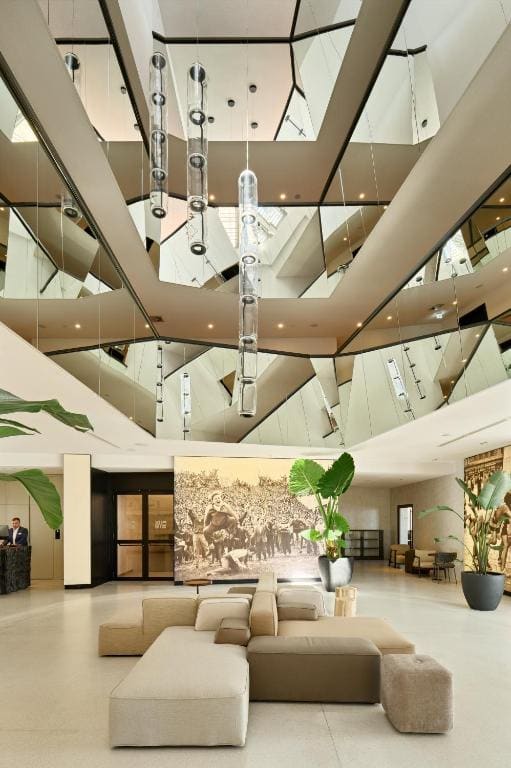
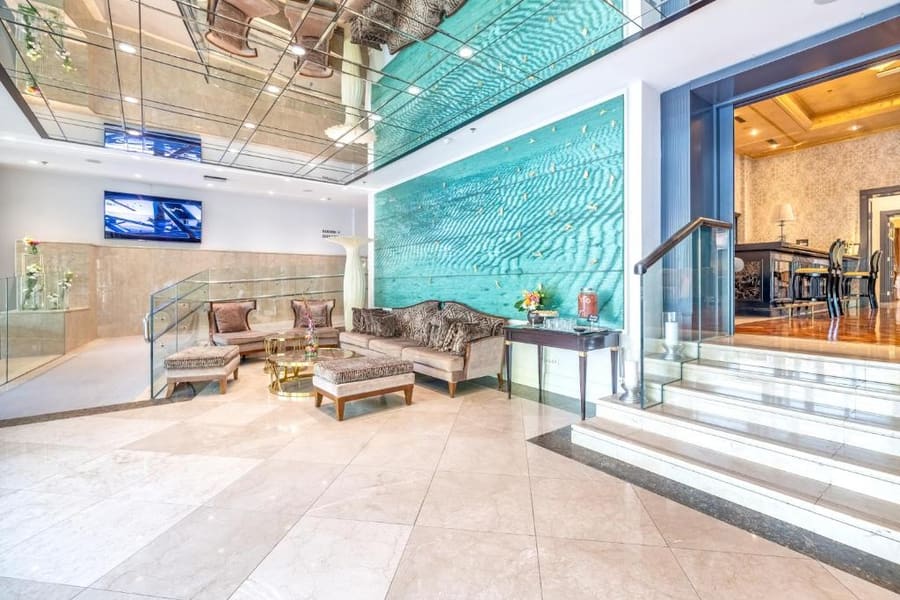
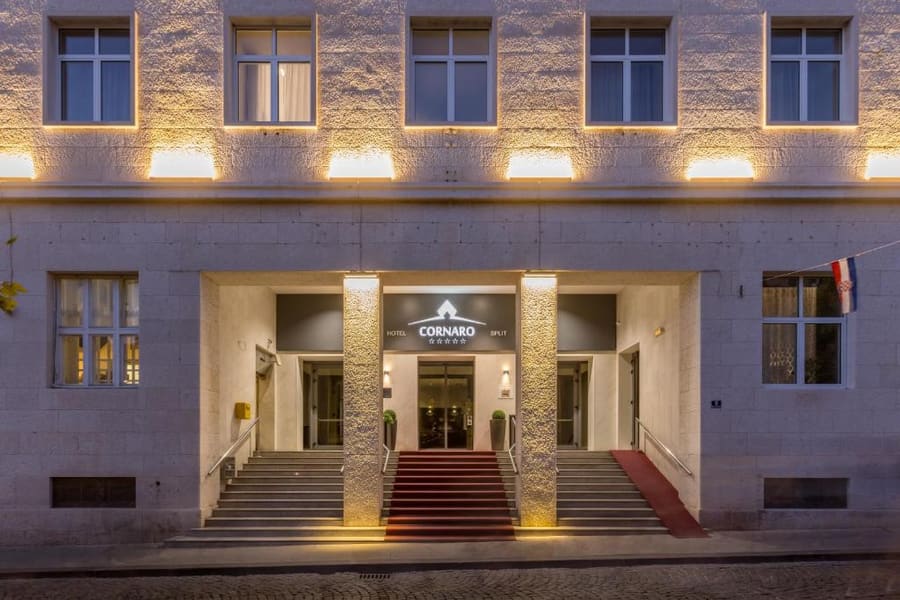
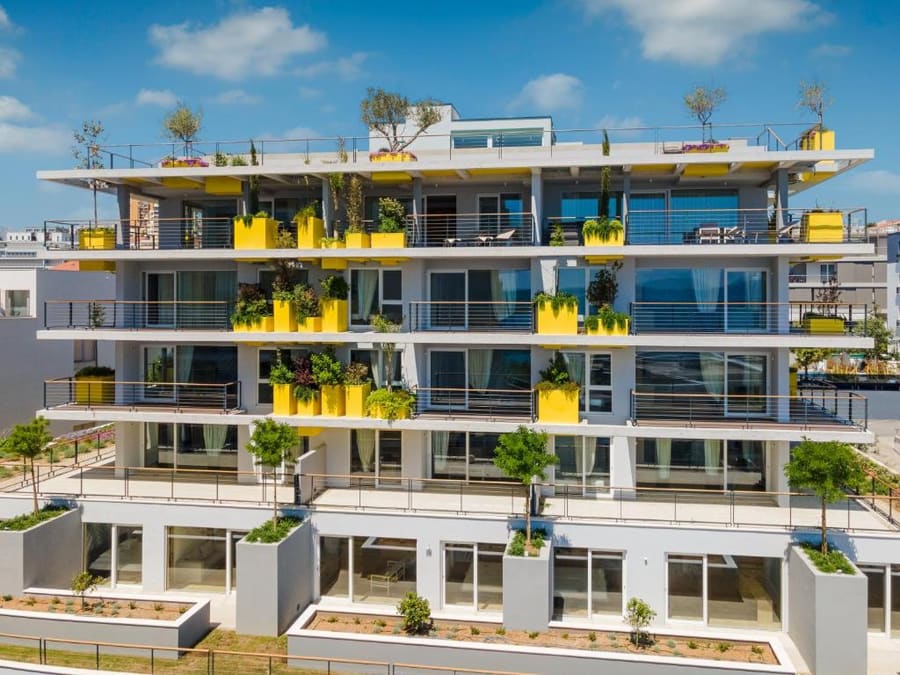
Choose by your tolerance for noise and bags on cobblestones. Staying inside Diocletian's Palace gives instant access to sights, but requires hauling luggage down staircases and sleeping above late-night bars. The neighborhoods immediately adjoining the palace offer quieter sleep while keeping the core within a five-minute walk.
Live rates, matched to the areas above.
transport
Split's historic core is strictly pedestrian. You walk everywhere inside the palace walls. City buses handle suburban routes, while passenger catamarans and vehicle ferries depart continuously from the main harbor south of the palace.
Από Split Airport (SPU)
Pleso Prijevoz direct bus to the main bus station by the harbor. Timed with flight arrivals.
Costs €1.50 at Tisak news kiosks or €2.00 cash from driver. Board at the main road outside.
App pickup is right outside arrivals. Fares vary based on traffic and demand.
Confirm meter or fixed price before boarding to avoid overcharging.
Single city bus tickets bought at Tisak news kiosks cost €1.50. Buying directly from the bus driver costs €2.00 cash.
Uber and Bolt operate widely in Split. Unmetered street taxis queued at the ferry port often overcharge visitors.
High-speed catamarans (Krilo, Kapetan Luka) reach Hvar or Brač in half the time of car ferries, but cancel in high winds.
Left-luggage offices operate directly inside the main bus station opposite the ferry port for €3 to €5 per bag daily.
cost
Split uses the Euro (€). Prices within the walls of Diocletian's Palace are heavily marked up compared to local residential neighborhoods like Lučac or Gripe.
You pay a premium for seafront seating. Drop two streets behind the waterfront for €1.50 coffee.
Covers two main courses, a shared appetizer, and two glasses of local house wine.
Valid for 45 minutes on Promet Split urban routes when purchased at a kiosk.
Covers entry up the steep stone steps of Saint Domnius bell tower.
seasonality
MAR – MAY
Mild sightseeing weather and calm streets. Water temperatures hover around 16°C, making swimming chilly.
JUN – AUG
Peak beach season with sea temperatures at 25°C. Old town alleys get jammed and room rates double.
SEP – OCT
The optimal window. Warm sea water, manageable temperatures, and cruise ship passenger numbers drop sharply.
NOV – FEB
Quiet and windy when the northern bura blows. Many tourist restaurants close, leaving local life in the Peristyle.
practicalities
Dragging wheeled luggage across cobblestones at 06:00 triggers local noise complaints. Carry your bag where possible.
Walking through the historical center in swimwear or without a shirt can result in municipal fines up to €150.
On Bačvice beach, local players pass a small stripped rubber ball in shallow water. Give them clear space on the sand.
Peškarija peaks at 08:00 and shuts completely by 13:00. Go early before the daily catch sells out.
Tap water across Split is safe to drink. Public fountains like the one at Dobrić offer free clean drinking water.