landmark
Encontro das Águas
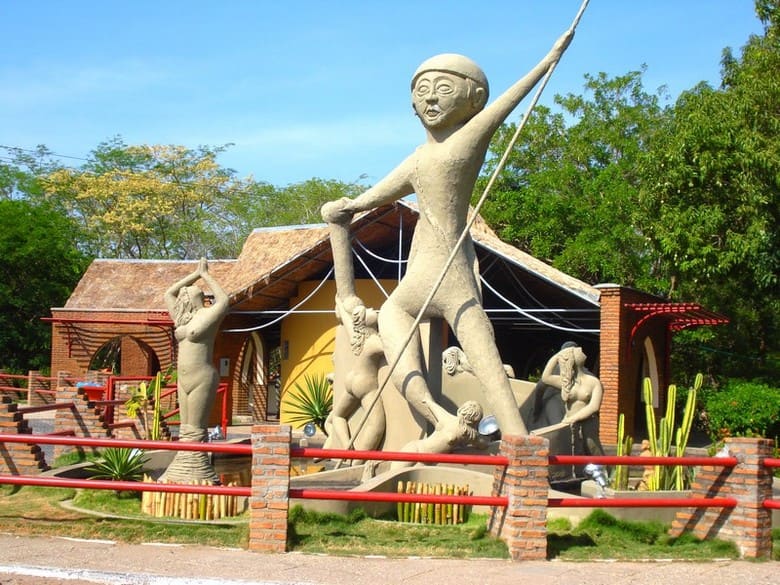
Watch the dark Poti River meet the muddy Parnaíba. The park features the giant Cabeça de Cuia folklore statue.
Ρωτήστε το ParleyΒραζιλία
The green inland capital where two rivers meet.
introduction
Teresina sits inland on the banks of the Poti and Parnaíba rivers in northeastern Brazil. The city layout follows a grid plan shaded by broad mango trees. Rideshares and taxis offer the most practical way to move between the central market area and the eastern dining districts. Expect intense heat, generous plates of sun-dried meat, and a relaxed pace of daily life.
Arrival from THE airport
Teresina Airport sits four kilometres north of the centre. Taxis use set zones while rideshares operate from the main terminal curb.
Cajuína heritage status
Cajuína, the clarified cashew drink brewed locally, holds official cultural heritage status in Piauí. Try it served cold in glass bottles.
The B-R-O Bró heat strategy
Temperatures peak above 40°C between September and December. Schedule outdoor walking before 10:00 or after 17:00 during these months.
Teresina
Wesley Lustosa · CC BY-SA 4.0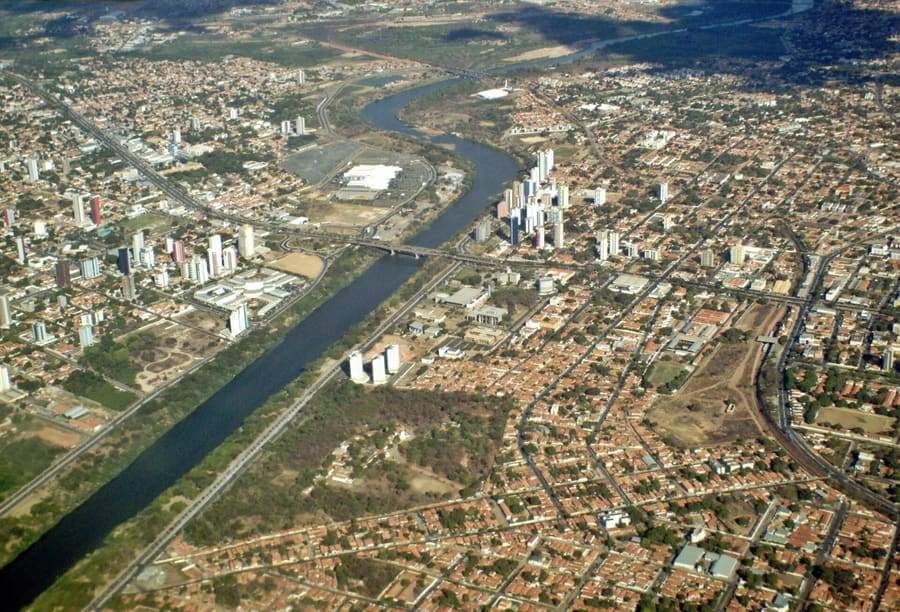
Centro — Gritty commercial core packed with historic architecture, banks, street vendors, and afternoon heat.
Olavomm · Public domain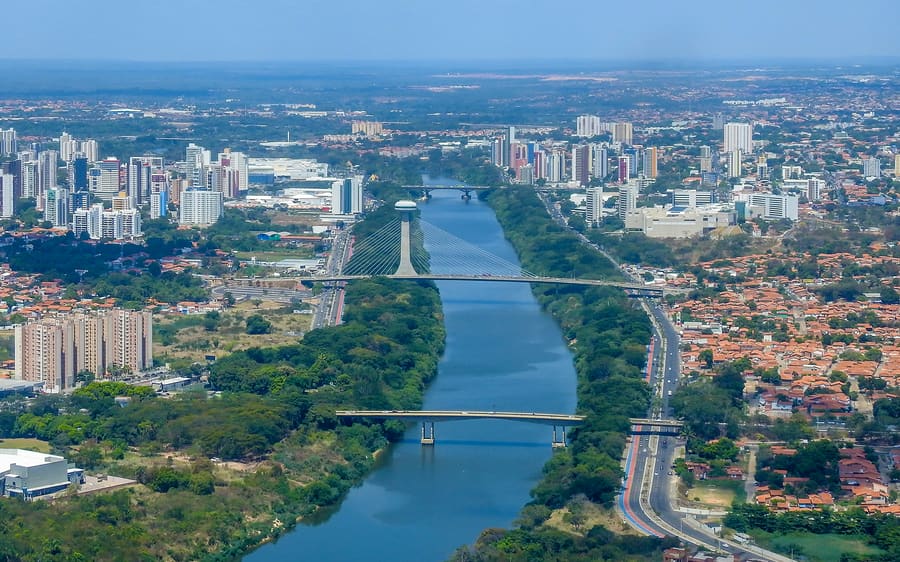
Jóquei — Upscale residential district filled with modern dining, cocktail bars, and air-conditioned shopping centers.
Alexandro Dias · CC BY-SA 4.0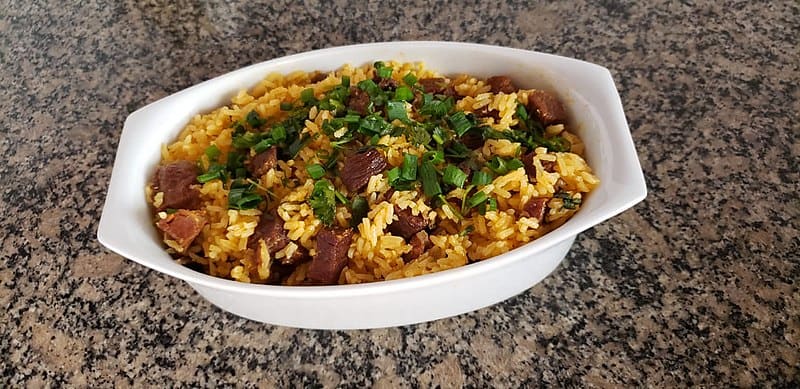
Maria Isabel, rice cooked with spiced carne de sol, is Teresina's defining staple.
ConceicaoSotero · CC BY-SA 4.0highlights
landmark
Watch the dark Poti River meet the muddy Parnaíba. The park features the giant Cabeça de Cuia folklore statue.
Ρωτήστε το Parley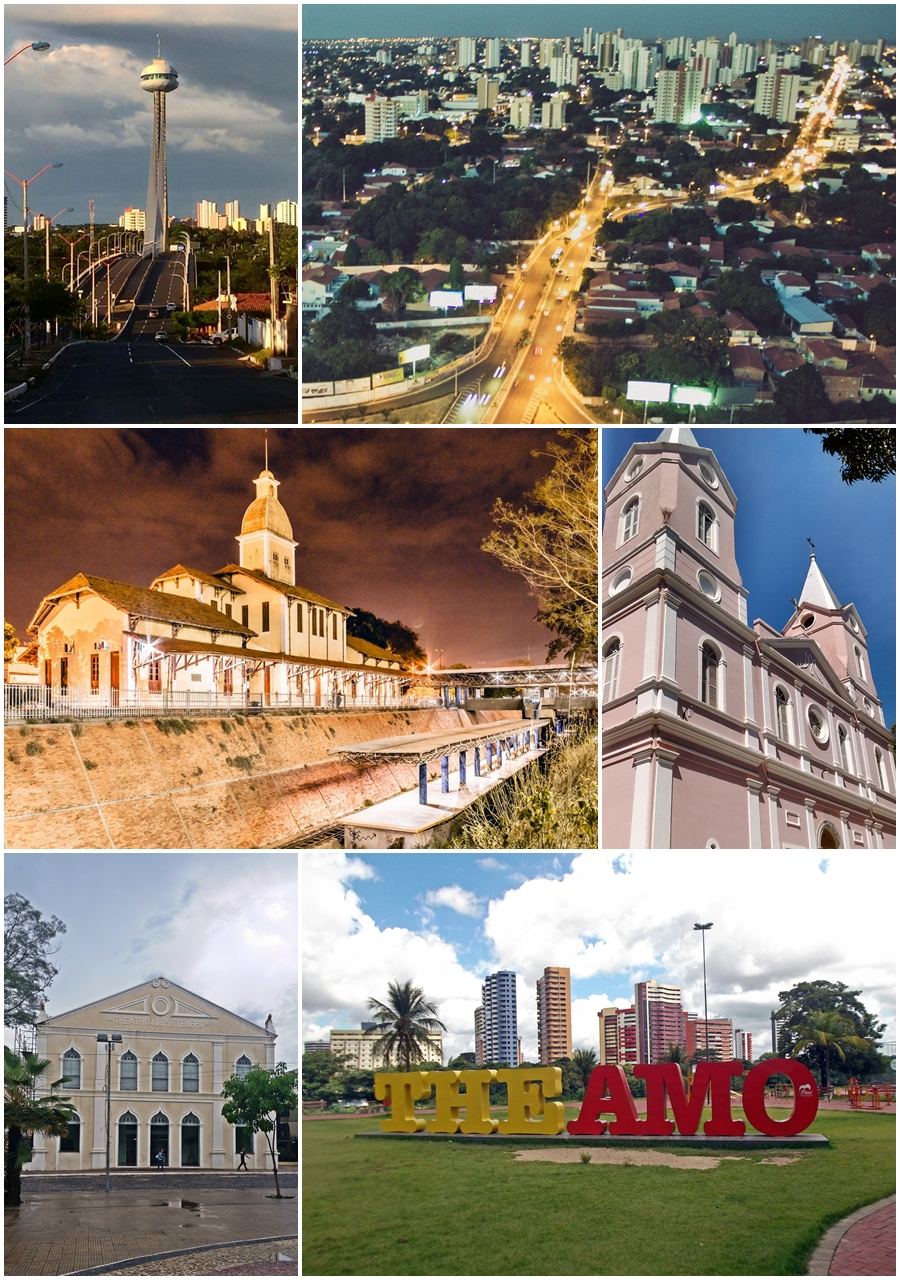
landmark
Built in 1886 by enslaved labourers, this church has massive jacaranda doors carved by master craftsman Mestre Dezinho.
Ρωτήστε το Parley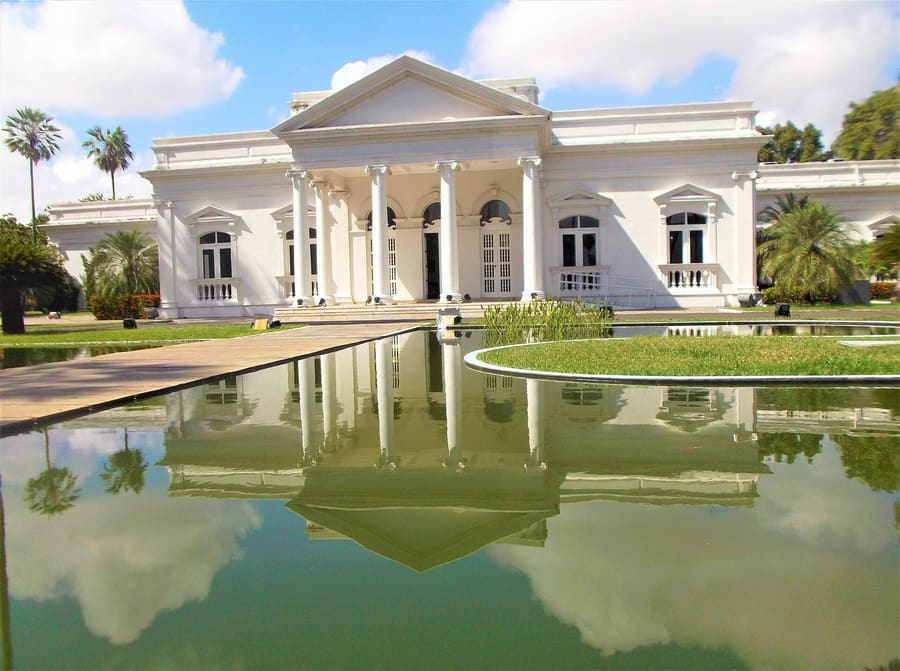
landmark
The state governor's white neoclassical seat resembles a Greek temple. Walk the gardens designed by Burle Marx during open daytime hours.
Ρωτήστε το Parley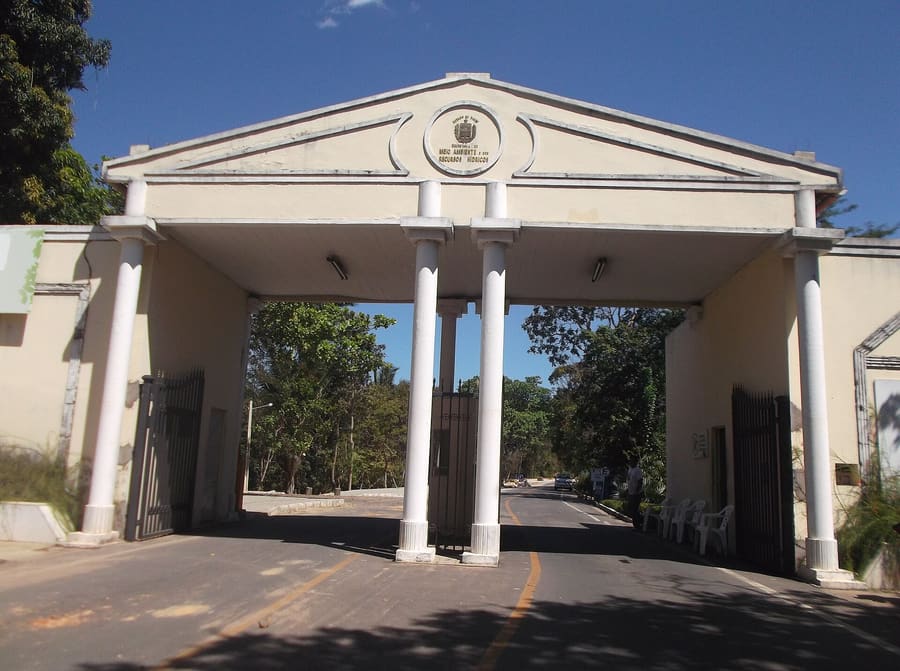
landmark
A shaded forest preserve housing native Piauí wildlife. Walk the paved loops early in the morning to beat the heat.
Ρωτήστε το Parleyattractions
areas
Gritty commercial core packed with historic architecture, banks, street vendors, and afternoon heat.
ΚοντάPalácio de Karnak and Mercado Central
Ρωτήστε το ParleyUpscale residential district filled with modern dining, cocktail bars, and air-conditioned shopping centers.
ΚοντάAvenida Dom Severino dining corridor
Ρωτήστε το ParleyTree-shaded riverside quarter offering upscale business hotels and quiet residential streets.
ΚοντάPoti River walkways and Central Teresina
Ρωτήστε το ParleyLeafy eastern neighbourhood known for boutique bakeries, open-air cafes, and relaxed evening strolls.
ΚοντάJóquei nightlife and Avenida Homero Castelo Branco
Ρωτήστε το Parleyfood
Teresina's cuisine relies heavily on sun-dried meat, cassava flour, and native cashew fruit. The local cooking reflects rural Piauí ranching traditions adapted for city tables. Meals are satisfying, served in abundant portions, and designed to fuel heavy outdoor labor.
Maria Isabel, rice cooked with spiced carne de sol, is Teresina's defining staple.
ConceicaoSotero · CC BY-SA 4.0This classic dish blends rice with diced sun-dried beef and garlic. Most regional spots serve it alongside fried plantains.
Guinea fowl cooked slowly with native rice and green seasoning. Local families order this heavy dish for Sunday lunch.
A non-carbonated drink made by clarifying cashew juice. Drink it ice-cold directly from glass bottles.
Tripe and cow foot stew cooked overnight. Market workers eat it early in the morning for sustained energy.
history
Founded in 1852, Teresina was the first planned state capital in Brazil. Governor Conselheiro José Antônio Saraiva designed the city in a grid layout along the Parnaíba River to facilitate river commerce and trade.
Capital Relocation
Conselheiro José Antônio Saraiva transfers the provincial capital from Oeiras to Teresina to improve river trade.
Lace and Cotton Boom
River barges export local cotton and carnaúba wax, turning Teresina into an inland commercial hub.
Urban Expansion
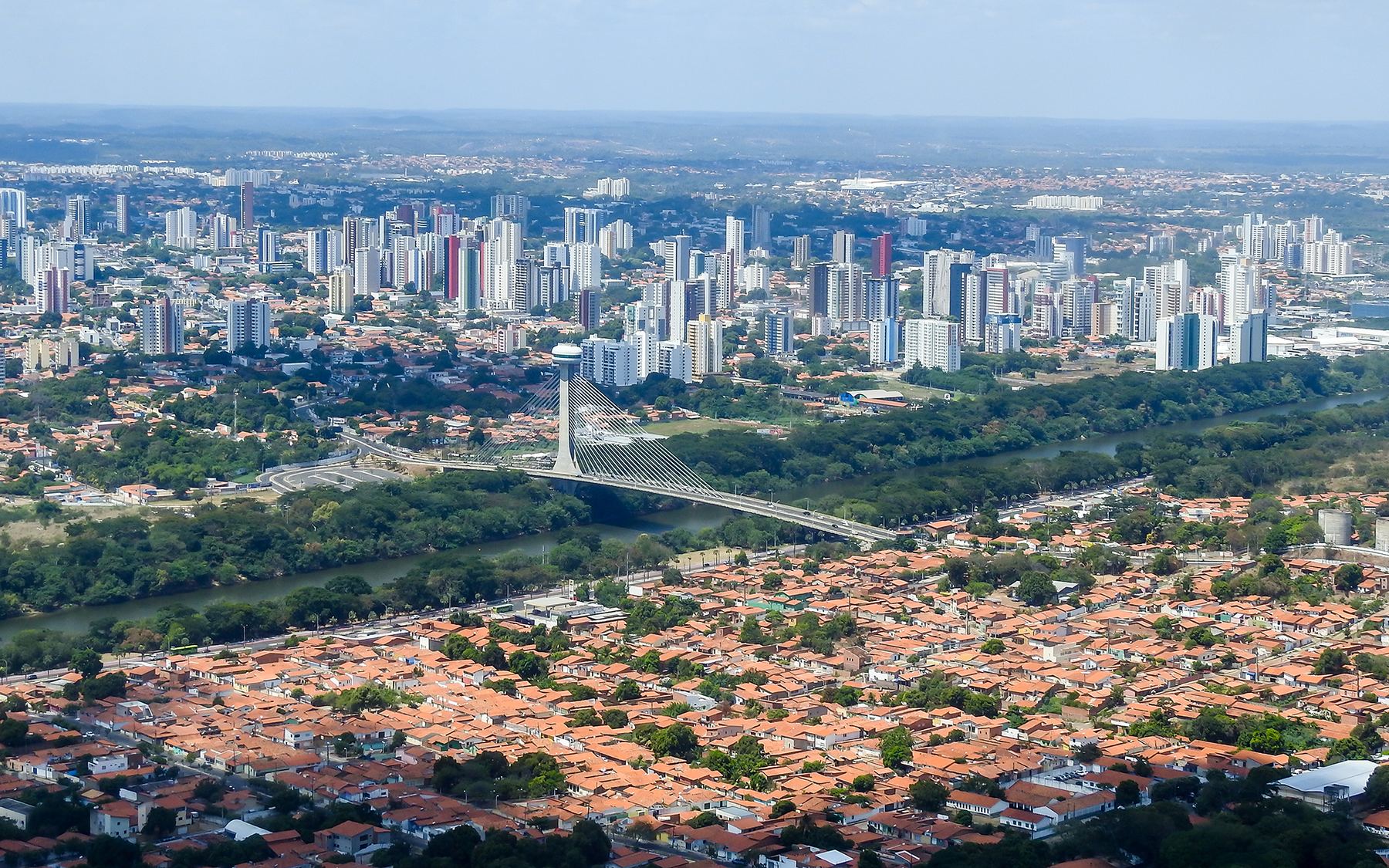
Bridges span the Poti River, shifting commercial growth toward the eastern neighbourhoods of Jóquei and Fátima.
Ponte Estaiada Opens
The cable-stayed bridge opens, creating both a key transit link and an elevated observation tower.
where to stay
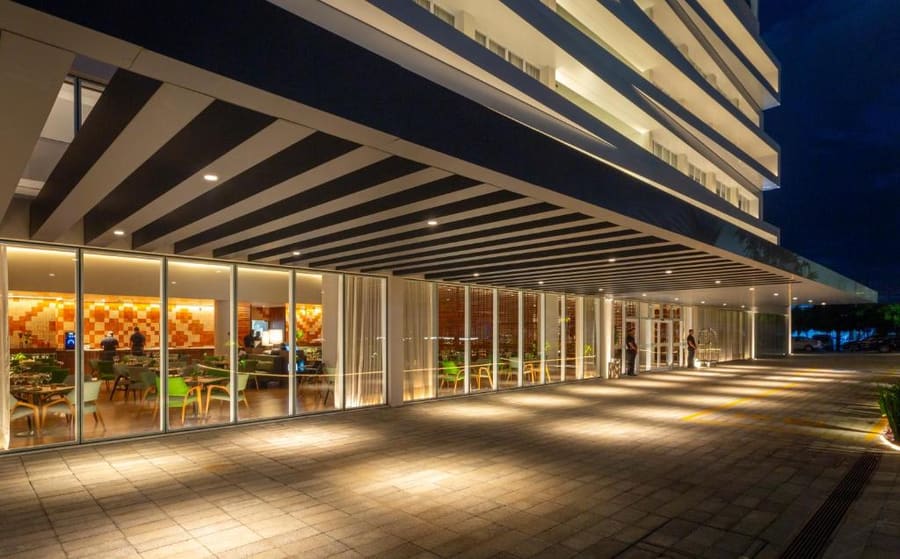
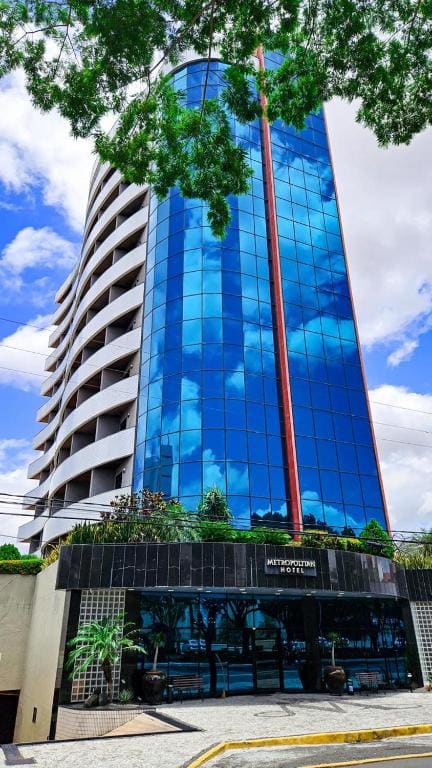
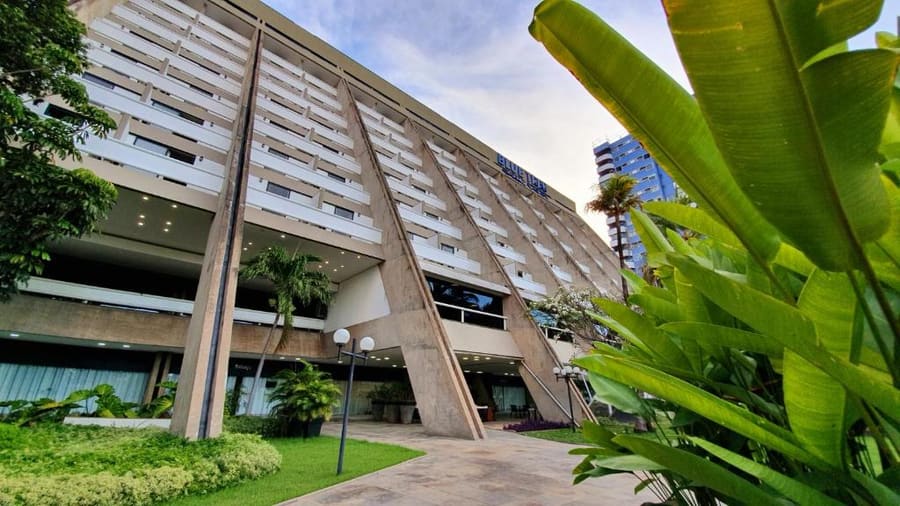
Choose your hotel base by deciding between proximity to historic sights and access to evening dining. Staying west of the river puts you near markets and offices. Staying east of the river places you within walking distance of the city's best restaurants.
Live rates, matched to the areas above.
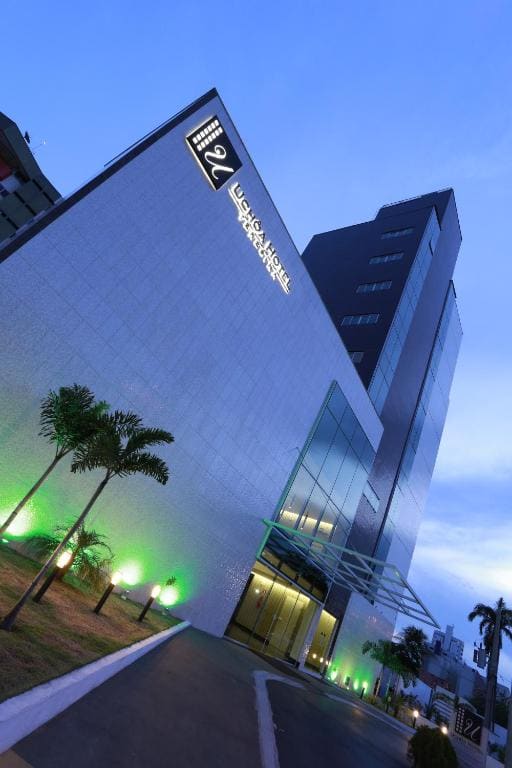
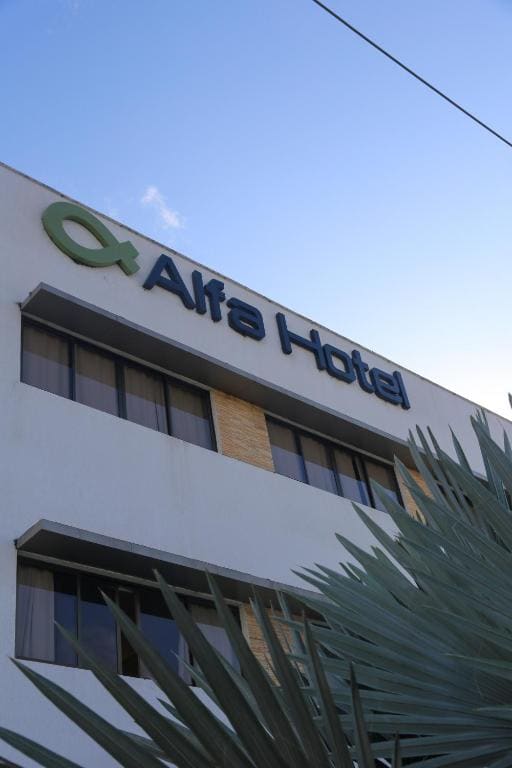
transport
Teresina spreads outward along the east and west banks of the Poti River. A grid layout simplifies downtown navigation, but long distances and midday heat make motorized transport necessary.
Από Teresina Airport (THE)
Pickup occurs at the designated zone outside arrival doors.
Fixed-rate taxis operate from official counters inside baggage claim.
Local buses stop outside the airport grounds on Av. Centenário.
Uber and 99 apps function reliably across Teresina. Drivers arrive quickly in central and eastern districts.
Walking long distances between 11:00 and 15:00 is impractical due to high temperatures. Plan vehicular rides for daytime movement.
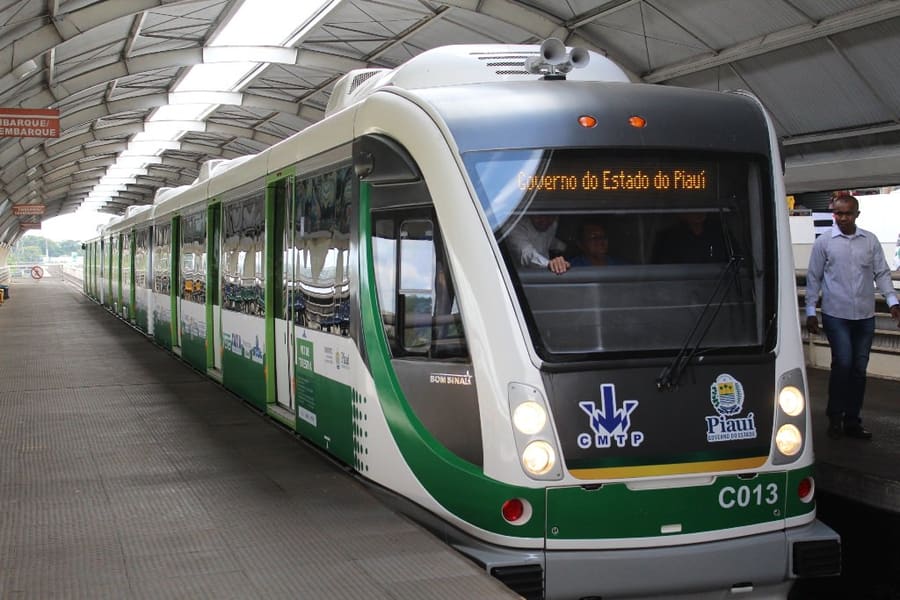
The light rail diesel train connects Dirceu to Centro for R$ 1.00. Trains run at limited intervals on weekdays.
Traffic bottlenecks build on the Poti River bridges during peak hours (07:30–09:00 and 17:30–19:00).
cost
Teresina remains one of the most affordable state capitals in Brazil. Dining out in modern neighbourhoods costs noticeably less than in coastal capitals like Fortaleza or Recife.
Served cold at snack bars and traditional restaurants across the city.
Includes rice, beans, salad, and choice of meat at central eateries.
Covers two main courses and drinks at upper-tier regional dining spots.
Ticket price for the elevator ride to the top of the bridge tower.
seasonality
JAN – APR
Rainy season lowers afternoon temperatures slightly. Expect heavy downpours that brief overflow street drains.
MAY – AUG
The pleasantest weather window. Skies remain clear with lower humidity and warm, dry evenings.
SEP – DEC
Peak heat season locally called B-R-O Bró. Daytime temperatures frequently exceed 40°C.
practicalities
Carry fresh water constantly. Humidity combined with heat causes rapid dehydration during outdoor walking.
Shops in Centro close around 18:00 on weekdays and 13:00 on Saturdays. Malls remain open until 22:00.
Pix digital payments and credit cards are accepted almost everywhere. Small market vendors prefer Pix or cash.
English is rarely spoken outside major hotel reception desks. Basic Portuguese phrases ease daily interactions.
Do not swim in the Parnaíba or Poti rivers outside designated, supervised beach spots due to strong undertows.