landmark
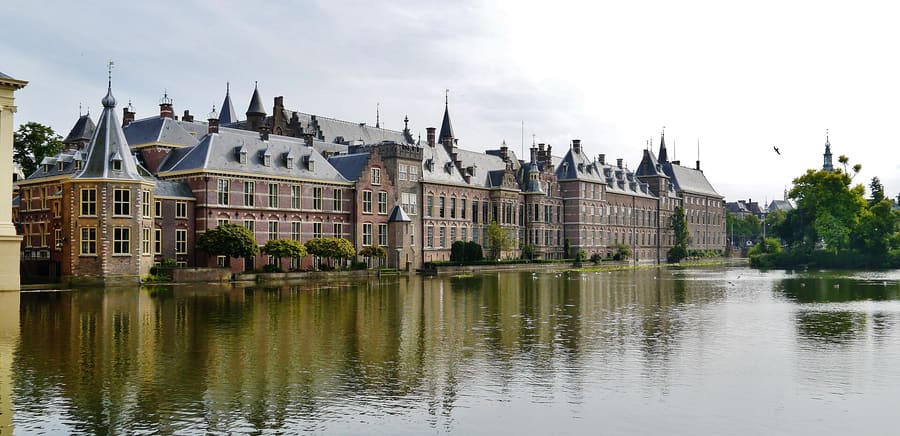
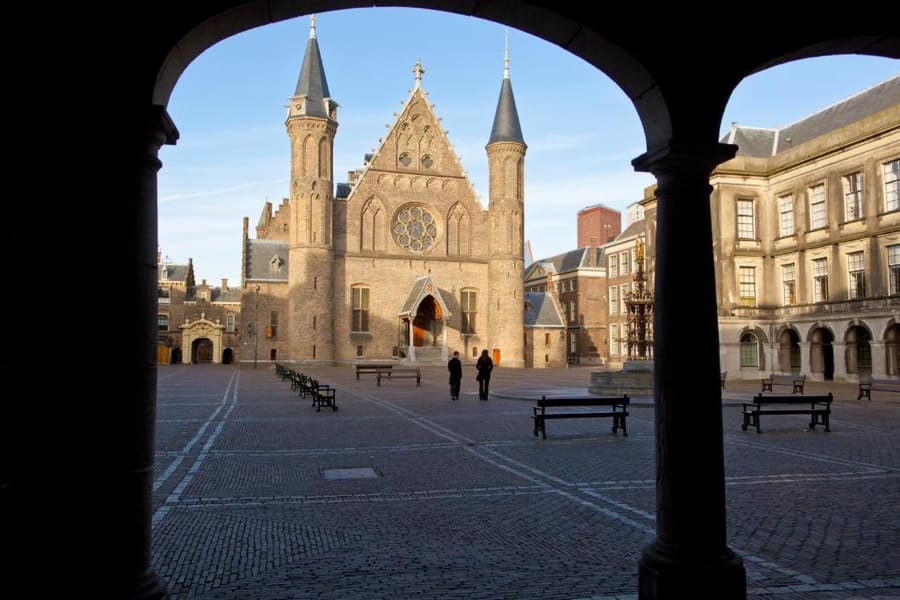
Binnenhof
The seat of Dutch parliament surrounds a 13th-century courtyard. Large parts are undergoing structural restoration through 2028.
Ρωτήστε το ParleyΚάτω Χώρες
The Dutch seat of power, art masters, and North Sea coast.
introduction
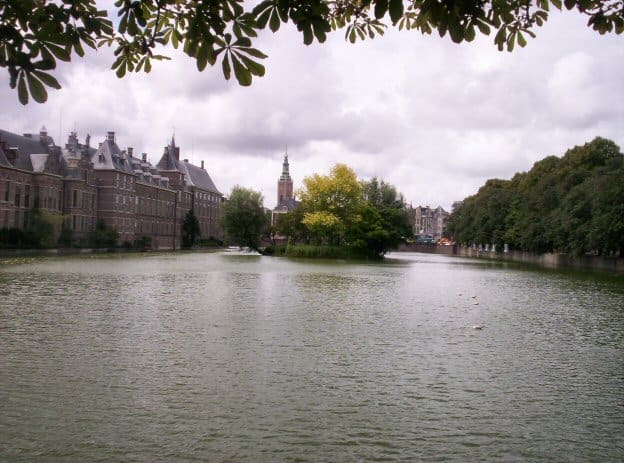
The Hague is the political center of the Netherlands and the seat of its royal family. Broad avenues and grand 18th-century mansions define the center, while electric trams connect downtown to the North Sea beach in fifteen minutes. You come here for world-class art collections, distinct Indonesian culinary traditions, and direct coastal access.
Arrival trick
Direct NS trains run from Schiphol Airport to Den Haag Centraal every 15 minutes. The journey takes 30 minutes.
Art collection
The Mauritshuis holds Johannes Vermeer's Girl with a Pearl Earring inside a seventeenth-century city palace.
Transit tip
Buy HTM day passes through the HTM mobile app. Single tram tickets purchased on board cost significantly more.
The Hague
Känsterle at Dutch Wikipedia · Public domain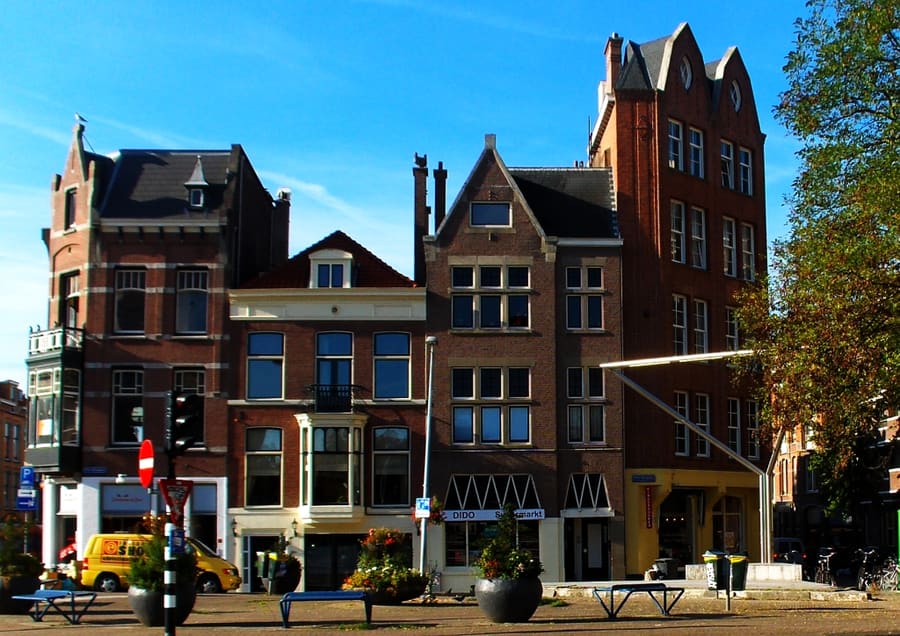
Zeeheldenkwartier — 19th-century residential district with independent design shops, local cafes, and sunny squares.
Akbar Simonse from Den Haag / The Hague, The Netherlands · CC BY-SA 2.0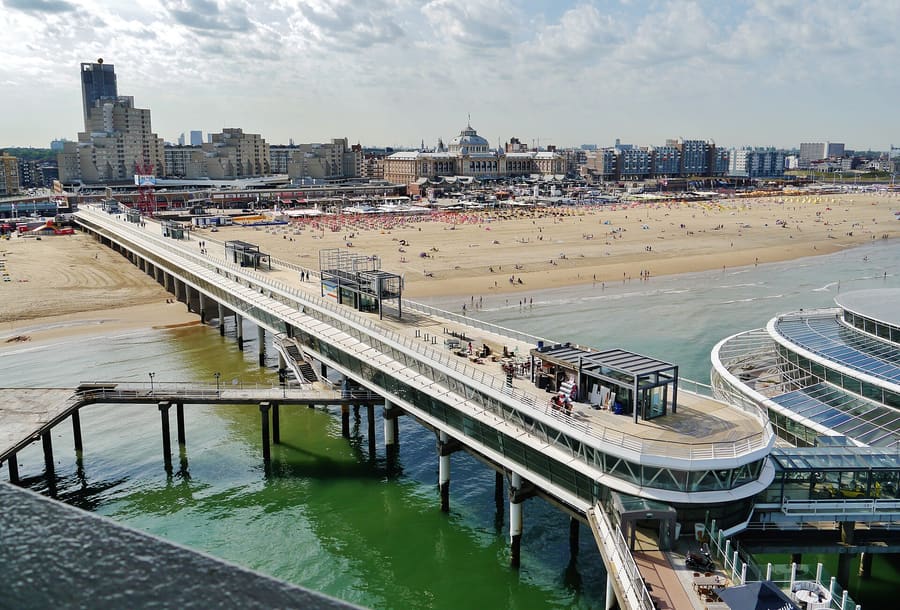
Scheveningen — Coastal resort district with a wide sandy beach, boardwalk, pier, and seafood restaurants.
Zairon · CC BY-SA 4.0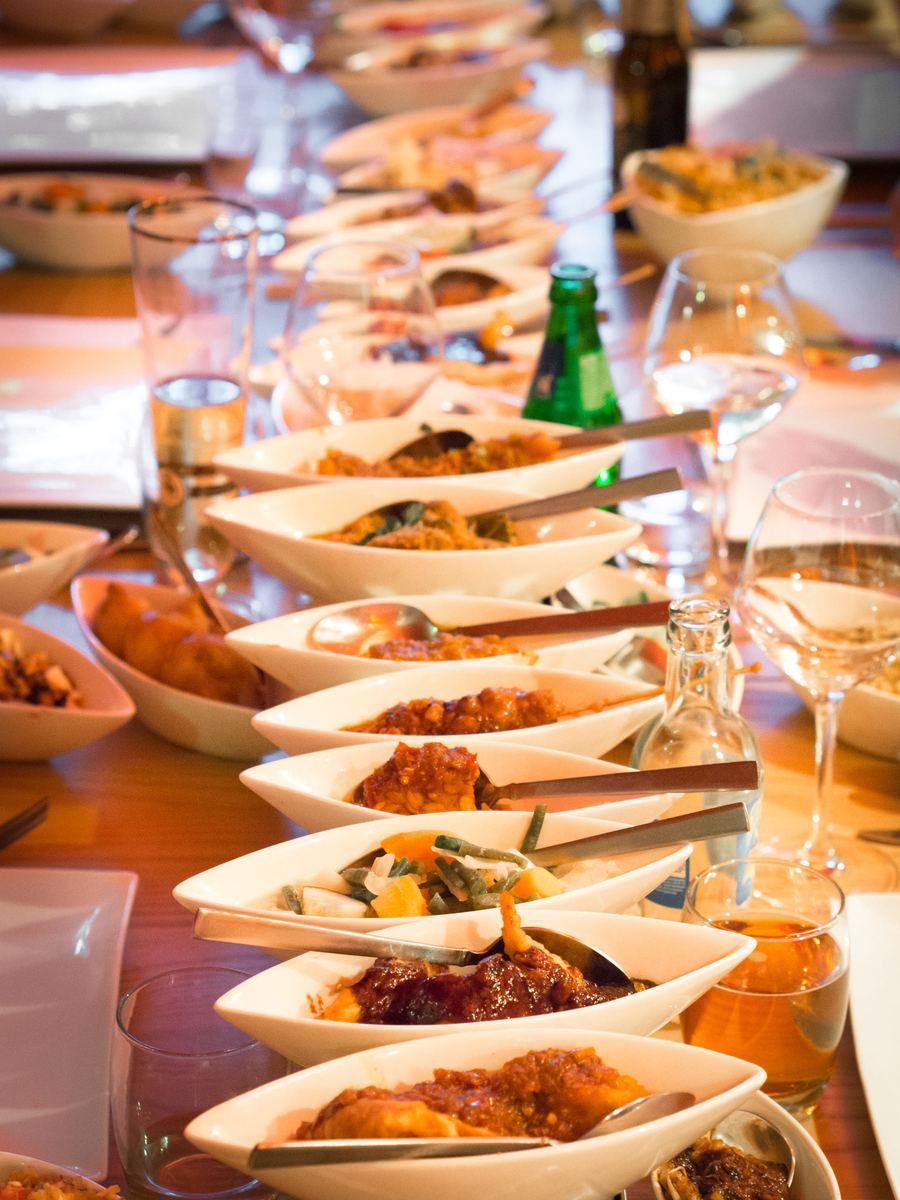
A traditional multi-dish Indonesian rijsttafel spread in Den Haag.
Takeaway · CC BY-SA 3.0highlights
landmark
The seat of Dutch parliament surrounds a 13th-century courtyard. Large parts are undergoing structural restoration through 2028.
Ρωτήστε το Parley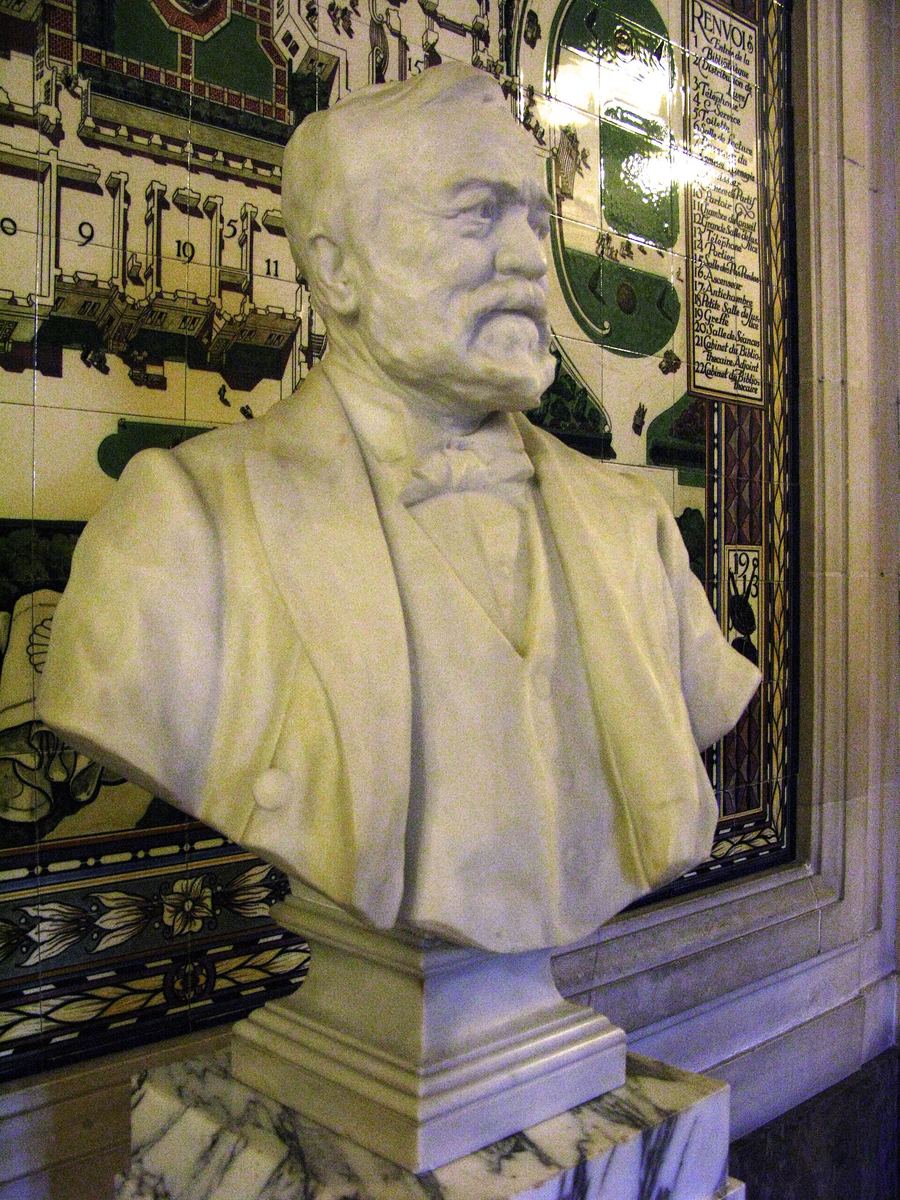
landmark
Home to the International Court of Justice. Visitor center access is free, but guided interior tours require advance booking.
Ρωτήστε το Parley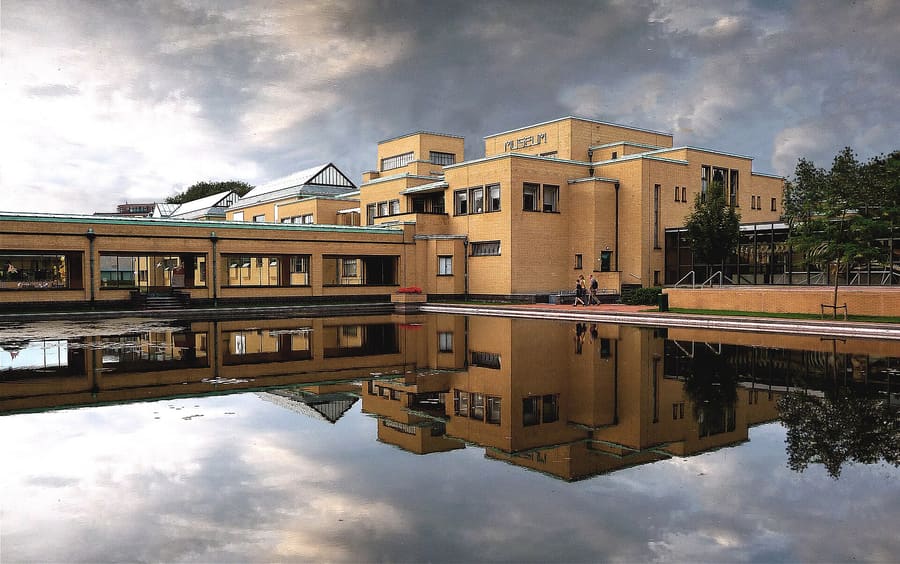
landmark
Holds the world's largest collection of Piet Mondrian paintings. Located in a landmark Berlage Art Deco building.
Ρωτήστε το Parley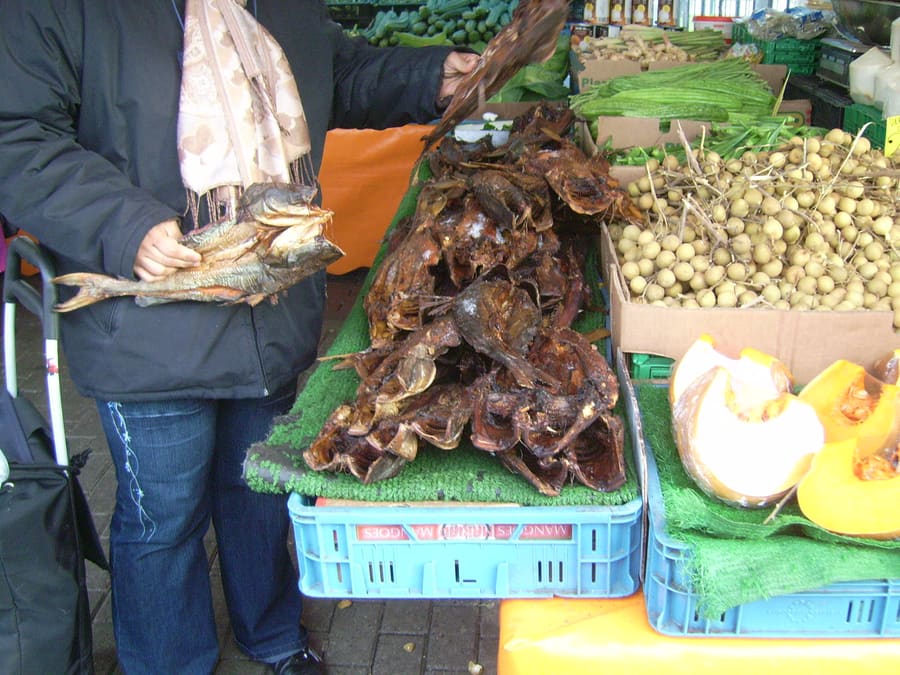
landmark
One of Europe's largest outdoor markets. Open Monday, Wednesday, Friday, and Saturday for produce, spice, and street food stalls.
Ρωτήστε το Parleyattractions
areas
19th-century residential district with independent design shops, local cafes, and sunny squares.
ΚοντάPeace Palace
Ρωτήστε το ParleyCoastal resort district with a wide sandy beach, boardwalk, pier, and seafood restaurants.
ΚοντάNorth Sea coast
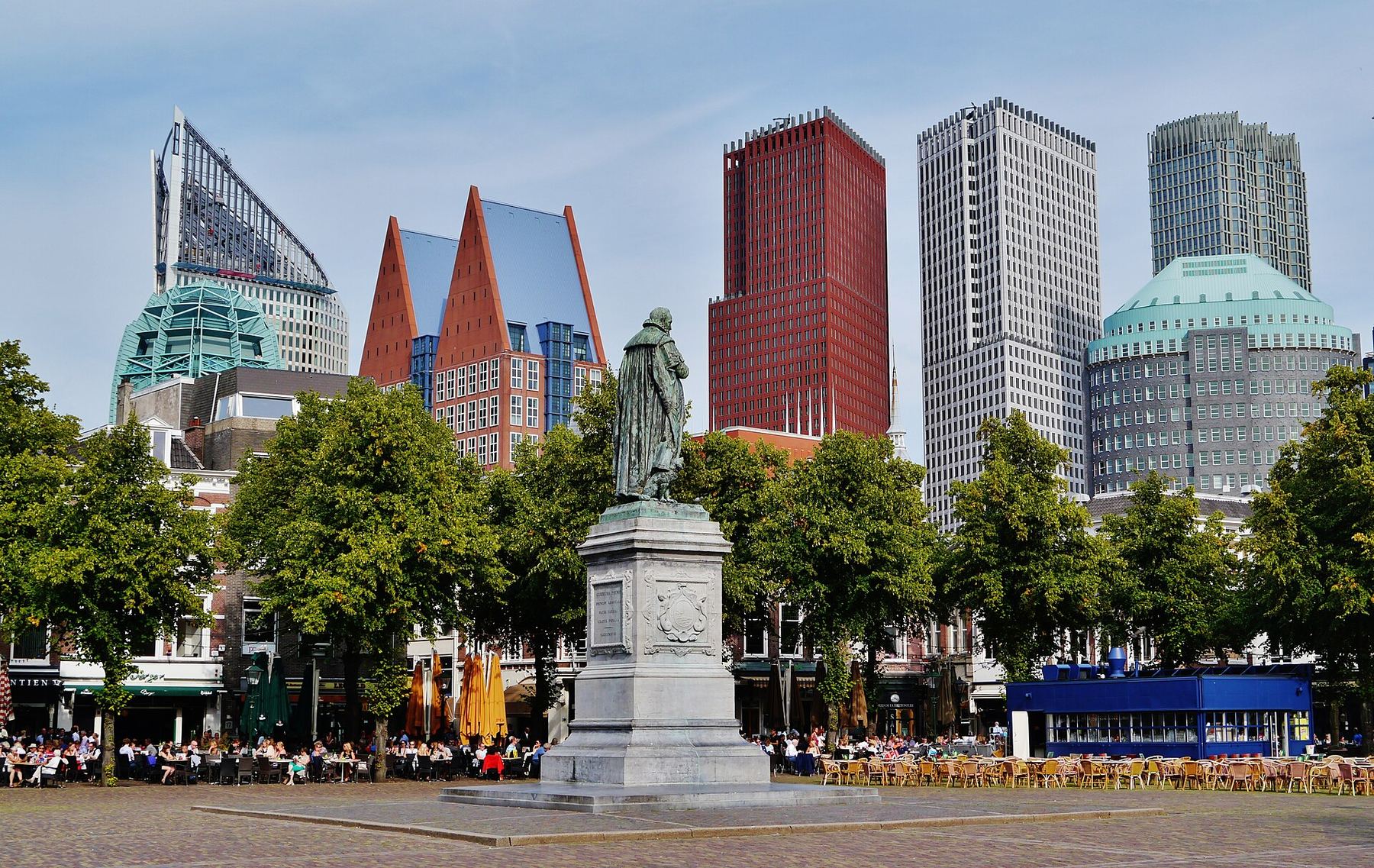
Ρωτήστε το ParleyHistoric cobbled streets, high-end shopping passages, government offices, and royal palaces.
ΚοντάMauritshuis and Binnenhof
Ρωτήστε το ParleyUpmarket neighborhood with Art Nouveau townhouses, diplomatic embassies, and boutique stores.
ΚοντάKunstmuseum Den Haag
Ρωτήστε το Parleyfood
The Hague has a distinct food culture rooted in colonial history and its North Sea location. Post-war migration from the former Dutch East Indies turned the city into the Indonesian culinary capital of Europe. You will find neighborhood take-away counters called tokos alongside formal dining rooms serving traditional multi-dish rijsttafel.Along the coast, fresh seafood dominates. Local fishmongers and street kiosks serve raw herring with diced onions, fried kibbeling, and smoked eel directly from North Sea catches.
A traditional multi-dish Indonesian rijsttafel spread in Den Haag.
Takeaway · CC BY-SA 3.0Buy raw herring at fish stalls like Simonis at the harbor. Eat it the local way: held by the tail with raw onions and pickles.
history
The Hague originated in 1230 when Count Floris IV of Holland built a hunting lodge near a small pond. That lodge grew into the Binnenhof complex, which became the political heart of the Dutch Republic. Despite hosting the national parliament and monarchy, The Hague never received official city rights in the Middle Ages, retaining a unique administrative status.In the twentieth century, the city established itself as a global center for international law and diplomacy. The opening of the Peace Palace in 1913 anchored international judicial bodies here, a role that expanded with the establishment of the UN International Court of Justice.
Founding of the Binnenhof
Count Floris IV buys land to construct a residence, starting the development of the Binnenhof.
Seat of Government
The Hague becomes the permanent administrative center for the States-General of the Dutch Republic.
First Hague Peace Conference
World powers convene to sign international treaties regarding warfare and arbitration.
Peace Palace Opens
Construction completes on the landmark palace built to house the Permanent Court of Arbitration.
where to stay
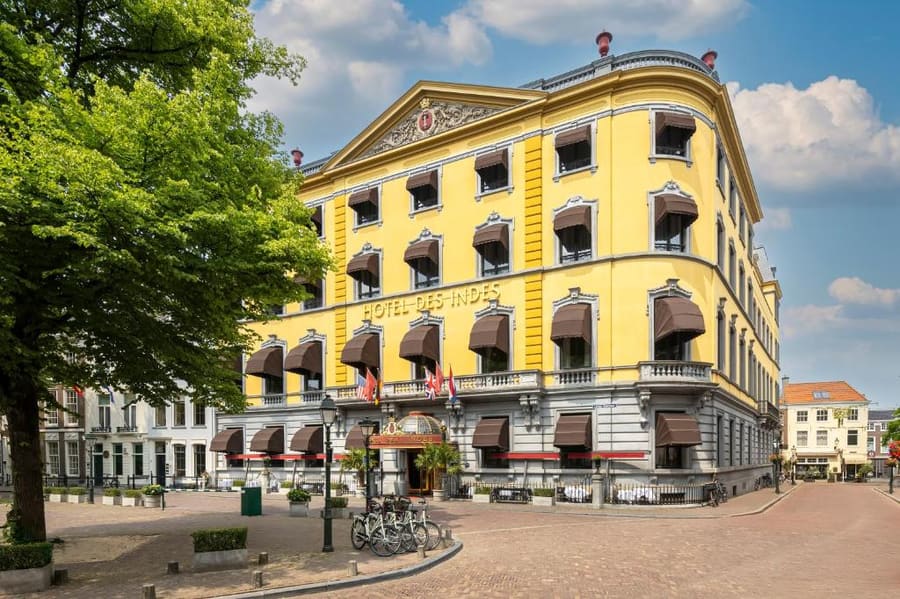
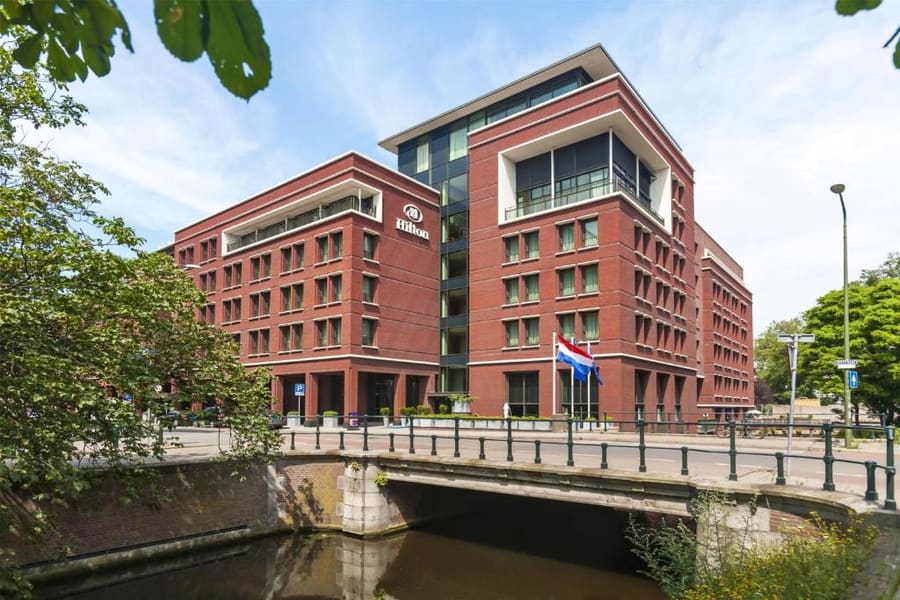
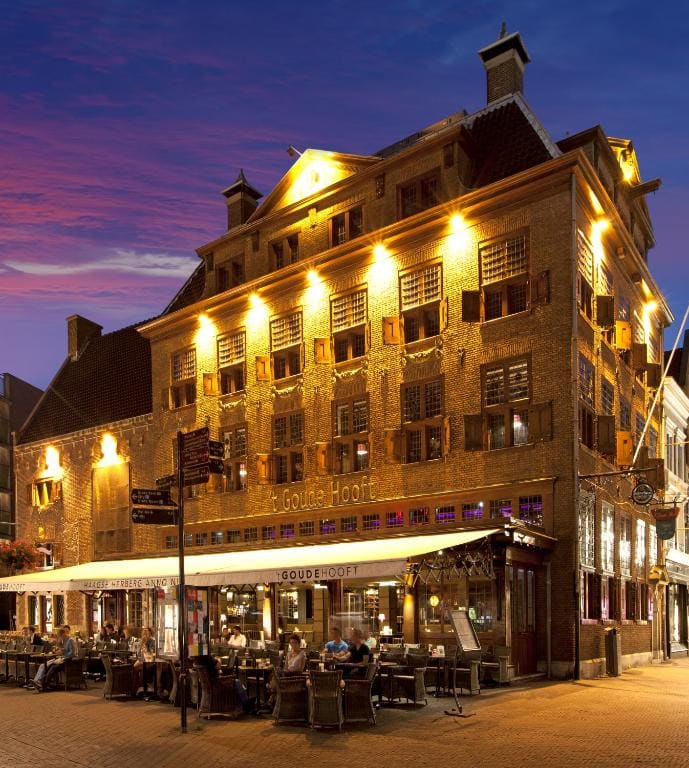
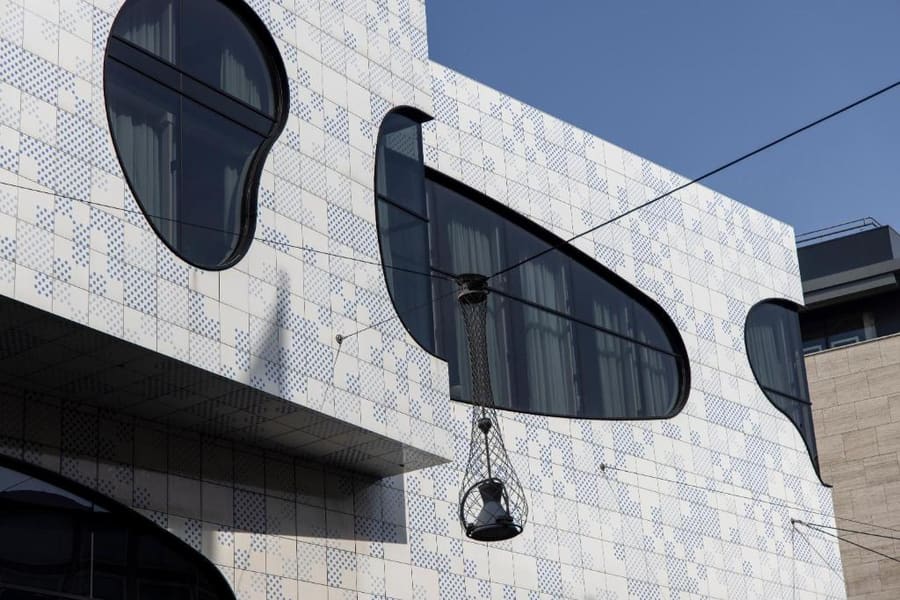
Choose your hotel location based on your daily priority. Stay in Centrum if you want short walks to art galleries, historic sites, and central train lines. Pick Scheveningen if you want morning beach runs and coastal air. Opt for Zeeheldenkwartier or Statenkwartier for quiet residential streets with independent dining choices.
Live rates, matched to the areas above.
transport
The public transport operator HTM runs an efficient network of electric trams and buses across the city. Trams are the fastest way to travel between the central train station and the beach. You do not need a paper ticket; you can tap in and tap out on vehicles using a contactless bank card or phone.
Tram Line 1 connects Station Hollands Spoor, Centrum, Peace Palace, and Scheveningen beach on a single route.
Tap your physical contactless debit card or phone on payment readers when boarding and exiting every tram.
Tram Line 9 provides a direct express route between Den Haag Centraal train station and Scheveningen Kurhaus.
Regular trams stop running around 00:30. HTM night buses operate on select routes on weekend nights.
cost
Prices in The Hague mirror standard Western European urban centers. Museum entries and public transport fares are fixed nationally or regionally. Dining costs vary significantly between casual Indonesian tokos and formal seafood dining establishments.
Standard adult admission ticket for Mauritshuis or Kunstmuseum.
A full rice plate with two meat dishes and two vegetable sides at a neighborhood toko.
Unlimited travel on all HTM trams and buses across the city for one calendar day.
Fresh broodje haring served with chopped onions at coastal fish stalls.
seasonality
MAR – MAY
Mild weather and spring bulb blooms nearby. Cool ocean breezes require light layers.
JUN – AUG
Warmest days for Scheveningen beach dining. Popular summer weekends bring busy seaside trams.
SEP – NOV
Autumn foliage in Lange Voorhout park and shorter museum queues. Increasing rain likelihood.
DEC – FEB
Cold winds off the North Sea. Ideal time for empty museum galleries and quiet dining.
practicalities
Many Dutch cafes and parking meters do not accept cash. Carry a Visa or Mastercard debit card.
Most major city museums, including the Mauritshuis, remain closed on Monday mornings or full days.
Red asphalt tracks are dedicated bike lanes. Pedestrians must keep clear of cycling traffic.
If staying in the Netherlands for multiple museum visits, purchase a Museumkaart for broad access.
Coastal temperatures are colder and windier than inland downtown streets. Pack a windproof layer.