landmark
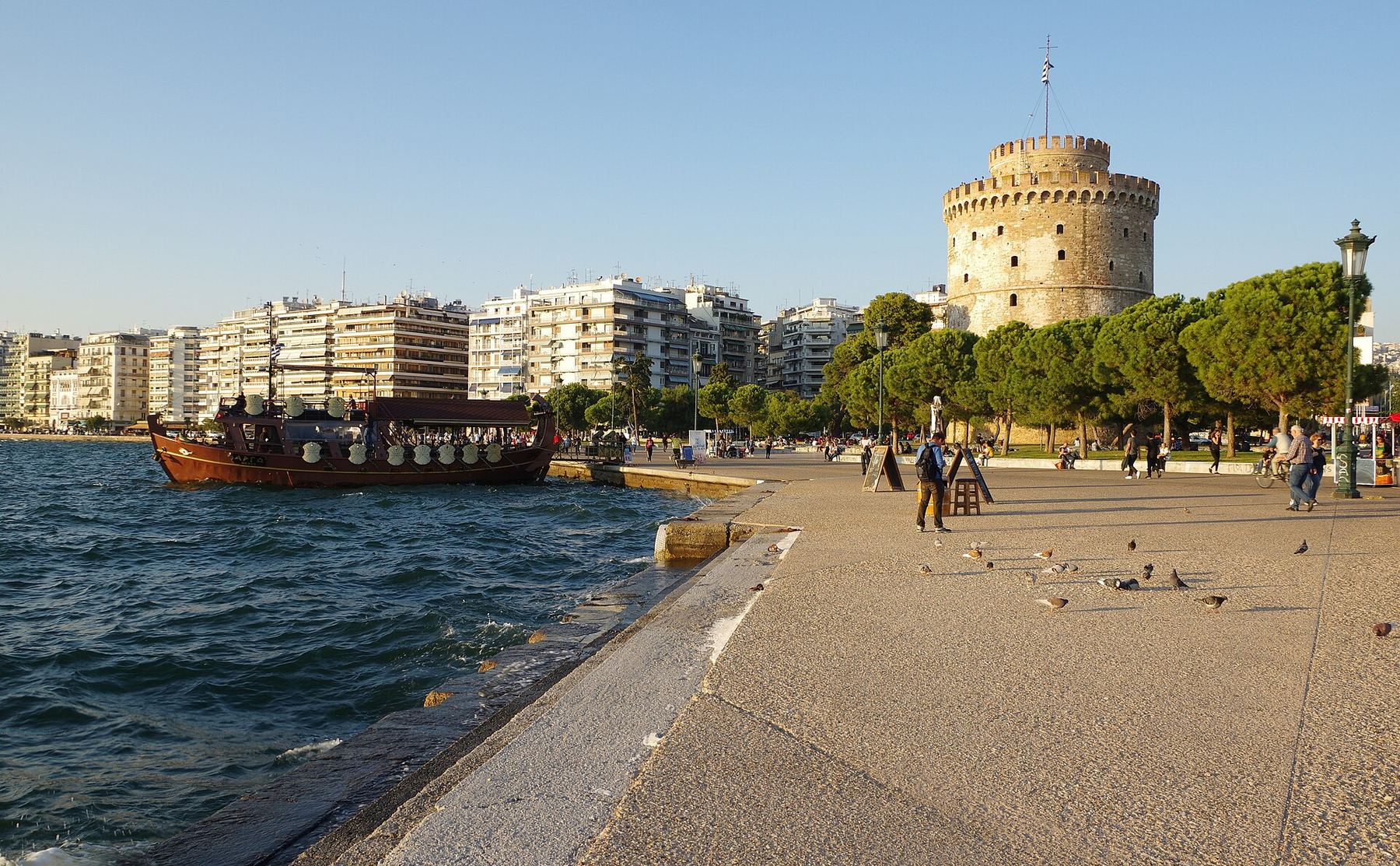
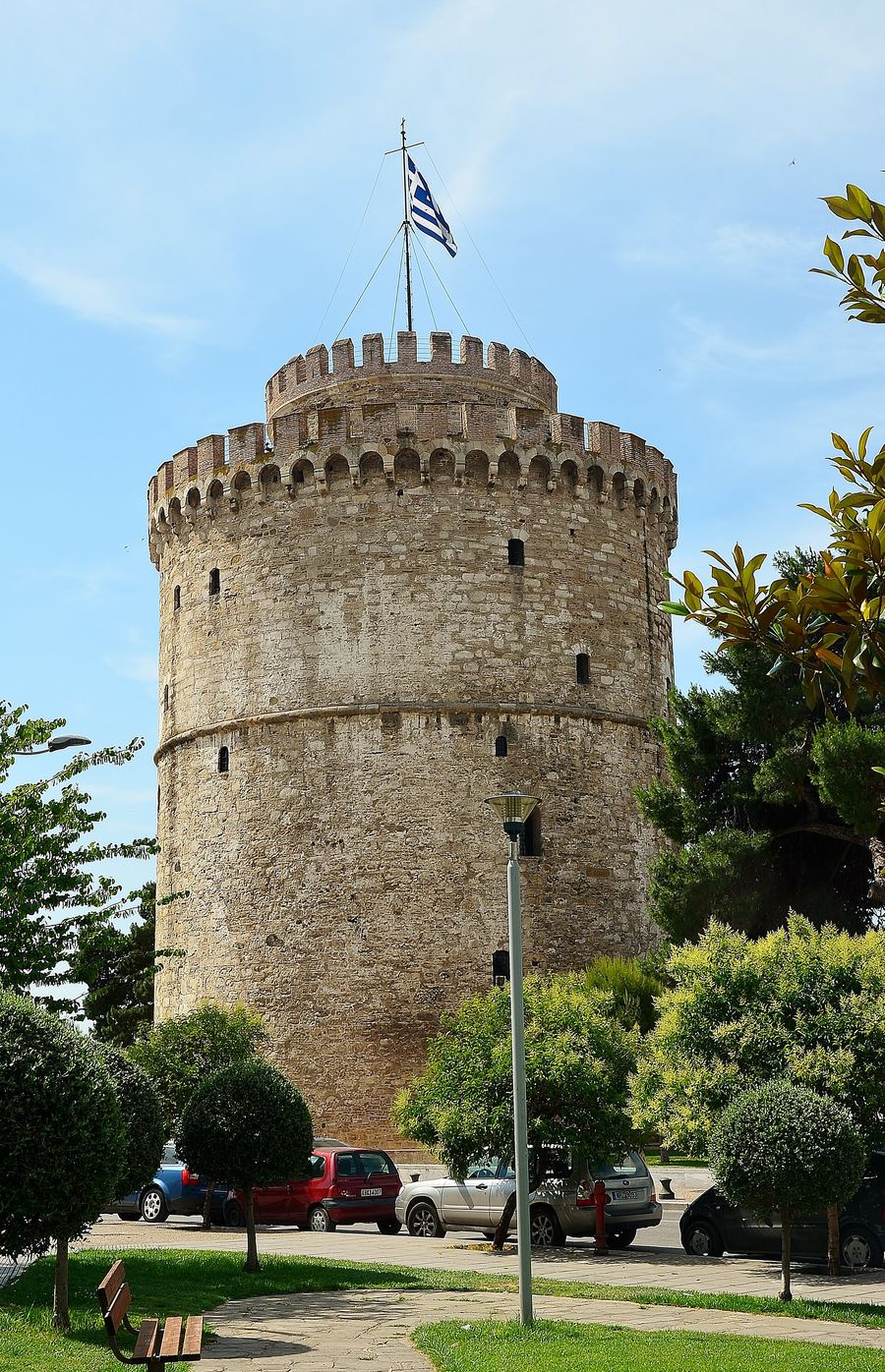
White Tower
This Ottoman fortification marks the waterfront edge. Climb the spiral stairs to the rooftop display for views of the gulf.
Ρωτήστε το ParleyΕλλάδα
Northern Greece's culinary capital on the Thermaic Gulf.
introduction
Thessaloniki stretches along five kilometres of open waterfront on the Thermaic Gulf. You navigate the city on foot along a grid rebuilt after the 1917 fire, sandwiched between the sea and the Ottoman upper town. The city trades postcard scenery for exceptional regional dining, Byzantine brick churches, and late-night street culture. Expect slow coffee drinking, loud traffic on Egnatia Street, and dense residential neighbourhoods.
Airport transit shortcut
Bus 1X connects Macedonia Airport to the city center in 40 minutes. Buy tickets at the kiosk outside arrivals for €1.80.
UNESCO heritage listing
Fifteen early Christian and Byzantine monuments across the city form a unified UNESCO World Heritage listing.
Thessaloniki
User:JFKennedy · Public domain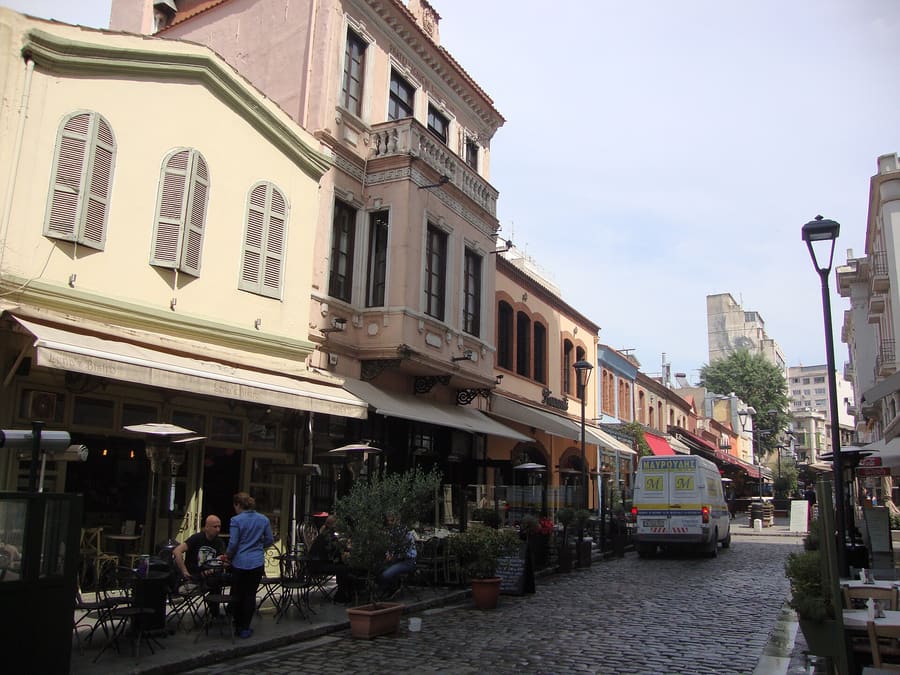
Ladadika — Restored warehouse quarter packed with dining tables and pedestrian streets.
XeresNelro · CC BY-SA 4.0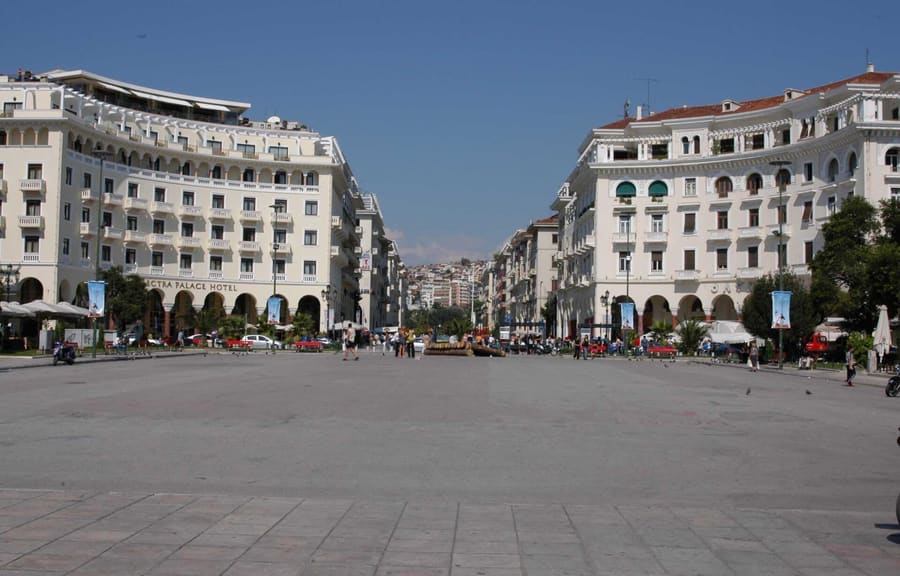
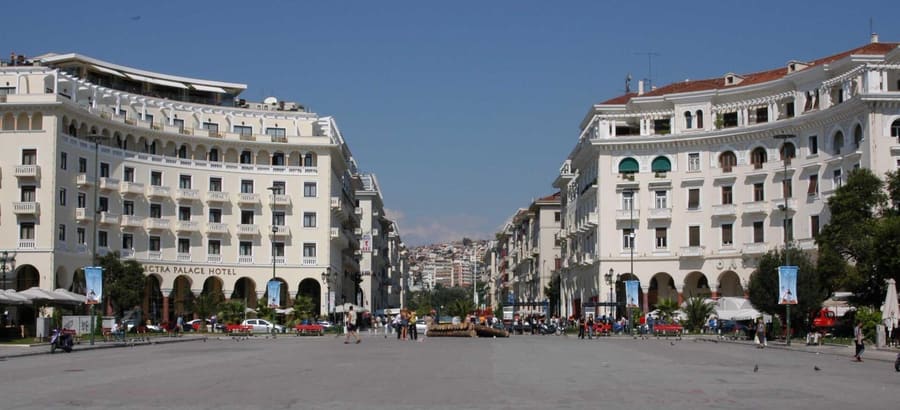
City Center — Grid of wide avenues, open squares, retail chains, and Roman ruins.
User:JFKennedy · Public domain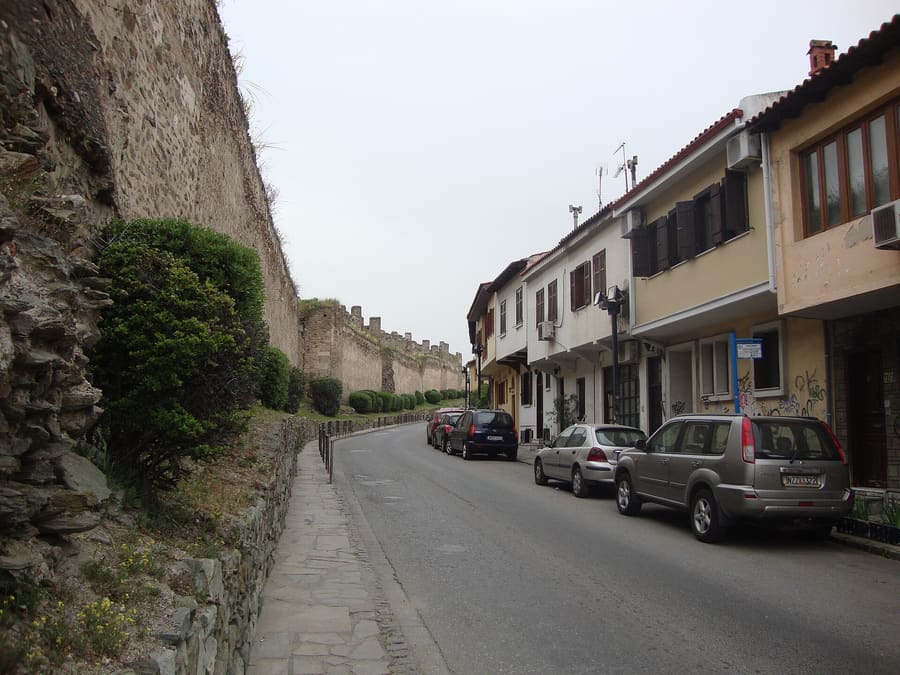
Ano Poli — Ottoman street grid with stone timber houses tucked inside city walls.
XeresNelro · CC BY-SA 4.0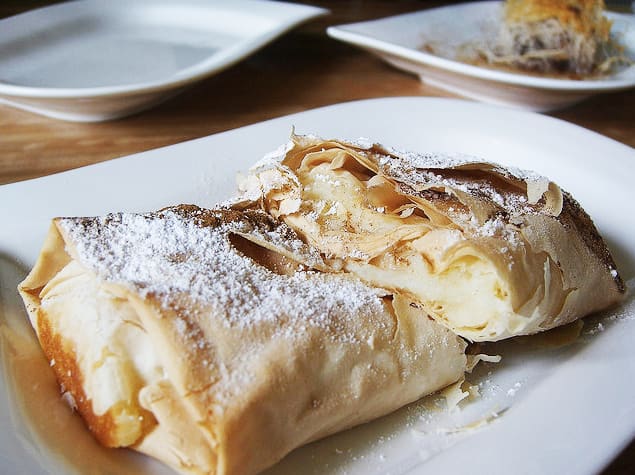
Freshly chopped cream bougatsa dusted with icing sugar and cinnamon.
avlxyz · CC BY-SA 2.0highlights
landmark
This Ottoman fortification marks the waterfront edge. Climb the spiral stairs to the rooftop display for views of the gulf.
Ρωτήστε το Parley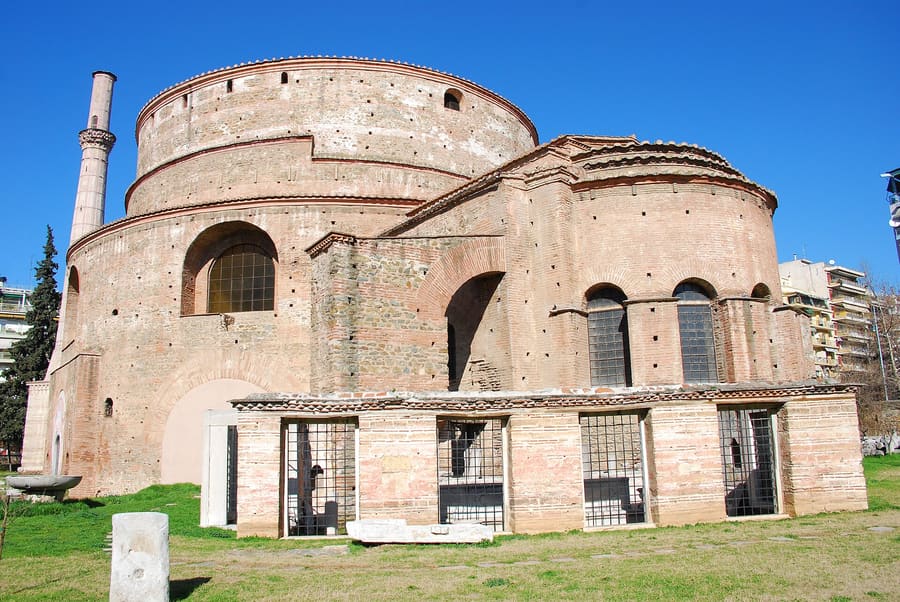
landmark
A Roman emperor built this massive circular dome in 306 AD. Visit early in the morning to view the surviving mosaic ceiling in quiet.
Ρωτήστε το Parley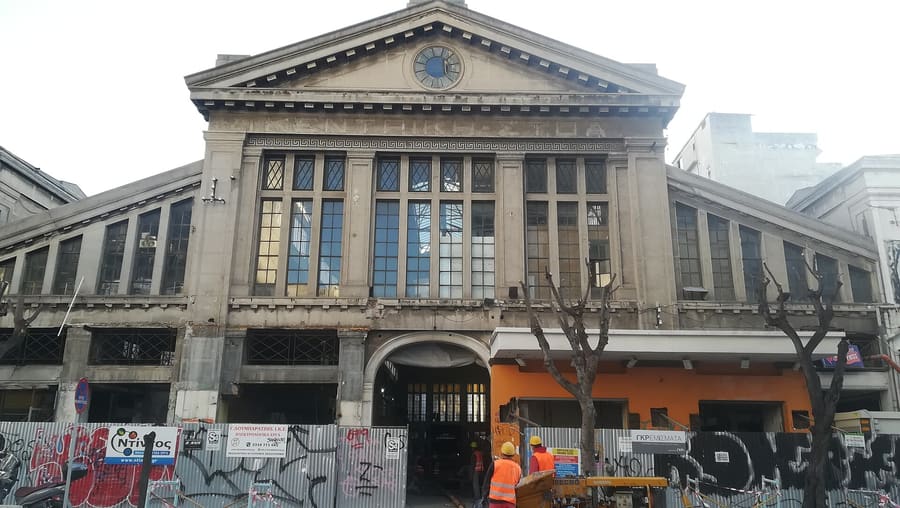
landmark
Eli Modiano designed this covered market in 1925. It now houses modern food stalls, wine bars, and traditional cured meat vendors.
Ρωτήστε το Parley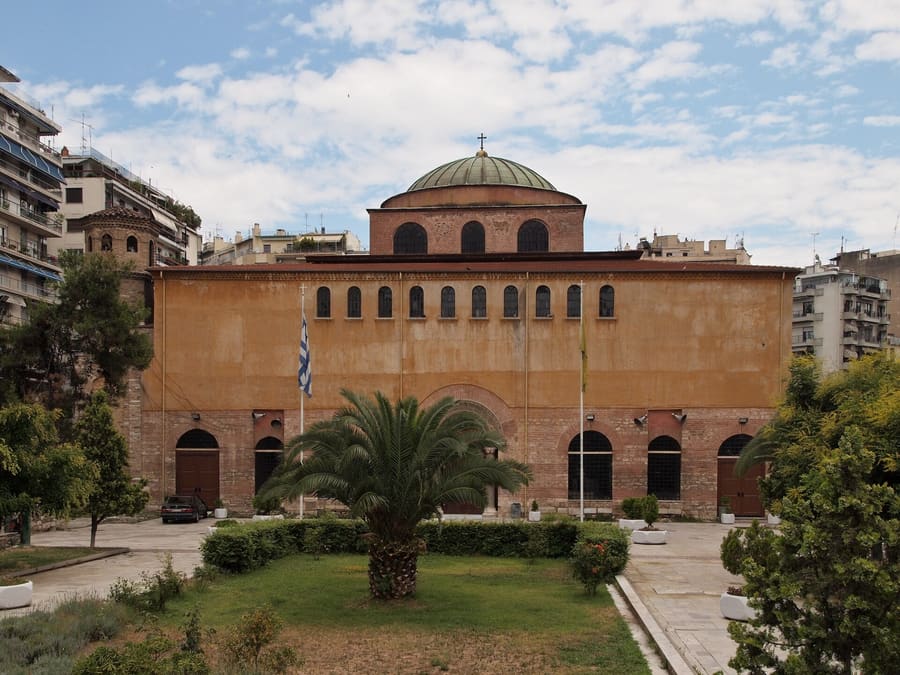
landmark
Built in the 8th century on an older basilican foundation. Step inside to see gold leaf mosaics preserved from the iconoclastic period.
Ρωτήστε το Parleyattractions
areas
Restored warehouse quarter packed with dining tables and pedestrian streets.
ΚοντάPort of Thessaloniki and Aristotelous Square
Ρωτήστε το ParleyGrid of wide avenues, open squares, retail chains, and Roman ruins.
ΚοντάModiano Market and waterfront promenade
Ρωτήστε το ParleyOttoman street grid with stone timber houses tucked inside city walls.
ΚοντάTrigonion Tower and Byzantine fortifications
Ρωτήστε το Parleyfood
Thessaloniki eats differently from southern Greece. Ottoman, Sephardic Jewish, and Anatolian refugee culinary traditions shaped the local kitchen over centuries. Breakfast centers on bougatsa, a crisp filo pastry filled with sweet semolina cream or savoury minced meat. Lunch shifts to local tsipouradika, where small seafood plates arrive with every round of distilled spirit. Dinners start late across tavernas serving spiced soutzoukakia meat patties.
Freshly chopped cream bougatsa dusted with icing sugar and cinnamon.
avlxyz · CC BY-SA 2.0Visit Bantis or Giannis early in the morning. Order cream bougatsa cut into bite-sized squares, dusted with cinnamon and icing sugar.
Order a 50ml bottle of tsipouro at a neighbourhood tavern. Every drink round brings a small complimentary plate of grilled seafood or pickles.
Pick up syrup-soaked trigona pastries from Elenidi or chocolate-covered tsoureki brioche from Terkenlis on Tsimiski Street.
history
King Cassander of Macedon founded the city in 315 BC, naming it after Alexander the Great's half-sister. Under Roman rule, it became a strategic capital along the Via Egnatia trade route connecting Rome to Byzantium. Ottoman forces captured the city in 1430, welcoming thousands of Sephardic Jews expelled from Spain in 1492. A fire in 1917 destroyed the historic core, leading French architect Ernest Hébrard to design today's street grid.
Foundation
King Cassander establishes the city as a strategic naval port for the Macedonian Kingdom.
Imperial capital
Emperor Galerius makes the city an imperial seat, constructing his triumph arch and the Rotunda.
Sephardic arrival
Thousands of Spanish Jewish refugees settle here, making the city a Mediterranean trade hub.
The Great Fire
A fire destroys two-thirds of the city, displacing 70,000 residents and reshaping its street layout.
Wartime tragedy
Occupying Nazi forces deport over 45,000 Jewish residents, shattering the city's historic core.
where to stay
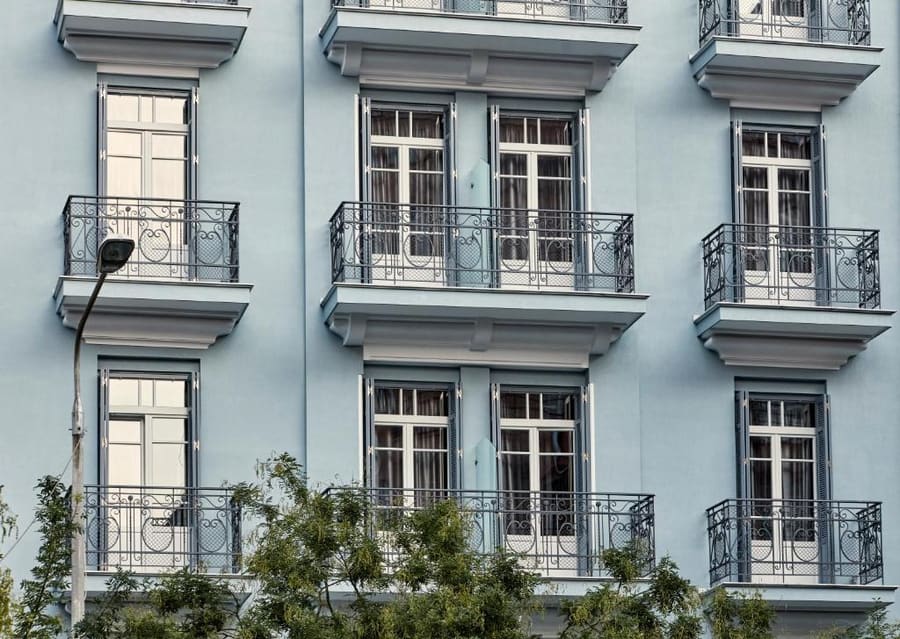
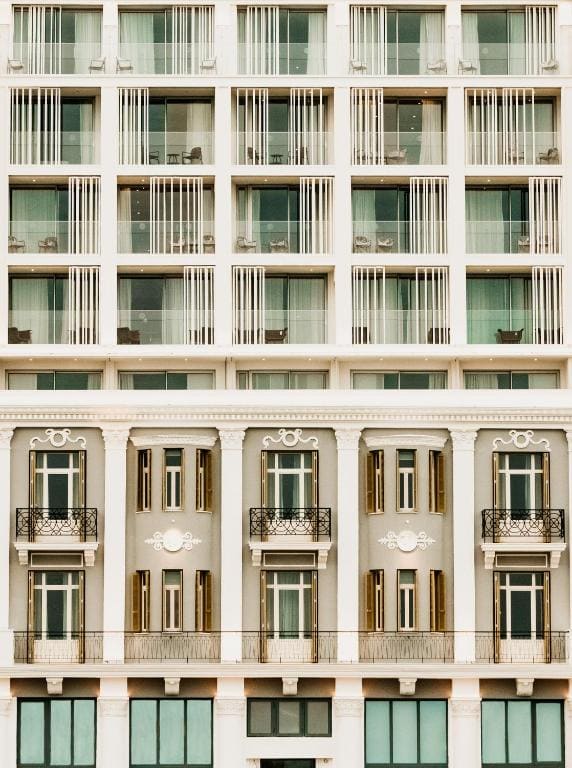
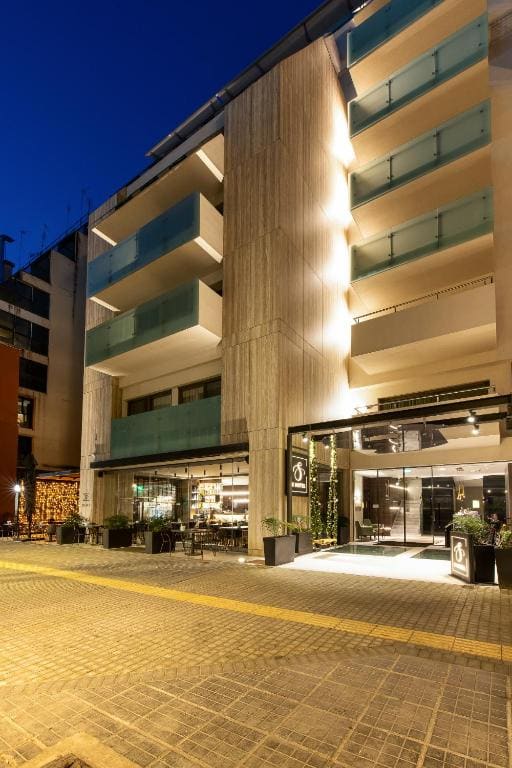
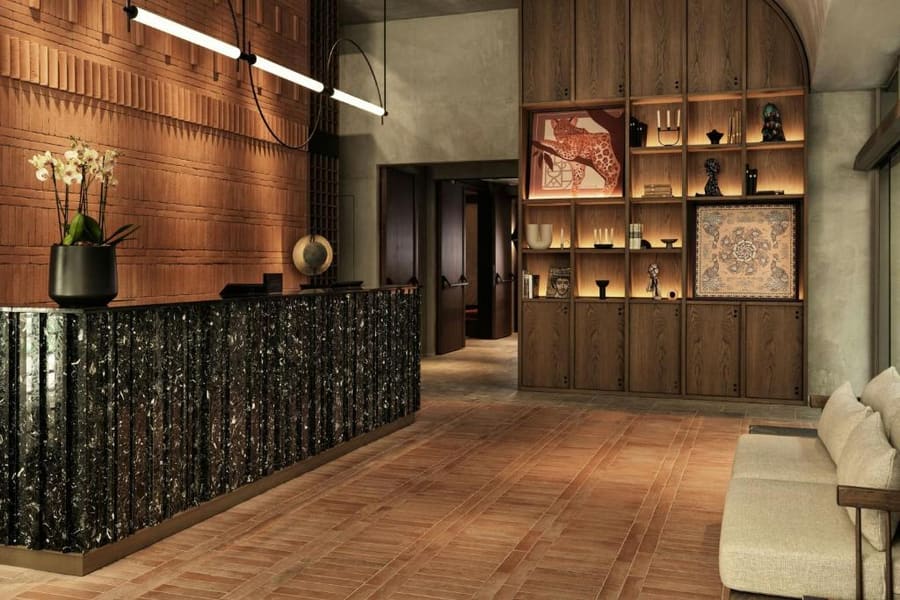
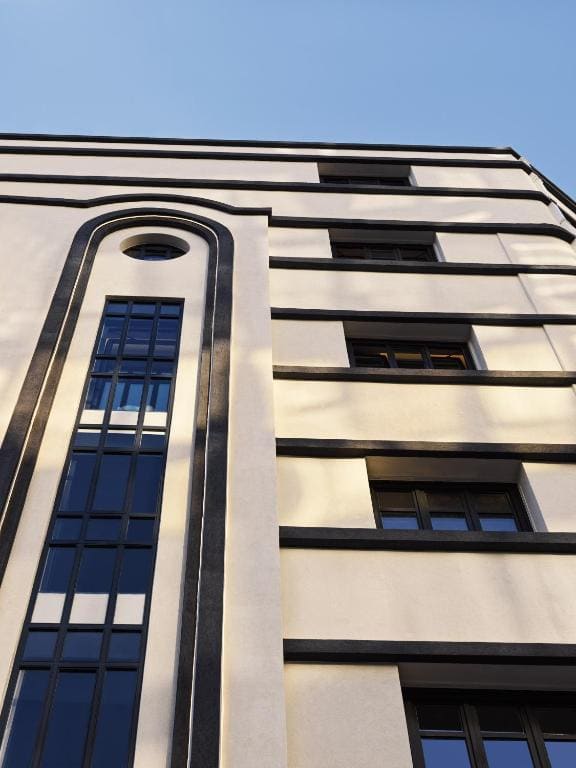
Choose your location based on traffic tolerance and hill climbs. The flat city center puts main avenues, shops, and Byzantine churches within walking distance. Ladadika suits travelers who prioritize late-night dining and short walks home after dinner. Upper Town provides quiet stone streets, though steep climbs are required. Kalamaria offers a coastal suburb atmosphere away from central traffic.
Live rates, matched to the areas above.
transport
Central Thessaloniki is walkable along its linear east-west street pattern. Public transportation relies on OASTH municipal buses and Thessaloniki Metro Line 1. Taxis operate on metered fares and are painted dark blue with white roofs. Walking along the flat seaside promenade remains the reliable choice for short coastal moves.
Από Macedonia Airport (SKG)
Express Bus 1X runs 24 hours between SKG airport and the main railway station.
Flat rates apply to central destinations. Rates increase after midnight.
Pre-booked drivers meet arriving passengers directly inside the terminal.
Buy single-ride OASTH bus tickets at kiosks before boarding. Onboard machines charge extra and do not return change.
Dark blue taxis accept street hails across central avenues. Standard meters run inside city limits; verify the meter is active.
Egnatia and Tsimiski streets experience heavy gridlock during afternoon hours (15:00–18:00). Walk or take the Metro during peak times.
cost
Thessaloniki offers lower daily expenses than Athens or Aegean island destinations. The city's large student population keeps everyday dining prices competitive. Iced coffee drinking is an extended daily social habit with a low cash outlay. Museum entrance fees remain affordable across state-run historical sites.
Standard price for iced coffee at seaside cafes, which includes table service for hours.
Generous single portion of cream or cheese pastry sliced fresh at specialist bakeries.
Covers multiple shared meze plates, a carafe of house wine or tsipouro, and dessert.
Standard fare for single urban bus or underground trips across the city network.
seasonality
MAR – MAY
Mild weather around 18°C suits city walks. Outdoor terrace cafes fill completely on sunny spring afternoons.
JUN – AUG
Temperatures exceed 35°C during peak afternoons. Locals leave the city for nearby Halkidiki beaches on summer weekends.
SEP – NOV
Warm sea temperatures and comfortable 22°C air. The International Film Festival fills central hotels in November.
DEC – FEB
Chilly sea winds drop temperatures toward 5°C. Damp days keep evening social life indoors inside tavernas.
practicalities
Independent shops close early around 15:00 on Mondays, Wednesdays, and Saturdays. Major retail chains keep continuous hours.
Taverna kitchens rarely serve dinner before 20:00. Dining rooms start filling up after 22:00.
Locals turn out to walk the seaside path on Sunday afternoons. Expect heavy foot traffic between Aristotelous Square and the White Tower.
Contactless cards are accepted almost everywhere, including bakeries and taxis. Keep minor euro coins for open produce markets.
Hotel rooms facing main avenues like Tsimiski or Egnatia take in vehicle sound all night. Ask for courtyard rooms when booking.