landmark
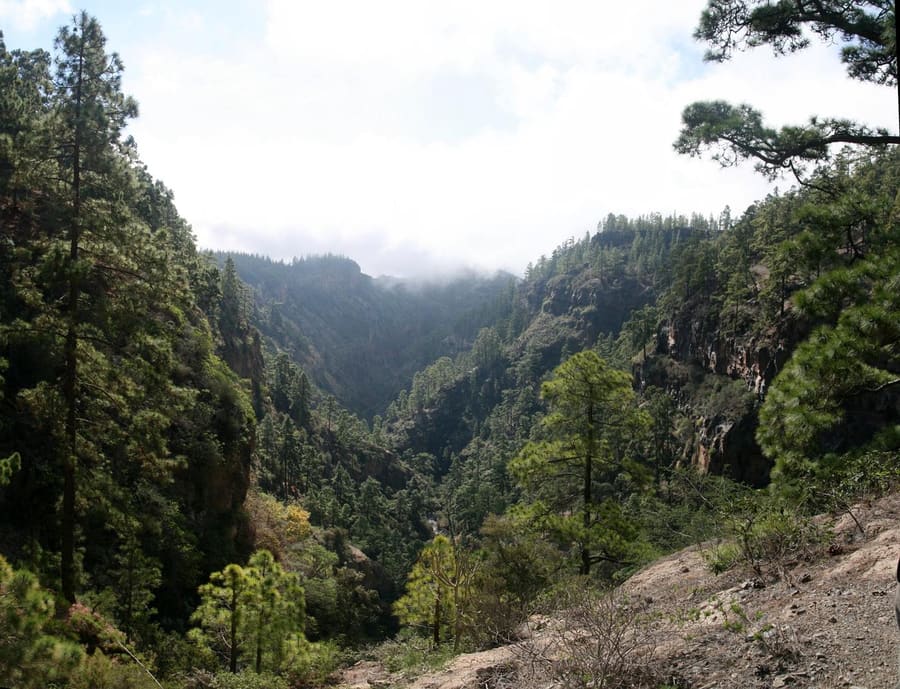
Barranco del Infierno
A deep gorge trail ending at a natural waterfall. Reserve mandatory entry tickets online three days ahead.
Ask ParleySpain
Canarian mountain heritage above a pristine Atlantic coast.
introduction
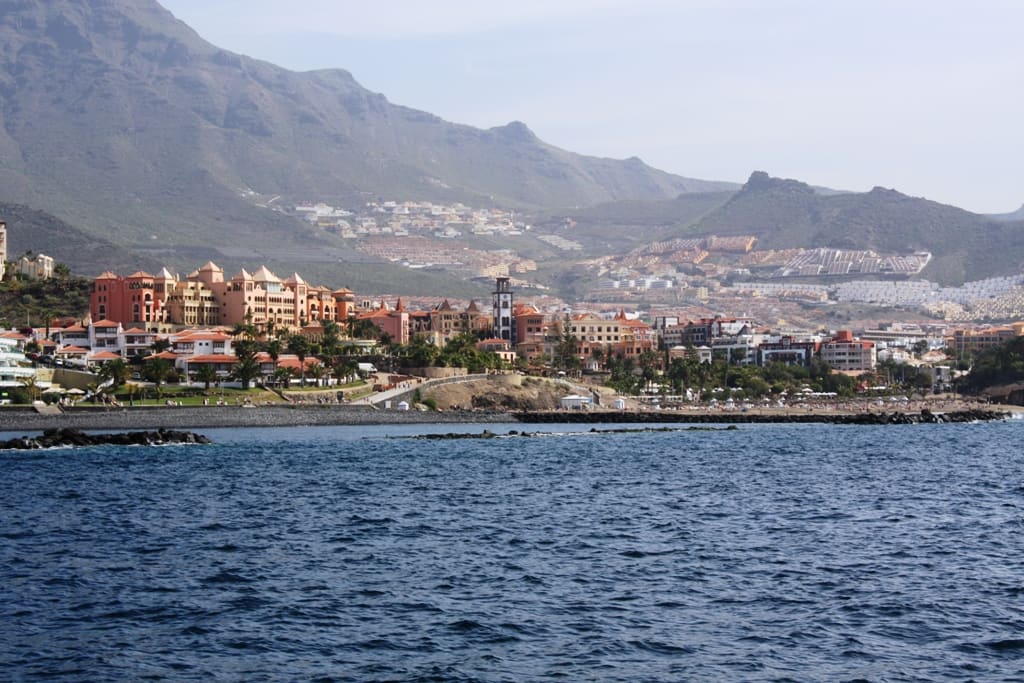
Adeje splits cleanly into two distinct worlds connected by a ten-minute drive uphill. On the Atlantic shore, Costa Adeje offers manicured resort promenades, calm swimming coves, and high-end dining. Sitting at around 280 to 300 metres above sea level, Adeje Casco remains an authentic Canarian mountain town with steep stone alleys and local garlic chicken taverns. Moving between the coast and the highlands requires either a rental car or reliant use of the TITSA bus network.
Airport transport shortcut
TITSA bus line 40 runs from Tenerife South Airport to Costa Adeje bus station in 25 minutes for €3.70.
Strict canyon access limits
Barranco del Infierno permits only 300 hikers per day to protect native flora; online permits must be booked days ahead.
Highland temperature shift
Adeje Casco sits 280 metres above sea level and runs roughly 3°C cooler than the beach resorts below.
highlights
landmark
A deep gorge trail ending at a natural waterfall. Reserve mandatory entry tickets online three days ahead.
Ask Parley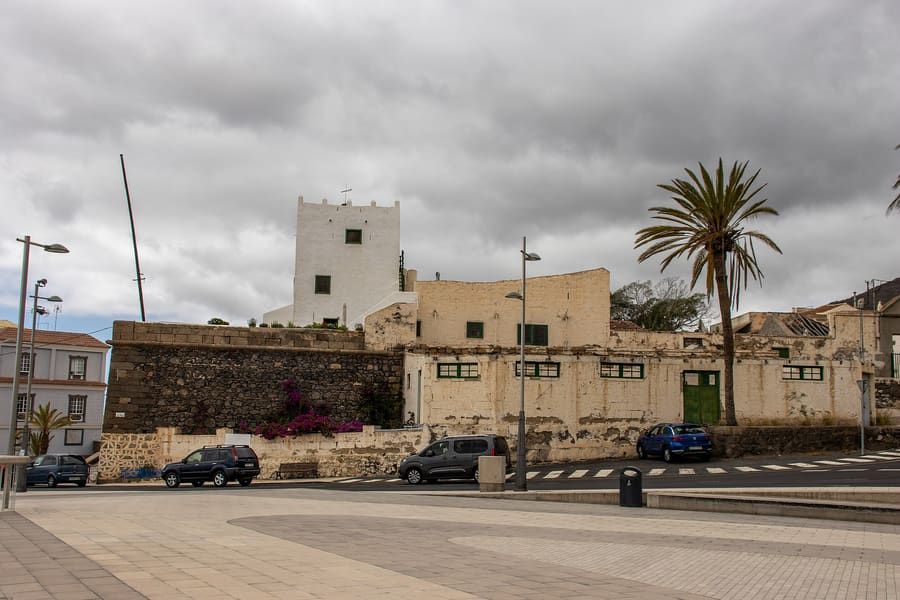
landmark
Fortified 16th-century estate that defended against pirate attacks. Viewable from the exterior on Calle Castillo.
Ask Parley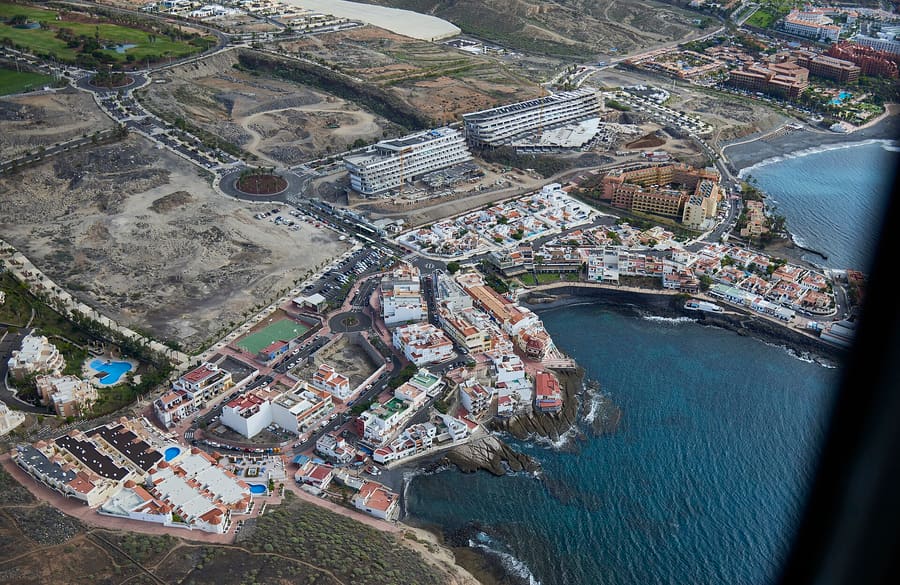
landmark
A natural inlet flanked by waterside fish restaurants. Swimming off stone ramps is easiest at high tide.
Ask Parleyattractions
areas
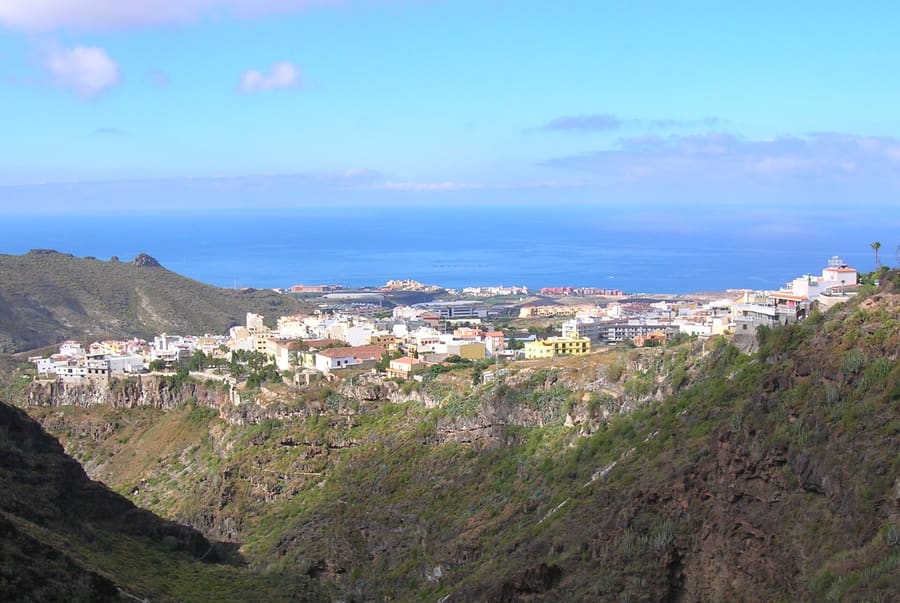
Quiet hillside town centre with shaded plazas, steep lanes, and local taverns.
NearbyBarranco del Infierno, Santa Úrsula Church
Ask Parley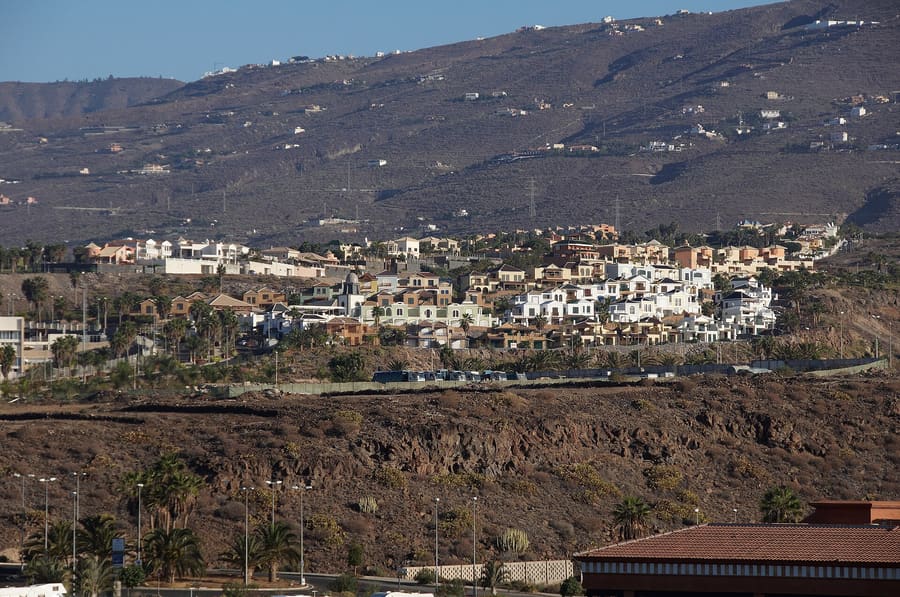
Bustling coastal stretch packed with family beach clubs, watersports, and markets.
NearbyPlaya Fañabé, Siam Park, Costa Adeje Market
Ask ParleyPristine oceanfront lined with five-star resorts and designer shopping plazas.
NearbyPlaya del Duque, Plaza del Duque Shopping Centre
Ask ParleyA coastal enclave focused on fresh fish, rocky coves, and sunset drinks.
NearbyEnramada Beach, oceanfront dining strip
Ask Parleyfood
Adeje's food landscape is strictly divided by elevation. Upper Adeje Casco is famous across Tenerife for pollo al ajo (crispy fried garlic chicken), served alongside papas arrugadas (wrinkled salt potatoes) and red or green mojo sauce. Down on the coast at La Caleta, menus pivot instantly to sea bass, limpets, and cherne (wreckfish) hauled directly from Atlantic waters.
Taverns along Calle Grande serve half a garlic chicken with potatoes for under €12. Oasis and Otelo are the two classic establishments.
Coastal restaurants display the daily catch on ice. Confirm the price per kilogram before agreeing to split a whole fish.
Mojo rojo uses dried red peppers and cumin, while mojo verde relies on cilantro and garlic. Every kitchen blends its own distinct recipe.
history
Long before northern European sunseekers arrived, Adeje was the capital of the Guanche kingdom of mencey Tinerfe. Following the Spanish conquest in the late 15th century, the Ponte family established a feudal manor and sugar estate protected by the fortified Casa Fuerte. Adeje remained a small agricultural municipality producing tomatoes and bananas until coastal resort development began in the 1970s.
Spanish conquest
Conquistador Alonso Fernández de Lugo claims the Guanche menceyato of Adeje for the Crown of Castile.
Casa Fuerte built
The Ponte family builds a fortress complex to safeguard sugar mills and local residents against North African pirates.
Coastal transformation
Initial hotel construction starts along the coastline, laying the groundwork for modern Costa Adeje.
Siam Park opens
Opening of the 18-hectare water park shifts Adeje into a global leisure destination.
where to stay
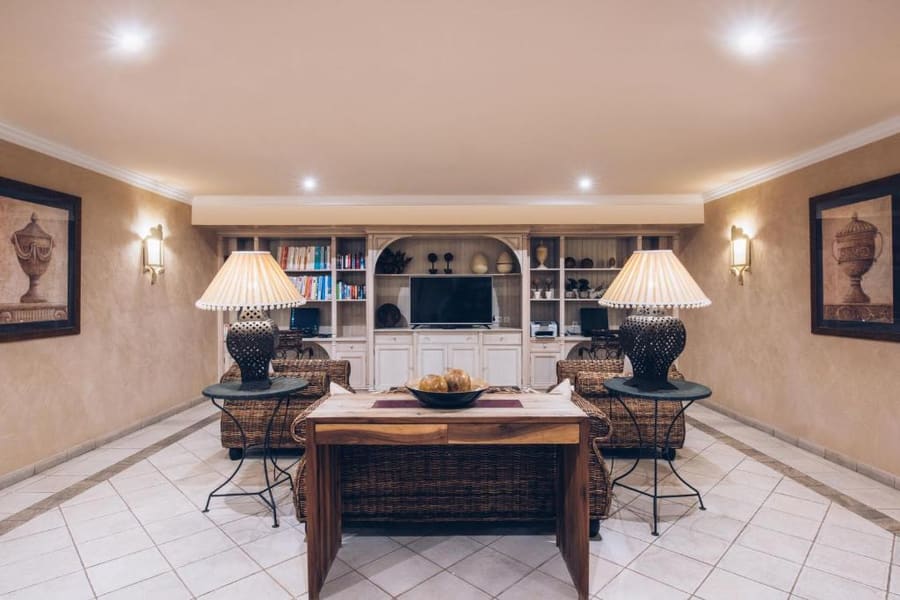
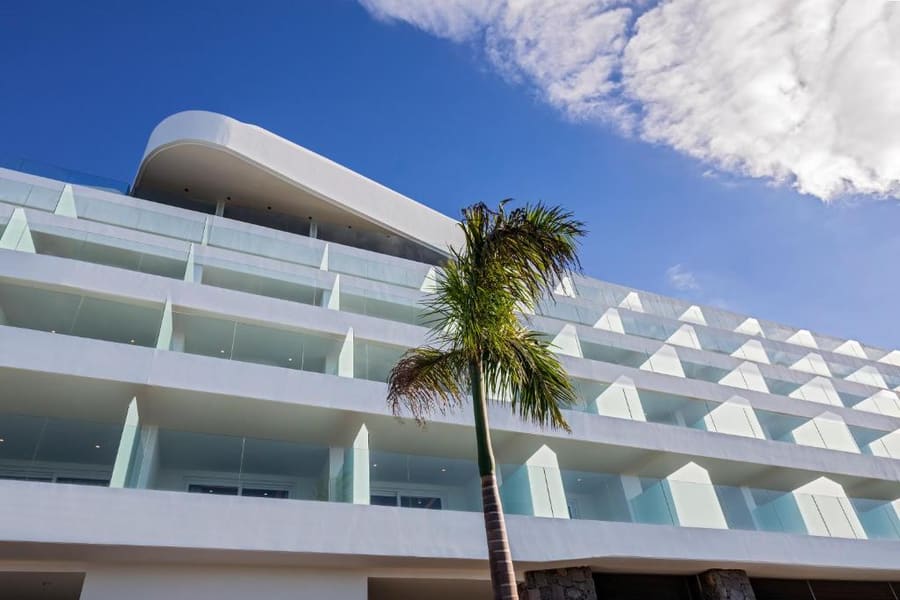
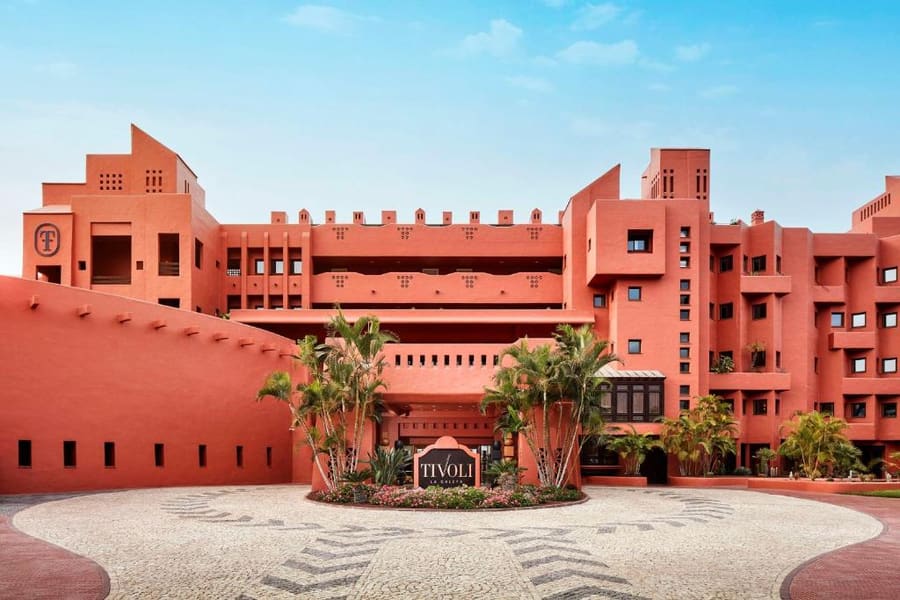
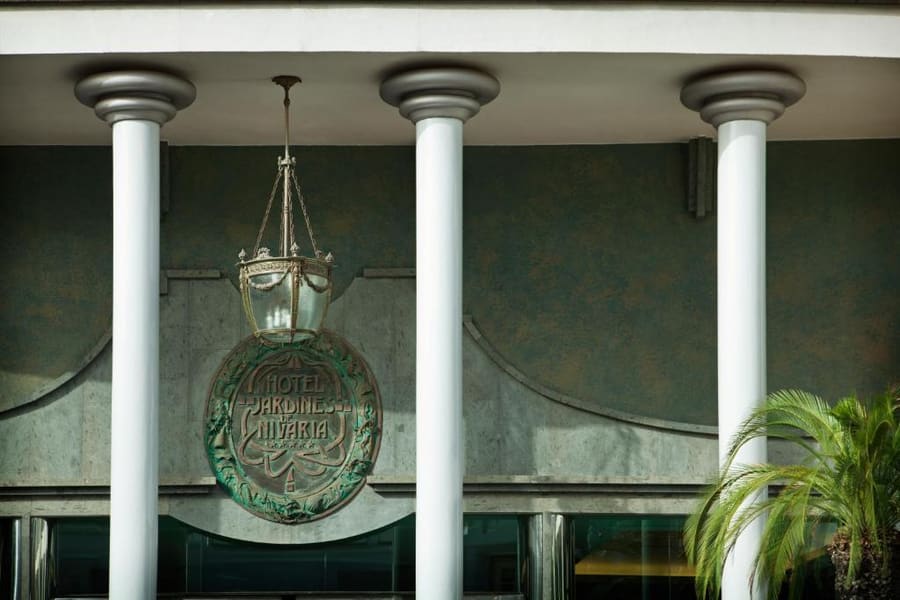
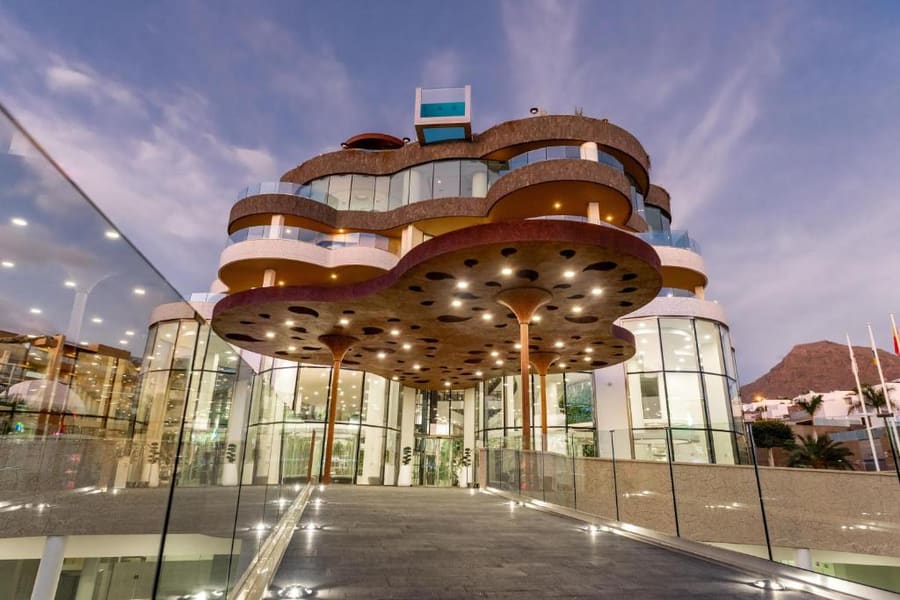
Choose your base based on your daily priority: immediate beach access and high-end service, or quiet highland mountain views and lower night rates. The coastal Strip requires larger budgets, whereas Adeje Casco provides smaller boutique options minutes from nature trails.
Live rates, matched to the areas above.
transport
The TITSA public bus network connects all coastal resort zones to Adeje Casco efficiently. If you plan to explore Mount Teide or remote northern towns, renting a car at the airport saves significant time.
From Tenerife South Airport (TFS)
Line 40 runs direct to Costa Adeje station every 30 minutes until midnight.
Available 24 hours outside arrivals. Standard meter rates apply with airport supplement.
Pre-booked driver meets you inside arrivals holding a name sign.
Tap a contactless bank card or purchase a Ten+ card at bus stations to save 20% compared to cash fares.
Official taxis are white cars with green roof lights. Taxi ranks sit outside all major resort reception desks.
Adeje Casco has narrow streets with limited parking; park in the public underground garage on Avenida de la Constitución.
cost
Adeje operates under Canary Islands IGIC tax (7%), which keeps restaurant and retail prices slightly below mainland Spanish averages, though coastal resort zones carry a premium.
Includes half a fried chicken, potatoes, and bread in traditional Adeje Casco taverns.
Draft Dorada beer served in coastal bars and village plazas.
Covers short inter-resort trips up to the airport transfer route.
seasonality
DEC – FEB
Northern European winter escape peak. High room rates; ocean temperatures average 19°C.
MAR – MAY
Pleasant warmth and lower hotel rates between Easter and summer. Ideal conditions for hiking.
JUN – AUG
Warmest ocean conditions (23°C) and hot sunny days. Spanish mainland tourists arrive in force.
SEP – NOV
Warmest sea water of the year paired with moderate crowd levels and reliable sunshine.
practicalities
The southern Canarian sun is intense even under light cloud cover. Apply SPF 50 sunscreen daily.
Barranco del Infierno park rangers inspect footwear at the entrance gate. Flip-flops and sandals are turned away.
Canary Islands sales tax (7% IGIC) must be included in displayed menu prices by law.
Shops in Adeje Casco often close between 13:30 and 16:30, though resort shops on the coast stay open continuously.
Red flags indicate dangerous Atlantic swells. Never swim at La Caleta or open beaches when red flags fly.