landmark
Ilha Grande
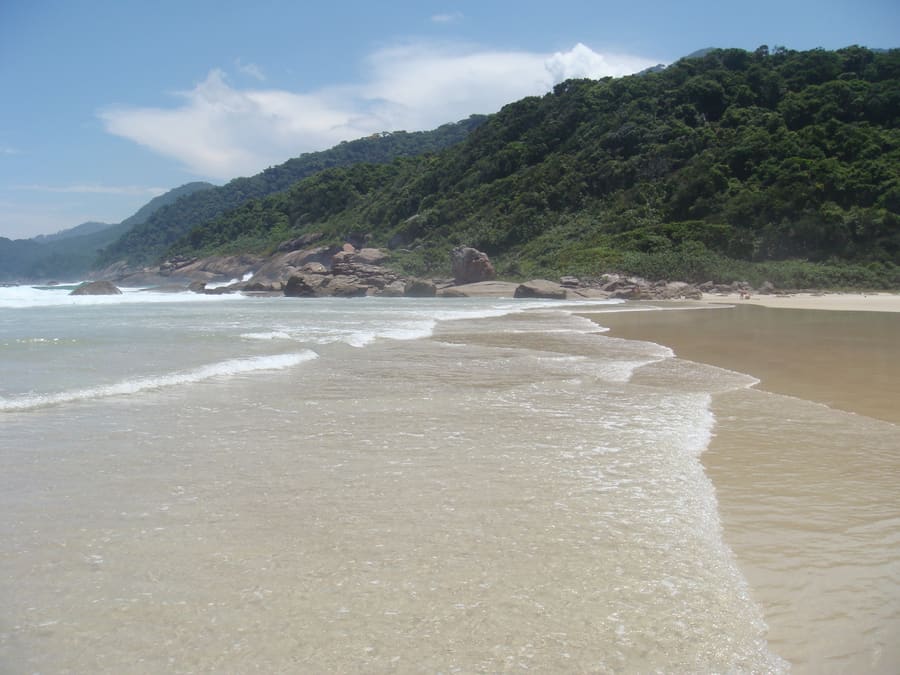
Cars are banned on this tropical island. Catch the daily CCR Barcas ferry from Cais de Santa Luzia.
Ask ParleyBrazil
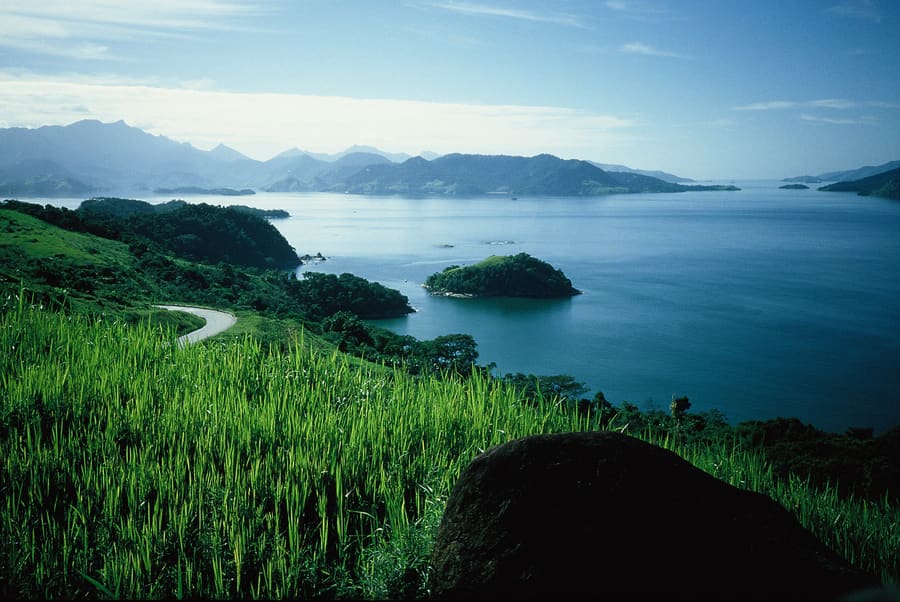
A bay of 365 islands where mobility happens by boat.
introduction
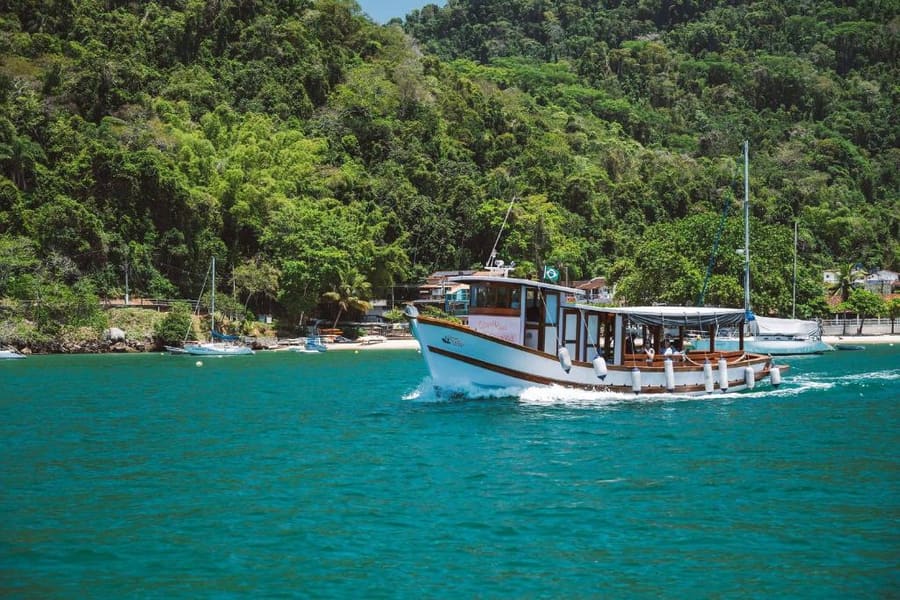
Angra dos Reis is a mainland port town anchored in a bay of 365 tropical islands. The mainland urban core functions as a transit point, so life moves onto the water as soon as you step off the dock. You navigate this archipelago using slow public ferries, scheduled water taxis, or private speedboats. Expect quiet white-sand coves, green Atlantic rainforest, and straightforward seafood cooked with local bananas.
Ferry efficiency
The public CCR Barcas ferry is the cheapest connection to Ilha Grande. Water taxis cost five times as much but reduce transit time from ninety minutes to thirty.
World Heritage listing
UNESCO inscribed Ilha Grande and neighboring Paraty as a World Heritage site in 2019. The mainland port serves as the primary jumping-off point for the region.
Morning boat departure
Book boat charters at Cais de Santa Luzia before 09:00. Shared schooners leave by 10:00 and lose daylight by 16:00.
Angra dos Reis
Claus Bunks aka Afrobrasil on flickr · Public domain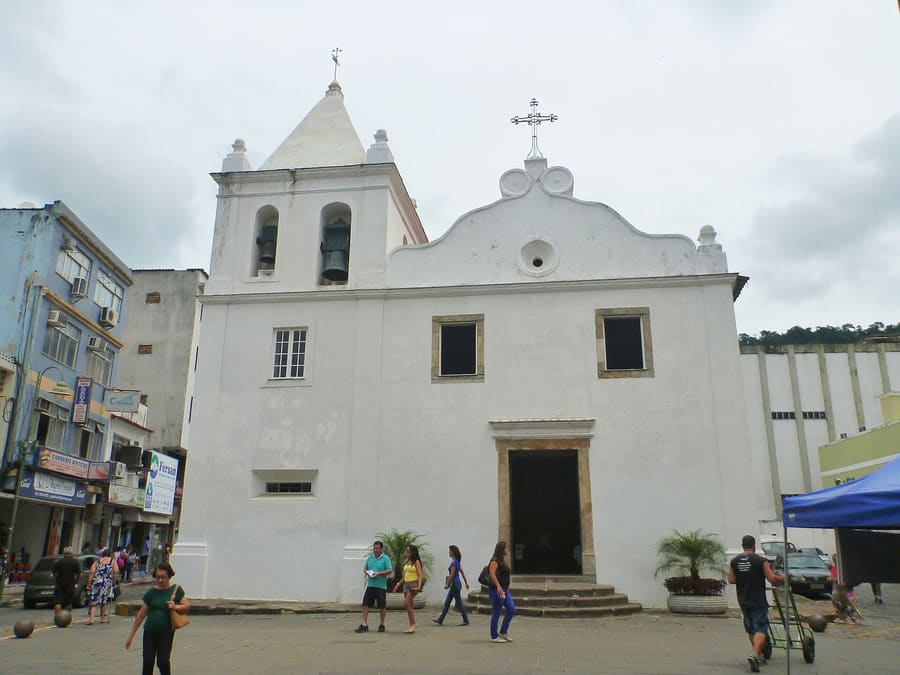
Centro — A functional mainland port focused on ferry transit rather than beach lounging.
Fulviusbsas · CC BY-SA 4.0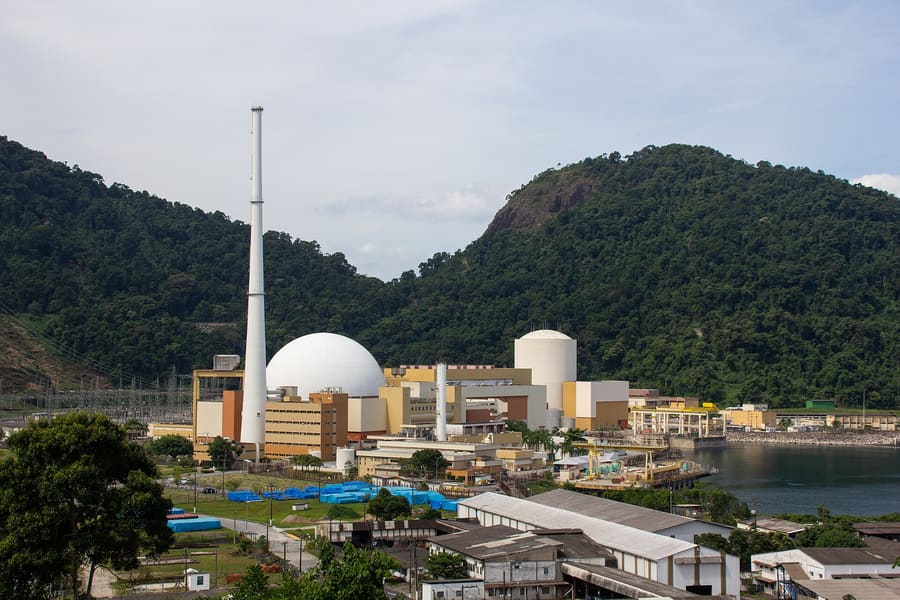
Frade — Private luxury enclave with marina access and isolated beaches.
Photograph by Mike Peel (www.mikepeel.net). · CC BY-SA 4.0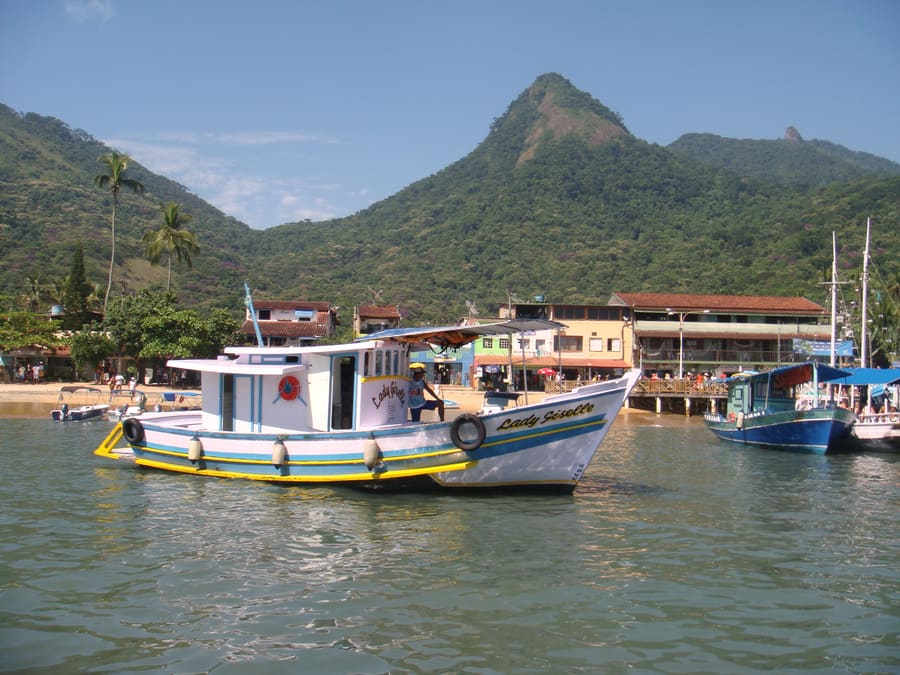
Vila do Abraão — Car-free hub with dirt roads, beachfront dining, and trailheads.
Fulviusbsas · Public domain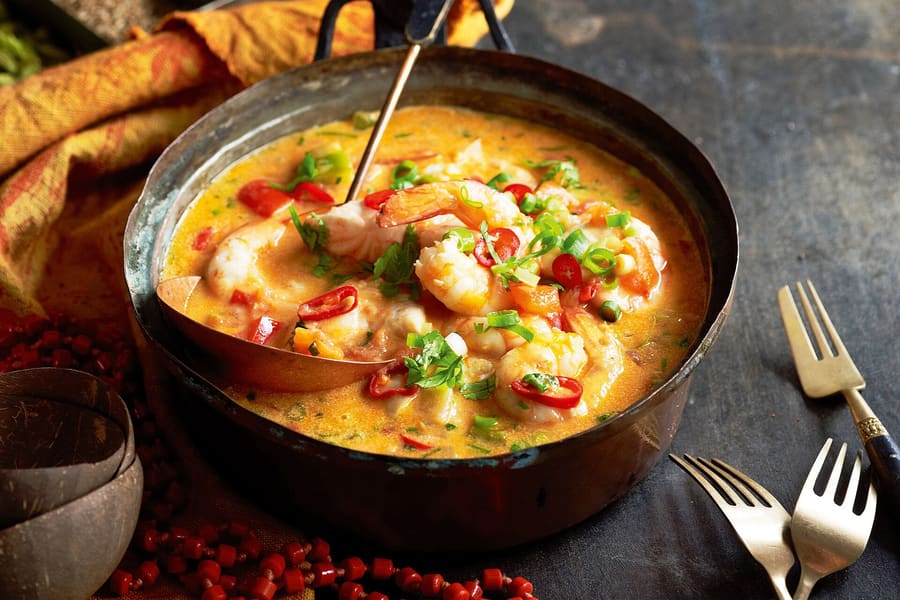
Peixe com banana cooked with local bay catch and green plantains.
BR · CC BY-SA 4.0highlights
landmark
Cars are banned on this tropical island. Catch the daily CCR Barcas ferry from Cais de Santa Luzia.
Ask Parley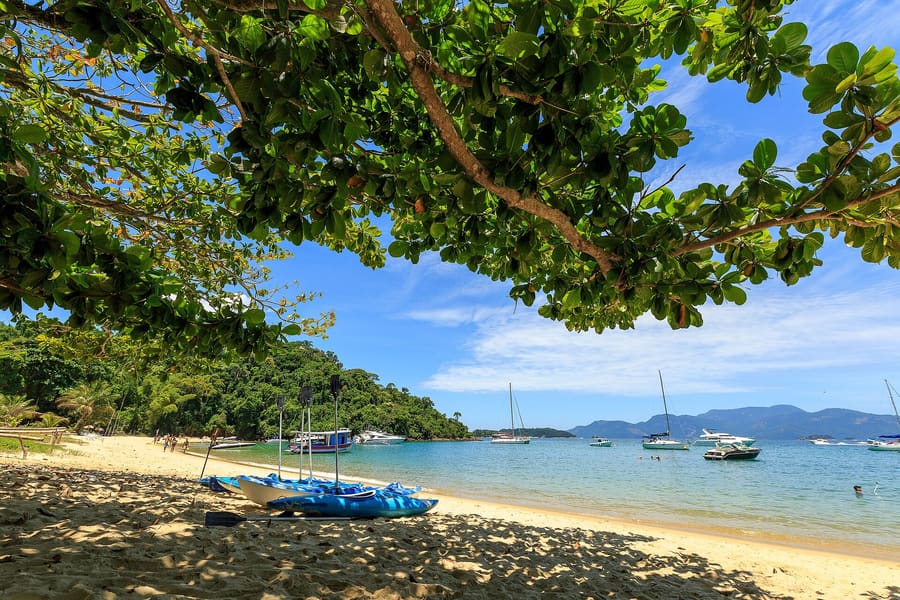
landmark
A quiet white-sand cove on Ilha da Gipoia. Floating restaurants deliver seafood directly to anchored boats.
Ask Parley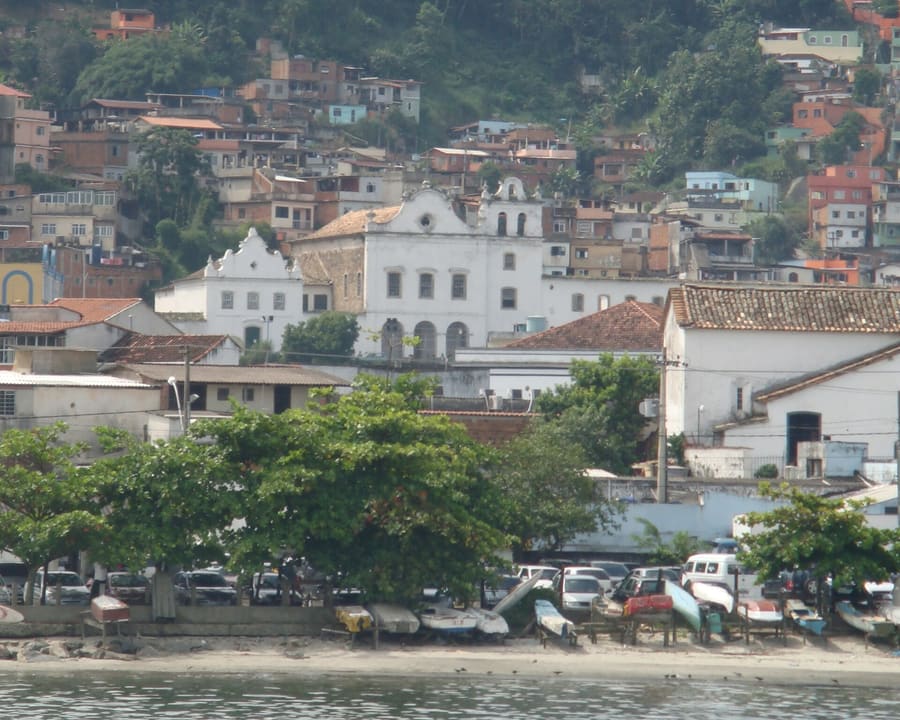
landmark
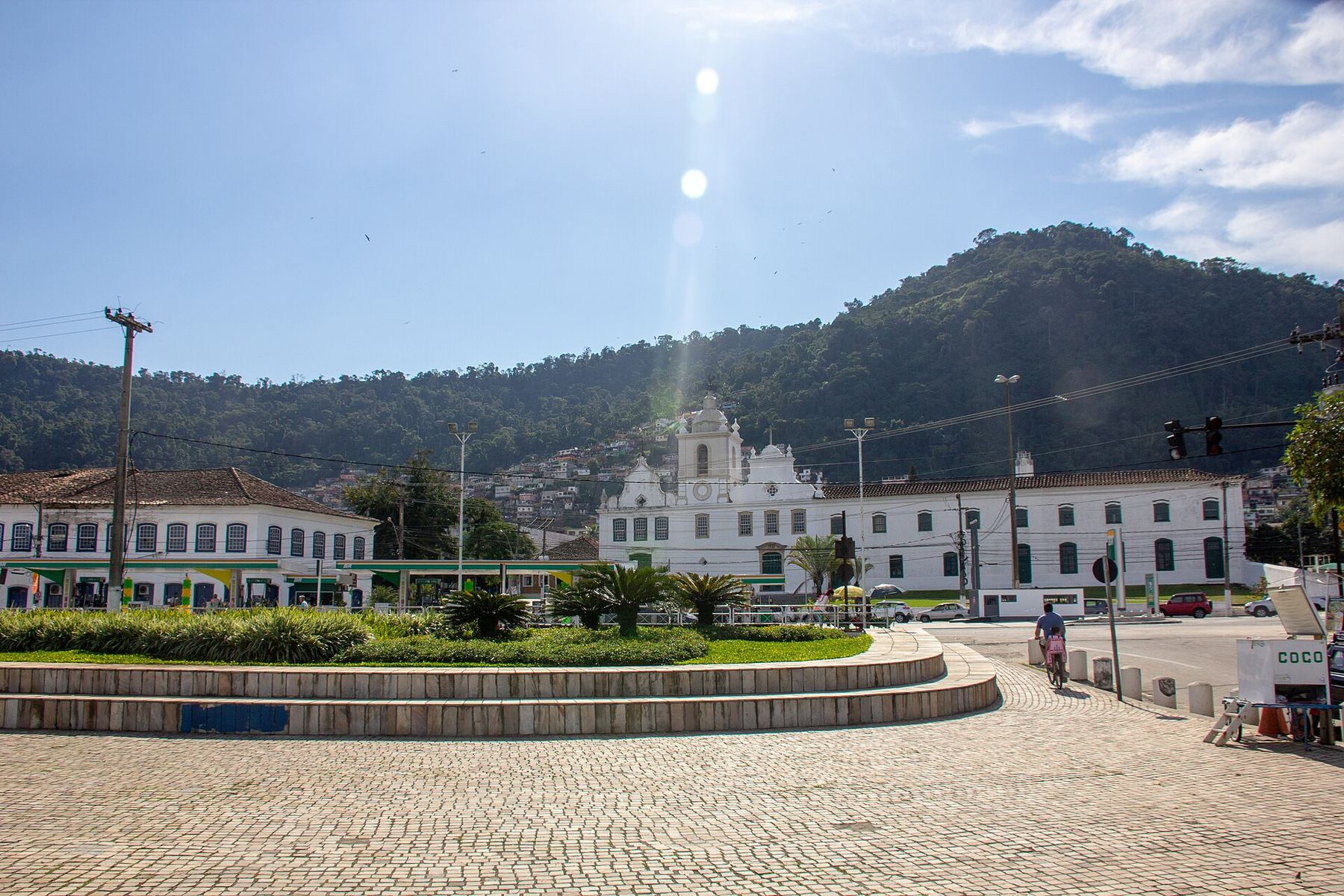
A seventeenth-century colonial monastery in the city center. Walk up from the pier to see original stone masonry.
Ask Parleyattractions
areas
A functional mainland port focused on ferry transit rather than beach lounging.
NearbyCais de Santa Luzia, Convento do Carmo
Ask ParleyPrivate luxury enclave with marina access and isolated beaches.
NearbyPico do Frade, Saco do Mamanguá access
Ask ParleyCar-free hub with dirt roads, beachfront dining, and trailheads.
NearbyLopes Mendes, Aqueduto, Abraãozinho
Ask ParleyIsland life with upscale beach bars accessible only by water.
NearbyPraia do Dentista, Ilhas Botinas
Ask Parleyfood
Coastal cuisine in Angra dos Reis centers on fresh catches from the bay prepared using regional traditional methods. The signature regional dish is peixe com banana, a thick stew featuring local white fish braised with unripened plantains and coriander. You eat this at waterfront restaurants along the mainland docks or on neighboring islands.Because much of the coastline lacks road access, a distinct ecosystem of flutuantes—floating barge restaurants—operates in the sheltered coves around Ilha da Gipoia. Boats tie alongside these barges, and deckhands deliver grilled squid, fried fish, and cold drinks directly to your boat ladder.
Peixe com banana cooked with local bay catch and green plantains.
BR · CC BY-SA 4.0Anchor at Praia do Dentista and wave down a water taxi or pull up directly to a floating kitchen barge.
Floating barges accept card payments via satellite, but bring cash as card machines fail in heavy rain.
history
Angra dos Reis entered European maps in January 1502 when Portuguese explorers anchored in the bay. The settlement developed into a major colonial port exporting sugar, coffee, and gold brought down from the interior mountains. When railways bypassed the port in the late nineteenth century, economic activity stalled until modern highway infrastructure arrived.
Portuguese arrival
Navigators enter the sheltered bay on January 6, naming it Angra dos Reis (Creek of the Kings).
Coffee trade
The port prospers by exporting coffee and sugar harvested in the nearby Paraíba Valley.
Highway connection
Construction of the BR-101 coastal highway links Angra directly to Rio de Janeiro and Santos.
UNESCO status
Ilha Grande and neighboring Paraty receive UNESCO World Heritage status for biodiversity and cultural heritage.
where to stay
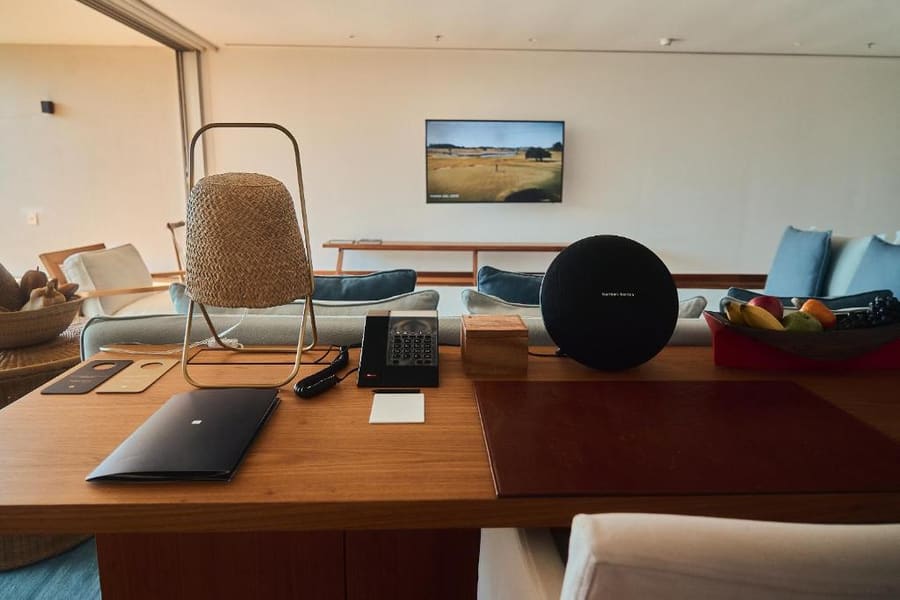
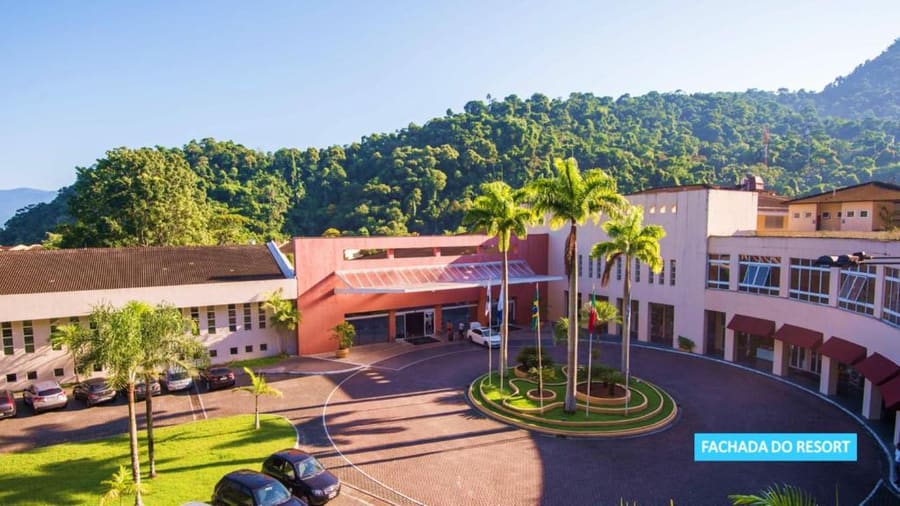
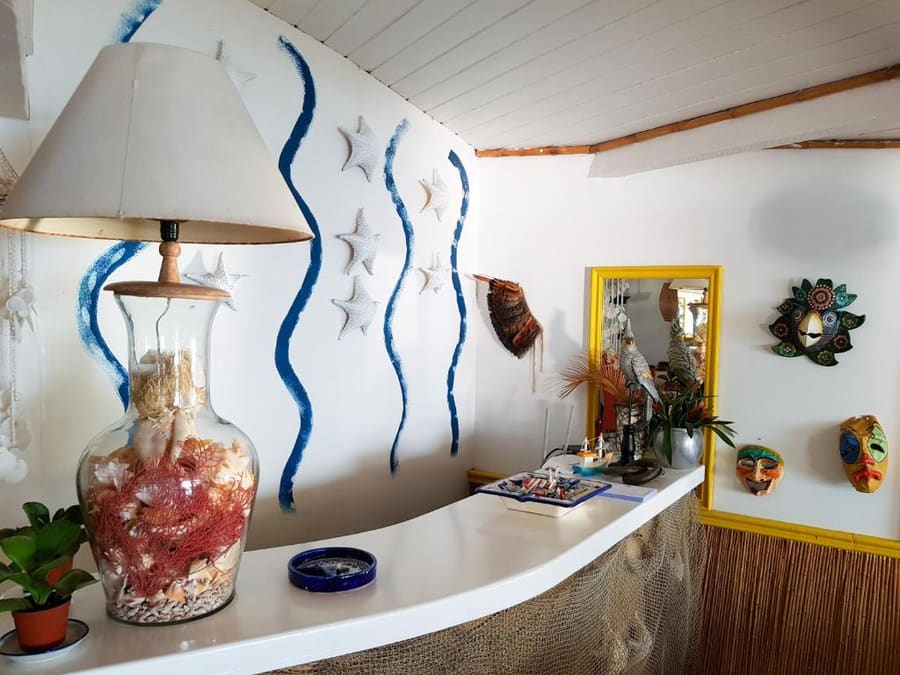
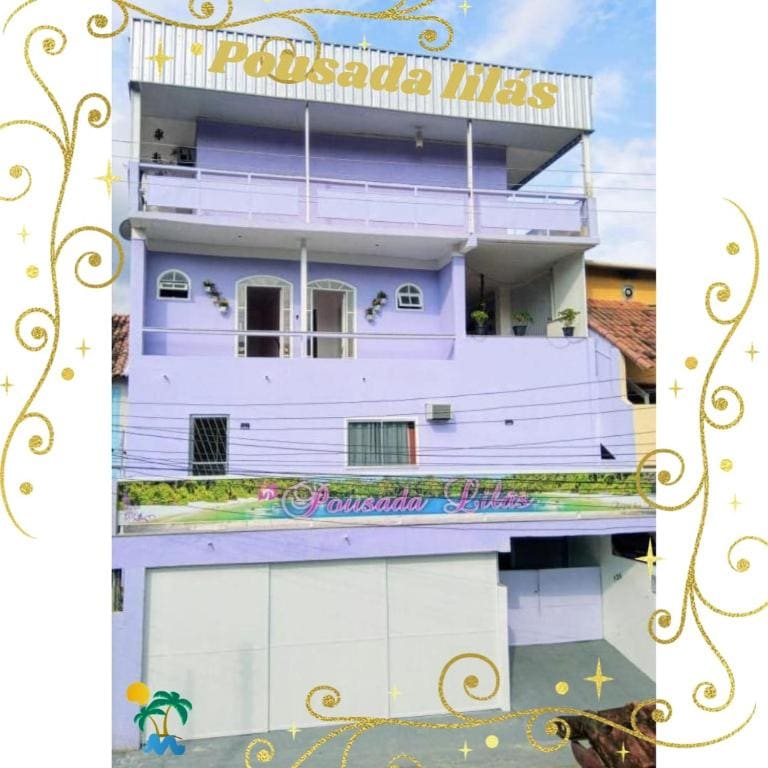
Choose your base based on how you want to travel. Stay in Centro if you need direct highway access, early morning ferries, or business amenities. Stay in Vila do Abraão on Ilha Grande if you want a car-free island environment with immediate access to hiking trails. Select Frade if you want full-service luxury resorts with private marina docks.
Live rates, matched to the areas above.
transport
Mainland Angra relies on local buses and taxis running along the BR-101 highway. However, archipelago travel requires boats. The public CCR Barcas ferry handles heavy passenger traffic to Ilha Grande, while private shared speedboats (flexboats) operate higher-frequency services from Cais de Santa Luzia.
Viação Senhor do Bonfim operates local buses running between Centro, Verolme, and Frade along highway BR-101.
The public CCR Barcas ferry runs once daily on weekdays from Angra to Abraão. Miss it and you must pay for a flexboat.
Buy ferry and boat tickets directly at terminal counters in Cais de Santa Luzia. Street vendors charge extra fees.
Water taxis (voadeiras) charge by the boat for short hops. Negotiate the return pickup time before leaving the dock.
cost
Prices on mainland Angra reflect standard regional Brazilian rates, but costs increase significantly once you step onto boats or visit island beaches where supplies arrive by water.
One-way passage on the daily CCR Barcas ferry to Vila do Abraão.
One-way speedboat crossing between Angra mainland pier and Ilha Grande.
Day trip per person stopping at four bay islands and beaches.
Main dish for two people at waterfront seafood establishments.
seasonality
DEC – FEB
Peak summer. High water temperatures, heavy rain showers in late afternoons, and maximum crowds.
MAR – MAY
Clear skies, lower rainfall, and warm water. Ideal balance of boat weather and manageable crowd levels.
JUN – AUG
Cooler air, drier days, but colder sea temperatures. Quietest period for island visits.
SEP – NOV
Spring brings warming waters and occasional spring storms. Good availability for boat charters.
practicalities
Withdraw cash at Centro ATMs before departing mainland Angra. Ilha Grande has no bank branches or ATMs.
Sandflies (borrachudos) are common on shaded beaches. Apply repellent containing Icaridin or DEET.
Pack light with soft duffel bags. Rolling hard suitcases across sandy village paths and boat ramps is difficult.
Arrive at Cais de Santa Luzia thirty minutes before scheduled ferry departure during peak summer months.
The outer side of Ilha Grande faces open ocean with strong swells, while the inner bay remains calm.