landmark
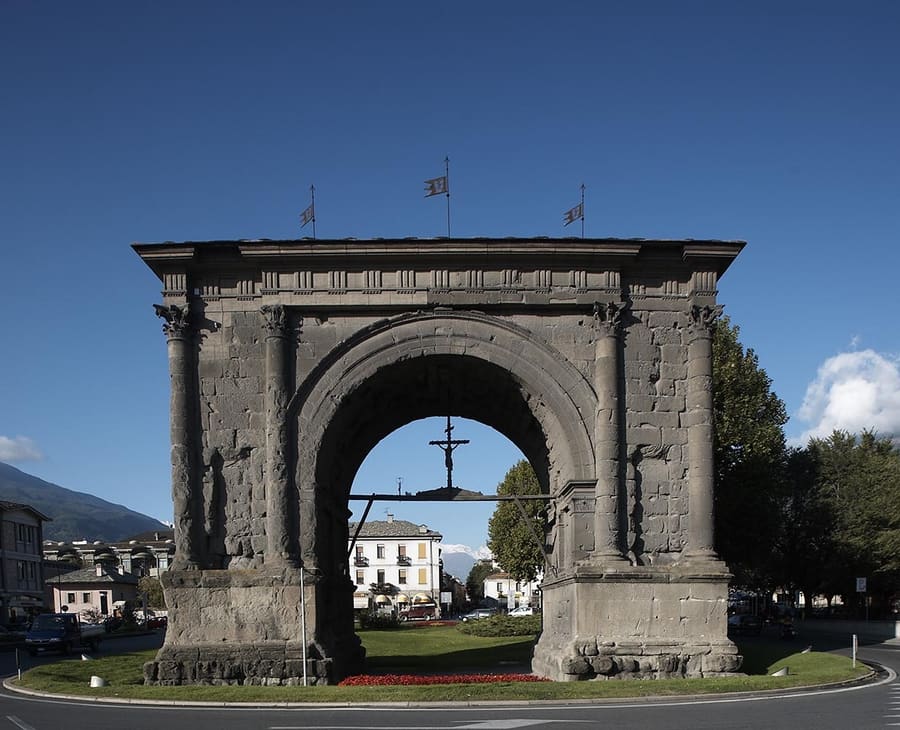
Arch of Augustus
Built in 25 BC to mark Roman victory over the Salassi. Walk beneath it on your way into the pedestrian center.
Ask ParleyItaly
Roman grid town ringed by high Alpine peaks.
introduction
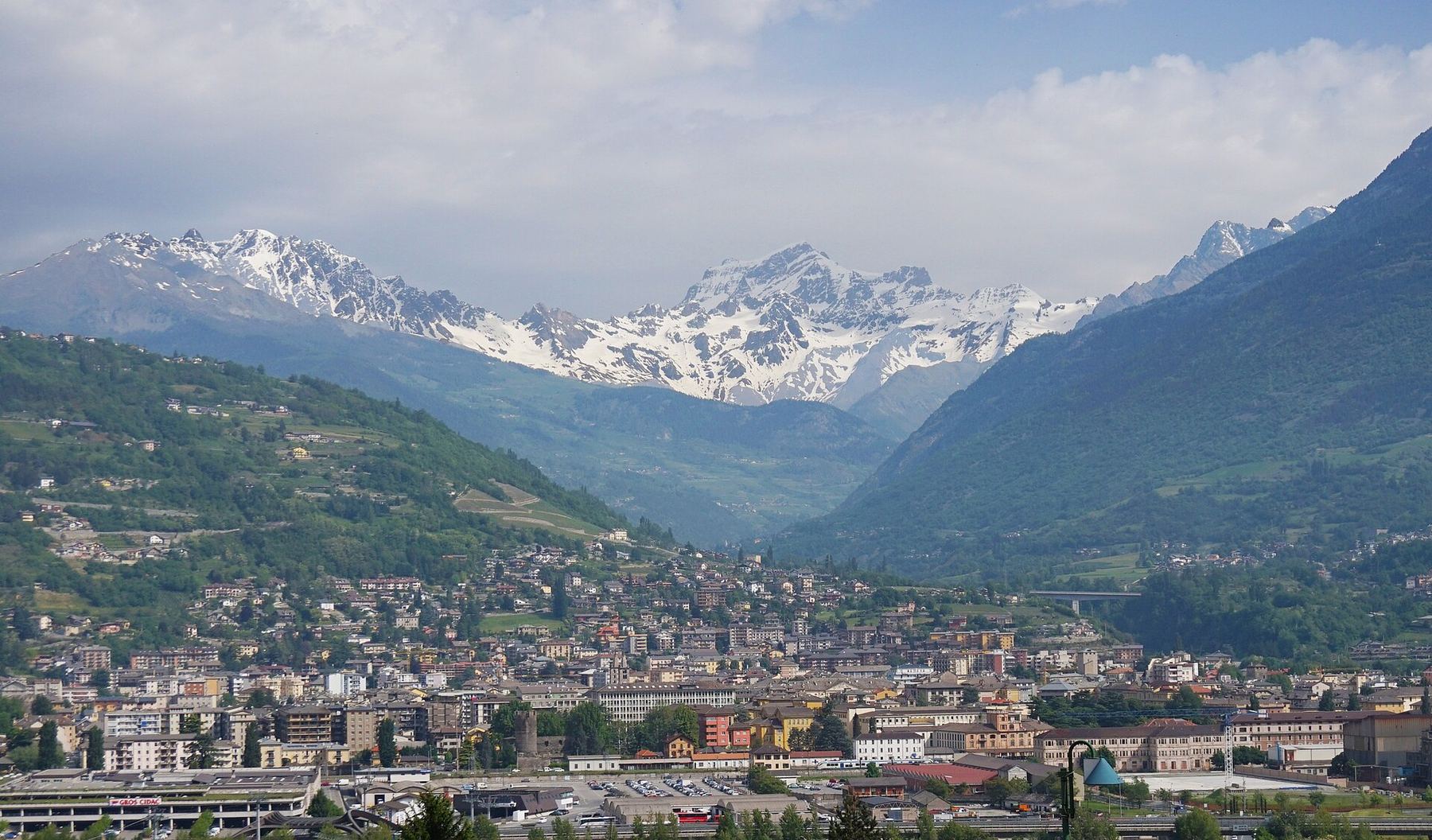
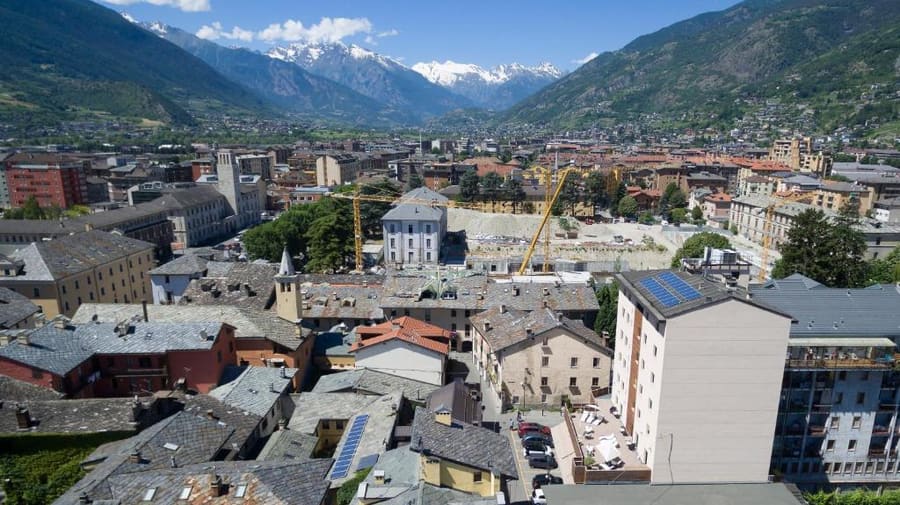
Aosta sits in a wide valley basin where ancient Roman street grids meet high Alpine peaks. You navigate the center entirely on foot within the Roman walls, where street signs are bilingual in Italian and French. Winter brings skiers using the downtown cable car to reach Pila, while summer opens up high-altitude hiking trails.
Arrival trick
Direct trains run from Turin Porta Nuova to Ivrea, requiring a timed rail replacement bus into Aosta station.
Roman heritage
Augusta Praetoria was founded in 25 BC and retains its full rectangular Roman street layout.
Planning trick
Book restaurants in advance during late January when the thousand-year-old Fiera di Sant'Orso fills every room.
highlights
landmark
Built in 25 BC to mark Roman victory over the Salassi. Walk beneath it on your way into the pedestrian center.
Ask Parley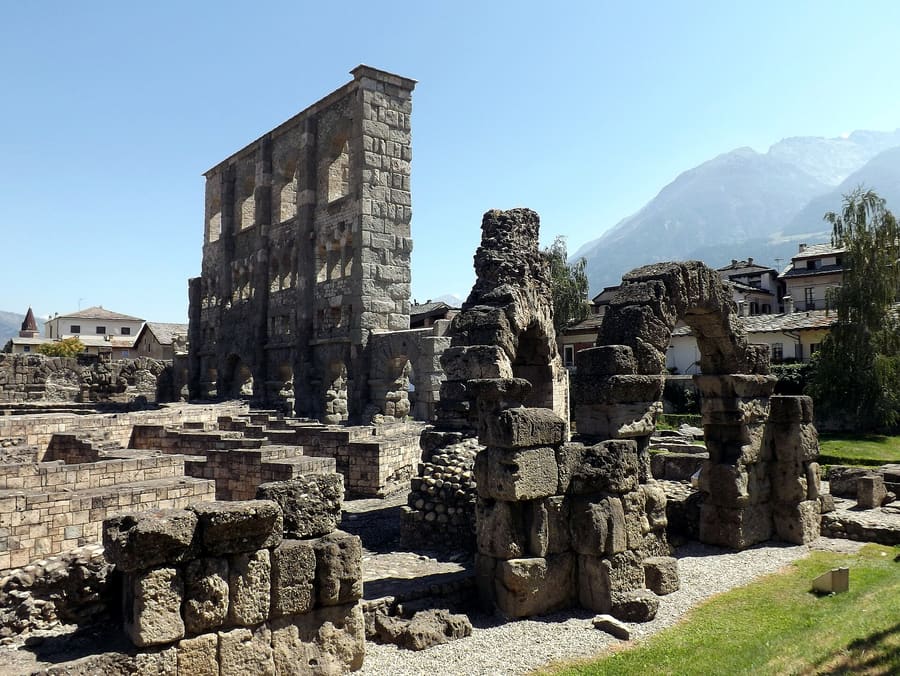
landmark
Its 22-meter southern wall dominates the old town. Buy the single combination ticket at the entrance to access four Roman sites.
Ask Parley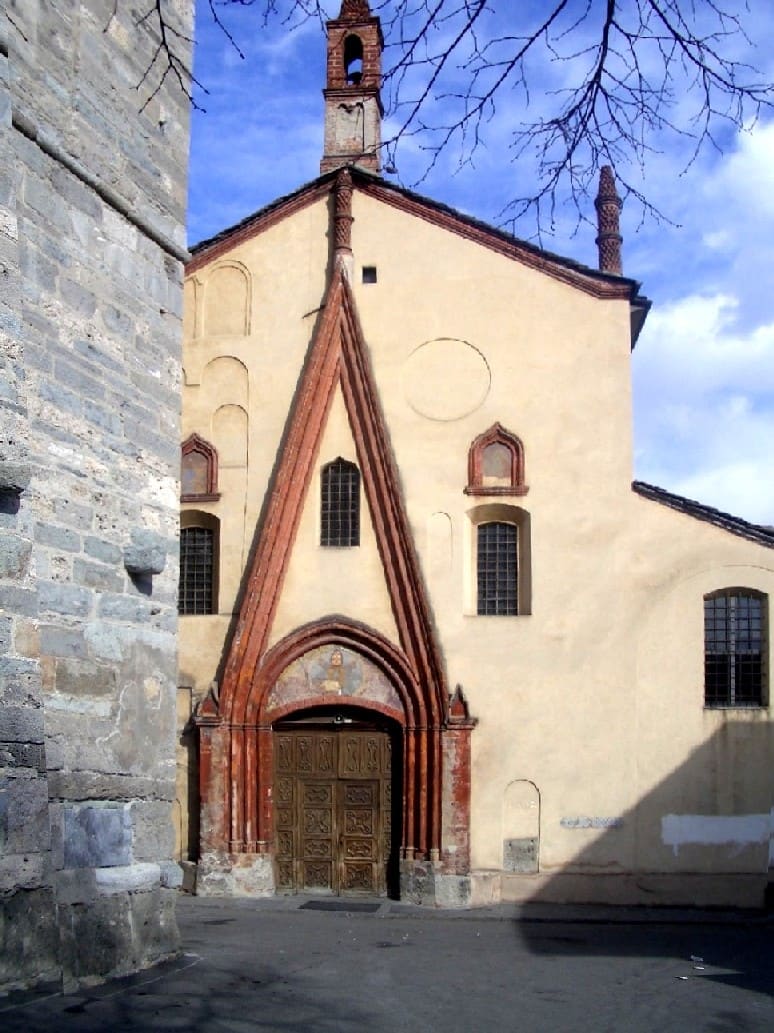
landmark
Carved 12th-century capitals adorn this quiet Romanesque cloister. Ring the bell at the side door if the inner courtyard is closed.
Ask Parley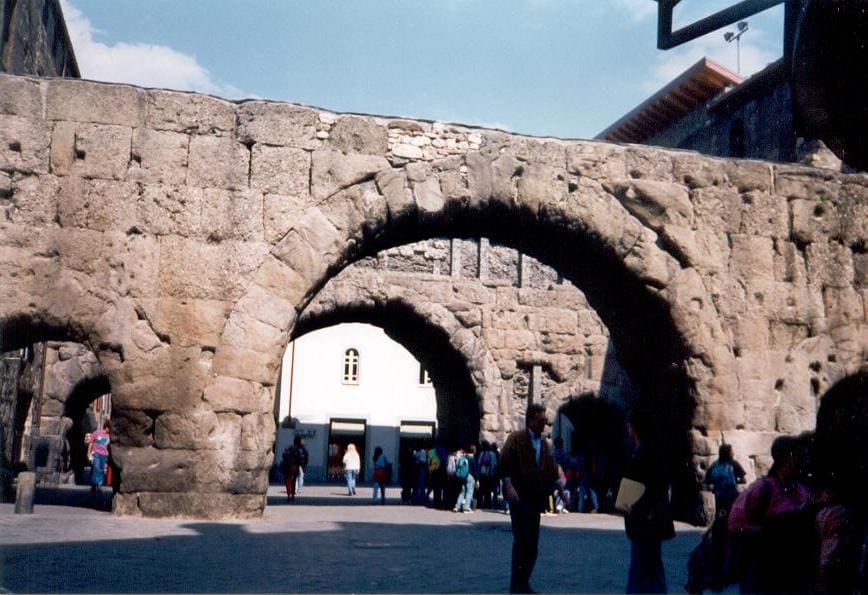
landmark
The twin Roman city gate remains standing in full height. Walk through the central arch where ancient carts once passed.
Ask Parley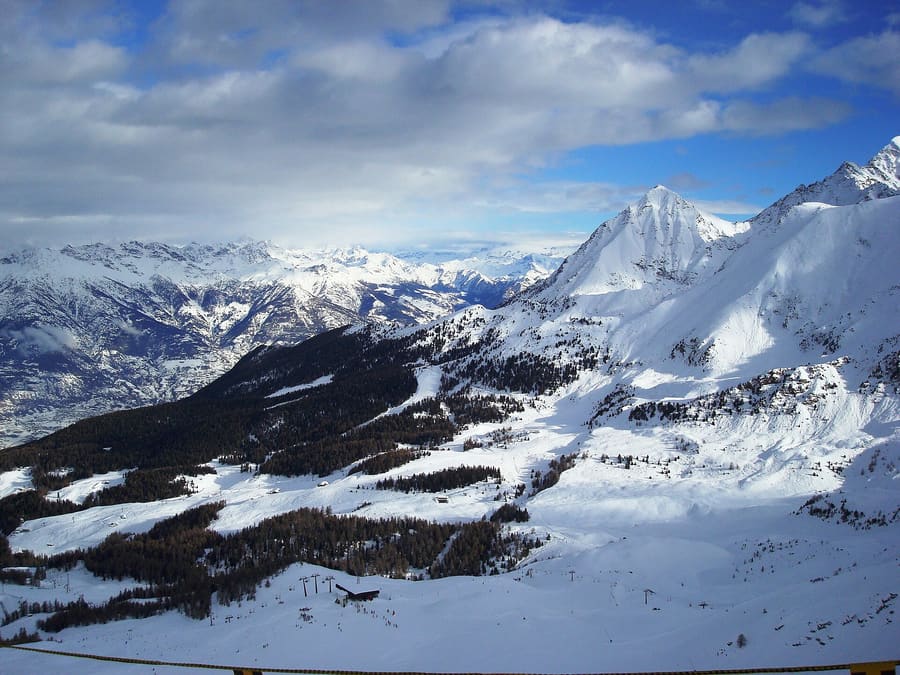
landmark
Connects downtown directly to ski slopes at 1,800 meters in 18 minutes. Board behind the train station without needing a car.
Ask Parley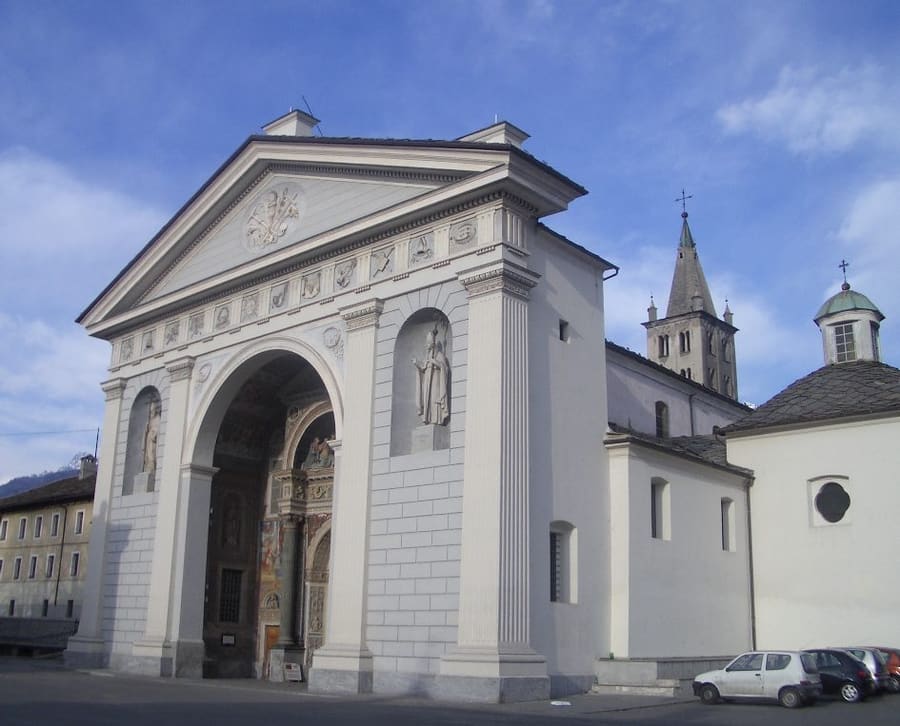
landmark
Holds 11th-century frescoes hidden above the vaulting and Roman floor mosaics. Visit during morning light before afternoon mass.
Ask Parleyattractions
areas
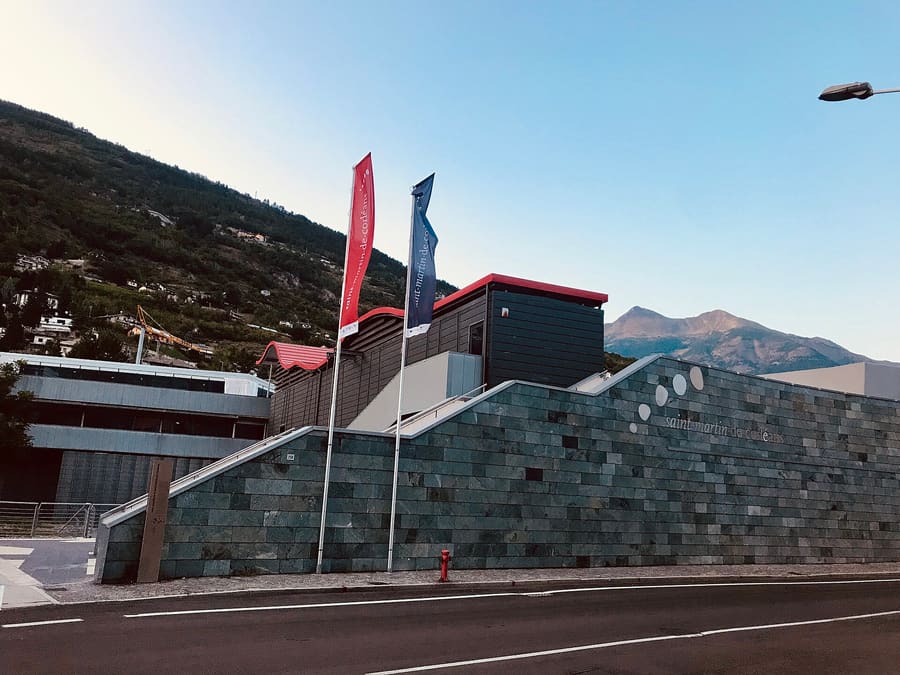
Quiet western residential quarter surrounding a world-class megalithic archaeological site.
NearbyMegalithic Area Museum, local bakeries
Ask Parley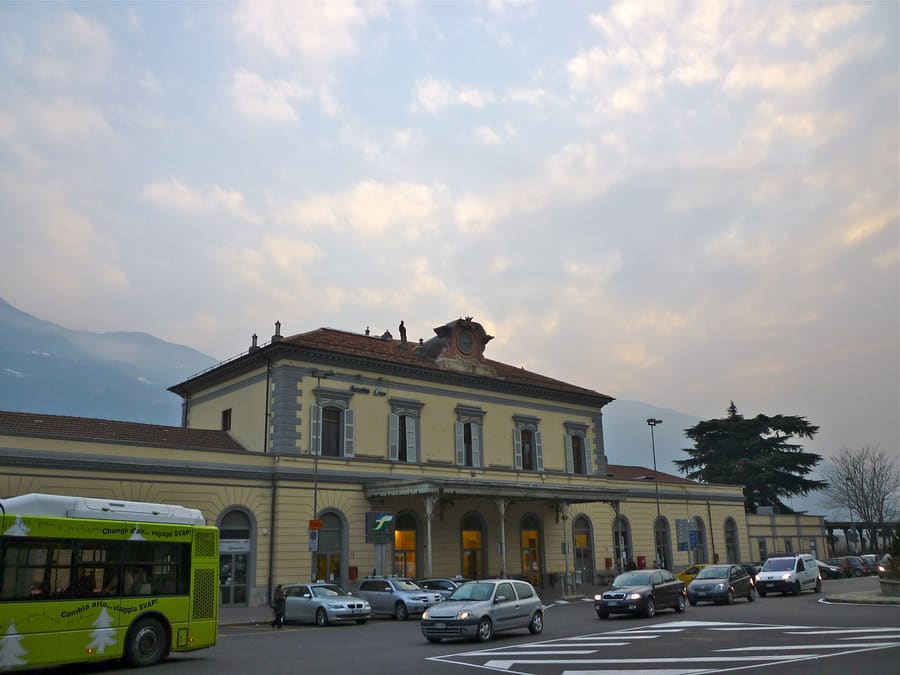
Practical transport hub south of the railway line, ideal for early ski gondola access.
NearbyPila Gondola base, Aosta train station, Dora Baltea river path
Ask Parleyfood
Aostan cooking reflects its high-altitude isolation and French Alpine connections. Butter and melted Fontina DOP replace olive oil in local pots. Heavy dishes like Carbonade—beef stewed in red wine and onions—and Seupa à la Vapelenentze dominate local menus. Expect dense rye bread, cured chamois meat, and mountain lard flavored with rosemary.
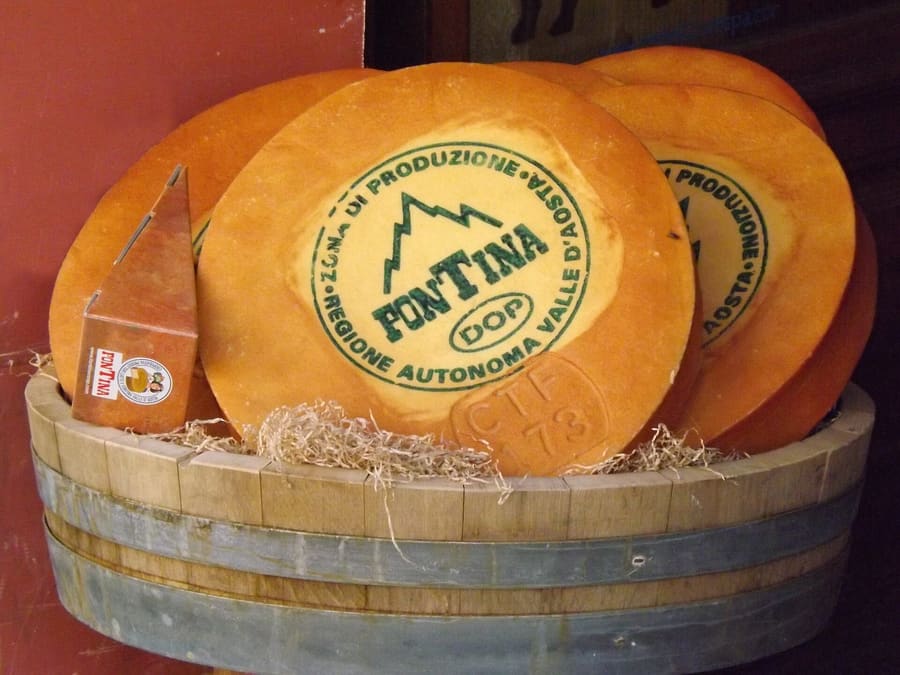
Raw milk Fontina DOP forms the base of almost every traditional Aostan baked dish.
Luigi Chiesa · CC BY 3.0Order Seupa à la Vapelenentze at Trattoria di Campagna on the outskirts or Osteria da Nando on Via de Tillier for layered rye bread soaked in melted Fontina broth.
Local Torrette or Blanc de Morgex wine comes with gratis slates of cured Mocetta and Fontina at Cafe Étoile between 18:00 and 20:00.
Avoid tourist gift shops; buy Fontina directly from the Cooperativa Produttori Latte e Fontina outlet near the station for fair per-kilo pricing.
history
Aosta was built as Augusta Praetoria in 25 BC to command the Little and Great St Bernard passes over the Alps. Roman engineers laid down a rigid grid within thick stone walls that still dictates street life today. The House of Savoy held the valley for centuries, granting local autonomy that preserved French as an official language alongside Italian.
Founding of Augusta Praetoria
Roman Emperor Augustus establishes a fortified military colony to control the Alpine pass roads.
Charte de Franchises
Count Thomas I of Savoy grants Aosta local autonomy, codifying French linguistic privileges.
Conseil des Commis
Aosta forms an independent administrative council to preserve neutrality during Franco-Spanish wars.
Special Autonomous Region
Post-war Italy grants Valle d'Aosta self-governing status, officially preserving bilingualism.
where to stay
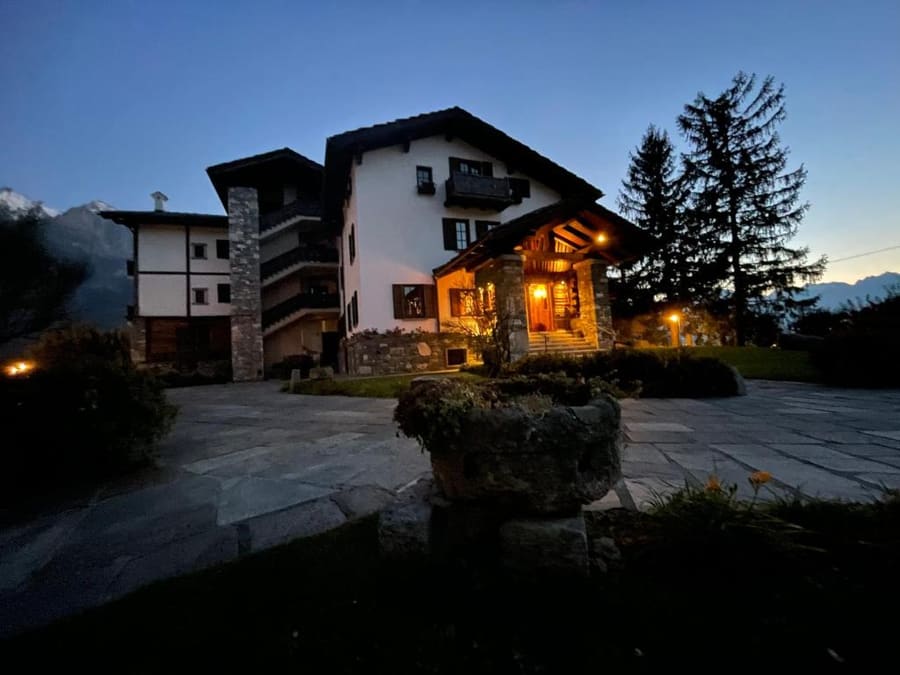
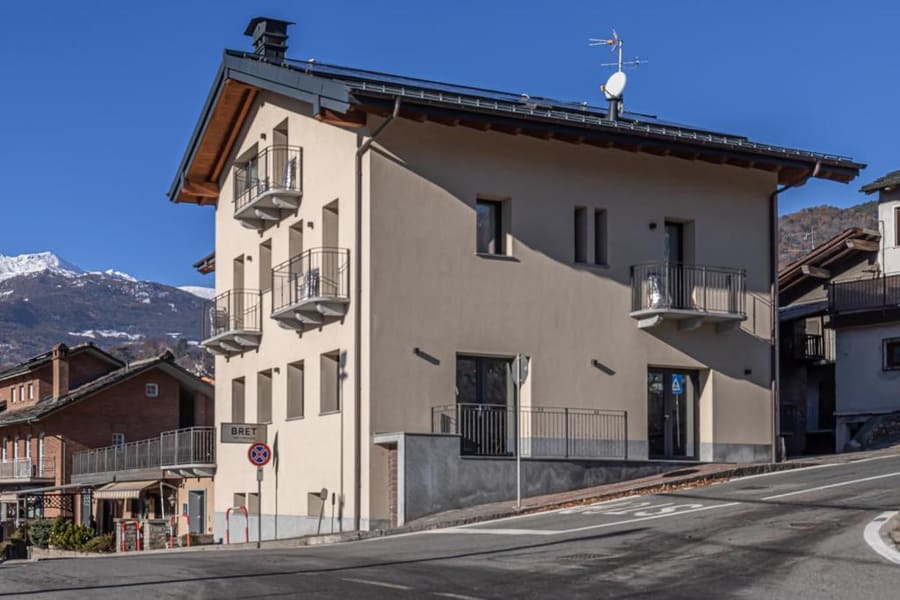
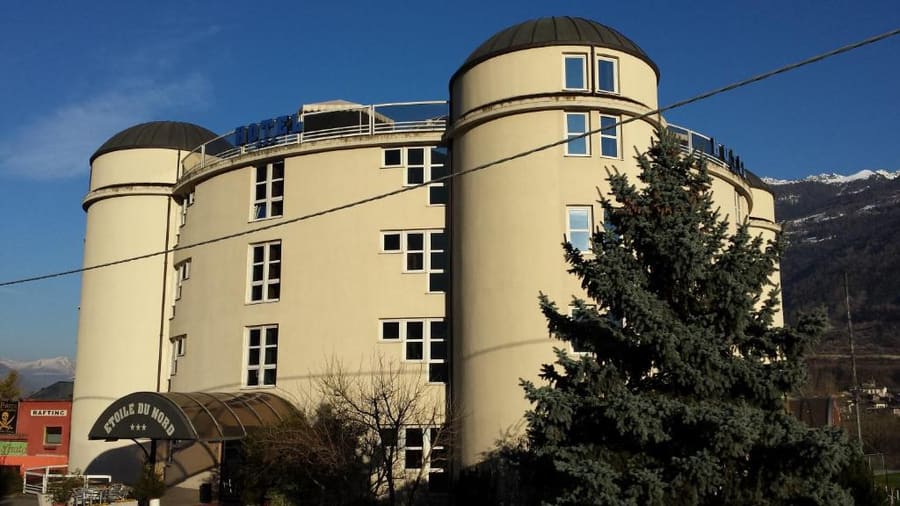
Choose your stay by your transport style. Stay in the Centro Storico if you plan to explore Roman monuments and dine on foot every night. Stay south near the station and cable car if you carry ski gear or rely on regional buses.
Live rates, matched to the areas above.
transport
Aosta's center is entirely walkable within a 15-minute radius. Local Svap bus lines serve outer hamlets, while regional train/bus combinations connect down the valley toward Turin.
From Torino Caselle Airport (TRN)
Arriva/Savda bus departs outside arrivals directly to Aosta station.
Train via Turin stops at Ivrea, where timed connecting buses complete the leg to Aosta station.
Night/weekend surcharges apply. Register license plate with hotel for ZTL access.
BlaBlaCar is common along the A5 route; request drop-off near central station.
Trains from Turin Porta Nuova stop at Ivrea, where timed connecting buses complete the leg to Aosta station.
The eight-seater cable car leaves from behind Aosta station, taking 18 minutes to reach Pila ski resort at 1,800m.
Buy single urban bus tickets for €1.20 at tobacconists before boarding, as onboard cash sales carry a surcharge.
Cameras enforce the central ZTL strictly; hotel guests arriving by car must register their license plate upon arrival.
cost
Aosta is less expensive than neighboring mountain resorts like Courmayeur, but prices rise sharply during peak winter ski weekends and late January.
Prices vary between mid-week and peak weekend rates; buy online to skip ticket window queues.
Hearty main course serving at traditional trattorias in the pedestrian core.
Pedestrian return ticket for non-skiers accessing mountain trails and dining.
seasonality
DEC – FEB
Peak ski season. Fiera di Sant'Orso on January 30-31 fills every hotel room months in advance.
MAR – MAY
Quiet shoulder season. Pila gondola closes for maintenance between late April and early June.
JUN – AUG
Warm valley weather with cool mountain trails. High-altitude lifts open for alpine hiking.
SEP – NOV
Autumn foliage and vineyard harvest season. Local chestnuts and young wines dominate menus.
practicalities
Most local food markets and independent boutiques close on Sundays outside peak ski season.
Cheese shops will vacuum-seal (sotto vuoto) Fontina for travel upon request at no extra charge.
Mountain winds channel down the valley late in the afternoon, dropping temperatures rapidly.
Piazza Plouves hosts the weekly produce and dry goods market on Tuesday and Saturday mornings.