landmark
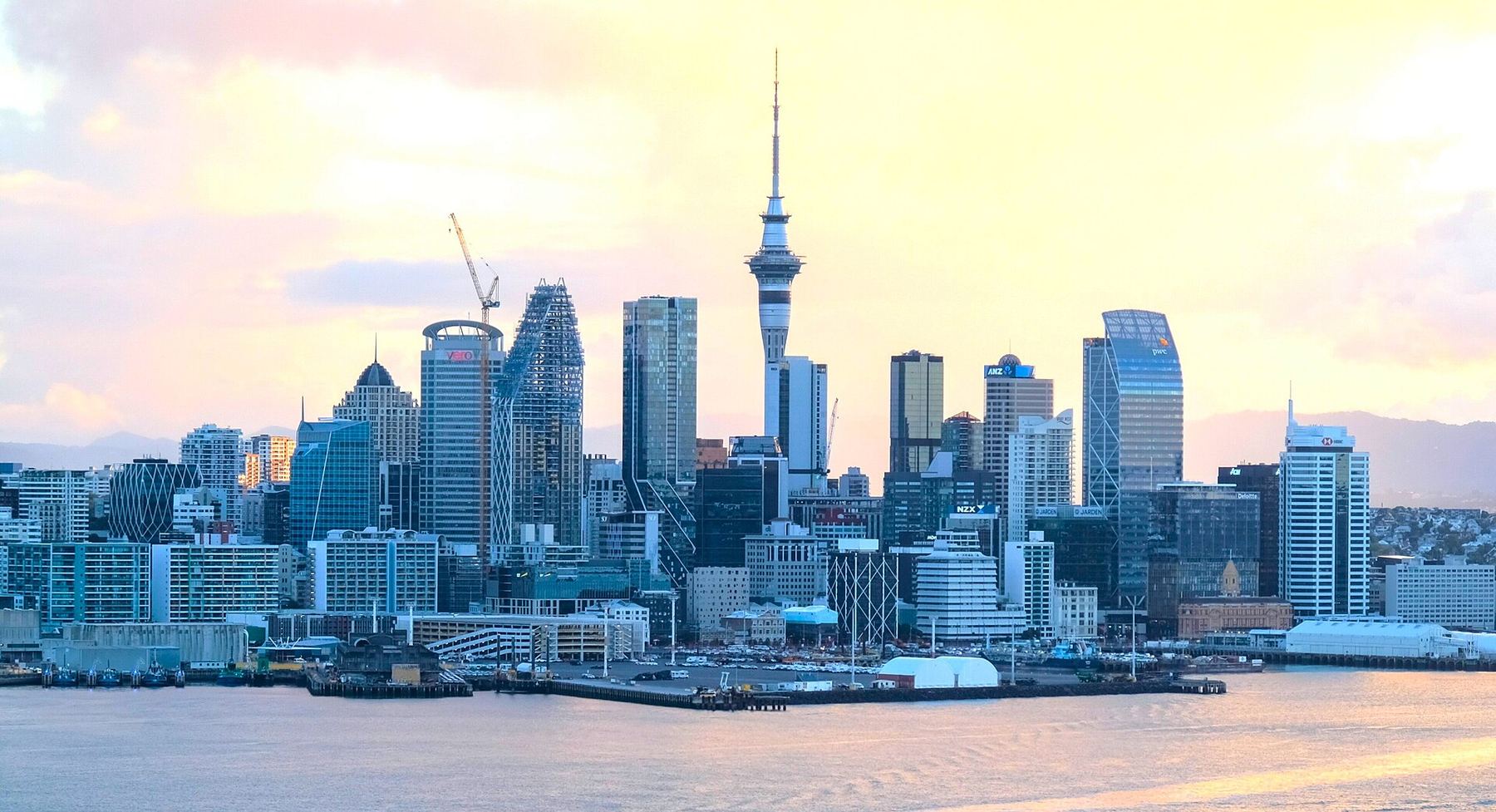
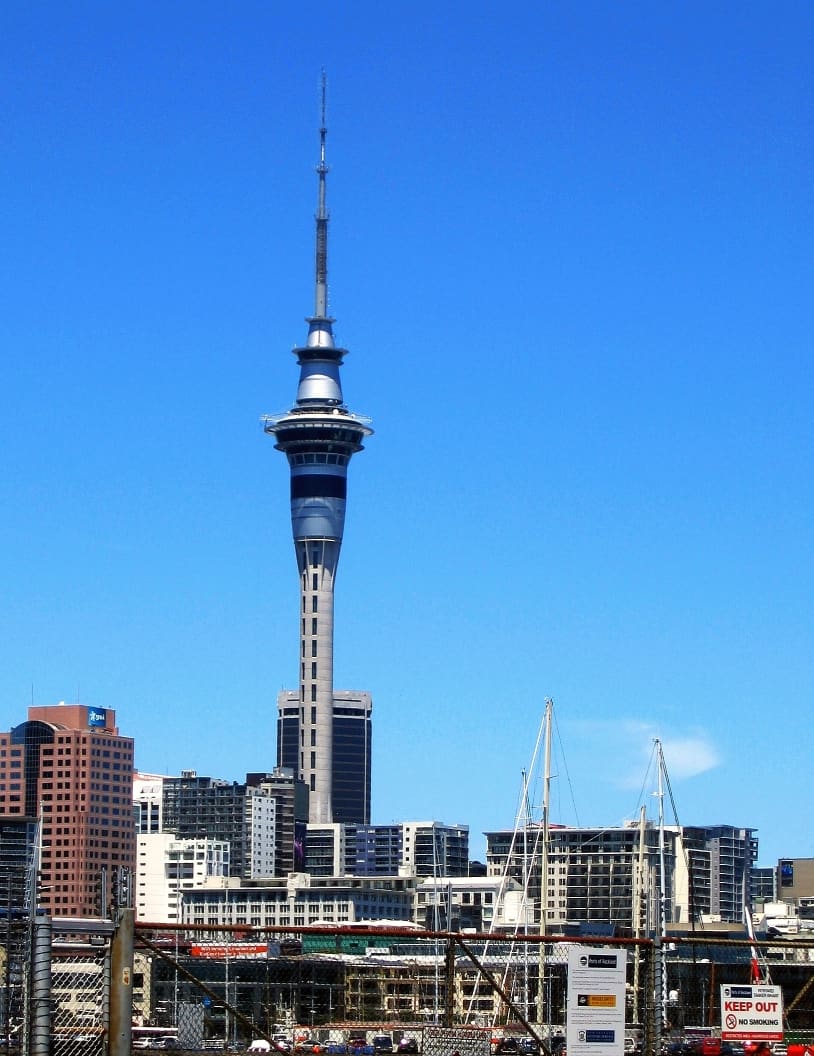
Sky Tower
A 328-metre observation tower offering citywide panoramas. Book online to skip long entry queues at the base.
Ask ParleyNew Zealand
Two harbours, volcanic ridges, and Pacific edge dining.
introduction
Auckland spans a narrow neck of land between two oceans. You navigate the city by its extinct volcanic cones and harbour ferry routes. Driving is slow, but water transport connects the inner urban hubs efficiently. Expect volatile maritime weather, steep topography, and exceptional Pacific seafood.
Arrival trick
Take the SkyDrive express bus from Auckland Airport to SkyCity in 45 minutes for NZ$18. It runs every 30 minutes and avoids unpredictable rideshare pricing.
Transit trick
Buy an AT HOP card at the airport terminal for cheap urban travel. It works on all Auckland buses, trains, and inner-harbour public ferries.
Auckland
Prosperosity · CC BY 4.0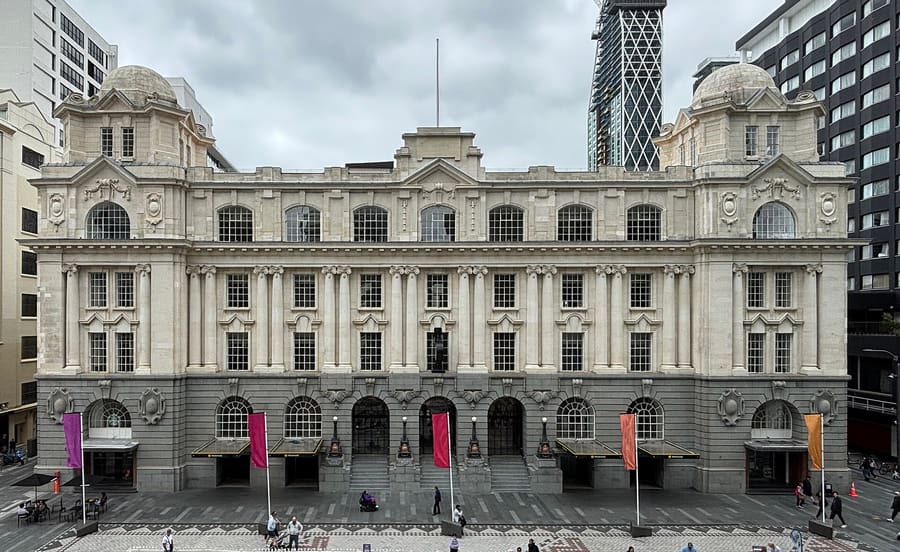
Britomart — Restored heritage brick block full of high-end dining, fashion boutiques, and transit hubs.
Paora · CC0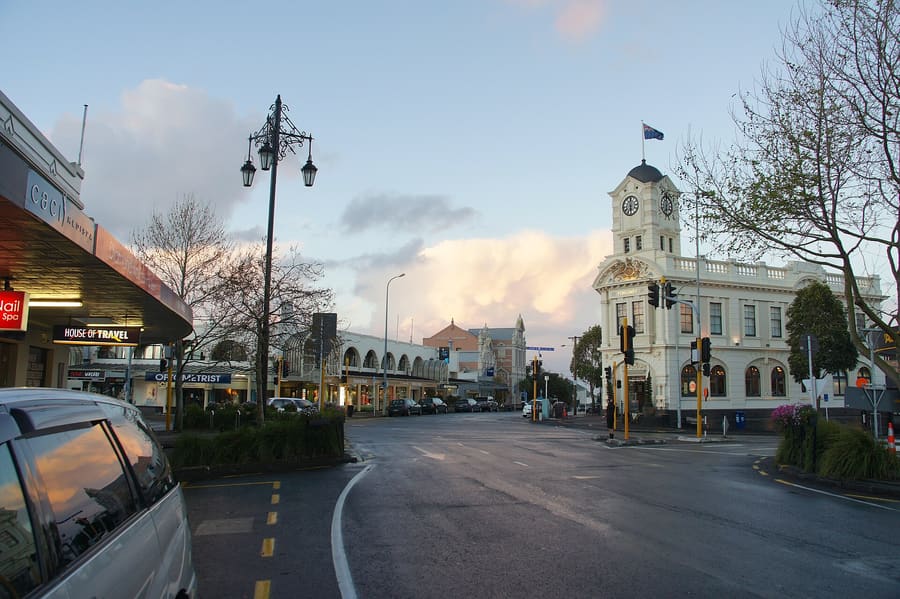
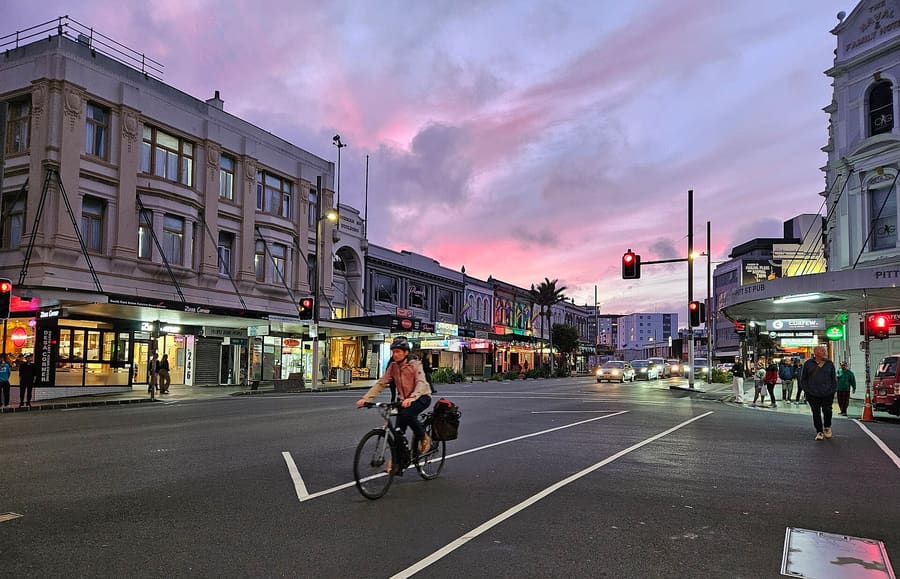
Ponsonby — Victorian-era main street lined with cocktail bars, independent design stores, and popular cafes.
itravelNZ® - New Zealand in your pocket™ · CC BY 2.0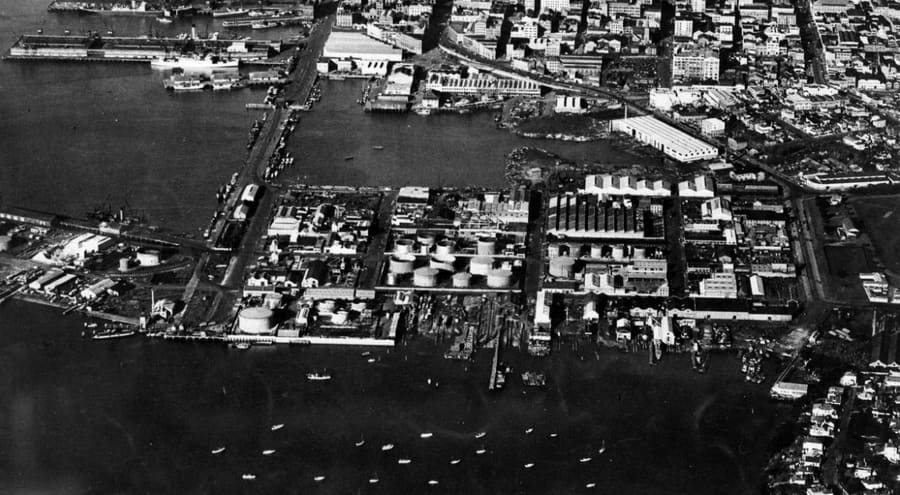
Wynyard Quarter — Reclaimed industrial port transformed into a modern waterfront promenade with seafood plazas.
The National Library of New Zealand (Alexander Turnbull Library) states specifically that the author is unknown. See rel · Public domain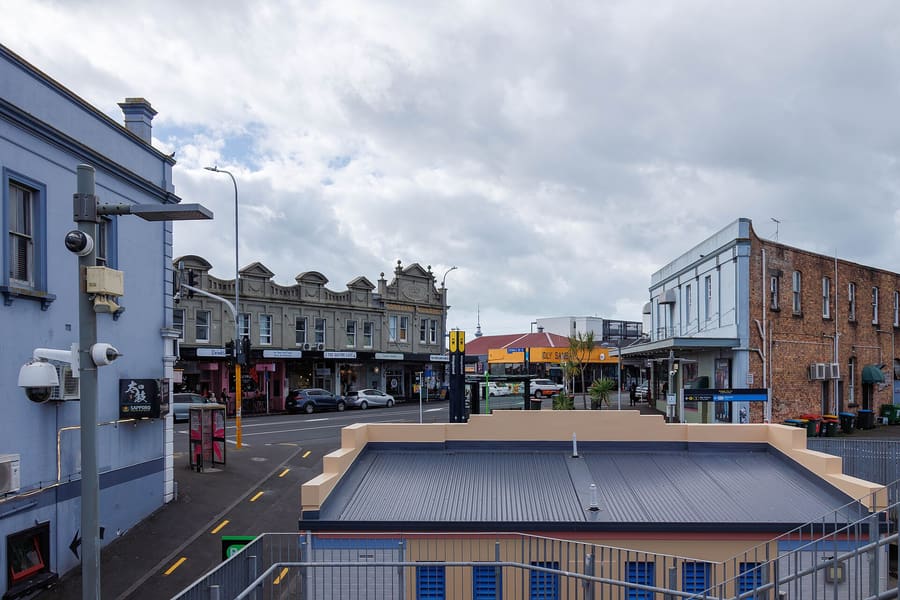
Kingsland — Low-key residential strip filled with craft breweries, cider houses, and rugby crowds.
Bjankuloski06 · CC BY 4.0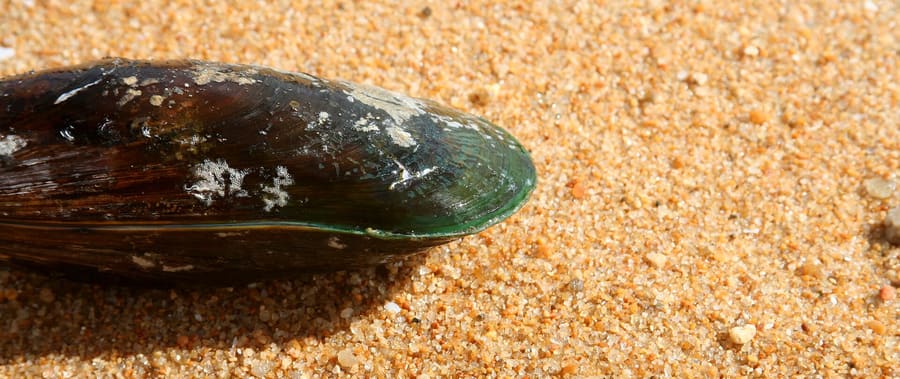
Freshly shucked Mahurangi and Clevedon oysters served along the Auckland waterfront.
Richard Giddins from London, UK · CC BY 2.0highlights
landmark
A 328-metre observation tower offering citywide panoramas. Book online to skip long entry queues at the base.
Ask Parley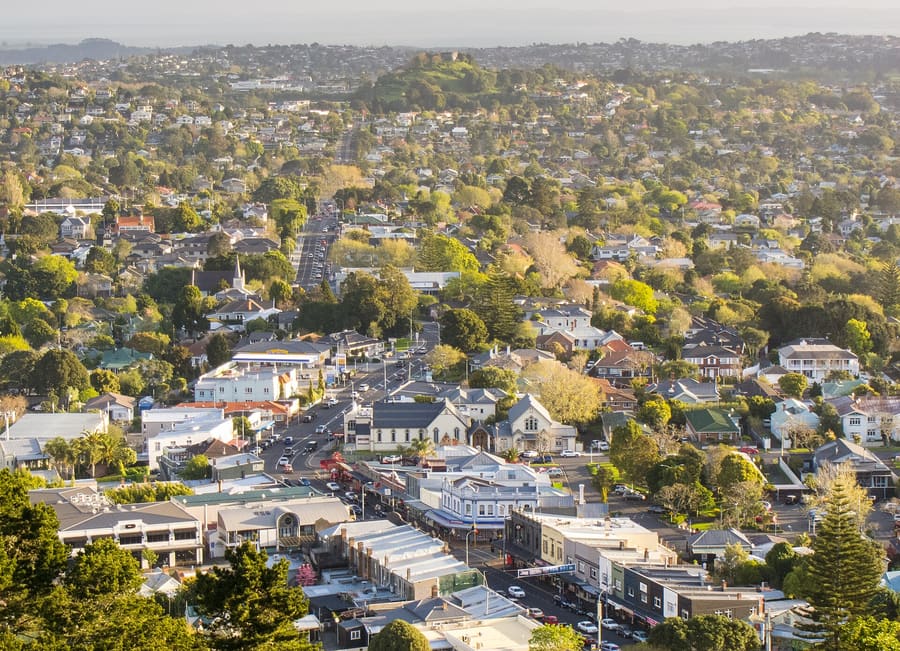
landmark
The highest natural point in the city, featuring a 50-metre deep crater. Walk to the summit; vehicle traffic is permanently banned.
Ask Parley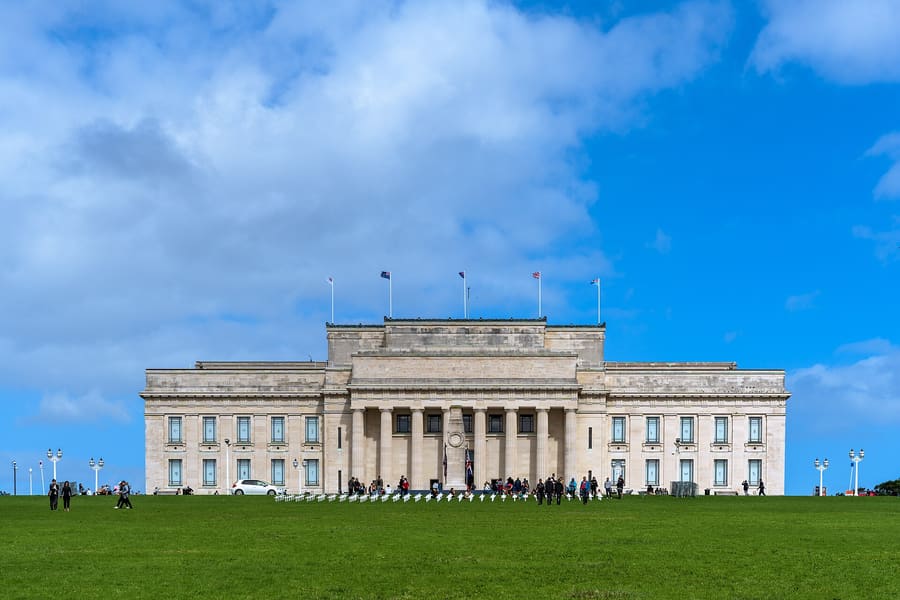
landmark
Sits inside Auckland Domain park with significant Pacific artifacts and daily Māori cultural performances. Plan for two hours minimum.
Ask Parley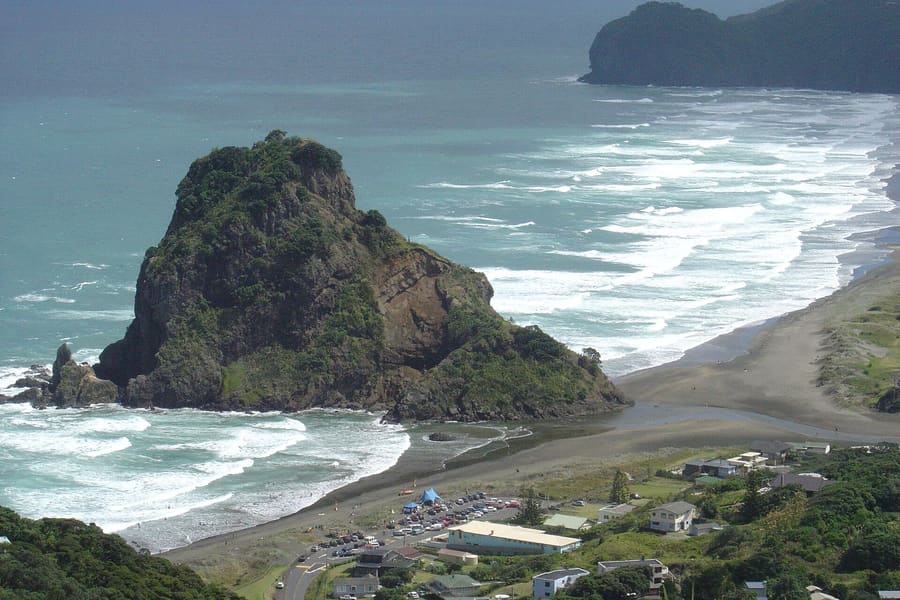
landmark
A wild west coast beach with black volcanic sand and heavy surf. Swim strictly between the lifeguards' flags.
Ask Parleyattractions
areas
Restored heritage brick block full of high-end dining, fashion boutiques, and transit hubs.
NearbyFerries, Commercial Bay, Downtown CBD
Ask ParleyVictorian-era main street lined with cocktail bars, independent design stores, and popular cafes.
NearbyGrey Lynn, Karangahape Road
Ask ParleyReclaimed industrial port transformed into a modern waterfront promenade with seafood plazas.
NearbyViaduct Harbour, Silo Park
Ask ParleyLow-key residential strip filled with craft breweries, cider houses, and rugby crowds.
NearbyEden Park, Morningside
Ask Parleyfood
Auckland dining revolves around ocean seafood and Pacific island ingredients. Local chefs prioritize fresh green-lipped mussels, Clevedon oysters, and snapper. You find top-tier dining clusters around Commercial Bay, Britomart, and Ponsonby Road.Specialty coffee is standard across all city suburbs. Most cafes purchase roasted beans from specialty coffee roasting companies rather than roasting their own beans in-house and close around 15:00. Dinner service starts early, with peak hours between 18:30 and 20:00.
Freshly shucked Mahurangi and Clevedon oysters served along the Auckland waterfront.
Richard Giddins from London, UK · CC BY 2.0Order a flat white at flat white's spiritual home; local baristas expect specific milk texture and microfoam standards.
Most restaurant kitchens in Auckland close by 21:30, even on Friday and Saturday nights.
If visiting between August and November, order whitebait fritters served with plain lemon juice.
history
Māori settlers arrived in the 14th century, naming the area Tāmaki Makaurau. The narrow isthmus provided rich volcanic soil and access to two oceans. European settlement started in 1840 when Lieutenant-Governor William Hobson chose it as New Zealand's capital.Although the capital moved to Wellington in 1865, Auckland grew into the national economic hub. Pacific migration after World War II made it the largest Polynesian city on earth.
Māori Settlement
Polynesian navigators establish fortified pā settlements across the volcanic hills of the isthmus.
Capital Founded
British colonial authorities establish Auckland as the capital following the Treaty of Waitangi.
Capital Relocation
Parliament moves to Wellington, but Auckland retains its status as the commercial powerhouse.
Harbour Bridge Opens
The opening of the Auckland Harbour Bridge sparks massive suburban expansion into the North Shore.
where to stay
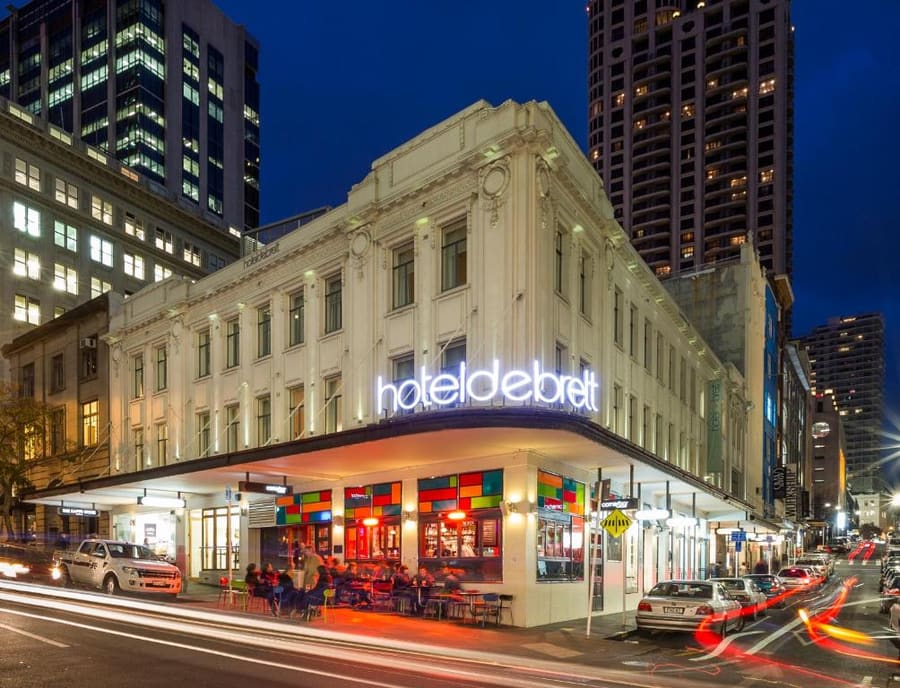
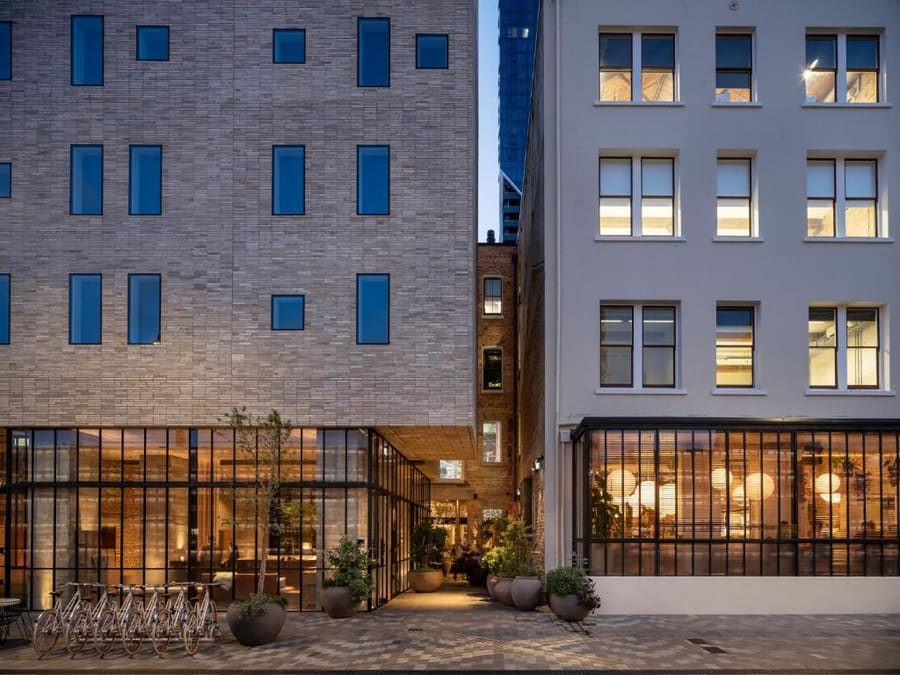
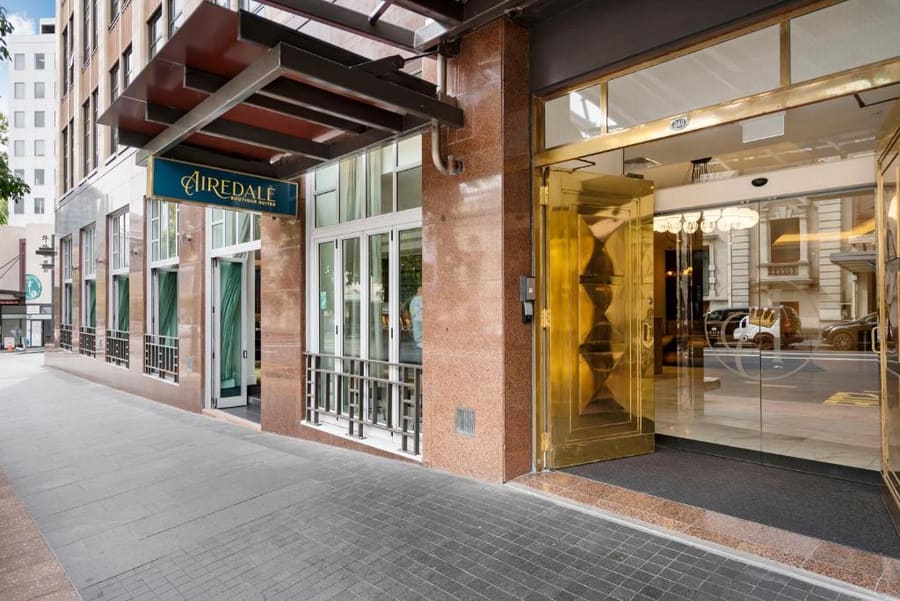
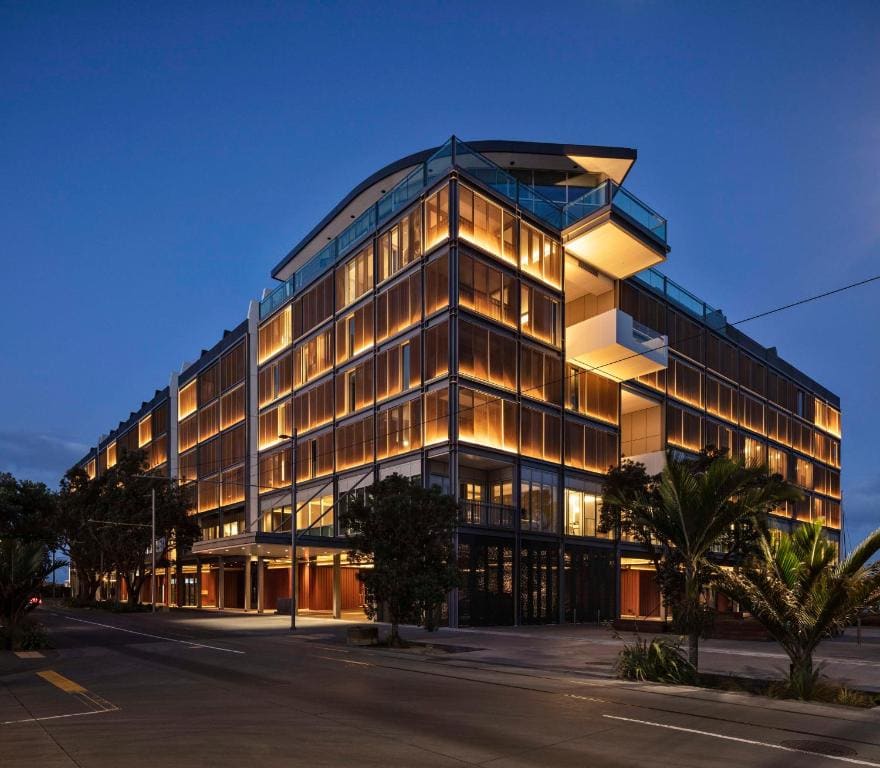
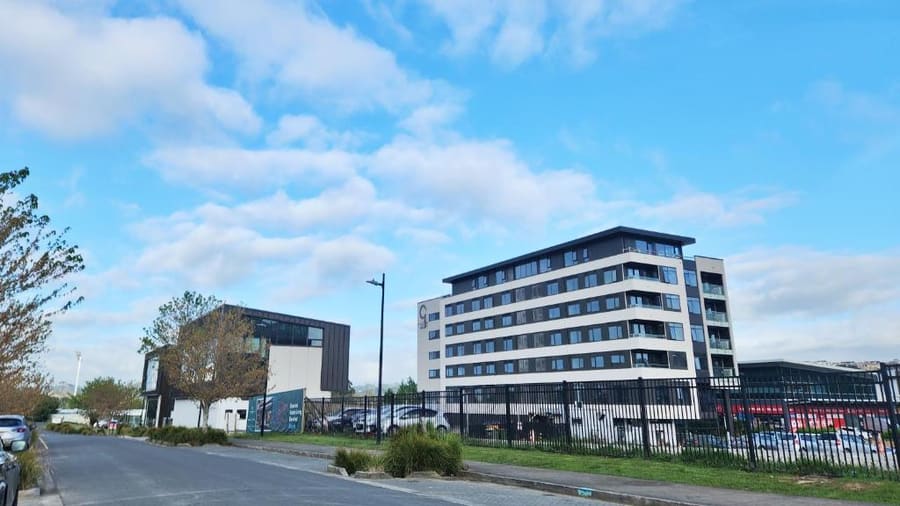
Choose your location based on your dependence on public transit. Staying near Britomart puts you at the hub of all trains, buses, and ferries. Ponsonby offers neighborhood dining charm, but requires bus or taxi trips to reach coastal transport.
Live rates, matched to the areas above.
transport
Auckland transit centers on the AT HOP card system. It covers urban trains, red and green Link buses, and inner-harbour ferries. You tap on and off at card readers at every station, wharf, or bus door.
From Auckland Airport (AKL)
SkyDrive bus runs direct to SkyCity in the downtown core every 30 minutes.
Official airport ranks charge metered fares; peak hour traffic significantly inflates cost.
Pick-up points are located in designated rideshare zones outside arrivals.
Single-trip cash fares are not accepted on buses; you must use a contact-less payment or an AT HOP card.
The red InnerLink bus loops the CBD, Ponsonby, and Parnell continuously every 10–15 minutes.
The ferry to Devonport takes 12 minutes from Downtown Terminal, bypassing heavy Harbour Bridge traffic.
Trains stop running around midnight on weekends; use ride hailing services for late returns.
cost
Auckland is an expensive destination, comparable to Sydney or Melbourne. Dining out, alcohol, and island ferry transport carry high price tags driven by local market costs, labor, and taxes rather than island logistics, alongside national import duties.
Standard price for a double-shot espresso drink at inner-city cafes.
Draft beer prices at local breweries in Kingsland or Ponsonby.
Standard ferry tickets vary depending on passenger operator and peak summer surcharges.
A main lunch plate at food halls or casual urban bistros.
seasonality
DEC – FEB
Warmest water and peak beach weather. Book ferries and restaurants weeks in advance.
MAR – MAY
Settled autumn weather with warm sea temperatures and smaller tourist crowds.
JUN – AUG
Cool and rainy winter window. Clear sunny days happen between storm fronts.
SEP – NOV
Spring weather changes rapidly. Bring rain jackets alongside sun protection.
practicalities
The southern ozone layer drop makes sunlight intense. Apply SPF 50 sunscreen even on overcast spring days.
Piha and Karekare beaches have strong rip currents. Never swim outside flagged patrol zones.
Suburban shops and retail centers close early, typically around 17:30 weekdays.
Cash is rarely used in Auckland. EFTPOS, debit, and credit cards are standard everywhere.
Volcanic cones are sacred Māori sites (tapu). Do not eat or smoke on summit earthworks.
changing now
2026
City Rail Link OpeningThe underground rail expansion adds new downtown stations at Te Waihorotiu and Karanga-a-Hape, doubling network capacity.