
landmark
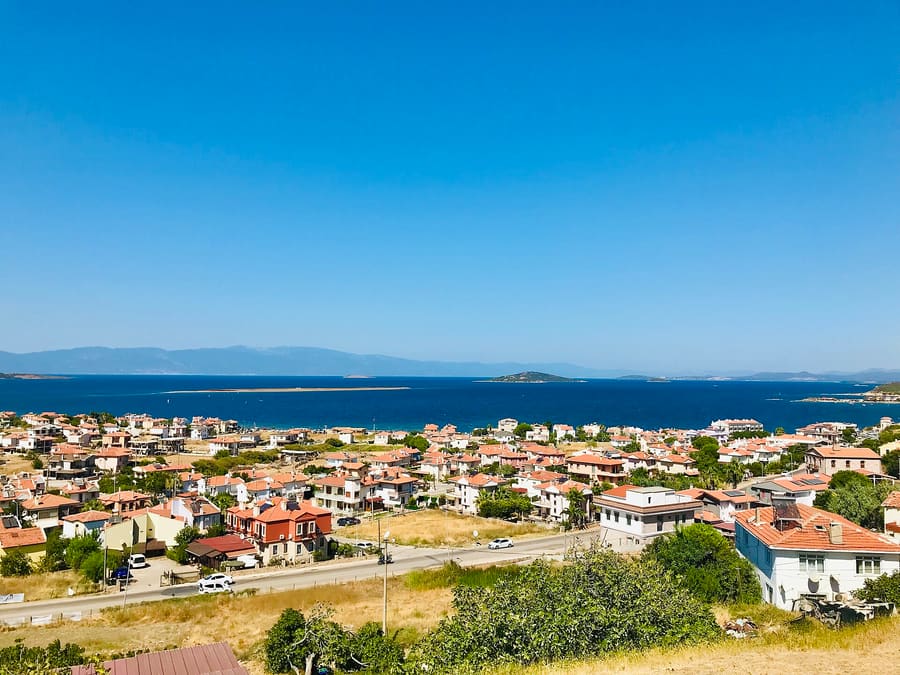
Cunda Island Historic Center
Stone houses and Greek neoclassical streets. Cross via the causeway bridge or take the hourly ferry from Ayvalık quay.
Türkiye
Neo-classical Aegean stone, olive oil, and island causeways.
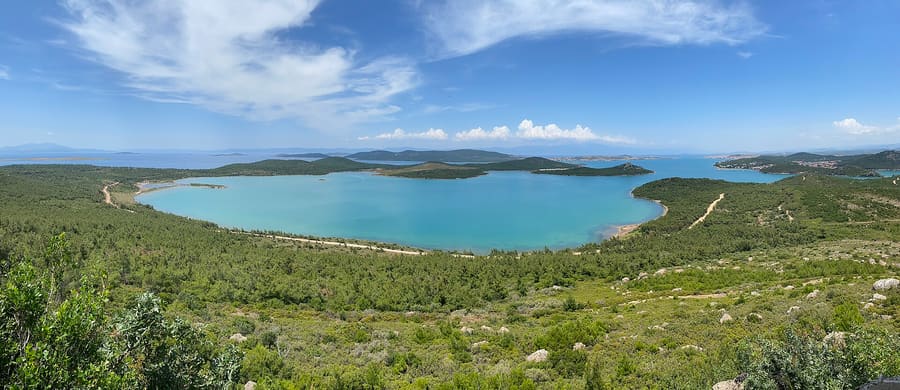
Ayvalık faces the Aegean Sea across an archipelago of twenty-two islands. You navigate the old town on foot through narrow cobblestone lanes lined with Greek stone houses. Causeways link the mainland to Cunda Island, where waterfront fish tavernas dominate evening life. You trade sandy resort strips for architectural history and regional Aegean cooking.
Cunda Waterfront — Pedestrianized harbour strips filled with seafood restaurants and restored boutique hotels.
Çamlık — Quiet residential neighborhood set under pine trees halfway between centre and beach.
Ayvalık Tostu served hot on thick toasted bread.
01
landmark
Stone houses and Greek neoclassical streets. Cross via the causeway bridge or take the hourly ferry from Ayvalık quay.
landmark
Former Greek Orthodox church converted into a mosque in 1928. Notice the original belfry clock tower still functioning.
landmark
Restored 1844 cathedral showcasing marble iconography. Pay entry at the door; cash and cards are accepted.
landmark
Oldest residential district featuring active artisan workshops. Visit early morning before heat and delivery trucks enter.
landmark
Seven-kilometre sandy bay south of town. Rent sunbeds at private clubs or use the open public sections.
02
03
Dense residential streets, historic olive oil press buildings, and morning coffee houses.
NearbyMacaron Quarter and ferry port
Ask ParleyPedestrianized harbour strips filled with seafood restaurants and restored boutique hotels.
NearbyRahmi M. Koç Museum and Cunda Marina
Ask ParleyPurpose-built beach resort area dominated by concrete hotel blocks and beach clubs.
NearbyBadavut Beach and Şeytan Sofrası
Ask ParleyQuiet residential neighborhood set under pine trees halfway between centre and beach.
NearbyÇamlık Bay and coast road
Ask Parley04
Ayvalık culinary traditions centre on green olive oil and seasonal wild herbs. Restaurants serve mezze dishes cooked exclusively with local early-harvest extra virgin oil. Local catches like Papalina, a tiny sprat species widely distributed across the Aegean and Mediterranean seas, are fried whole and eaten in summer months.For quick meals, local bakeries use thick-cut bread grilled with kaşar cheese, sausage, pickles, and tomato paste. This sandwich, known locally as Ayvalık Tostu, originated in the town's central market stands.
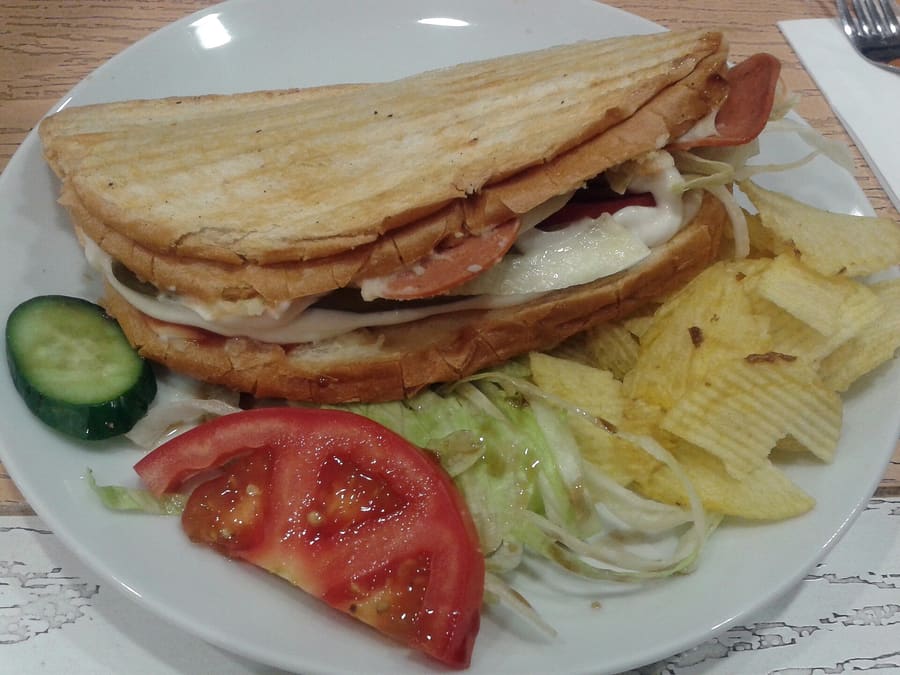
Ayvalık Tostu served hot on thick toasted bread.
Papalina fish appears on Cunda harbour menus between July and September. Confirm the fish is fresh bay catch rather than frozen imported sardine.
Walk up to the chilled display counter inside tavernas to pick wild herbs like sea asparagus (deniz börülcesi) and chicory before sitting.
Buy cold-pressed extra virgin olive oil from established family estates along Gümrük Caddesi. Expect tins to be sealed for transit.
05
Ayvalık developed as an Ottoman Greek commercial port named Kydonies during the 18th century. The city gained autonomous privileges in 1773, fueling rapid growth in olive oil export and soap manufacturing. The 1923 population exchange reshaped the municipality, replacing Greek residents with Turkish families from Crete and Lesbos who maintained the region's olive farming traditions.
Autonomous Status
Sultan Mustafa III grants autonomous rights to Kydonies, establishing an exclusively Greek municipal council.
Greek War of Independence
Conflict destroys much of the town's initial structure, forcing a rebuild in neo-classical stone style.
Population Exchange
The Treaty of Lausanne replaces the town's Greek population with Turkish immigrants from Crete and Macedonia.
UNESCO Nomination
Turkey places Ayvalık's historic industrial landscape onto the UNESCO World Heritage Tentative List.
06
Choose your base according to your transportation plans. Staying in Ayvalık Centre places you within walking distance of historical sites and transit hubs. Staying on Cunda Island puts you steps from evening tavernas, but requires crossing the causeway for mainland connections.
07
Ayvalık relies on a municipal dolmuş minibus network for intra-city routes. Driving in the old town centre is difficult due to narrow lanes and steep stone steps. Park vehicles in designated harbor lots before exploring the central lanes on foot.
From Balıkesir Edremit Koca Seyit Airport (EDO)
Balıkesir Metropolitan Municipality shuttles meet domestic arrivals outside the main exit.
Official airport taxis line up outside arrivals. Agree on meter usage before setting off.
Minibuses marked 'Cunda' depart every 15 minutes from the central Ayvalık square near the clock tower.
Pay transit drivers directly in cash using small Turkish Lira banknotes or tap contactlessly using contactless payment cards.
Small passenger ferries cross between Ayvalık town quay and Cunda harbour hourly during summer daylight hours.
08
Prices reflect Ayvalık's status as a premier domestic Aegean holiday spot. Prices spike on Cunda Island during peak summer months compared to mainland Ayvalık shops.
Standard price at market stands in the central toast vendors alley.
Per person cost for fresh fish, two cold mezze plates, and a soft drink.
Single trip rate between Ayvalık Centre, Çamlık, or Sarımsaklı.
Served with a glass of water and mastic resin candy at historic cafes.
09
APR – MAY
Mild weather ideal for walking old town streets. Sea temperatures remain cool for swimming.
JUN – AUG
Peak coastal season. Expect high heat, full beach clubs, and heavy evening crowds on Cunda.
SEP – OCT
Warm waters and reduced crowds. The annual olive harvest starts in late autumn.
NOV – MAR
Quiet winter season. Many coastal hotels close, but olive oil pressing operates actively.
10
The weekly open-air market occupies central streets every Thursday, bringing crowds from nearby Greek islands.
Wear flat, durable shoes when walking upper Macaron lanes. Polished granite cobbles get slick.
Produce stands and small produce vendors in the old market area accept cash only.
Summer afternoons bring strong winds across northern beaches. Pick southern bays like Badavut on windy days.
Cover shoulders and knees when visiting converted historical churches like during non-prayer hours.
Contents
Your trip
Going to Ayvalık?
Tell Parley when you’re going and what you enjoy, and it plans the days around this guide.
Plan with Parley


