landmark
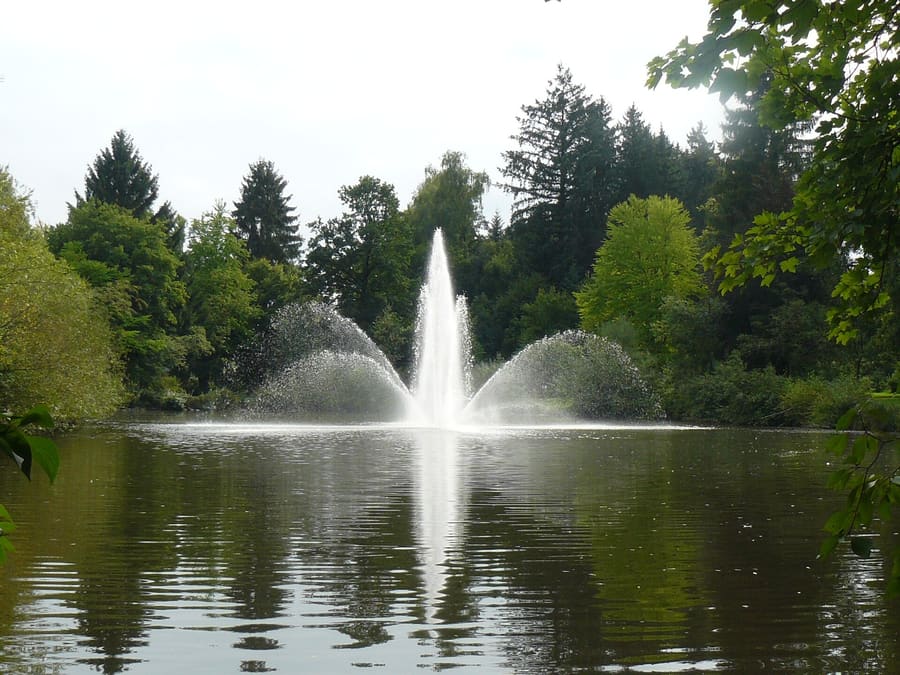
Kurpark Bad Wörishofen
A 163-hectare park with an extensive rose garden, herb gardens, and outdoor cold-water treading pools.
Ask ParleyGermany
The Allgäu spa town built on cold water cures.
introduction
Bad Wörishofen is a Bavarian spa town dedicated to the water cure invented here by Pastor Sebastian Kneipp in the nineteenth century. You walk through manicured parks, tread barefoot through cold mountain streams, and soak in thermal waters fed from deep underground. The rhythm is deliberately slow, built around outdoor walking trails and structured wellness regimens. Expect quiet evenings, early mornings, and a town center designed entirely around pedestrian health.
UNESCO status
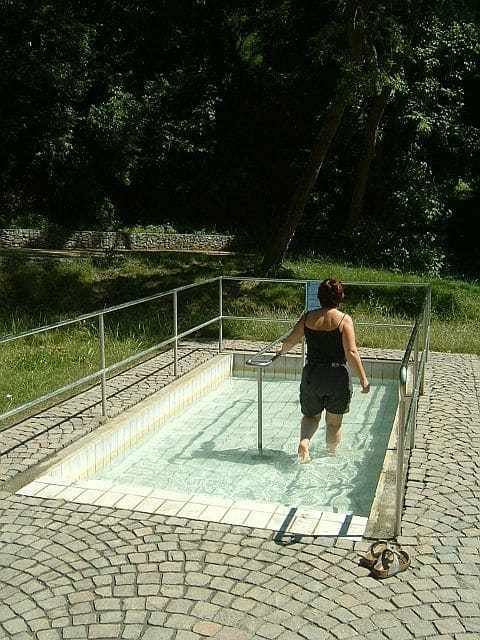
Kneipp hydrotherapy holds UNESCO intangible cultural heritage status in Germany. Over 20 public water-treading basins operate free of charge across town.
Planning trick
Your guest card includes free rides on local bus lines. You receive the card upon paying the mandatory Kurtaxe at your hotel check-in.
Bad Wörishofen
--Peng 14:39, 16 July 2006 (UTC) · CC BY 2.5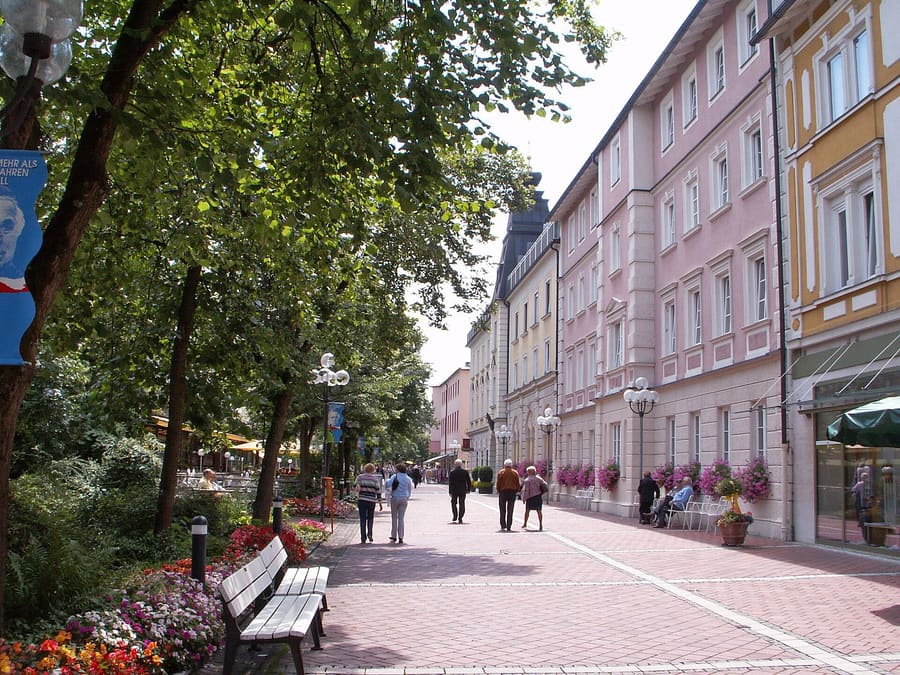
Kurzone — Quiet green avenues dominated by spa hotels, sanatoriums, and wide park entrances.
Flodur63 · CC BY-SA 3.0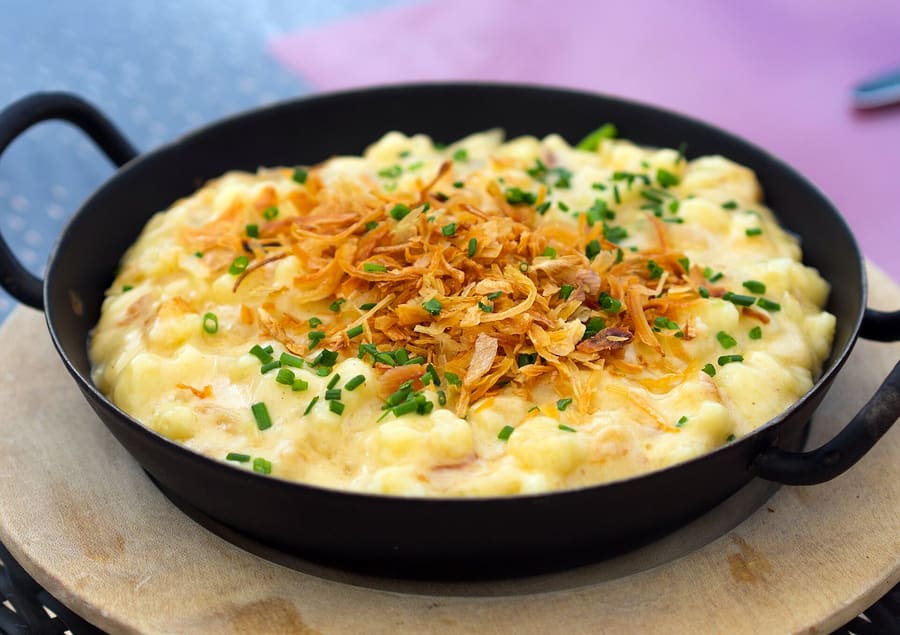
Freshly made Allgäu Kässpätzle topped with crispy fried onions.
Takeaway · CC BY-SA 4.0highlights
landmark
A 163-hectare park with an extensive rose garden, herb gardens, and outdoor cold-water treading pools.
Ask Parley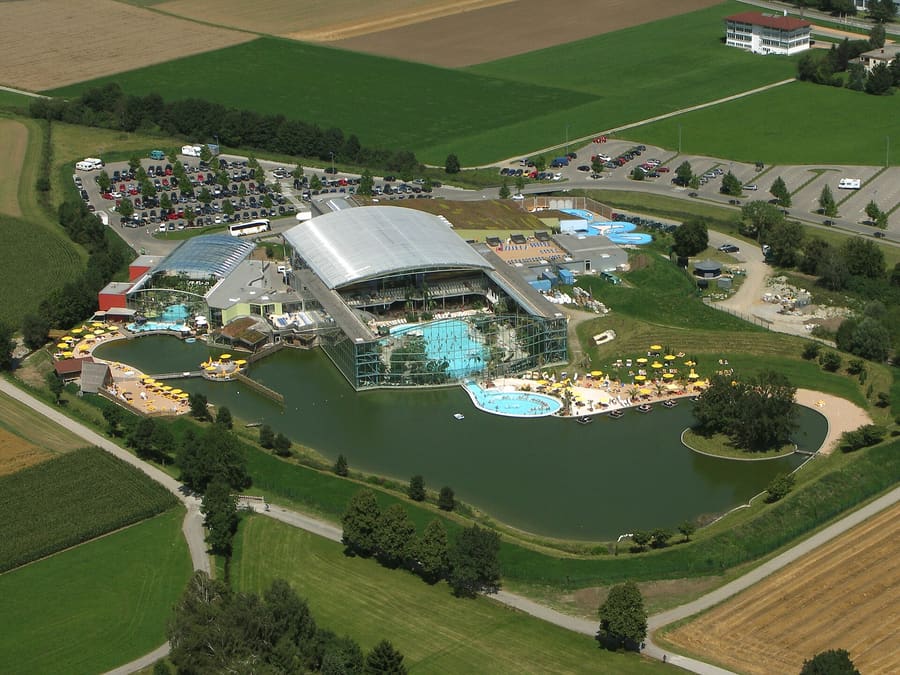
landmark
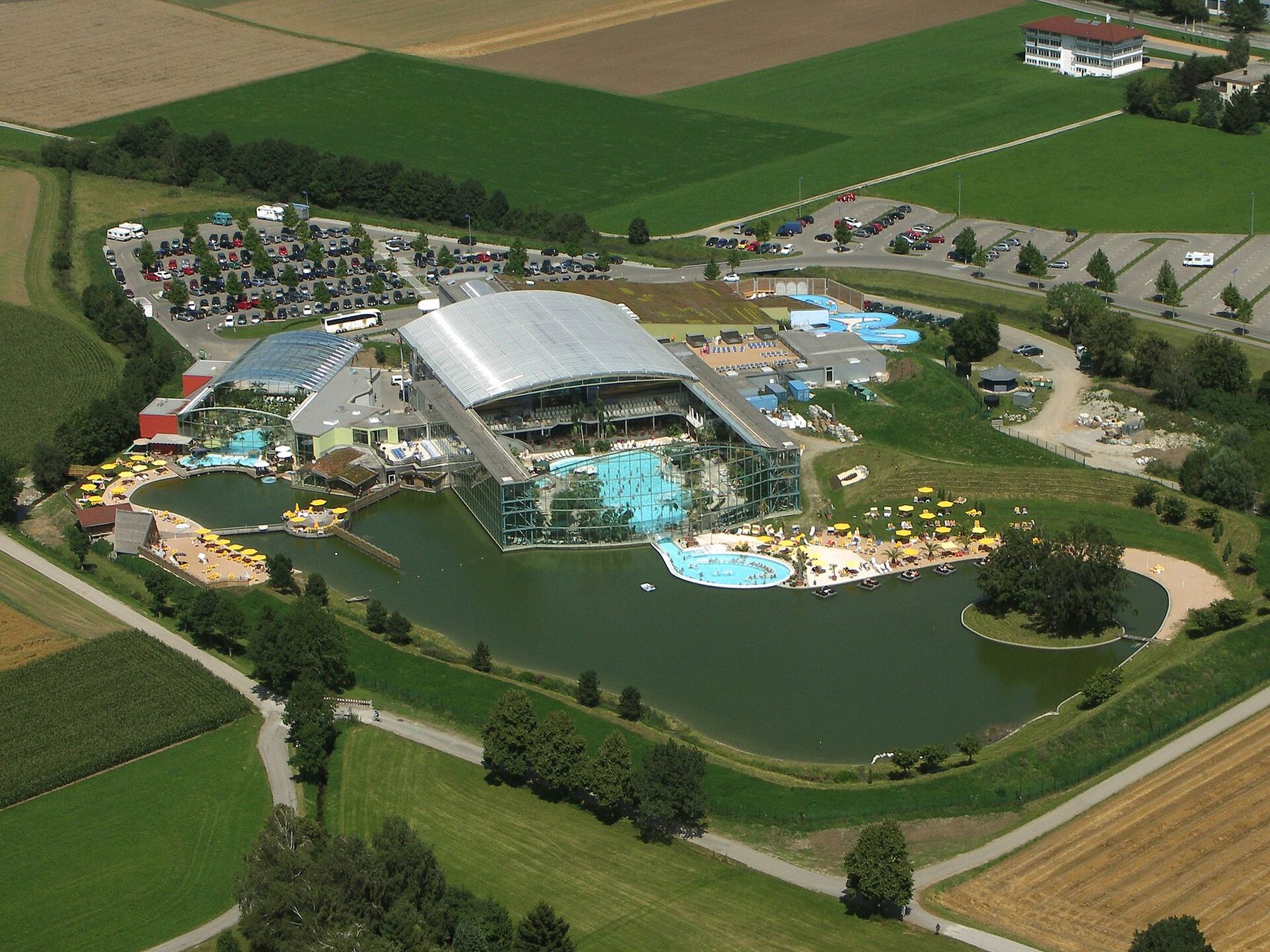
A massive thermal bath complex featuring turquoise mineral pools, saunas, and real palm trees under a glass dome.
Ask Parley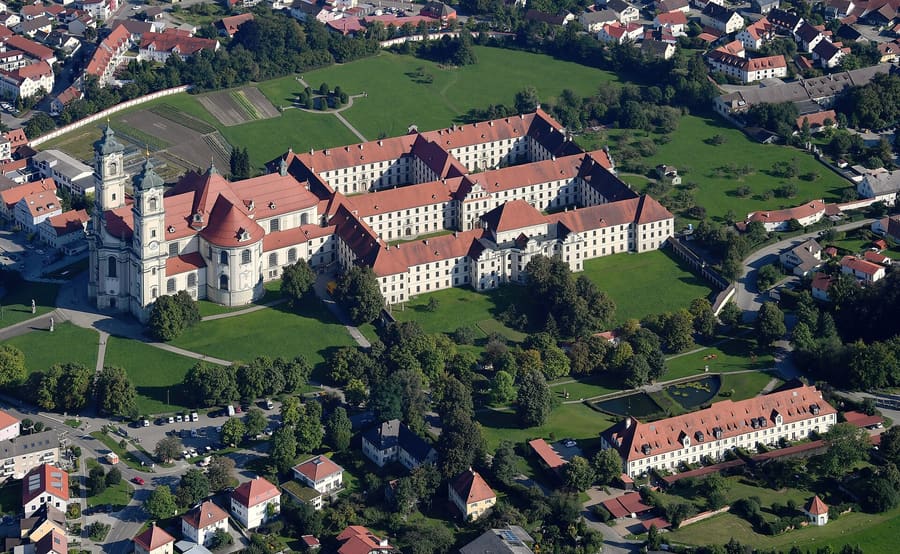
landmark
The active Dominican convent where Kneipp served as confessor and developed his natural health philosophy.
Ask Parley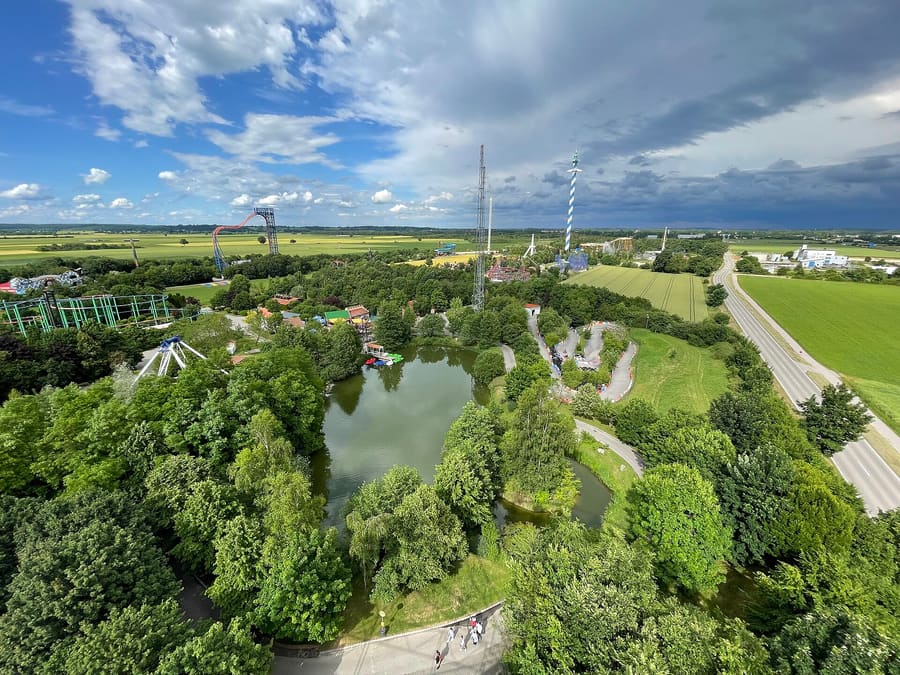
landmark
A large amusement park north of town with over 60 rides, offering a contrast to the calm spa core.
Ask Parleyattractions
areas
Quiet green avenues dominated by spa hotels, sanatoriums, and wide park entrances.
NearbyKurpark and hydrotherapy basins
Ask ParleyPedestrianized shopping streets with cafes, traditional bakeries, and historic churches.
NearbyPfarrkirche St. Justina and Kneipp Museum
Ask ParleyResidential leafy suburb north of the center with mid-range pensions and rentals.
NearbyTherme Bad Wörishofen
Ask Parleyfood
Dining in Bad Wörishofen balances traditional Allgäu comfort food with spa-conscious health menus. Regional specialties feature heavily aged Bergkäse cheese, handmade egg noodles, and local venison. Most hotel restaurants cater to dietary requirements established by early hydrotherapy practices, offering light vegetable broths alongside rich Bavarian classics.
Freshly made Allgäu Kässpätzle topped with crispy fried onions.
Takeaway · CC BY-SA 4.0Taverns use mature Allgäu mountain cheese. The dish arrives hot in small iron pans with crispy onions.
Kitchens across town routinely take final orders by 20:30. Plan evening meals accordingly.
Local bakeries serve light fruit tortes designed to fit spa regimen guidelines.
history
Bad Wörishofen transformed from a quiet agricultural village into a internationally recognized health resort in the late nineteenth century. The change was driven almost entirely by Sebastian Kneipp, a Catholic priest who developed a holistic healing method using cold water applications, medicinal herbs, balanced nutrition, exercise, and structured daily routines.
First recorded mention
The village of Werinshofen is first mentioned in official regional documents.
Sebastian Kneipp arrives
Kneipp takes up duty as confessor at the Dominican convent and begins developing hydrotherapy cures.
Publication of Meine Wasserkur
Kneipp publishes his core book on water therapy, turning the town into a destination for thousands of visitors.
Official 'Bad' title granted
The town receives the official prefix 'Bad' in recognition of its established mineral spa status.
Therme opening
The thermal spa complex opens, tapping into thermal mineral water extracted from over 1,000 meters deep.
where to stay
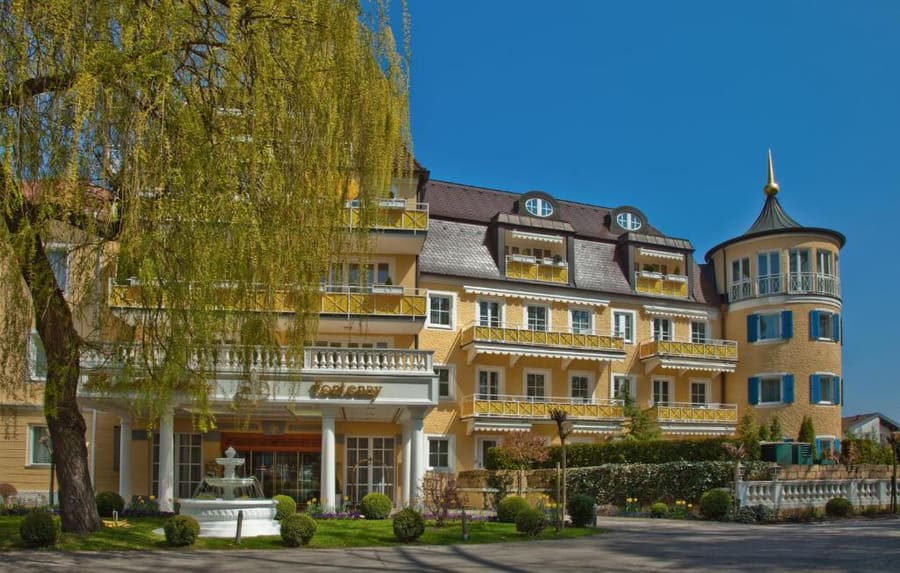
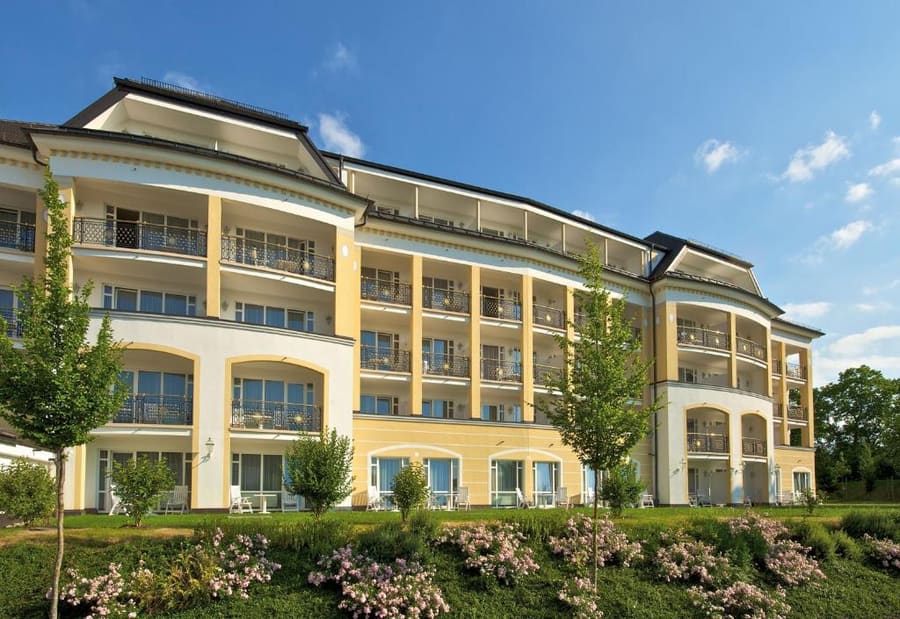
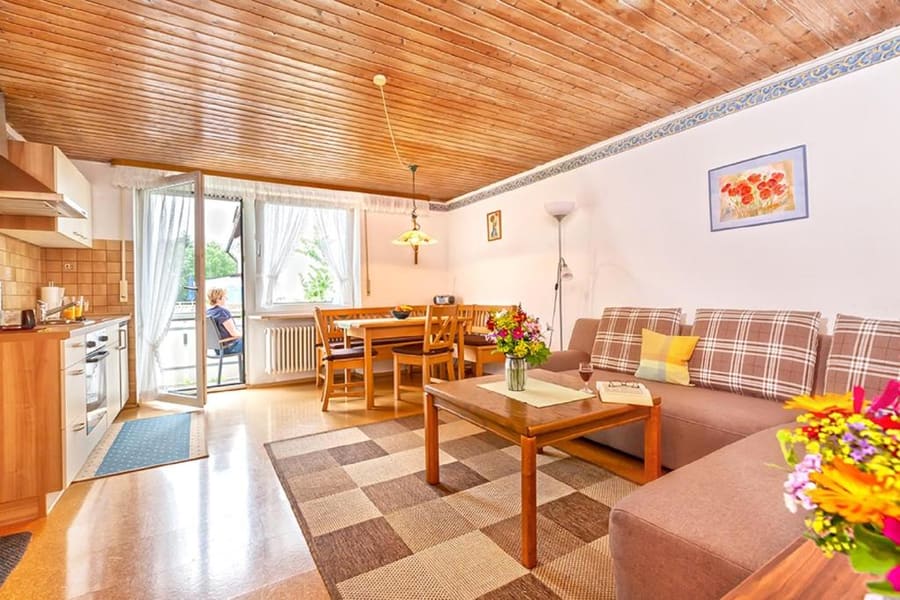
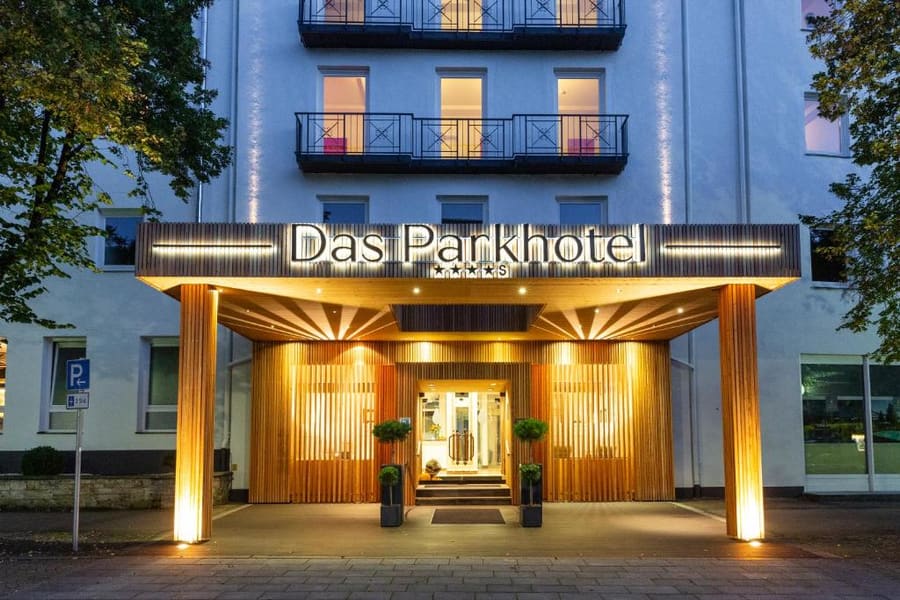
Select your hotel based on access to spa facilities and medical staff. High-end hotels feature internal Kneipp treatment rooms, private gardens, and full medical doctors on site. Central pensions offer simpler lodging close to public transport and public hydrotherapy basins.
Live rates, matched to the areas above.
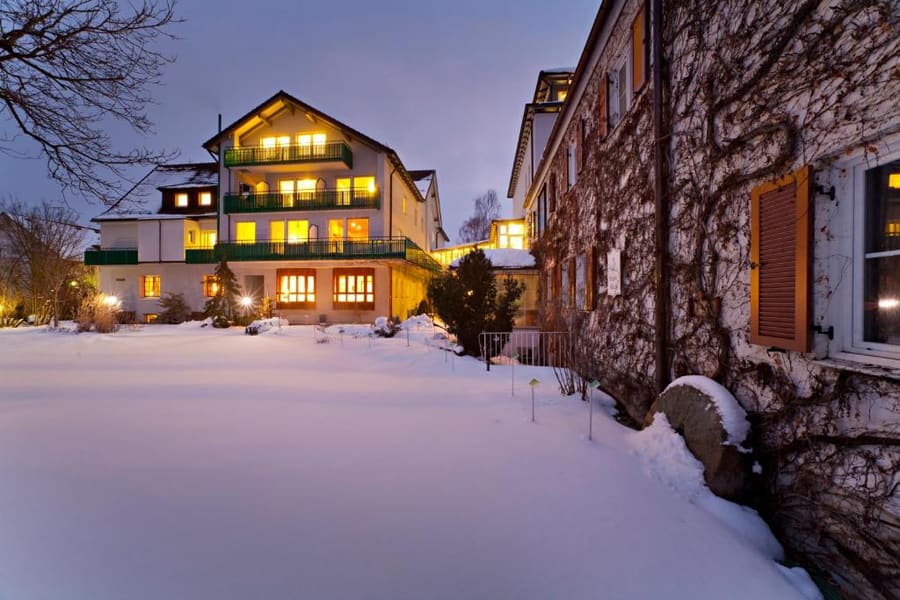
transport
Bad Wörishofen is flat and easy to traverse on foot or by bicycle. A regular city bus network connects the train station with outer residential areas and the thermal baths. Cars are restricted in the central pedestrian zones.
From Memmingen Airport (FMM) / Bahnhof Bad Wörishofen
Connect at Buchloe or Memmingen station. Regional trains run hourly.
Direct transfer from Memmingen Airport terminal to town center.
Show your Kurkarte guest pass to ride town bus routes without paying individual fares.
Bike rental shops operate near the station. Flat routes extend across the entire Unterallgäu district.
Local bus frequencies drop significantly on Sundays. Verify timetables in advance.
cost
Prices reflect a resort town tailored to health tourists. Dining and lodging run slightly higher than in non-resort Bavarian towns, but public wellness infrastructure like Kneipp outdoor arm-baths and leg-treading pools cost nothing.
Charged per night per person at all hotels. Gives you full access to guest discounts.
Grants access to the main thermal bath hall and mineral pools.
Covers traditional meals like Kässpätzle or roast pork with dumplings.
Includes access to historical exhibits inside the Dominican monastery.
seasonality
MAY – SEP
Warm weather allows full use of outdoor Wassertretbecken and the Kurpark rose gardens.
OCT – NOV
Cooler days suited for autumn forest walks and thermal indoor bathing.
DEC – FEB
Cold winters put focus on indoor saunas and deep thermal pools.
MAR – APR
Quiet spring season before park flowers bloom and outdoor pools refill.
practicalities
When using public cold-water pools, brush off water with your hands before drying to follow Kneipp protocol.
Residential areas enforce quiet afternoon hours between 12:00 and 14:00.
Sauna sections inside Therme Bad Wörishofen strictly require nudity.
Independent bakeries and traditional tea rooms often require cash payment.
Moving between water basins and walking paths is easier with water-resistant footwear.