landmark
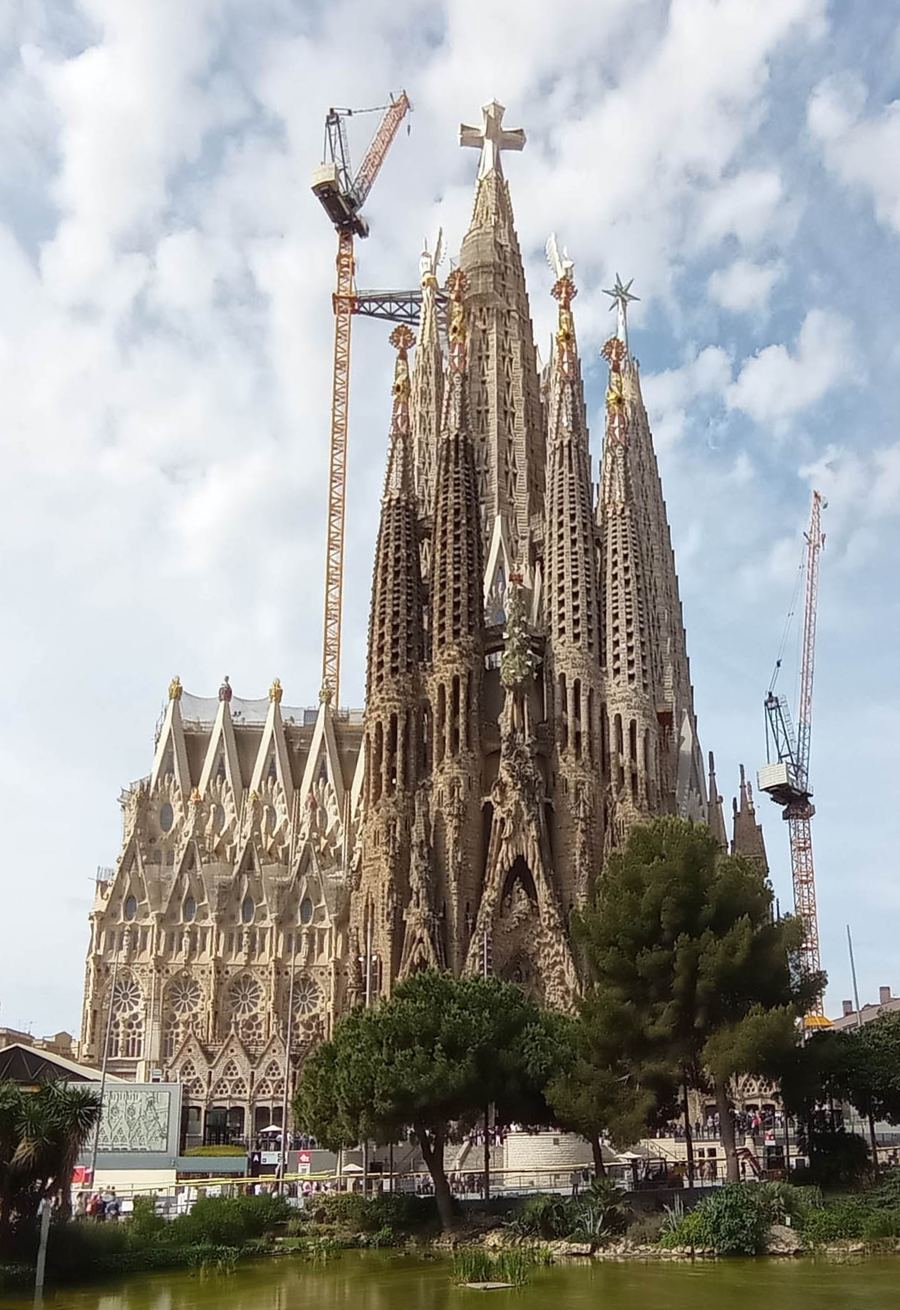
Sagrada Familia
Gaudí's unfinished basilica demands online booking weeks early. Book the Nativity tower for Mediterranean views.
Ask ParleySpain
Gaudí architecture, sea air, and grid-plan living.
introduction
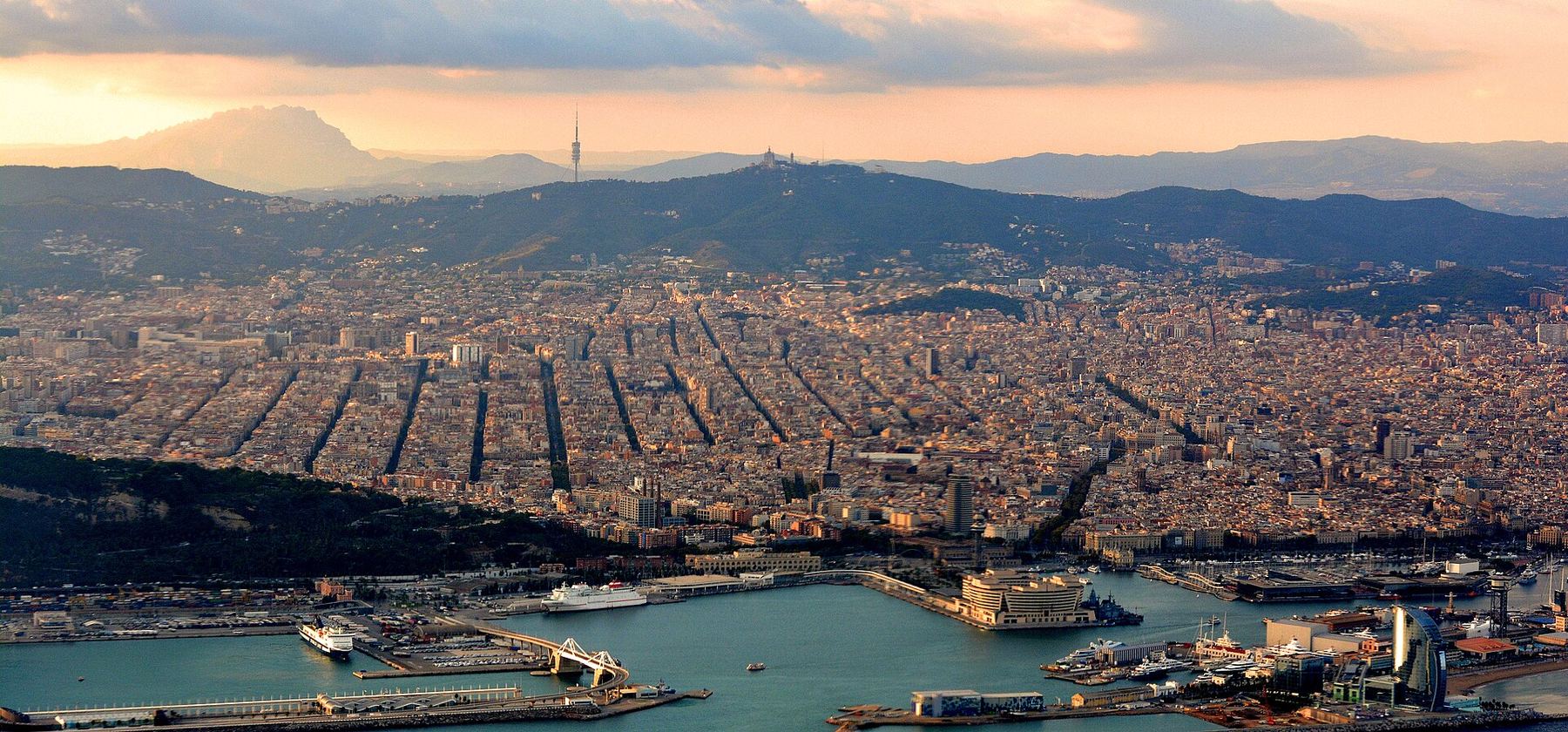
Barcelona sits wedged between the Collserola hills and the Mediterranean Sea, laid out in gridlines and medieval alleyways. You navigate its neighborhoods best on foot, leaning on the dense underground Metro network for longer leaps. Expect distinct dining hours, grand 19th-century architecture, and an intense regional pride that shapes daily street life.
Airport transit trick
Take the R2 Nord train from Terminal 2 to Passeig de Gràcia. It costs €4.60 and bypasses traffic.
UNESCO Modernisme cluster
Nine Antoni Gaudí and Lluís Domènech i Montaner buildings hold UNESCO status across Barcelona.
Sunday museum pass
Public museums like the Picasso Museum offer free admission on the first Sunday of each month.
Barcelona
Llull · CC BY-SA 2.0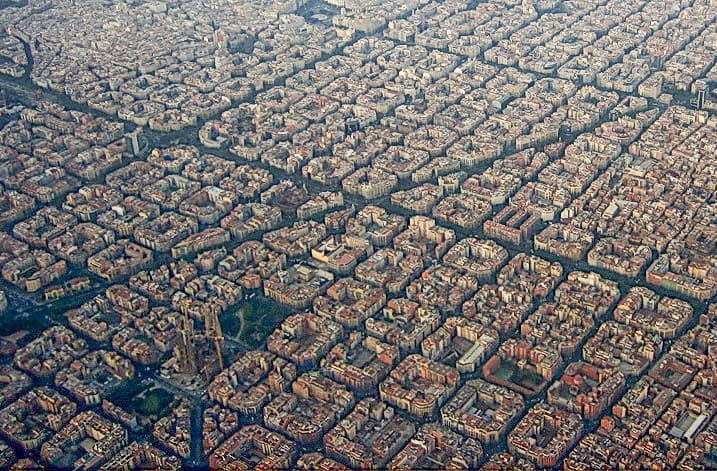
Eixample — Wide grid avenues lined with 19th-century Modernista blocks and upscale dining.
Alhzeiia · CC BY-SA 2.0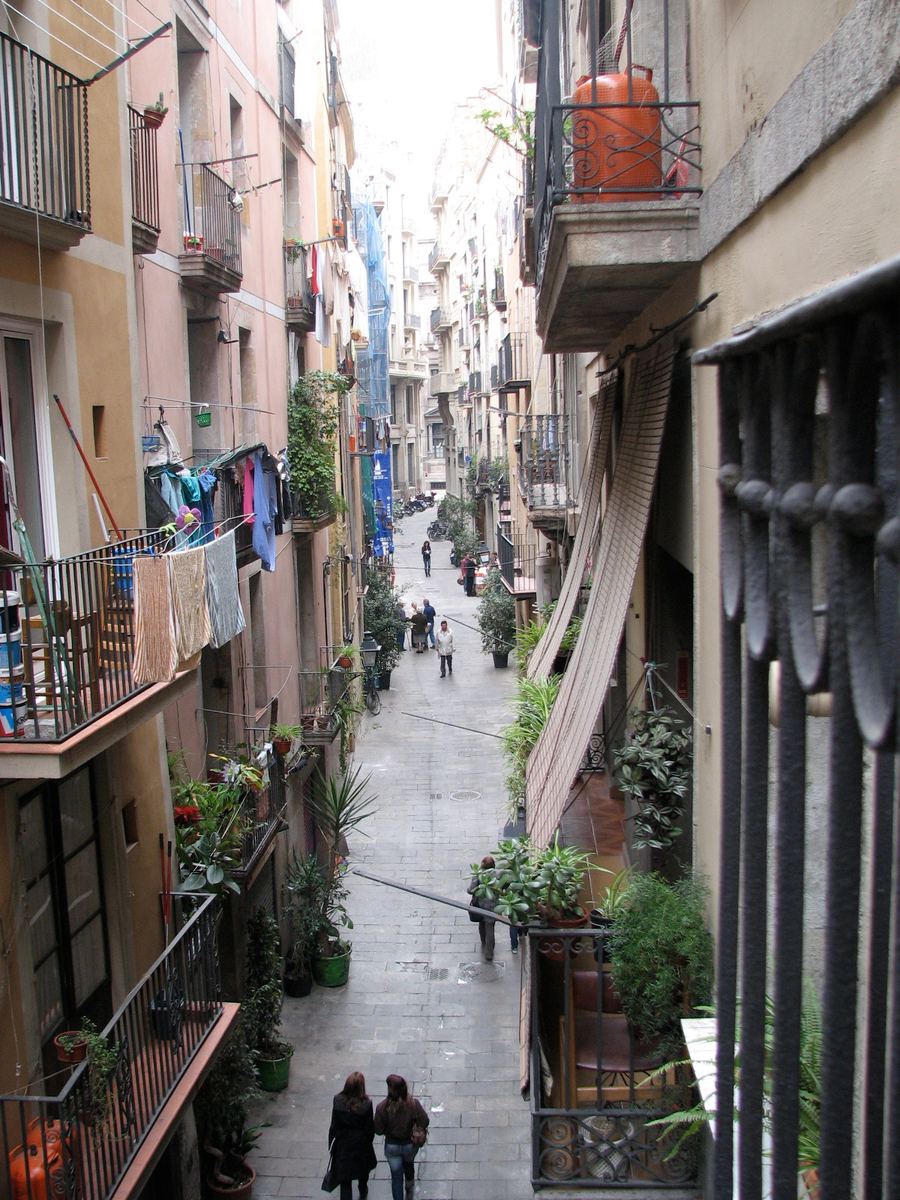
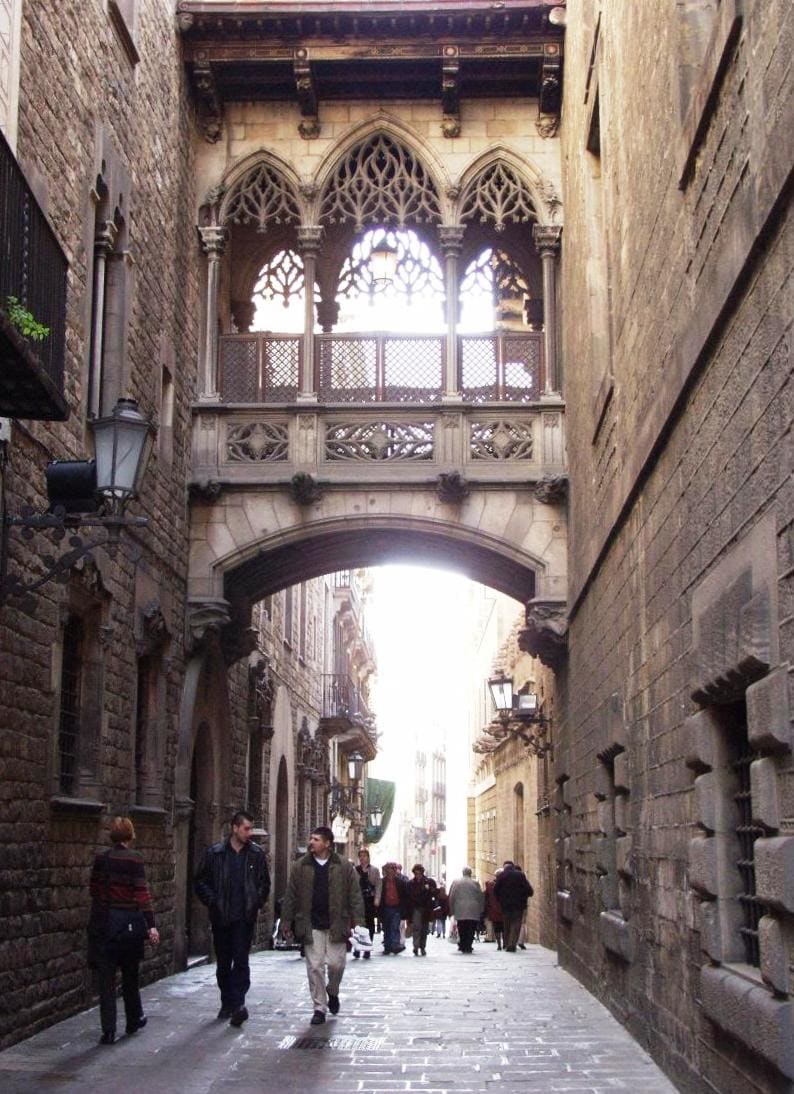
El Born — Narrow medieval alleys with cocktail bars, independent boutiques, and tapas spots.
Axelv · CC BY-SA 4.0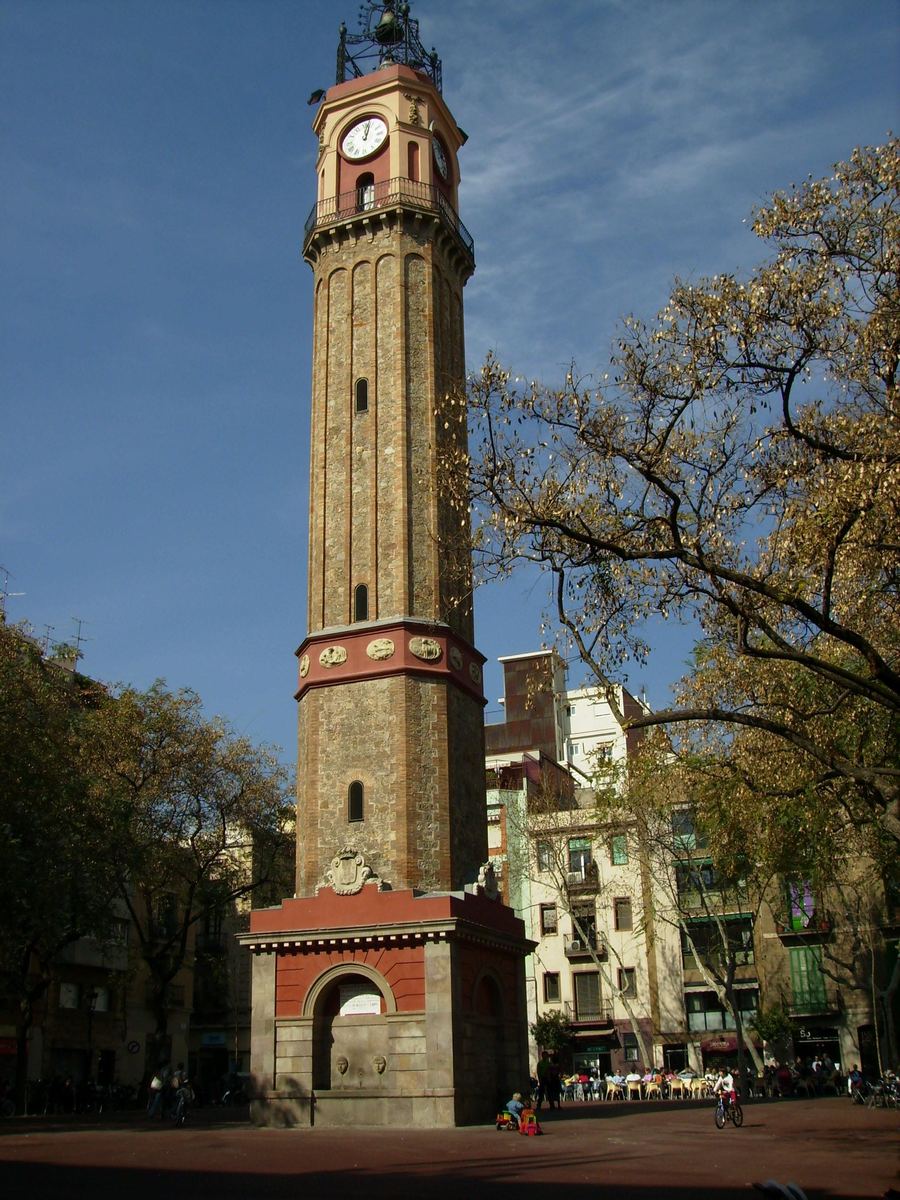
Gràcia — Pedestrian plazas and village atmosphere with local craft shops and outdoor cafés.
puigalder · CC BY-SA 3.0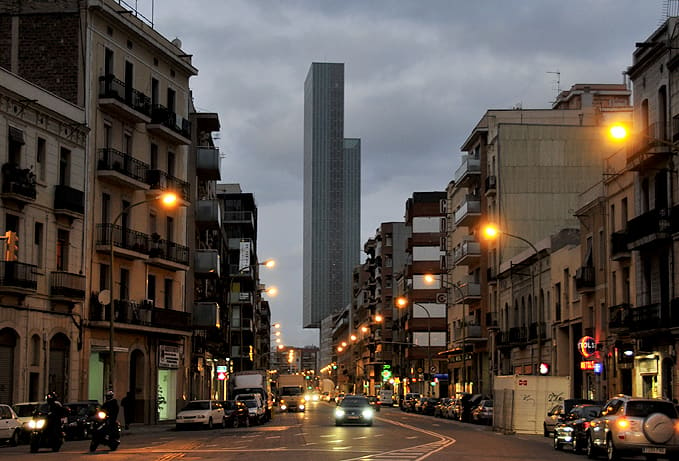
Poblenou — Former industrial area converted into design studios, tech hubs, and quiet beach access.
Manuellebron · Public domainhighlights
landmark
Gaudí's unfinished basilica demands online booking weeks early. Book the Nativity tower for Mediterranean views.
Ask Parley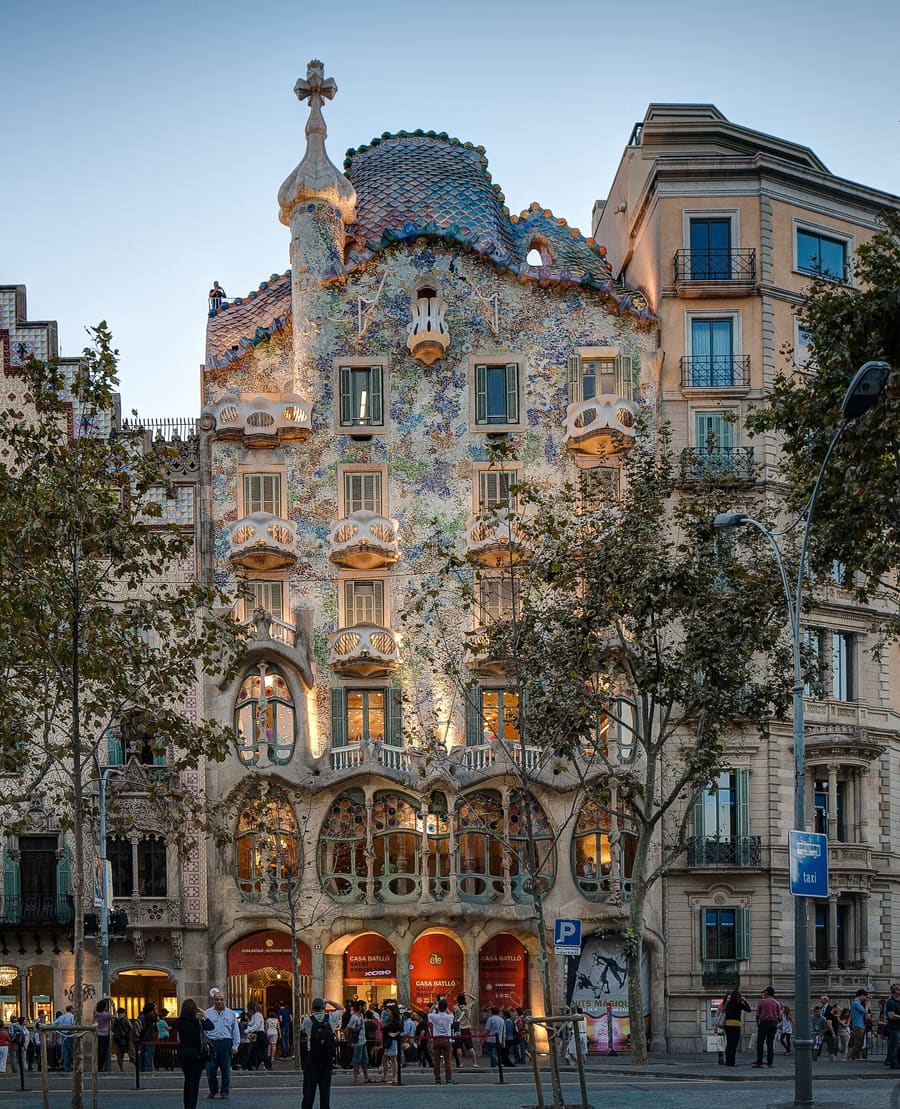
landmark
A dragon-backed townhouse on Passeig de Gràcia. Night visits skip daytime tour groups at a modest premium.
Ask Parley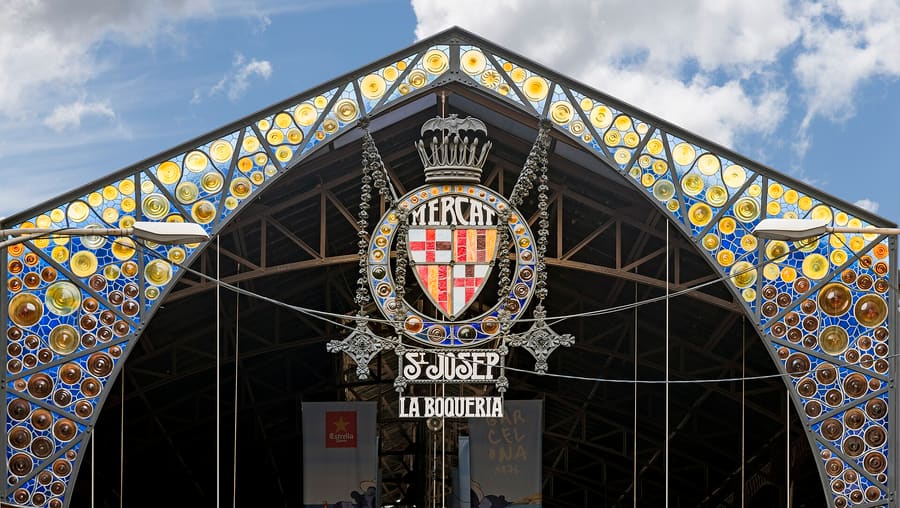
landmark
Central food market operating since 1836. Eat hot counter tapas at El Quim instead of buying fruit cups at the entrance.
Ask Parley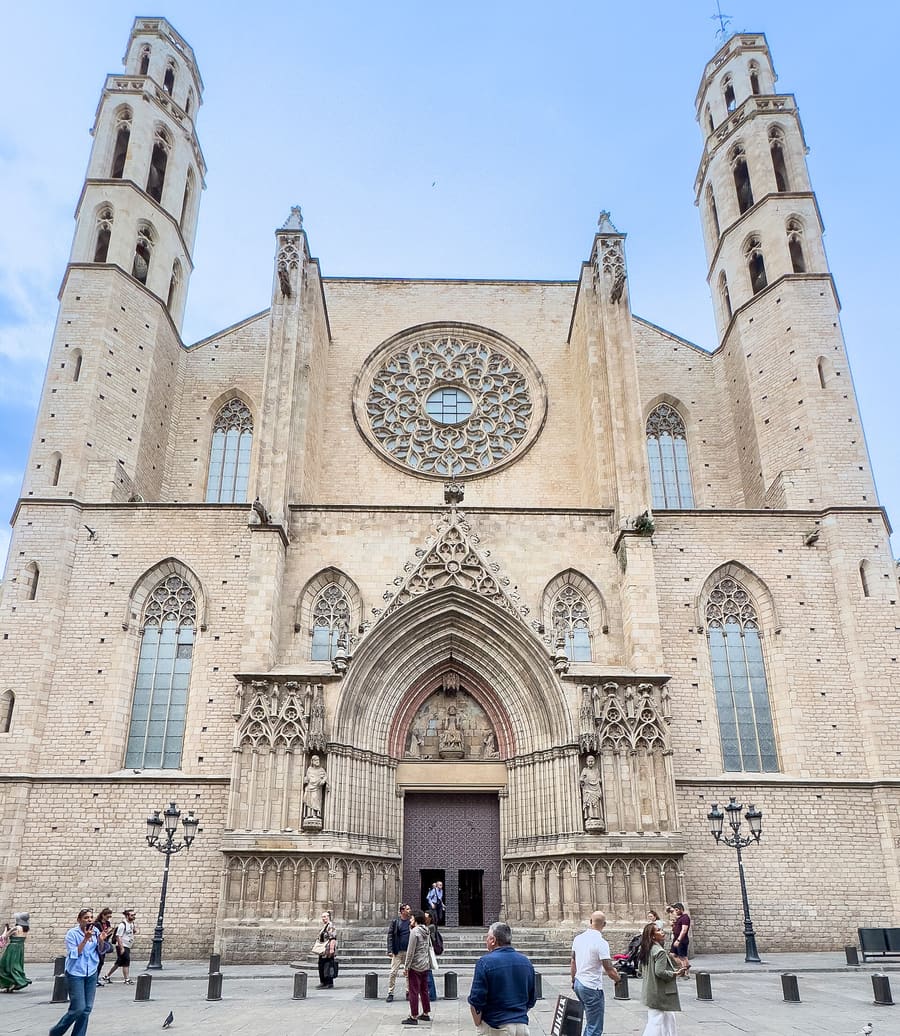
landmark
A pure 14th-century Catalan Gothic church built by local stonemasons. Evening roof tours offer 360-degree views.
Ask Parleyattractions
areas
Wide grid avenues lined with 19th-century Modernista blocks and upscale dining.
NearbyPasseig de Gràcia and Casa Batlló
Ask ParleyNarrow medieval alleys with cocktail bars, independent boutiques, and tapas spots.
NearbyPicasso Museum and Ciutadella Park
Ask ParleyPedestrian plazas and village atmosphere with local craft shops and outdoor cafés.
NearbyPark Güell and Casa Vicens
Ask ParleyFormer industrial area converted into design studios, tech hubs, and quiet beach access.
NearbyBogatell Beach and Rambla del Poblenou
Ask Parleyfood
Barcelona runs on two distinct meal rhythms: lunch from 13:30 to 16:00 and dinner after 21:00. Local cuisine centers on seafood, seasonal pork products, and rice dishes distinct from Valencian paella. Skip restaurants directly on La Rambla, where frozen food commands inflated prices.
Order the fixed-price menu del día at lunch on weekdays. Three courses with bread and wine cost €12 to €18.
Eat rice dishes at lunch, not dinner. Catalan seaside restaurants like Can Solé cook rice to order for midday dining.
history
Barcelona originated as the Roman military colony Barcino around 15 BCE. Medieval maritime trade established Catalan dominance across the Mediterranean, building the Gothic Quarter. The 1859 Cerdà grid plan tore down ancient walls, creating the expansive Eixample district.
Roman Barcino
Romans establish a fortified colony on Mount Tàber, setting the street layout of today's Gothic Quarter.
The Cerdà Plan
Ildefons Cerdà designs the octagonal grid expansion, connecting the old city with surrounding villages.
Olympic Transformation
The Summer Olympics open the city to the sea, converting industrial rail yards into urban beaches.
where to stay
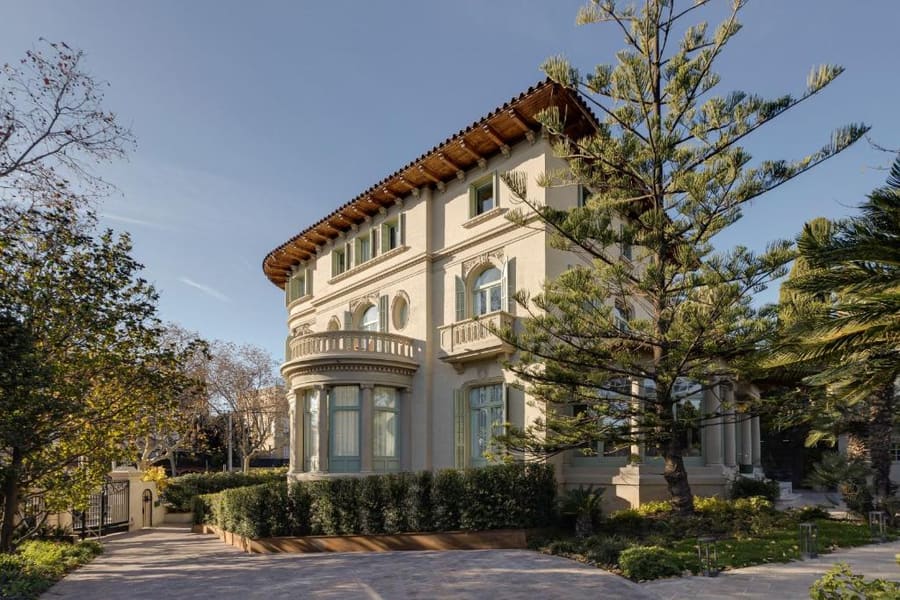
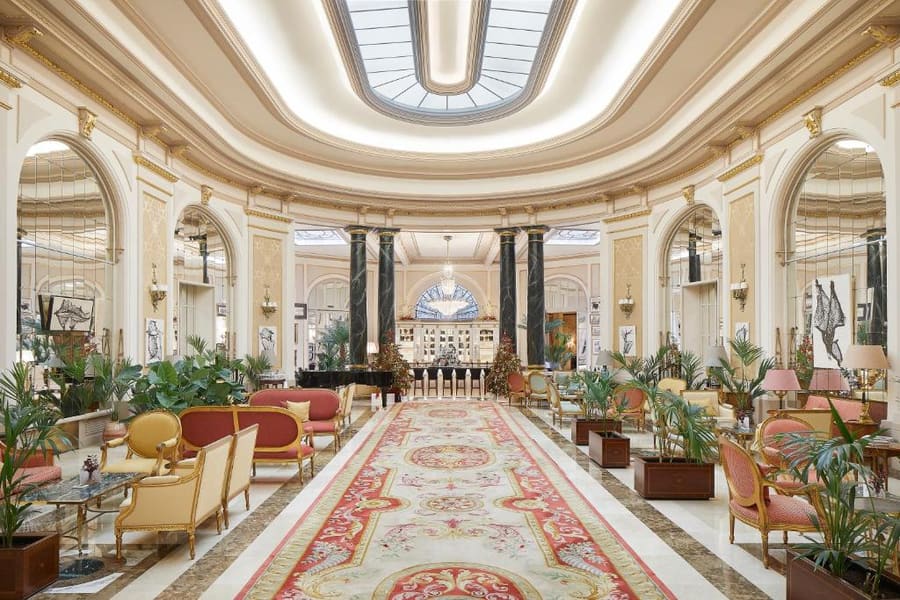
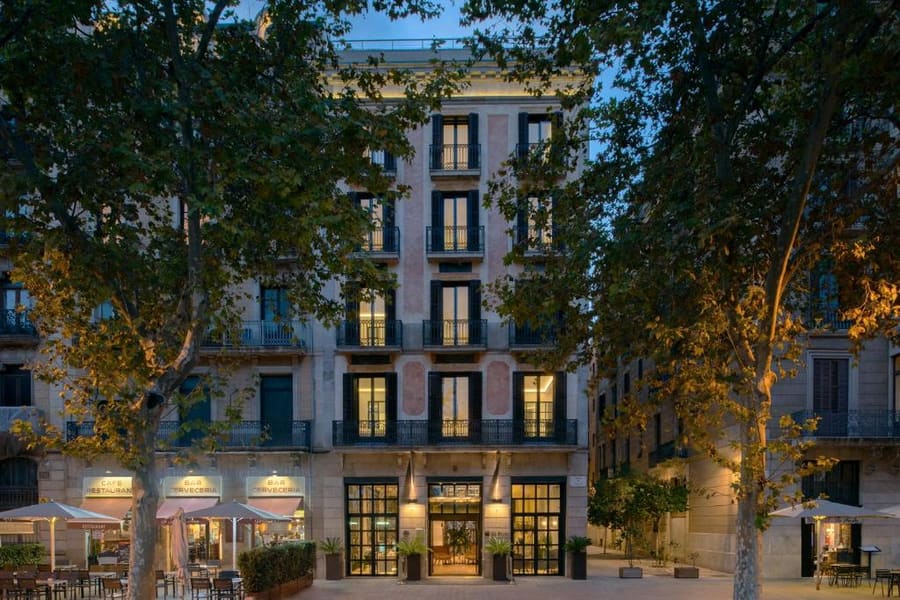
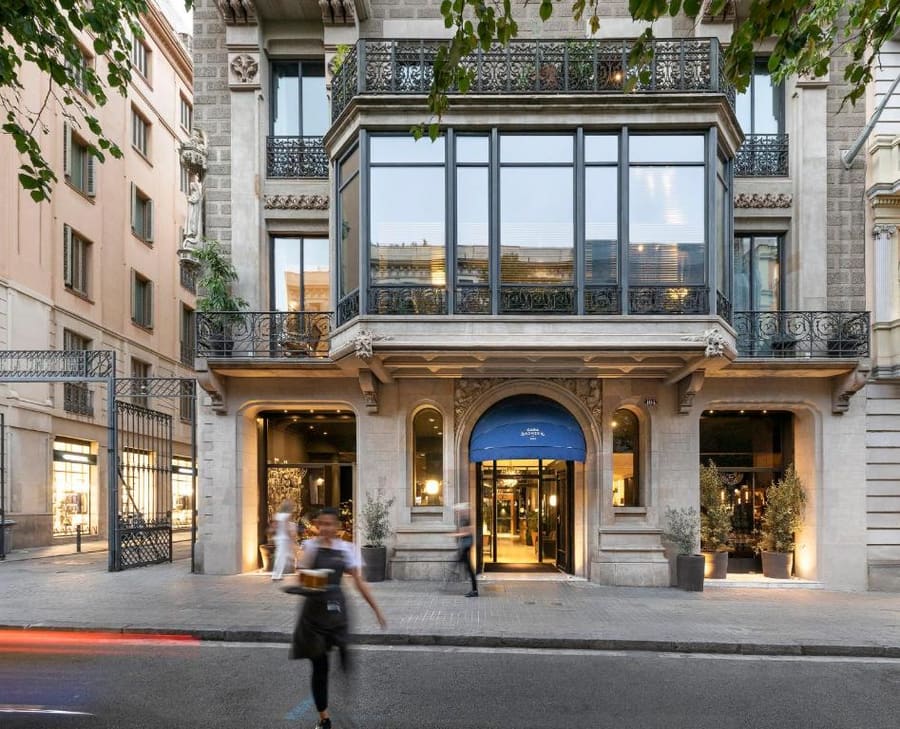
Choose your neighborhood based on walking preferences and noise tolerance. Eixample offers wide streets and elevators; El Born puts nightlife outside your door; Gràcia delivers a residential feel.
Live rates, matched to the areas above.
transport
Barcelona has an integrated transit network of trains, metro, buses, and trams managed by TMB and FGC. Walking connects central areas easily, but metro lines bridge top sights fast.
From Barcelona-El Prat Airport (BCN)
R2 Nord train runs every 30 minutes from T2 to Passeig de Gràcia.
Aerobús runs every 5-10 minutes from T1 and T2 to Plaça de Catalunya.
Fixed airport surcharges apply. Official black and yellow taxis wait at ranks.
Buy a T-casual card for €12.15 at station vending machines. It gives 10 individual rides across metro, bus, and train zone 1.
Validate your ticket before entering gates. Keep the card until exiting; ticket inspectors check exits regularly.
Metro runs from 05:00 to midnight Monday through Thursday, until 02:00 on Friday, and continuously on Saturday night.
Keep bags closed on Metro Line L3 and at Sants Station. Thieves target crowded doorways as doors close.
cost
Barcelona costs less than Paris or London but more than southern Spanish cities. Eating local fixed menus and using multi-ride transit cards keeps daily expenses predictable.
A café amb llet costs under €2.00 when taken standing at a neighborhood bar counter.
Three-course lunch menu including bread, drink, and dessert at neighborhood restaurants.
Basic ticket costs €26; adding tower access brings the total ticket price to €36.
T-casual card covers 10 single trips on metro, bus, and urban train lines.
seasonality
MAR – MAY
Pleasant spring weather with temperatures around 18°C. Ideal for outdoor walking before summer tour groups arrive.
JUN – AUG
Hot, humid summer weather exceeding 30°C. Long queues at major sights and crowded city beaches.
SEP – NOV
Warm sea temperatures and thinning crowds. September features La Mercè city festival celebrations.
DEC – FEB
Mild winter temperatures around 12°C with bright sunshine. Low hotel prices and short lines at museums.
practicalities
Independent shops close from 14:00 to 17:00 for lunch and reopen late. Chain stores stay open continuously.
Contactless card payment works almost everywhere, including market stalls and taxis. Carry €10 cash for small bakeries.
Bogatell and Nova Icaria beaches offer cleaner water and fewer sellers than Barceloneta beach.
Street signs and menus appear first in Catalan. Staff speak Spanish and English fluently.
Tap water is completely safe to drink in Barcelona, though high mineral content gives it a hard taste.