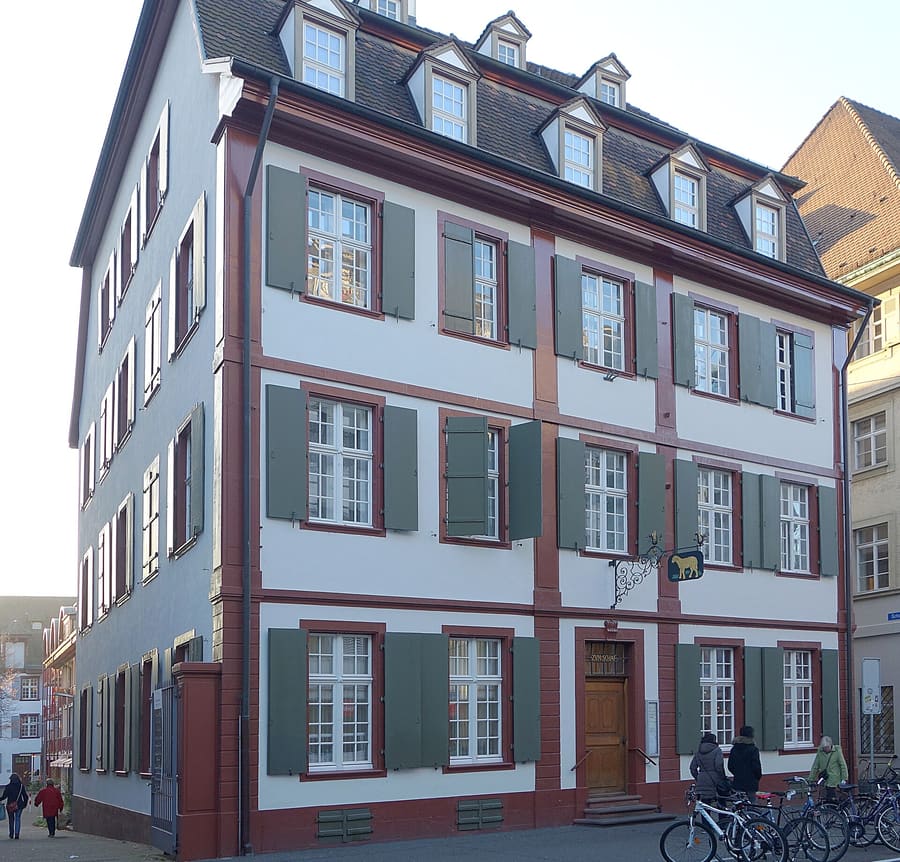

landmark
Kunstmuseum Basel
Houses the oldest public art collection in the world. Closed Mondays; buy tickets online to skip entry queues.
Switzerland
Tri-border art capital anchored by the Rhine.
Basel sits where Switzerland, France, and Germany meet along a bend in the Rhine. You navigate the city primarily by its dense tram network and wooden ferries that cross the river without engines. The local economy rests on global pharmaceutical giants and four dozen museums. Expect high Swiss prices paired with a relaxed riverfront culture.
Kleinbasel — Relaxed riverside promenade, casual dining, and active nightlife north of the Rhine.
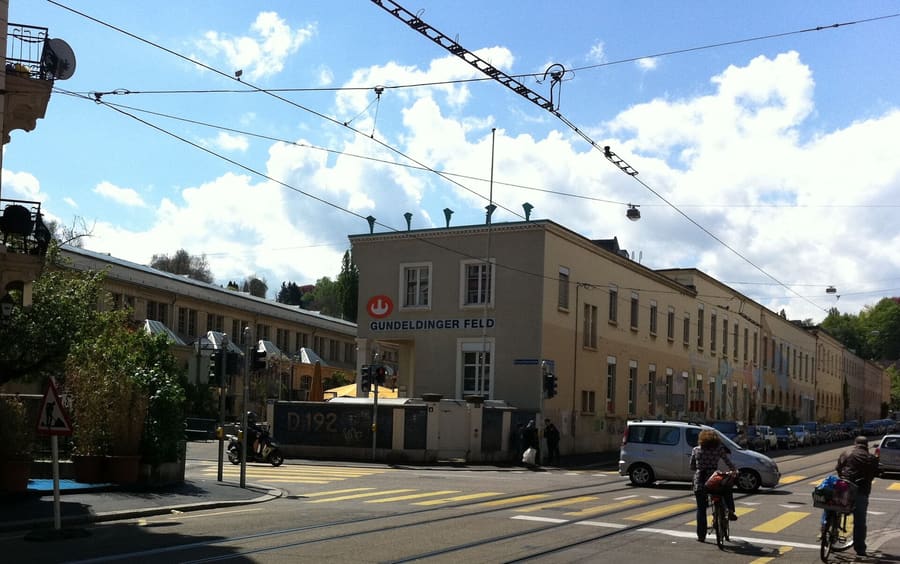
Gundeldingen — Diverse residential area behind SBB main station with reconfigured industrial spaces.
Basler Läckerli, the city's signature spiced honey biscuit.
01
landmark
Houses the oldest public art collection in the world. Closed Mondays; buy tickets online to skip entry queues.
landmark
Bright red 16th-century town hall on Marktplatz. Walk into the inner courtyard for free to admire the painted frescoes.
landmark
Kinetic sculptures built from industrial scrap alongside the Rhine. Push buttons to activate interactive works.
02
03
Cobblestone lanes, hill climbs, and major cultural institutions on the river's south bank.
NearbyMünster and Kunstmuseum
Ask ParleyRelaxed riverside promenade, casual dining, and active nightlife north of the Rhine.
NearbyRhine banks and Middle Bridge
Ask ParleyFormer working-class district turned design hub near Novartis Campus.
NearbyNovartis Campus and Rhine
Ask ParleyDiverse residential area behind SBB main station with reconfigured industrial spaces.
NearbyBasel SBB station and Markthalle
Ask Parley04
Basel dining reflects its position at the meeting point of Switzerland, Alsace, and Baden. Local tradition centers around Basler Läckerli, a dense gingerbread spiced with honey, almonds, and candied peel created in the 15th century.In warm months, outdoor dining moves to temporary riverbank kiosks called Buvettes along the Kleinbasel shore. Here locals gather on stone steps drinking craft beer and eating sausages or flammkuchen late into the evening.For affordable variety year-round, Markthalle near the main rail station houses dozens of international food vendors beneath a historic concrete dome built in 1929.
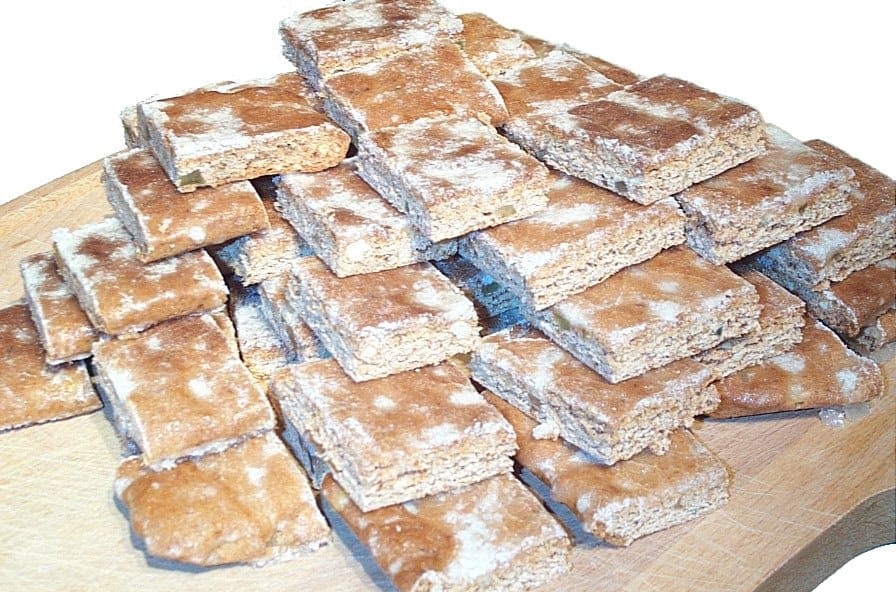
Basler Läckerli, the city's signature spiced honey biscuit.
Buy authentic Läckerli at the historic store near Spalenberg rather than tourist souvenir shops.
Open only in dry weather from April through October along the Oberer and Unterer Rheinweg.
Stalls accept cards and offer lunch meals under CHF 20, a rarity in central Basel.
05
Basel grew as a Celtic settlement before the Romans established a fortress on Münsterhügel. The city built its first wooden bridge across the Rhine in 1225, controlling trade between the Alps and Northern Europe.The founding of Switzerland's first university here in 1460 transformed Basel into a printing hub and attracted humanists like Erasmus of Rotterdam. A massive earthquake in 1356 destroyed much of the medieval structure, prompting rebuilds that shaped today's core.In the 19th century, textile dyeing evolved into a chemical and pharmaceutical industry that now funds the city's immense cultural output.
First Rhine bridge
Bishop Heinrich von Tunn built the first permanent bridge, securing Basel's transit wealth.
Great Basel Earthquake
Central Europe's strongest recorded earthquake flattened castle structures and triggered fires.
University founded
Pope Pius II chartered the university, establishing Basel as a European center for humanism.
First Swiss Sample Fair
The city established itself as a global trade exhibition hub, leading to modern Art Basel.
06
Choose your neighborhood by how you want to experience the river. Staying in Grossbasel puts major museums at your doorstep on quiet historic streets. Kleinbasel offers lively evening walking along the water and direct tram lines to exhibition centers. Gundeldingen offers faster connections to SBB trains and lower room costs.
Highly rated hotels in Basel.


07
Basel is compact and exceptionally easy to navigate. Public transport is managed by BVB and BLT, running frequent green and yellow trams that arrive every 6 to 10 minutes. Walking is often as fast as transit inside the pedestrianized Old Town.
From BSL
BVB Bus 50 connects EuroAirport directly to Basel SBB station every 7-10 minutes.
Taxis wait outside arrivals; cross-border tariffs apply if heading into France or Germany.
Your hotel booking confirmation acts as a valid transit pass on your arrival day from BSL airport or train stations.
Tram 8 crosses into Weil am Rhein (Germany) and Tram 3 crosses into Saint-Louis (France).
Ferries run year-round during daylight hours. Ring the bell at the pier if the boat sits on the opposite bank.
Trams always have right-of-way, even at zebra crossings. Keep your eyes up when stepping off sidewalks.
08
Basel matches Swiss price expectations, but smart choices keep budgets manageable. Museum tickets, dining, and coffee are expensive, while public transit is free with overnight accommodation.
Major venues charge around CHF 25, but many offer free entry on the first Sunday of the month.
Expect to pay CHF 22 for a standard plate meal or lunch special at central cafes.
Coffee prices are consistent across the city centre, with card payments accepted everywhere.
Exact cash in Swiss Francs or Euros is preferred by ferry operators.
09
MAR – MAY
Mild weather with spring blossoms. High culture season without peak summer tourist crowds.
JUN – AUG
Hot days ideal for swimming in the Rhine. Art Basel in June brings high hotel pricing and full bookings.
SEP – NOV
Crisp autumn weather. Autumn Fair (Herbstmesse) in late October fills public squares with rides and food stalls.
DEC – FEB
Cold winter temperatures. December features festive markets; February/March brings the 72-hour Fasnacht carnival.
10
Buy a dry bag at the tourist office to keep clothes safe while floating down the Rhine in summer.
The famous carnival begins at precisely 4:00 AM on the Monday after Ash Wednesday with the Morgestraich.
Euros are widely accepted near the borders, but change is returned in Swiss Francs at lower rates.
Basel SBB serves Swiss/French trains, Badischer Bahnhof serves Deutsche Bahn, and Gare de Saint-Louis is nearby.
Shops close on Sundays except for grocery stores located inside Basel SBB station and EuroAirport.
Contents
Your trip
Going to Basel?
Tell Parley when you’re going and what you enjoy, and it plans the days around this guide.
Plan with Parley


