landmark
Bhaktapur Durbar Square
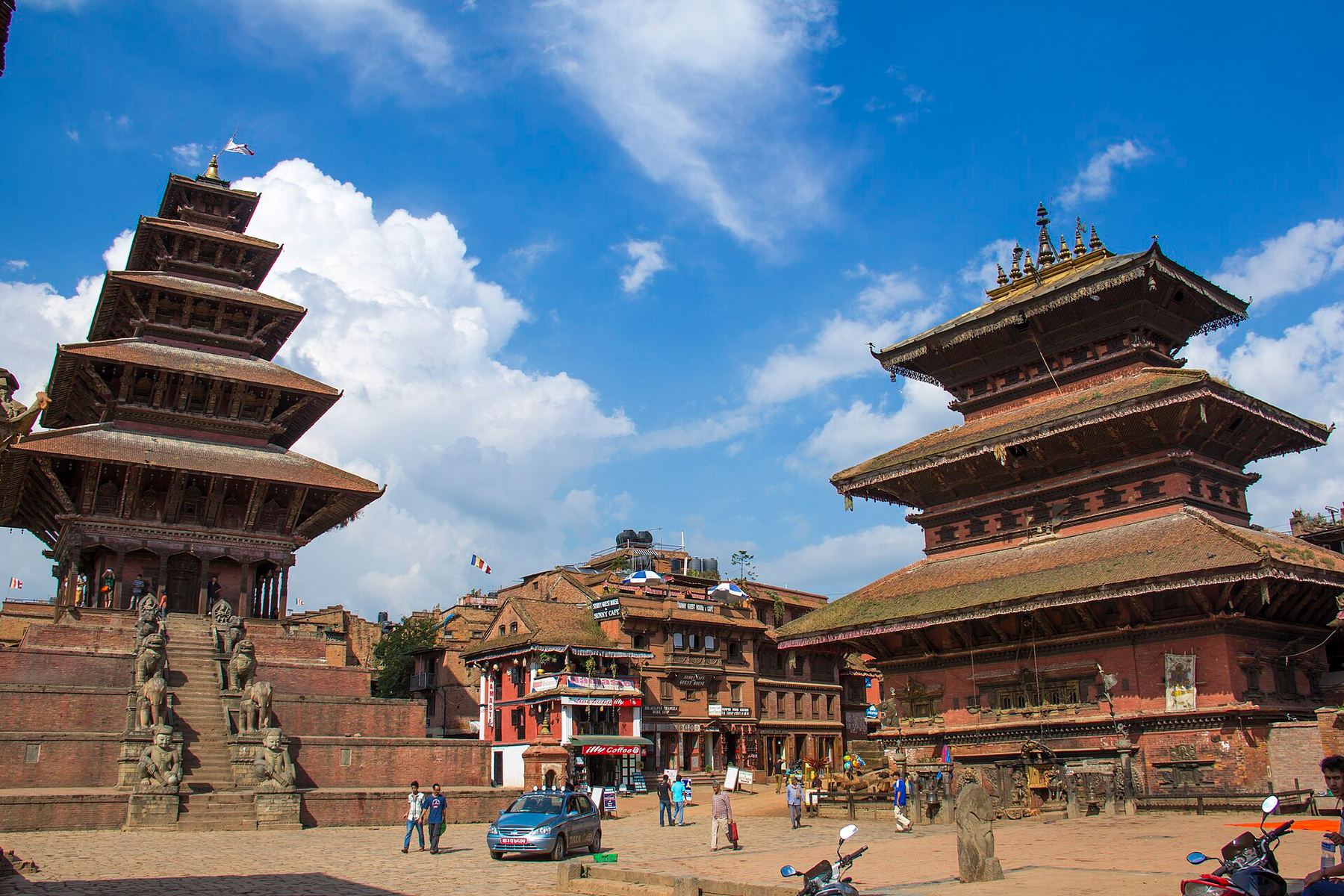
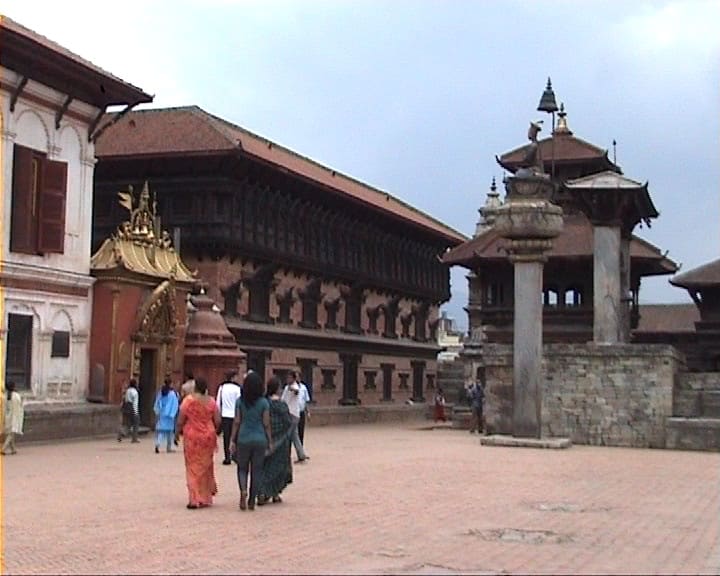
The historic royal plaza houses stone temples and the Golden Gate. Arrive before 08:30 to see local morning rituals without tour groups.
Ask ParleyNepal
Living Malla architecture and clay traditions
introduction
Bhaktapur sits 13 kilometers east of Kathmandu, yet its vehicle-free center feels distinct from the capital. Red-brick alleyways connect grand medieval squares where woodcarvers and potters work in public yards. You move through the city entirely on foot, passing brick pagoda temples and traditional courtyard houses. Plan to stay overnight so you can experience the stone squares after the day-trip crowds return to Kathmandu.
Ticket extension for overnight stays
Pay the foreign entry fee of 1,800 NPR at the entry gate. Bring your passport to the tourist service center to extend validity for your full stay.
UNESCO World Heritage core
The city core became a UNESCO site in 1979. It protects intact Malla-era royal palaces, courtyards, and pagoda architecture.
Car-free central zone
Motor vehicles cannot enter the main cultural heritage zone during daylight hours. Cobblestone streets remain quiet and walkable.
Bhaktapur
Bikram Pratap Singh · CC BY-SA 3.0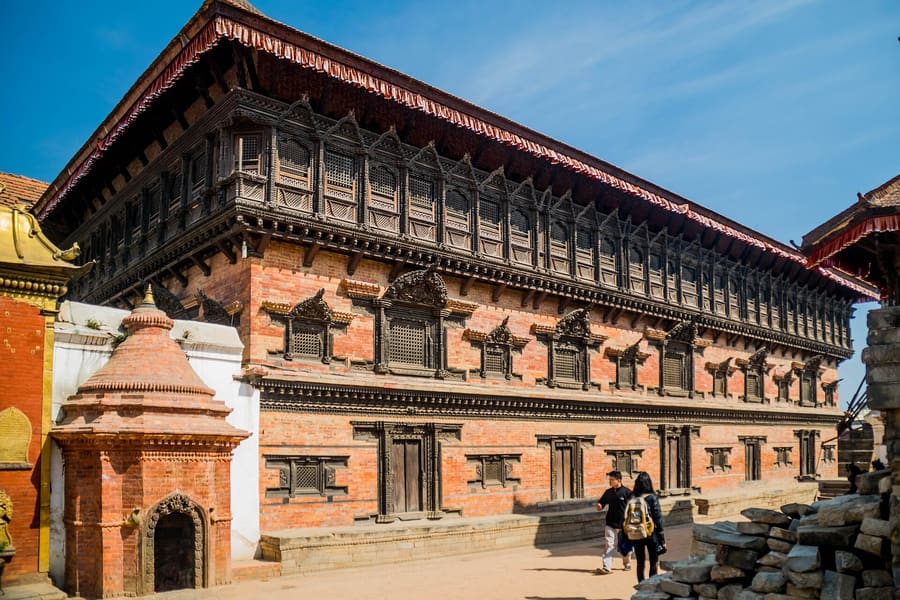
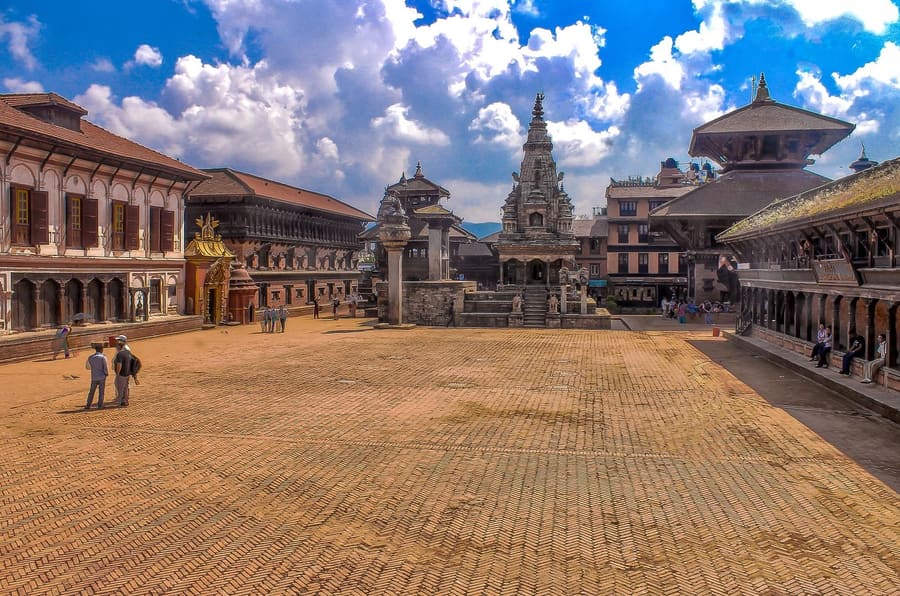
Durbar Square — Grand royal open plaza surrounded by historic temples, brick monuments, and museum buildings.
Dikpalthapa · CC BY-SA 4.0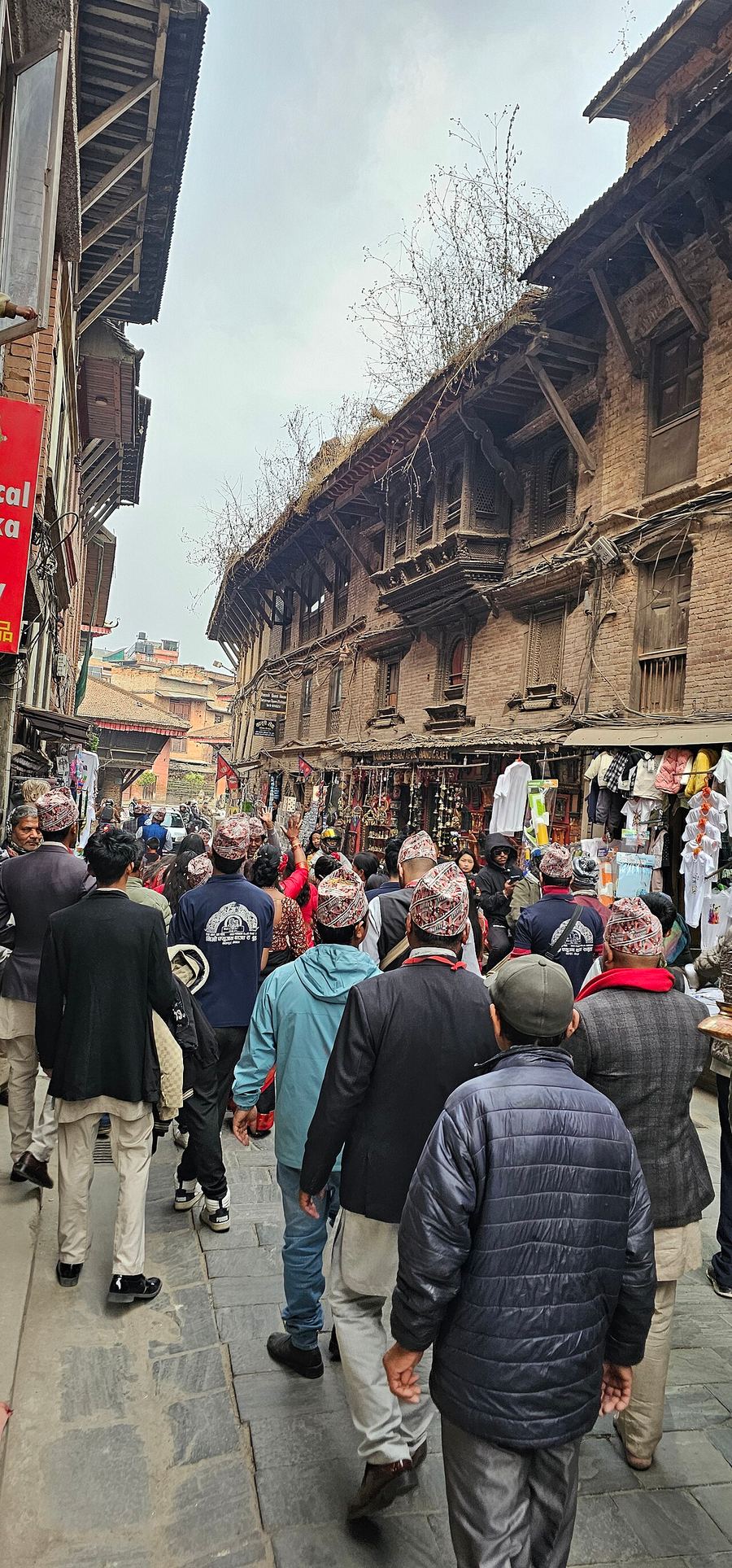
Tachapal Tole — Quiet east end of town centered on woodcarving workshops and traditional courtyard homes.
Nabina Khadka · CC BY-SA 4.0highlights
landmark
The historic royal plaza houses stone temples and the Golden Gate. Arrive before 08:30 to see local morning rituals without tour groups.
Ask Parley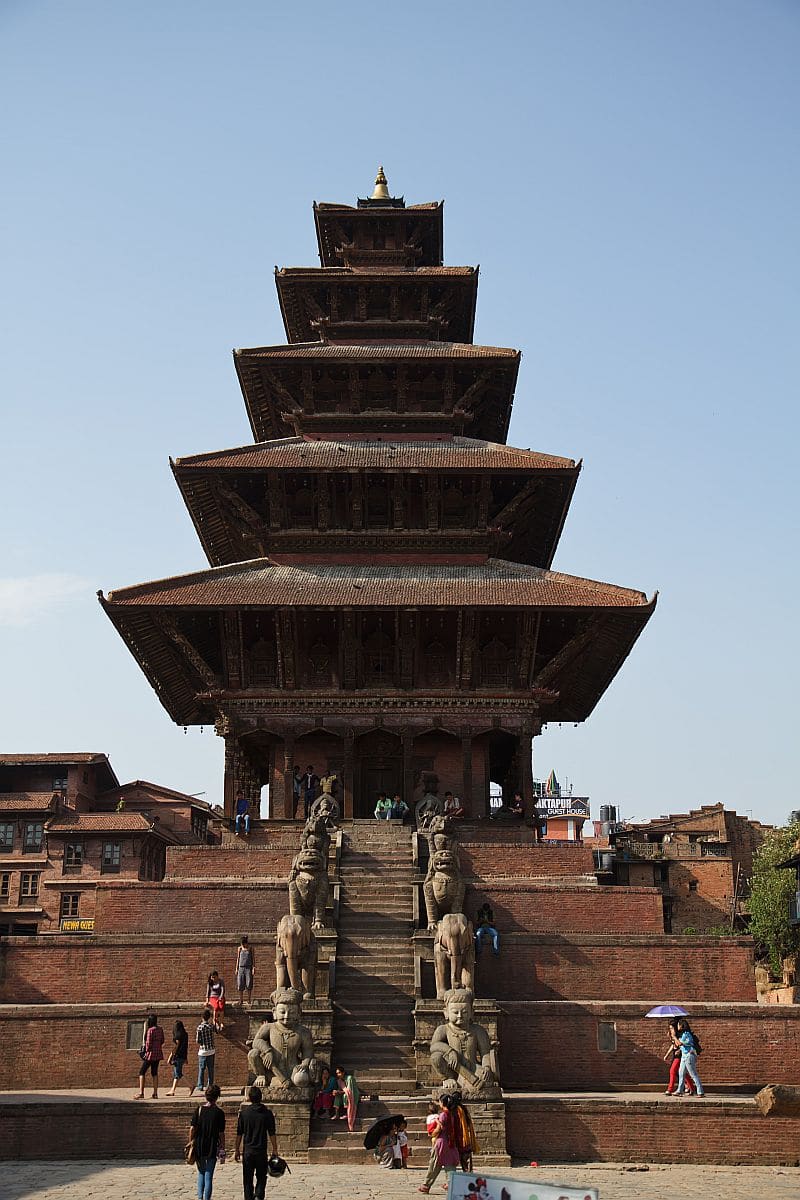
landmark
Nepal's tallest five-tiered pagoda survived the 2015 earthquake intact. Climb the stone steps lined with stone guardians for grand square views.
Ask Parley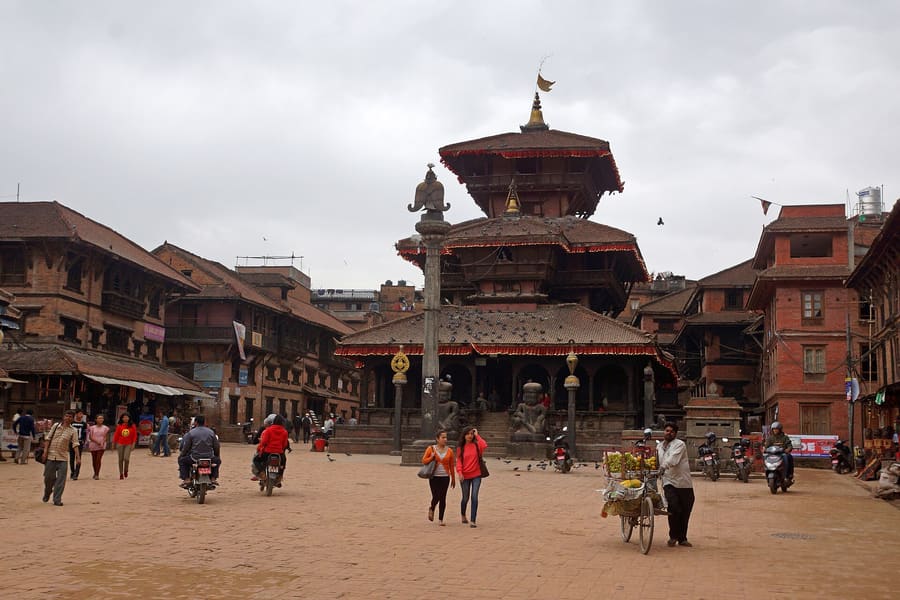
landmark
Built from the timber of a single tree in 1427. Look for the carved wrestling figures along the stone base.
Ask Parley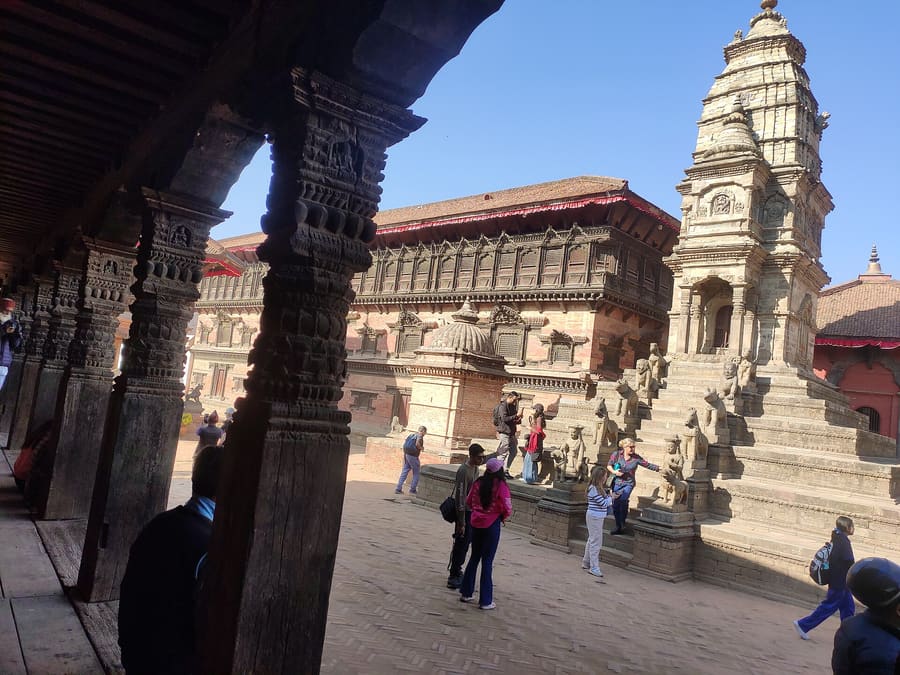
landmark
The royal palace balcony displays fifty-five carved dark-wood windows. You view the exterior from the main square.
Ask Parleyattractions
areas
Grand royal open plaza surrounded by historic temples, brick monuments, and museum buildings.
Nearby55 Window Palace, Golden Gate, National Art Museum
Ask ParleyQuiet east end of town centered on woodcarving workshops and traditional courtyard homes.
NearbyDattatreya Temple, Woodcarving Museum, Peacock Window
Ask ParleyActive gathering hub anchored by tall pagodas, roof-tier cafes, and evening tea stalls.
NearbyNyatapola Temple, Bhairavnath Temple
Ask ParleyWorking artisan quarter filled with spinning wheels, clay piles, and terracotta kilns.
NearbyJeth Ganesh Temple, local clay workshops
Ask Parleyfood
Bhaktapur cuisine reflects the rich agricultural heritage of the Kathmandu Valley. Local Newari cooks prepare spiced meats, fermented vegetables, and slow-crafted dairy products that set the city apart from neighboring Kathmandu. You find the best food in small family-run eateries near the main squares.
Sample Bhaktapur's signature sweet yogurt made from fresh buffalo milk. Local makers ferment it in unglazed clay pots that extract moisture to produce a thick custard texture.
Order savory pan-fried savory lentil patties cooked on flat griddles in small alleys behind Taumadhi Square. Request an egg cracked over the top for extra flavor.
Eat a traditional Newari platter featuring flattened rice, barbecued spiced buffalo, boiled eggs, black soybeans, and marinated ginger.
history
Bhaktapur developed as an important stop on the ancient trade route between India and Tibet. During the Malla dynasty, rival kings competed to construct the grandest temples and palaces. That artistic rivalry produced the dense brick-and-timber architecture you walk through today.
City Founding
King Ananda Deva established Bhaktapur as the capital of the Malla Kingdom, laying out the city in the shape of a sacred conch shell.
Dattatreya Construction
Artisans constructed Dattatreya Temple in Tachapal Tole using timber harvested from a single massive tree trunk.
Nyatapola Built
King Bhupatindra Malla commissioned the five-story Nyatapola Temple, engineering a foundation that withstands severe regional earthquakes.
Gorkha Conquest
Prithvi Narayan Shah captured Bhaktapur, ending Malla rule and integrating the city into the unified Kingdom of Nepal.
Earthquake and Recovery
A major earthquake damaged hundreds of brick structures. Local master craftsmen restored major monuments using traditional lime mortar and carved timber.
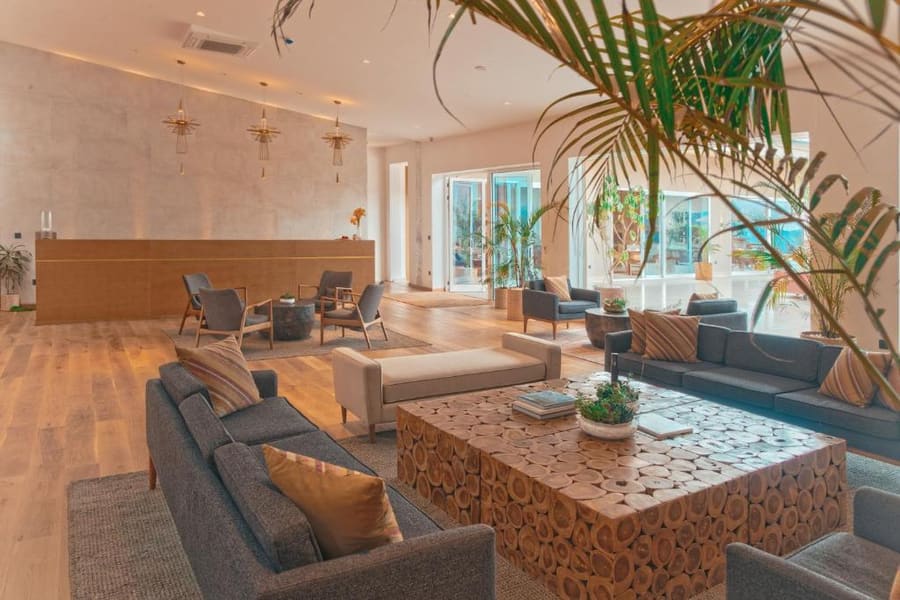
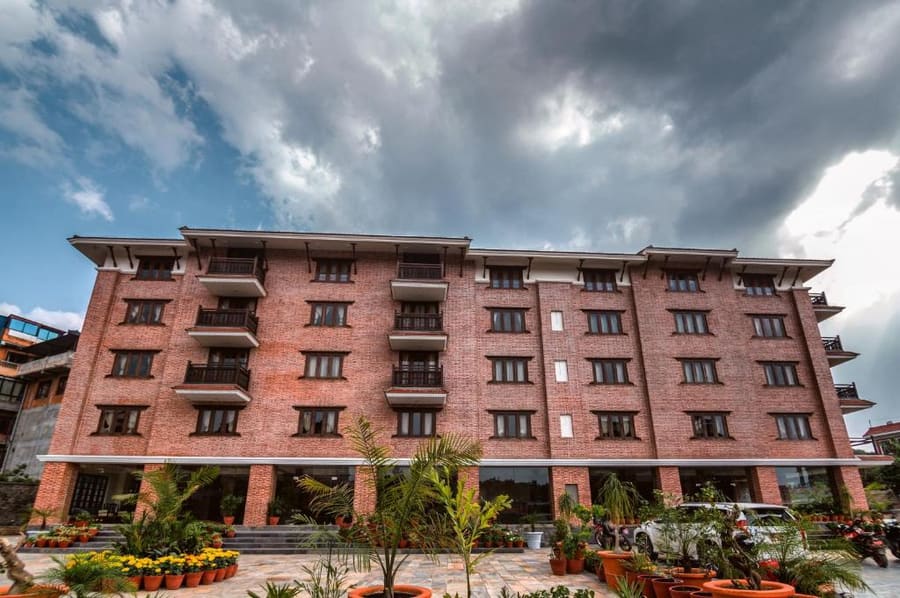
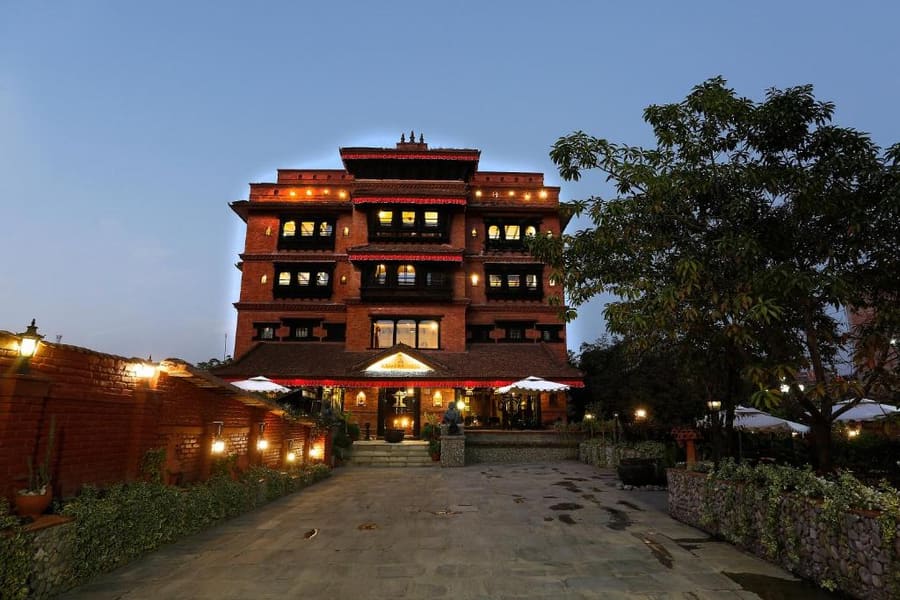
where to stay
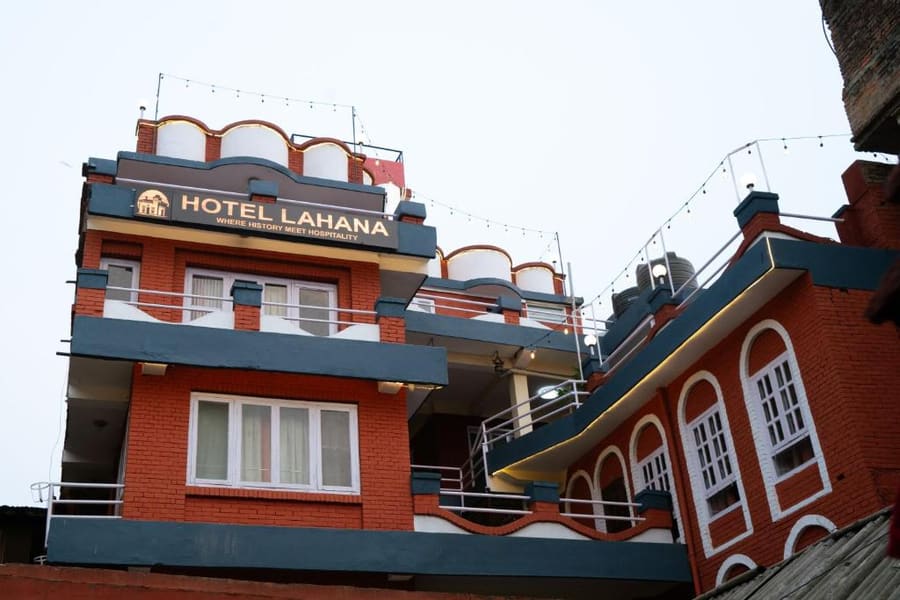
Choose your stay based on proximity to the central squares versus night quietness. Staying inside the old town puts you steps from temples, while staying on the outer edge offers easier vehicle access.
Live rates, matched to the areas above.
transport
Bhaktapur is best explored entirely on foot. The central historic zone bans heavy motor traffic during daytime hours. Taxis drop passengers at designated gates on the perimeter of the historic center.
From Tribhuvan International Airport (KTM)
Pre-arrange a taxi inside the airport terminal or hire an official airport taxi at the exit curb.
Board a public bus at Ratna Park in Kathmandu. You must carry luggage onto crowded local vehicles.
Use mobile ride apps like Pathao or InDrive to book cars or motorbikes directly from Kathmandu.
Wear comfortable walking shoes with firm soles. The ancient brick roads have uneven cobblestones and exposed threshold stones.
Taxis cannot drive up to hotels located inside Durbar Square. Arrange for your hotel porter to meet you at the main entry gate.
Street lighting is dim in residential alleys after 20:00. Carry a small flashlight or use your phone torch when walking after dinner.
cost
Bhaktapur offers affordable daily expenses compared to Western capitals. Heritage site entry fees constitute the main single upfront expense for international travelers.
Grants entry to all central historic squares. Valid for multiple days if stamped at the tourist office.
Price varies depending on size and location of the sweet shop.
Includes rice, lentil curry, spiced vegetables, and buffalo meat.
Includes private bathroom, hot water, and breakfast in heritage courtyard buildings.
seasonality
MAR – MAY
Warm spring weather with blooming flowers. Clear morning skies present mountain views before afternoon haze settles.
JUN – SEP
Monsoon rains flood unpaved alleys and slow road transit. Clay pottery production slows down due to high humidity.
OCT – NOV
Peak travel window with dry skies, clear mountain views, and major autumn festivals like Dashain and Tihar.
DEC – FEB
Chilly winter mornings with heavy fog. Afternoon sun brings pleasant walking weather without heavy tourist crowds.
practicalities
Carry local Nepalese Rupees in small bills. Small craft shops, tea vendors, and entry gates rarely accept credit cards.
Ask permission before photographing people at open-air water spouts or taking photos inside Hindu temple inner sanctuaries.
Most restaurants in Bhaktapur close kitchen orders by 20:30. Eat dinner early to avoid limited late-night dining options.
Remove shoes before entering living Hindu shrines, active temple interiors, and private courtyard homes.
Drink filtered or boiled water. Refill reusable water bottles at major heritage guesthouses.