landmark
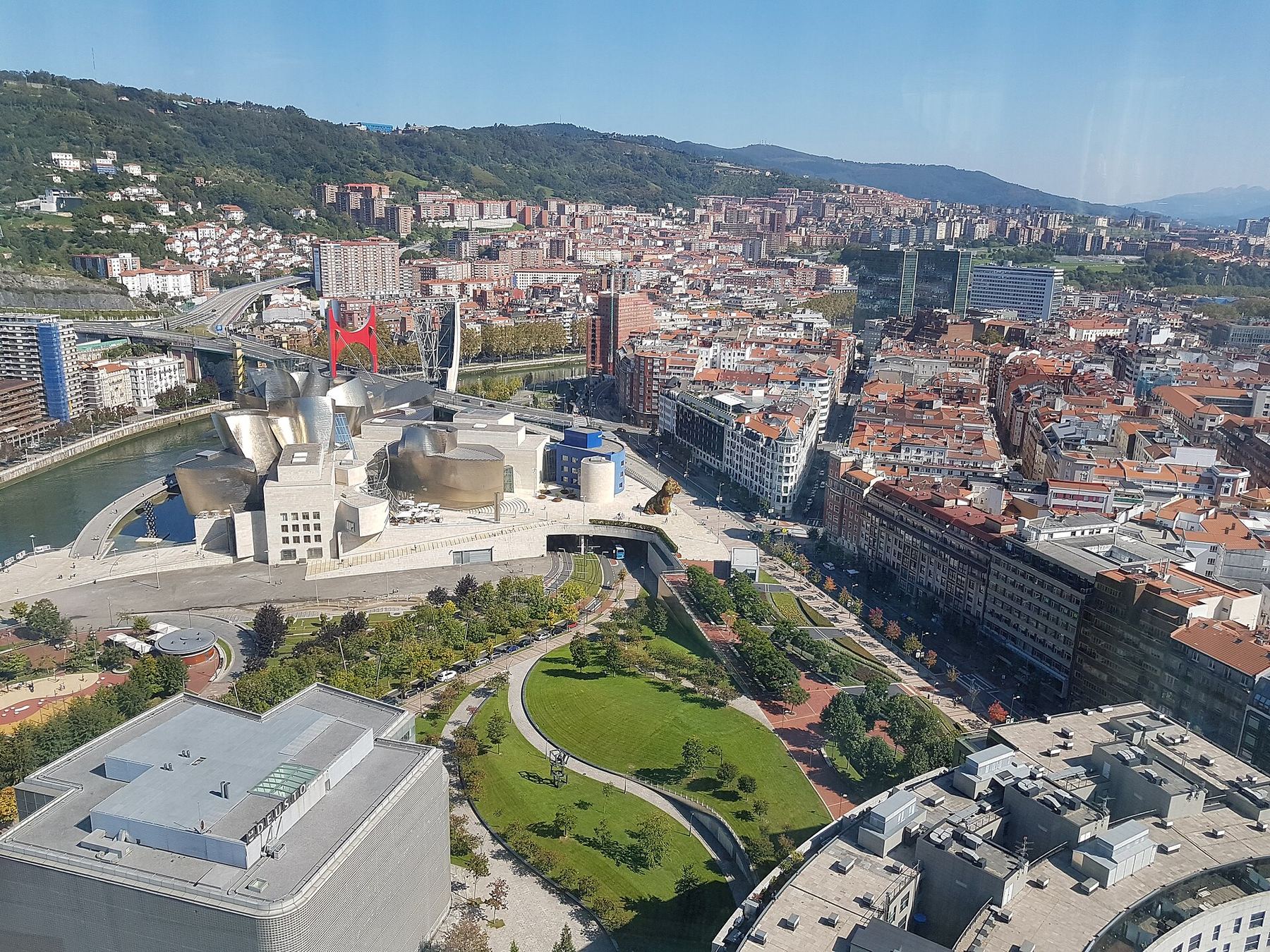
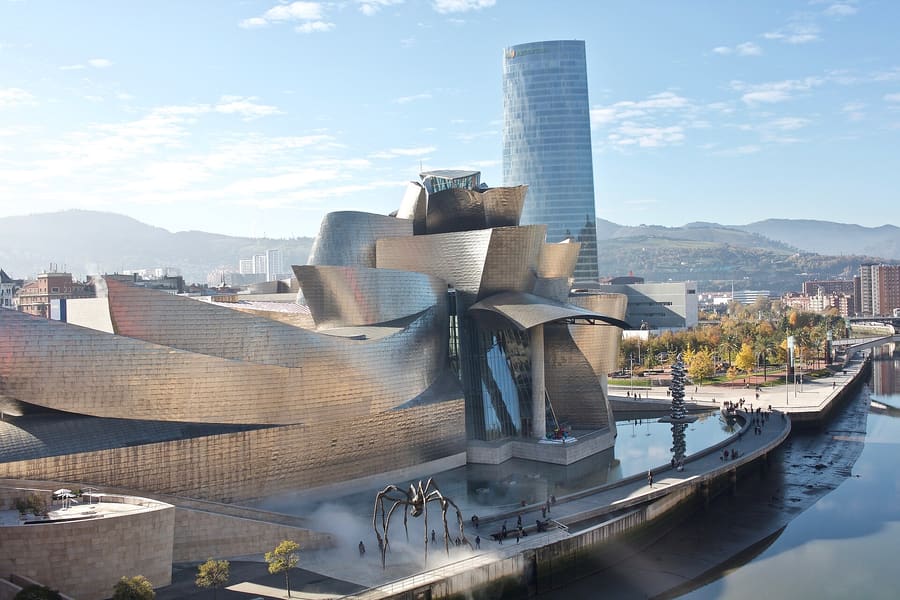
Guggenheim Museum Bilbao
Frank Gehry's titanium masterpiece reshaped Bilbao's industrial identity. Buy tickets online in advance to skip the entry queue.
Ask ParleySpain
Industrial grit turned architectural precision and Basque seafood.
introduction
Bilbao sits along the Nervión River, framed by green hills in the Basque Country. The city rebuilt itself around modern architecture without abandoning its industrial backbone or heavy food traditions. Metro lines designed by Norman Foster link dense nineteenth-century blocks to coastal towns in under thirty minutes. You can walk across the center in forty minutes, stopping only for txakoli wine and cod.
Airport bus trick
Line A3247 leaves BIO airport every 15 minutes. It reaches Moyúa Square in 20 minutes for €3.
Transporter bridge heritage
The nearby Vizcaya Bridge is a UNESCO World Heritage site built in 1893. It still carries cars and pedestrians on a hanging gondola.
Bilbao
Xabier · CC BY-SA 4.0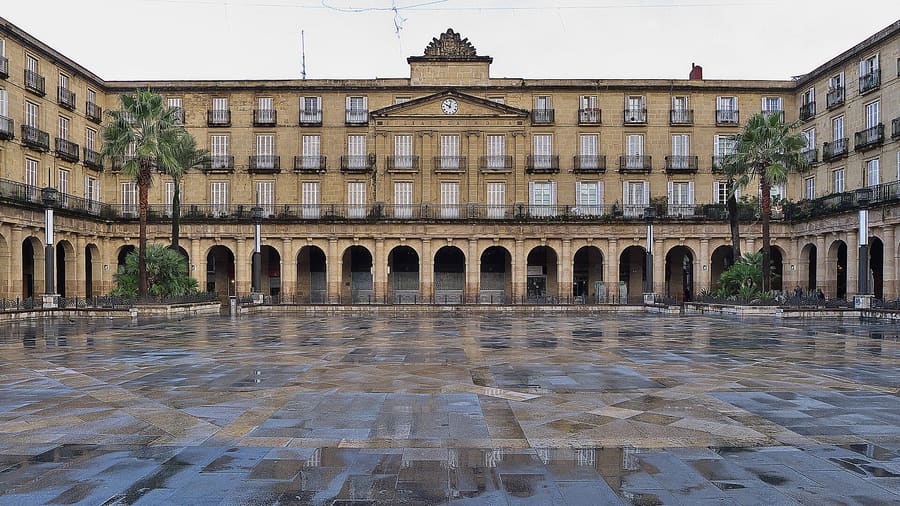
Casco Viejo — Dense medieval alleys lined with tavern bars, historic plazas, and traditional shops.
Jose Luis Filpo Cabana · CC BY 3.0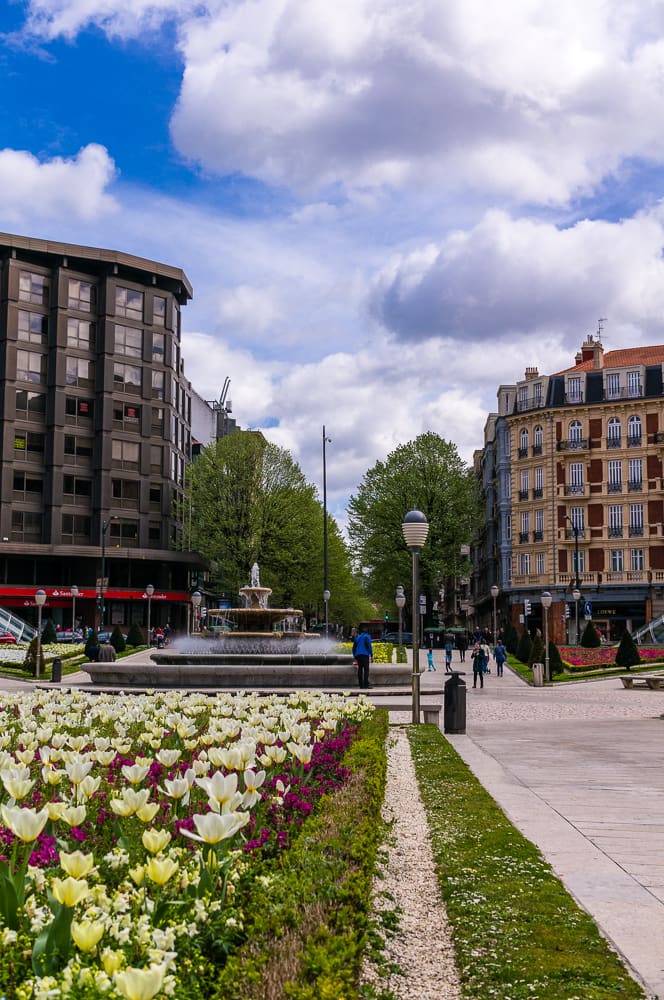
Abando & Ensanche — Wide nineteenth-century boulevards featuring high-end shopping and river promenade access.
Tommie Hansen · CC BY 3.0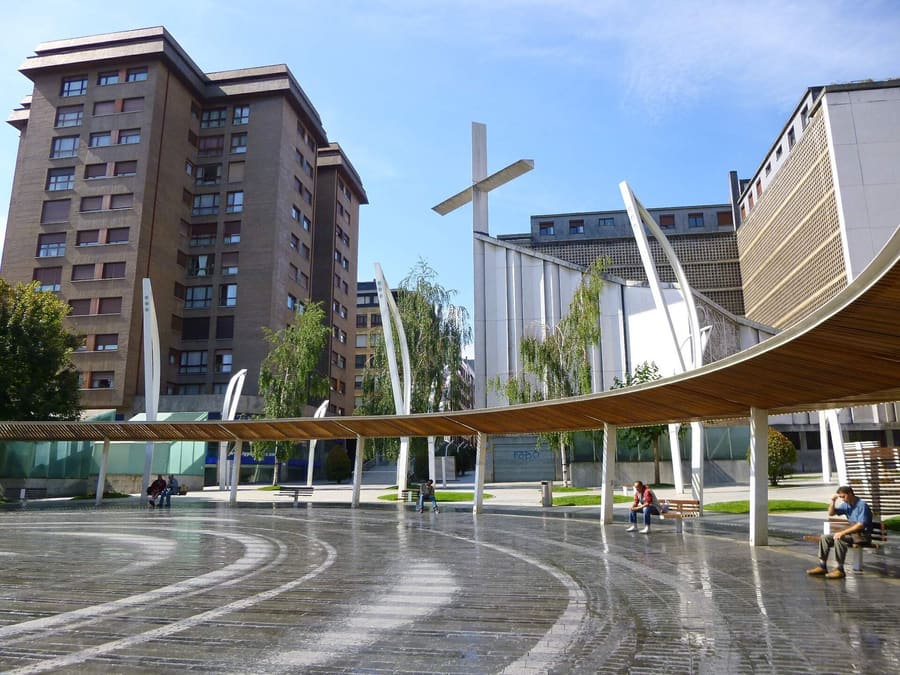
Indautxu — Residential heart filled with local commercial life, cocktail bars, and quiet residential squares.
Zarateman · CC0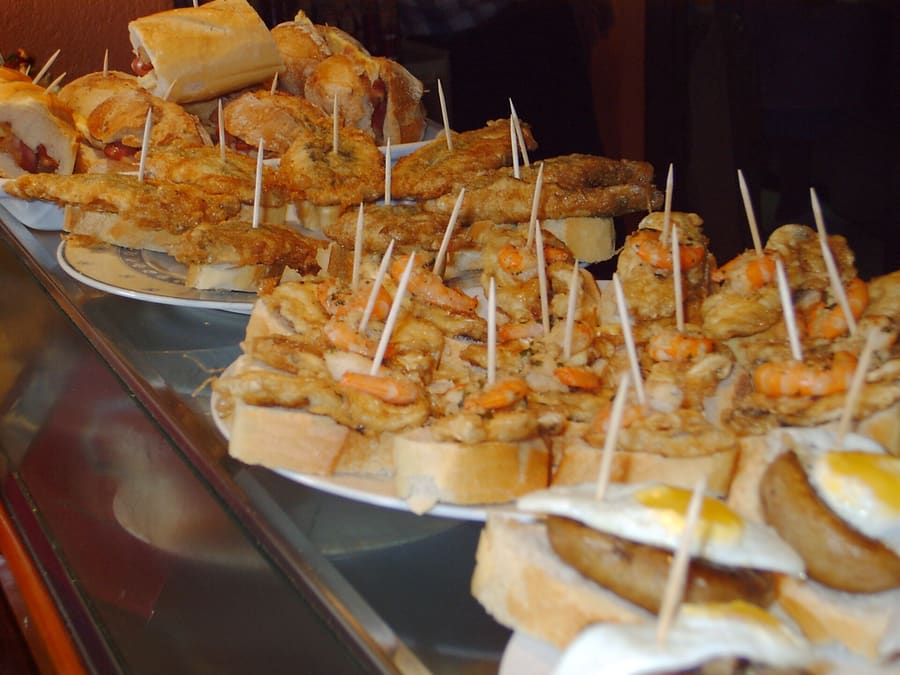
A selection of traditional Basque pintxos lining a tavern counter in Bilbao.
Telle · CC BY-SA 3.0highlights
landmark
Frank Gehry's titanium masterpiece reshaped Bilbao's industrial identity. Buy tickets online in advance to skip the entry queue.
Ask Parley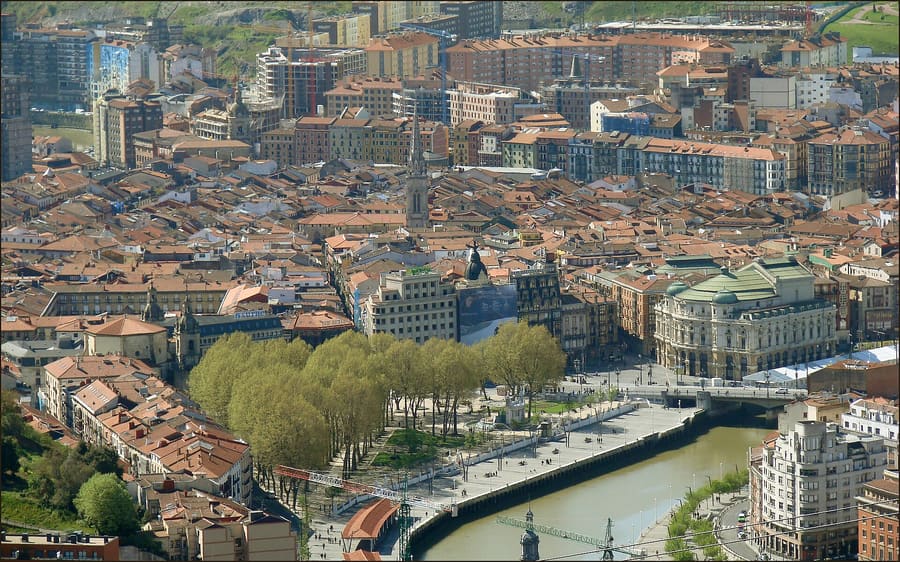
landmark
The original medieval seven streets host the city's highest density of pintxo bars. Go around 20:00 when the bars fill with locals.
Ask Parley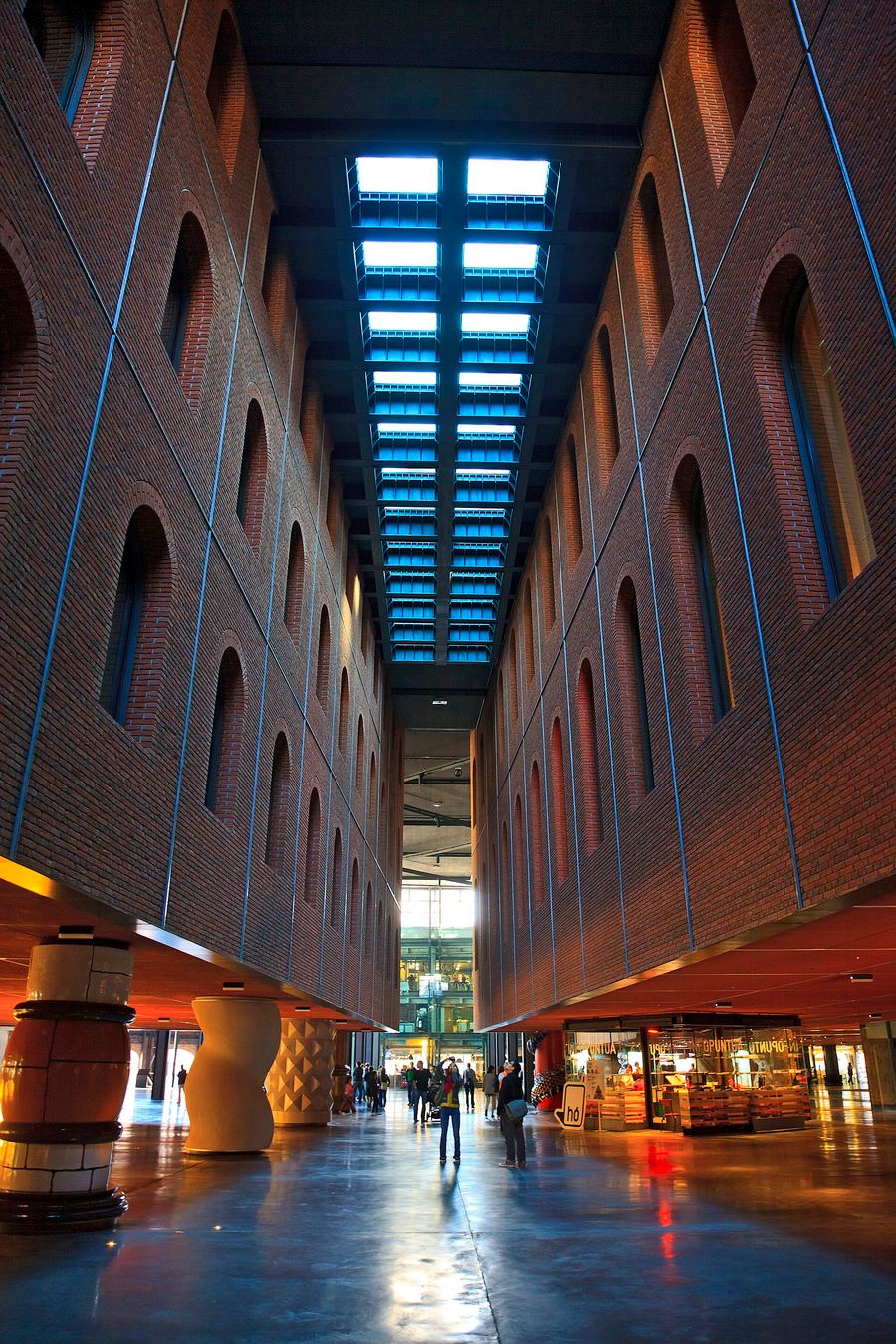
landmark
A converted wine warehouse with 43 distinct architectural columns and a glass-bottom pool. Entrance to the main atrium is free.
Ask Parley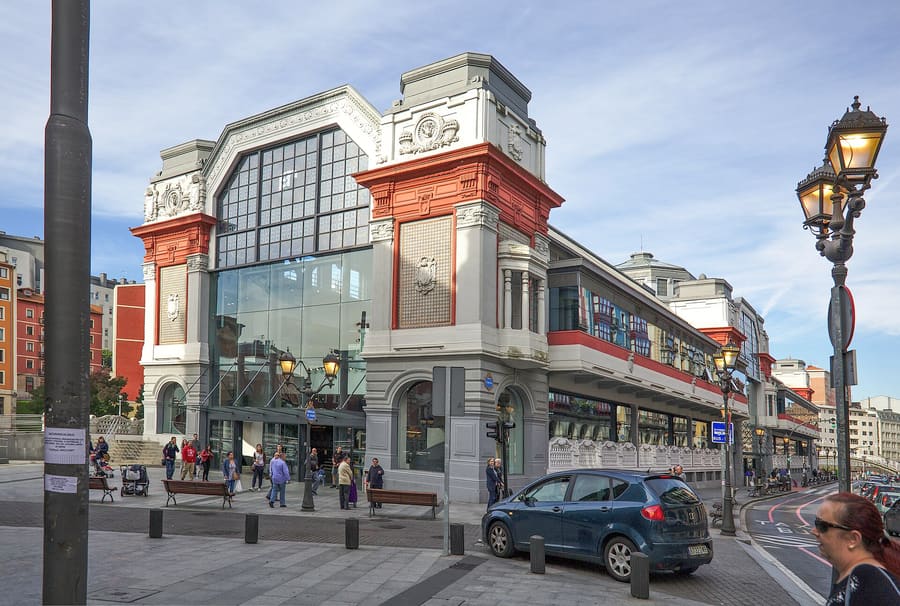
landmark
Europe's largest covered market sits right on the riverbank. Pick up fresh Basque cheeses on the upper floor or eats downstairs.
Ask Parley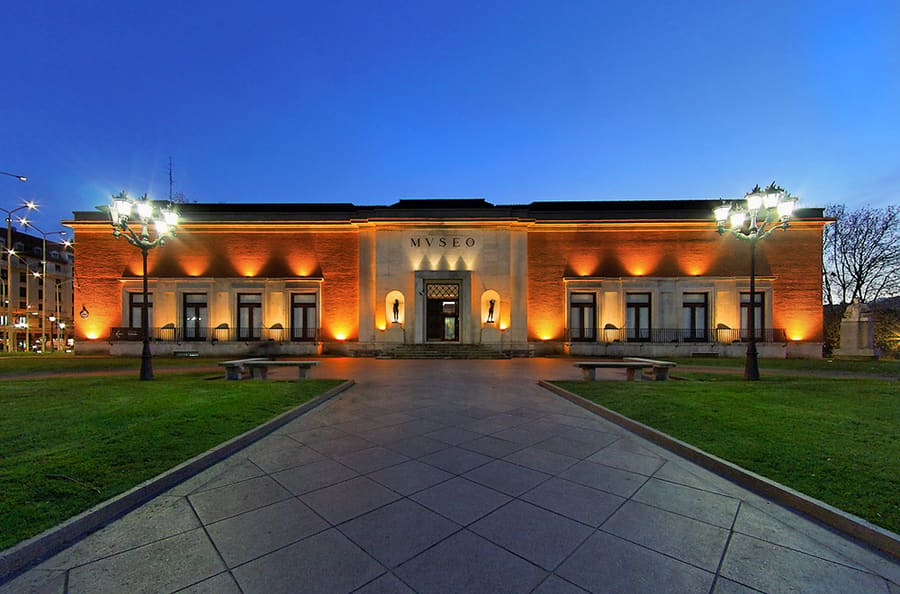
landmark
Holds Basque masterpieces alongside El Greco, Goya, and modern works. Entry is free on Wednesday afternoons.
Ask Parleyattractions
areas
Dense medieval alleys lined with tavern bars, historic plazas, and traditional shops.
NearbyMercado de la Ribera and Arriaga Theatre.
Ask ParleyWide nineteenth-century boulevards featuring high-end shopping and river promenade access.
NearbyGuggenheim Museum and Abando Train Station.
Ask ParleyResidential heart filled with local commercial life, cocktail bars, and quiet residential squares.
NearbyAzkuna Zentroa and Doña Casilda Park.
Ask ParleyFormer mining quarter now home to art studios, vintage markets, and global craft eateries.
NearbyMercado de la Ribera across the San Antón Bridge.
Ask Parleyfood
Dining in Bilbao revolves around txikiteo or pototeo—moving from bar to bar to drink small glasses of wine and order one pintxo per stop. Unlike San Sebastián, where elaborate multi-bite creations dominate, Bilbao stays rooted in classic seafood combinations like bacalao al pil-pil (cod emulsion) and gilda skewers.
A selection of traditional Basque pintxos lining a tavern counter in Bilbao.
Telle · CC BY-SA 3.0Order a gilda—an olive, pickled guindilla pepper, and anchovy on a toothpick—with your first glass of slightly sparkling dry white txakoli wine.
Bar crawls peak from 13:00 to 15:00 for lunch and 20:00 to 22:00 for dinner. Ordering hot pintxos off the blackboard yields fresher food than taking items off the counter.
Locals keep track of what they eat and pay the bartender at the end of their visit. Throwing paper napkins on the floor under the bar counter is standard practice.
Try bacalao a la vizcaína (cod cooked in sweet choricero pepper sauce) at classic dining rooms near Plaza Nueva rather than tourist-heavy river terraces.
history
Founded in 1300 along the Nervión estuary, Bilbao grew as a key commercial port exporting Basque iron ore to England and northern Europe. The Industrial Revolution brought massive steel works and shipyards, defining the riverbanks for two centuries before deep industrial collapse hit in the 1980s.
City foundation
Diego López V de Haro grants Bilbao its city charter, establishing a commercial hub on the river.
Vizcaya Bridge opens
Engineered by Alberto de Palacio, the transporter bridge connects industrial ports across the estuary.
The Great Flood
Devastating river flooding forces Bilbao to rethink its urban planning and industrial core.
Guggenheim effect
The opening of the Gehry-designed museum launches a total transformation from factory hub to cultural capital.
where to stay
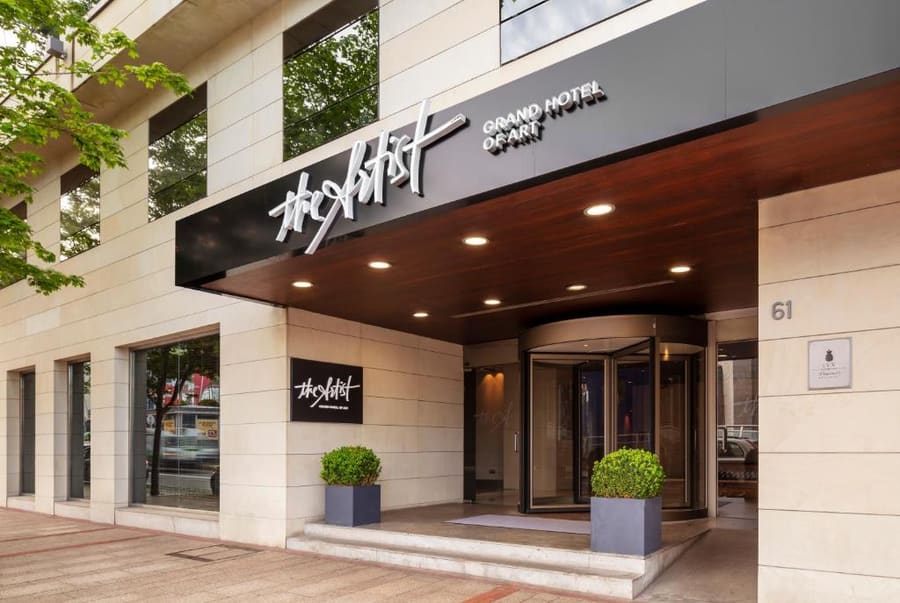
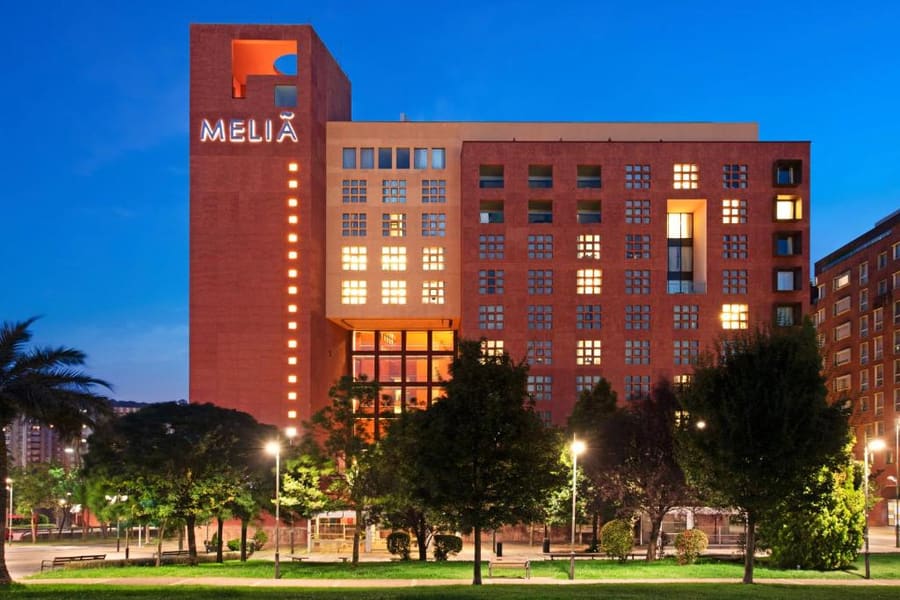
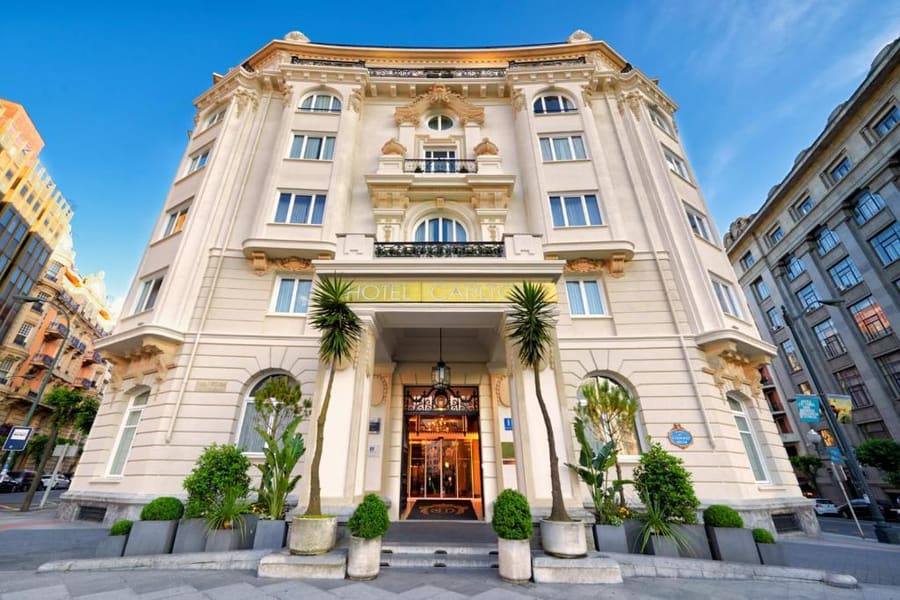
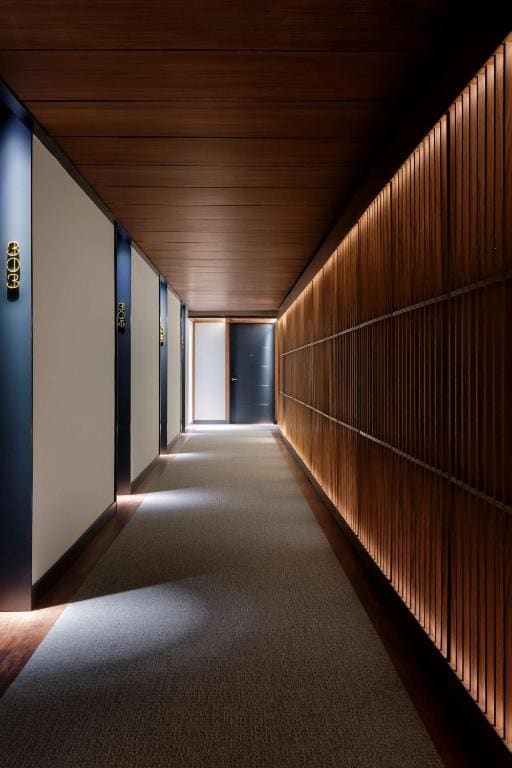
Choose your base by your primary focus. Stay in Casco Viejo for late-night atmosphere and immediate access to traditional pintxo bars. Pick Abando or Ensanche for high-end modern hotels, quiet streets, and proximity to major museums and the train station.
Live rates, matched to the areas above.
transport
Bilbao's transport system is clean, rapid, and straightforward. The Metro Bilbao lines run along both sides of the river, while the Euskotren tram glides past the Guggenheim and major riverfront sights.
From Bilbao Airport (BIO)
Bizkaibus line A3247 runs every 15 minutes to Moyúa, Gran Vía, and Intermodal station.
Fixed ranks outside arrivals; luggage surcharges apply.
Pre-booked driver waiting in arrivals.
Buy a rechargeable Barik card at any metro station for €3. It drops individual metro and bus fares from €1.70 down to under €1.00 and can be shared among multiple travellers.
The green riverfront tram connects Atxuri and Casco Viejo with the Guggenheim and San Mamés stadium. Validate your ticket on the platform before boarding.
Most tourist sights sit in Zone 1. Line 1 extends north to coastal beach towns like Getxo and Plentzia for a single extra zone fare.
Metro Bilbao runs all night on Saturday nights and until 02:00 on Friday nights, making night travel back to hotels easy.
cost
Bilbao is significantly cheaper than Madrid or Barcelona for food, though hotel accommodation prices surge during major events at San Mamés stadium or summer festivals.
Single pintxo at a traditional bar in Casco Viejo or Plaza Nueva.
Local pour of dry white wine or small beer tap pour.
Includes audio guide; buying online ahead of time saves money compared to window sales.
Zone 1 fare when using the reusable transit card.
seasonality
MAR – MAY
Mild temperatures and blooming parks, but spring showers are frequent. Carry a small folding umbrella everywhere.
JUN – AUG
Warm and comfortable around 25°C without southern heatwaves. Book hotels months ahead for August's Aste Nagusia week.
SEP – OCT
Warm ocean waters nearby and clear skies. Excellent window for wine trips to nearby Rioja Alavesa.
NOV – FEB
Cool, rainy, and short days. Ideal for museum-focused city breaks with lower room rates.
practicalities
Small shops in Casco Viejo close for afternoon break between 14:00 and 17:00, though major Gran Vía stores stay open continuously.
Street signs are bilingual in Basque (Euskara) and Spanish. Simple Basque greetings like 'Egun on' (Good morning) and 'Eskerrik asko' (Thank you) are widely welcomed.
Virtually all bars accept cards or mobile payments even for a single €2 pintxo, though holding €1 coins helps for quick group rounds.
The Nervión River through the city center is not for swimming; take Metro Line 1 to Sopela or Plentzia for ocean beaches.
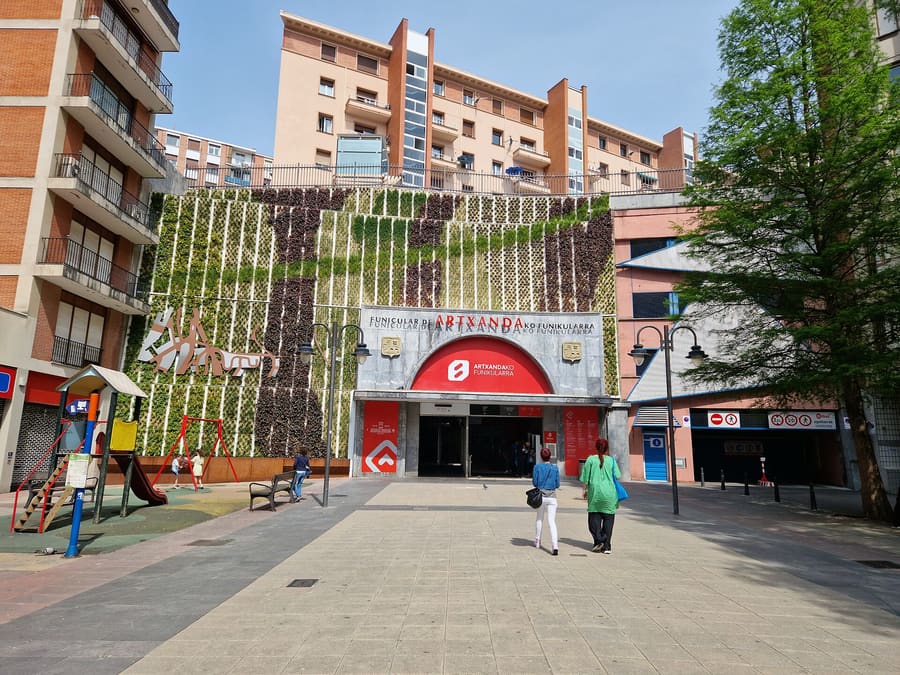
Take the 3-minute Artxanda Funicular from Plaza del Funicular for sweeping panorama shots of the entire valley.