landmark
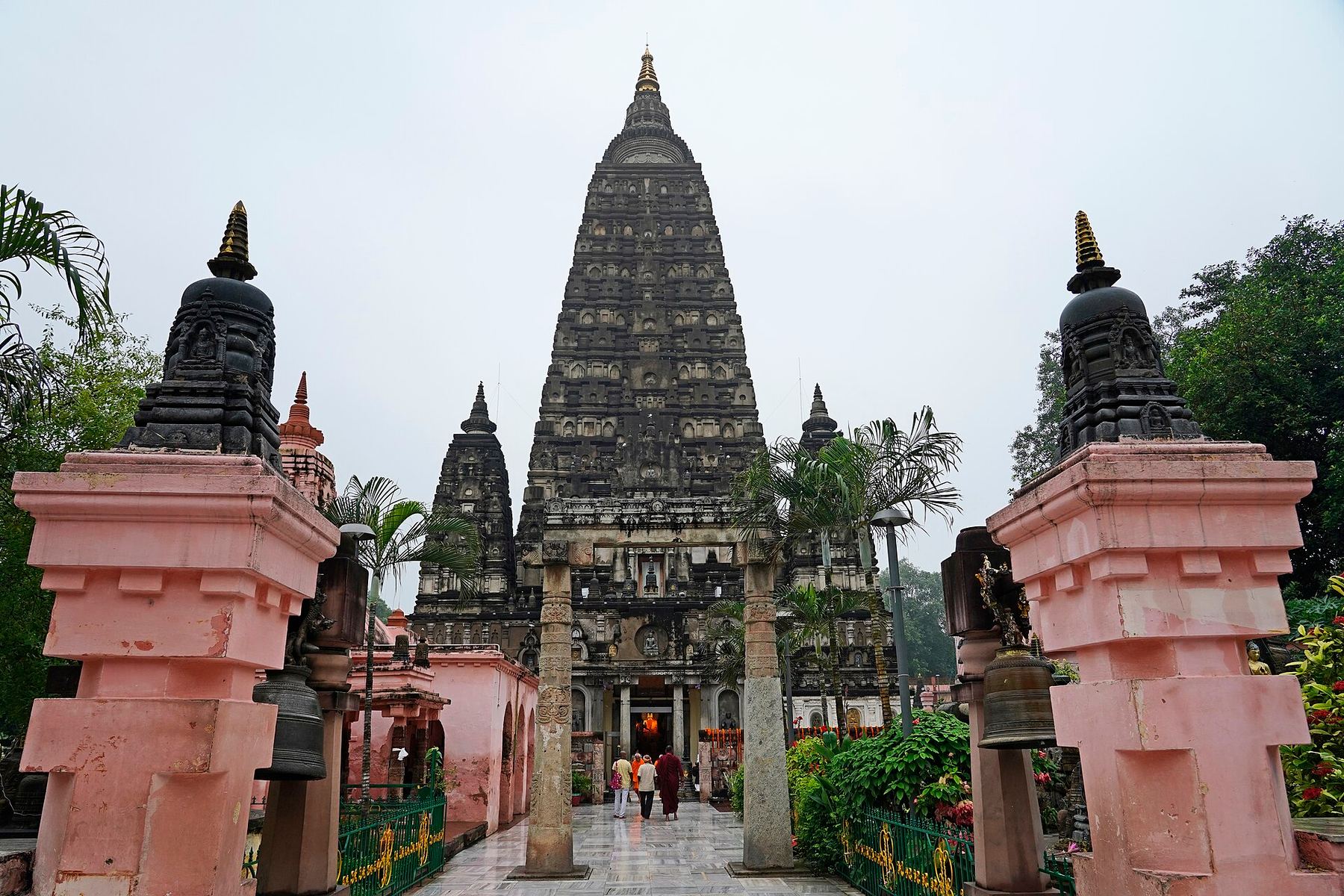
Mahabodhi Temple
The 50-metre brick spire marks where Buddha attained enlightenment. Mobile phones are banned inside; use secure deposit counters at gate.
Ask ParleyIndia
A global Buddhist pilgrimage centre around the sacred tree.
introduction
Bodh Gaya functions as both an international pilgrimage center and a quiet Bihari town. The town revolves entirely around the Mahabodhi Temple, where monks from dozen nations maintain distinct monasteries. You move easily between sacred grounds on foot or via auto-rickshaws. Outside the winter peak from November to February, town life slows down significantly.
Airport transit trick
Gaya Airport (GAY) operates seasonal flights during peak pilgrim months. Outside winter, fly to Patna (PAT) and hire a pre-booked driver for the 110-kilometre trip.
UNESCO World Heritage designation
UNESCO designated the Mahabodhi Temple Complex a World Heritage Site in 2002. Security is strict at entry gates; leave all electronics in your hotel room or lockers.
Monastery staying option
Several international monasteries rent simple rooms to visitors. Inquire directly at guest offices on arrival, as most do not maintain online reservation portals.
highlights
landmark
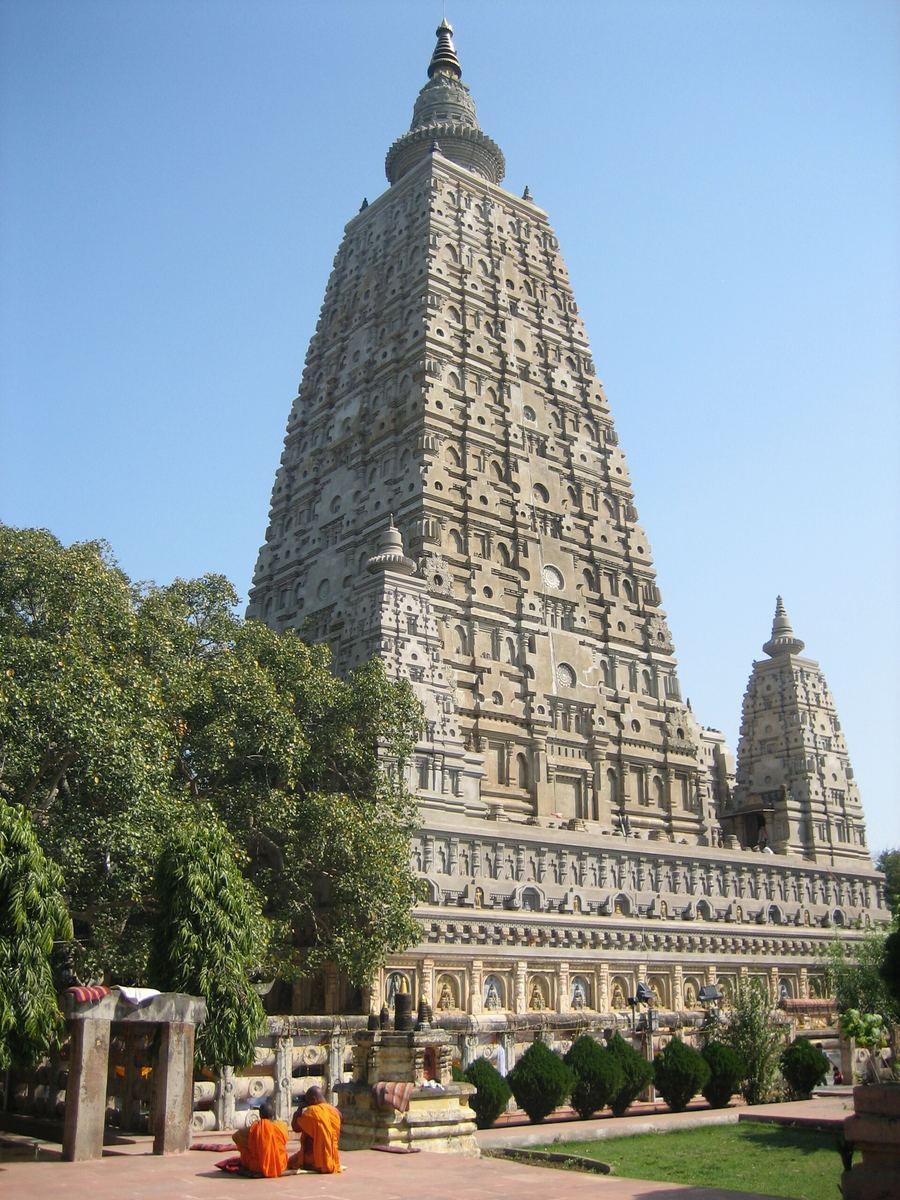
The 50-metre brick spire marks where Buddha attained enlightenment. Mobile phones are banned inside; use secure deposit counters at gate.
Ask Parley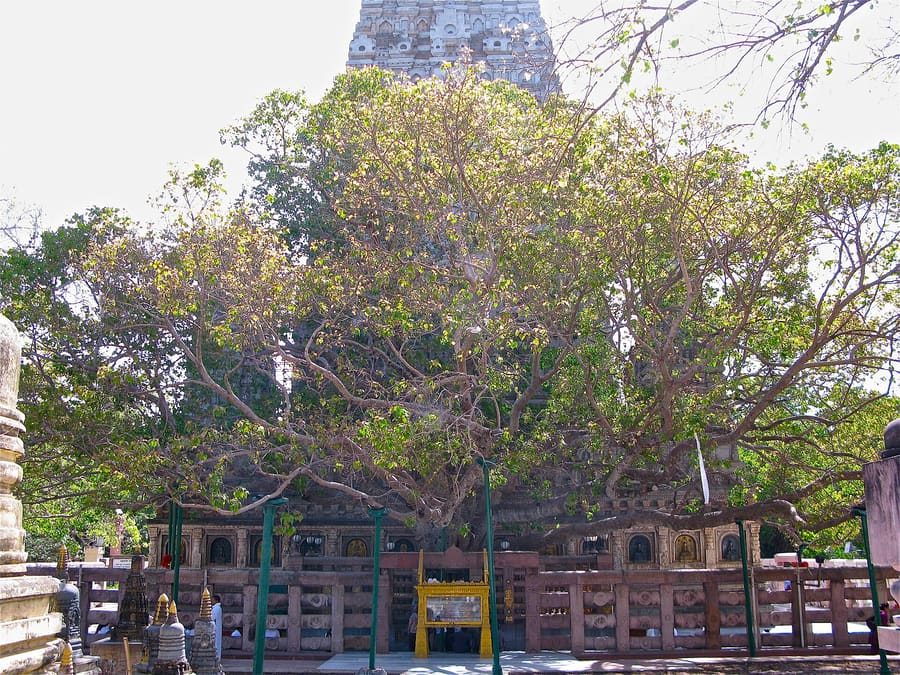
landmark
Descendant of the original tree sits beside the temple's western wall. Early morning offer quiet hours before tour groups arrive.
Ask Parley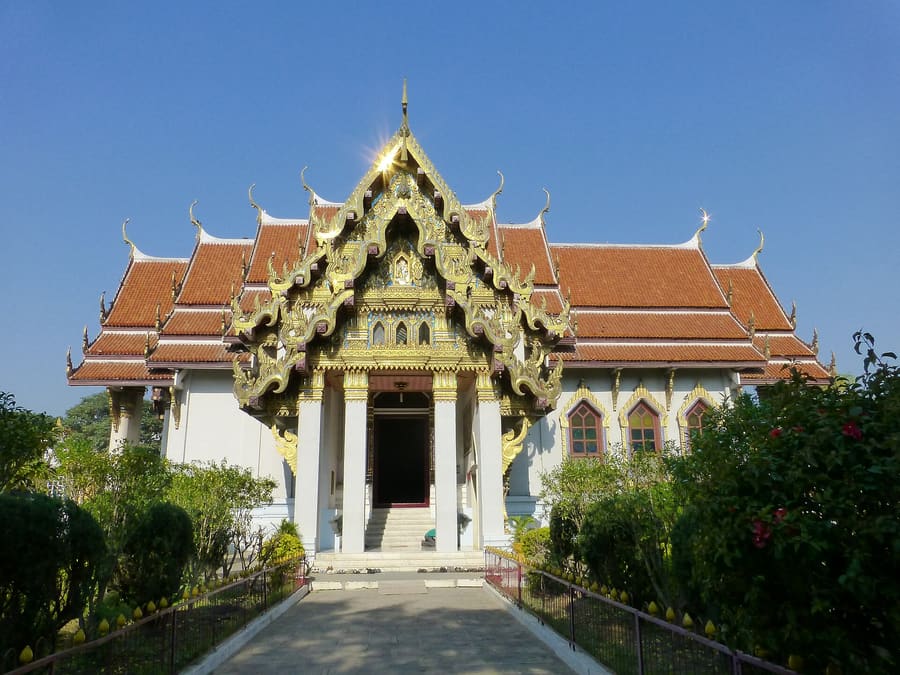
landmark
Sloped gilt roofs mirror Bangkok temple design. Open daily for quiet walking inside decorated gardens.
Ask Parleyattractions
areas
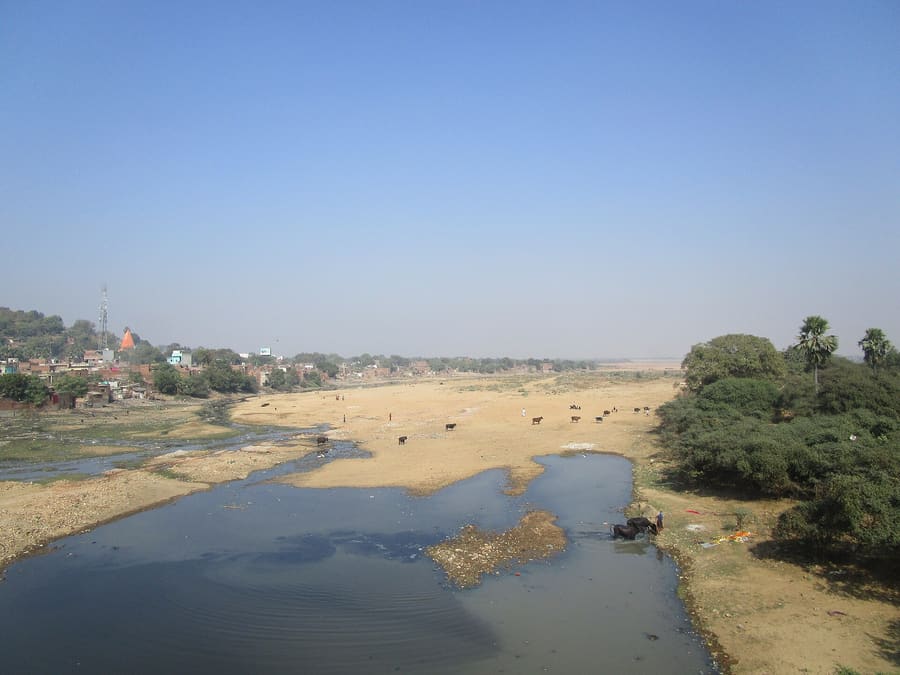
Open and airy landscape bordering the wide, sandy riverbed.
NearbyFalgu River bridge and express road to Gaya.
Ask Parley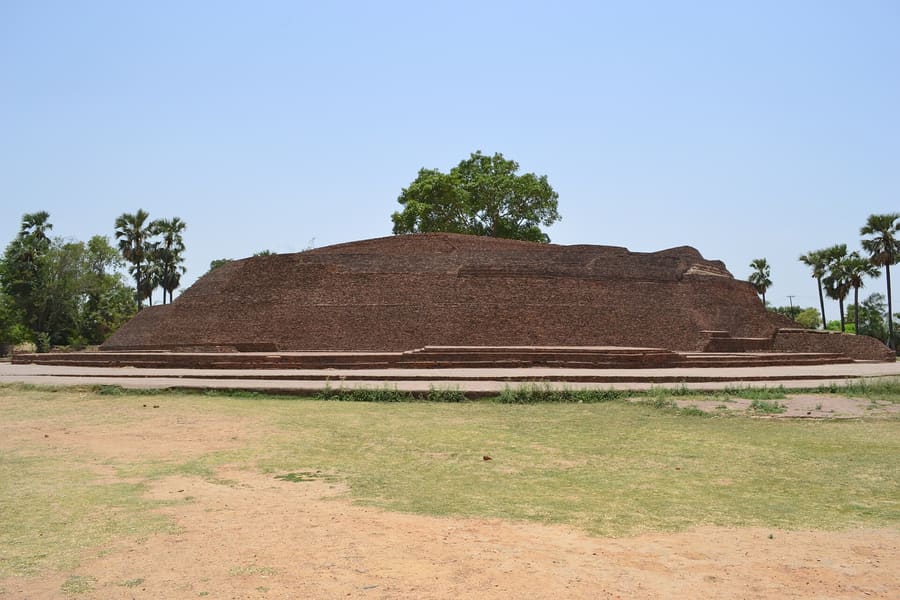
Rural Bihari village setting across the river from main town.
NearbySujata Stupa and Sujata Kuti.
Ask ParleyPedestrianized and calm. Early morning chants fill the air before security checkpoints open.
NearbyMahabodhi Temple and international monastery quarter.
Ask ParleyCommercial strip packed with cafes, Tibetan stalls, and money changers.
NearbyArchaeological Museum and Bhutanese Temple.
Ask Parleyfood
Bodh Gaya's dining scene reflects its global monk community and local Bihari roots. Winter brings seasonal Tibetan refugee tents near the Kalachakra ground, serving steamed momos and butter tea. Local eateries offer traditional Bihari litti chokha—baked wheat balls stuffed with spiced gram flour served with mashed eggplants. Southeast and East Asian pilgrims sustain dedicated Thai and Korean kitchens near their respective monasteries.
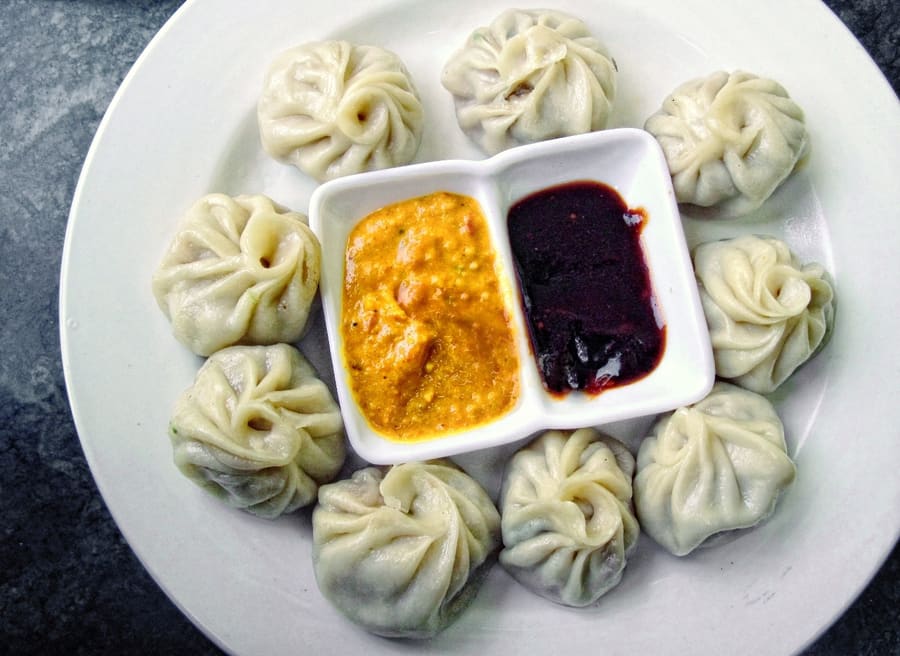
Steamed momos with red pepper sauce at winter refugee market stalls.
Kushal Goyal · CC BY-SA 3.0Set up near Kalachakra ground from November to February. Try steaming thukpa noodle soup and potato momos.
Some monasteries serve fixed vegetarian meals to visitors during set hours, usually 11:30 to 12:30.
Eat roasted litti chokha at small carts near the Gaya Road junction for dinner.
history
Siddhartha Gautama attained enlightenment beneath a peepal tree here around the 5th century BCE. Emperor Ashoka visited three centuries later and built the first shrine on the site. The current brick spire structure dates primarily to the 5th-6th century Gupta period. After centuries of neglect, restoration began in the late 19th century under Alexander Cunningham.
Enlightenment
Siddhartha Gautama meditates under the tree and becomes the Buddha.
Ashokan Pilgrimage
Emperor Ashoka visits and constructs the initial Diamond Throne and shrine.
Archaeological Restoration
British archaeologist Alexander Cunningham restores the Mahabodhi Temple spire.
UNESCO Listing
UNESCO designates the Mahabodhi Temple Complex as a World Heritage Site.
where to stay
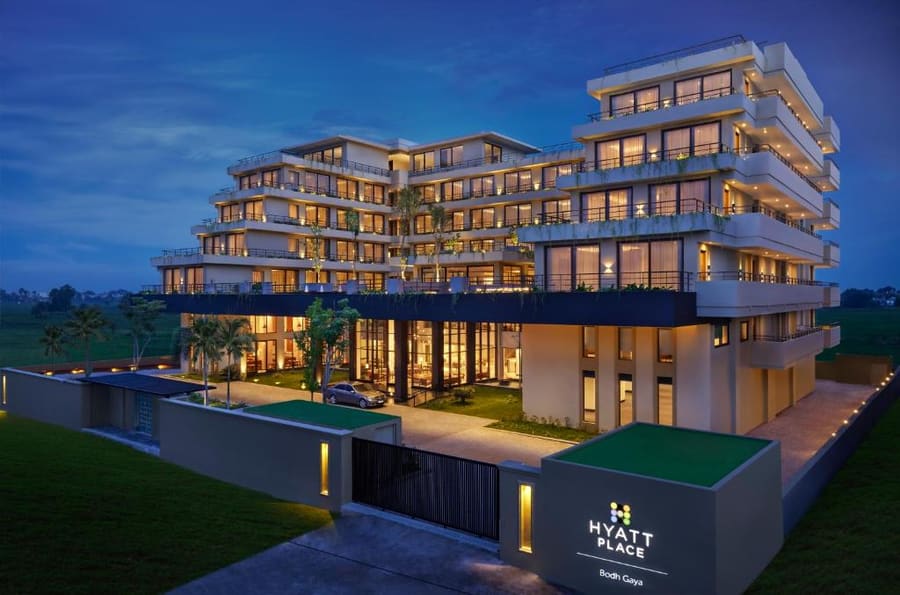
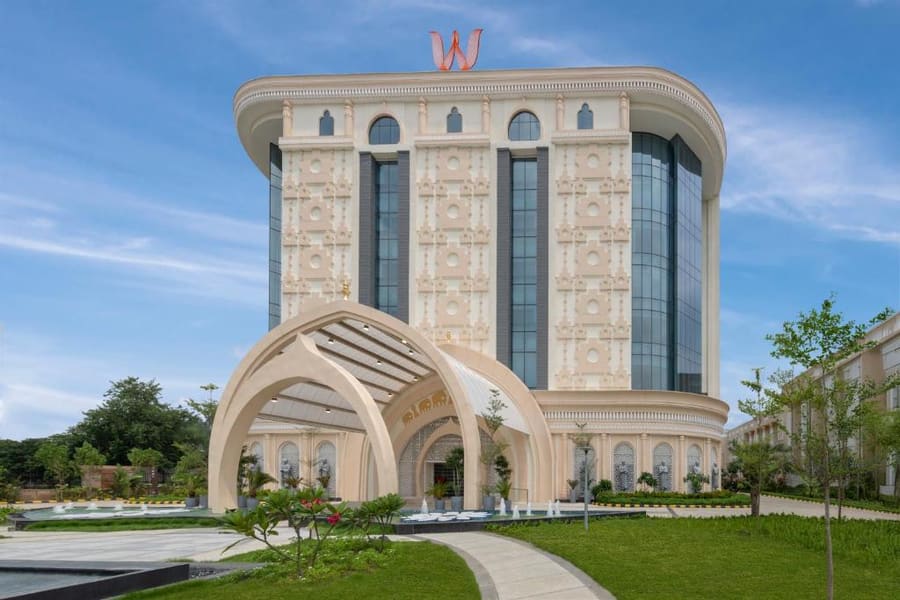
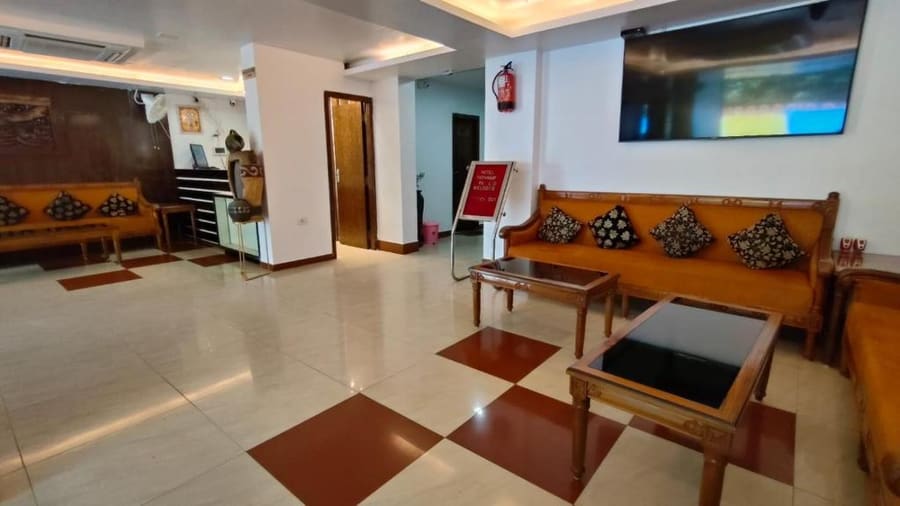
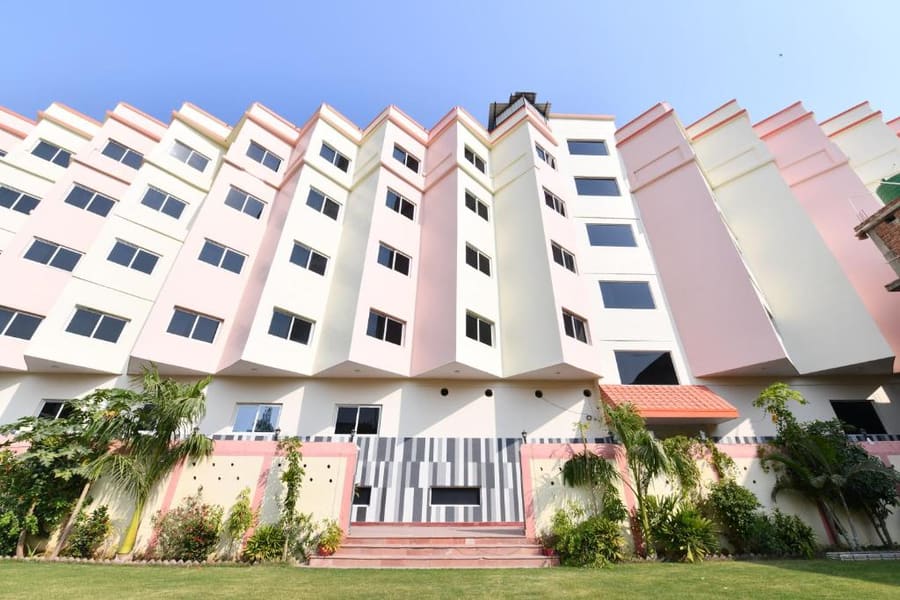
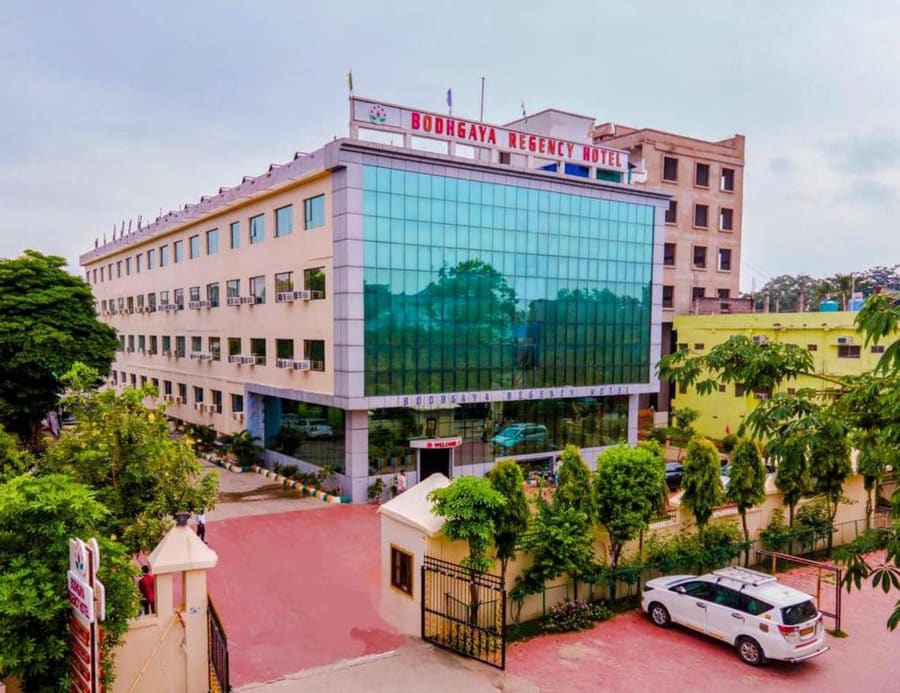
Choose your accommodation based on mobility and desired solitude. Stay in the Temple Precinct if you want to attend early morning prayers without hiring transport. Pick Falgu Riverfront for international resort standards and swimming pools. Monasteries offer strict, quiet lodging for dedicated meditators.
Live rates, matched to the areas above.
transport
Bodh Gaya is compact enough to navigate on foot or by electric rickshaw. Gaya Junction rail station sits 16 kilometres north and provides major train connections across India. Gaya Airport runs limited seasonal international flights.
From GAYA (GAY)
Pre-book at airport counter or arrange hotel pickup.
Negotiate fare before boarding outside airport terminal.
E-rickshaws run set routes along main roads for 10-20 INR per seat.
The zone surrounding Mahabodhi Temple is completely pedestrianized.
Shared autos wait outside Gaya Junction exit gates day and night.
Avoid rural road transfers between Gaya and Bodh Gaya late at night.
cost
Bodh Gaya remains very affordable compared to major Indian metro cities. High season from November to February brings elevated room prices.
Entry to Mahabodhi complex is free. Camera permits cost extra fees.
Required if carrying a digital camera into temple grounds.
Covers a plate of momos or standard Indian thali at local spots.
Standard fare for short trips between monasteries in town.
seasonality
OCT – FEB
Cool weather with temperatures 10–25°C. Peak pilgrim season; book hotels months ahead.
MAR – MAY
Extreme heat reaching over 40°C. Very few tourists, but Buddha Jayanti in May draws crowds.
JUN – SEP
Monsoon rains bring humidity and local flooding. Monasteries run quiet schedules.
practicalities
Phones and smartwatches are strictly forbidden inside. Use free lockers at entry.
Shoulders and knees must be covered. Remove shoes before entering temple structures.
ATMs along Main Road frequently run out of cash during peak winter season.
Carry repellent for evening outdoor sitting around the temple grounds.
Mid-range hotels use back-up generators; ask about generator power before booking.