landmark
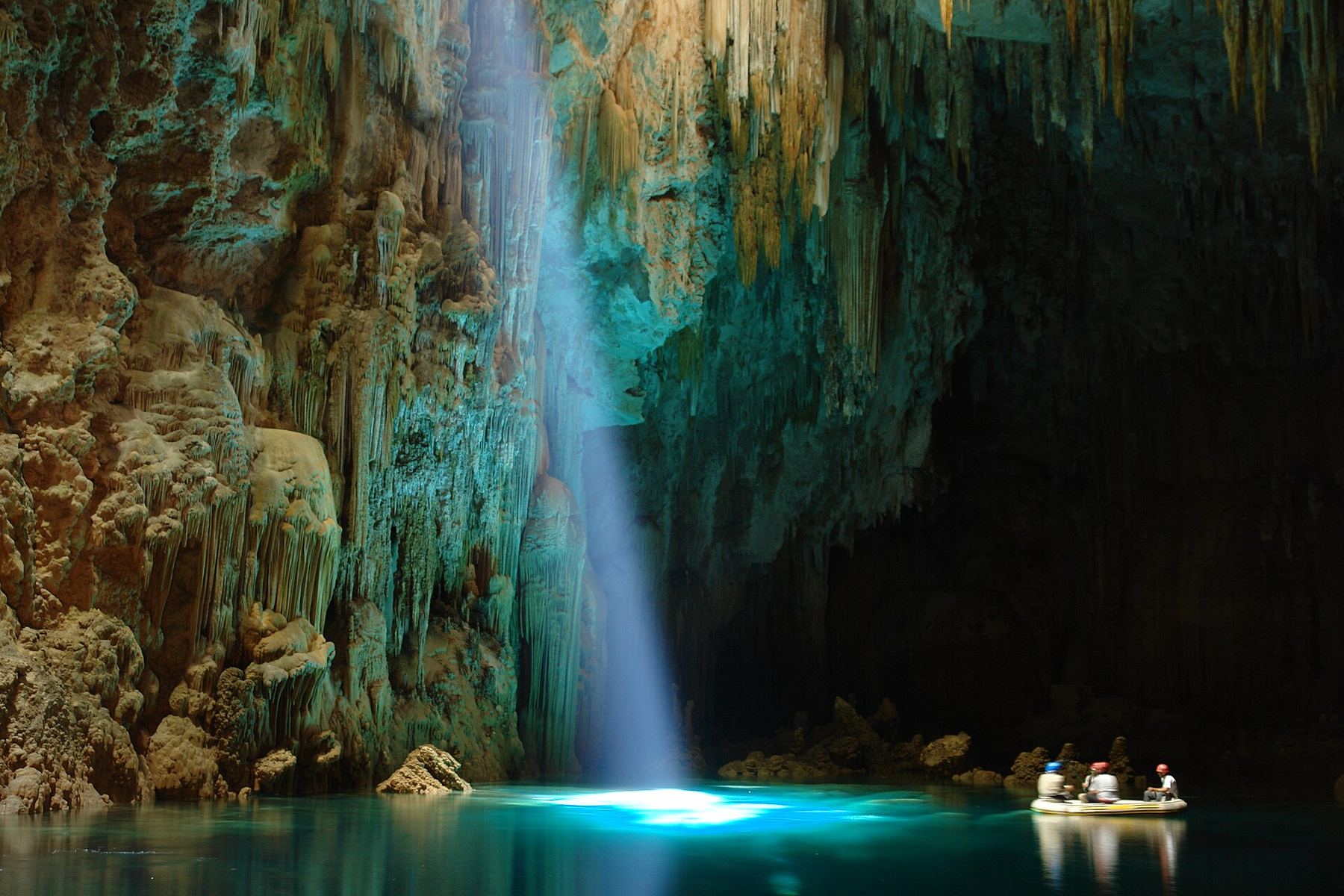
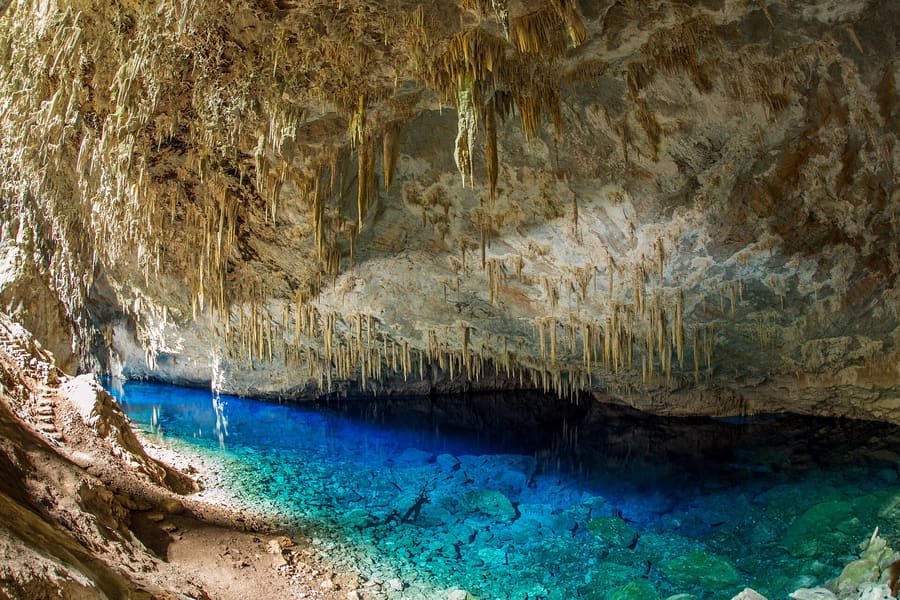
Gruta do Lago Azul
Descend 290 irregular stone steps into a cavern sheltering a bright blue lake. Sunlight hits the pool directly during morning hours.
Ask ParleyBrazil
Brazil’s freshwater capital strictly caps visitor numbers.
introduction
Bonito is a strictly regulated ecotourism hub built around lime-filtered karst rivers and caves. All excursion tickets are sold at fixed prices through a centralized municipal voucher system. You cannot enter nature reserves here without an accredited local guide. Expect high activity fees, controlled daily visitor quotas, and crystal-clear water.
Fly to CGR or BYO
Bonito Airport (BYO) has limited flights. Flying to Campo Grande (CGR) adds a four-hour road transfer.
Fixed-price voucher system
The city enforces visitor quotas using a centralized digital voucher system. Prices are fixed across all accredited agencies.
Book tours months ahead
Tours cap group sizes at 9 to 15 people. Key river floating excursions sell out months before summer holidays.
Bonito
Alicia Yo · CC BY-SA 3.0
Rota das Águas — Rural corridor stretching west along MS-178 towards major caves and reserves.
Ale Bertassoni · CC BY-SA 4.0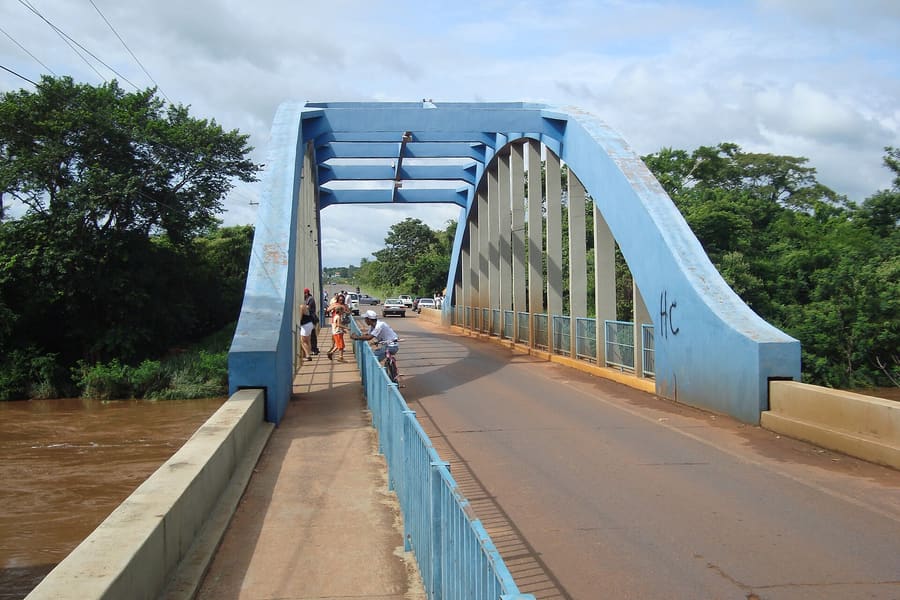
Rio Formoso Corridor — Lodges and eco-parks positioned directly along riverbanks south of the urban grid.
Gustavo Siqueira · Public domain
Freshwater fish served with fried cassava and rice in central Bonito.
Overkill53 · CC BY-SA 4.0highlights
landmark
Descend 290 irregular stone steps into a cavern sheltering a bright blue lake. Sunlight hits the pool directly during morning hours.
Ask Parley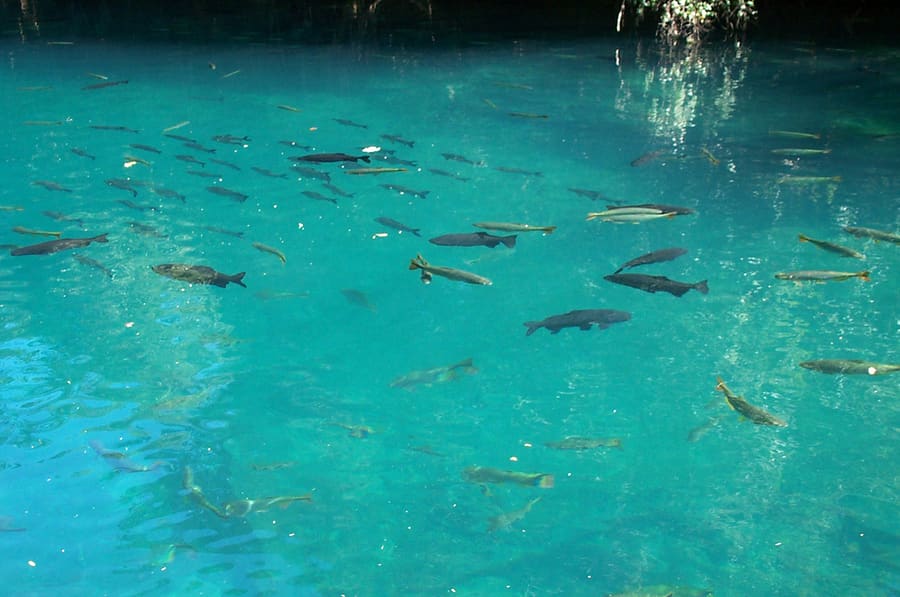
landmark
Float downstream through transparent water alongside dorados and pacu fish. Wetsuits are mandatory to prevent skin oils from polluting the stream.
Ask Parley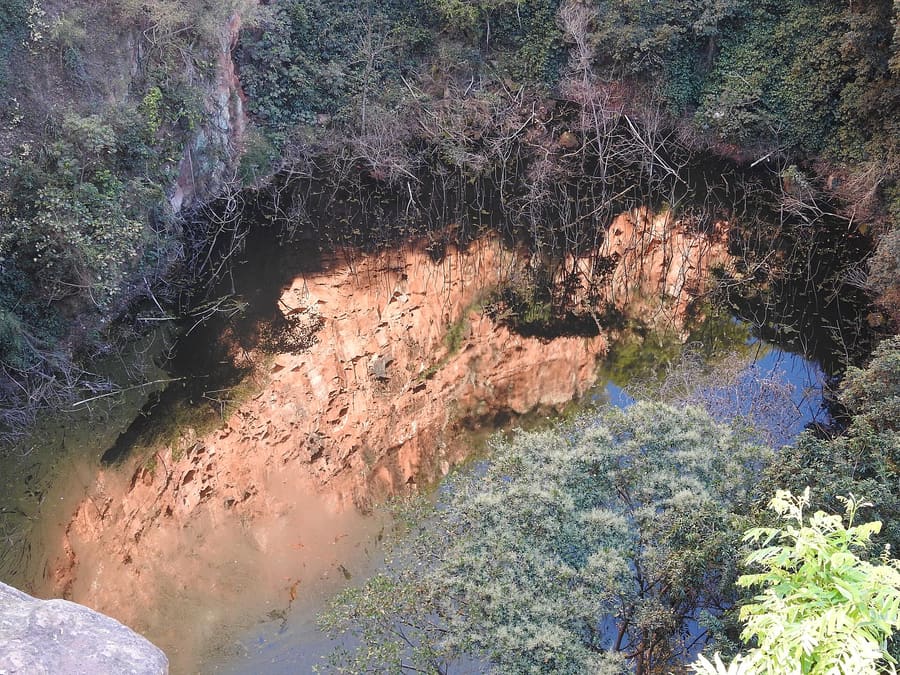
landmark
A 100-metre deep sandstone sinkhole where red-and-green macaws nest. Early morning visits yield the highest bird activity.
Ask Parleyattractions
areas
Rural corridor stretching west along MS-178 towards major caves and reserves.
NearbyGruta do Lago Azul and Abismo Anhumas.
Ask ParleyLodges and eco-parks positioned directly along riverbanks south of the urban grid.
NearbyPraia da Figueira and Balneário do Sol.
Ask ParleyCompact walkable grid anchored by Rua Coronel Pilad Rebuá. Home to agencies, bars, and souvenir shops.
NearbyCentral Square and main tour agency offices.
Ask ParleyLow-key residential neighbourhood east of the main avenue with budget guesthouses.
NearbyTown bus stops and local supermarkets.
Ask Parleyfood
Dining in Bonito relies heavily on native freshwater fish from the Paraguay River basin. Local menus highlight pintado, pacu, and golden dorado prepared grilled or baked with cassava. Exotic meats like farm-raised caiman tail appear regularly alongside traditional Pantanal staples.
Freshwater fish served with fried cassava and rice in central Bonito.
Overkill53 · CC BY-SA 4.0Order this rich, spiced soup made from local river piranha. It is widely served as a starter across town.
Caiman meat tastes similar to lean poultry and is legal when sourced from regulated local farms.
Kitchens in town open around 18:30 and close by 22:00. Late dining options are limited.
history
Bonito originated as a remote cattle ranching outpost in the late nineteenth century. The discovery of its crystalline subterranean cave systems in the 1970s triggered regional interest. Local landholders and authorities later established strict environmental controls to preserve river water quality from agricultural runoff.
Municipal status
Bonito officially separates from the municipality of Miranda to become an independent town.
Gruta do Lago Azul listed
Federal authorities declare the cave a national monument to safeguard subterranean formations.
Voucher system launched
The city invents the Single Voucher system to regulate tour bookings and enforce daily environmental visitor caps.
National Park creation
Serra da Bodoquena National Park is established to protect surrounding rainforest and karst river sources.
where to stay
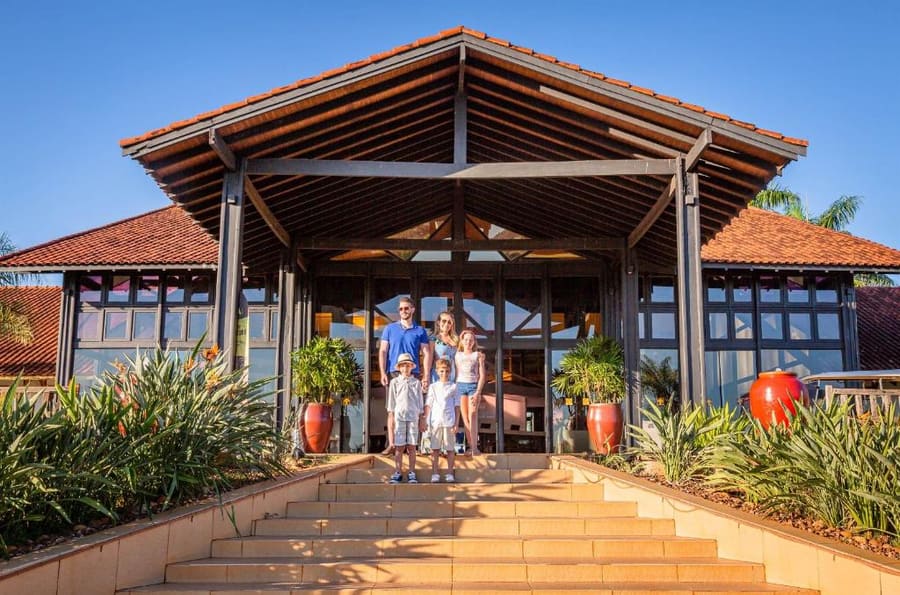
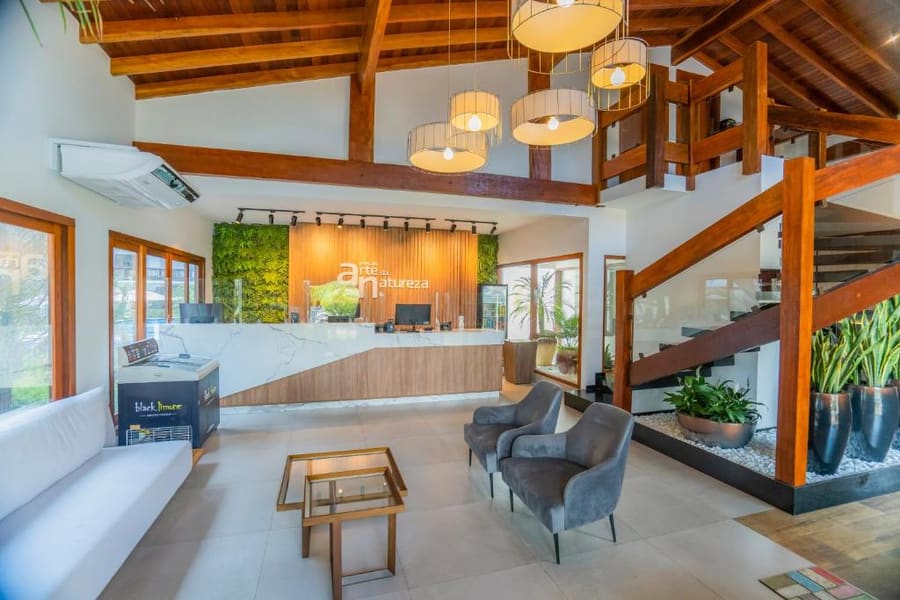
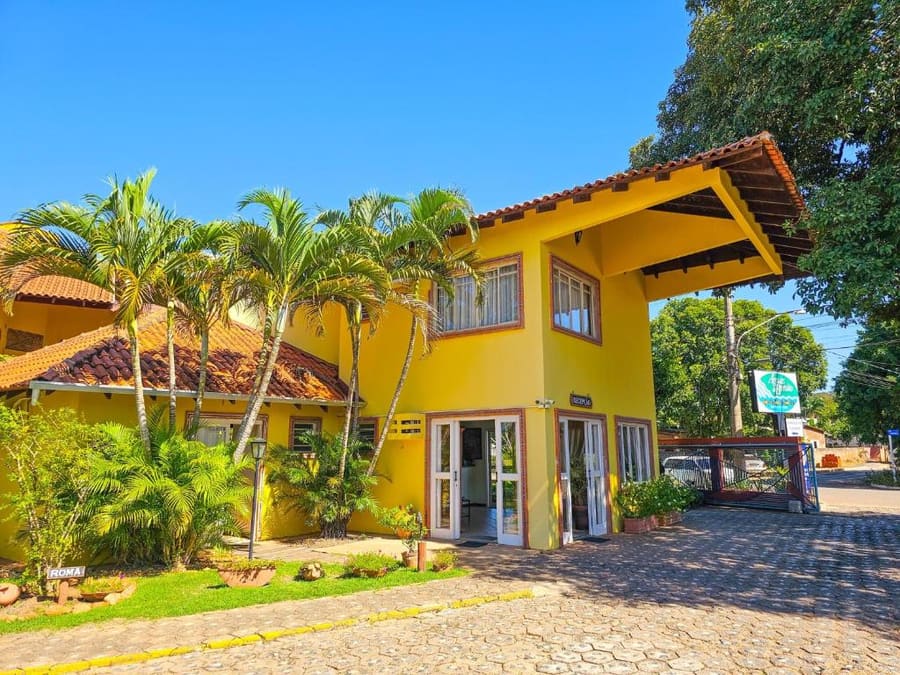
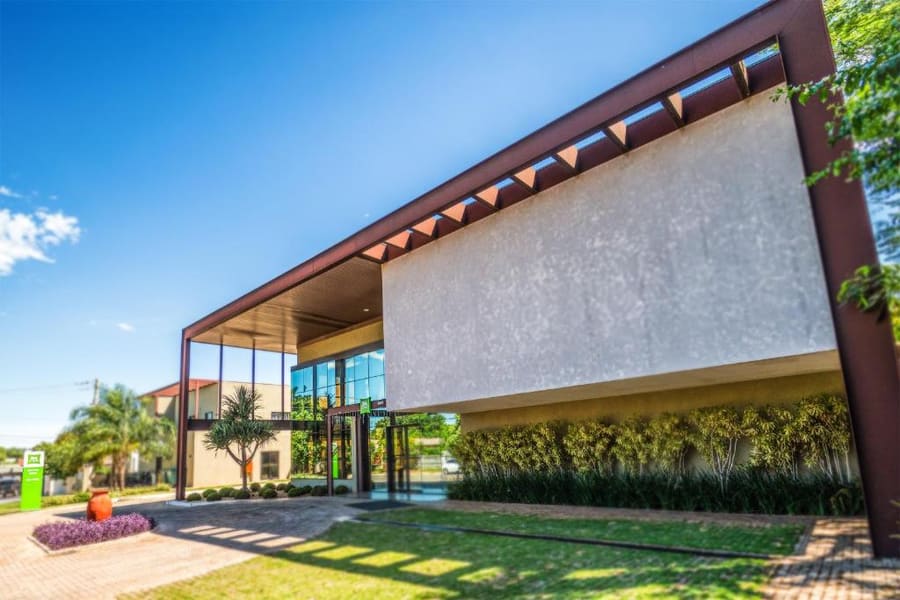
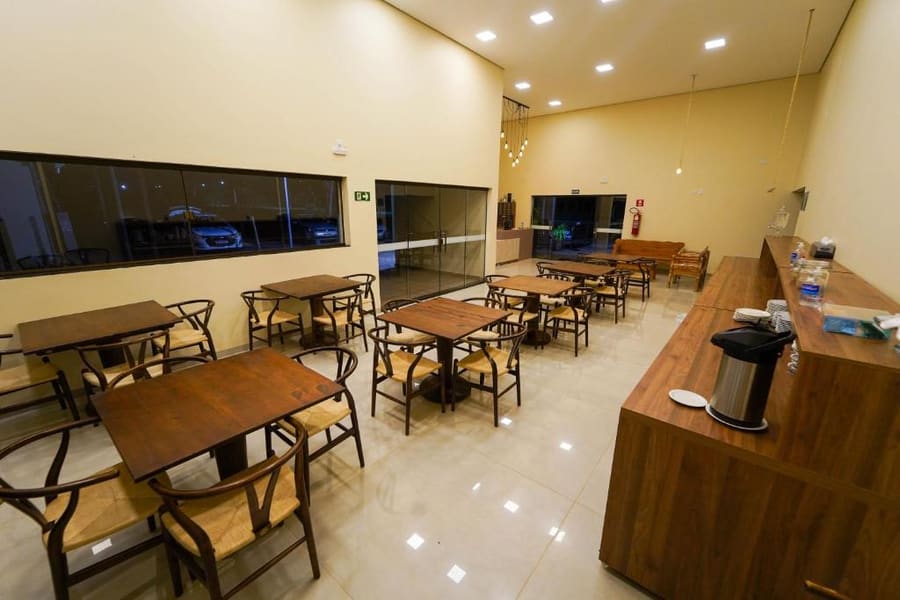
Choose your base based on your transport arrangements. Staying in Centro eliminates the need for evening taxis when dining out. Rural eco-lodges offer peaceful river settings but require a car for every meal.
Live rates, matched to the areas above.
transport
Bonito lacks public city transit. Tour attractions are spread across private ranches up to 50 kilometres outside town. You must arrange transportation through agency vans, rental cars, or private taxis beforehand.
Agencies coordinate shared vans for daily tours. Pickups occur early at central hotels.
Renting a car at CGR gives you independence between distant ranches and saves group van fees.
Street taxis are rare. Request rides through your hotel front desk or local WhatsApp taxi dispatchers.
Shared tour vans will depart without you if you miss your scheduled pickup window.
cost
Bonito is one of Brazil's most expensive domestic destinations due to fixed environmental entrance fees. Prices do not fluctuate between agencies because the municipality sets official rates centrally.
Includes guide, wetsuit, mask, snorkel, and life vest.
Covers descent equipment, boat float, and equipment training session.
Covers guided access to locations like Gruta do Lago Azul.
Single portion of regional fish or meat dish at a central restaurant.
seasonality
DEC – FEB
Rainy summer season. High water levels make waterfalls impressive, but heavy rains can temporarily reduce river visibility.
MAR – MAY
Transition season with decreasing rainfall, warm weather, and moderate visitor crowds.
JUN – AUG
Dry winter period. Water clarity reaches peak levels, though night temperatures drop significantly.
SEP – NOV
Spring brings warming temperatures and excellent fish activity before summer downpours start.
practicalities
Chemical sunscreen and insect repellent are forbidden in clear float rivers to protect aquatic life.
You cannot explore nature reserves independently. An accredited guide must accompany every group.
Keep digital or printed copies of your official municipal vouchers to present at ranch gates.
Caves and waterfall trails require closed-toe shoes like sneakers or hiking boots. Sandals are prohibited.
Snorkelling sites provide wetsuits and boots. Wearing them is compulsory for buoyancy and water protection.