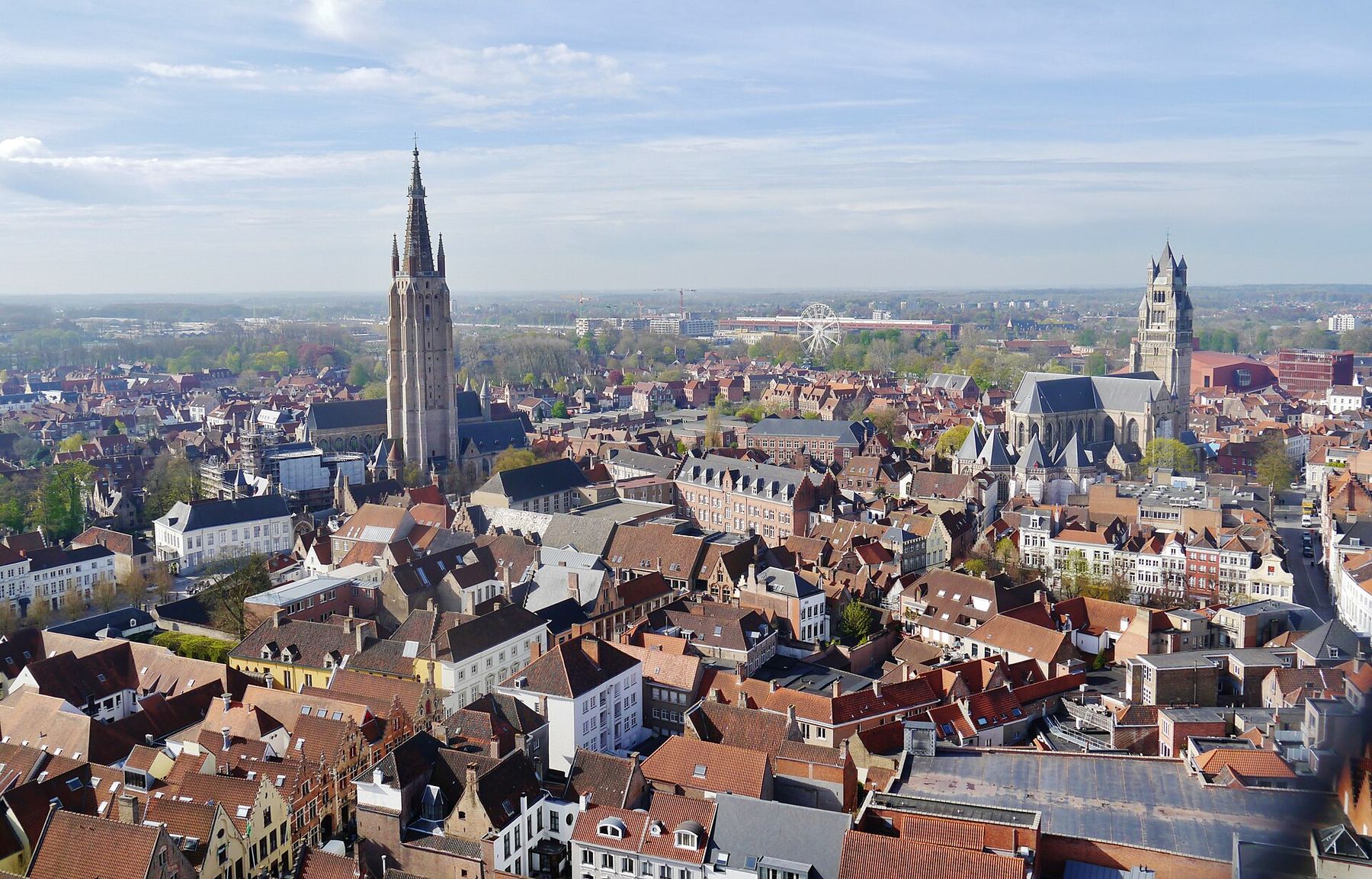
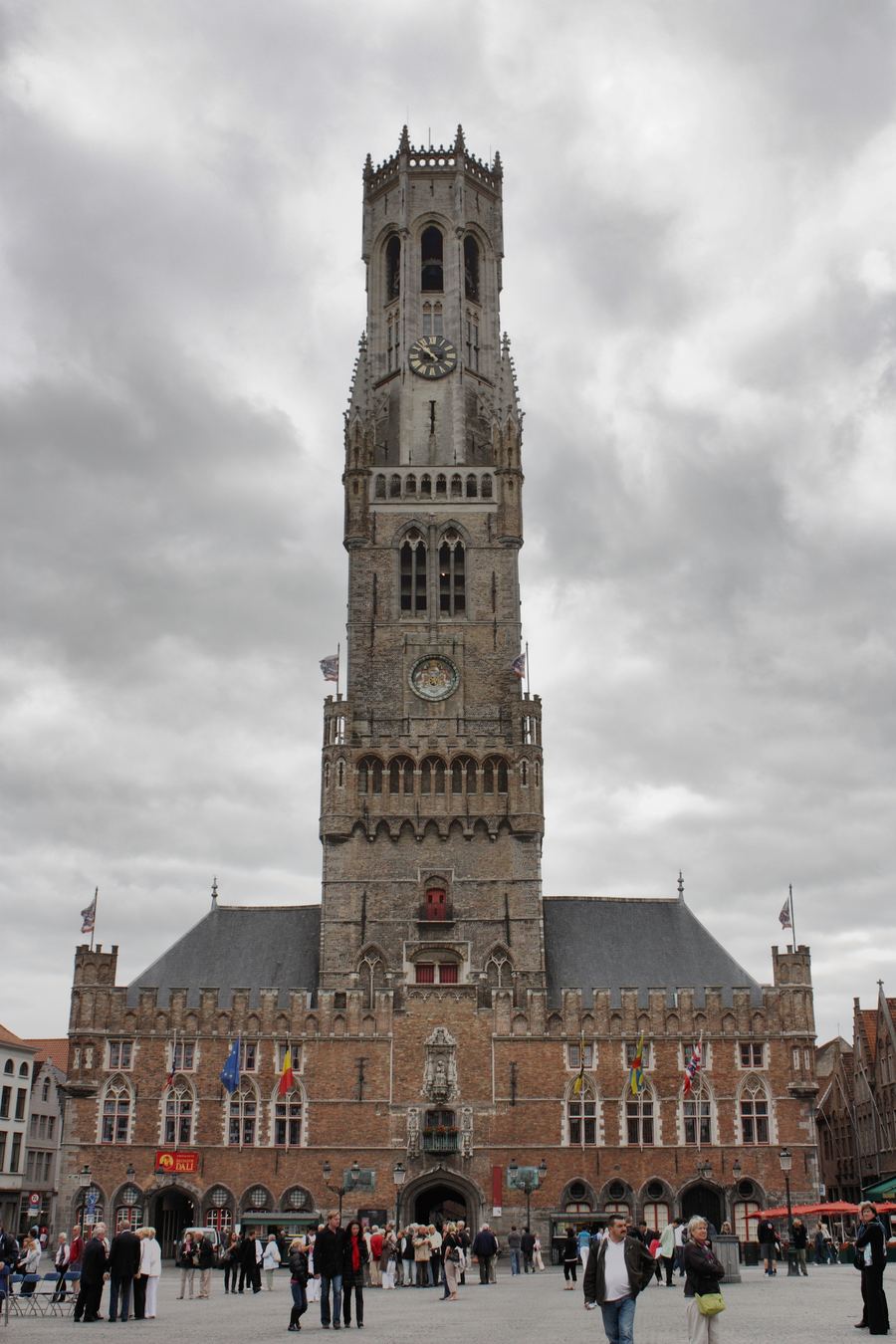
landmark
Belfry of Bruges
Climb 366 steps for panoramic town views. Book a timed slot online two weeks ahead to avoid hours of waiting.
Ask ParleyBelgium
A preserved medieval canal city built for walking.
introduction
Bruges is a compact medieval city bounded by a ring canal. You move through its historic core entirely on foot or by bicycle. Expect preserved brick gothic architecture, Flemish primitive art, and quiet stone lanes.
Train arrival at Station Brugge
Brugge railway station lies 1.5 km south of the Markt. Bus lines 1 and 2 run to the centre every ten minutes for €2.50.
UNESCO World Heritage Core
The entire historic city centre became a UNESCO World Heritage site in 2000. Medieval canal networks dictate the modern street grid.
Museum card savings
The Musea Brugge Card costs €33 and covers 12 municipal sites including the Belfry. Buying it saves money if you visit three or more.
Bruges
Marc Ryckaert (MJJR) · CC BY 3.0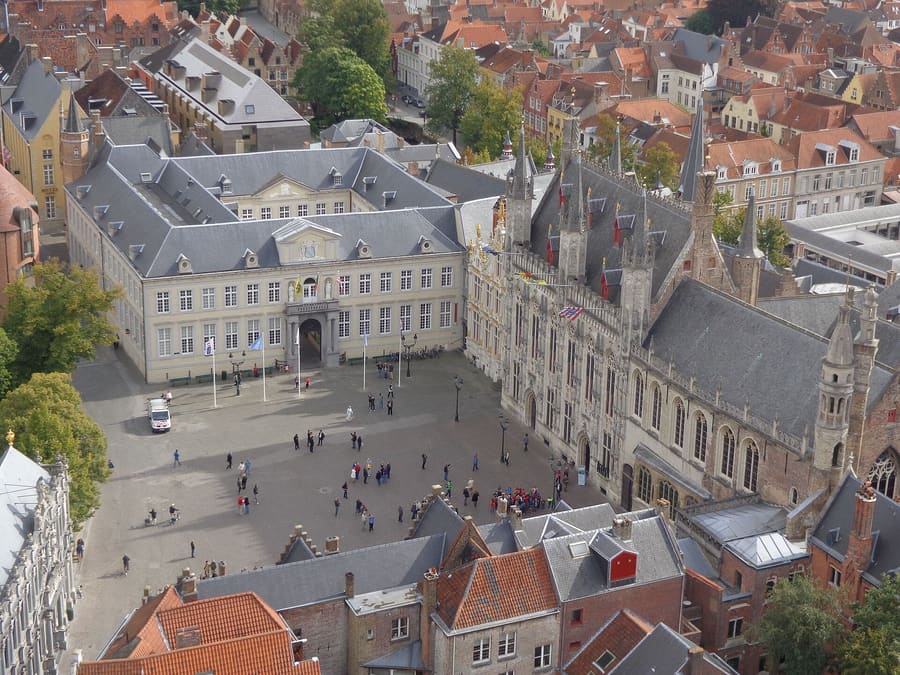
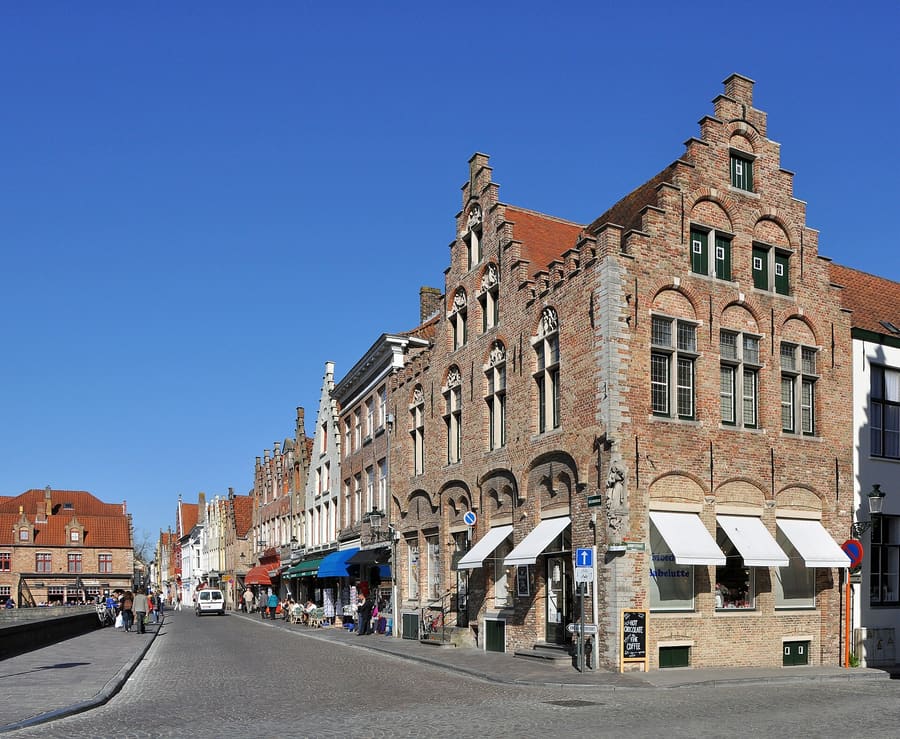
Burg & Markt Core — Cobblestone alleys and gothic civic halls crowded with day visitors.
Superchilum · CC BY-SA 3.0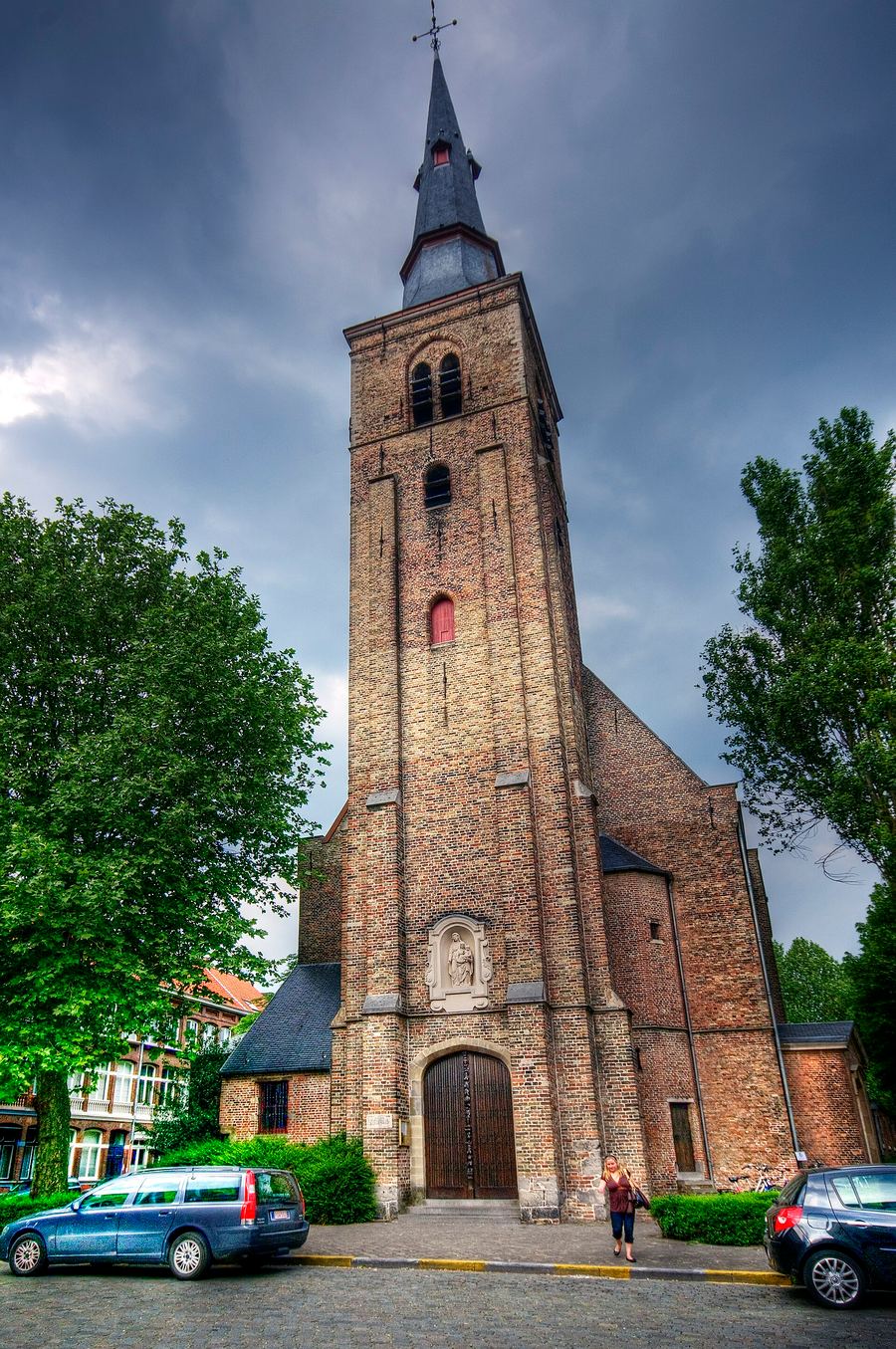
Saint Anna Quarter — Quiet residential lanes, medieval windmills, and local lace heritage.
Wolfgang Staudt · CC BY 2.0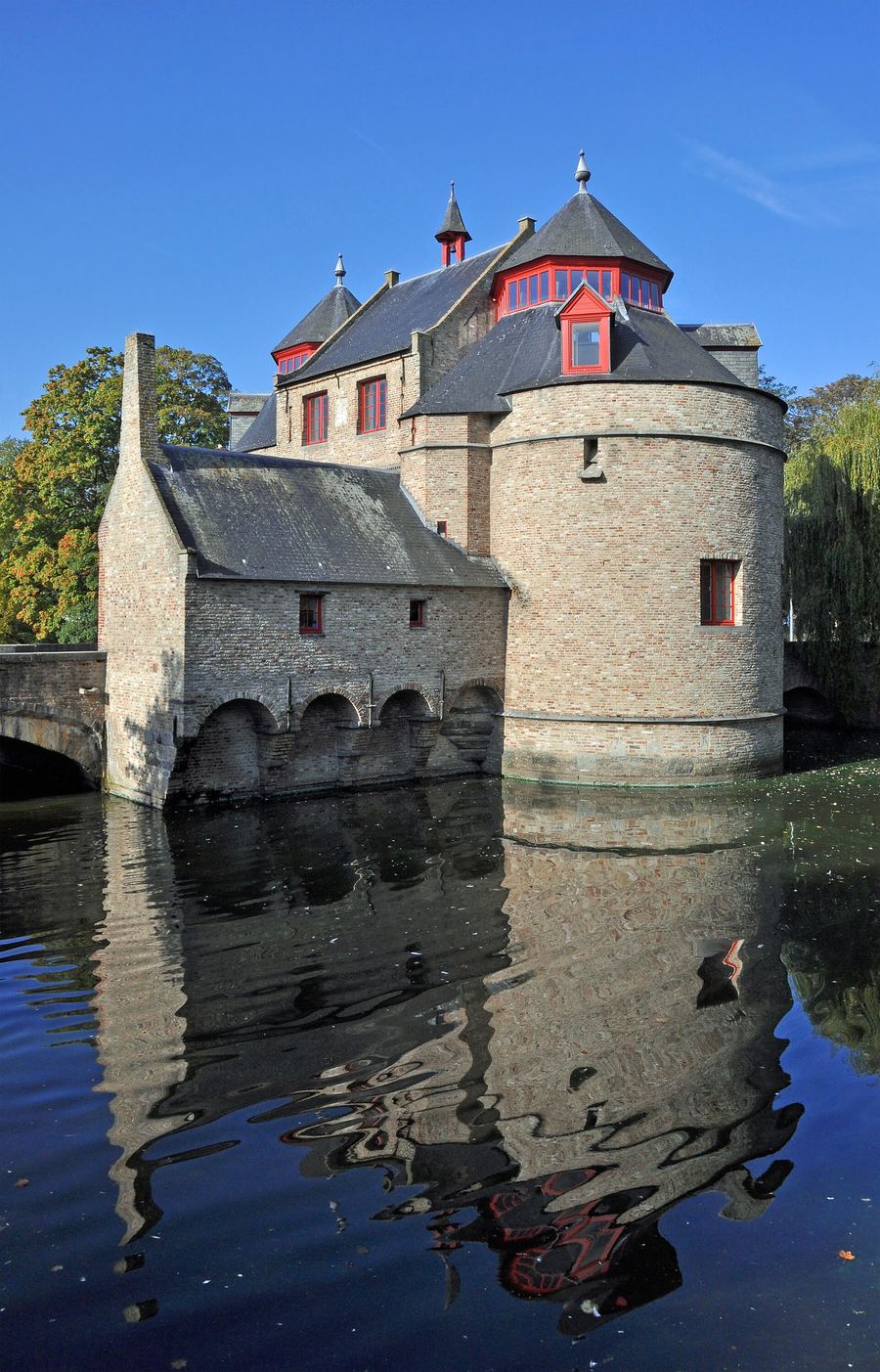
Ezelstraat Quarter — Indie boutiques, craft beer spots, and residential cobblestone streets.
Marc Ryckaert · CC BY-SA 3.0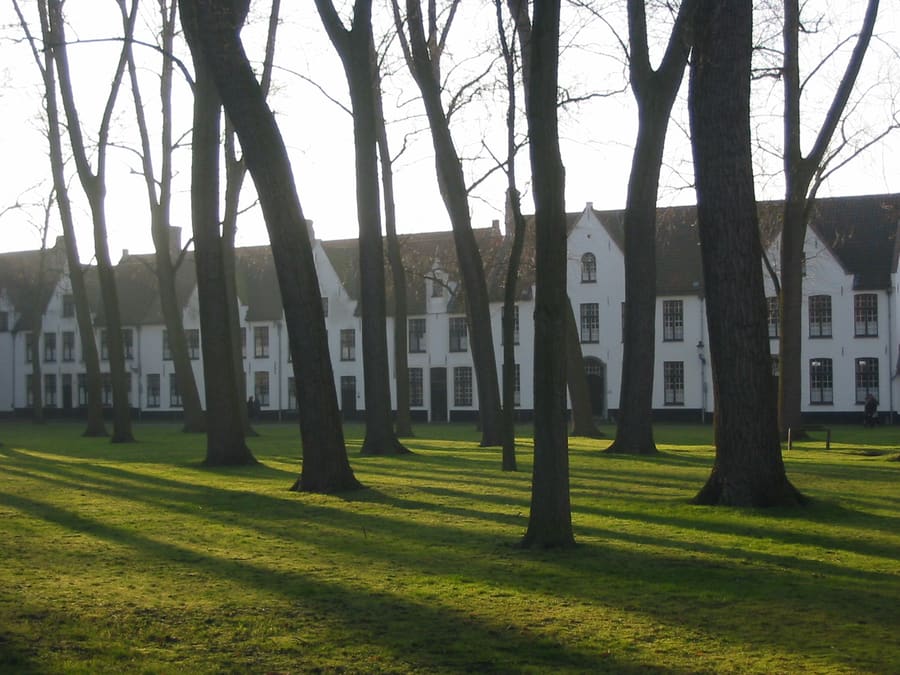
Minnewater & Begijnhof — Shaded canal paths, white beguinage houses, and quiet leafy parks.
Donar Reiskoffer · CC BY 3.0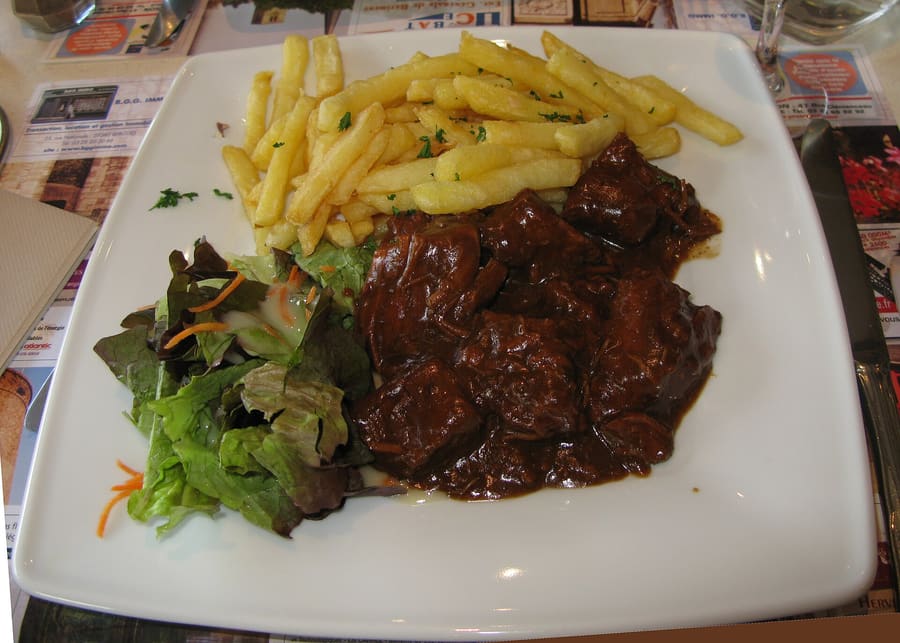
Carbonnade flamande served with Belgian fries and Flemish mustard.
Jiel Beaumadier · CC BY-SA 4.0highlights
landmark
Climb 366 steps for panoramic town views. Book a timed slot online two weeks ahead to avoid hours of waiting.
Ask Parley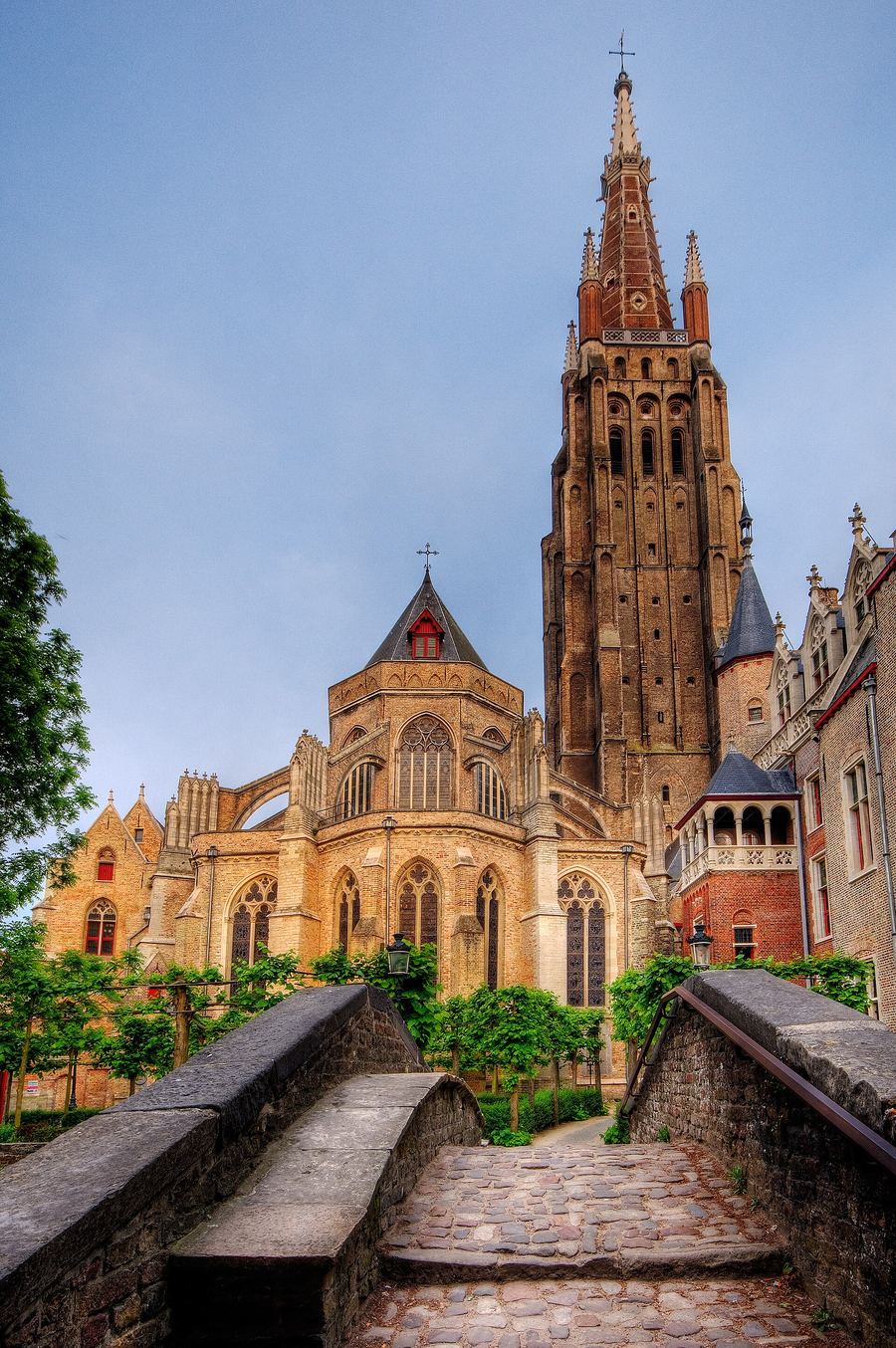
landmark
Houses Michelangelo's Madonna and Child sculpture. The choir section requires an €8 museum ticket while the main nave is free.
Ask Parley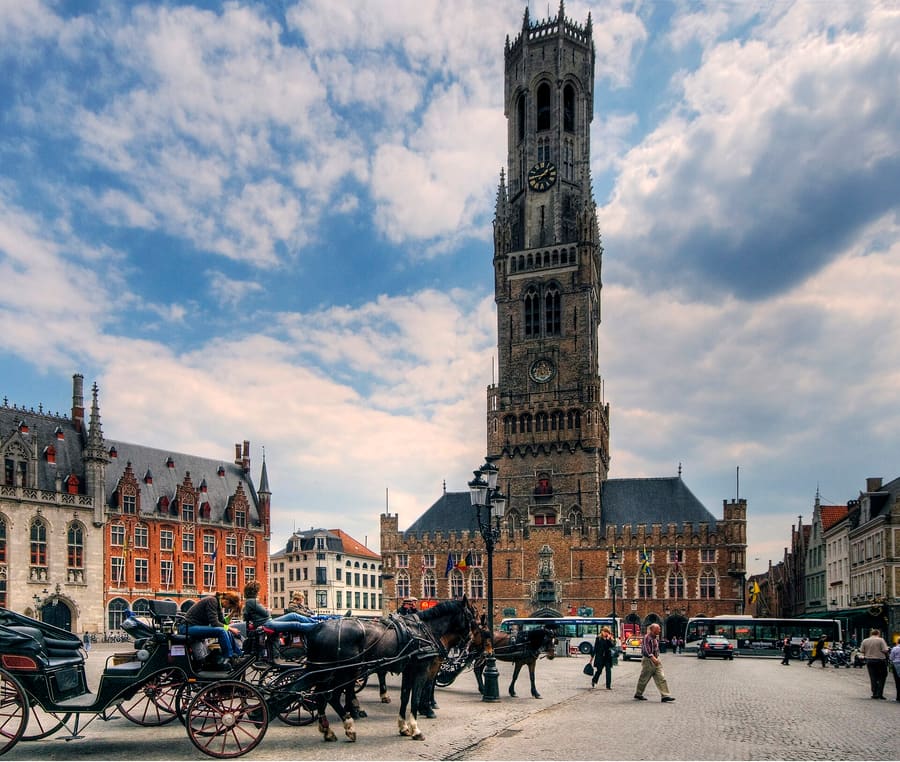
landmark
The central plaza bordered by stepped gables. Eat in side streets; square cafes double prices for location.
Ask Parley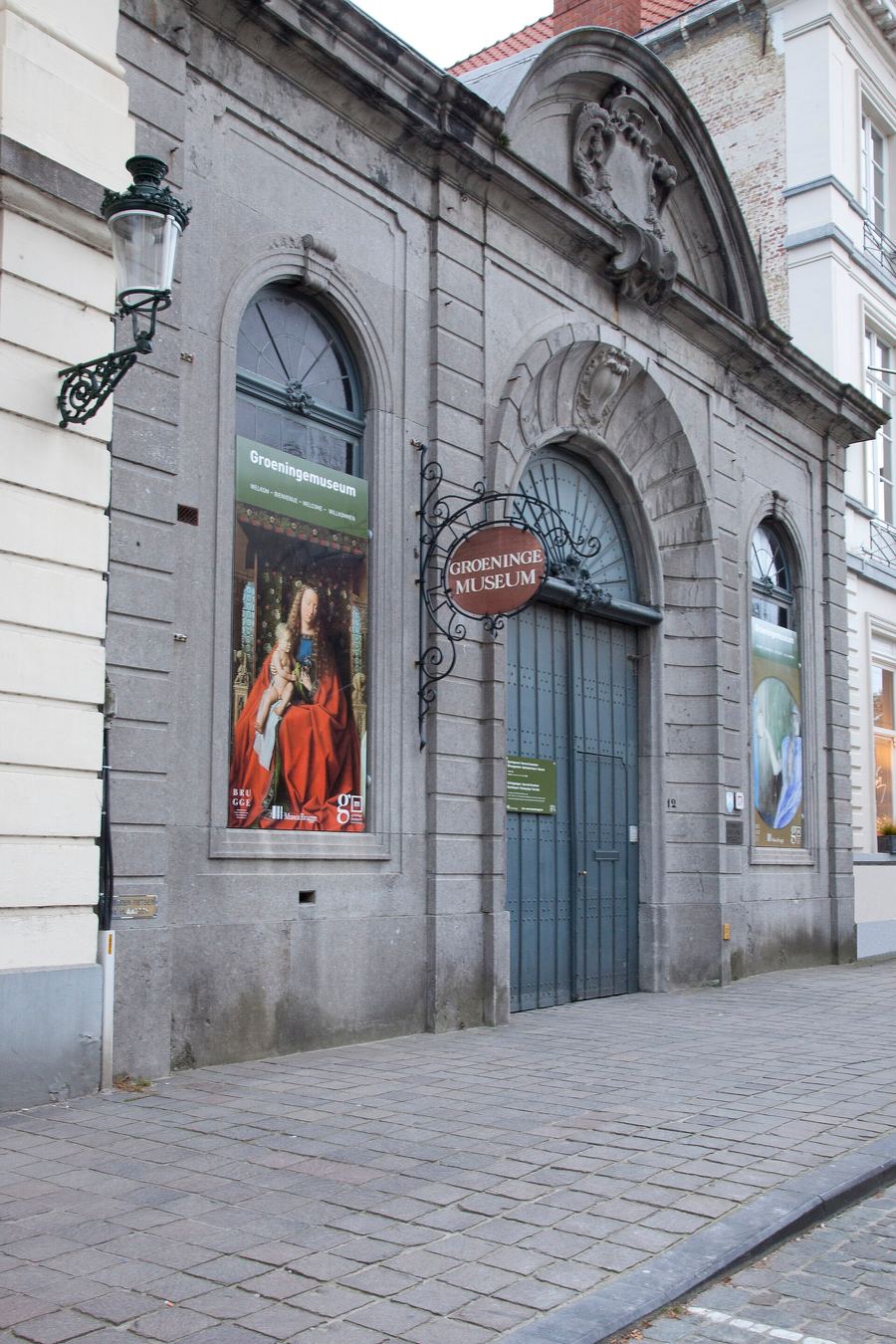
landmark
Exhibits Jan van Eyck and Flemish Primitive masterpieces. Go at opening time at 09:30 to view details without crowds.
Ask Parley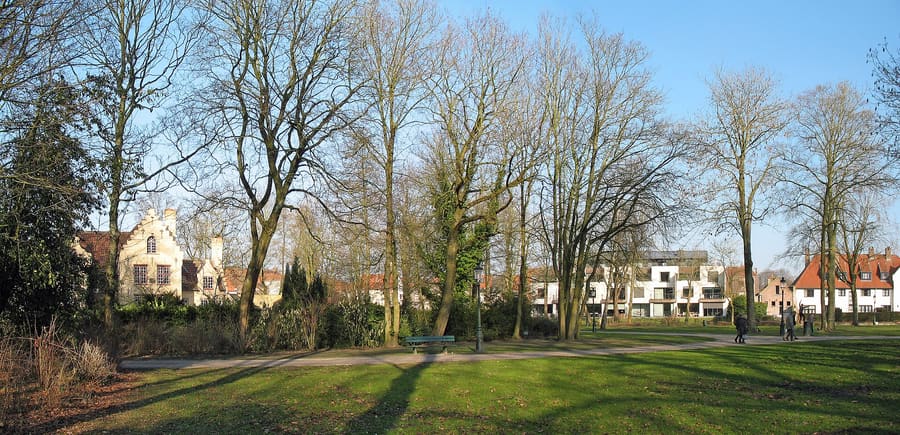
landmark
A serene lake surrounded by public parkland and swans. Walk across the 18th-century bridge for calm photo angles.
Ask Parley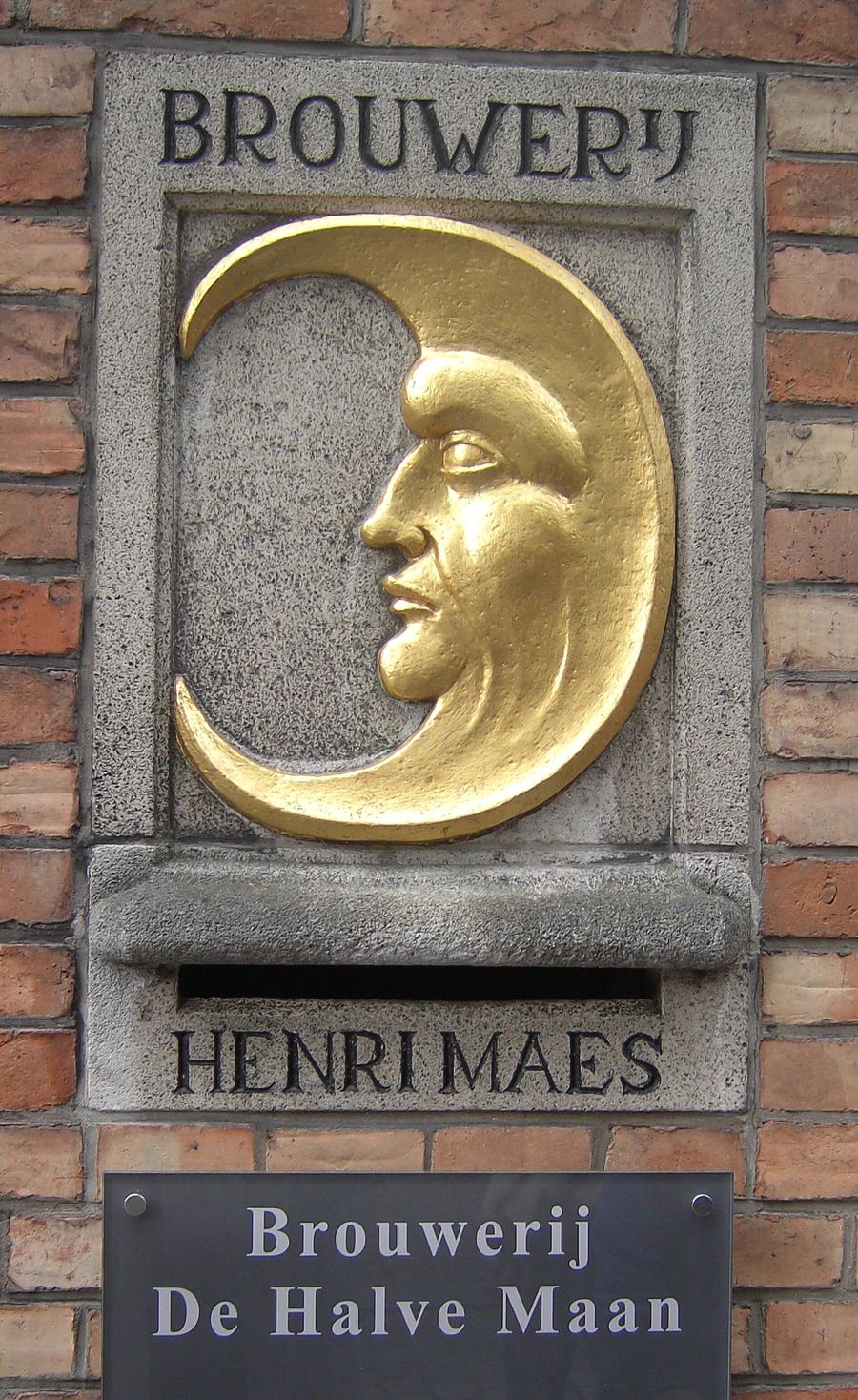
landmark
The last active family brewery in central Bruges. Tour reservations include a glass of Brugse Zot straight from the tap.
Ask Parleyattractions
areas
Cobblestone alleys and gothic civic halls crowded with day visitors.
NearbyBelfry and Markt Square
Ask ParleyQuiet residential lanes, medieval windmills, and local lace heritage.
NearbyKruisvest park and windmills
Ask ParleyIndie boutiques, craft beer spots, and residential cobblestone streets.
NearbyEzelpoort city gate
Ask ParleyShaded canal paths, white beguinage houses, and quiet leafy parks.
NearbyStation Brugge and Minnewater
Ask Parleyfood
Bruges dining focuses on hearty Flemish classics, fresh coastal seafood, and Belgian brewing heritage. Carbonnade flamande (stoverij) is beef slow-cooked in local dark beer, served alongside crisp double-fried fries. At spots like Café Vlissinghe, the city's oldest pub operating since 1515, you eat local dishes without tourist markups.
Carbonnade flamande served with Belgian fries and Flemish mustard.
Jiel Beaumadier · CC BY-SA 4.0Kitchens in Bruges close early compared to southern Europe. Most quality bistro kitchens end order service by 21:00.
Ask for Brugse Zot or Straffe Hendrik on tap at local cafes like De Garre. These beers are brewed directly inside the historic town wall.
history
Bruges rose to wealth in the 12th century as a key port for the European cloth trade. Direct sea access via the Zwin inlet made it a dominant financial capital. When the waterway silted up in the late 15th century, trade shifted to Antwerp, preserving medieval Bruges in economic standstill for centuries.
City Charter
Bruges receives city rights and begins constructing its first protective walls and canal networks.
Battle of the Golden Spurs
Local Flemish guilds defeat French knights near Kortrijk, securing civic autonomy for Bruges craftspeople.
Golden Age of Flemish Art
Jan van Eyck and Hans Memling settle in Bruges, creating pioneering Northern Renaissance oil paintings.
Bruges-la-Morte
Georges Rodenbach publishes his symbolist novel, turning the dormant city into a pioneer target for cultural tourism.
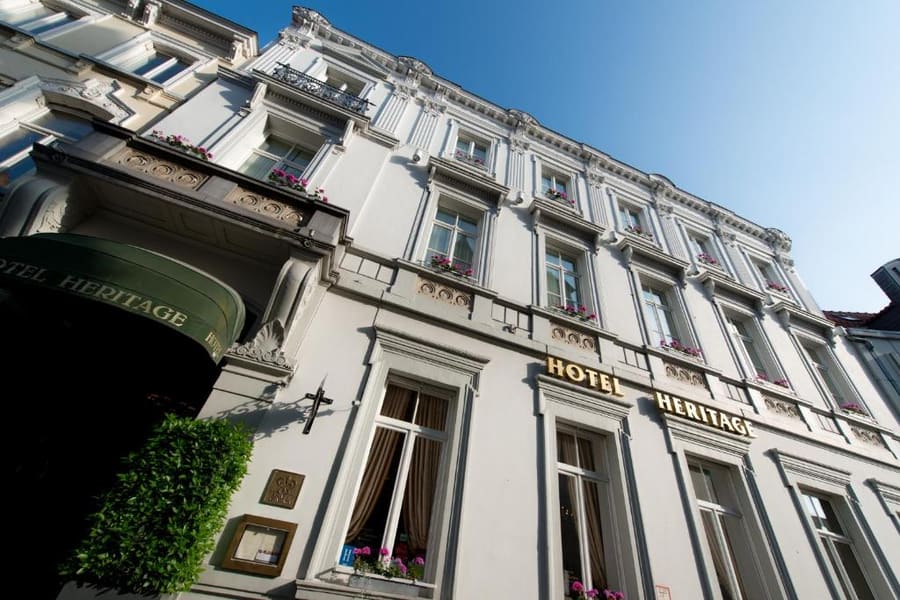
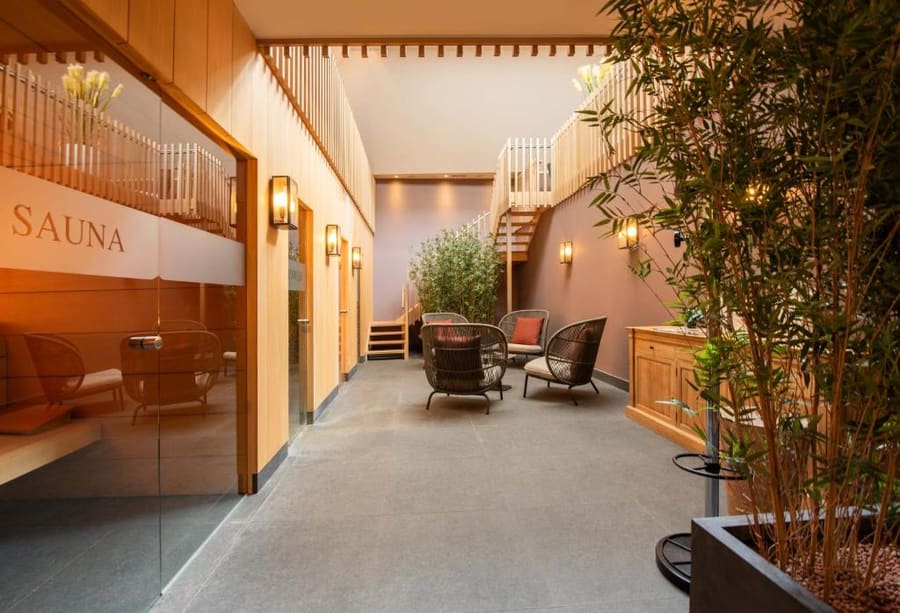
where to stay
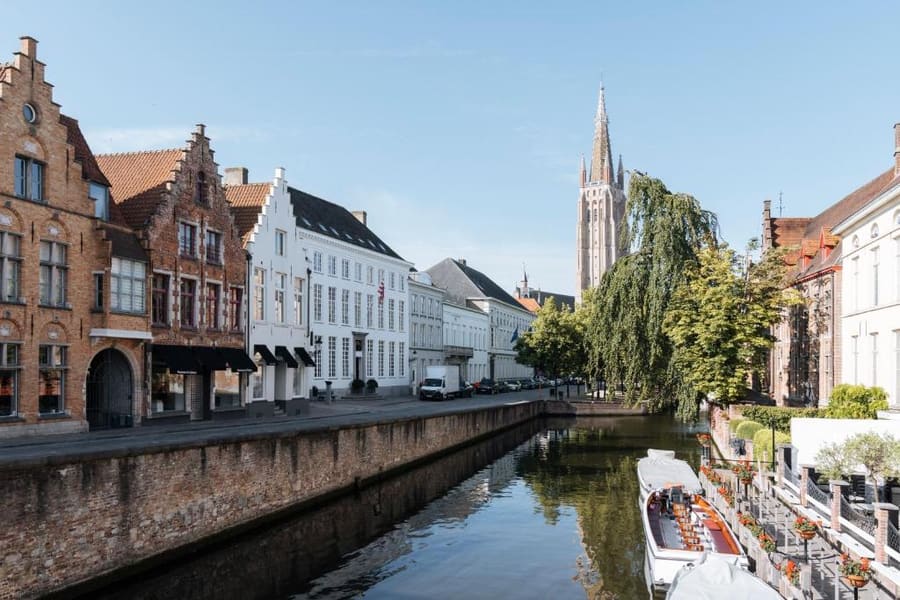
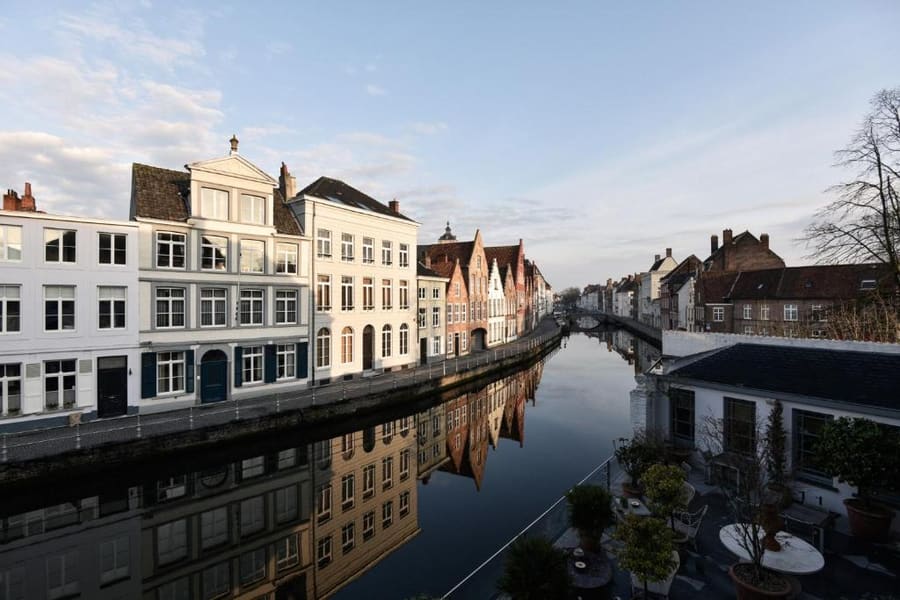
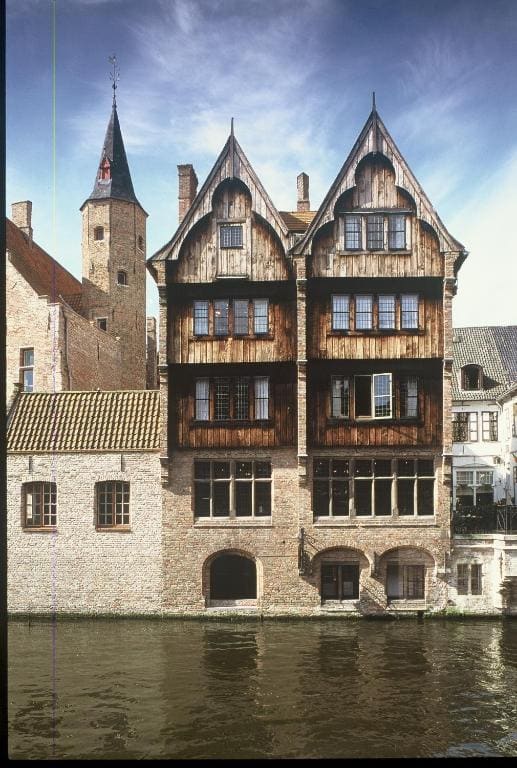
Choose your location by your tolerance for daytime crowds. Staying inside the egg-shaped canal ring puts every sight within a 20-minute walk. Saint Anna offers quiet evenings, while the station area provides easy luggage access.
Live rates, matched to the areas above.
transport
Bruges is entirely walkable. The historic centre measures roughly two kilometres across, making walking faster than public transit for most routes. Cobblestones cover most streets, so comfortable flat shoes are essential.
From Brugge Railway Station (ZBR)
Scenic 1.5 km walk across canals into the centre; wear flat shoes for cobblestones.
Runs every 10 min to Markt; pay via contactless payment on board.
Ranks outside station exit; restricted access inside pedestrianized center.
Day rental available near the station; ideal for riding the outer ramparts.
You can cross the central canal loop on foot in 25 minutes. Vehicles face heavy speed limits and one-way restrictions.
Busses connect the train station to the Markt every ten minutes. Buy a single ticket via contactless payment on board.
Boats operate daily from five landing stages between 10:00 and 18:00. Rides last 30 minutes and cost around €12 per person.
Rent a city bike near the train station for €15 per day to ride along the outer windmill ramparts.
cost
Prices reflect high visitor demand in the center. Walking and exploring public parks costs nothing, but meals and museum fees add up quickly without planning.
Main courses at central bistros average €22 to €28 each.
Local draft brews like Brugse Zot cost less at local taverns than import beers.
Contactless tap on De Lijn buses covers a 60-minute travel window.
Major sites like the Groeningemuseum charge fixed adult admission rates.
seasonality
MAR – MAY
Spring brings mild weather and blooming tulips in the Begijnhof courtyard. Light jacket required.
JUN – AUG
Peak crowd season with warm daylight until 22:00. Expect long lines at boat landings.
SEP – NOV
Autumn mist settles over canals and tourist numbers drop significantly after September.
DEC – FEB
Cold, crisp days accompanied by winter illuminations and market stalls in the Markt.
practicalities
Almost all merchants accept Visa and Mastercard. Smaller shops may enforce a €5 minimum for card transactions.
Retail stores in Bruges shut by 18:00 or 18:30, including on Saturdays. Most shops remain closed on Sundays.
Restrooms at train stations and public squares charge €0.50 to €1.00 cash entry.
Irregular historic paving makes wheeled luggage and narrow heels difficult to handle.
Day-trippers arrive via train after 10:30. Explore the main squares between 08:00 and 10:00 for empty streets.