
landmark
Sveti Nikola Island
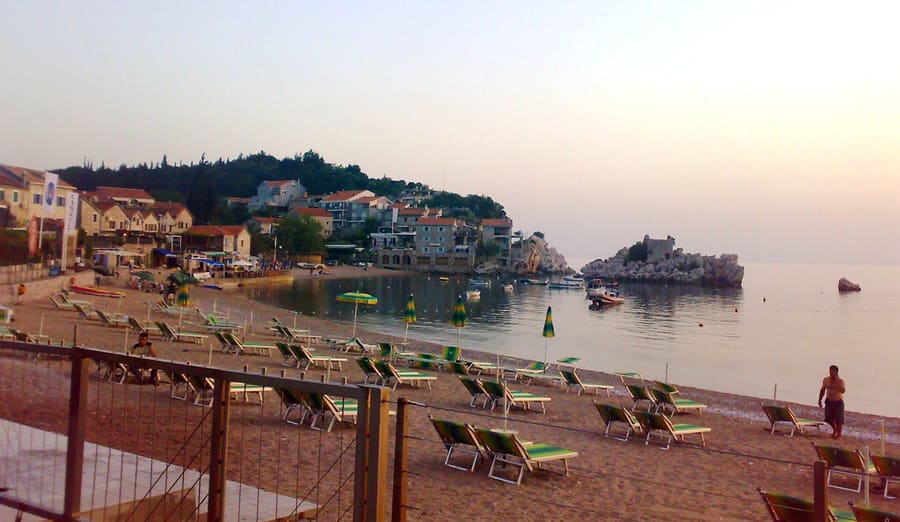
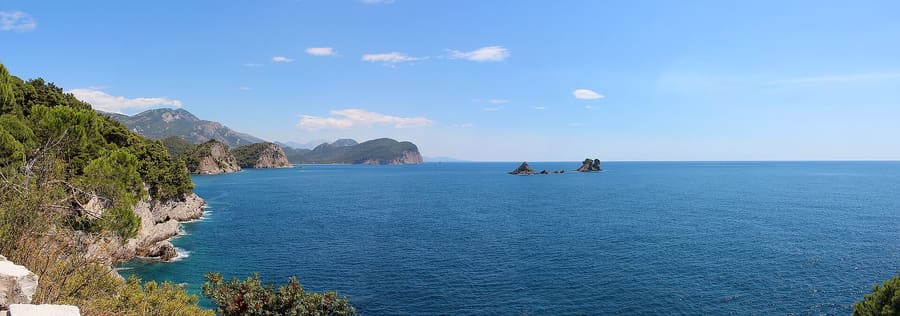
Uninhabited island known locally as Hawaii. Water taxis depart every 30 minutes from Budva marina for €5 round trip.
Montenegro
Venetian walls, Adriatic nightspots, and cove beaches.
Budva splits itself between a tiny 2,500-year-old walled peninsula and miles of high-density coastal resort strip. You navigate the cobblestones of Stari Grad on foot, while public Mediteran Express buses string together the southern beaches. High summer brings crowded promenades and loud open-air clubs, but early mornings reveal quiet Venetian alleys and clean waters.
Pržno — Former fishing hamlet turned quiet cove with waterfront seafood taverns and olive groves.
Petrovac — Relaxed coastal village 18km south, centered around a red-pebble horseshoe bay.
Fresh mussels cooked in white wine and garlic sauce at a seafront konoba.
01
landmark
Uninhabited island known locally as Hawaii. Water taxis depart every 30 minutes from Budva marina for €5 round trip.
landmark
15th-century Orthodox complex set in the foothills. Walk 20 minutes uphill from the main bus station to see stone frescoes.
landmark
Historic hilltop monastery producing olive oil and honey. Reach it via stone steps leading up from Miločer Park.
02
03
Dense medieval alleyways inside stone ramparts, packed with wine bars and small boutiques.
NearbyCitadel, marina, and Mogren boardwalk.
Ask ParleyHigh-rise beach resort strip anchored by wide pebble shores and family-friendly promenades.
NearbyBečići beach, water parks, and pedestrian tunnel.
Ask ParleyFormer fishing hamlet turned quiet cove with waterfront seafood taverns and olive groves.
NearbyMiločer Park, Sveti Stefan, and Queen's Beach.
Ask ParleyRelaxed coastal village 18km south, centered around a red-pebble horseshoe bay.
NearbyKatič islet, Lucice beach, and Venetian fortress.
Ask Parley04
Budva cuisine splits between the sea and the inland limestone karst. Waterfront taverns specialize in buzara, where whole prawns or mussels simmer in white wine, garlic, and olive oil. Inland menus feature Njegoški pršut, a dry-cured ham from nearby Njeguši village served with hard sheep cheese.
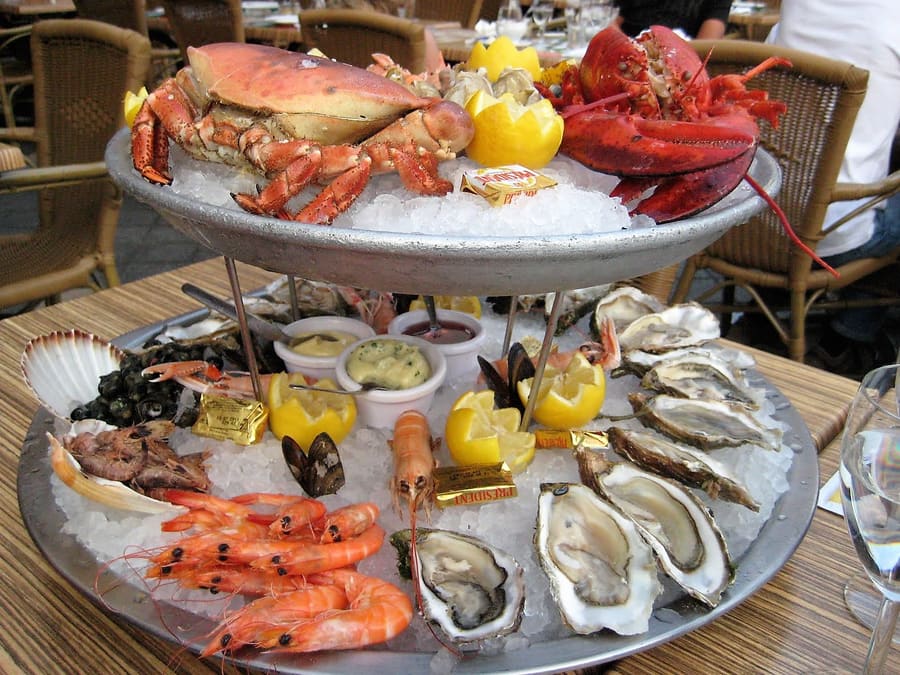
Fresh mussels cooked in white wine and garlic sauce at a seafront konoba.
First-category wild fish like dentex or sea bream costs €50 to €70 per kilogram. Staff present the catch on a tray before grilling.
Look for konoba on the sign rather than restoran. Tucked-away establishments along the bypass road offer better value than harbourfront spots.
Kitchens open for lunch at 12:00, but locals eat dinner late. Arrive around 21:00 for the best atmosphere in Stari Grad.
05
Founded by Illyrians and colonized by Greeks, Budva became an essential Roman trading port. Venice ruled the town from 1420 to 1797, constructing the fortified walls that survive today to protect against Ottoman raids.
Illyrian origins
Legend attributes the city founding to Cadmus of Phoenicia. Excavations near Old Town reveal ancient Illyrian and Greek necropolises.
Venetian rule begins
Budva joins Venetian Albania. For nearly four centuries, the Republic builds stone walls, bastions, and civic architecture.
The great earthquake
A 6.9 magnitude earthquake destroys 80% of Stari Grad. Rebuilding takes eight years using original stone and traditional methods.
Independence era
Montenegro regains independence. Budva transforms into the nation's primary tourism center, drawing rapid hotel development.
06
Choose your base by location and your tolerance for late-night sound. Stari Grad offers historic atmosphere, while Bečići and Pržno focus on resort beaches.
Highly rated hotels in Budva.


07
Old Town is completely pedestrianized. Taxis and public buses connect the coastal towns along the main highway.
From TIV
Agree on the rate before departure or demand the meter.
Board intercity buses on the main road outside Tivat airport terminal.
Pre-book through your hotel to ensure fixed pricing during summer traffic.
Local blue buses run every 10–20 minutes between Budva, Bečići, and Sveti Stefan along the main highway.
Bus drivers on local lines do not accept cards. Carry exact change in small euro coins.
The two-lane coastal highway freezes between 17:00 and 20:00 in peak season. Walking or water taxi is faster.
Boats run continuously from Budva marina to Hawaii Island and remote cove beaches between June and September.
08
Budva is Montenegro's most expensive coastal city in peak season, but remains affordable compared to Western European beach destinations.
Prices vary by location. Premium lounges at Mogren charge up to €30, while public beach ends allow free towel space.
Old Town cafes charge higher prices, while inland espresso bars serve espresso for €1.50.
One-way ticket from Budva to Bečići costs €1.50, or €2.50 to Sveti Stefan.
Fixed fare from Budva harbour to .
09
MAR – MAY
Cooler sea temperatures, clear walking trails, and low hotel rates. Most beach bars open in early May.
JUN – JUL
Warm waters, busy promenades, and active outdoor clubs. Book hotel rooms at least two months ahead.
AUG – SEP
Peak water warmth in August with heavy traffic. September brings calm crowds and comfortable 25°C sea weather.
OCT – FEB
Quiet off-season. Waterfront venues close, but Old Town restaurants remain open for locals.
10
Montenegro adopted the Euro unilaterally. ATMs line the main promenade, but smaller beach kiosks require cash.
Hotels register you automatically. If renting a private apartment, visit a Tourist Information Bureau within 24 hours.
Most beaches consist of smooth gravel or sea pebbles. Water shoes protect feet and make walking into the sea easier.
Montenegro is outside the EU roaming area. Buy a tourist SIM at any kiosk for €10–15 with generous data allowances.
Blue Flag status marks several beaches along the Budva Riviera. Mogren and Lučice consistently post top water purity scores.
Contents
Your trip
Going to Budva?
Tell Parley when you’re going and what you enjoy, and it plans the days around this guide.
Plan with Parley


