landmark
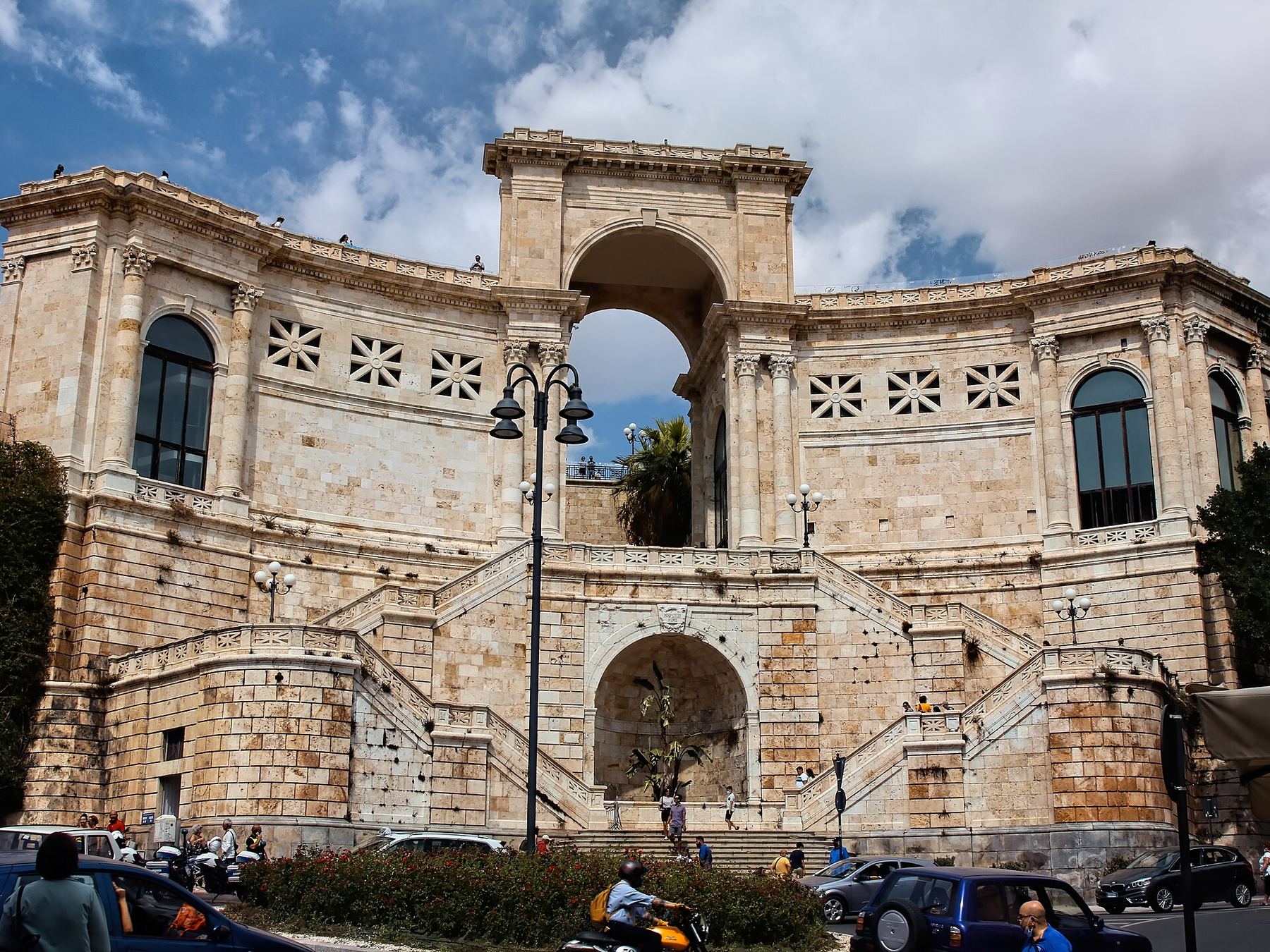
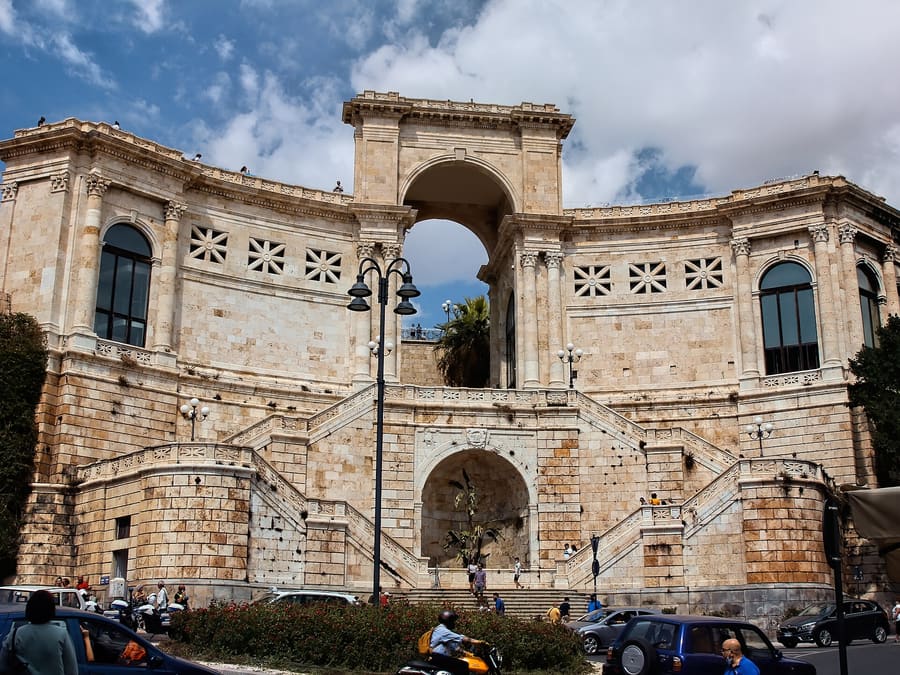
Bastione di Saint Remy
Massive 19th-century white limestone terrace offering sweeping sea views. Take the public lift from Piazza Costituzione to skip the climb.
Ask ParleyItaly
A white limestone fortress rising above lagoons and salt flats.
introduction
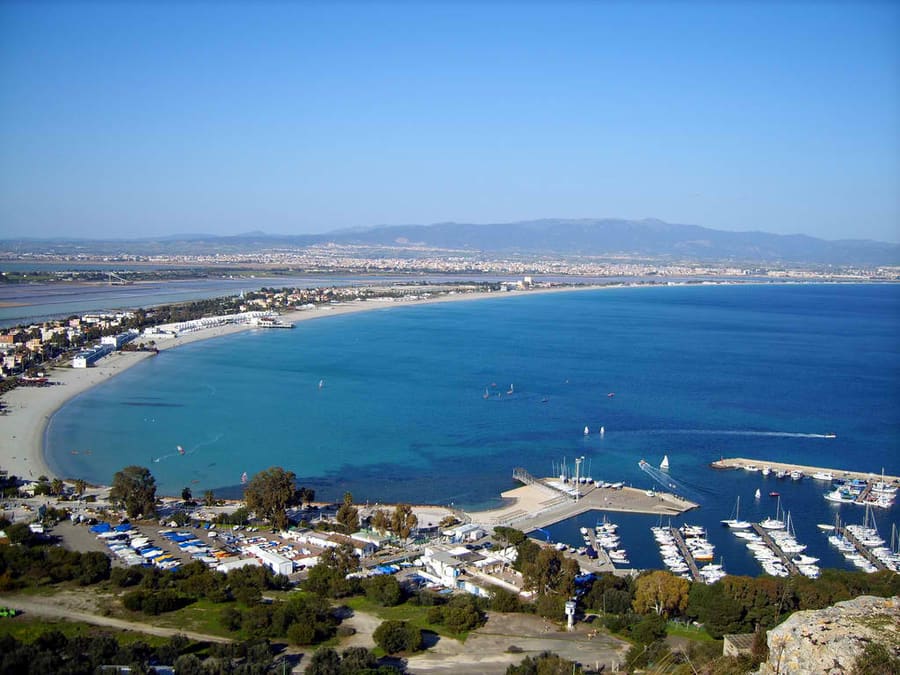
Cagliari spreads across seven hills above southern Sardinia's central gulf. High walls enclose the medieval district of Castello, while three historic quarters slope down toward the port and salt lagoons. You navigate steep stone steps or public elevators to move between the elevated fortress and the seaside lower city. Expect sun-baked limestone, sharp sea breezes, and direct access to Mediterranean waters.
Airport rail link
Trains from Cagliari Elmas Airport reach the central station in six minutes for €1.30. Platform access sits a short covered walk from arrivals.
Flamingo wetlands
Molentargius-Saline Regional Park hosts thousands of wild pink flamingos year-round inside city limits. Rent a bike at the entrance to explore the salt pans.
CTM transit app
Download the Busfinder app to purchase single CTM bus passes for €1.30. Paper tickets bought on board carry a cash surcharge.
Cagliari
Daniela · CC BY-SA 2.0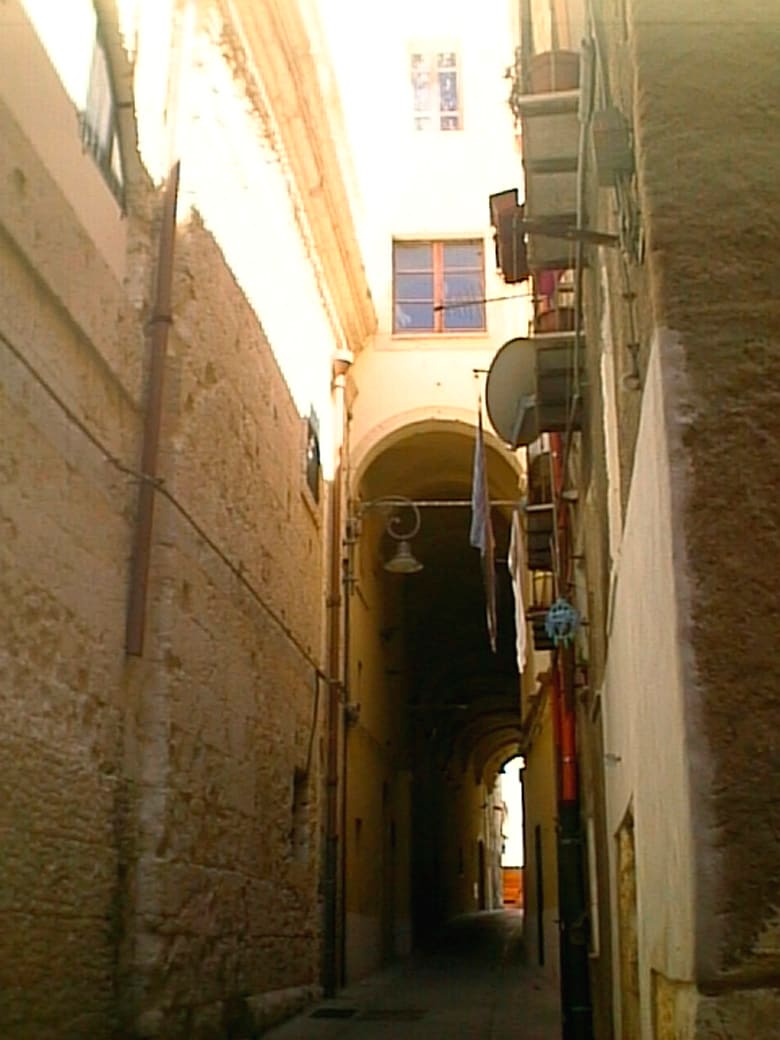
Castello — High-walled medieval citadel with narrow stone alleys, windy ramparts, and quiet residential courtyards.
Giova81 · CC BY-SA 3.0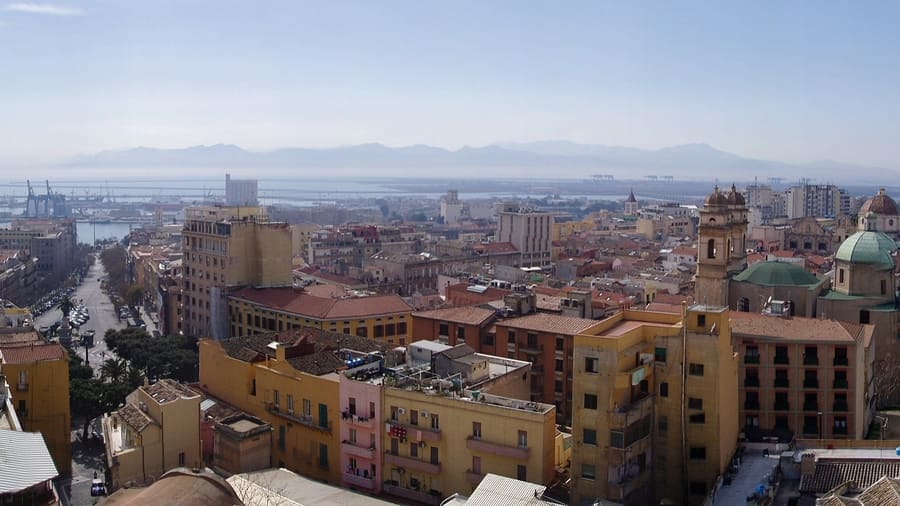
Stampace — Historic artisan quarter of steep cobbled lanes, Baroque churches, and quiet neighborhood squares.
Cristiano Cani · CC BY 2.0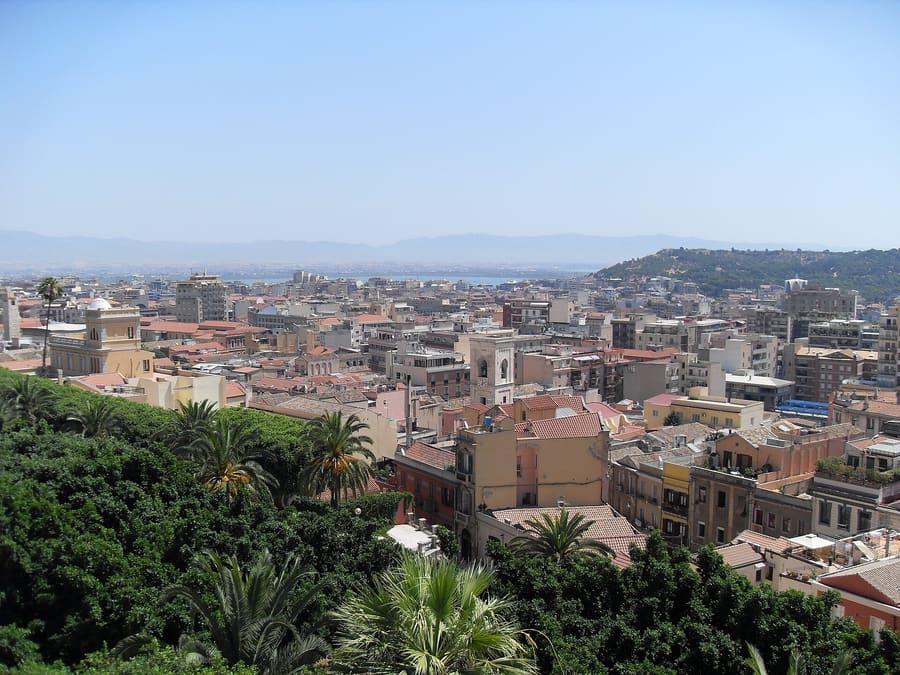
Villanova — Gentrified low-rise quarter with pedestrian streets, potted plants, boutique shops, and local cafes.
Keith Ruffles · CC BY 3.0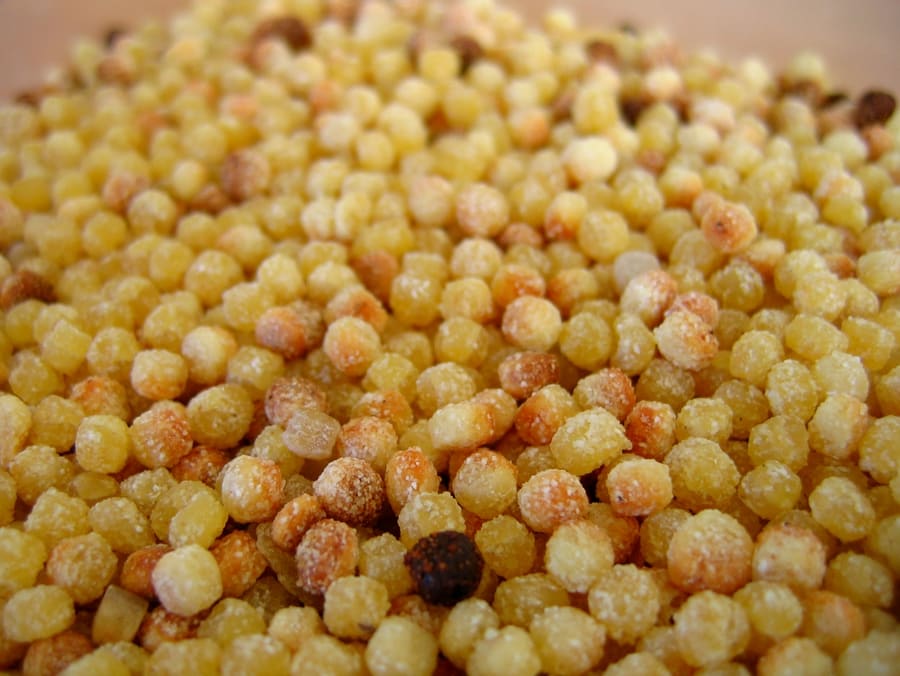
Fregula con arselle served in a traditional broth.
Emily Parkhurst · CC BY-SA 2.0highlights
landmark
Massive 19th-century white limestone terrace offering sweeping sea views. Take the public lift from Piazza Costituzione to skip the climb.
Ask Parley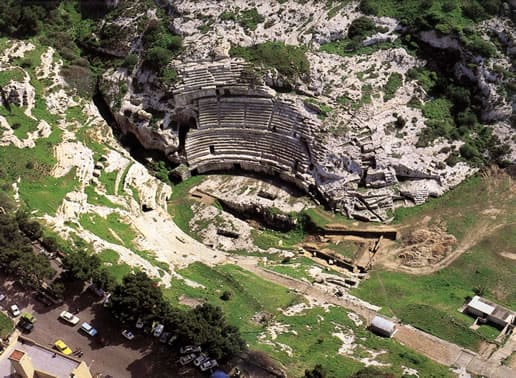
landmark
2nd-century arena carved directly into the rock hill. Visit in early morning before midday heat hits the unshaded stone seating.
Ask Parley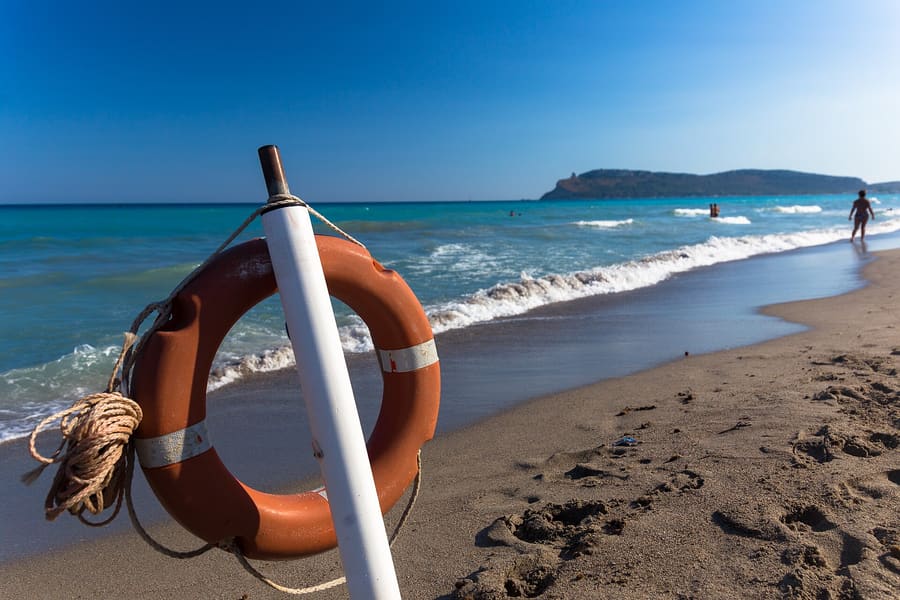
landmark
Eight kilometers of urban sand backed by cafes and salt pans. Bus PF or PQ from Piazza Matteotti reaches the shore in 20 minutes.
Ask Parley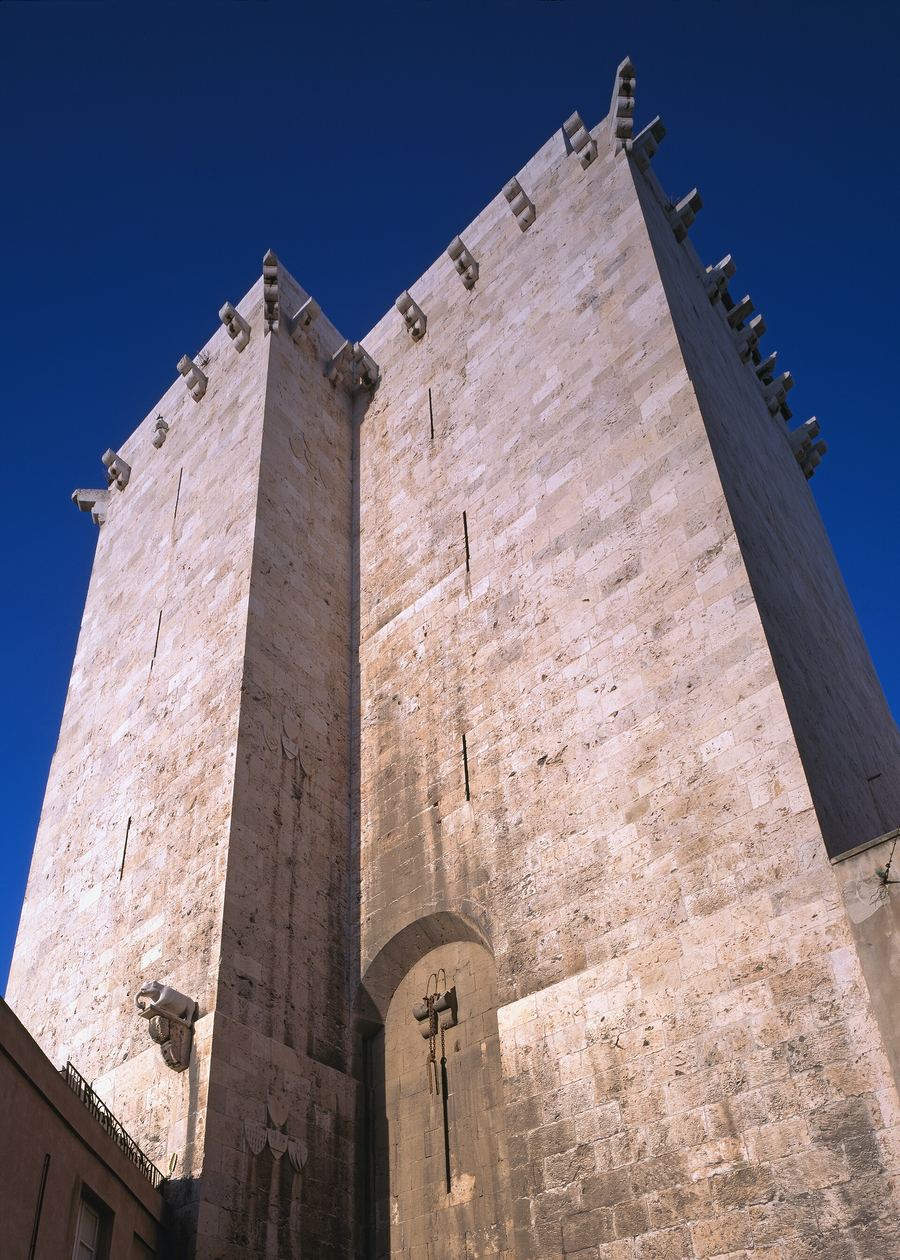
landmark
1307 Pisan defense tower named after its small marble elephant statue. Climb the open wooden steps for panoramic harbor views.
Ask Parley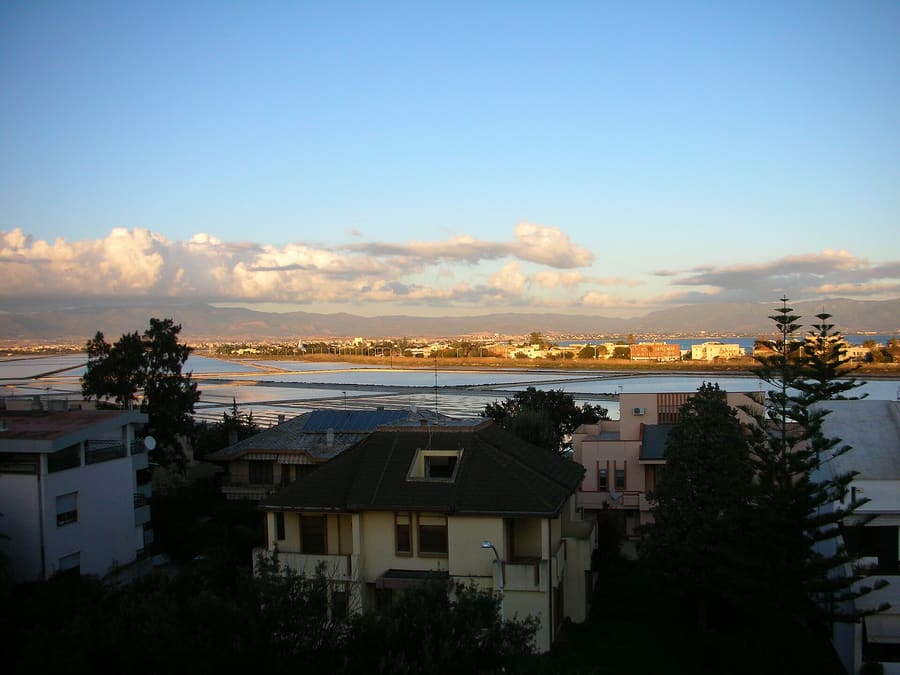
landmark
Protected salt lagoons where wild pink flamingos nest. Rent an electric bike at the main entrance in Via La Palma to cover the trails.
Ask Parleyattractions
areas
High-walled medieval citadel with narrow stone alleys, windy ramparts, and quiet residential courtyards.
NearbyBastione di Saint Remy and Tower of the Elephant.
Ask ParleyHistoric artisan quarter of steep cobbled lanes, Baroque churches, and quiet neighborhood squares.
NearbyRoman Amphitheatre and Botanical Gardens.
Ask ParleyGentrified low-rise quarter with pedestrian streets, potted plants, boutique shops, and local cafes.
NearbySan Benedetto Market and Via Garibaldi shopping.
Ask ParleyGrid of port-adjacent lanes packed with trattorias, seafood counters, and outdoor dining tables.
NearbyCentral railway station and harbour ferry terminal.
Ask Parleyfood
Cagliari's table relies heavily on the surrounding sea and rustic island staples. Seafood dominated by cured mullet roe (*bottarga*) and small clams appears across menus in the Marina district. Pasta dishes here lean toward hand-rolled grains like *fregula* cooked in rich fish stock, or *culurgiones* filled with potato and mint. Diners eat late: lunch starts at 13:00, and dinner service rarely picks up before 20:30.
Fregula con arselle served in a traditional broth.
Emily Parkhurst · CC BY-SA 2.0Try *bottarga di muggine* grated raw over pasta or sliced thin with artichokes in season.
Trattorias close kitchens promptly at 15:00 and reopen around 20:00 for dinner.
The *coperto* service charge usually costs €2–€3 per person and includes bread.
history
Founded by Phoenicians around the 8th century BC, Cagliari grew around its natural harbor. Carthage and Rome subsequently fortified the port, utilizing its strategic position in the western Mediterranean. Pisa built the heavy upper walls and defense towers in the 13th century, creating the fortress district of Castello. Aragonese, Spanish, and Savoyard rulers each expanded the city's defenses until Italian unification in 1861.
Pisan Fortifications
Pisan architects construct the Elephant and San Pancrazio towers to defend the high citadel against invading Aragonese forces.
Aragonese Rule
The Crown of Aragon establishes governance in Castello, excluding native Sardinians from living inside the fortified citadel walls.
Wartime Bombing
Allied air raids destroy major portions of the historic port and lower quarters, forcing thousands to evacuate to the island interior.
where to stay
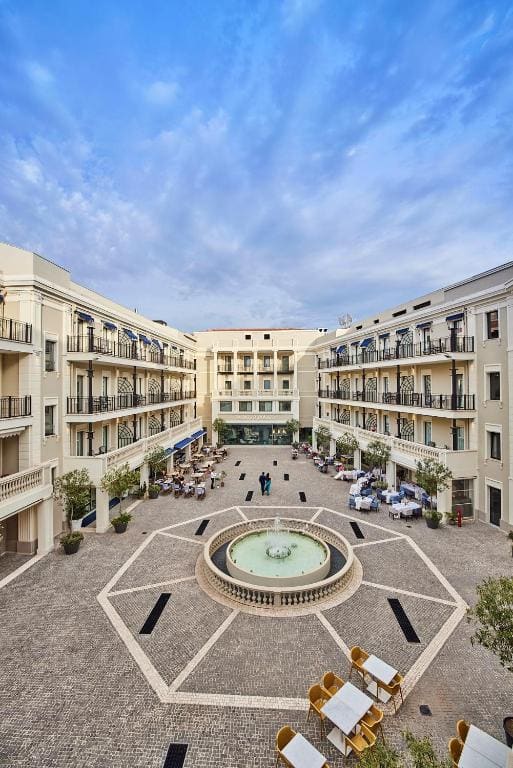
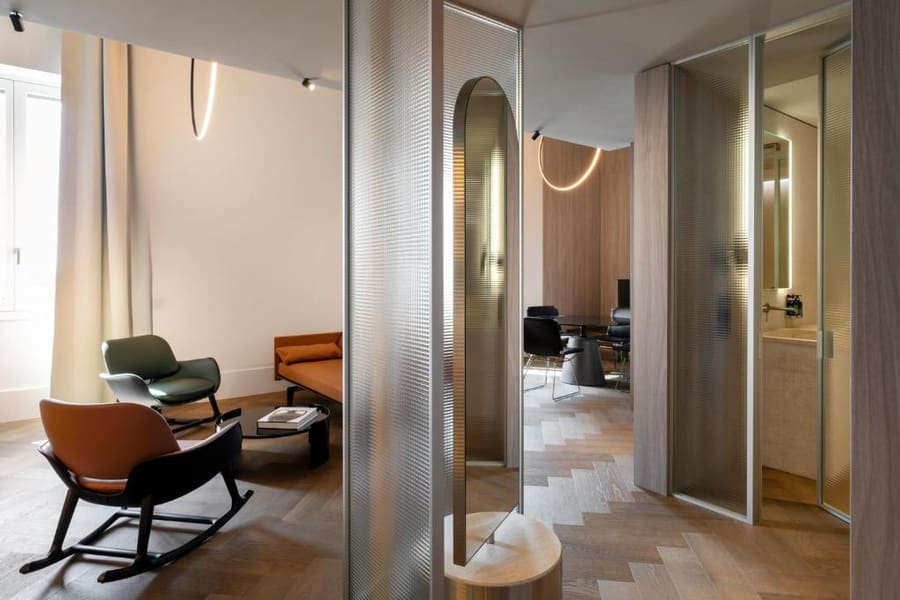
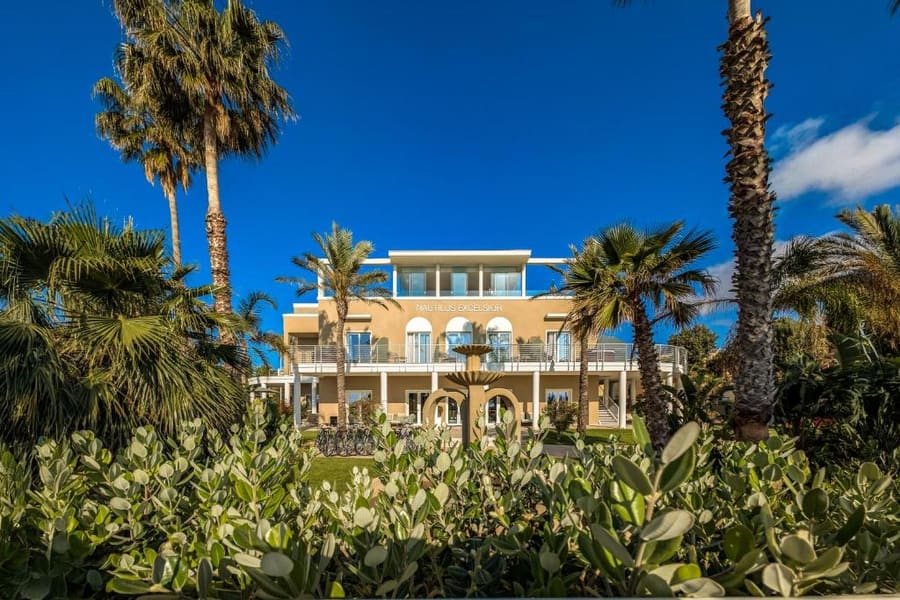
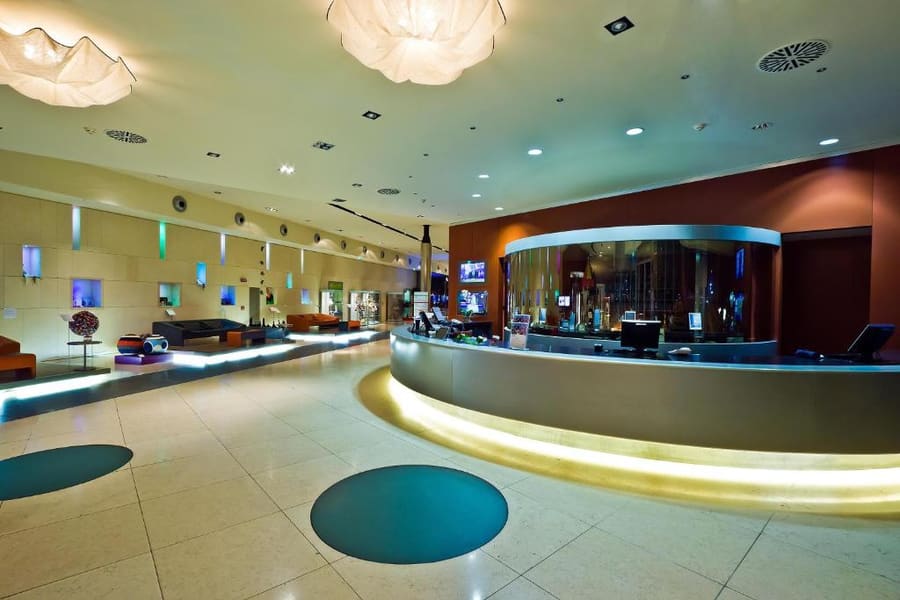
Choose your neighborhood based on vertical movement and night activity. Castello puts you high up with views, but requires negotiating stairs and restricted drive zones. Marina keeps you flat and close to rail lines and late dining, but trades away quiet nights.
Live rates, matched to the areas above.
transport
Cagliari is highly walkable once you are in a specific quarter, but vertical climbs between lower quarters and Castello test your legs. Public lifts at Bastione di Saint Remy, Santa Chiara, Viale Regina Elena, and Terrazza Umberto I help clear the height difference. The CTM bus network serves the wider city and beaches reliably.
From CAG (Elmas Airport)
Direct line from Elmas Aeroporto station to Cagliari central. Runs every 20 minutes.
Standard fares apply into central districts; night and luggage surcharges add €2–5.
Follow the covered walkway from arrivals to the train platform. Tickets are available at automated kiosks.
Free public lifts connect the lower Marina and Villanova quarters directly up to Castello's ramparts.
Validate single tickets immediately upon boarding buses. App passes require activation before boarding.
City buses stop running around 23:30. Taxis must be booked by phone or taken from official stands.
cost
Cagliari remains significantly cheaper than northern Sardinia's resort coast. Daily expenses compare favorably with main island Italian cities, particularly for food and public transit.
Standard morning breakfast at standing counters in local bars across Stampace and Marina.
Three courses with house wine in traditional dining spots in Marina.
Valid for 90 minutes across all urban bus routes including lines to Poetto beach.
Two sunbeds and an umbrella for a full day at Poetto beach establishments.
seasonality
MAR – MAY
Mild weather and blooming landscapes. Ideal for walking Castello and seeing flamingos without summer crowds.
JUN – AUG
Hot days averaging 31°C. Poetto beach fills quickly; book sunbeds early and avoid heavy midday sightseeing.
SEP – OCT
Warm sea temperatures and smaller crowds. One of the best windows for outdoor dining and coastal walks.
NOV – FEB
Cooler, rainy weather with quiet streets. Some seasonal beach kiosks close, but main city sites stay open.
practicalities
Independent stores close between 13:00 and 16:30. Plan shopping for early mornings or late afternoons.
Wear shoes with good grip. Smooth limestone flagstones in Castello can be slick when wet or worn.
San Benedetto Market peaks around 10:00 AM. Ground floor fishmongers clean up and close by 13:30.
Historic quarters have restricted driving zones (ZTL) monitored by cameras. Avoid driving into central quarters.
The trail up the Devil's Saddle rock promontory takes 1.5 hours return; start early for sunrise views.