
landmark
King's College Chapel
Fan-vaulted Gothic ceiling and historic choir. Book timed entrance tickets online to skip portal lines.
United Kingdom
A university town built around quiet yards and sharp minds.
Cambridge is a compact city structured around thirty-one semi-autonomous university colleges. You navigate it primarily on foot or by bicycle along narrow medieval lanes and river corridors. Expect heavy foot traffic around central sites, steep entry fees for individual college grounds, and quiet residential streets just three blocks away.
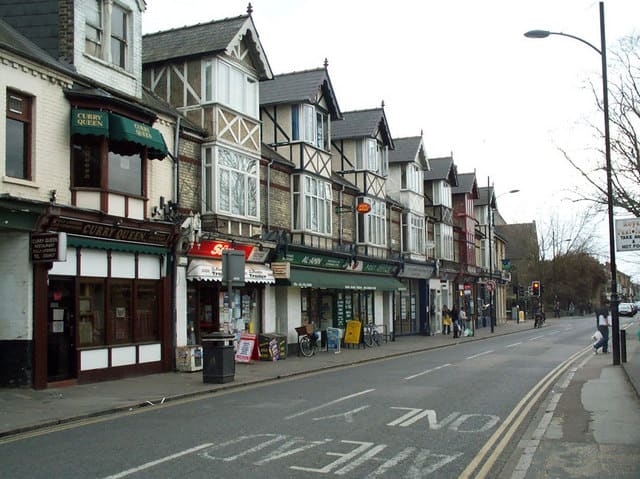
Mill Road — Independent grocery stores, international cafes, and Victorian residential streets.
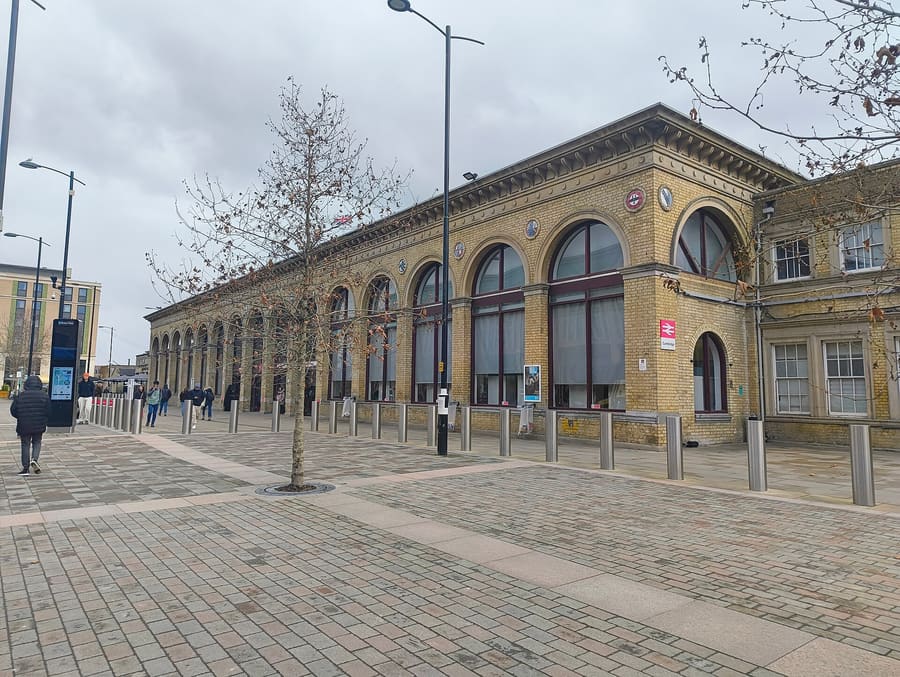
Station Quarter — Modern apartment blocks, tech company offices, and contemporary business hotels.
Market Square food stalls offer efficient, cheap lunches in the city centre.
01
landmark
Fan-vaulted Gothic ceiling and historic choir. Book timed entrance tickets online to skip portal lines.
landmark
World-class art and antiquities collections. Admission is free, but timed reservations speed entry.
landmark
Private college lawns along the river. Walk public footpaths for free views or hire a boat.
landmark
Home to Great Court and Newton's apple tree. Visitor hours are restricted to afternoon windows.
landmark
Daily open-air market trading since Saxon times. Best spot for quick, low-cost international street lunches.
02
03
Cobbled lanes dominated by medieval colleges, tourists, and academic buildings.
NearbyKing's College and Market Square.
Ask ParleyIndependent grocery stores, international cafes, and Victorian residential streets.
NearbyCambridge Railway Station.
Ask ParleyModern apartment blocks, tech company offices, and contemporary business hotels.
NearbyBotanic Garden and rail platforms.
Ask Parley04
Cambridge dining centres on casual pub meals and market food stalls. A local staple is the Fitzbillies Chelsea bun, baked with sticky cinnamon syrup since 1920. College dining halls are strictly reserved for university members, leaving tourists to rely on surrounding commercial establishments.
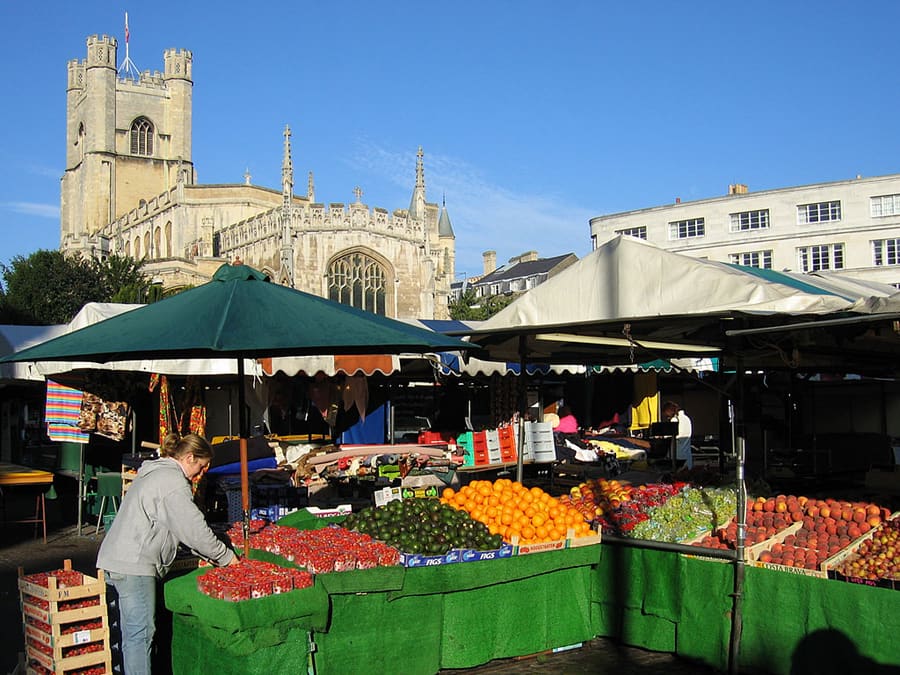
Market Square food stalls offer efficient, cheap lunches in the city centre.
Buy Chelsea buns at the original Trumpington Street tea shop or the smaller Bridge Street takeaway branch.
Street food vendors sell falafel, bao buns, and hand-pulled noodles daily until 16:00.
Historic pubs like The Eagle require ordering at the bar counter or via table QR code.
05
Scholars fleeing violent conflict with townspeople in Oxford established Cambridge University in 1209. The institution expanded into a cluster of semi-independent colleges that secured vast tracts of land along the River Cam. This historic division between town and gown still dictates city geography today.
University Foundation
Migrating scholars from Oxford settle in Cambridge to set up a new academic community.
King's College Founded
Henry VI commissions King's College and its Chapel, taking over seven decades to finish.
Railway Arrival
University pressure forces the rail station to be built one mile outside the central historic core.
DNA Discovery
Scientists Francis Crick and James Watson announce their structural model of DNA at The Eagle pub.
06
Choose your accommodation by balancing historic proximity against transit access. Central hotels place you steps from major colleges but command top prices and lack parking. Staying near the train station simplifies arrivals and departures, though requires a 20-minute walk to reach the sights.
Highly rated hotels in Cambridge.
See more Cambridge hotels07
The historic core of Cambridge operates auto-pass restrictions, making driving impractical. Walking and cycling are the standard modes of transport for residents and visitors alike.
From London Stansted Airport (STN)
Direct Greater Anglia service connects Stansted directly to Cambridge station.
National Express coaches stop at Parkside on the edge of the city centre.
Pre-booked private transfers cost less than airport rank taxis.
Avoid driving into the core. Park at Trumpington or Babraham sites and take the shuttle bus.
Voi operates dockless e-bikes and scooters. You must park them inside designated geo-fenced zones.
08
Cambridge costs closely track London prices for lodging and dining. Entrance fees for private college grounds add up quickly if you visit multiple sites in one day.
King's, St John's, and Trinity charge mandatory entry fees for non-university visitors.
Self-drive punt pricing covers the whole vessel. Guided tours charge per individual seat.
Central tourist pubs charge higher drinks prices than residential venues on Mill Road.
A Stagecoach day rider allows unlimited local bus transit across the city network.
09
MAR – MAY
Spring flowers line the riverbank. Note that exam period closes college grounds from late April.
JUN – AUG
Peak summer crowds and maximum daylight. River traffic is heavy, so reserve rooms months ahead.
SEP – NOV
Students return for term time. Leaves turn gold along the water, and museum lines shorten.
DEC – FEB
Cold weather with daylight ending by 16:00. Lower hotel prices and quiet footpaths.
10
Term periods (Michaelmas, Lent, Easter) increase street activity and fill local restaurants.
Stay alert on shared footpaths. Cyclists move fast and expect pedestrians to keep to the left.
College kiosks, market vendors, and buses generally operate on contactless payment.
Free public facilities stand at , Lion Yard shopping centre, and Silver Street.
Wear sturdy flat shoes. Streets surrounding Trinity and Green Street feature uneven historic stone.
Contents
Your trip
Going to Cambridge?
Tell Parley when you’re going and what you enjoy, and it plans the days around this guide.
Plan with Parley


