landmark
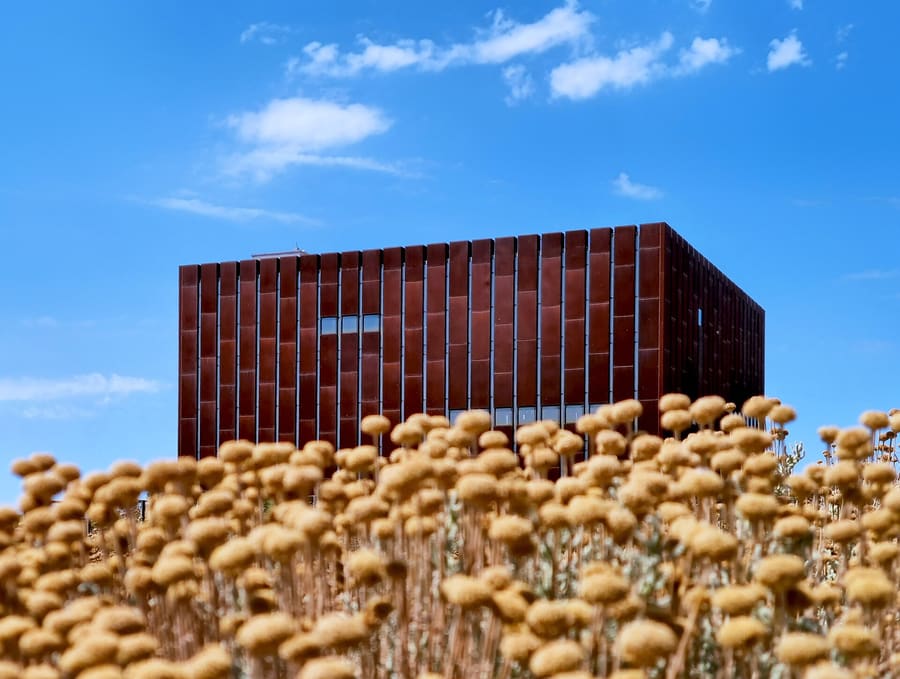
Troy Museum
A weathered steel cube storing Homeric artifacts next to the excavation site. Direct dolmuş buses run from central bus station.
Ask ParleyTürkiye
Where Homeric myth meets the Dardanelles strait
introduction
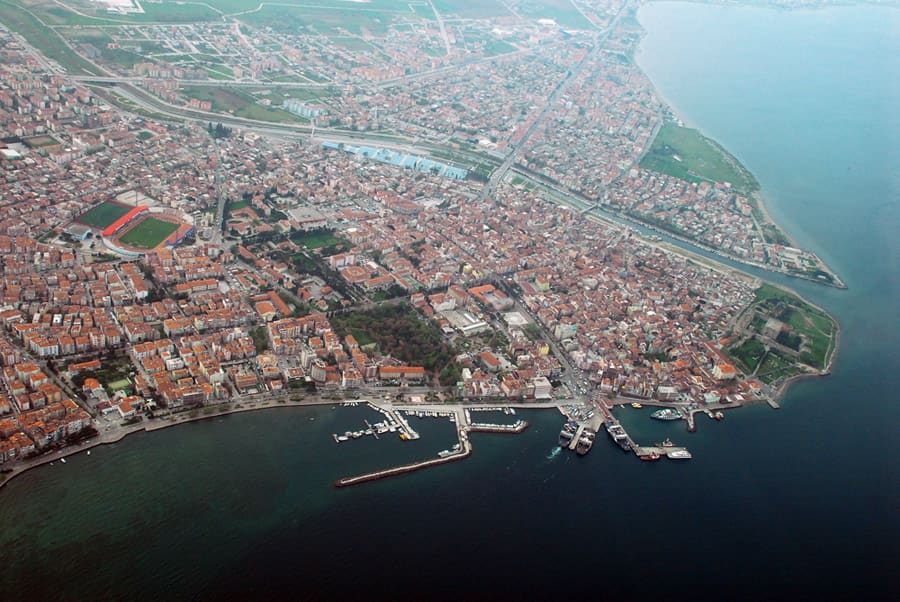
Çanakkale stretches along the narrowest choke point of the Dardanelles strait in northwestern Turkey. ferries shuttle constantly between its Asian port core and European shorelines. You move through a working maritime town defined by ancient ruins, WWI memorials, and fresh seafood.
Airport to centre tip
Çanakkale Airport (CKZ) sits just 3 km from town. City bus lines 8 and 9 match flight arrivals and take 10 minutes to the harbour.
UNESCO World Heritage
The archaeological site of Troy earned UNESCO status in 1998. The adjacent Troy Museum won the European Museum of the Year Special Commendation.
Ferry strategy
Gestaş car ferries run hourly across the Dardanelles to Kilitbahir and Eceabat. Foot passengers buy tickets at quay turnstiles using contactless card.
Canakkale
Onder Kokturk · CC BY-SA 4.0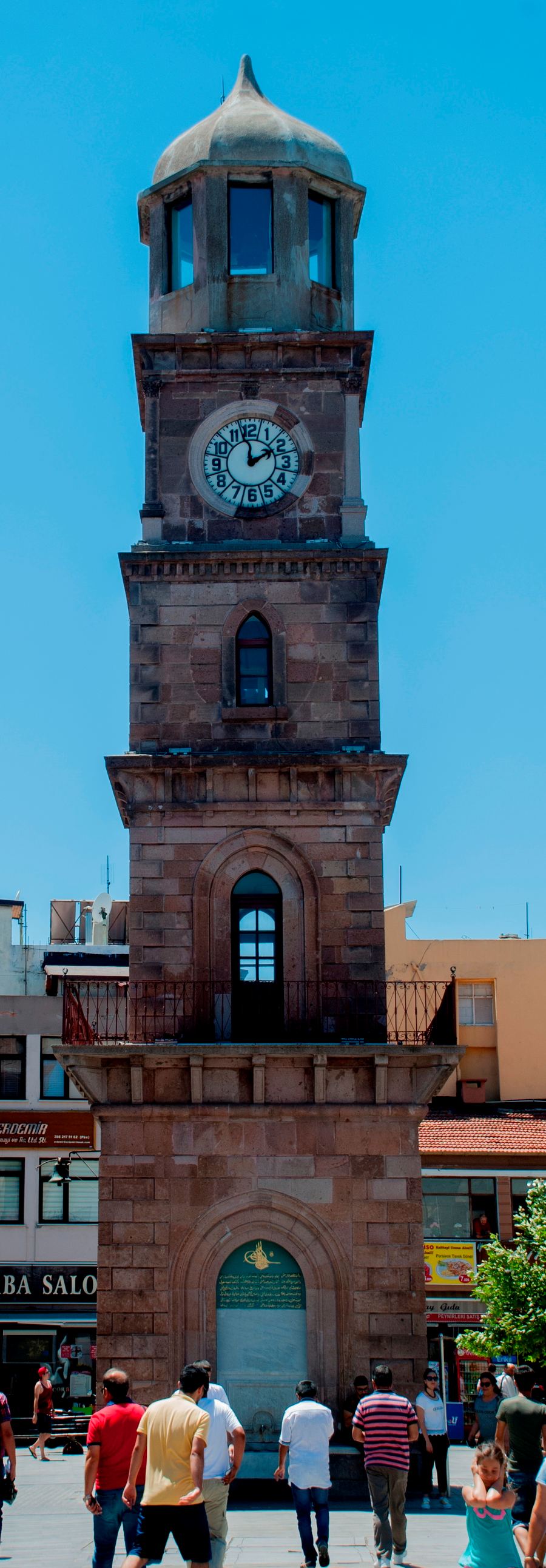
Saat Kulesi & Waterfront — Lively waterfront promenade anchored by the Ottoman clock tower and ferry docks.
Acar54 · CC BY-SA 4.0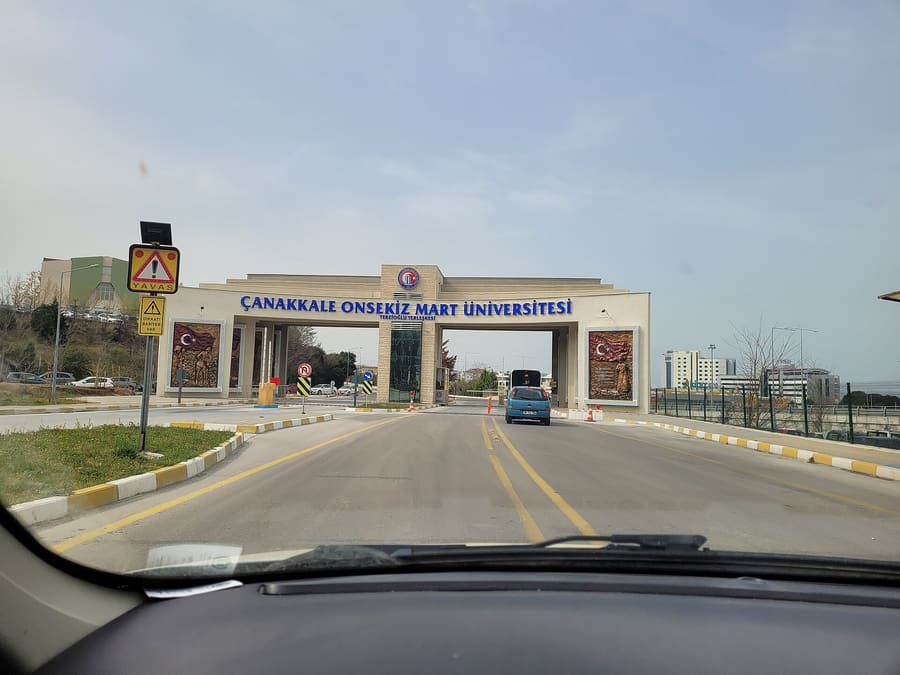
Barbaros — Student-heavy residential grid south of the centre with affordable cafes and quiet side streets.
Zafer · CC BY-SA 4.0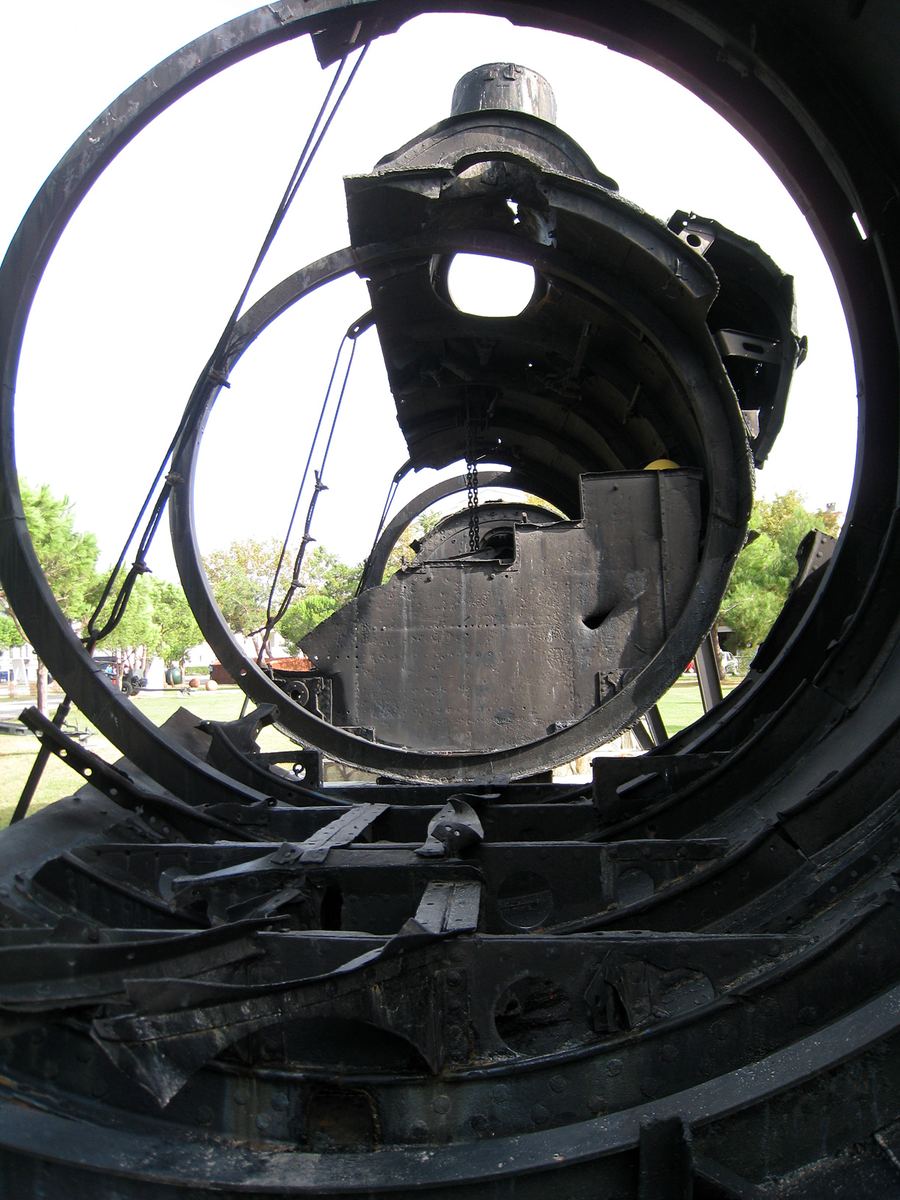
Cevat Paşa — Upscale waterfront neighbourhood north of the harbour with leafy streets and residential boutique stays.
Prioryman · CC BY-SA 3.0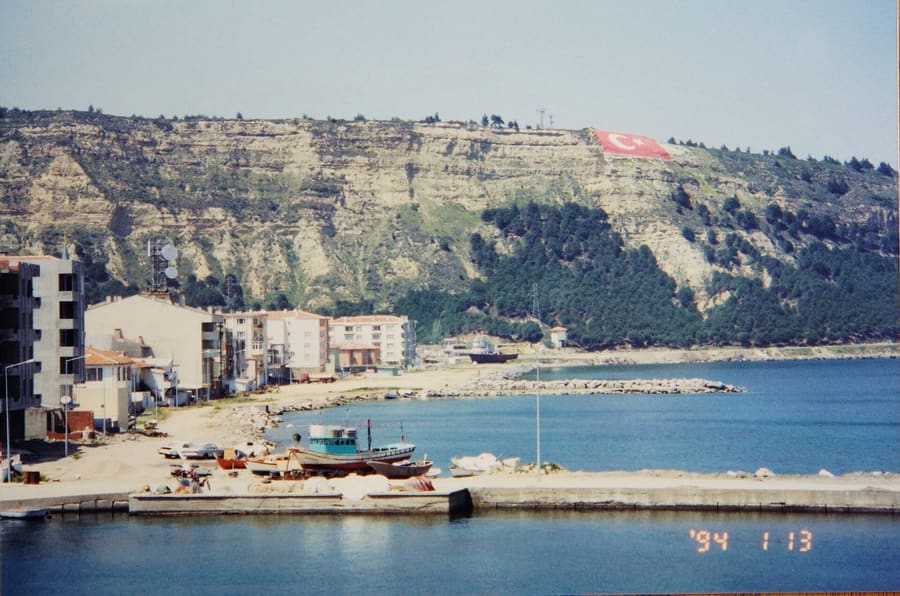
Kilitbahir Village — Peaceful European-shore village dominated by the 15th-century fortress and Ottoman timber houses.
lienyuan lee · CC BY 3.0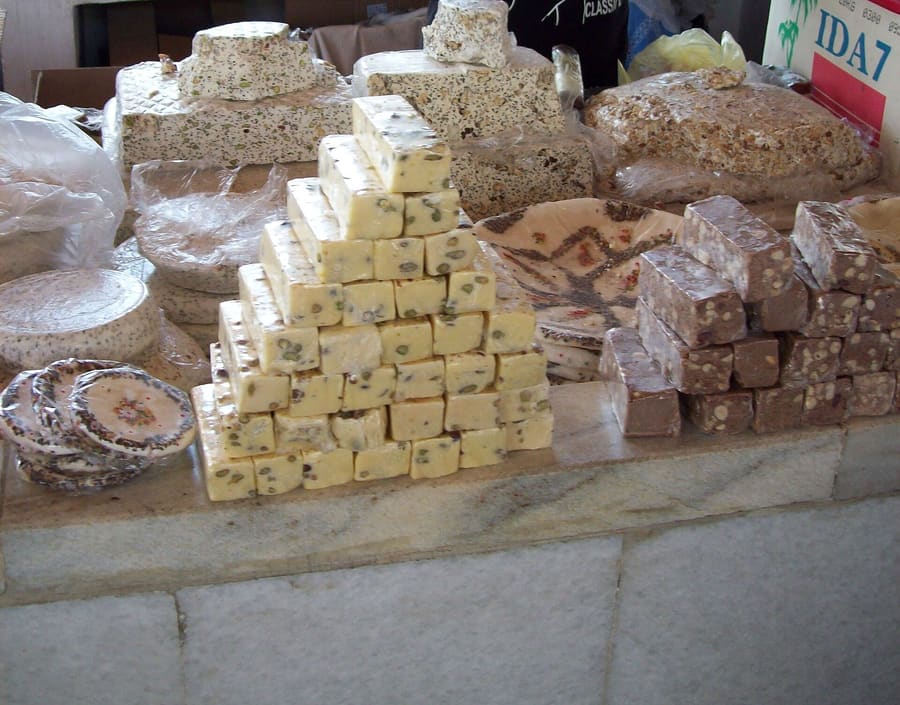
Freshly baked peynir helvası served warm at a traditional bakery in central Çanakkale.
Shuhrenataxmedov · CC BY-SA 3.0highlights
landmark
A weathered steel cube storing Homeric artifacts next to the excavation site. Direct dolmuş buses run from central bus station.
Ask Parley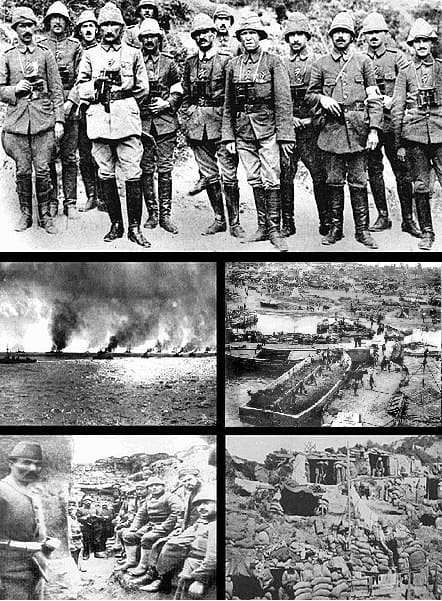
landmark
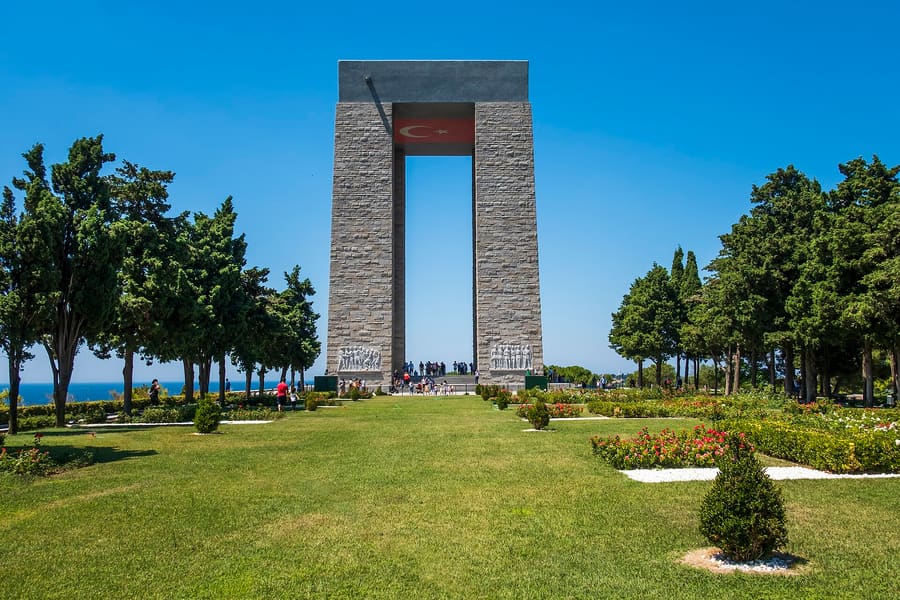
The 1915 battlefield preserve with ANZAC and Turkish war graves. Take the ferry to Eceabat to join local minibus tours.
Ask Parley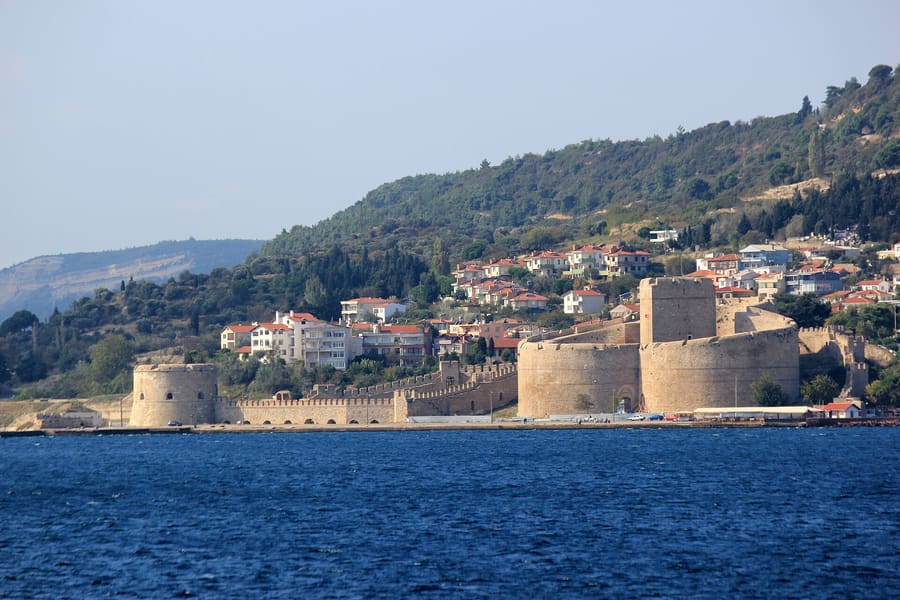
landmark
Sultan Mehmed II built this heart-shaped castle in 1463 to seal the strait. A 15-minute ferry ride across the Dardanelles.
Ask Parley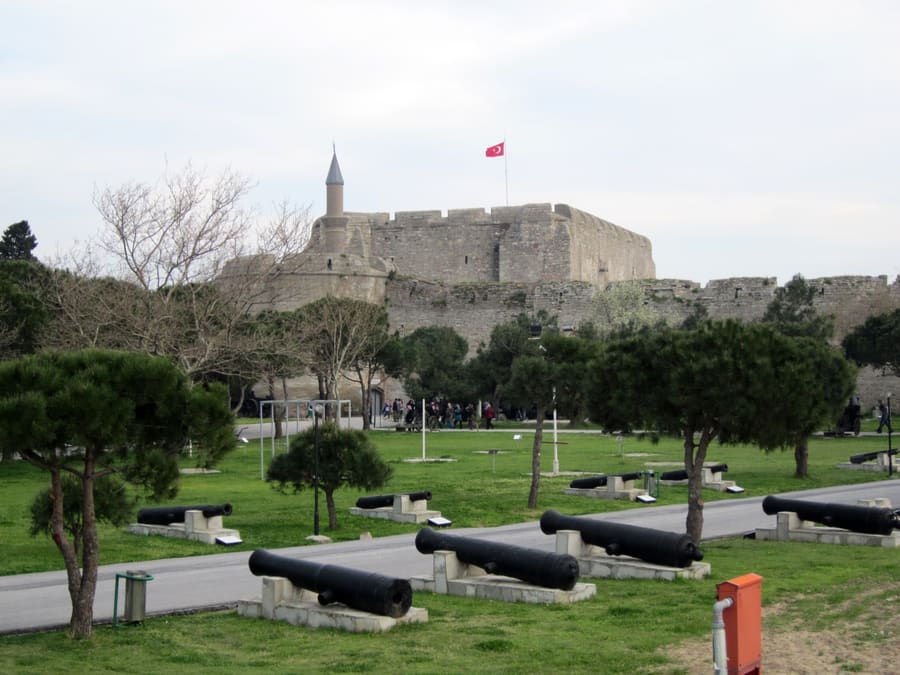
landmark
Ottoman waterfront fort featuring military history displays and a full-scale replica of the Nusret minelayer.
Ask Parley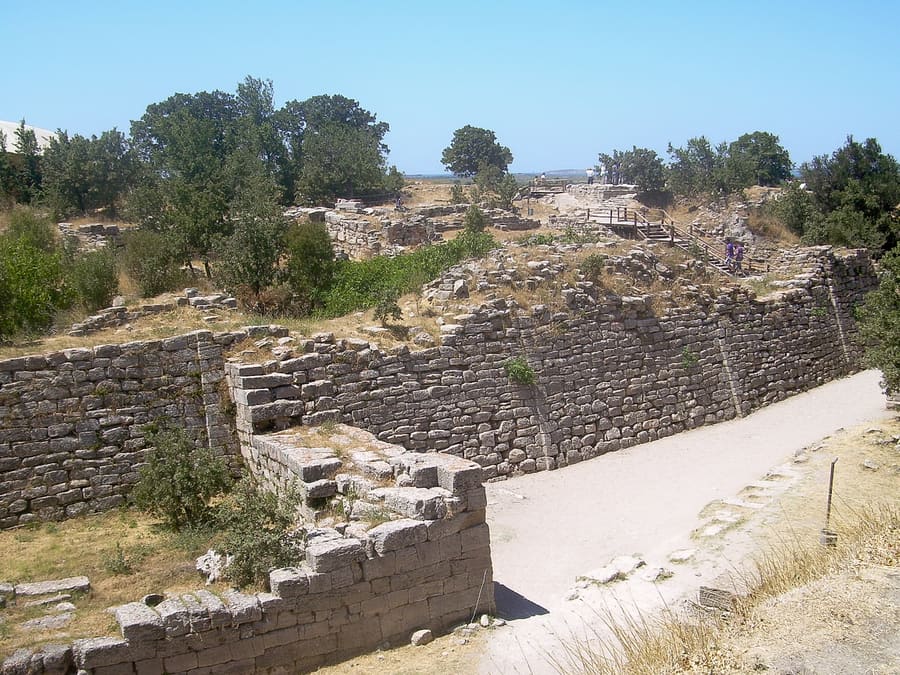
landmark
Nine archaeological layers spanning 4,000 years of habitation. Look past the modern wooden horse to see Bronze Age stone walls.
Ask Parley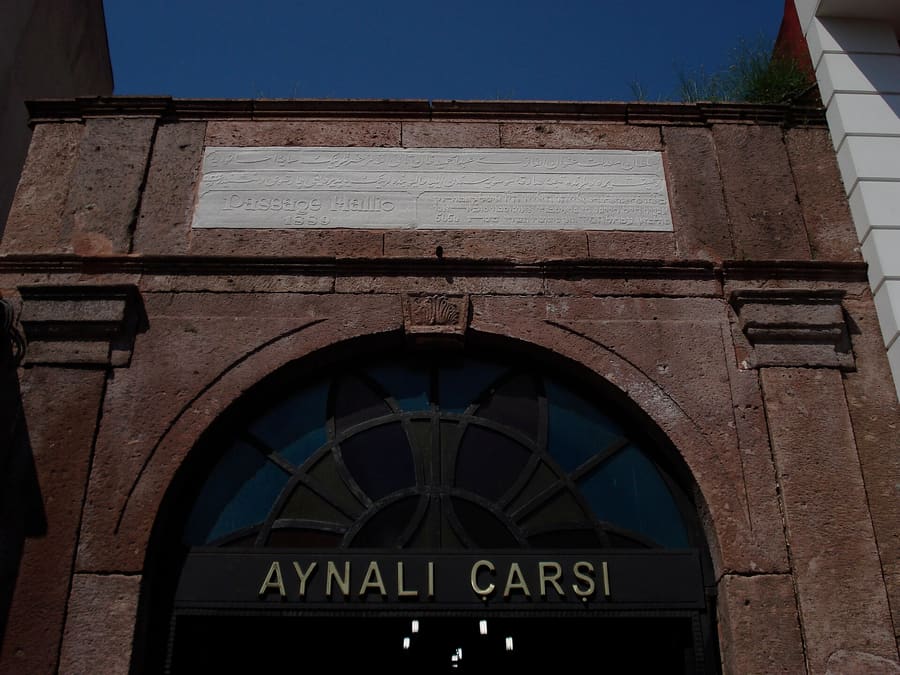
landmark
An 1890 vaulted market arcade selling local ceramics and souvenirs. Visit early morning before tour groups crowd the passageway.
Ask Parleyattractions
areas
Lively waterfront promenade anchored by the Ottoman clock tower and ferry docks.
NearbyDardanelles ferries, Naval Museum, and Aynalı Çarşı.
Ask ParleyStudent-heavy residential grid south of the centre with affordable cafes and quiet side streets.
NearbyKordon park, southern beaches, and Çanakkale Onsekiz Mart University.
Ask ParleyUpscale waterfront neighbourhood north of the harbour with leafy streets and residential boutique stays.
NearbyÖzgürlük Parkı, new marina, and coastal walking paths.
Ask ParleyPeaceful European-shore village dominated by the 15th-century fortress and Ottoman timber houses.
NearbyKilitbahir Castle, Gallipoli battlefield roads, and Asian-side ferry piers.
Ask Parleyfood
Çanakkale culinary identity turns on its marine position and regional dairy tradition. Fresh Dardanelles sardines are wrapped in vine leaves and grilled over charcoal in autumn. The city's famous specialty is peynir helvası, made from fresh unsalted goat or sheep milk cheese melted with flour and sugar. Confectioners sell it fresh and soft or baked in shallow tins with a caramelized top crust.
Freshly baked peynir helvası served warm at a traditional bakery in central Çanakkale.
Shuhrenataxmedov · CC BY-SA 3.0Order 'fırınlanmış' if you prefer cheese halva with a browned top crust.
Eat grilled sardines (sardalya) from August to November during their strait migration.
Seafood places around Yalı Street serve fried squid and local salted bonito.
history
Çanakkale holds a pivotal geographical position controlling access between the Aegean Sea and Black Sea. Maritime trade and military defense have shaped the city for thousands of years.
Fall of Troy
Bronze Age Troy VIIa suffers destruction, cementing Homer's epic narrative in western literature.
Fortress Construction
Sultan Mehmed II builds Çimenlik and Kilitbahir fortresses to secure the Dardanelles strait.
Gallipoli Campaign
Ottoman forces repel Allied naval and amphibious invasions during World War I.
Troy Museum Opening
The modern museum opens in Tevfikiye, housing over 2,000 artifacts from ancient Troad sites.
where to stay
Choose your stay based on ferry access and night activity. The Asian waterfront offers central logistics, while European shore stays offer village quiet.
transport
Central Çanakkale is compact and easily walked. Crossing the Dardanelles strait is done via Gestaş car ferries or passenger boats.
From CKZ
Municipal bus 8 or 9 runs from outside Çanakkale Airport terminal to Clock Tower.
Metered taxicabs wait at the small terminal exit.
Pay for municipal bus fares using a contactless credit card or rechargeable Kentkart bought at kiosks.
The Otogar sits 5 km east of the centre; take shuttle bus 1 or 8T to reach the waterfront docks.
Dolmuş minibuses to battlefield sites depart every 30 minutes from Eceabat ferry terminal on the European shore.
Central Çanakkale between the ferry quay, Aynalı Çarşı, and Naval Museum is entirely walkable.
cost
Çanakkale prices are generally lower than Istanbul or Antalya, though national inflation affects entry fees and transit prices.
Single serving of hot peynir helvası at central confectioners.
Fresh grilled sardine platter with salad at harbour fish places.
One-way foot passenger fare across to Kilitbahir or Eceabat.
seasonality
MAR – MAY
Mild temperatures around 18°C make this ideal for walking Trojan ruins and Gallipoli battlefields.
JUN – AUG
Hot days reach 32°C. Ferries swell with domestic road trippers; book Strait crossings early.
SEP – NOV
Warm sea breezes and sardine harvest. Excellent light for museum visits and coastal drives.
DEC – FEB
Chilly winds blow through the Dardanelles with rain. Quiet streets and discounted hotel rates.
practicalities
April 24 and 25 bring thousands to Gallipoli Peninsula; book months ahead or avoid these dates.
Respect military signs along the Dardanelles coastline where active Turkish naval bases still operate.
Persistent channel winds mean sea temperatures stay cooler than Mediterranean resorts.
The national Museum Pass covers both Troy Ancient Site and the Troy Museum.
Heavy winter gales occasionally suspend Gestaş ferry sailings across the Dardanelles for hours.