
landmark
Château Comtal
The 12th-century fortress keep within the upper walls. Reserve a timed ticket online to skip the entry queue.
France
A medieval fortress split from its lower town by the Aude.
Carcassonne splits into two distinct towns on opposite banks of the River Aude. The hilltop Cité is a fully restored medieval fortress enclosed by double curtain walls. Down below, the 13th-century Bastide Saint-Louis runs on a quiet grid of local markets and everyday shops. You walk between the two eras across the 14th-century .
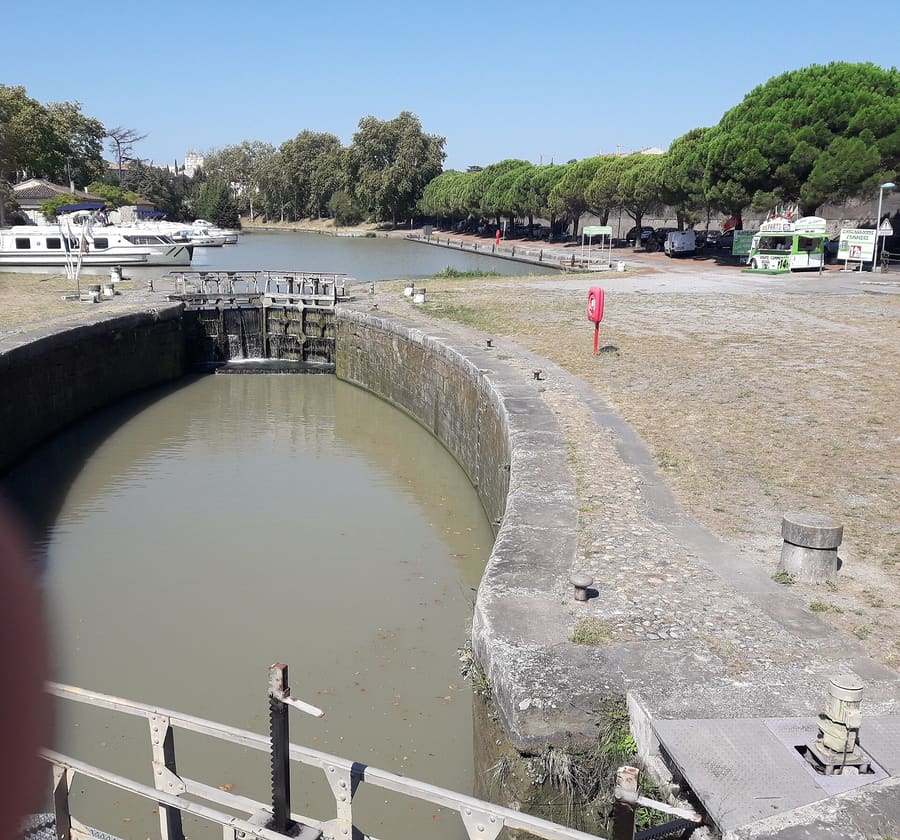
Port du Canal — Shaded waterfront district beside the rail station dominated by river barges and plane trees.
Traditional Cassoulet baked in a terracotta cassole.
01
landmark
The 12th-century fortress keep within the upper walls. Reserve a timed ticket online to skip the entry queue.
landmark
A medieval church pairing Romanesque naves with Gothic stained glass windows. Entry is free; visit before 10:00.
landmark
A 14th-century stone bridge linking lower town to fortress. Walk across at dusk for clear photos of the ramparts.
landmark
The canal basin located directly opposite the train station. Rent electric boats or catch hourly tour barges here.
landmark
The main eastern gateway to the citadel flanked by twin towers. Heavy foot traffic peaks here between 11:00 and 15:00.
02
03
Enclosed medieval fortress with narrow cobblestone alleys and dramatic night lighting.
NearbyChâteau Comtal and Saint-Nazaire Basilica
Ask Parley13th-century lower town grid with local bakeries, open squares, and reasonable prices.
NearbyPlace Carnot market and train station
Ask Parley
Former working-class suburb sitting right beneath the citadel ramparts along the river.
NearbyPont Vieux and citadel gates
Ask ParleyShaded waterfront district beside the rail station dominated by river barges and plane trees.
NearbyGare de Carcassonne and Canal du Midi
Ask Parley04
Carcassonne sits at the heart of Cassoulet territory. Local chefs traditionally make their version with local Lingot beans from Lauragais and mutton or partridge. The dish bakes inside a clay pot called a cassole until a golden crust forms on top.For genuine regional cooking, skip the fast-tourist menus along the Cité's main thoroughfares. Cross to La Trivalle or the lower town Bastide where family-run bistros slow-cook duck and serve Corbières and Minervois red wines by the glass.
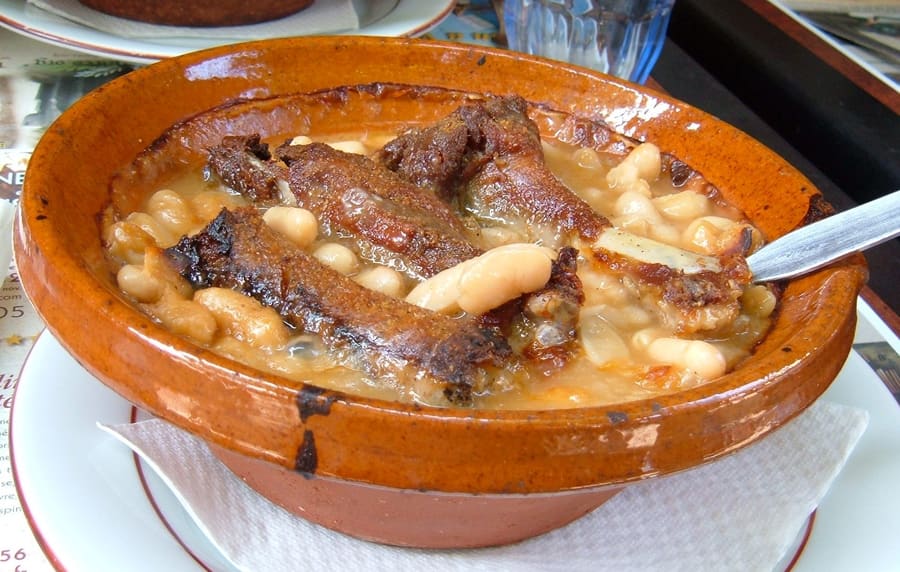
Traditional Cassoulet baked in a terracotta cassole.
Locals consume Cassoulet for midday lunch rather than late dinner. The dish takes hours to digest.
Restaurants affiliated with the Académie du Cassoulet bake the dish fresh instead of heating canned beans.
Pair duck dishes with Cabardès or Minervois reds. They are produced in the hills surrounding the city.
05
Carcassonne began as a fortified Gallic settlement before the Romans turned it into a border stronghold. Its strategic position along the corridor between the Mediterranean and the Atlantic made it a key military prize for centuries.The town's modern appearance stems from two events: the 13th-century Cathar Crusade and a controversial 19th-century restoration. Architect Eugène Viollet-le-Duc rebuilt the crumbling outer ramparts, adding conical slate roofs that shaped its current skyline.
Siege of Carcassonne
Crusader forces capture the citadel from Viscount Trencavel during the Cathar Crusade.
Foundation of the Bastide
King Louis IX settles exiled inhabitants across the river, creating the grid-patterned lower town.
Treaty of the Pyrenees
The border with Spain shifts south, stripping Carcassonne of its primary military importance.
06
Choose your location by how you plan to travel. Staying inside the Cité lets you explore quiet stone lanes after daytime tour buses depart. Staying in the Bastide Saint-Louis puts you near train lines, affordable dining, and flat walking routes.
Highly rated hotels in Carcassonne.


07
Carcassonne is best explored on foot. Cars are prohibited inside the Cité for non-residents, and parking outside the gates requires paid meters. A public shuttle bus links the main railway station, the lower town, and the fortress entrance.
From Carcassonne Airport (CCF) or Gare de Carcassonne
Departs CCF terminal after each flight arrival. Drops at train station and Cité gates.
Ranks stand outside CCF terminal and the main train station. Night rates apply after 19:00.
Crossing between Bastide and Cité on foot takes 15 minutes across the medieval pedestrian bridge.
Drivers heading to the fortress must use Parking (P1 or P2) outside the walls.
Direct TER trains link Gare de Carcassonne to Toulouse in 45 minutes and Narbonne in 30 minutes.
08
Carcassonne offers reasonable value compared to French coastal resorts. Prices inside the Cité ramparts carry a heavy tourist mark-up. Crossing the river to the lower town cuts your daily food and drink expenses significantly.
Price per portion for authentic duck confit cassoulet at local bistros.
Standard price for seated coffee service in the main square.
One-way ticket fare between CCF terminal and town center.
09
MAR – MAY
Mild temperatures and manageable foot traffic. Ideal window for walking the ramparts.
JUN – AUG
Hot weather above 30°C and heavy tour groups inside the fortress. Book tickets weeks ahead.
SEP – OCT
Warm autumn days coincide with regional wine harvest season. Excellent dining conditions.
NOV – FEB
Cool weather with occasional rain. Many tourist shops inside the Cité reduce operating hours.
10
Cobblestones inside the fortress are slick and uneven. High heels and smooth soles cause slips.
The open outer fortress remains open 24 hours. The inner castle walls close at 17:00 or 18:30.
ATMs inside the medieval walls charge high withdrawal fees. Use bank ATMs in Bastide Saint-Louis.
Place Carnot hosts food markets on Tuesday, Thursday, and Saturday mornings until 12:30.
Sightseeing boats on the Canal du Midi operate seasonally from April through October.
Contents
Your trip
Going to Carcassonne?
Tell Parley when you’re going and what you enjoy, and it plans the days around this guide.
Plan with Parley


