
landmark
Castillo San Felipe de Barajas
Massive 17th-century hill fort overlooking the city approaches. Arrive at 08:00 opening time to beat extreme heat in open stone tunnels.
Colombia
Colonial fortifications, muggy Caribbean air, and late salsa.
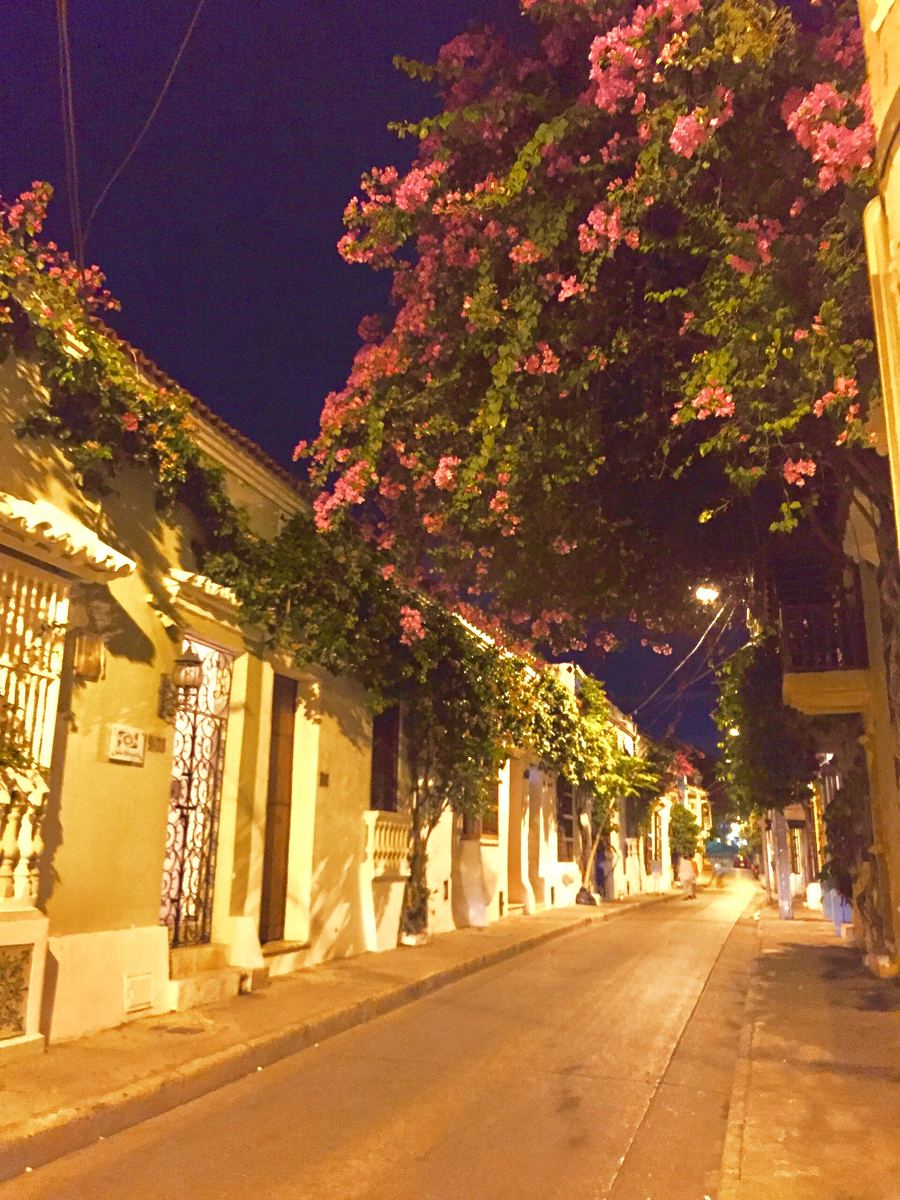
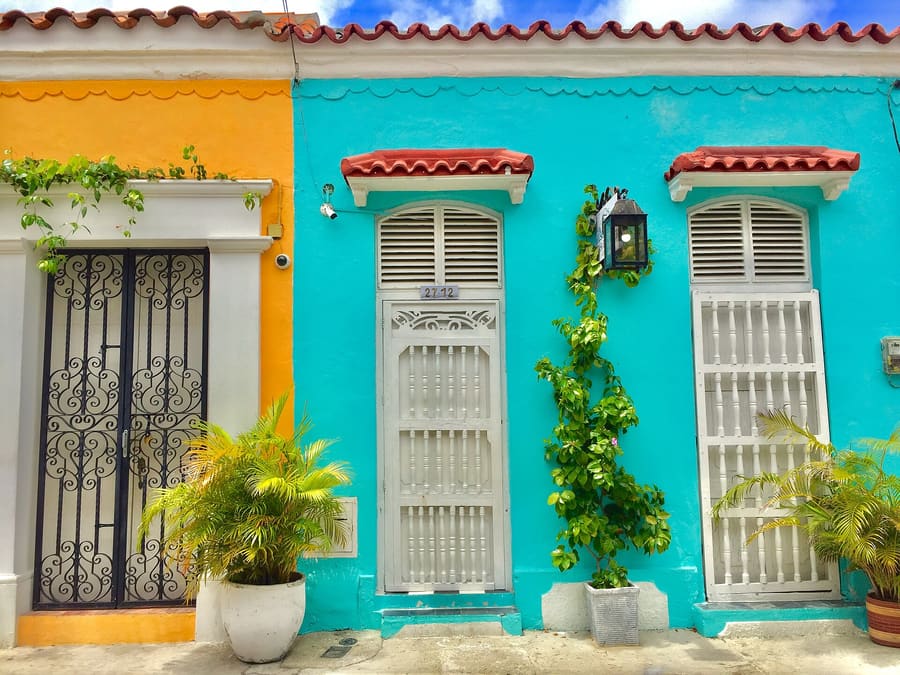
Cartagena splits strictly between its fortified 16th-century core and its high-rise modern beach strip. You move on foot inside the historic walls, where daytime heat demands shade by noon. Yellow taxis or rideshare apps handle transfers outside the old city limits. Expect aggressive street vendors near major plazas and high humidity year-round.
San Diego — Quieter residential pocket of the walled city with open plazas and neighborhood dining.
Getsemaní — Former working-class quarter outside the main wall, now centered on street art and salsa bars.
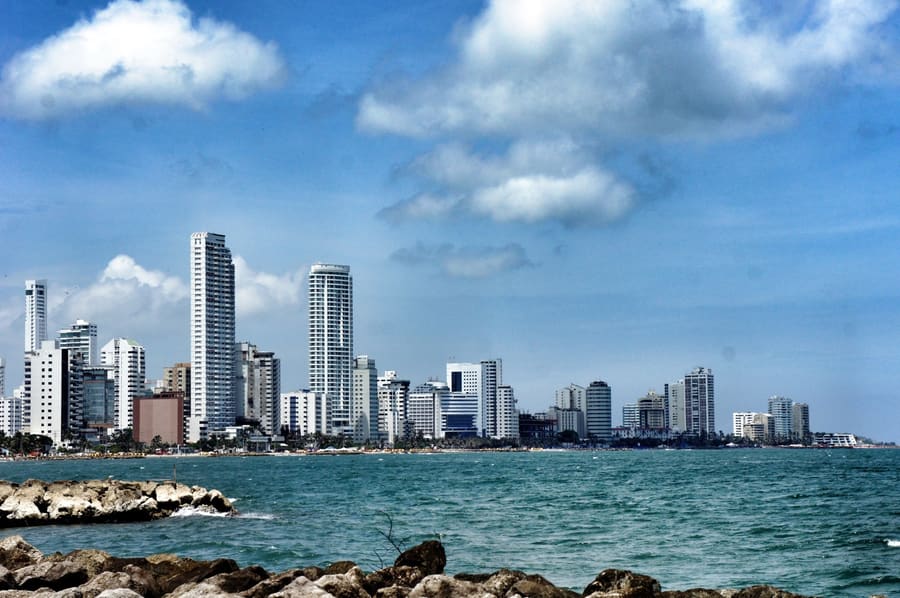
Bocagrande — High-rise modern peninsula with international hotel chains and urban grey-sand beaches.
Cartagena street ceviche served with lime juice and red onions.
01
landmark
Massive 17th-century hill fort overlooking the city approaches. Arrive at 08:00 opening time to beat extreme heat in open stone tunnels.
landmark
Seventeenth-century church and cloister housing original courtyard trees. The interior museum holds artifacts of human rights advocate Claver.
landmark
Baroque palace framing Plaza de Bolívar. Exposes the Spanish Inquisition's local tribunal history alongside pre-Columbian ceramics.
landmark
Yellow clock tower serving as the primary historic gate. Cross through into Plaza de los Coches for evening fruit stalls and sweets.
landmark
Monastery set on a 150-metre hill above the city. Take a taxi directly to the top rather than walking the unsafe road access.
02
03
Grand colonial mansions, high-end dining, and polished cobblestone streets inside the main wall.
NearbyTorre del Reloj and Palacio de la Inquisición.
Ask ParleyQuieter residential pocket of the walled city with open plazas and neighborhood dining.
NearbyLas Murallas and Plaza de San Diego.
Ask ParleyFormer working-class quarter outside the main wall, now centered on street art and salsa bars.
NearbyCastillo San Felipe and Pegasos pier.
Ask ParleyHigh-rise modern peninsula with international hotel chains and urban grey-sand beaches.
NearbyCastillogrande and Laguito beaches.
Ask Parley04
Cartagena builds its coastal cuisine around saltwater fish, coconut rice, and double-fried green plantains known as patacones. Portal de los Dulces is dedicated to traditional sweet vendors selling confections like cocadas and tamarind candies, rather than raw seafood stalls. Traditional lunch spots focus on fried snook or red snapper served with sweet coconut rice and avocado.
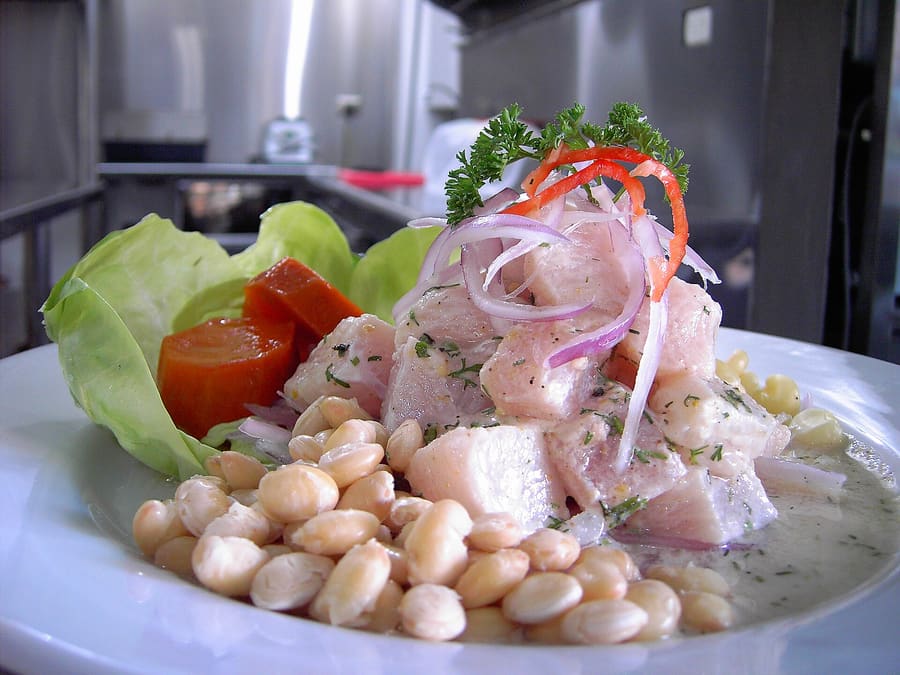
Cartagena street ceviche served with lime juice and red onions.
Arcaded sweets market selling traditional coconut candies named cocadas directly beneath the clock tower.
Vendors around Plaza del Reloj mix shrimp ceviche with lime, onion, and pink salsa in clear plastic cups for immediate consumption.
Order whole fried mojarra at lunch along Calle del Espíritu Santo in Getsemaní for authentic local proportions.
05
Founded in 1533 by Pedro de Heredia, Cartagena became the primary Caribbean port for exporting Peruvian silver to Spain. Spanish military engineers constructed extensive stone sea walls and hill forts following devastating attacks by French privateers and Sir Francis Drake. The city declared full independence from Spanish colonial rule in 1811.
Spanish foundation
Pedro de Heredia establishes the settlement on the Bay of Cartagena, displacing local Calamary inhabitants.
Francis Drake raid
English privateer Francis Drake captures the town, demanding a massive ransom that prompts wall construction.
Battle of Cartagena
Spanish Admiral Blas de Lezo successfully defends the fortress against a massive British fleet under Vernon.
Absolute independence
Cartagena becomes the first province in present-day Colombia to declare total independence from Spain.
06
Choose your neighbourhood based on noise tolerance and air conditioning quality. Staying inside Centro or San Diego lets you walk everywhere, but boutique properties charge premium rates. Getsemaní offers lower price points and lively nightlife at the cost of evening street noise.
Highly rated hotels in Cartagena de Indias.


07
Walking covers all destinations inside the historic centre. For trips to Bocagrande, taxicabs are plentiful but lack meters, requiring agreed rates before departing. Motorized transport inside the old town struggles against narrow streets and traffic jams during afternoon hours.
From Rafael Núñez International Airport (CTG)
Get a printed fixed-fare voucher at the airport automated terminal before approaching cab drivers.
Uber operates regularly. Pickup occurs outside the main terminal doors near the parking area.
Metrocar public buses run along Calle 70 into Centro. Cash exact fare required.
Taxis do not use meters. Agree on the fare before entering the cab or check official municipal fare charts online.
The walled city measures roughly one square kilometre. Walking is faster than driving through narrow one-way streets.
Uber and Cabify function well across Cartagena, eliminating price bargaining for non-Spanish speakers.
Boats depart for Rosario Islands from Muelle de la Bodeguita between 08:00 and 09:00. Arrive by 07:30.
08
Cartagena costs significantly more than inland Colombian cities like Medellín or Bogotá. High demand inside the historic centre elevates hotel, cocktail, and sit-down seafood prices.
Fried snacks from street carts near Plaza de la Trinidad provide inexpensive daytime food.
Midday set meals outside tourist plazas include soup, fish, coconut rice, and juice.
Standard minimum cab fare covers trips between Centro and Getsemaní or Bocagrande.
09
DEC – APR
Dry season with strong trade winds easing humidity. Peak crowds and highest room rates around New Year and Easter.
MAY – JUN
Transitional period with afternoon rain showers and high humidity. Hotel prices drop significantly.
JUL – AUG
Secondary dry spell bringing mid-summer vacationers. High humidity persists with full sun.
SEP – NOV
Wettest season with heavy afternoon downpours causing street flooding in low-lying zones. Lowest hotel rates.
10
Sun exposure near the equator is intense. Apply high-SPF sunscreen by 09:00, even on cloudy mornings.
Firmly say 'no, gracias' once and keep walking to discourage persistent rap artists and hat sellers.
Restaurants and boutique hotels accept major credit cards, but street food and small taxis require Colombian pesos.
Drink bottled or filtered water continuously. Heat exhaustion is common among walking travellers.
Beaches in Bocagrande have strong undertows and dark volcanic sand. Pay attention to safety flags.
Contents
Your trip
Going to Cartagena de Indias?
Tell Parley when you’re going and what you enjoy, and it plans the days around this guide.
Plan with Parley


