landmark
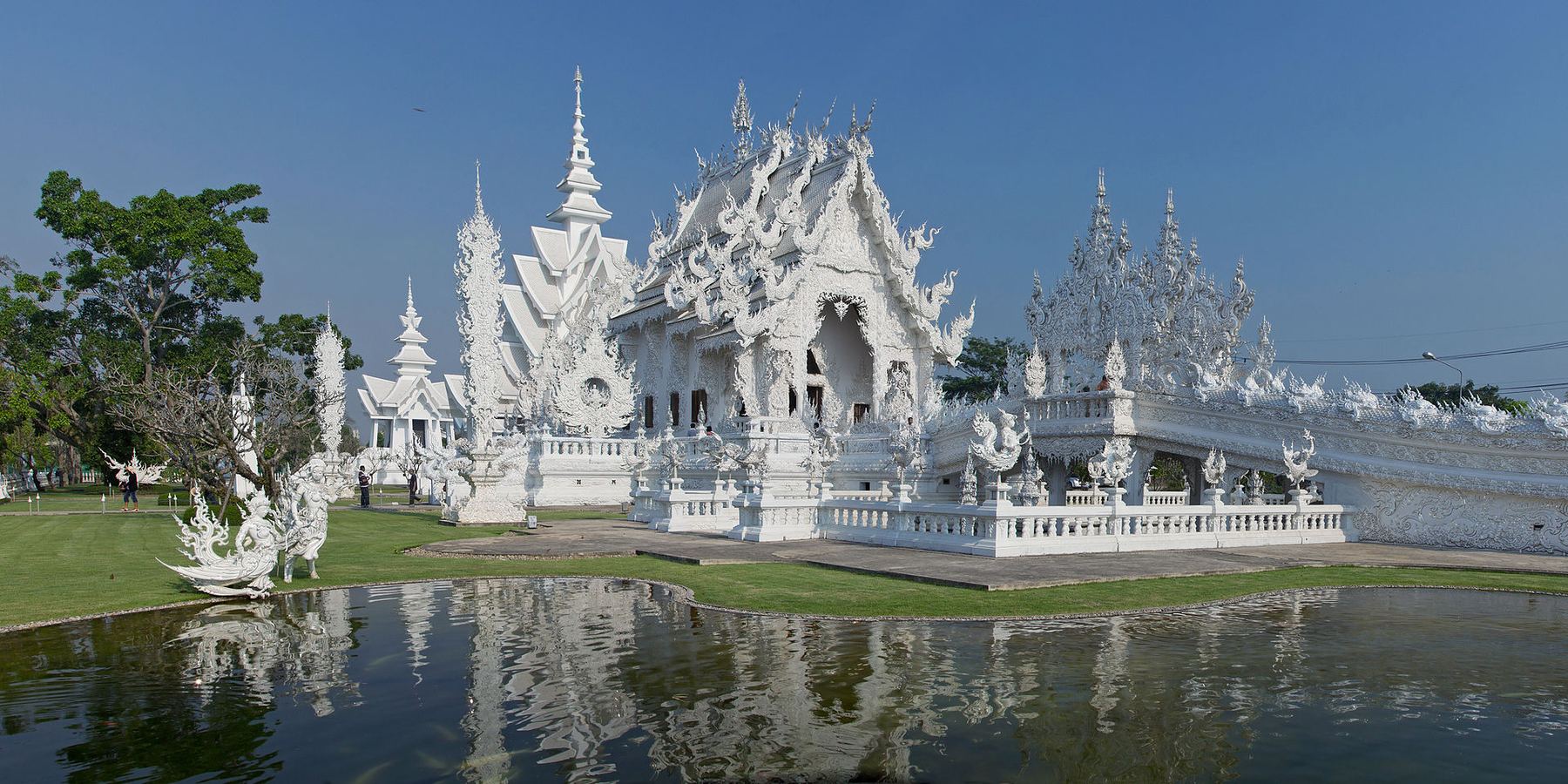
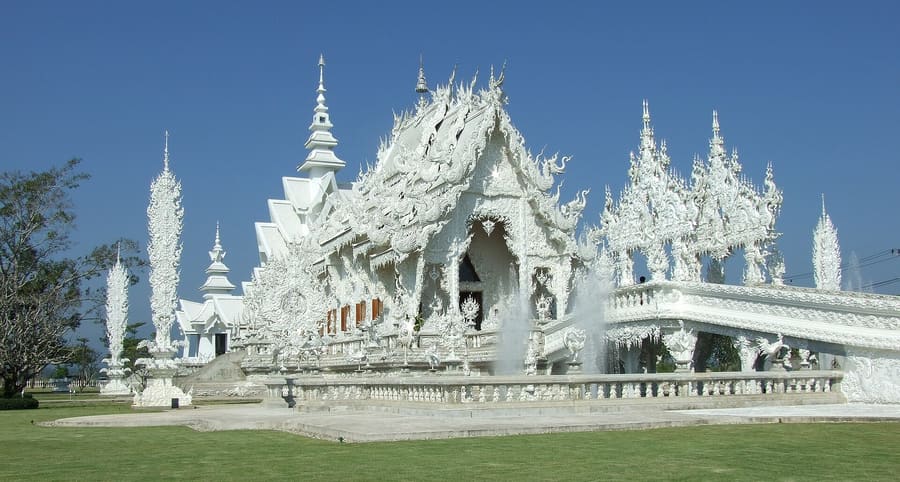
Wat Rong Khun
Chalermchai Kositpipat's surreal white masterpiece. Arrive at 08:00 doors open to avoid tour buses.
Ask ParleyThailand
Lanna history, modern temple art, and mountain trade routes.
introduction
Chiang Rai sits in the far north of Thailand as a quiet provincial hub with an extraordinary visual culture. You come here for avant-garde sacred architecture and northern Lanna food rather than nightlife. The city center is compact and flat, making it easy to navigate by foot or tuk-tuk. Outer sights scatter across the surrounding valleys, requiring hired wheels or songthaews.
Lanna's first capital
King Mangrai established Chiang Rai in 1262 as the original capital of the Lanna Kingdom, 34 years before founding Chiang Mai.
Temple loop transit
Hiring a songthaew for a half-day circuit of the outer temples costs 600–800 THB. This beats paying individual point-to-point fares.
Chiang Rai
Szwendam się · CC BY-SA 4.0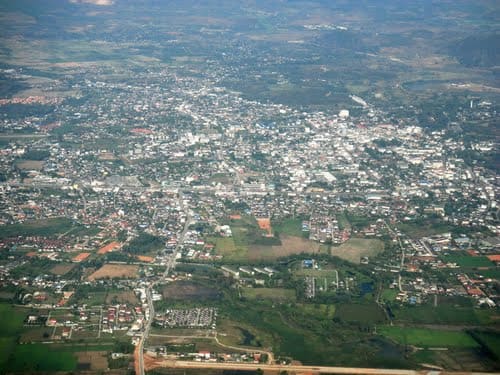
Town Centre — Walkable grid around the Clock Tower filled with noodle shops and night stalls.
bee · CC BY-SA 3.0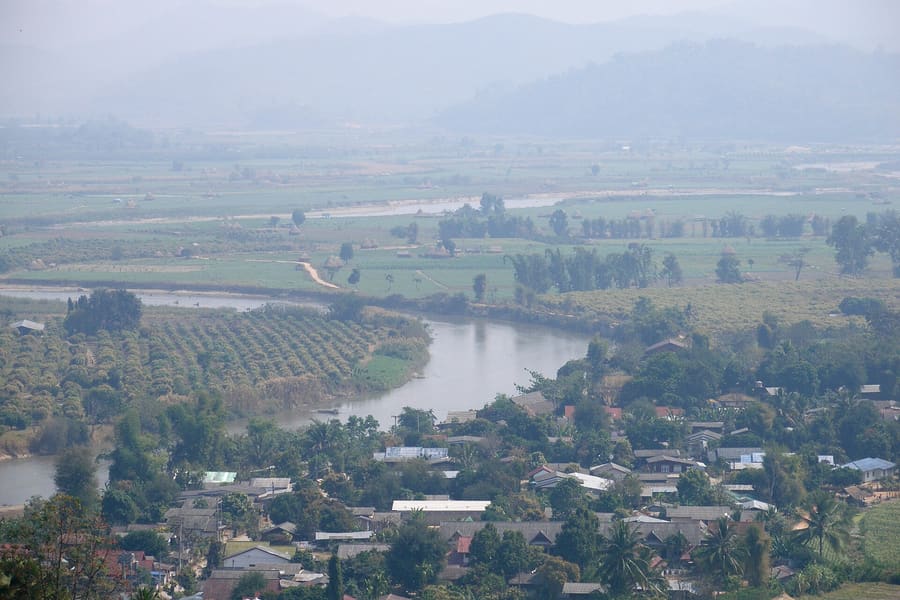
Kok Riverfront — Quiet riverside roads lined with resort grounds and airy dining spots.
Vyacheslav Argenberg · CC BY 4.0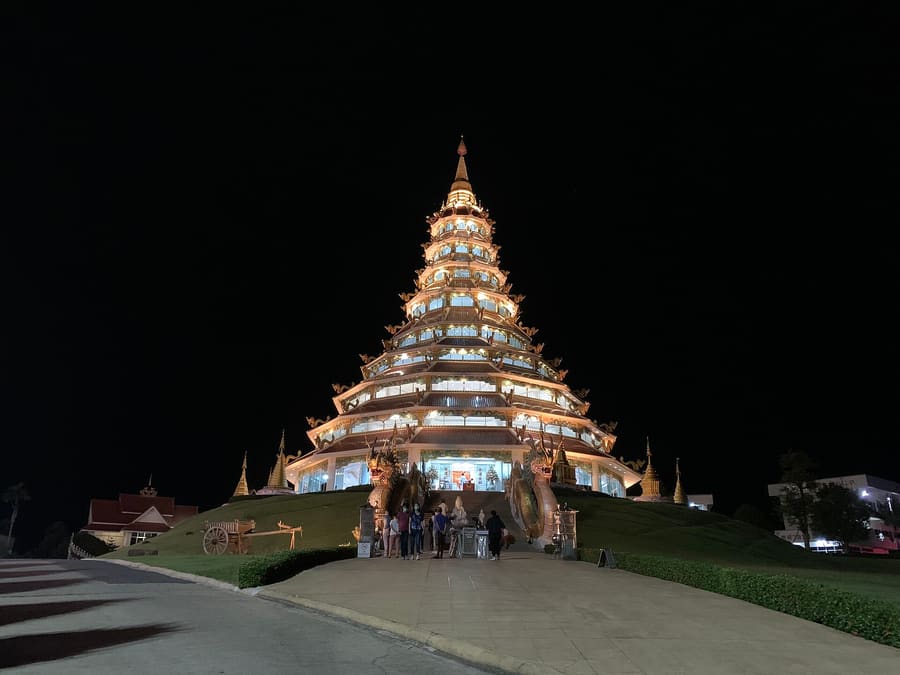
Rimkok — North riverbank area mixing suburban homes with access to modern northern temples.
Chainwit. · CC BY-SA 4.0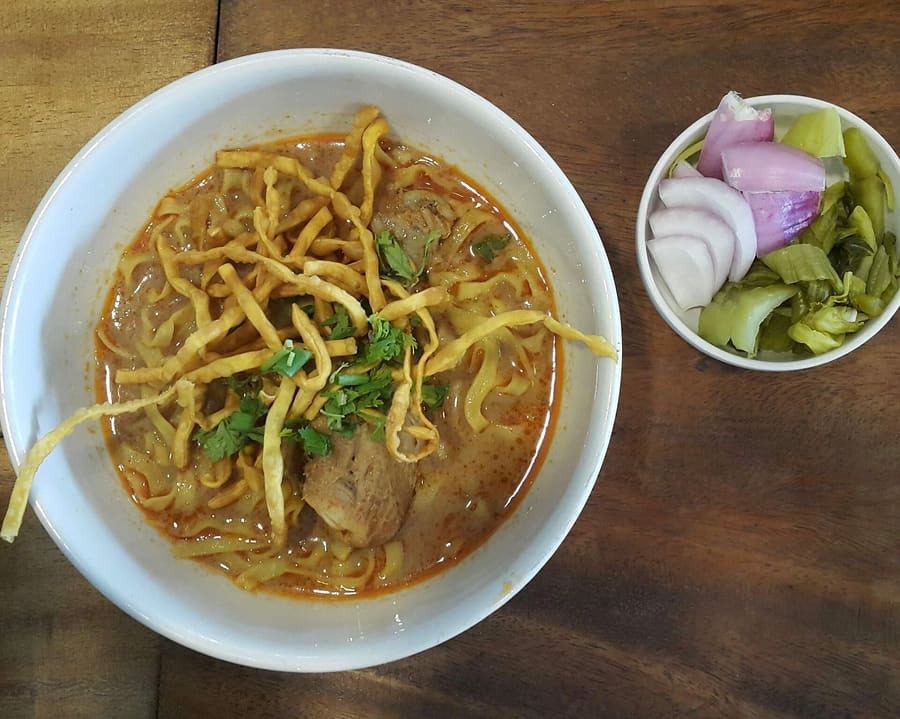
A bowl of Chiang Rai style Khao Soi with tender beef and crisp fried noodles.
Chainwit. · CC BY-SA 4.0highlights
landmark
Chalermchai Kositpipat's surreal white masterpiece. Arrive at 08:00 doors open to avoid tour buses.
Ask Parley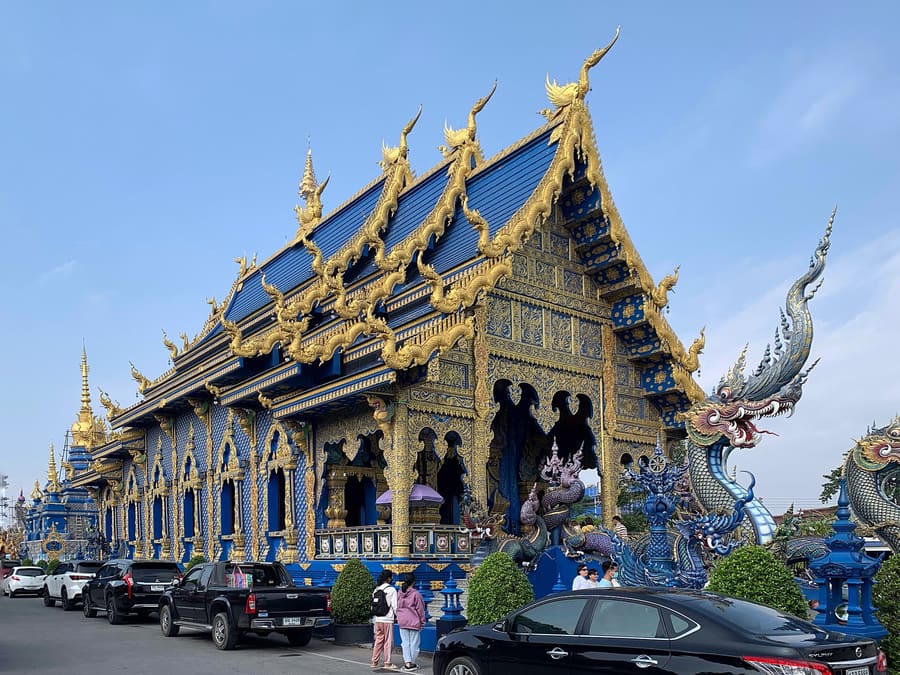
landmark
Modern temple drenched in sapphire blue paint and gold leaf. Entry is free and crowd turn-over is fast.
Ask Parley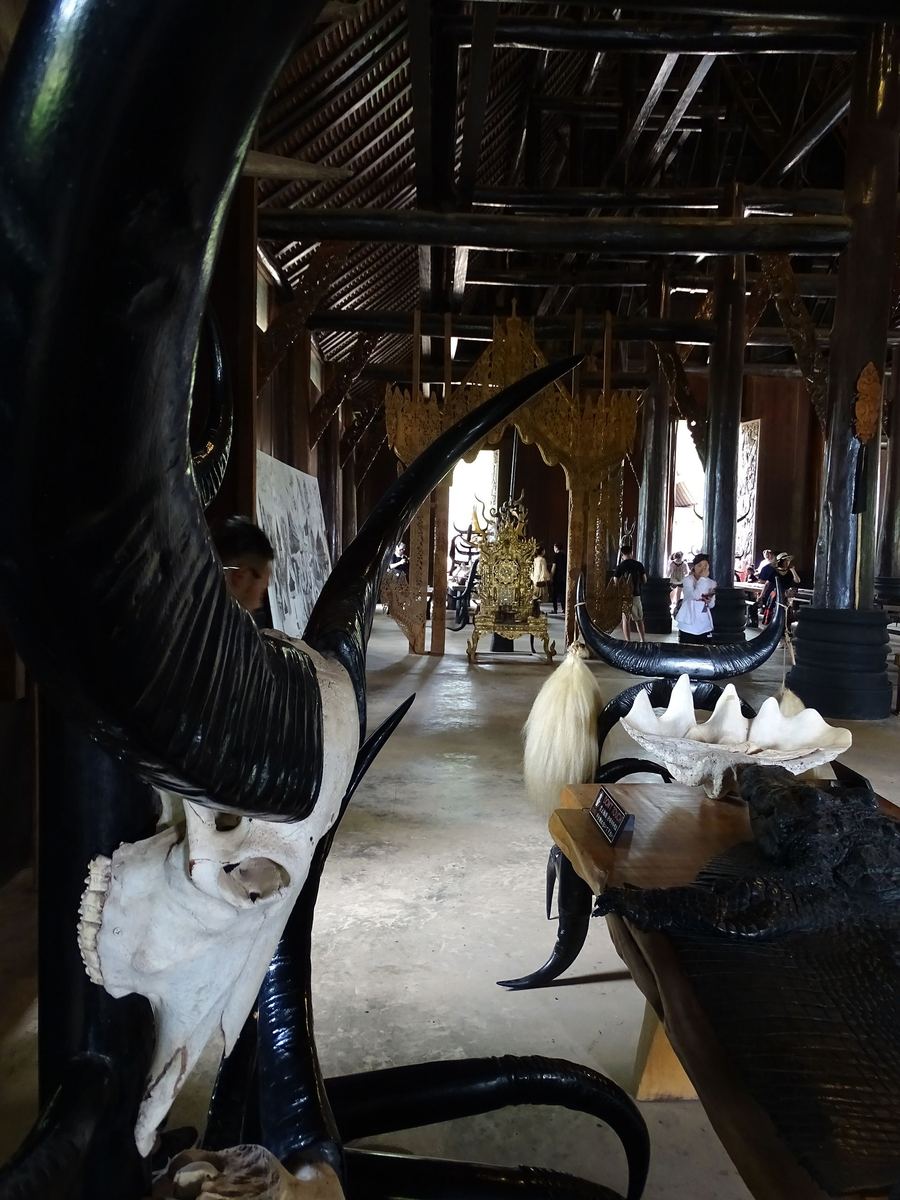
landmark
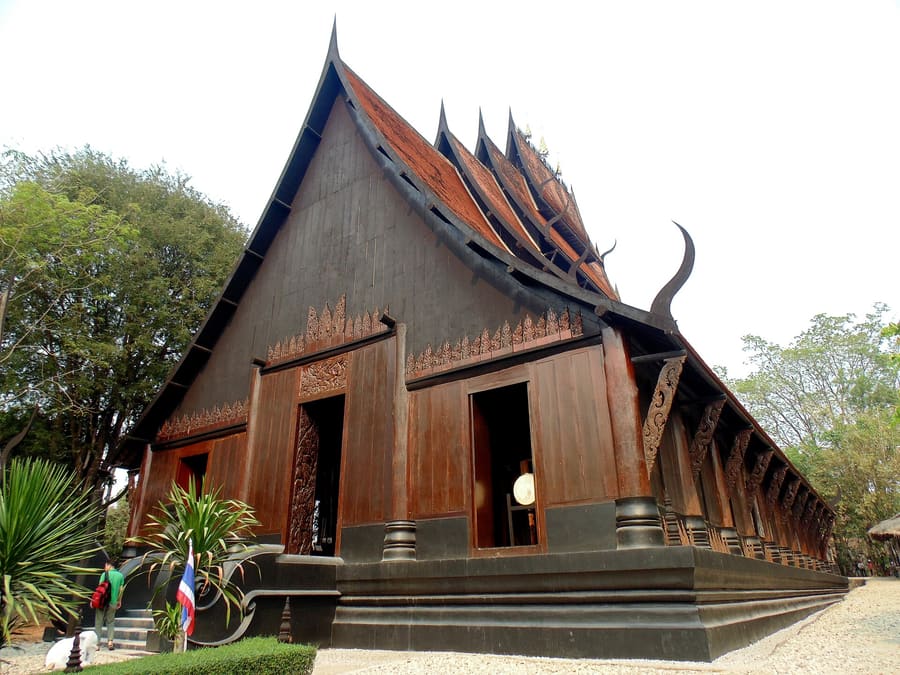
Thawan Duchanee's dark compound of 40 teak structures filled with animal hides and bones. Entry is 80 THB.
Ask Parley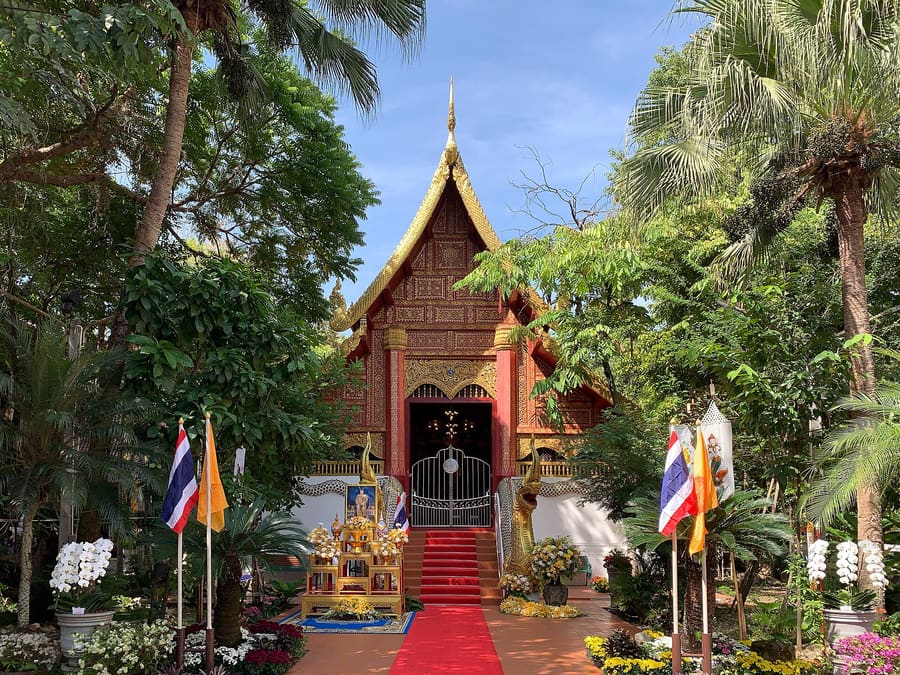
landmark
The historic 14th-century temple where the Emerald Buddha was discovered. Quiet, shady, and free to enter.
Ask Parley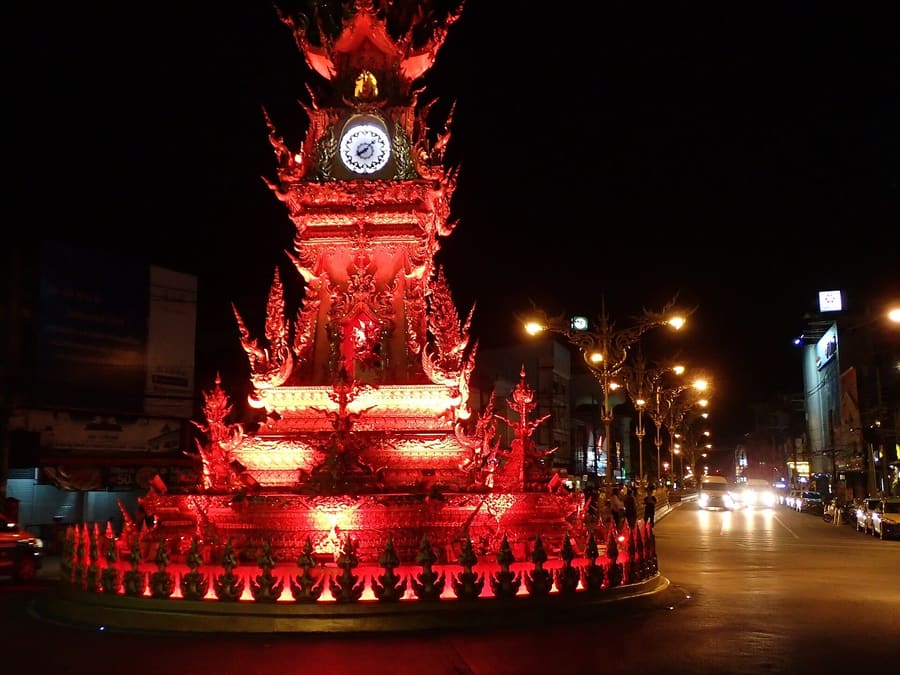
landmark
Gilded downtown landmark by Chalermchai Kositpipat. Light and music shows run hourly at 19:00, 20:00, and 21:00.
Ask Parleyattractions
areas
Walkable grid around the Clock Tower filled with noodle shops and night stalls.
NearbyNight Bazaar, Clock Tower, Old Bus Terminal
Ask ParleyQuiet riverside roads lined with resort grounds and airy dining spots.
NearbyMae Kok River, Wat Phra That Doi Chom Thong
Ask ParleyNorth riverbank area mixing suburban homes with access to modern northern temples.
NearbyWat Rong Suea Ten, Wat Huay Pla Kang
Ask ParleySouthern district that transitions into tea fields and open agricultural land.
NearbyWat Rong Khun, Singha Park
Ask Parleyfood
Chiang Rai cuisine leans heavily on fresh herbs, chili pastes, and fresh pig blood or solid blood cakes rather than sweet coconut curries. Khao soi here uses thinner, darker broths than the creamy versions in Chiang Mai. Local eateries serve sai ua (spiced pork sausage) and nam prik ong (tomato pork dip) with sticky rice eaten by hand.
A bowl of Chiang Rai style Khao Soi with tender beef and crisp fried noodles.
Chainwit. · CC BY-SA 4.0Eat rich coconut curry noodles near the city market. A bowl costs 50–60 THB and sells out by 14:00.
Order kanom jeen nam ngiew, the signature rice noodle dish served in a sour pork and tomato broth.
Choose the outer food stalls for small hot pots boiled at your table for 100–150 THB.
history
King Mangrai founded Chiang Rai in 1262 as the seat of power for the newly formed Lanna Kingdom. The city lost its political primacy when Mangrai shifted his capital south to Chiang Mai in 1296. Centuries of Burmese rule followed, shaping local temple art and woodcarving styles. Reclaimed by Siam in the late 18th century, Chiang Rai remained an isolated border post until modern highway projects connected the north in the 20th century.
Founding of the city
King Mangrai establishes Chiang Rai as the capital of the Lanna Kingdom.
Discovery of the Emerald Buddha
A lightning strike splits a stupa at Wat Phra Kaew, revealing Thailand's most revered image.
Burmese rule begins
Burmese forces conquer Lanna, holding influence over local architecture for over two centuries.
White Temple construction starts
Artist Chalermchai Kositpipat begins rebuilding Wat Rong Khun as a modern art shrine.
where to stay
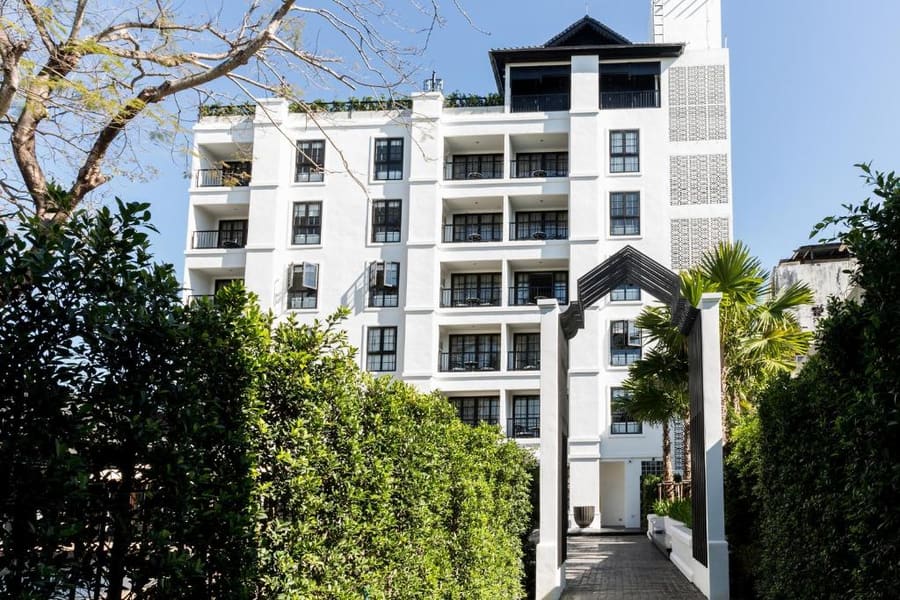
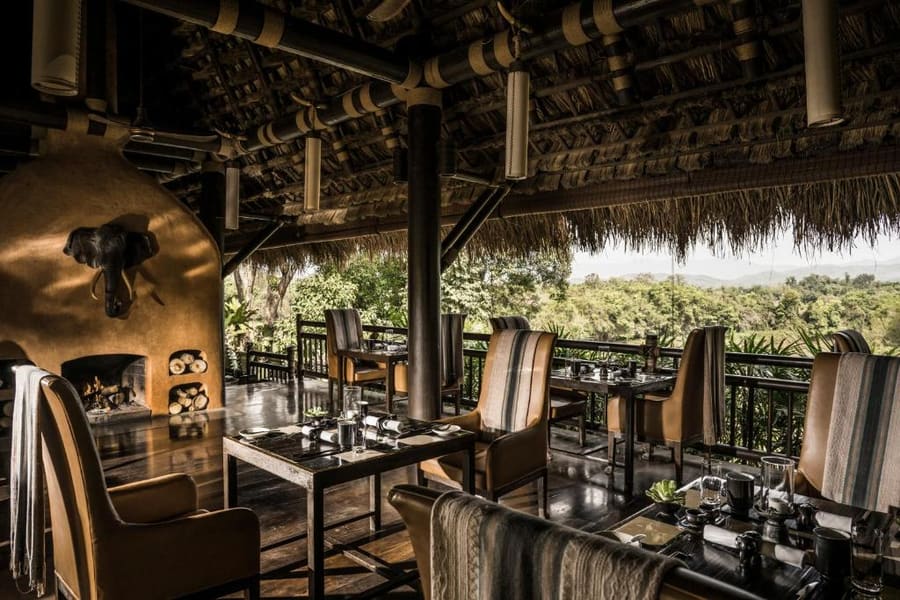
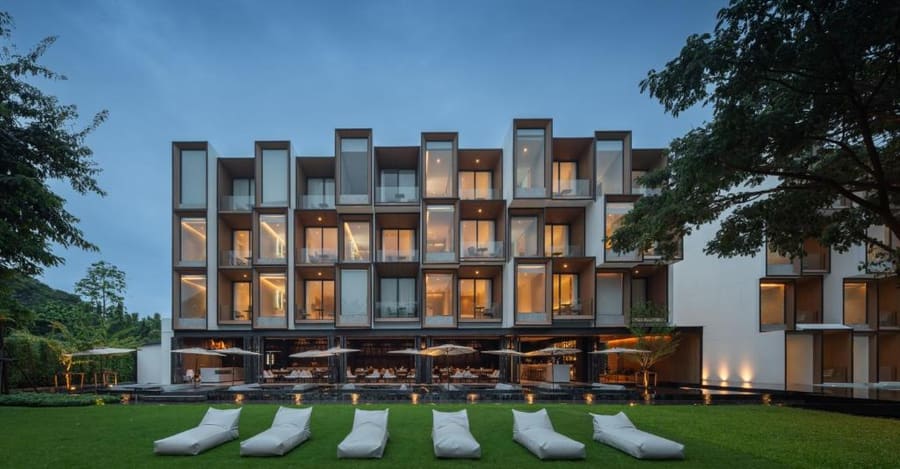
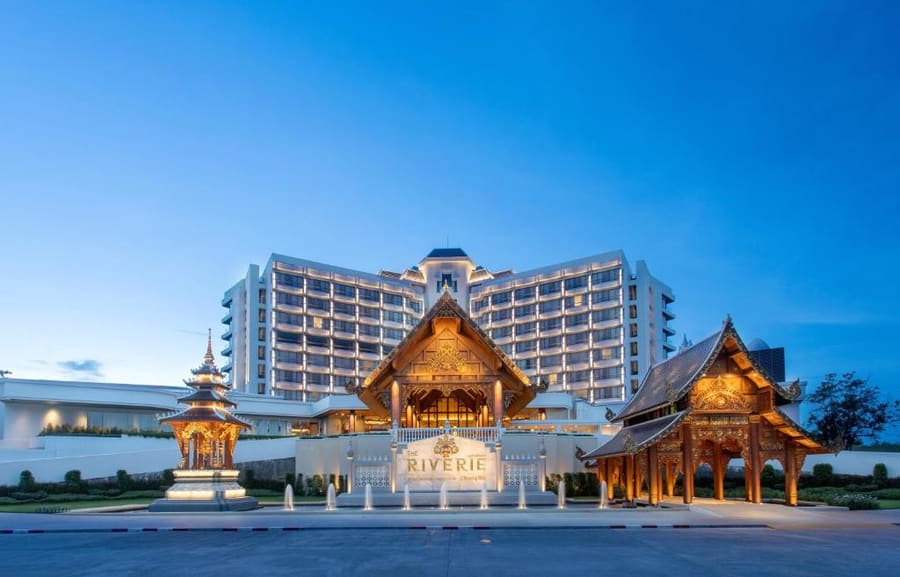
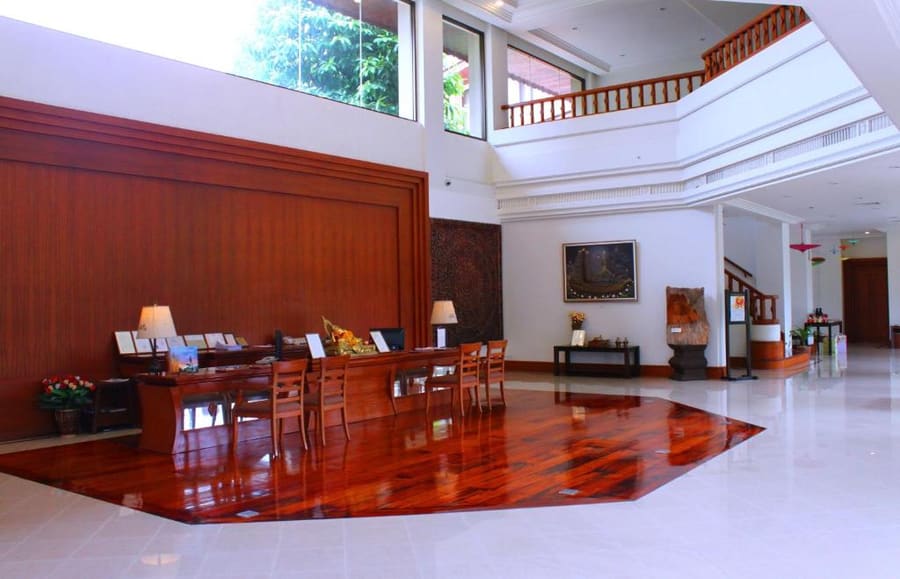
Choose your location based on transit needs. Staying near the Clock Tower puts restaurants, markets, and songthaew drivers at your doorstep. Staying along the Kok Rivertrades pedestrian convenience for space, swimming pools, and waterfront garden grounds.
Live rates, matched to the areas above.
transport
Downtown Chiang Rai is easy to walk. To reach outer attractions like Baandam Museum or Wat Rong Khun, use Grab rides or hire tuk-tuks for half-day round trips. Public blue songthaews leave from Bus Terminal 1 for major suburban routes.
From Mae Fah Luang Chiang Rai International Airport (CEI)
Fixed meter fare plus 50 THB airport surcharge from the official taxi desk.
Pickups happen outside the main terminal doors via Grab or InDrive apps.
Negotiate a fixed rate before stepping into a blue truck for day trips.
Grab and InDrive work well within town but driver availability drops after 21:00.
Buses to Chiang Mai depart from Bus Terminal 2 south of town, not the central station.
Daily bike rentals run 200–300 THB in town. An international driving permit is strictly required at police checkpoints.
cost
Chiang Rai is noticeably cheaper than Bangkok or Chiang Mai. Street meals cost under 60 THB, and taxi fares across town rarely exceed 100 THB. Cash remains essential for local markets and small noodle shops.
Standard price for a bowl at established local spots like Khao Soi Pho Chai.
Foreign visitor admission fee for Wat Rong Khun grounds and main hall.
Typical short journey within the central downtown grid.
Single-origin northern Thai drip coffee at town cafes.
seasonality
NOV – FEB
Cool dry weather with morning temperatures around 15°C. Peak season for domestic tourism.
MAR – APR
Hot and smoky due to seasonal agricultural burning. Air quality can be hazardous.
MAY – JUL
Rising humidity with afternoon thunderstorms. Countryside greenery peaks.
AUG – OCT
Heavy monsoon rains. Lower hotel prices but outdoor sightseeing gets interrupted.
practicalities
Most local kitchens and town markets close by 20:00 outside the Night Bazaar area.
Cover shoulders and knees for all active temple sites, including Wat Rong Khun.
Thai ATMs charge a standard 220 THB withdrawal fee for foreign credit or debit cards.
Check IQAir app daily if traveling between February and April during burning season.