
landmark
Christchurch Botanic Gardens
Sprawling 21-hectare grounds inside Hagley Park. Free admission daily, best visited on foot before midday.
New Zealand
A garden city reinventing its center after the quakes.
Christchurch is the South Island's principal gateway and largest city. Earthquakes in 2010 and 2011 flattened much of the central district, forcing an ambitious architectural rebuild. Flat streets and wide cycleways make low-impact transit effortless across the core. The nearby Port Hills and Banks Peninsula give quick access to wild coastal terrain.
Merivale — Tree-lined leafy suburb with upscale boutiques and quiet residential streets.
Riccarton — Busy suburban hub centered around major retail malls and native forest remnants.
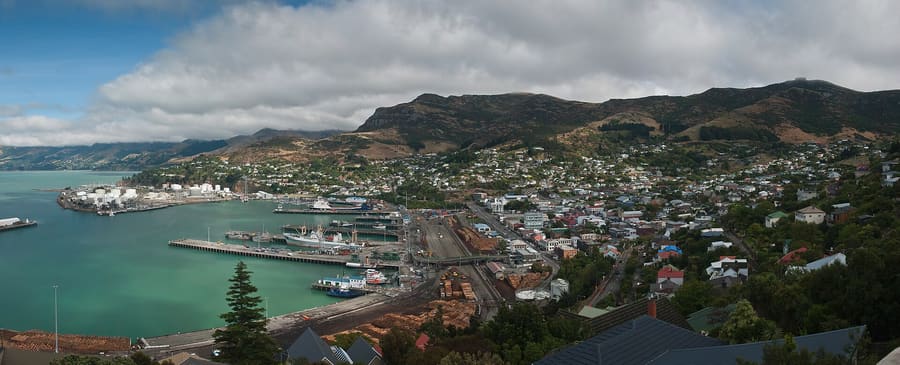
Lyttelton — Historic port town tucked inside an extinct volcanic crater across the Port Hills.
01
landmark
Sprawling 21-hectare grounds inside Hagley Park. Free admission daily, best visited on foot before midday.
landmark
Enclosed food hall operating seven days a week. Expect heavy lunch crowds between 12:00 and 13:30.

landmark
Restored heritage trams looping 18 central stops. An all-day hop-on pass costs NZ$35.
landmark
Shigeru Ban's temporary cathedral built from cardboard tubes. Free entry, active place of worship.
landmark
Cable car climbing Mount Cavendish for views over Lyttelton Harbour. Book online to save against walk-up fares.
02
03
Low-rise rebuild grid filled with laneway dining, wide cycle paths, and public art.
NearbyRiverside Market and the Botanic Gardens
Ask ParleyTree-lined leafy suburb with upscale boutiques and quiet residential streets.
NearbyHagley Park north border
Ask ParleyBusy suburban hub centered around major retail malls and native forest remnants.
NearbyRiccarton Bush and Christchurch Railway Station
Ask ParleyHistoric port town tucked inside an extinct volcanic crater across the Port Hills.
NearbyLyttelton Harbour and Diamond Harbour ferry
Ask Parley04
Christchurch dining centers on local Canterbury ingredients, from coastal seafood to regional lamb. The rebuild concentrated food outlets into dense indoor halls like and laneway precincts around Oxford Terrace. Specialty coffee culture is rigorous across the city, with roasters operating out of repurposed industrial spaces.
Central restaurant kitchens often stop taking food orders by 21:00, even on weekends.
Visit Riverside Market before 11:30 or after 14:00 to secure seating without a wait.
A 15% service surcharge applies at most eateries on New Zealand public holidays.
05
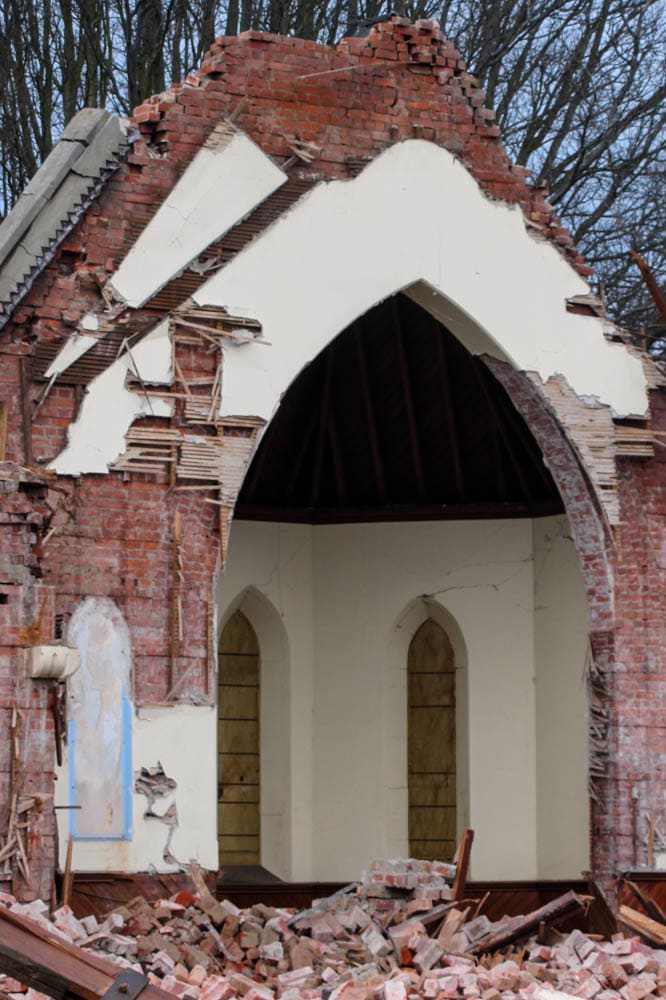
Māori settlement in the Canterbury region dates back over 700 years. English settlers established Christchurch in 1850 as a planned Anglican colony. Earthquakes in 2010 and 2011 reshaped the city, destroying much of its traditional heritage fabric and launching a massive urban redesign.
City founding
The First Four Ships arrive from England, establishing Christchurch as New Zealand's first official city.
Major earthquake
A magnitude 6.3 earthquake strikes near the city center, causing 185 fatalities and wide destruction.
Tūranga opens
The flagship central library opens in Cathedral Square as a symbol of the urban rebuild.
06
Choosing where to stay depends on whether you value central pedestrian access or quiet suburban surrounds. Central hotels put you within walking distance of key attractions, while inner-west suburbs offer easy parking and motorway access.
Highly rated hotels in Christchurch.


07
Central Christchurch is flat and compact, making walking and cycling the most efficient ways to travel. The public Metro bus network handles suburban trips with a flat fare structure, while historic trams serve as a scenic central loop.
From Christchurch Airport (CHC)
Metro Bus 29 or 3 runs direct to the Bus Interchange in the central city.
Official ranks sit outside doors 1 and 2 of the arrivals terminal.
Pickups occur at the designated rideshare zone behind the express carpark.
Shared vans drop passengers at specific hotels; booking ahead is recommended.
Metro bus journeys cost NZ$2 per adult when paying with a contactless bank card or Metrocard.
The ticket lasts all day, but functions primarily as a tourist loop rather than commuter transit.
Separated cycleways run through the central city grid and extend out along main corridors.
Most Metro bus lines reduce frequency significantly after 22:00, with no overnight service.
08
Prices in Christchurch reflect standard New Zealand urban rates. Paying by card is ubiquitous, and cash is rarely required anywhere in the city.
Standard price across central and suburban specialty cafes.
Typical cost for a single-plate lunch at or central cafes.
Standard adult ticket for a 30-minute guided punt ride through Hagley Park.
All-day hop-on pass covering all central heritage tram stops.
09
DEC – FEB
Warmest weather with long daylight hours. Summer crowds peak, so accommodation requires advance booking.
MAR – MAY
Autumn brings crisp dry days and vibrant fall color across the Botanic Gardens.
JUN – AUG
Cold winters with frequent frosts. Ideal base for day trips to Canterbury ski fields.
SEP – NOV
Spring brings garden blooms and moderate daylight, though rain showers are common.
10
New Zealand sunlight carries high UV levels even on cloudy days. Wear sunscreen year-round.
Shops in the central city typically close by 17:30, except on Thursdays and Fridays.
Modern Christchurch buildings meet strict seismic standards. In an earthquake, drop, cover, and hold.
EFTPOS and major credit cards are accepted virtually everywhere, including small market vendors.
The dry, hot wind off the Southern Alps raises temperatures quickly in summer months.
Contents
Your trip
Going to Christchurch?
Tell Parley when you’re going and what you enjoy, and it plans the days around this guide.
Plan with Parley


