landmark
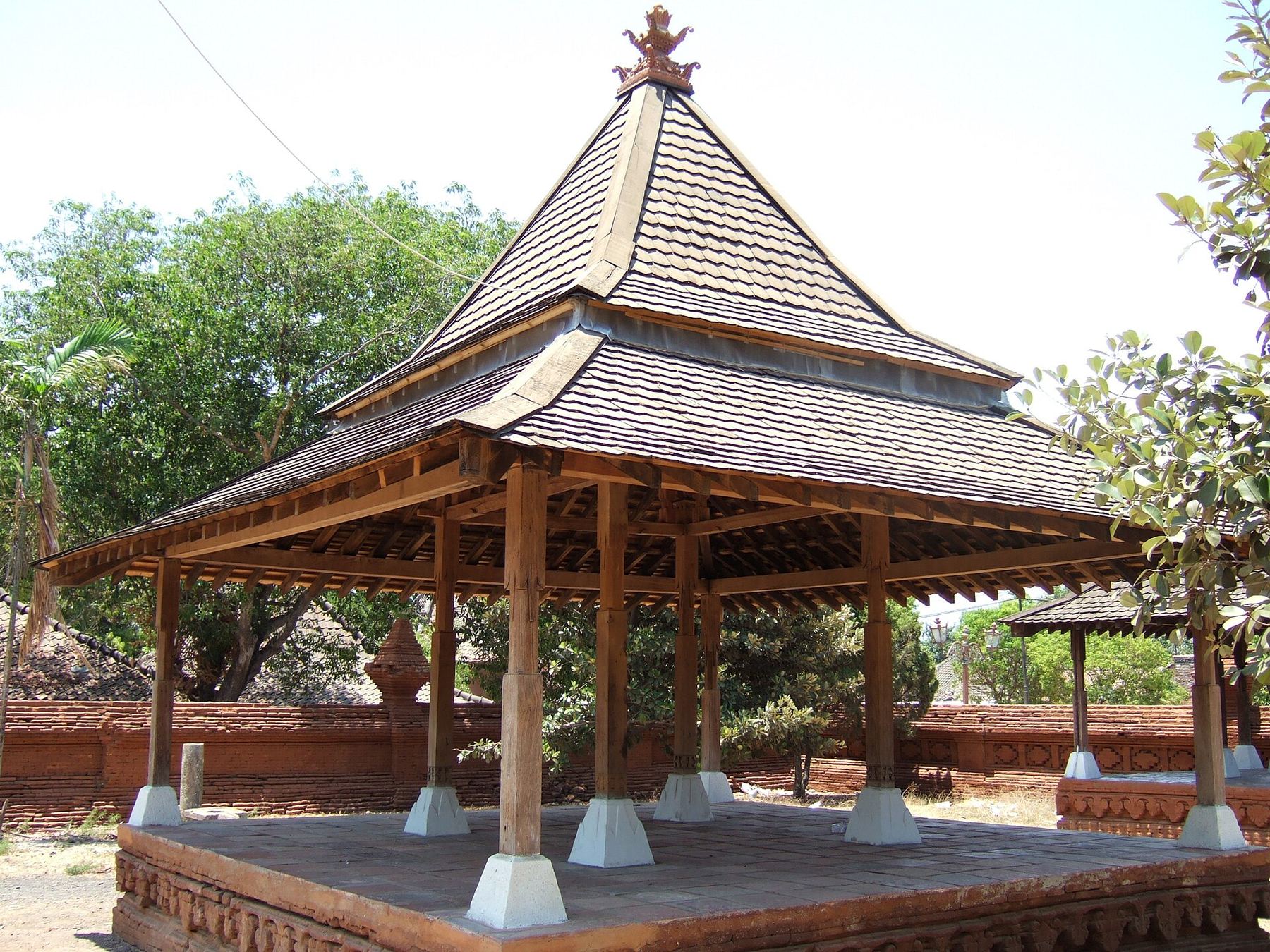
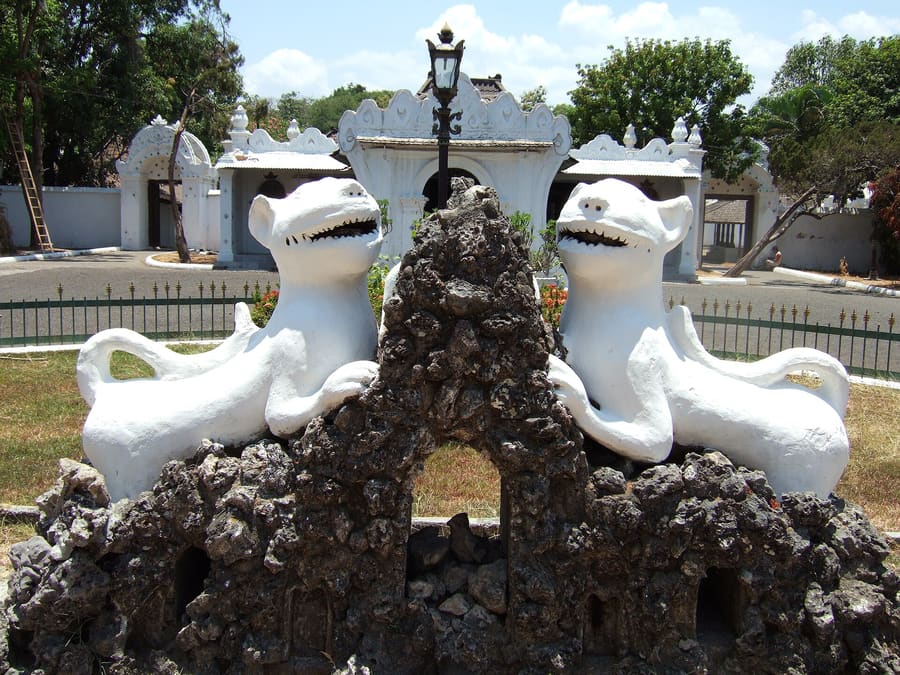
Kraton Kasepuhan
The oldest royal palace in Cirebon displays European tiles and Javanese brickwork. Pay entrance fees in cash at the front gate.
Ask ParleyIndonesia
Coastal Javanese sultanate traditions and distinct street food.
introduction
Cirebon sits on Java's northern coast, where Sundanese and Javanese cultures meet trade routes from China and the Middle East. Conventional intercity trains connect the city to Jakarta, making it an accessible urban study in coastal history. You navigate Cirebon by rideshare or local minibuses, moving between walled royal compounds and specialized food stalls. Expect a working port city that prioritizes regional commerce and culinary traditions over western tourism infrastructure.
Railway strategy
Book tickets to Cirebon Kejaksan station rather than Cirebon Prujakan. Kejaksan handles executive trains and sits adjacent to the primary hotel district.
Sultanate heritage
Cirebon retains four active royal palaces founded in the 15th century. Kraton Kasepuhan and Kraton Kanoman are open daily and run by royal descendants.
Morning food routines
Nasi Jamblang stalls open at 06:00 and sell key dishes before mid-day. Plan street dining for early morning or late evening.
Cirebon
Sakurai Midori · CC BY-SA 3.0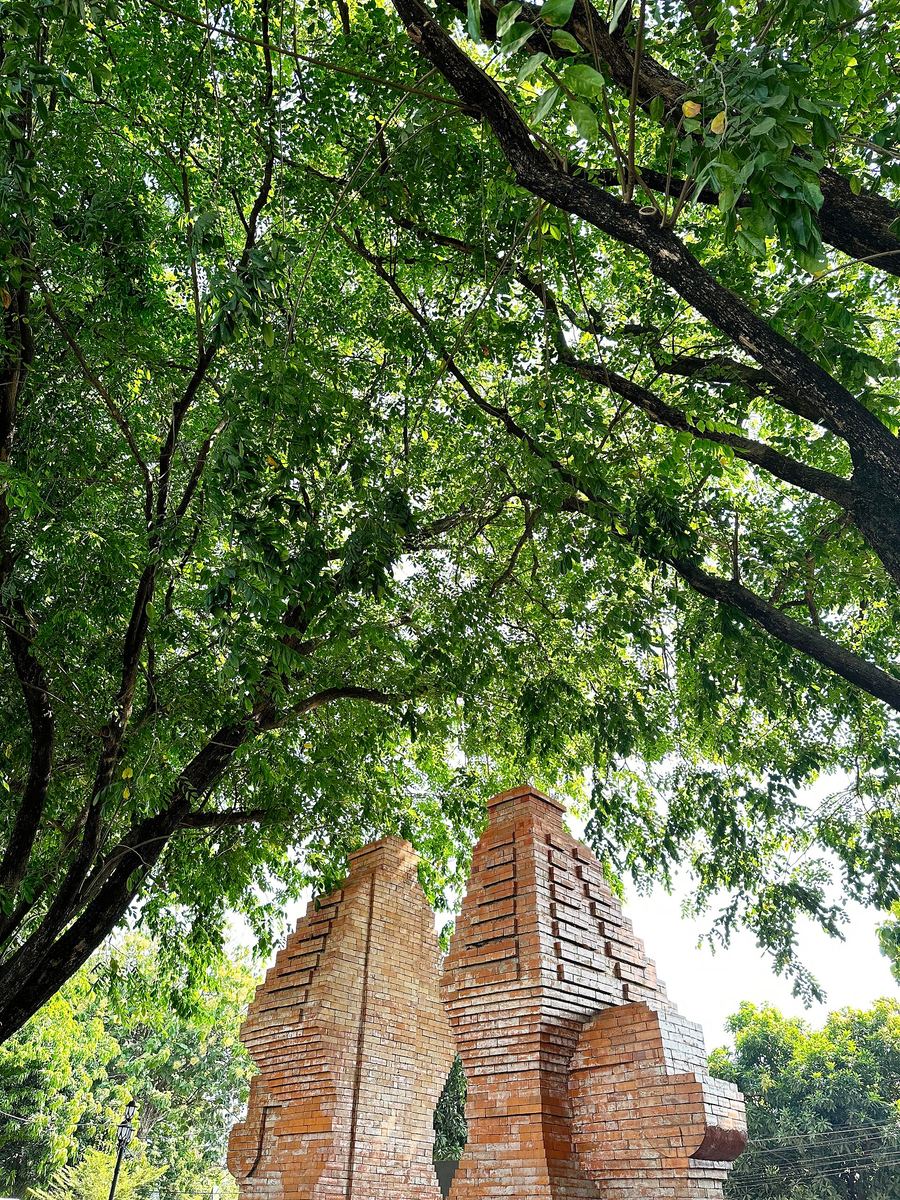
Kraton — Historic sultanate quarter with residential alleys surrounding classical royal compounds.
Digna Aisya · CC BY 2.0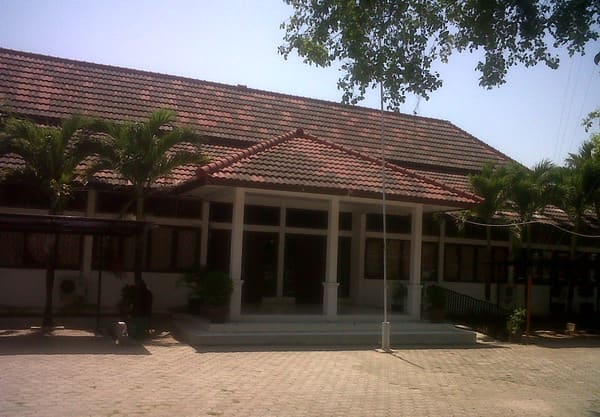
Kejaksan — Commercial train station district featuring mid-range hotels, banks, and fast connections.
Jie73 · CC BY-SA 4.0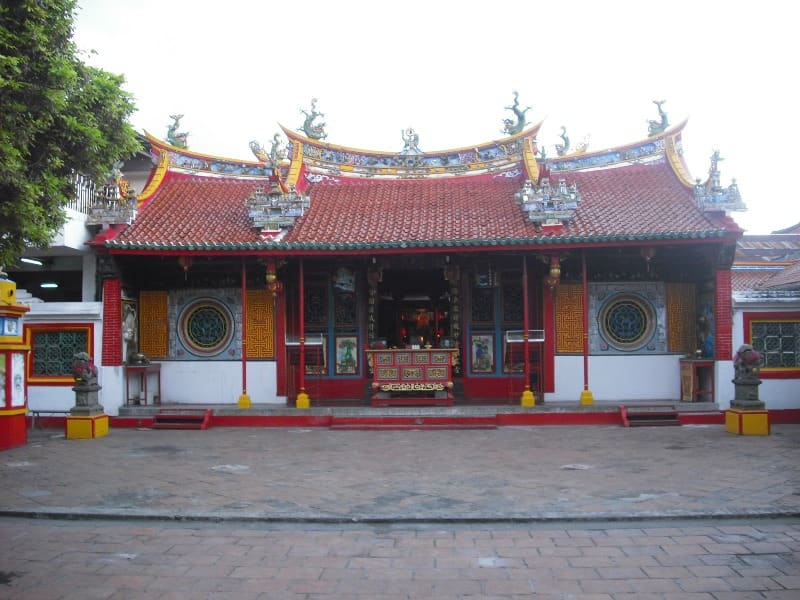
Pekalipan — Commercial food quarter filled with traditional shophouses and late-night food vendors.
Victory33 · CC BY 3.0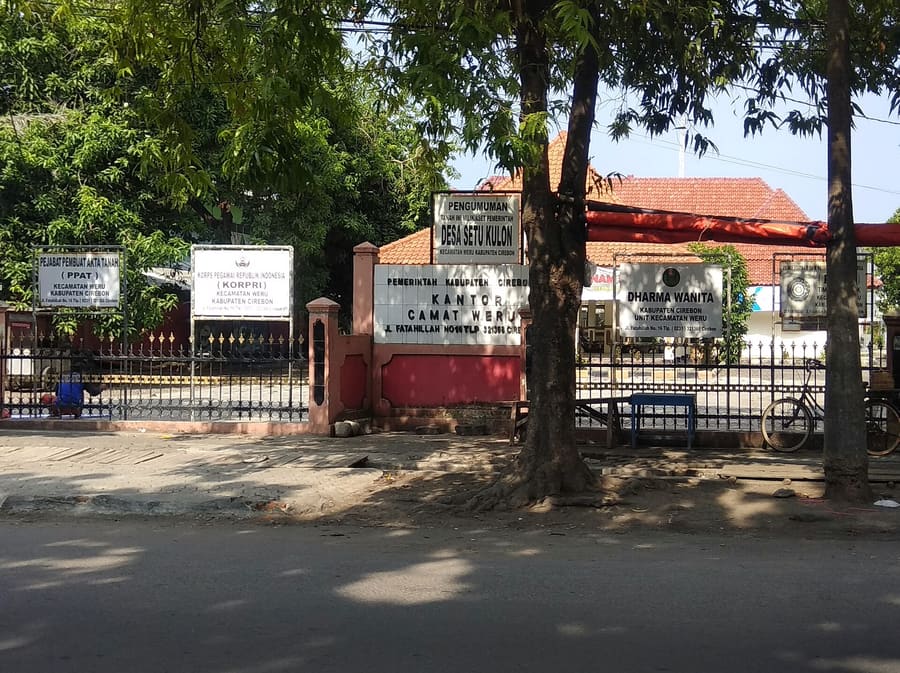
Weru — Artisanal district where family workshops produce authentic Cirebon batik textiles.
Aris riyanto · CC BY-SA 4.0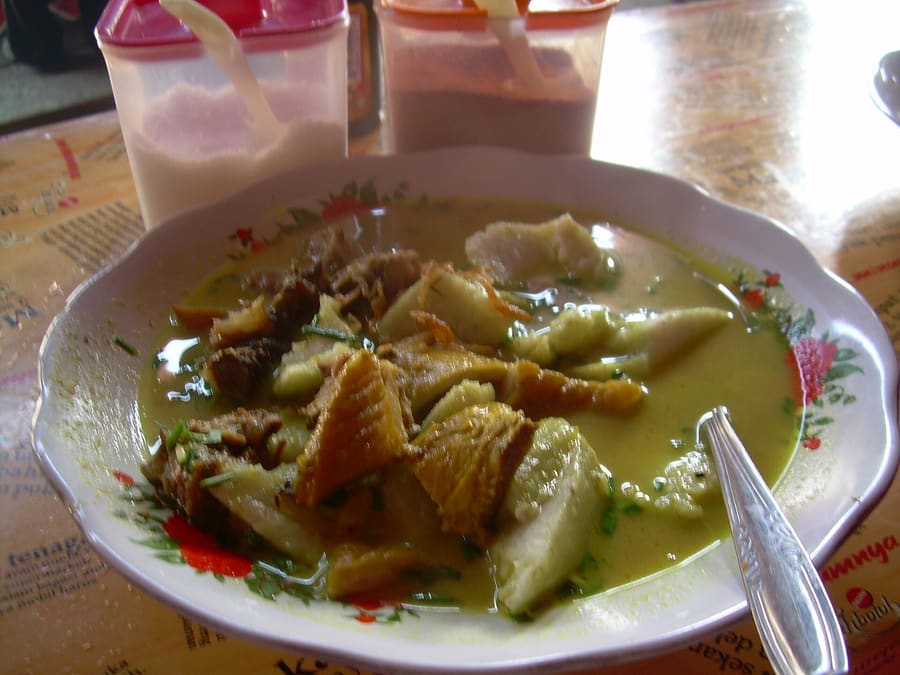
Empal gentong simmered slowly in traditional clay pots.
swara dila · CC BY 2.0highlights
landmark
The oldest royal palace in Cirebon displays European tiles and Javanese brickwork. Pay entrance fees in cash at the front gate.
Ask Parley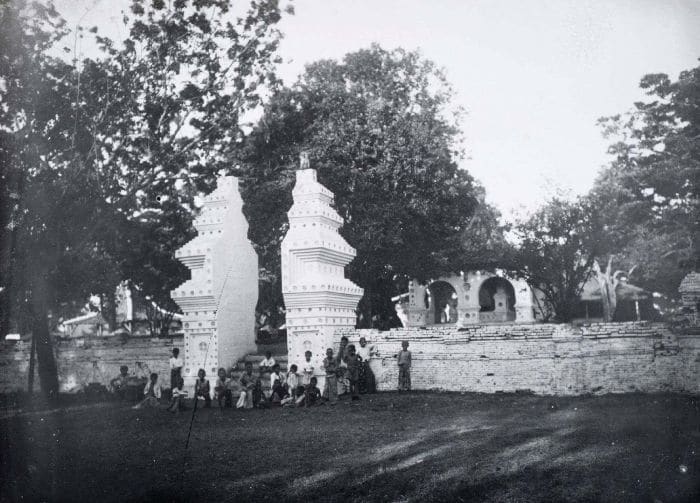
landmark
A 17th-century sultanate palace accessed through a busy market street. Visit before noon to avoid heavy market foot traffic.
Ask Parley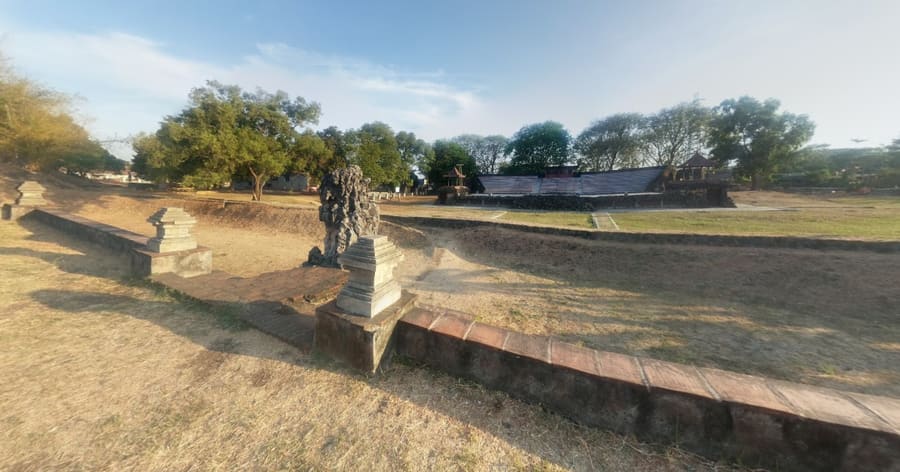
landmark
A coral limestone meditation complex built for 18th-century sultans. Explore early in the morning to beat the afternoon heat.
Ask Parley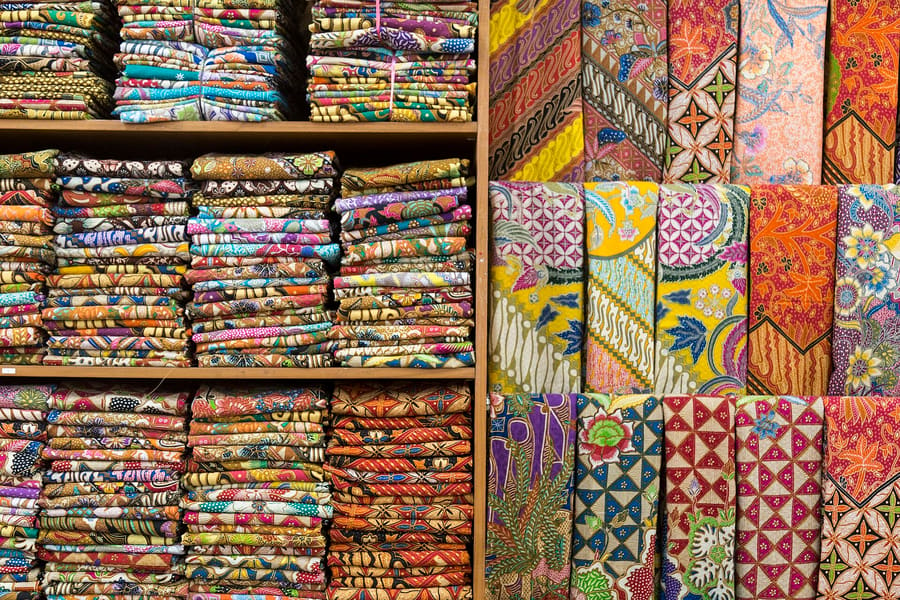
landmark
The centre of Cirebon batik, famous for its Mega Mendung cloud design. Buy directly from home artisans to support local makers.
Ask Parley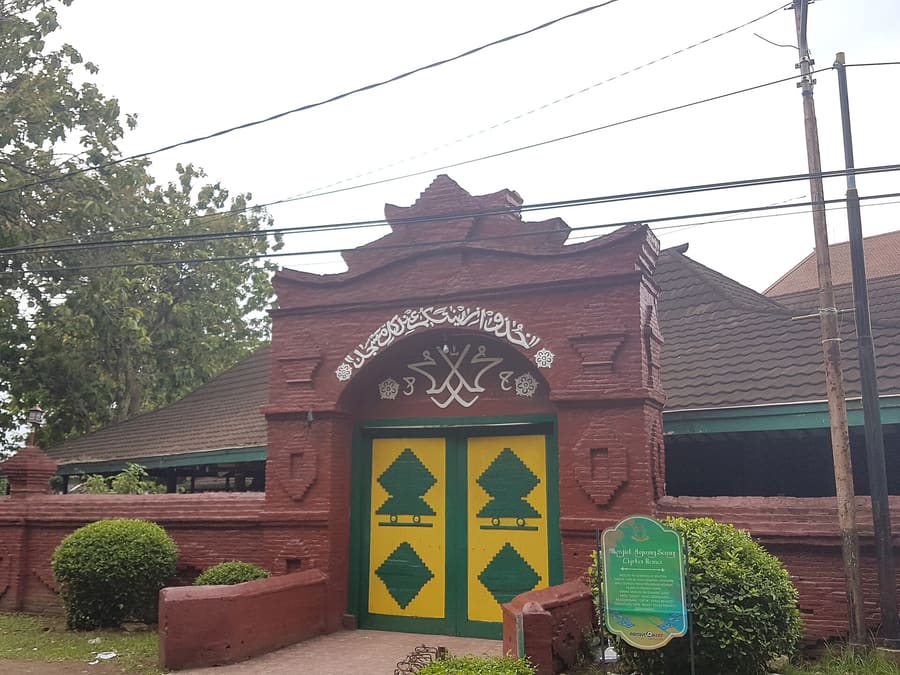
landmark
A 15th-century wooden mosque built by Sunan Gunung Jati. Non-muslim visitors may view the exterior architecture from the court.
Ask Parleyattractions
areas
Historic sultanate quarter with residential alleys surrounding classical royal compounds.
NearbyKraton Kasepuhan and Sang Cipta Rasa Mosque
Ask ParleyCommercial train station district featuring mid-range hotels, banks, and fast connections.
NearbyCirebon Kejaksan Station and Alun-Alun
Ask ParleyCommercial food quarter filled with traditional shophouses and late-night food vendors.
NearbyPasar Kanoman and night stalls
Ask ParleyArtisanal district where family workshops produce authentic Cirebon batik textiles.
NearbyTrusmi Batik Village
Ask Parleyfood
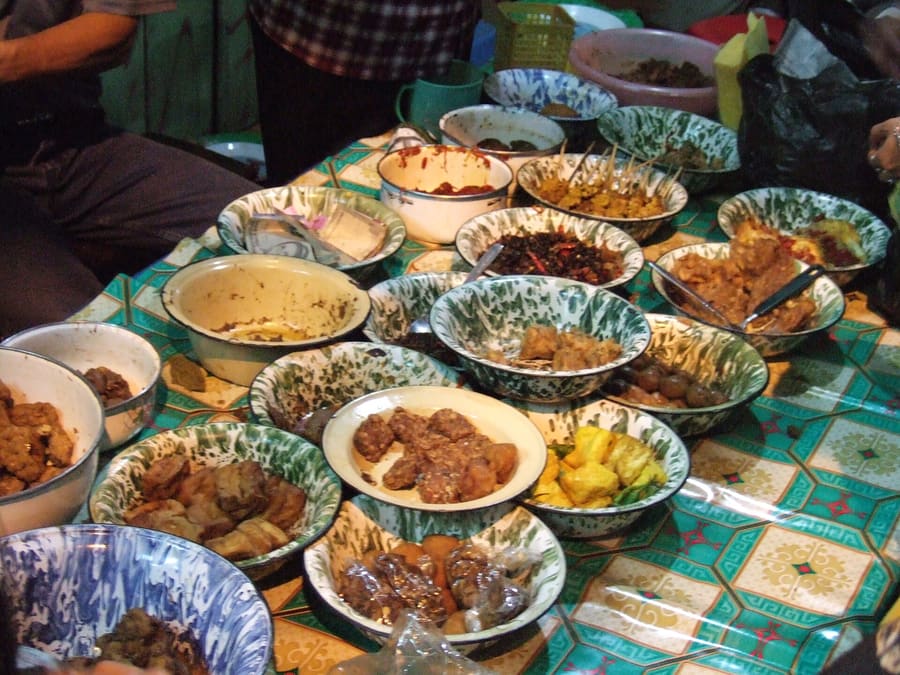
Cirebon cuisine reflects its coastal trade location. Local cooks rely heavily on tamarind, chili, shrimp paste, and coconut milk, creating flavors distinct from inland Central Java. Nasi Jamblang serves small portions of rice wrapped in fragrant teak leaves, accompanied by side dishes like fried lung, tofu, and chili sambal. Empal Gentong features tender beef soup slow-cooked in clay pots over firewood, seasoned with turmeric and coconut milk.For snacks, order Tahu Gejrot—fried tofu soaked in a sweet, sour, and spicy sauce made from palm sugar, garlic, and bird's eye chilies. Pair dishes with fresh local iced tea at neighborhood eateries.
Empal gentong simmered slowly in traditional clay pots.
swara dila · CC BY 2.0Eat Nasi Jamblang for breakfast or early lunch. Stalls open at 06:00 and top side dishes run out by midday.
Tahu Gejrot sellers ask how many chilies you want. Request one or two chilies if you prefer moderate heat.
Street stalls and market eateries do not accept cards. Carry cash in denominations of IDR 10,000 and 20,000.
history
Cirebon grew from a 15th-century fishing village into a major Islamic sultanate under Sunan Gunung Jati, one of Indonesia's nine revered Islamic saints (Wali Sanga). The city served as a key port linking Java to Chinese, Arab, and European trade networks. Internal succession splits in the late 17th century created separate royal houses, explaining why Cirebon retains four distinct royal palaces today.
Foundation of Cirebon
Prince Walangsungsang establishes the settlement of Caruban, which evolves into the Cirebon Sultanate.
Sunan Gunung Jati reign
Sunan Gunung Jati expands Cirebon as an Islamic trade power across West and Central Java.
Sultanate division
Dynastic succession disputes split the royal lineage into Kasepuhan and Kanoman houses.
where to stay
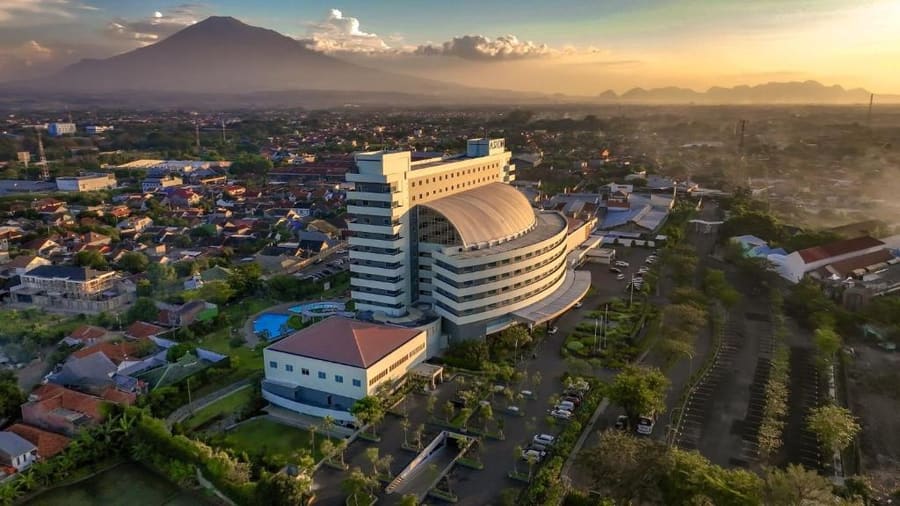
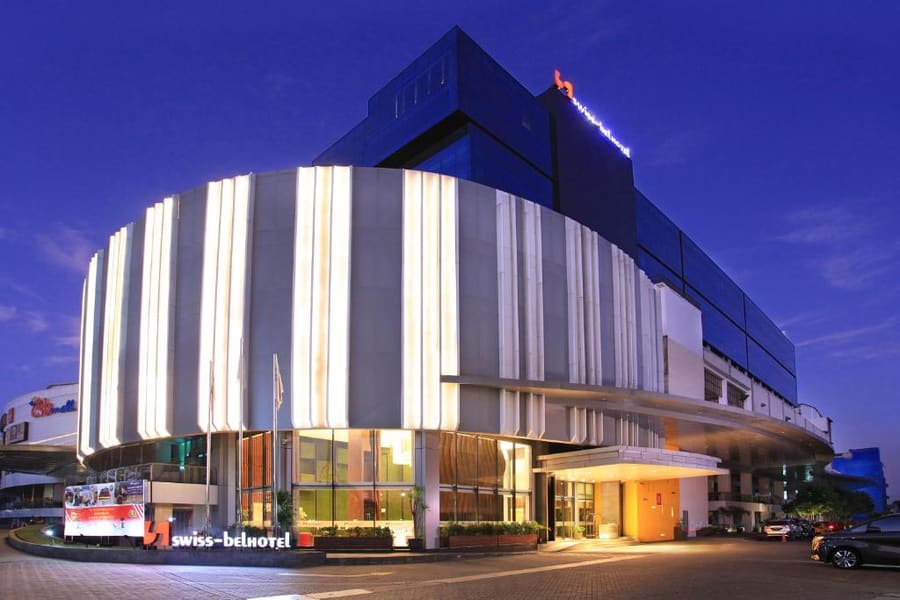
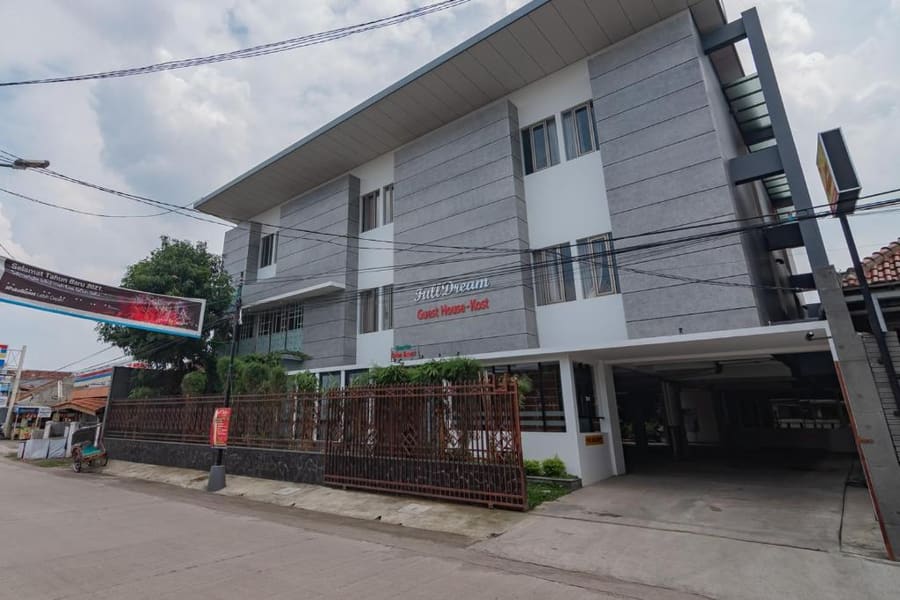
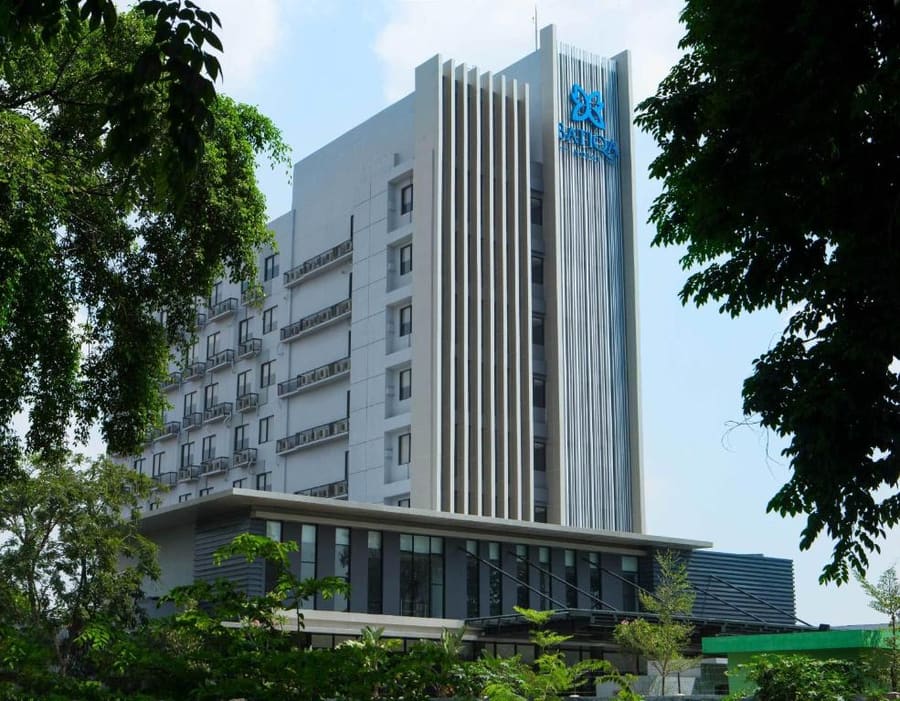
Choose your base in Cirebon by your transportation needs and daily schedule. Stay in Kejaksan if arriving late by train or seeking immediate access to mid-range hotels and transport hubs. Choose Kraton for walkable access to historical palaces and early morning food stalls. Pick Weru if batik craft workshops are your primary focus, though you will rely on taxis for evening meals downtown.
Live rates, matched to the areas above.

transport
Cirebon is a compact city with straightforward transportation options. The main train station, Cirebon Kejaksan, sits directly in the city centre. Ride-hailing apps like Grab and Gojek provide the most efficient transport for visitors. Blue local public minibuses (angkot) cover fixed routes across town, but route signs can confuse newcomers.
From Cirebon Kejaksan Railway Station (CN)
Grab and Gojek pick up outside the station exit zone.
Metered taxis wait in the station carpark.
Download Gojek or Grab before arriving. They offer clear upfront prices for cars and motorbikes.
Express intercity trains stop at Cirebon Kejaksan. Economy trains usually stop at Cirebon Prujakan.
Road traffic jams occur near railway level crossings when express trains pass through town.
Pay local minibus drivers upon exiting. Hand over exact cash bills of IDR 5,000.
cost
Cirebon is very affordable compared to Jakarta or Bali. Daily expenses focus mostly on dining, local transport, and batik purchases. Historical palaces charge modest maintenance entry fees.
Includes rice on a teak leaf plus three side dishes and fresh iced tea.
A full serving of beef soup with steamed rice cakes (lontong).
Applies to Kraton Kasepuhan and Kraton Kanoman per adult visitor.
Standard car fare across central city neighbourhoods.
seasonality
JUN – SEP
Dry season months bring clear skies and sunny days. Best window for walking historical palace grounds.
OCT – NOV
Transition period with sporadic afternoon rain showers. Pack a lightweight umbrella for afternoon walks.
DEC – FEB
Peak rainy season across West Java. Heavy downpours can flood lower streets in market areas.
MAR – MAY
Rains subside and temperatures rise. Good time for visiting batik workshops in Weru.
practicalities
Palaces and local shops close briefly between 11:30 and 13:00 on Fridays for prayer.
Remove shoes before entering mosque courtyards. Dress modestly covering shoulders and knees.
ATMs are plentiful along Jalan Siliwangi in Kejaksan. Carry cash when visiting traditional markets.
Cirebon is warm and humid year-round. Carry bottled water and sun protection when touring outdoor sites.
Hand-drawn batik (batik tulis) costs significantly more than printed cloth. Ask sellers to explain the technique.