
landmark
Mezquita-Catedral
An 8th-century mosque turned cathedral featuring hundreds of red-and-white stone arches. Book online to bypass line delays.
Spain
Caliphate architecture, summer heat, and cold tomato soup.
Córdoba sits on a bend of the Guadalquivir river in inland Andalusia. Its historic core is compact and easily covered on foot, though old cobblestones require flat shoes. Extreme summer heat makes afternoon closures mandatory rather than optional. Plan around early morning sightseeing and late evening dining.
San Basilio — Quiet residential neighborhood famous for traditional patio courtyards and traditional local taverns.
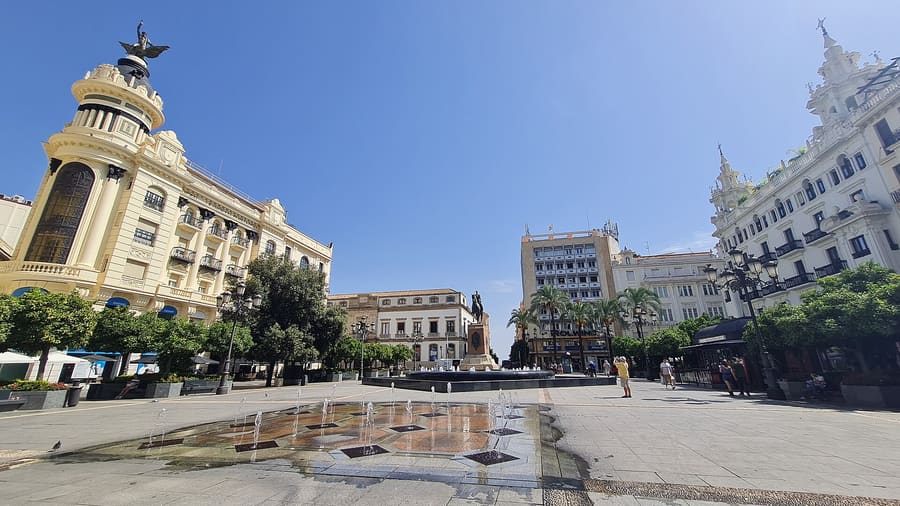
Centro Comercial — Commercial hub with modern clothing shops, broad plazas, and fast train station access.
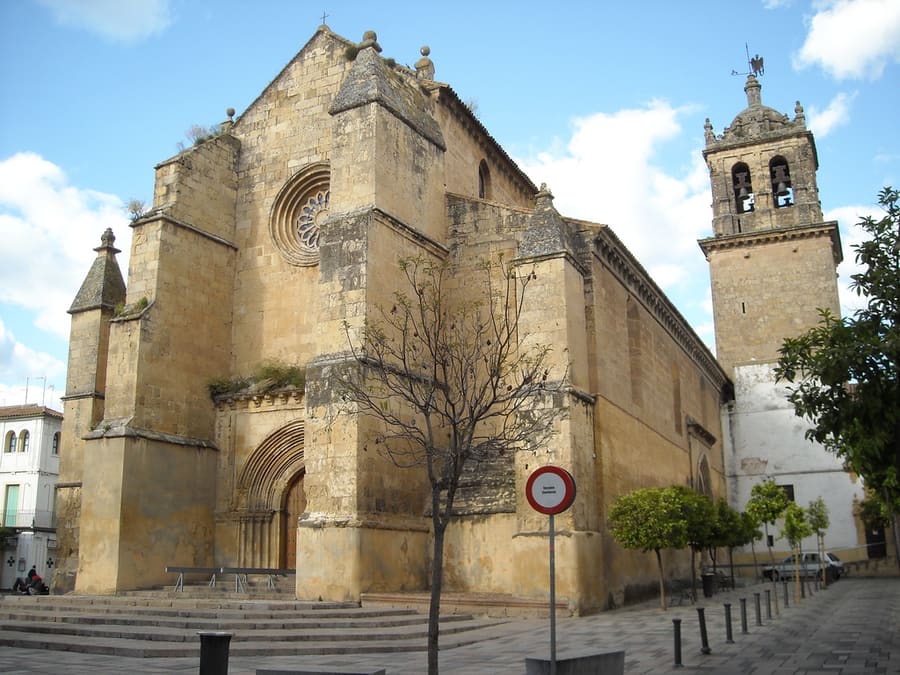
Santa Marina — Authentic local quarter filled with historic churches, quiet squares, and unpretentious tapas bars.
Freshly dressed salmorejo topped with cured ham and diced egg.
01
landmark
An 8th-century mosque turned cathedral featuring hundreds of red-and-white stone arches. Book online to bypass line delays.
landmark
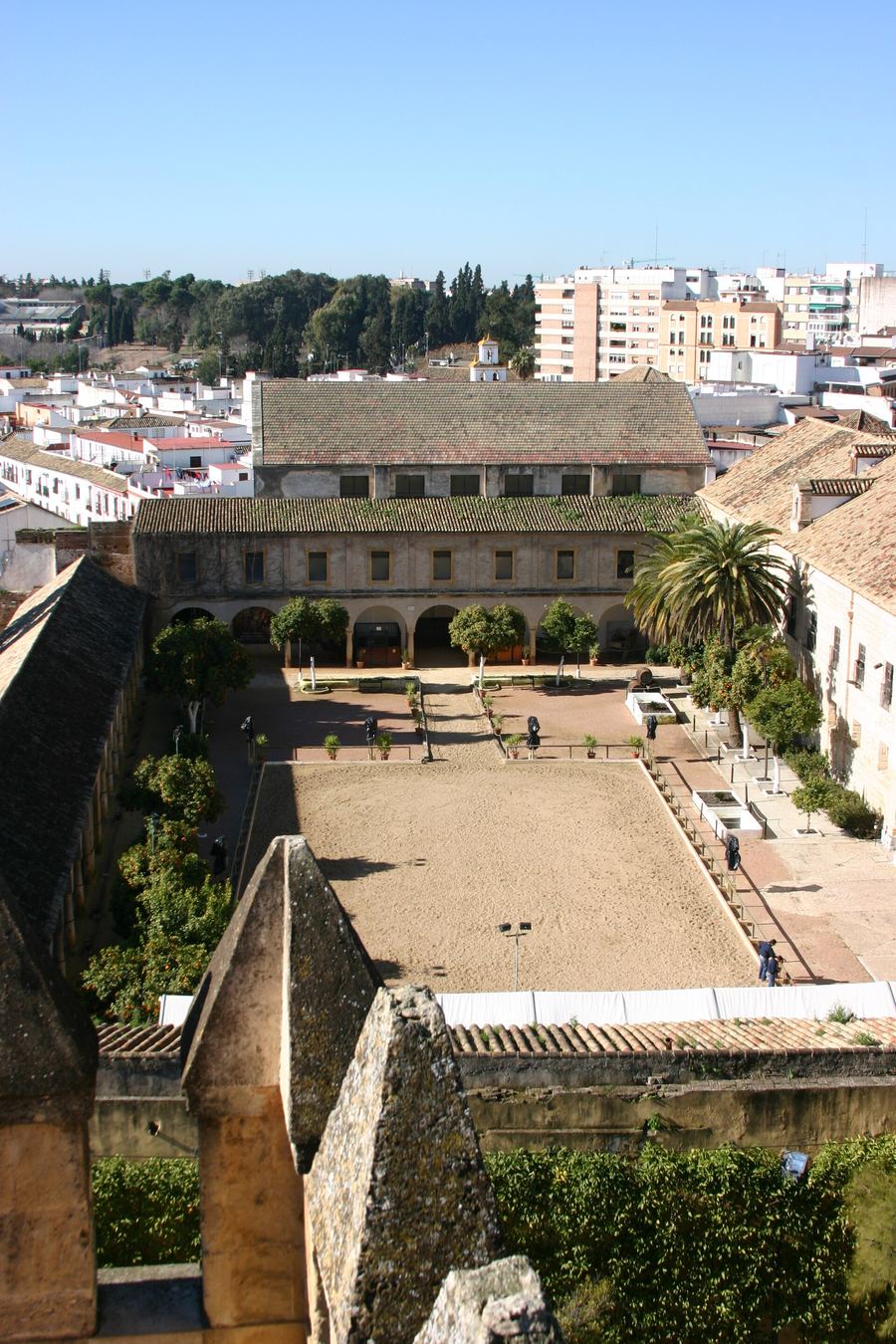
A Christian fortress with terraced gardens and Roman mosaics. Closed on Mondays.
landmark
A 1st-century BC Roman bridge spanning the Guadalquivir river. Walk across at sunset for the best old city views.
landmark
A 15th-century aristocratic mansion featuring 12 traditional patio courtyards. Ticket options cover house and gardens.
landmark
The archaeological site of a 10th-century Umayyad palace city 8 km west of town. Reachable via official daily shuttle bus.
landmark
A tiny medieval alley measureable by the width of a handkerchief. Visit early to beat crowded tour groups.
02
03
Winding medieval alleys, whitewashed houses, and heavy foot traffic right around the Mezquita.
NearbyMezquita, Synagogue, Roman Bridge
Ask ParleyQuiet residential neighborhood famous for traditional patio courtyards and traditional local taverns.
NearbyAlcázar, Royal Stables, City Walls
Ask ParleyCommercial hub with modern clothing shops, broad plazas, and fast train station access.
NearbyPlaza de las Tendillas, Train Station, Victoria Market
Ask ParleyAuthentic local quarter filled with historic churches, quiet squares, and unpretentious tapas bars.
NearbyPalacio de Viana, Plaza de los Capuchinos, Church of Santa Marina
Ask Parley04
Córdoba’s cuisine reflects inland Andalusian heat and agricultural roots. Salmorejo—a thick cold soup of tomato, bread, garlic, and olive oil topped with hard-boiled egg and jamón—is eaten at almost every meal. Flamenquín, a rolled pork loin filled with ham and deep-fried, is another staple served in traditional taverns.
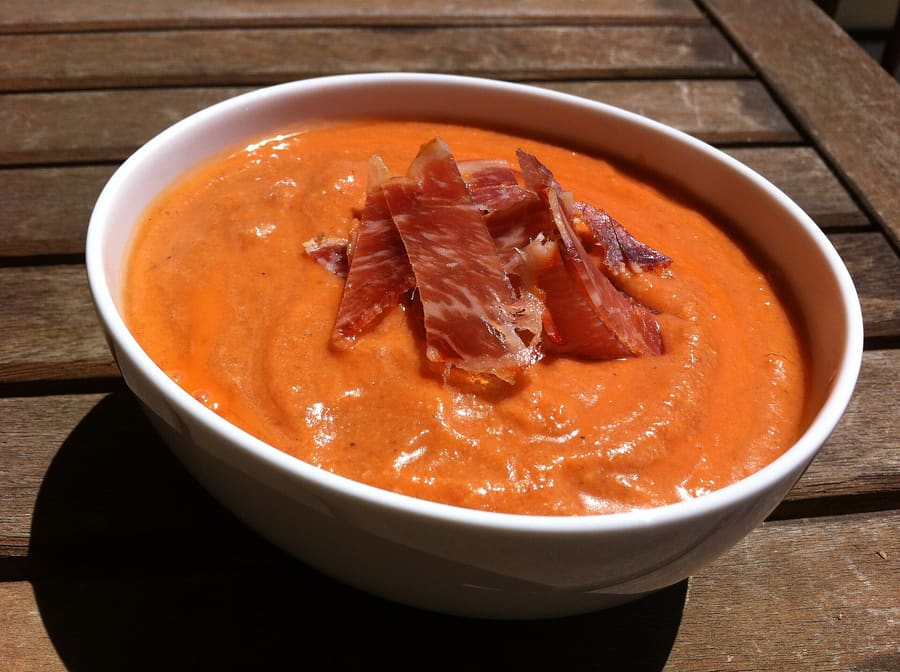
Freshly dressed salmorejo topped with cured ham and diced egg.
Ox tail stew cooked in local Montilla-Moriles wine is a local specialty, best ordered at Taberna San Miguel Casa El Pisto.
Kitchens reopen for dinner around 8:30 PM, but locals rarely arrive before 9:30 PM.
Locals drink fortified Montilla-Moriles white wine served chilled, not sherry.
05
Córdoba reached its peak in the 10th century as the capital of the Umayyad Caliphate. It was then one of the largest and most advanced cities in Europe, renowned for science, philosophy, and architecture. Christian conquest in 1236 reshaped its urban landscape, creating a hybrid architectural heritage that defines the city today.
Roman Foundation
Claudio Marcelo founds Corduba on the Guadalquivir River, turning it into a Roman provincial capital.
Umayyad Capital
Abd al-Rahman I establishes the Emirate of Córdoba and begins construction on the Great Mosque.
Caliphate Golden Age
Abd al-Rahman III proclaims the Caliphate of Córdoba, starting work on the palace city Medina Azahara.
Christian Reconquest
King Ferdinand III of Castile conquers the city, converting the Great Mosque into a cathedral.
06
Choose your neighborhood based on proximity to the monuments versus quiet night sleep. Judería puts you steps from the sights but stays busy until dark. San Basilio and Santa Marina offer residential quiet and authentic neighborhood dining.
Highly rated hotels in Córdoba.


07
The historic core of Córdoba is pedestrianised and best explored on foot. For destinations outside the centre like , local buses or taxis are reliable.
From Córdoba Central Rail Station
Official white taxis wait directly at the main terminal exit.
AUCORSA bus lines 3 and 5 connect directly to the historic perimeter.
AVE trains connect Córdoba to Seville in 45 minutes and Madrid in 105 minutes.
Single bus tickets cost €1.30 paid in cash or contactless directly to the driver.
Taxis use meters; hail on streets or pick up at designated ranks like Plaza de las Tendillas.
The dedicated daily tourist shuttle to Medina Azahara departs from Avenida del Alcázar and requires booking.
08
Córdoba is significantly less expensive than Madrid or Barcelona. Dining and attraction admissions are affordable, making it accessible for budget and mid-range travellers.
Standard adult entry to the is €13; bell tower access is €3 extra.
Individual tapas dishes in local taverns typically cost between €3 and €5.
Urban bus journeys on AUCORSA routes carry a flat fare per trip.
Full admission ticket covers the 12 patio courtyards and the palace interior.
09
MAR – MAY
Mild temperatures and the May Patio Festival. Book hotel rooms months ahead.
JUN – AUG
Extreme heat over 40°C empty the streets by afternoon. Room prices drop.
SEP – NOV
Warm autumn days and manageable tourist numbers across all major sights.
DEC – FEB
Cool weather with clear days. Low crowd numbers and easiest landmark entry.
10
Small shops and non-tourist businesses close between 2:00 PM and 5:00 PM.
Free quiet visit entry runs Monday to Saturday from 8:30 AM to 9:30 AM.
Some small neighborhood taverns still prefer cash payments for small orders.
Shoulders and knees should be covered when entering the cathedral area.
Uneven stone cobblestones make high heels or thin sandals impractical.
Contents
Your trip
Going to Córdoba?
Tell Parley when you’re going and what you enjoy, and it plans the days around this guide.
Plan with Parley


