landmark
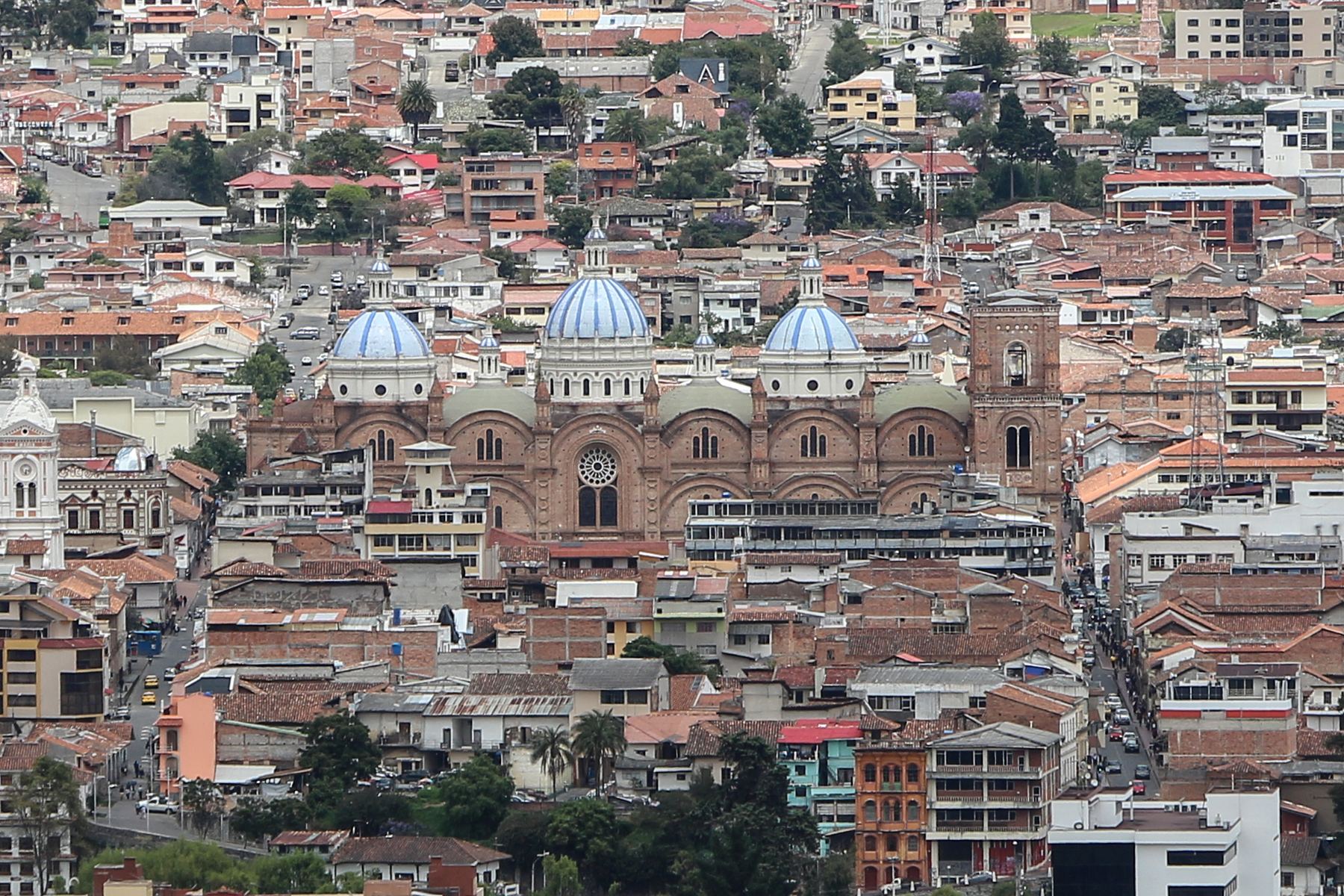
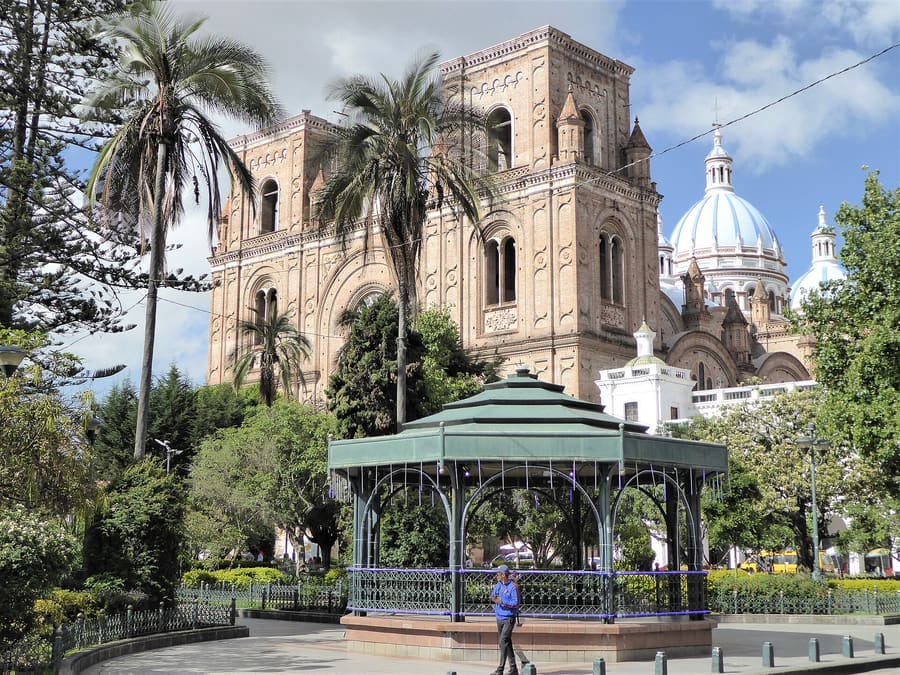
New Cathedral
Blue-tiled domes dominate the skyline. Climb the steep 158-step tower for an unblocked view across Parque Calderón.
Ask ParleyEcuador
Andean granite, colonial brick, and four mountain rivers.
introduction
Cuenca sits in a high Andean basin bisected by four rivers. You navigate the city on foot through a grid of Spanish colonial blocks or by riding the single electric tram line. The altitude sits at 2,560 metres, so steep street climbs punish poor pacing. Expect cool highland weather, orderly traffic, and quiet nights after 21:00.
Airport transport
The Tranvía connects CUE airport directly to El Centro in ten minutes. A single ticket costs $0.45 at terminal kiosks.
UNESCO status
UNESCO designated the historic centre a World Heritage site in 1999 for its planned 16th-century Spanish urban grid.
Cuenca
SantosJD · CC BY-SA 4.0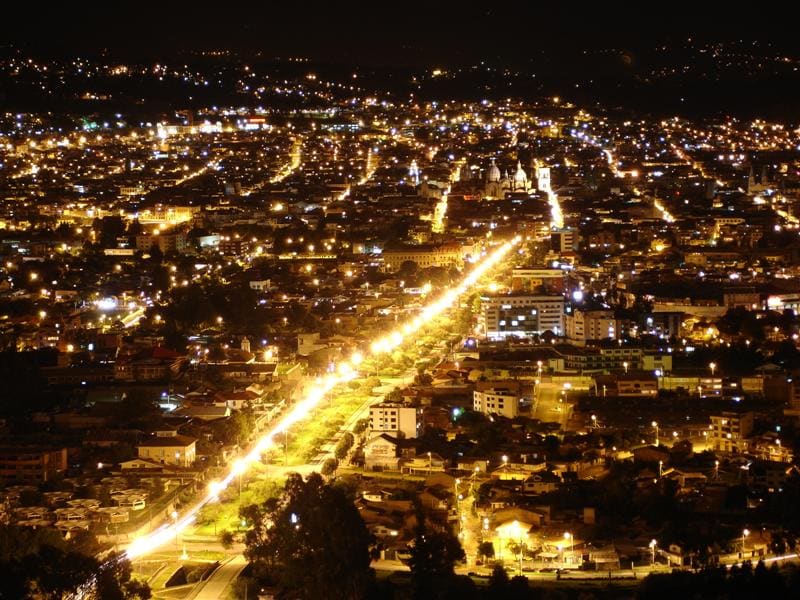
El Ejido — Mid-century avenues, tree-lined boulevards, and modern residential apartments south of the river.
No machine-readable author provided. Gennaro~commonswiki assumed (based on copyright claims). · Public domain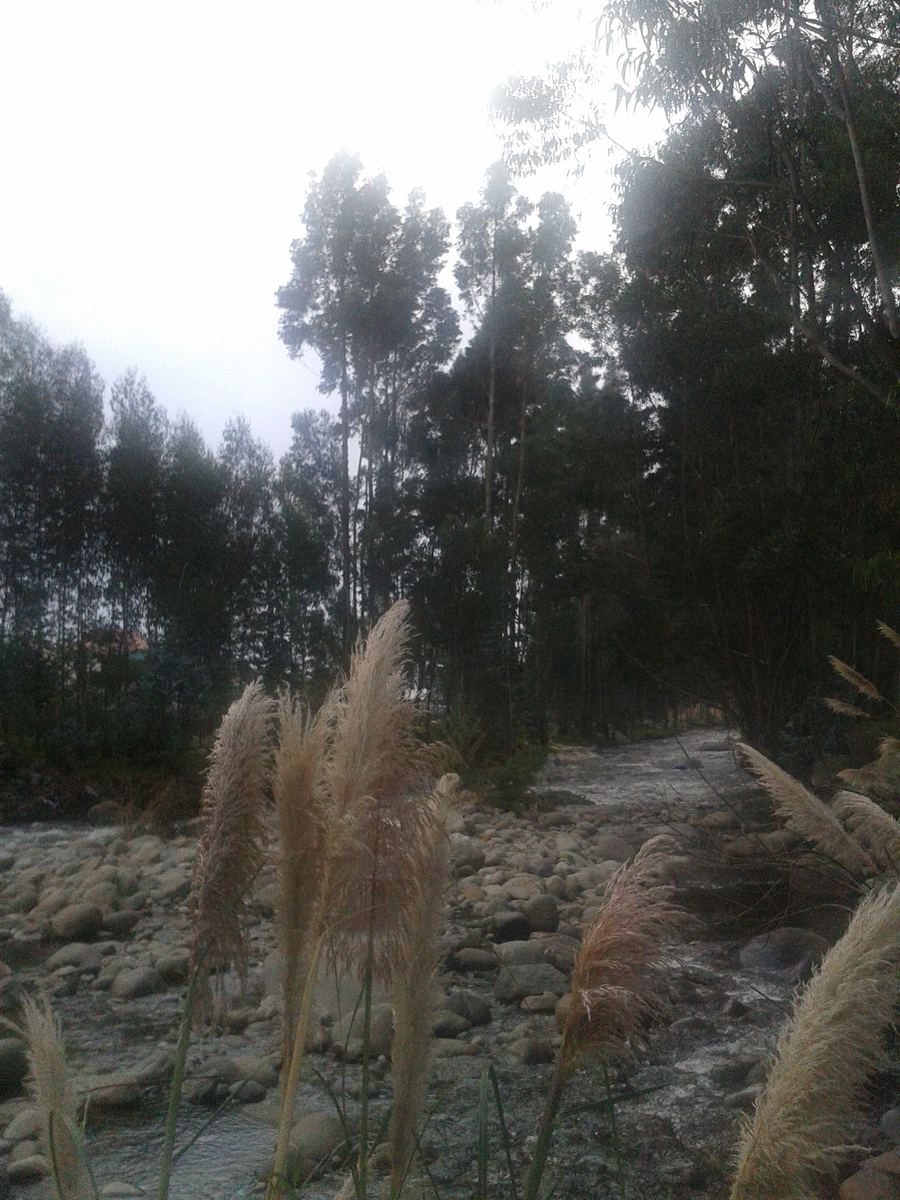
Yanuncay — A residential neighborhood along the southern river with large parks and low-rise apartments.
Angel Vázquez · CC BY-SA 3.0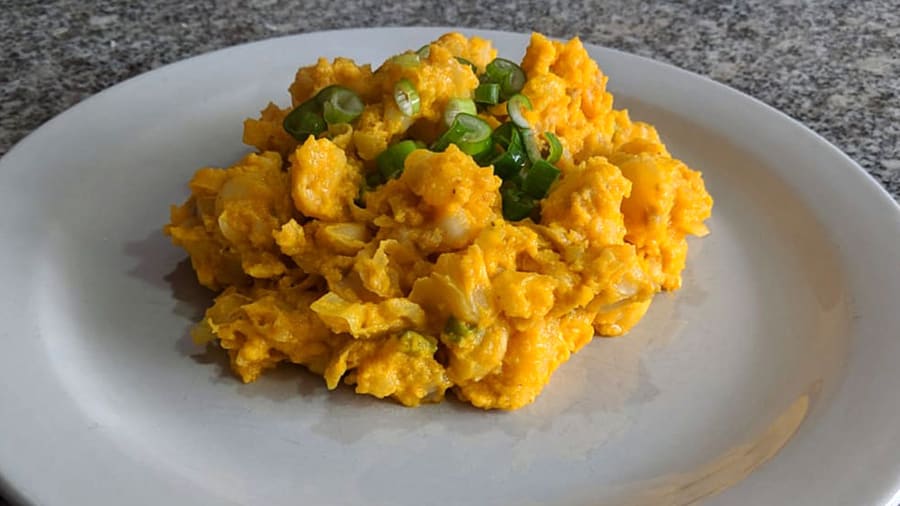
Mote pillo and slow-roasted hornado served with potato cakes.
Roduar · CC BY-SA 4.0highlights
landmark
Blue-tiled domes dominate the skyline. Climb the steep 158-step tower for an unblocked view across Parque Calderón.
Ask Parley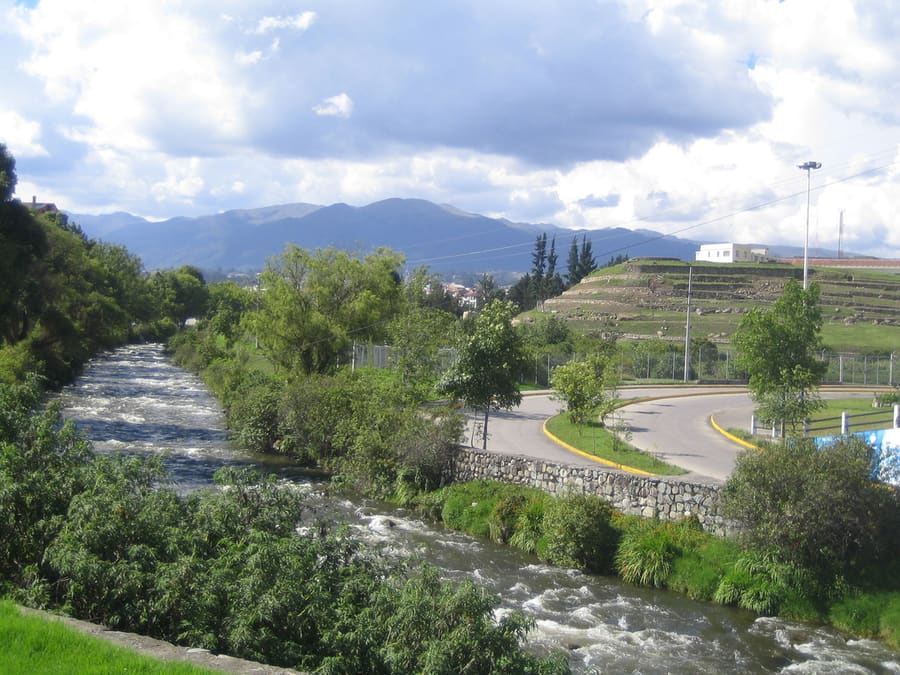
landmark
A green riverfront path along the Tomebamba separating old and new Cuenca. Walk here during daylight to bypass traffic.
Ask Parley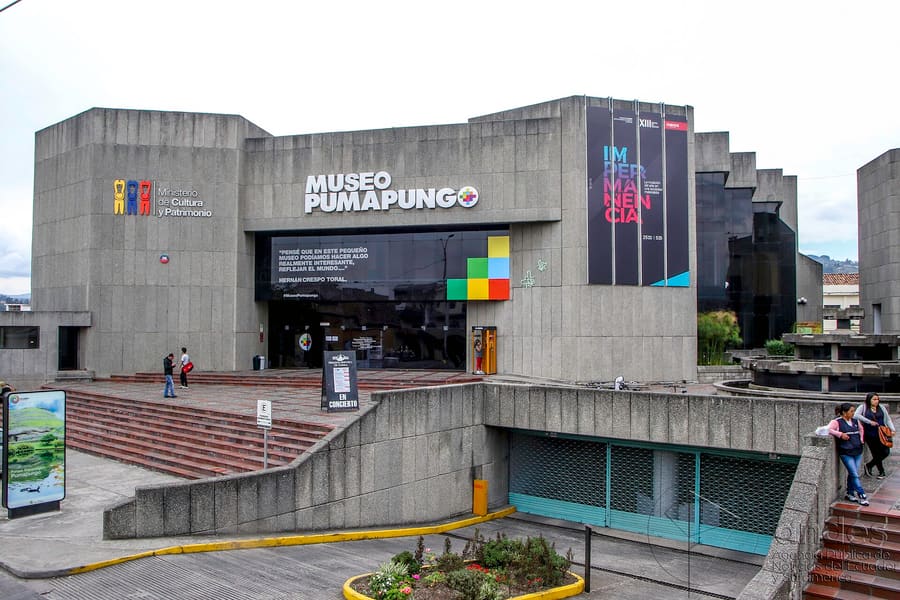
landmark
Inca ruins and botanical gardens behind a free museum. Bring your passport to enter the indoor exhibition halls.
Ask Parley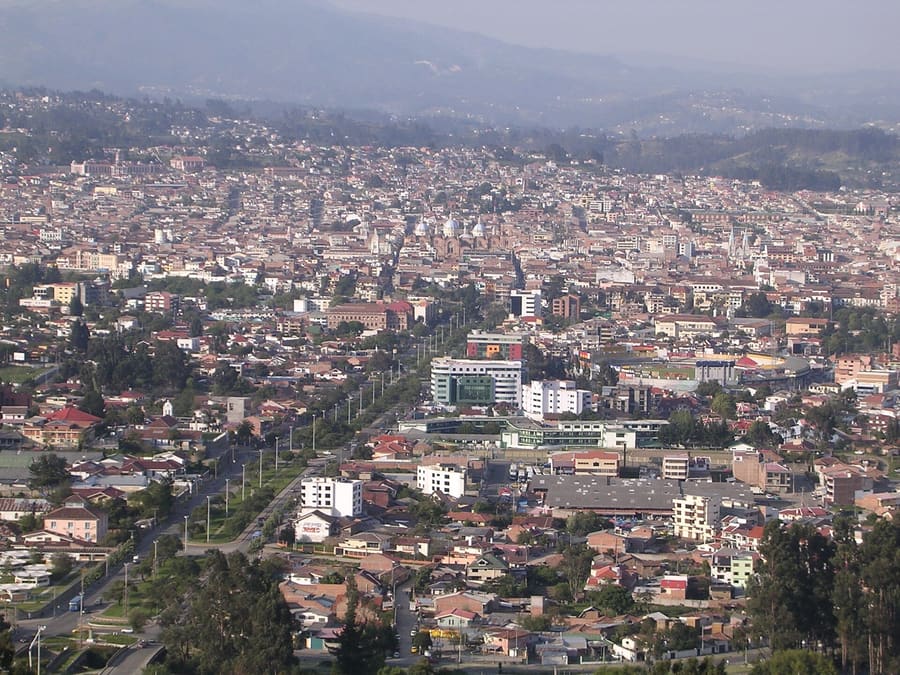
landmark
A hillside viewpoint overlooking the entire valley. Take a taxi up for sunset, but negotiate your return fare beforehand.
Ask Parleyattractions
areas
Mid-century avenues, tree-lined boulevards, and modern residential apartments south of the river.
NearbyUniversidad de Cuenca and Remigio Crespo Museum
Ask ParleyA residential neighborhood along the southern river with large parks and low-rise apartments.
NearbyParque Lineal Yanuncay and southern bus routes
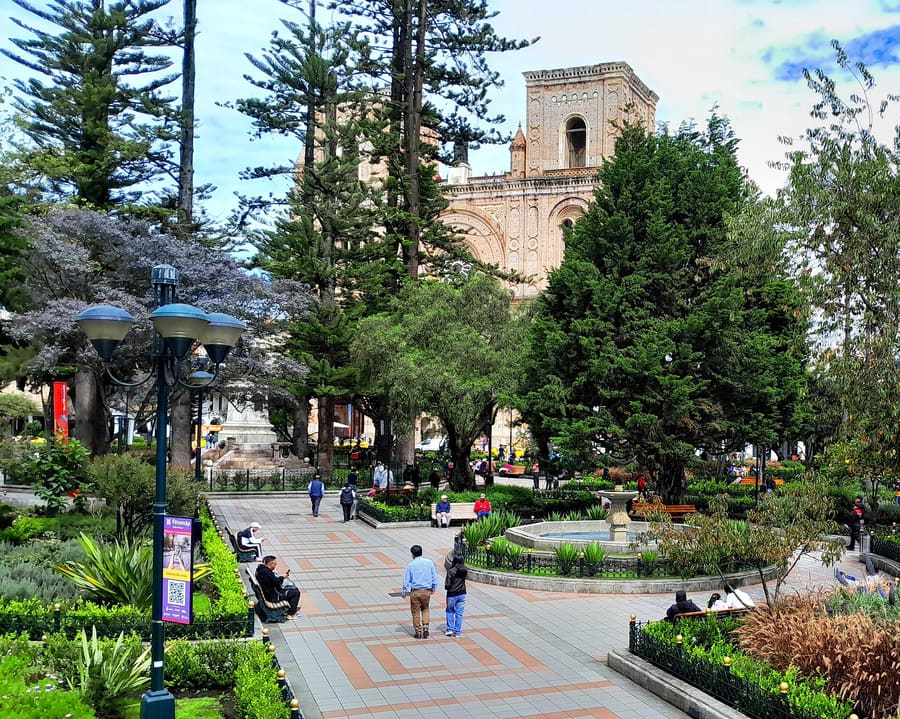
Ask ParleyCobblestone streets, colonial courtyards, and grand churches centered around Parque Calderón.
NearbyPlaza de las Flores and New Cathedral
Ask ParleyA quiet arts district centered on a leafy plaza with craft galleries and bakeries.
NearbyModern Art Museum and Tomebamba River
Ask Parleyfood
Cuenca's food culture centers on native Andean grains and slow-roasted pork. Lunch is the main meal of the day, served between 12:00 and 14:00 as an *almuerzo ejecutivo* featuring soup, a main plate, and juice. *Hornado* (whole roasted pig) and *mote pillo* (hominy cooked with scrambled eggs and green onions) appear on almost every traditional menu.
Mote pillo and slow-roasted hornado served with potato cakes.
Roduar · CC BY-SA 4.0Visit Mercado 10 de Agosto or Mercado 9 de Octubre around noon. Stallholders carve crispy pig skin and tender pork directly onto your plate.
Look for small neighborhood *picanterías* offering fixed-price lunch menus. You get a hearty soup, rice dish, fresh juice, and small dessert.
Market stalls and small eateries take cash only. Keep $1 and $5 bills handy, as stallholders rarely have change for $20 notes.
history
Cuenca sits on layers of indigenous and colonial settlements. Before Spanish arrival, the area served as the Cañari city of Guapondelig and later the Inca administrative center of Tomebamba. Spanish founders overlaid a strict grid system in 1557, using stone from Inca structures to build churches and public administrative halls.
Tomebamba founded
Inca Emperor Topa Inca Yupanqui builds Tomebamba over the conquered Cañari settlement of Guapondelig.
Spanish foundation
Gil Ramírez Dávalos founds Santa Ana de los Cuatro Ríos de Cuenca under orders from Viceroy Andrés Hurtado de Mendoza.
Independence declared
Cuenca declares independence from the Spanish Crown on November 3, establishing local rule.
UNESCO listing
UNESCO names the historic center a World Heritage site for its preserved Spanish grid layout and brick architecture.
where to stay
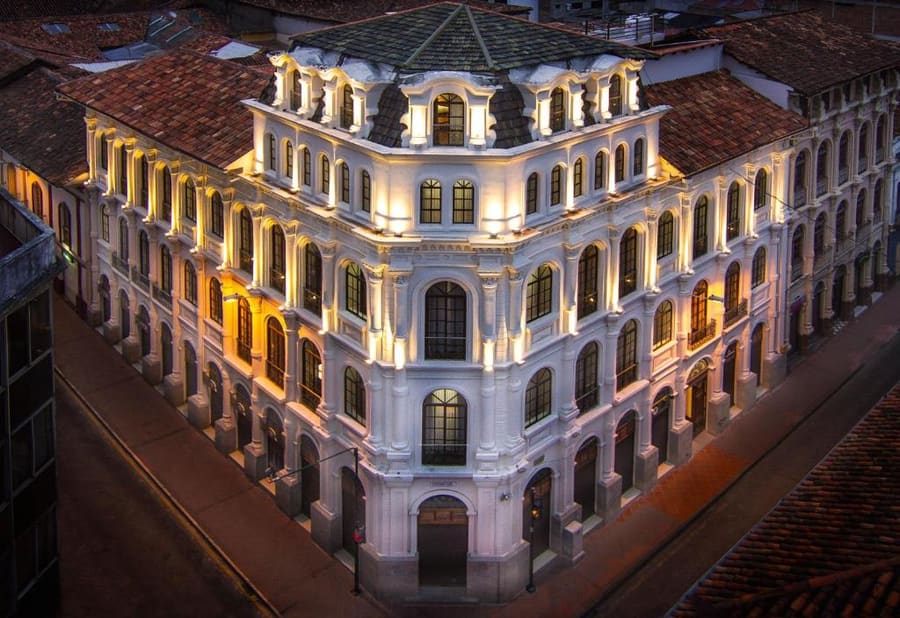
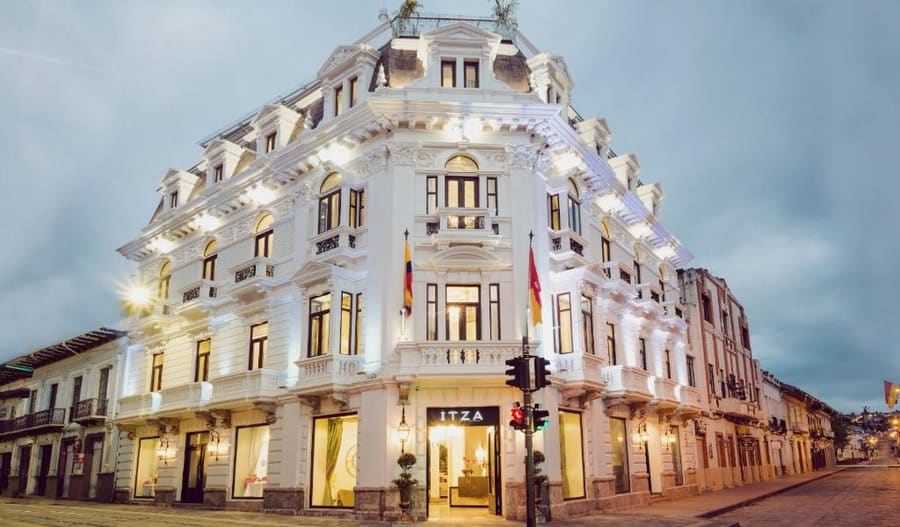
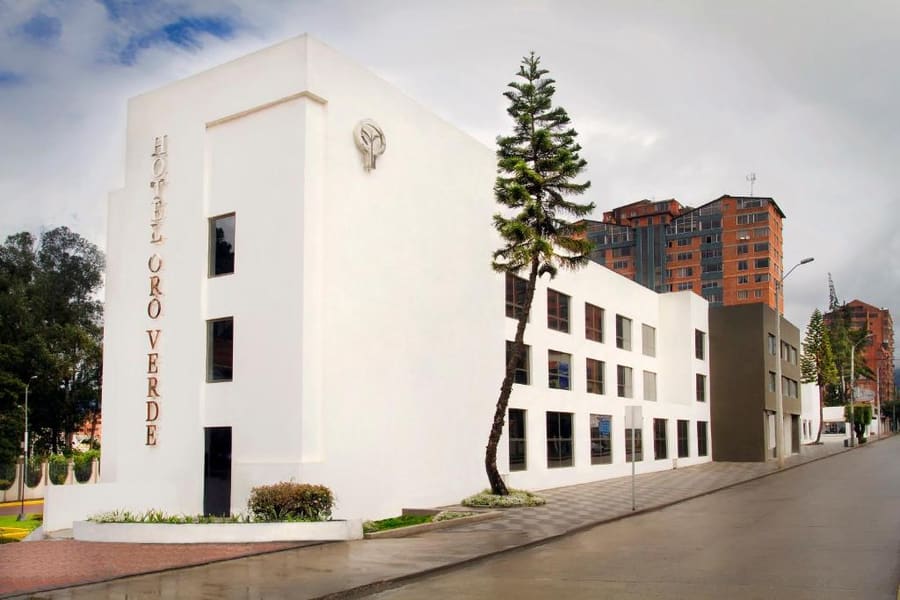
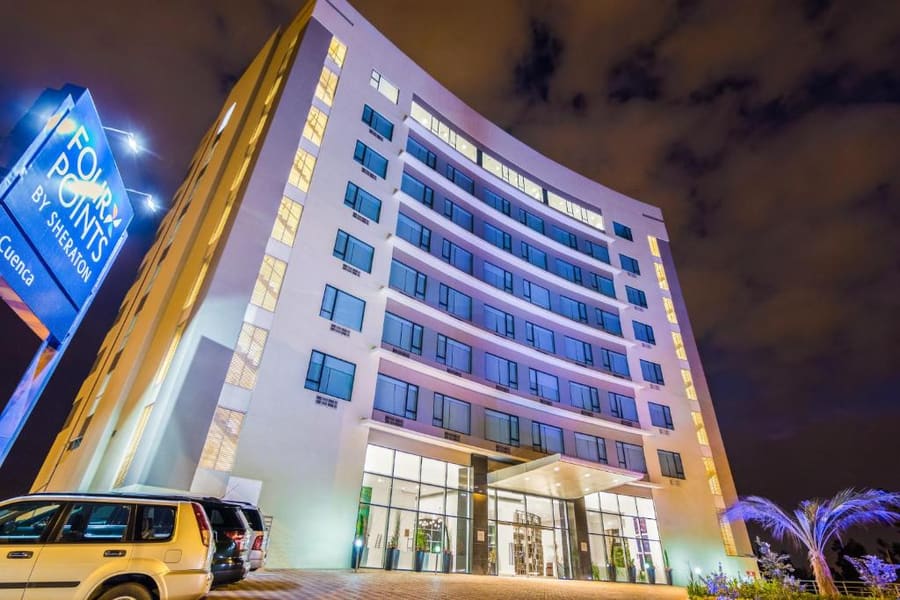
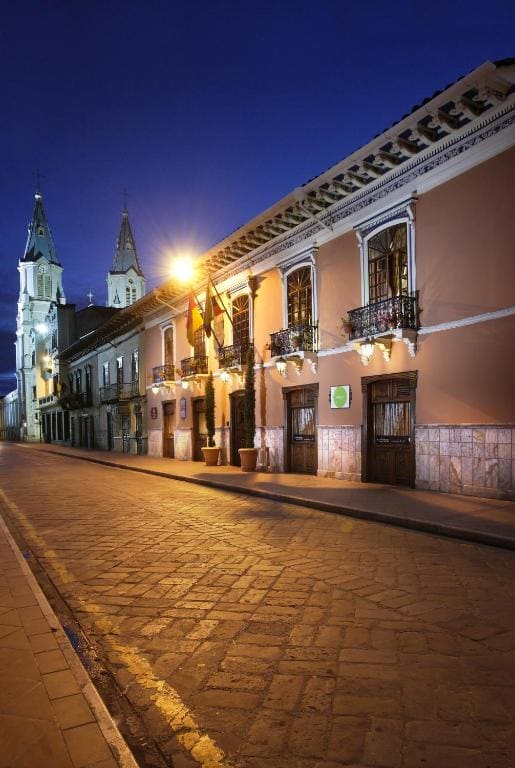
Choose your neighborhood by altitude, noise tolerance, and daily mobility. Staying in El Centro keeps you within walking distance of all major sights, though evening street noise can linger. San Sebastián offers a quieter residential atmosphere with independent cafes. El Ejido provides modern hotel layouts and flat walking terrain south of the Tomebamba River.
Live rates, matched to the areas above.
transport
Cuenca's central grid is dense and easy to walk, provided you adapt to the high altitude. The modern Tranvía line cuts diagonally across town, offering a clean, reliable link between the airport, bus terminal, and historic center. Buses cover outlying neighborhoods but require a local smartcard.
From Mariscal La Mar Airport (CUE)
Board at Aeropuerto station right outside terminal. Buy ticket at station kiosk before boarding.
Official yellow taxis sit outside arrivals. Ensure driver turns on the meter (*taxímetro*).
City buses require a recharge card (*Tarjeta Movilizate*). Trams offer easier cash-ticket access.
The Tranvía runs along Gran Colombia and Mariscal Sucre. Buy a single-ride paper ticket at kiosks on the platform prior to stepping aboard.
Yellow taxis are obliged to use meters daytime and nighttime. If a driver refuses, step out and take the next vehicle.
Cuenca is flat within El Centro, but river inclines require effort at 2,560 metres altitude. Take slow strides on uphill steps.
City buses do not take cash coins. Buy a Tarjeta Movilizate at major tram stations if you plan to use local bus lines.
cost
Ecuador uses the US Dollar as its official currency. Cuenca offers significantly lower living and travel costs than Quito or Guayaquil. Cash is required for markets, taxis, and small bakeries, while credit cards are accepted in mid-range and high-end establishments.
A two-course set lunch with soup, main dish, and fresh juice at a local eatery.
Single-ride ticket purchased at platform vending machines.
Filter coffee or espresso drinks at modern cafes around Plaza San Sebastián.
Guided hiking trip to Cajas National Park including private transport.
seasonality
JUN – AUG
Driest months with clear skies and cool mountain breezes. Warmest daytime walking conditions.
SEP – NOV
Moderate rain with sunny mornings. November 3 Independence celebrations bring heavy local crowds.
DEC – FEB
Frequent afternoon rain showers. Christmas parades on December 24 fill El Centro streets.
MAR – MAY
Wettest period with heavy afternoon downpours. Rivers run high; carry a reliable waterproof shell.
practicalities
Cuenca sits at 2,560 metres altitude. Drink extra water on your first two days to prevent headaches.
Shops close between 13:00 and 15:00 for lunch. Most businesses close by 19:00 and shut completely on Sunday.
Ecuador uses the US dollar. Carry $1, $5, and $10 bills, as $20 and $50 notes are frequently refused.
Río Tomebamba currents run fast and strong after heavy rains. Swim in designated thermal pools in Baños, never the river.
Equatorial sun burns quickly at high altitude. Apply sunscreen even on overcast mornings.