landmark
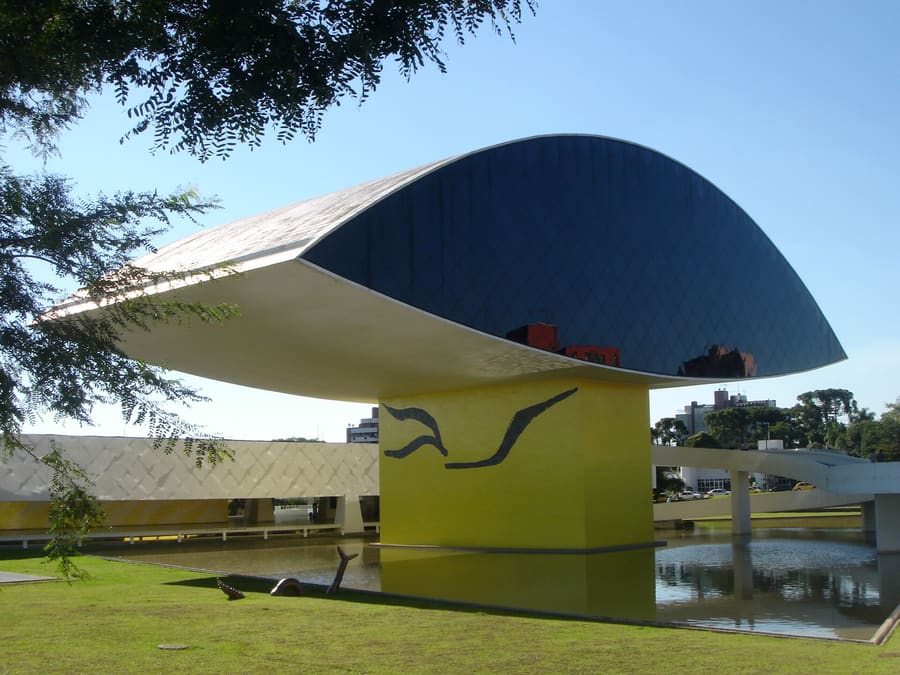
Museu Oscar Niemeyer
The eye-shaped tower holds modern art and design exhibits. Wednesdays feature free entry for all visitors.
Ask ParleyBrazil
Brazil's capital of urban design, cold beer, and pine nuts.
introduction
Curitiba sits on a high plateau 900 metres above sea level in southern Brazil. Urban planner Jaime Lerner redesigned the city in the 1970s around rapid transit buses and flood-control parks instead of concrete canals. You move through it easily using glass tube stations and designated express lanes. Expect cool temperatures, meticulous organization, and a distinct pub culture centered on raw beef snacks and craft brews.
UNESCO Design Capital
UNESCO designated Curitiba a City of Design for its pioneering urban transit and sustainable park system.
Linha Turismo route strategy
Buy the Linha Turismo 24-hour pass at any official stop. It lets you board endlessly at 26 key city attractions.
Curitiba
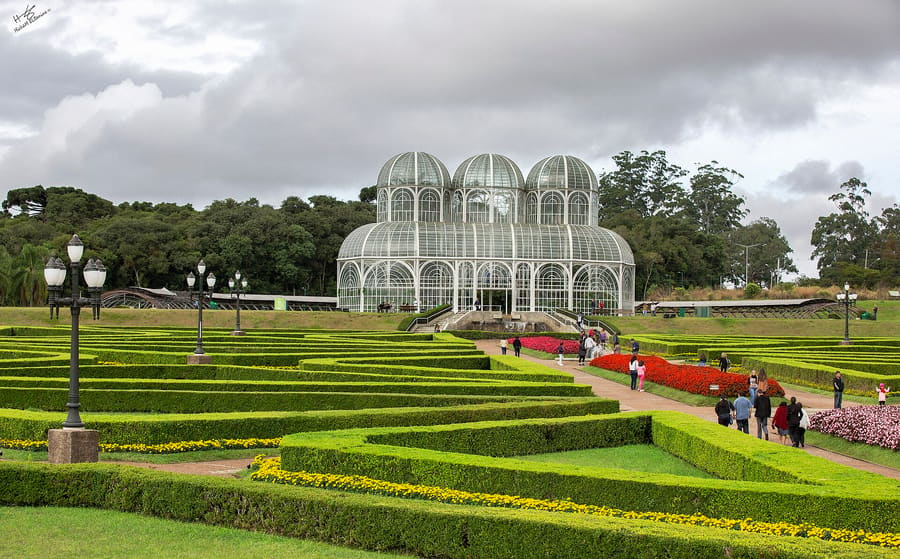
Hicham El Banine · CC BY-SA 4.0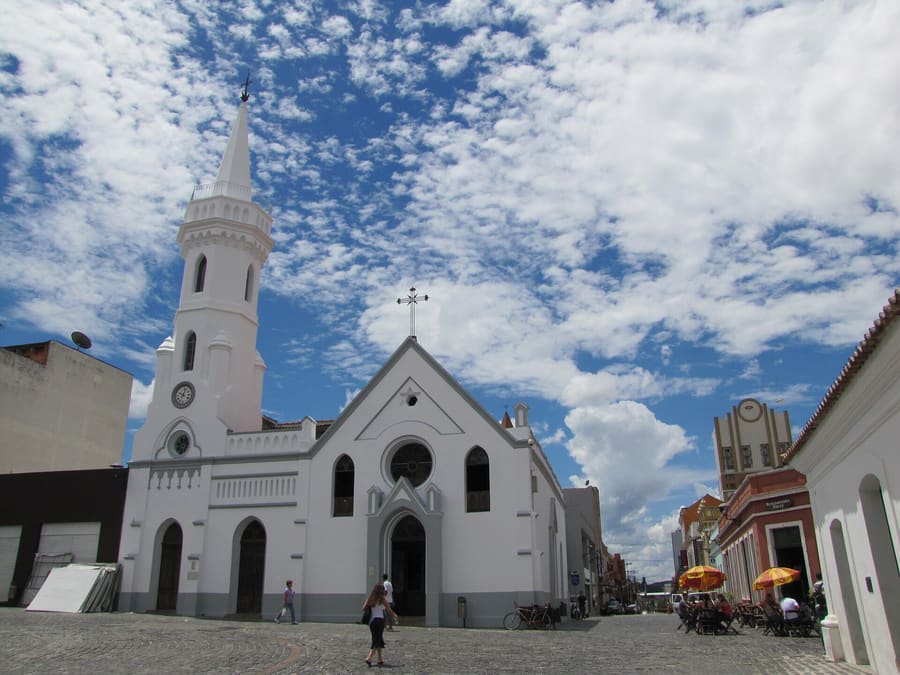
São Francisco — Historic cobblestone area packed with traditional boteco bars and craft markets.
Guilmann · CC BY-SA 3.0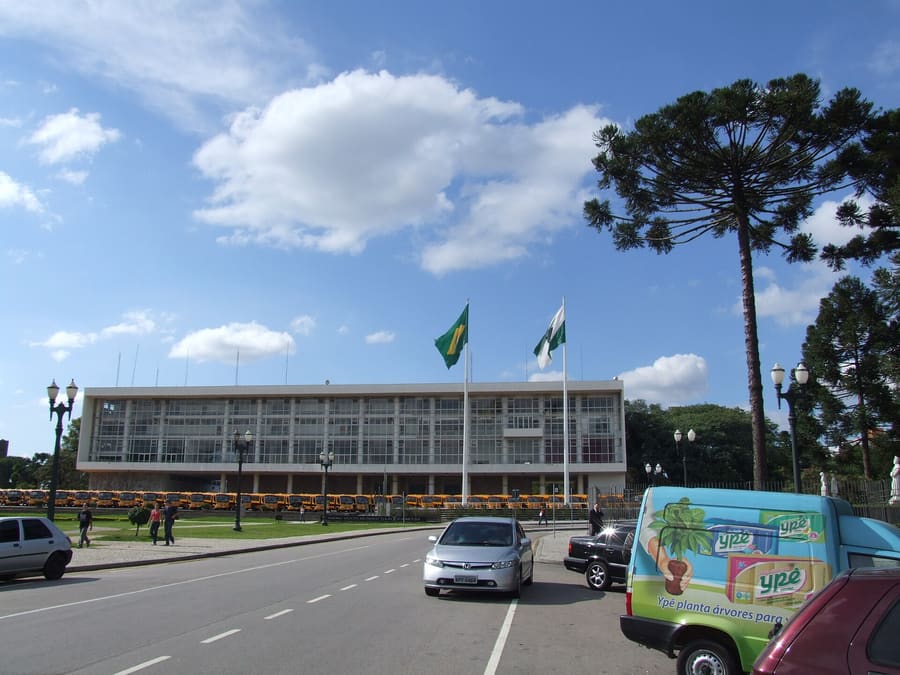
Centro Cívico — Government district with wide avenues, modern architecture, and design museums.
Deyvid Setti e Eloy Olindo Setti · CC BY 3.0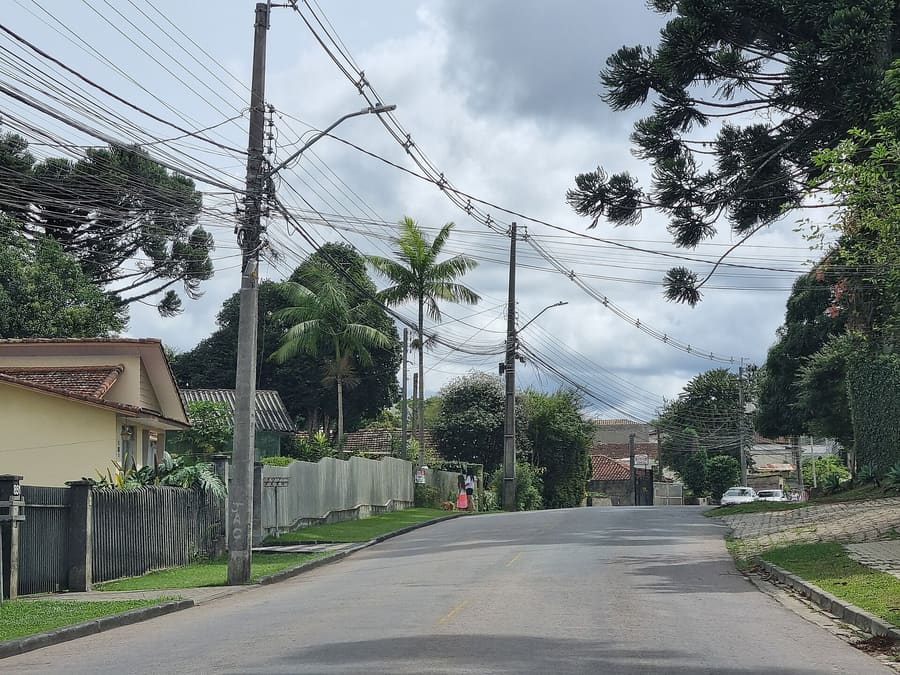
Santa Felicidade — Suburban Italian enclave known for family-style rodízio dining halls and wineries.
Fronteira · CC BY-SA 4.0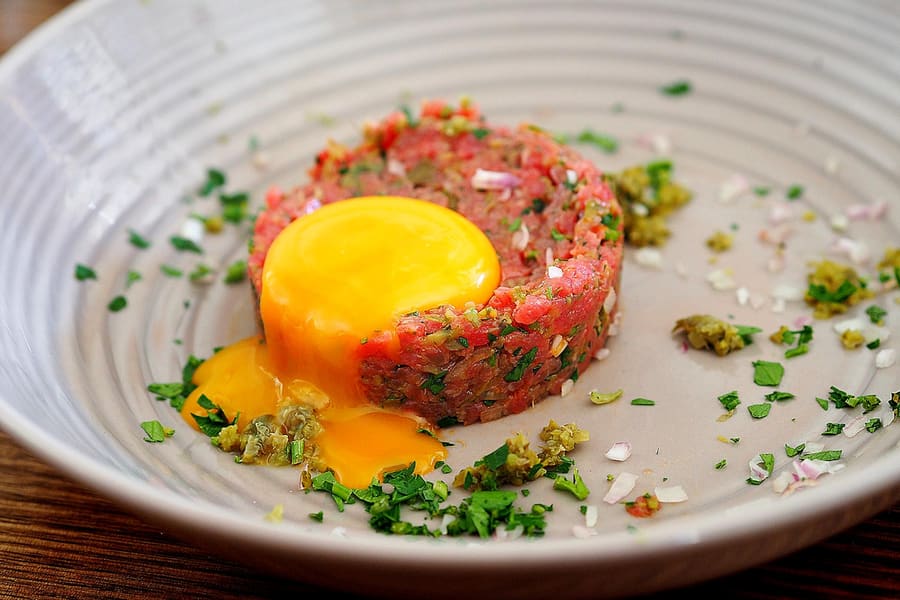
Carne de onça served at a traditional Curitiba boteco.
insatiablemunch · CC BY 2.0highlights
landmark
The eye-shaped tower holds modern art and design exhibits. Wednesdays feature free entry for all visitors.
Ask Parley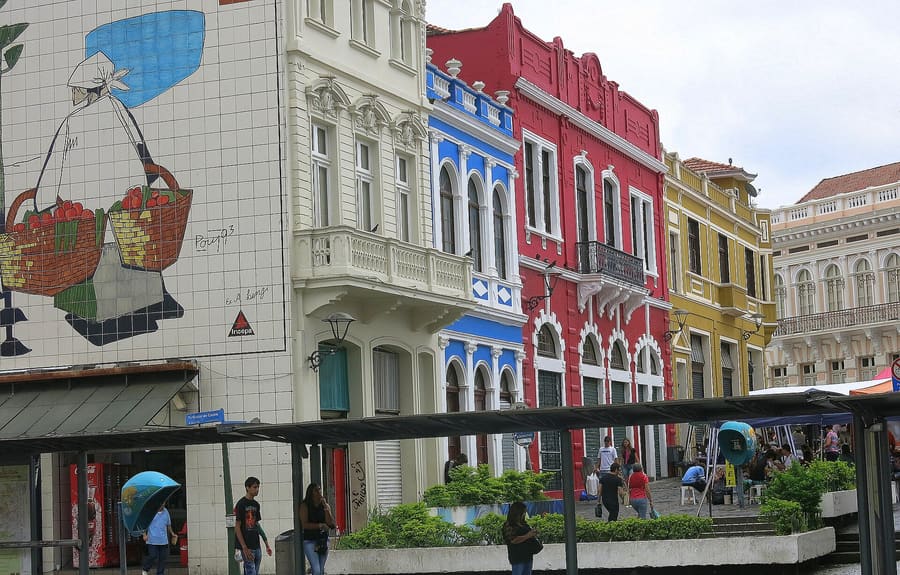
landmark
A massive Sunday street market fills the historic center. Arrive before 10:00 to browse handicrafts comfortably.
Ask Parley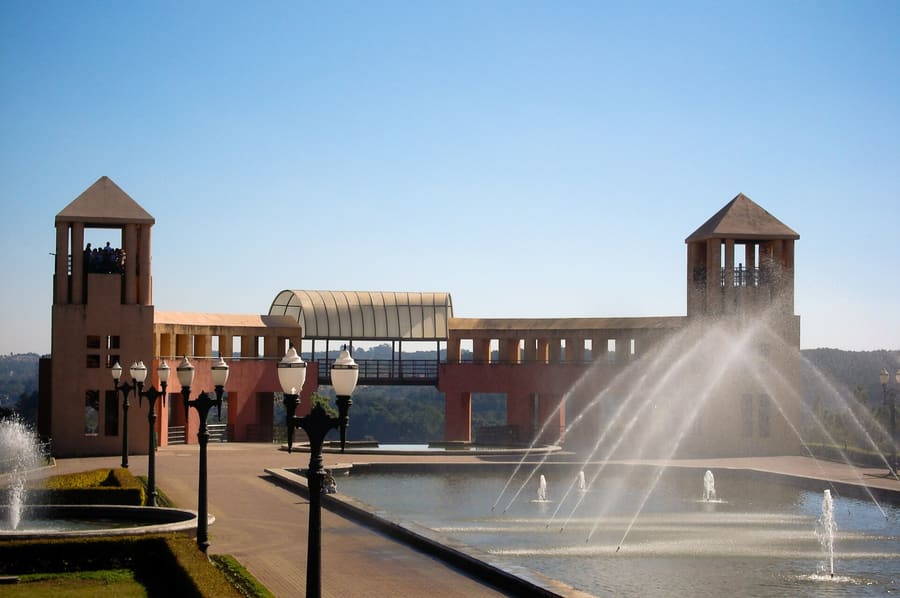
landmark
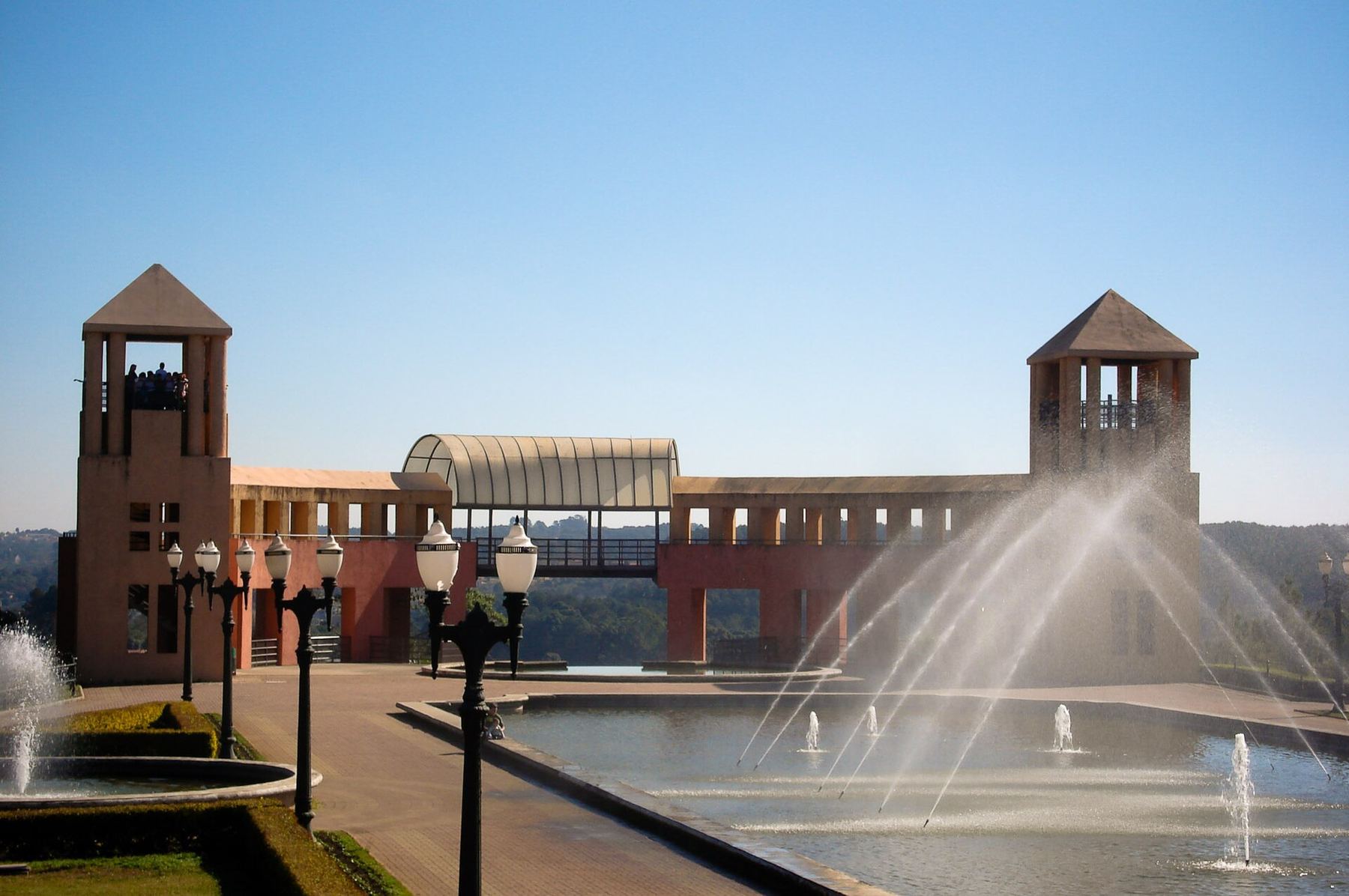
Built in a former quarry, this park features a waterfall and lookout. Head to the top deck at sunset for sweeping views.
Ask Parley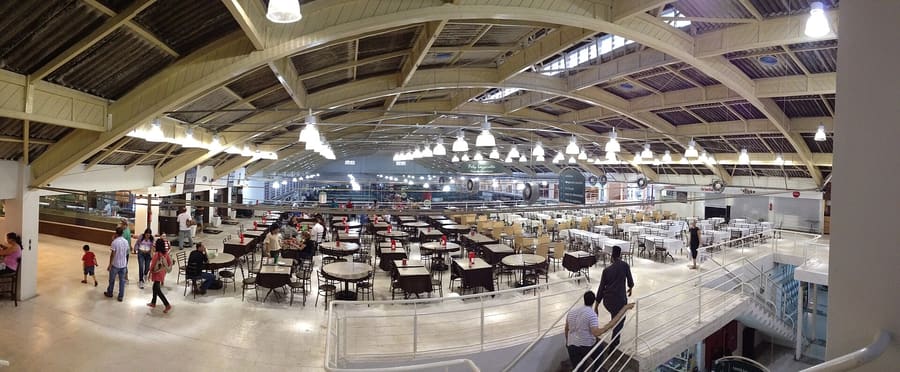
landmark
The main culinary market serves local produce and hot dishes. Try pastel filled with roasted pinhão pine nuts.
Ask Parleyattractions
areas
Historic cobblestone area packed with traditional boteco bars and craft markets.
NearbyLargo da Ordem and Mesquita de Curitiba.
Ask ParleyGovernment district with wide avenues, modern architecture, and design museums.
NearbyMuseu Oscar Niemeyer and Bosque Papa João Paulo II.
Ask ParleySuburban Italian enclave known for family-style rodízio dining halls and wineries.
NearbyAvenida Manoel Ribas dining corridor.
Ask ParleyUpscale residential district with shopping malls, wine bars, and high-end dining.
NearbyPraça da Espanha and Shopping Pátio Batel.
Ask Parleyfood
Curitiba dining skips coastal seafood in favour of hearty cold-climate pub fare and European settler traditions. The city's signature dish is carne de onça, raw ground beef seasoned with cognac, garlic, mustard, and olive oil, topped with dense green onions and served on dark rye bread. In autumn and winter, street stalls and markets roast pinhão—the rich seeds of the native Araucaria pine tree—served plain or incorporated into stews and pastéis. For Sunday lunch, locals head to Santa Felicidade for family-style Italian feast spreads featuring fried chicken, polenta, and house wine.
Carne de onça served at a traditional Curitiba boteco.
insatiablemunch · CC BY 2.0Harvest season runs from April through July. Freshly roasted seeds appear at street stalls throughout winter.
Madalosso serves thousands of covers daily. Go for late weekday lunches to avoid two-hour weekend queues.
history
Founded in 1693 as a gold mining camp, Curitiba spent two centuries as a modest cattle-trading post along the path between Rio Grande do Sul and São Paulo. The late 19th century brought massive waves of Polish, Ukrainian, German, and Italian immigrants, who established agricultural colonies around the town perimeter. In 1971, Mayor Jaime Lerner rejected expensive subway projects and car-centric highways, instead turning downtown streets into pedestrian zones and creating the world's first Bus Rapid Transit system. That decision transformed Curitiba into an international case study for practical urban planning.
Gold camp founded
Portuguese settlers establish Nossa Senhora da Luz dos Pinhais, later renamed Curitiba.
Paraná state capital
Curitiba splits from São Paulo province to become the administrative capital of Paraná.
European immigration
Polish, Italian, Ukrainian, and German families settle rural colonies, shaping local food and culture.
Lerner urban revolution
Mayor Jaime Lerner installs express bus lanes and pedestrianizes Rua XV de Novembro in 72 hours.
RIT transit system expands
Tubular bus stops open across the city, allowing rapid level boarding for all passengers.
where to stay
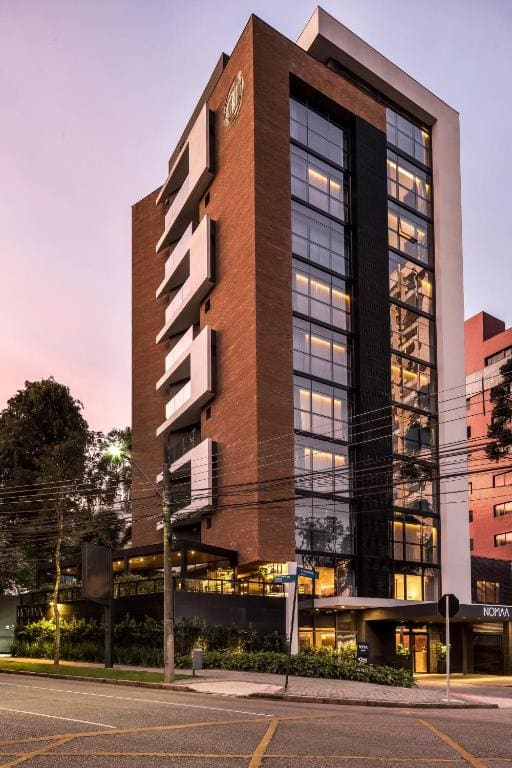
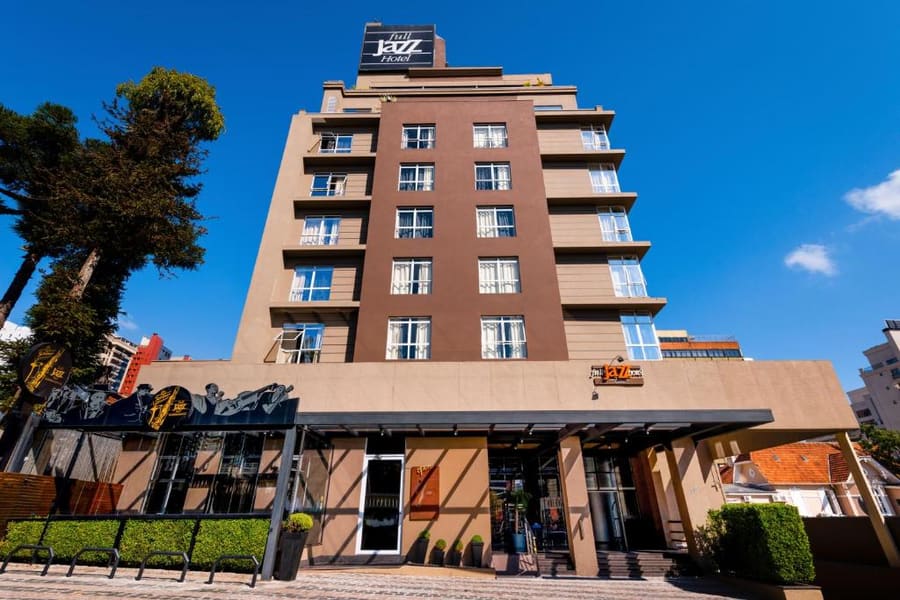
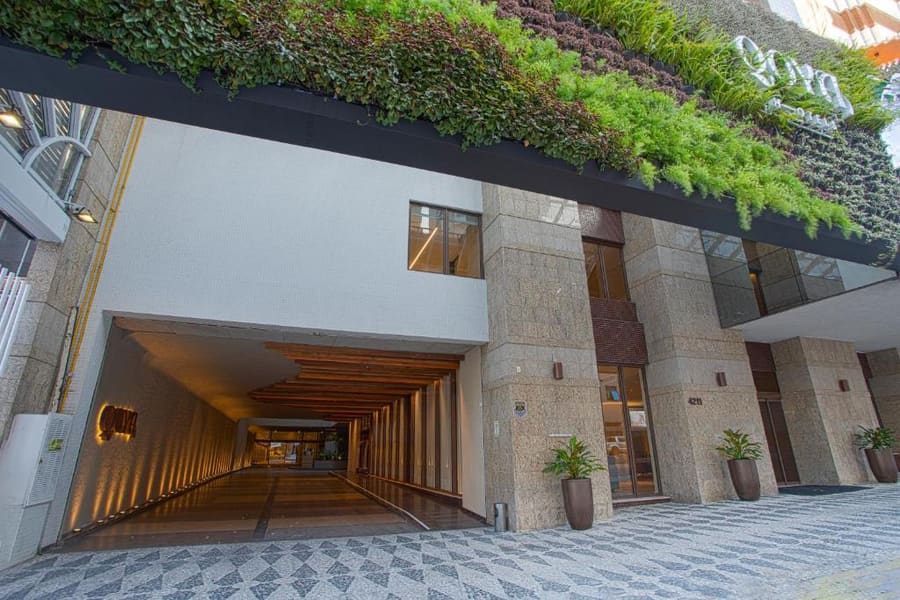
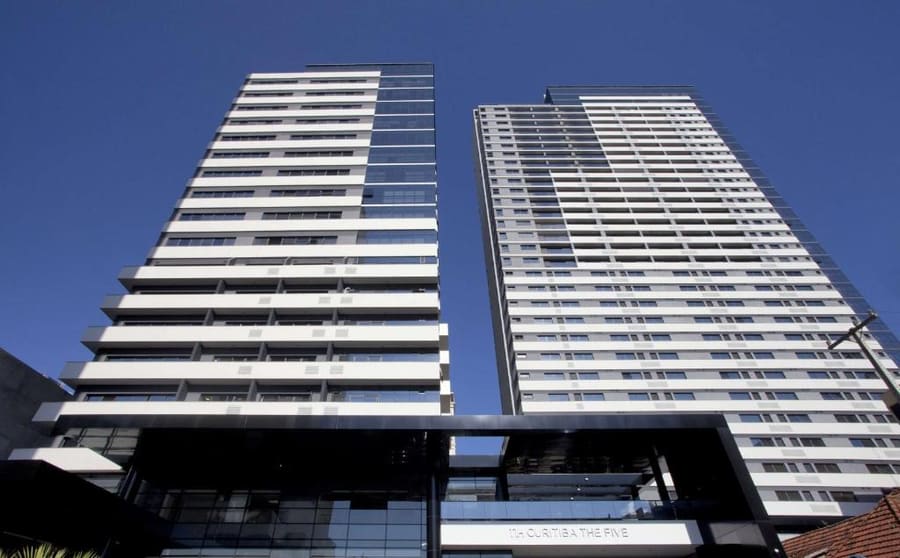
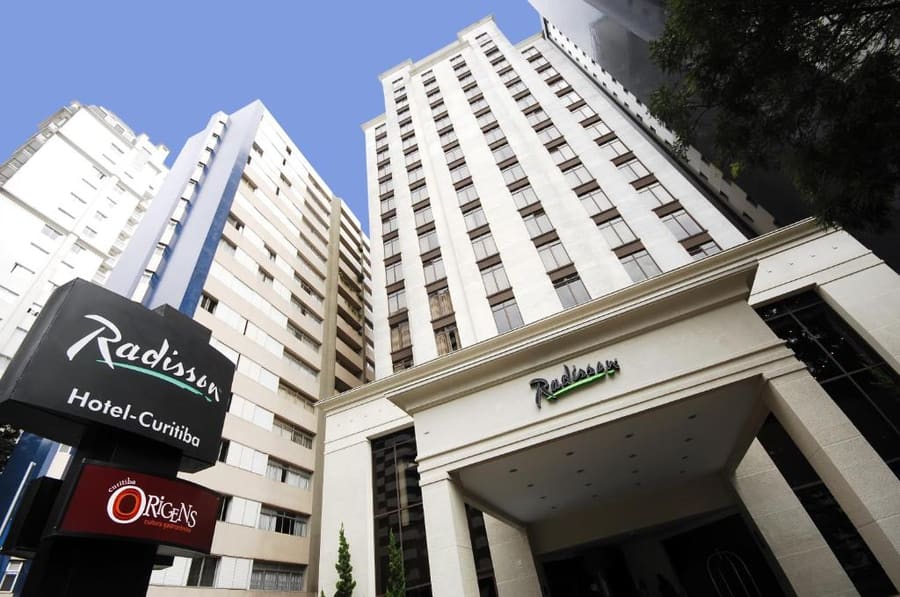
Choose your neighborhood based on your evening habits. Batel offers walkable dining and boutique hotels but requires rideshare trips to reach historic sights. Downtown and Centro Cívico put you within walking distance of museums and bus routes, though central streets grow quiet after business hours. If you want craft beer bars on your doorstep, base yourself near São Francisco.
Live rates, matched to the areas above.
transport
Curitiba's urban transit system (Rede Integrada de Transporte) uses dedicated bus lanes and iconic glass tube stations. You pay a flat fare upon entering the tube station and can transfer between express red lines and feeder yellow lines without paying again. Rideshare cars are plentiful and inexpensive for destinations off the express bus routes.
From Afonso Pena International Airport (CWB)
Pick-up area is right outside the main arrival hall door.
Official airport taxis accept credit cards at prepaid airport kiosks.
Bus fare is R$ 6.00 flat rate. Pay with contactless debit/credit card directly at the tube station turnstile.
Red buses (Expresso) run in dedicated center lanes; grey buses (Ligeirinho) stop only at major tubes; yellow buses feed residential areas.
The official tourist bus costs R$ 50 for 24 hours. It covers 26 sights with unlimited re-boarding.
Express buses bypass automobile gridlock from 07:30 to 09:00 and 17:30 to 19:00.
cost
Curitiba offers better value than Rio de Janeiro or São Paulo. Dining and transport prices remain affordable for foreign visitors, though high-end restaurants in Batel match major metropolis prices.
Local breweries like Bodebrown serve draft IPA and pilsner across neighbourhood pubs.
A generous platter intended for sharing between two people at traditional botecos.
Single entry fare lets you transfer indefinitely within the integrated network.
Covers round-trip transit to distant parks like Tanguá and Wire Opera House.
seasonality
DEC – FEB
Warm and humid with frequent afternoon rain showers. Highs average 27°C. Pack an umbrella for daily downpours.
MAR – MAY
Mild temperatures and crisp air. Pine nut season starts in April. Ideal weather for walking city parks.
JUN – AUG
Coldest months with night drops down to 5°C. Crisp sunny days suit sightseeing, but unheated indoor spaces feel chilly.
SEP – NOV
Spring blossoms bloom across public parks. Variable weather requires layers for shifting daytime temperatures.
practicalities
Most retail shops close on Sundays, but Largo da Ordem market operates from 09:00 to 14:00.
Southern Brazilian hotel rooms and budget restaurants rarely feature central heating; pack warm sleepwear in winter.
Contactless card payments work almost everywhere, including street market stalls.
City parks are safe during daylight hours but lack lighting after dark; leave major parks by sunset.
Try quentão during June winter festivals—hot spiced mulled wine cooked with ginger and sugar.