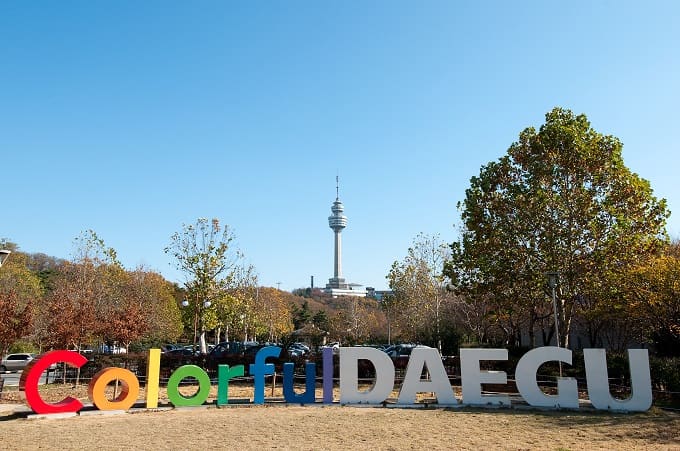
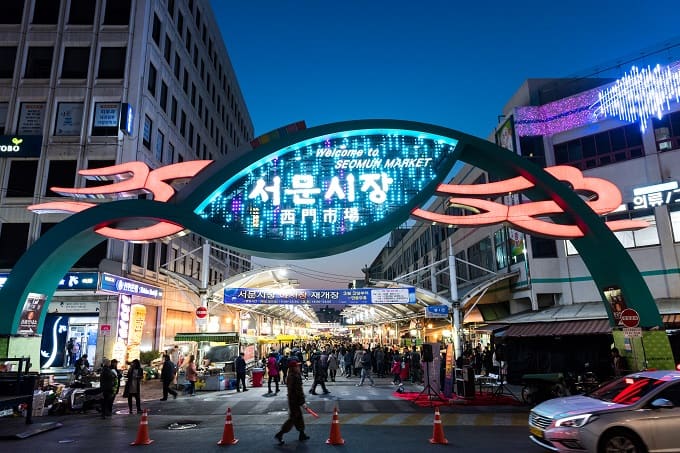
landmark
Seomun Market
One of Korea's oldest trade hubs with over 4,000 stalls. Visit after 19:00 for the night food market at Sector 5.
Ask ParleySouth Korea
A textile and herbal medicine hub framed by mountain ridges.
introduction
Daegu sits in a inland basin framed by low mountains, making it South Korea's hottest city in summer. The city built its economy on textiles and traditional herbal medicine, connected today by an elevated monorail. You come here to eat regional specialties like spicy braised beef ribs and explore night markets away from Seoul's tourist crowds.
UNESCO City of Music
UNESCO named Daegu a Creative City of Music in 2017 for its opera heritage and musical theatre festivals.
Monorail viewing tip
Line 3 runs as an elevated monorail across the city center. Sit in the front car for unobstructed urban views.
Daegu
ASDFGHJ (talk) · CC BY-SA 2.0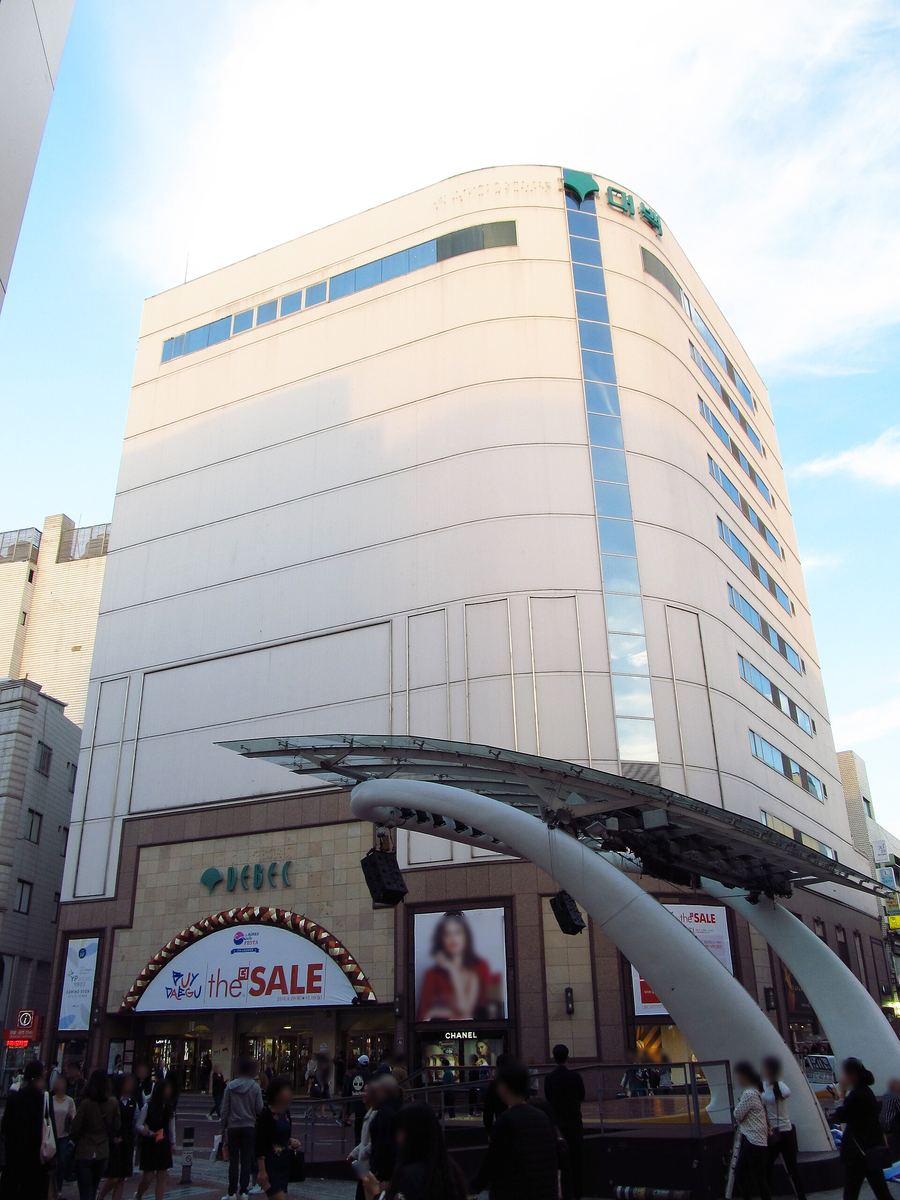
Dongseong-ro — High-density shopping district filled with cosmetics, apparel, and late-night drinking alleys.
LERK · CC BY-SA 4.0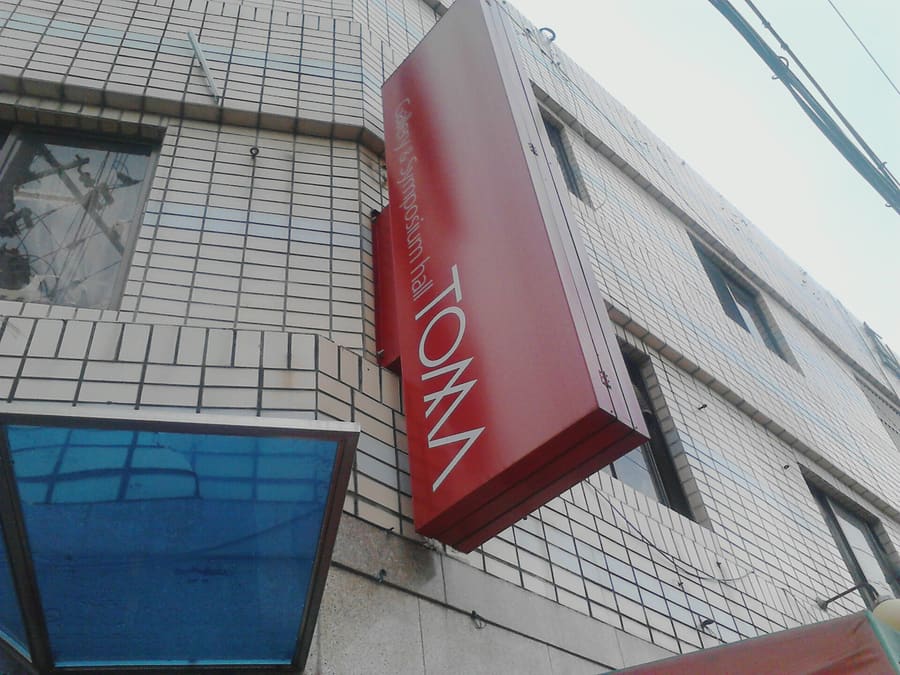
Daebong-dong — Low-rise neighborhood centered around music murals, specialized coffee bars, and small design studios.
kajikawa · CC BY 3.0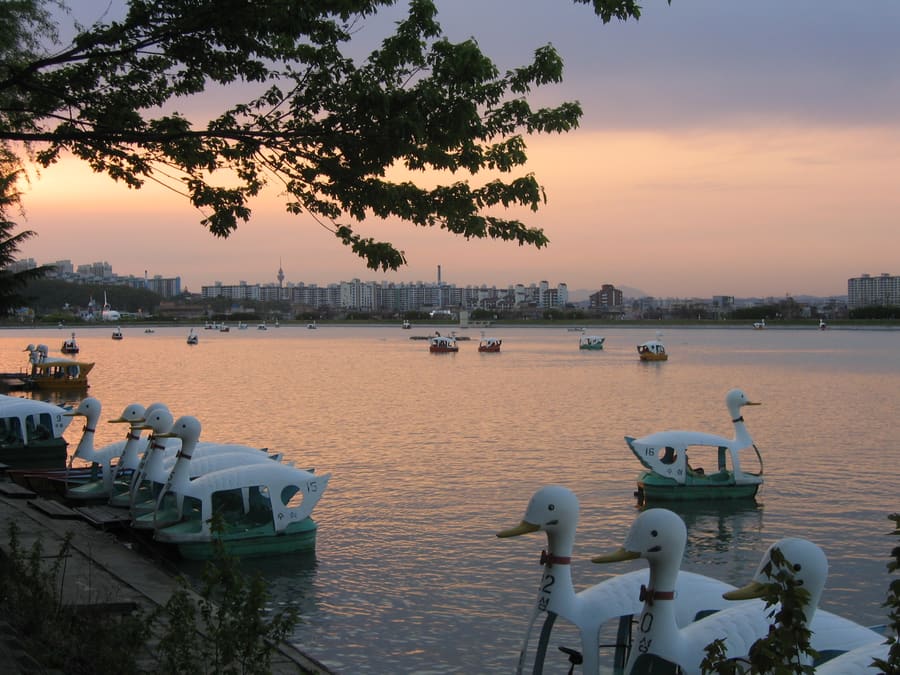
Suseong Lake — Upscale residential quarter anchored by an artificial lake, wide promenades, and polished restaurants.
Thorfinn Stainforth · CC BY-SA 3.0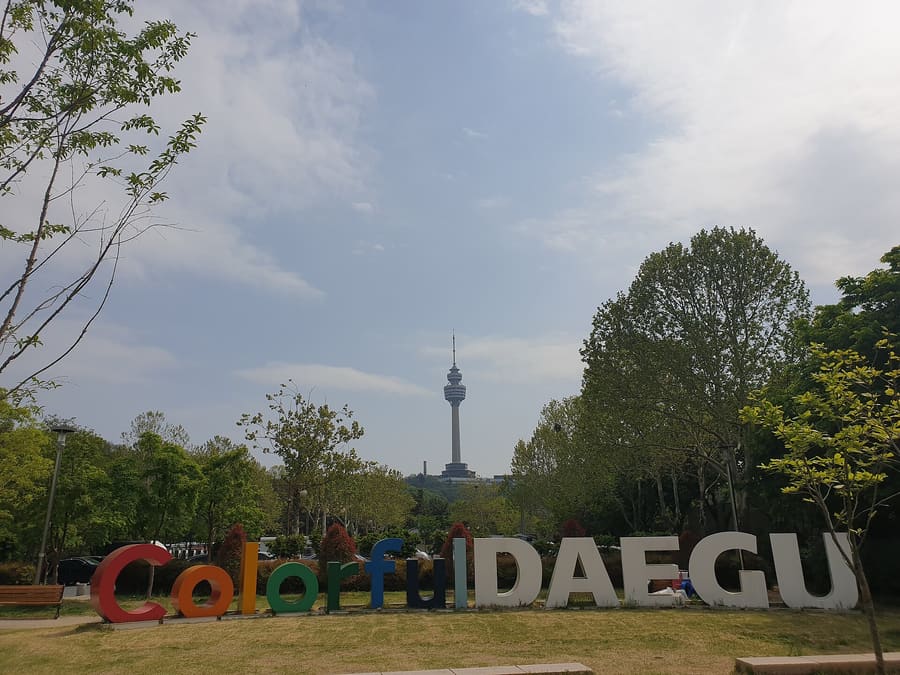
Duryu — Sprawling park district home to the city tower, theme park rides, and open green space.
Choi2451 · CC BY-SA 3.0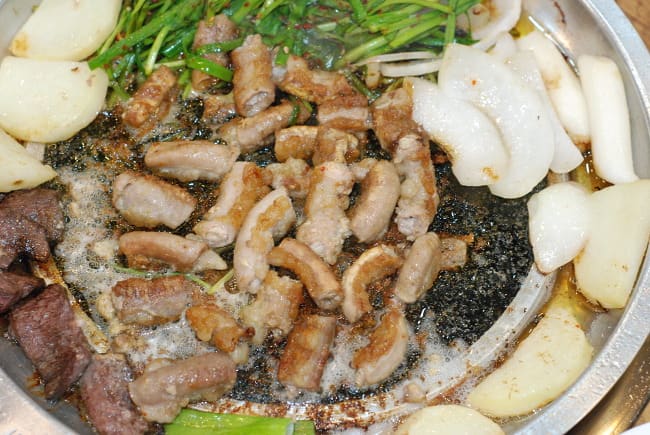
Grilled pork entrails (makchang) sizzling over charcoal at Anjirang Market.
뚱표아빠의 세상사는 이야기 · CC BY 4.0highlights
landmark
One of Korea's oldest trade hubs with over 4,000 stalls. Visit after 19:00 for the night food market at Sector 5.
Ask Parley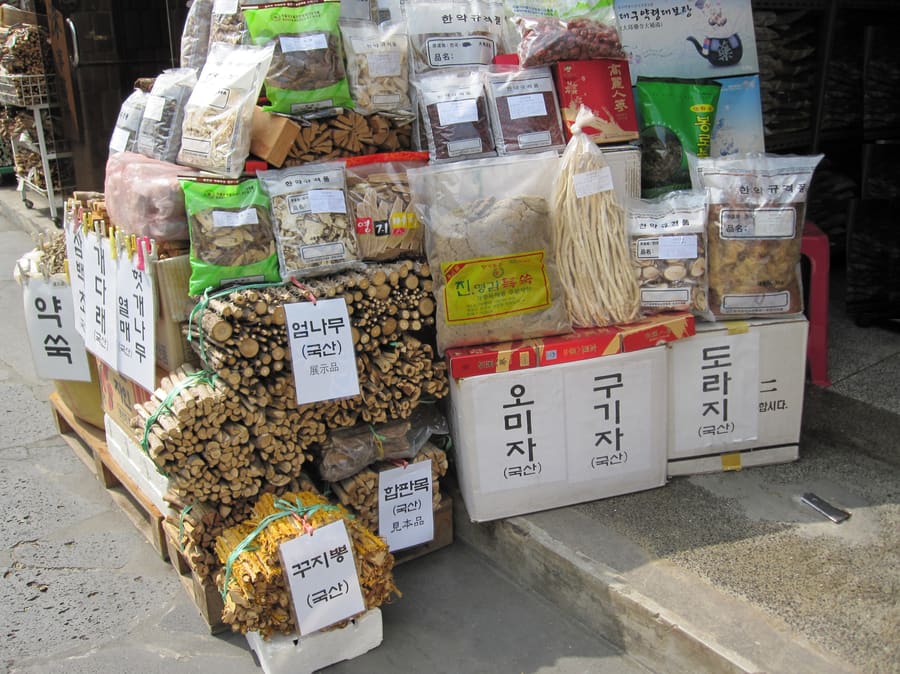
landmark
Centuries-old trade center for Korean medicine. Walk along the main drag to smell dried roots and try herbal foot baths.
Ask Parley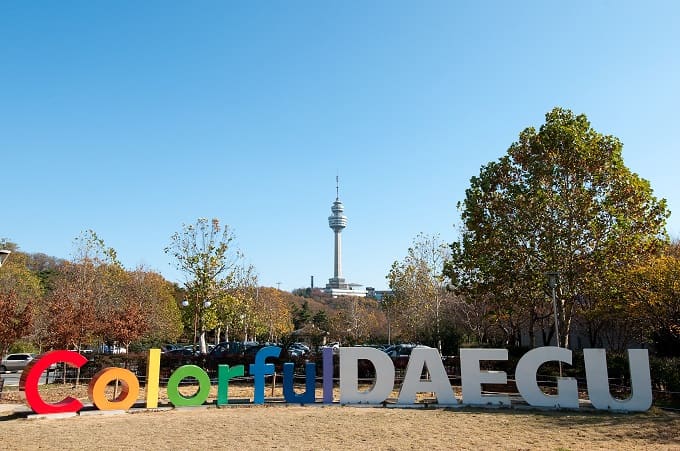
landmark
A 202-meter communications tower above Duryu Park. The 77th-floor observatory deck gives a full panoramic view of the western district.
Ask Parleyattractions
areas
High-density shopping district filled with cosmetics, apparel, and late-night drinking alleys.
NearbyYangnyeongsi Herbal Market and Banwoldang Station.
Ask ParleyLow-rise neighborhood centered around music murals, specialized coffee bars, and small design studios.
NearbyKim Gwang-seok Street and Shincheon River park.
Ask ParleyUpscale residential quarter anchored by an artificial lake, wide promenades, and polished restaurants.
NearbySuseong Motel metro stop and Apsan Park trails.
Ask ParleySprawling park district home to the city tower, theme park rides, and open green space.
Nearby83 Tower and Duryu Station on Line 2.
Ask Parleyfood
Daegu cuisine favors deep heat and garlic over subtle seasoning. The city is famous for dongin-dong jjimgalbi, tender beef short ribs stewed in aluminum pots with crushed garlic and dried red pepper. At night, locals gather along Anji-rang Alley for makchang, crispy grilled pork entrails served with a fermented soybean dipping sauce. For breakfast, ttaro gukbap separates spicy beef blood soup from the rice bowl, an innovation created in Daegu during the Korean War.
Grilled pork entrails (makchang) sizzling over charcoal at Anjirang Market.
뚱표아빠의 세상사는 이야기 · CC BY 4.0Head to Dongin-dong for authentic spicy braised ribs. Order mild spice unless you tolerate intense chili heat.
Over 50 grilled gut restaurants pack this street. Most places open by 16:00 and stay busy until 02:00.
Try these paper-thin dumplings at Seomun Market. They come topped with spring onions and chili powder.
history
Daegu grew as an administrative and commercial center during the Joseon Dynasty. Its geographic position inside a basin protected it during early conflicts and encouraged trading markets. In 1658, the royal court established the Yangnyeongsi herbal market, cementing the city's role in traditional medicine. During the Korean War, Daegu remained behind the Pusan Perimeter, housing refugees and protecting cultural archives before transforming into South Korea's textile manufacturing powerhouse in the 1970s.
Herbal Market Established
King Hyojong authorizes official bi-annual herbal medicine trading in Daegu.
Gyeongbu Railway Opens
The rail line links Daegu directly to Seoul and Busan, accelerating industrial growth.
Korean War Perimeter
Daegu serves as a crucial defensive base and temporary sanctuary during the conflict.
Textile Capital Boom
Daegu manufactures synthetic fabrics for global export, earning the nickname Textile City.
Monorail Line 3 Opens
Korea's first driverless elevated monorail begins public service across the metropolitan area.
where to stay
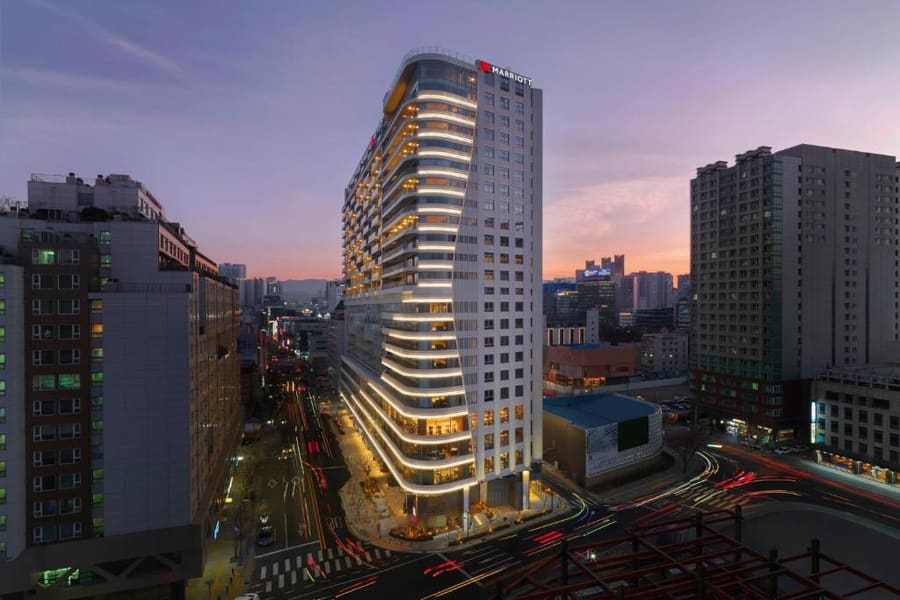
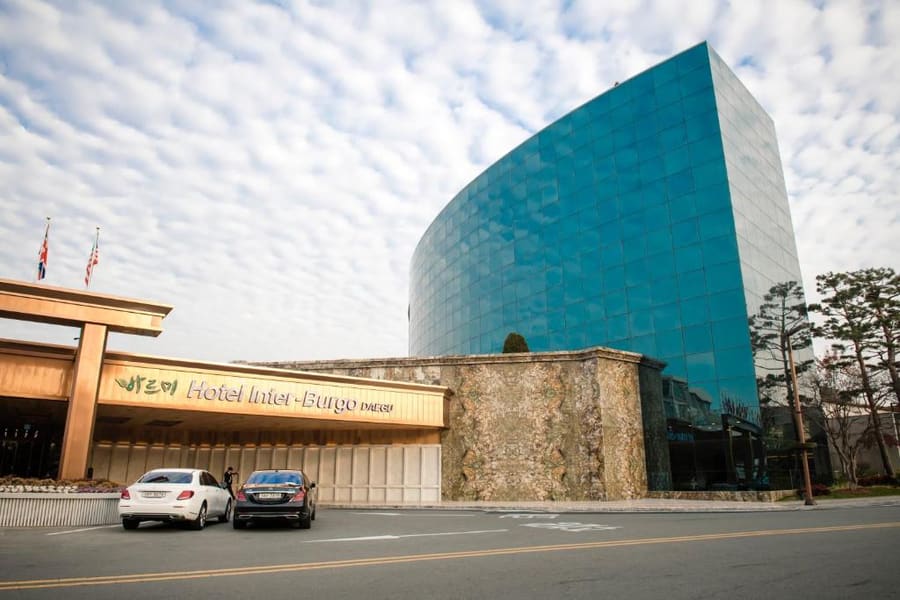
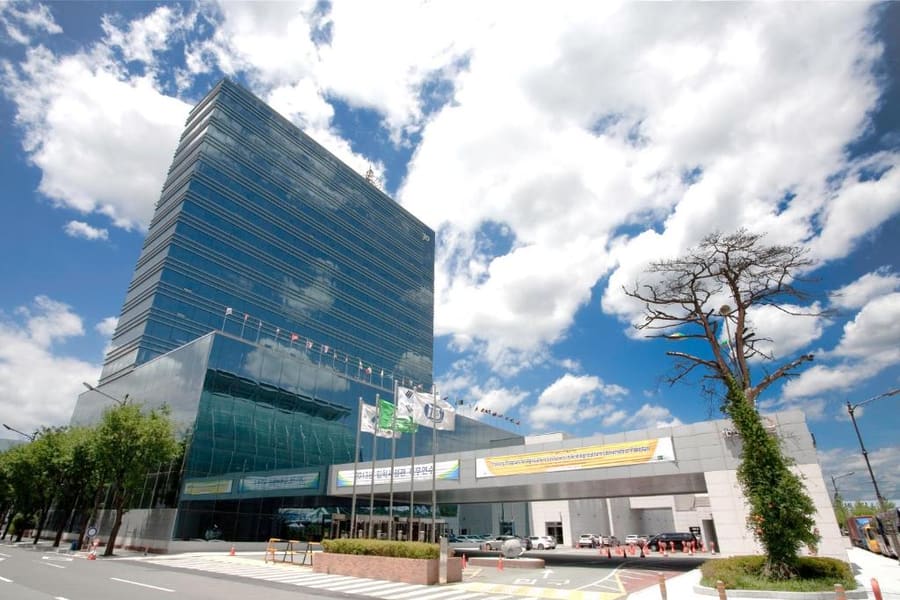
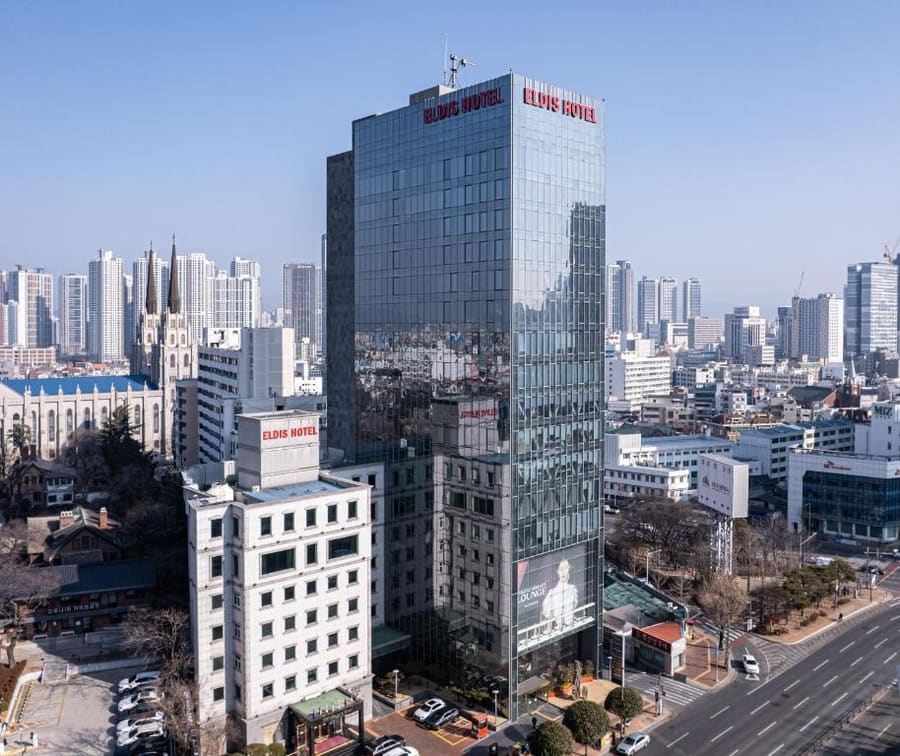
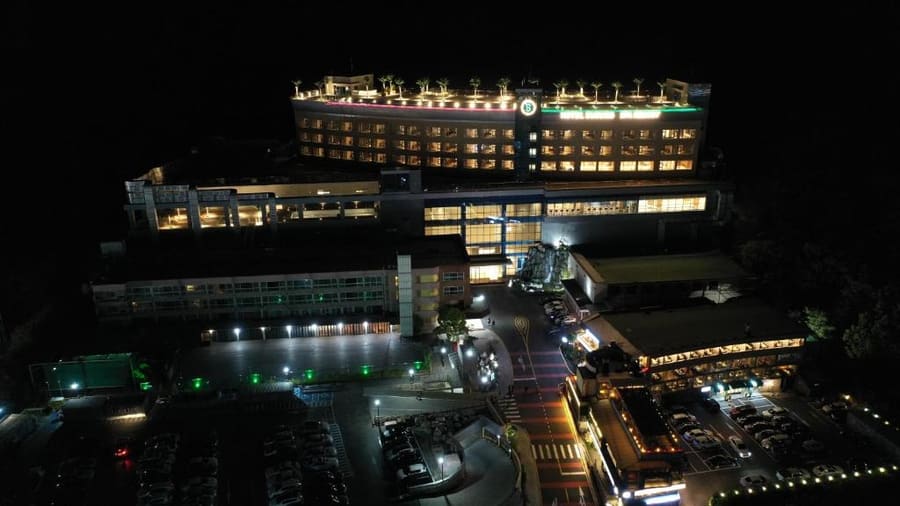
Choose your area based on transport access and nighttime noise tolerance. Dongseong-ro puts you at the subway intersection with late-night food options right outside your door. Suseong Lake offers quieter resort properties and green space, though you will spend time riding Line 3 to reach central sights. Business travelers taking early KTX trains often stay near Dongdaegu Station.
Live rates, matched to the areas above.
transport
Daegu is easy to navigate using three subway lines and an extensive bus network. Line 3 operates as an elevated monorail system offering rapid transit across the city. Tap-in payment with T-money or Cashbee cards works across all subway cars and city buses.
From Dongdaegu Station / TAE
City Bus 101 or Express Bus 1 from Daegu Airport (TAE) to Dongdaegu Station.
From Daegu Airport to downtown Dongseong-ro during daytime traffic.
Line 3 glides on elevated rails from Chilgok to Ji San. Use it to connect Seomun Market and Suseong Lake.
Purchase a T-money card at any convenience store. Free transfers apply between subway and bus within 30 minutes.
Subway service stops around 23:30 nightly. Plan ahead or rely on local taxis after midnight.
All city taxis accept credit cards and T-money. Show destinations written in Korean text on your phone.
cost
Daegu is significantly cheaper than Seoul for food and lodging. Street dishes at night markets cost a few thousand won, while specialized meat stews sit at standard Korean regional prices.
Per person serving at Dongin-dong Jjimgalbi Alley restaurants.
Single 150g portion along Anjirang Alley, minimum two portions per table.
seasonality
MAR – MAY
Pleasant temperatures with spring cherry blossoms along the Shincheon riverbank. Pack light layers.
JUN – AUG
Extreme basin heat and high humidity earning the nickname Daefrica. Hydrate constantly.
SEP – NOV
Clear skies and crisp autumn air on Mount Palgong. Best window for outdoor sightseeing.
DEC – FEB
Cold winds and temperatures freezing at night. Dress in heavy outerwear for evening market visits.
practicalities
Daegu is nicknamed Daefrica due to its summer heat trapped by surrounding mountains.
Modern street addresses are used alongside old block numbers. Keep KakaoMap installed for navigation.
Seomun Night Market opens at 19:00, but regular retail stalls close around 18:00.
Credit cards work almost everywhere. Carry cash only for small street food vendors at night markets.
Subway stations and main road signs feature clear English translations.