landmark
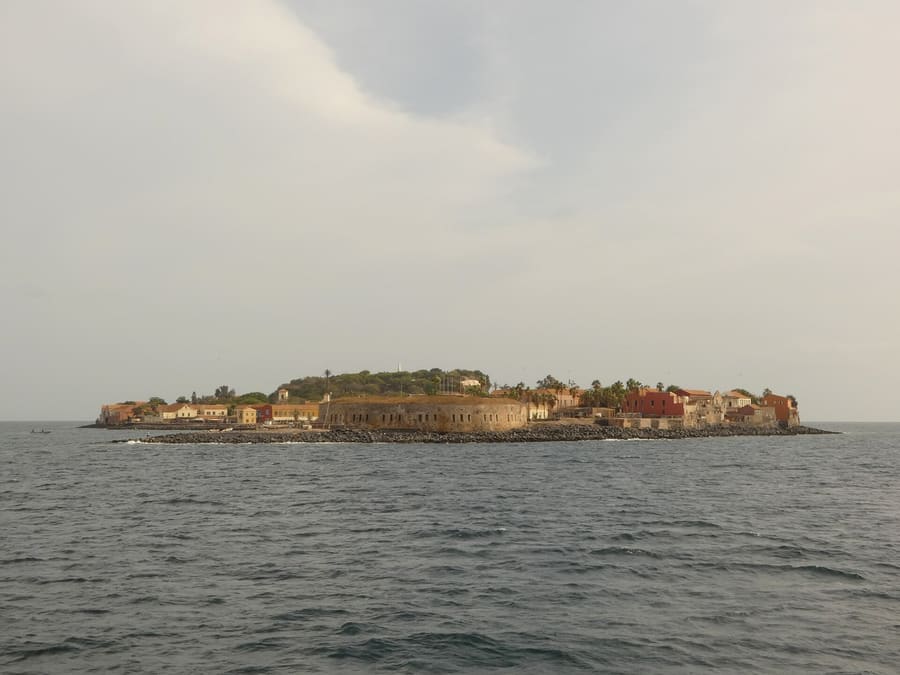
Gorée Island
Car-free memory site 20 minutes by ferry from Port de Dakar. Buy ticket at the embarcadère terminal before 10:00.
Ask ParleySenegal
West Africa's Atlantic peninsula of surf, art, and speed.
introduction
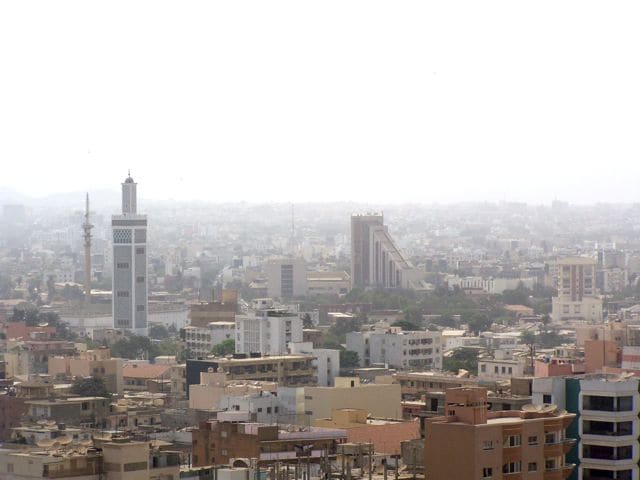
Dakar occupies a jagged peninsula jutting into the Atlantic Ocean. High-speed toll expressways contrast with sandy neighborhood alleyways. You navigate the terrain using yellow-and-black taxis and local bus lines. Ocean breezes temper the heat, but coastal traffic jams require planned timing.
Airport transit trick
Blaise Diagne Airport sits 55km east. Combine the TER train from Diamniadio with a local transfer to skip express route gridlock.
UNESCO site off the coast
Gorée Island sits 3km offshore. Its historic core marks a major Atlantic slave trade memorial site accessible by public ferry.
Corniche traffic timing
The Ouest Corniche bottlenecks heavily during evening hours. Travel south before 16:00 to avoid stuck coastal lanes.
Dakar
Rignese · CC BY-SA 3.0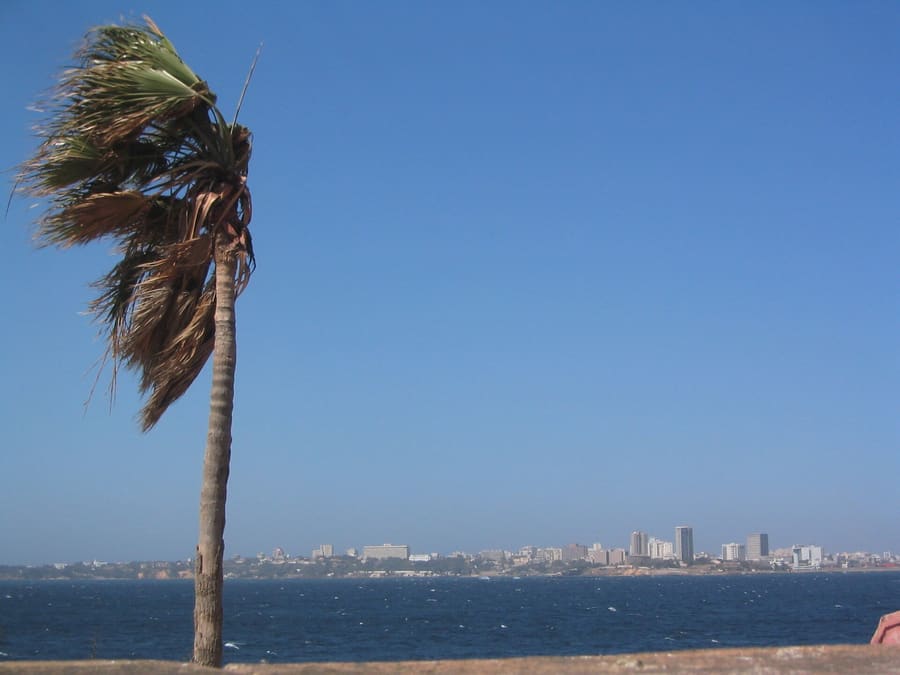
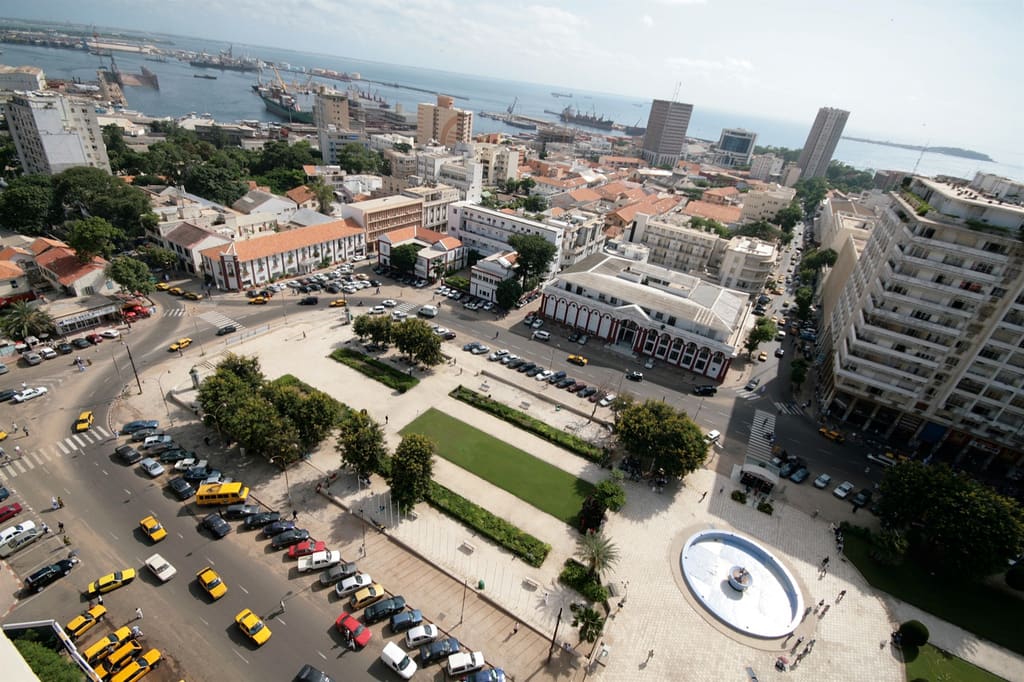
Plateau — Colonial grid, central banks, civic squares, and port terminals.
Ji-Elle · Public domain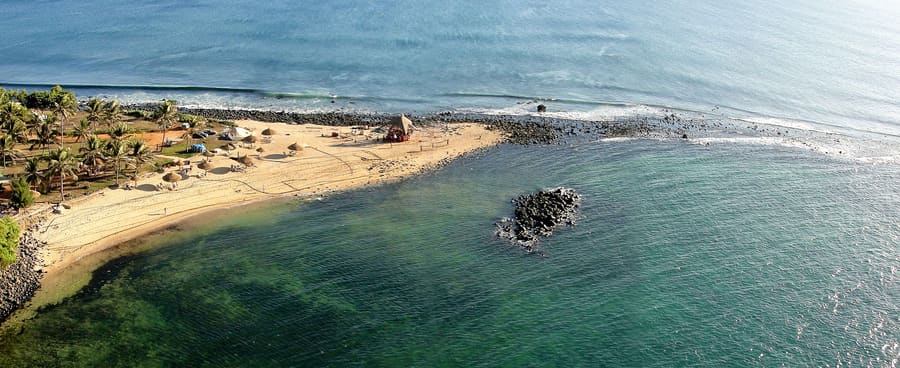
Les Almadies — Westernmost point of mainland Africa with seaside dining and cocktail spots.
Jeff Attaway · CC BY 2.0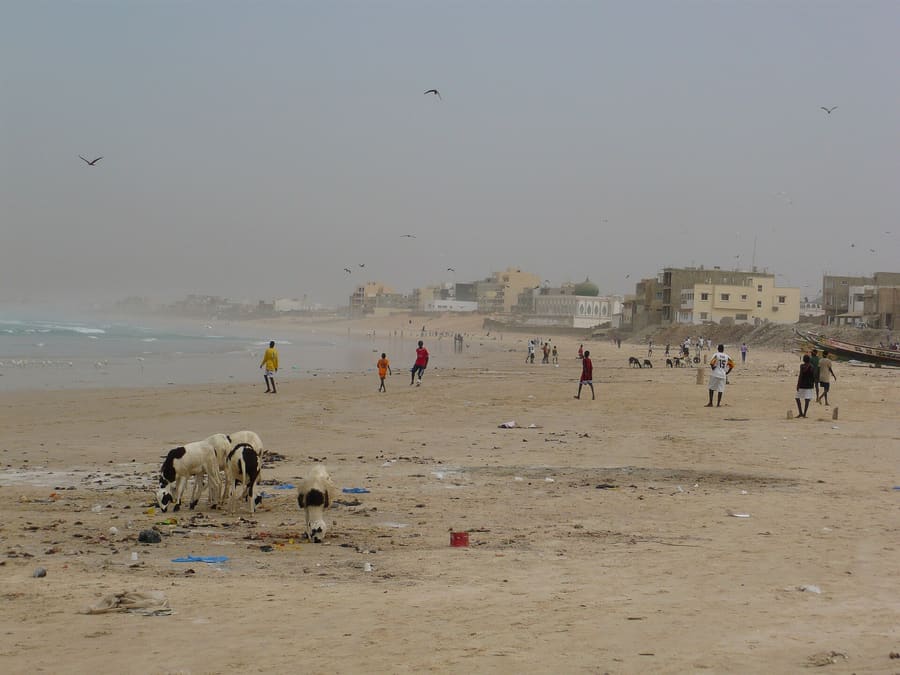
Yoff — Traditional coastal neighborhood with wide sand beaches and strong spiritual roots.
Arensond · Public domain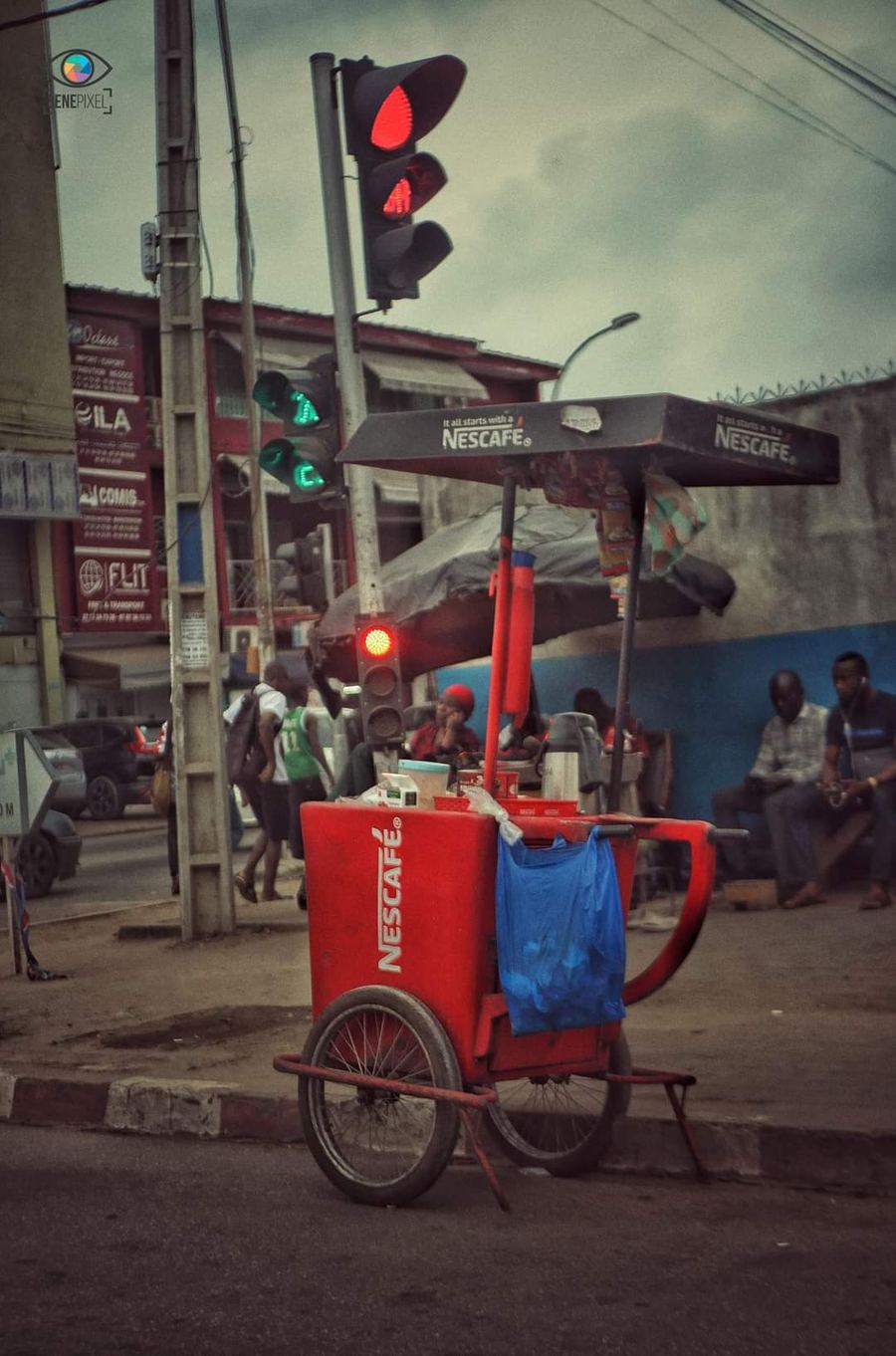
Médina — High-density street grid packed with tailor shops, open markets, and music spots.
Serigne20 · CC BY-SA 4.0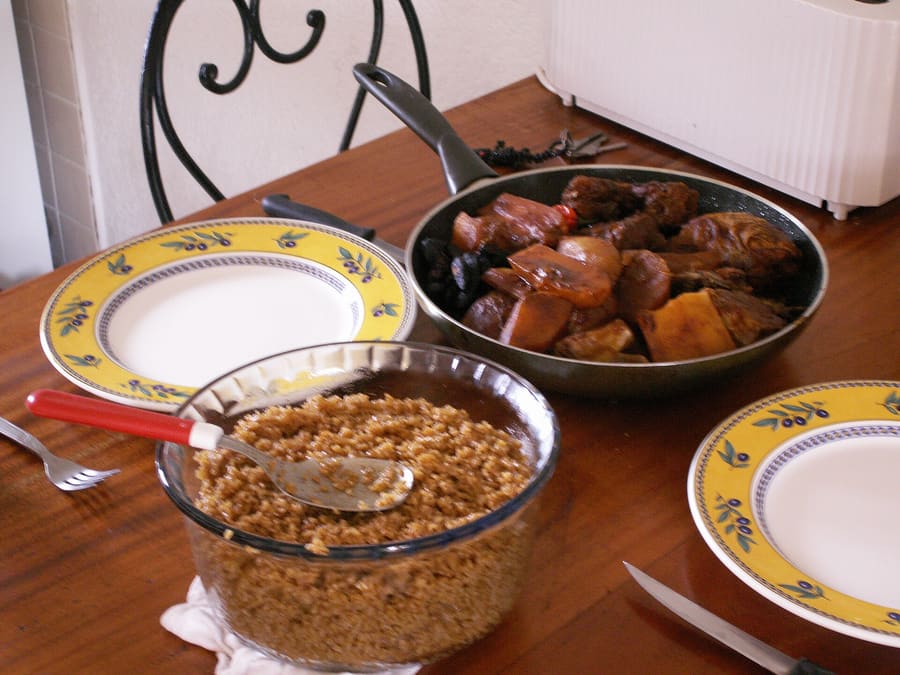
A plate of classic ceebu jën red rice served with fish and root vegetables.
KVDP · Public domainhighlights
landmark
Car-free memory site 20 minutes by ferry from Port de Dakar. Buy ticket at the embarcadère terminal before 10:00.
Ask Parley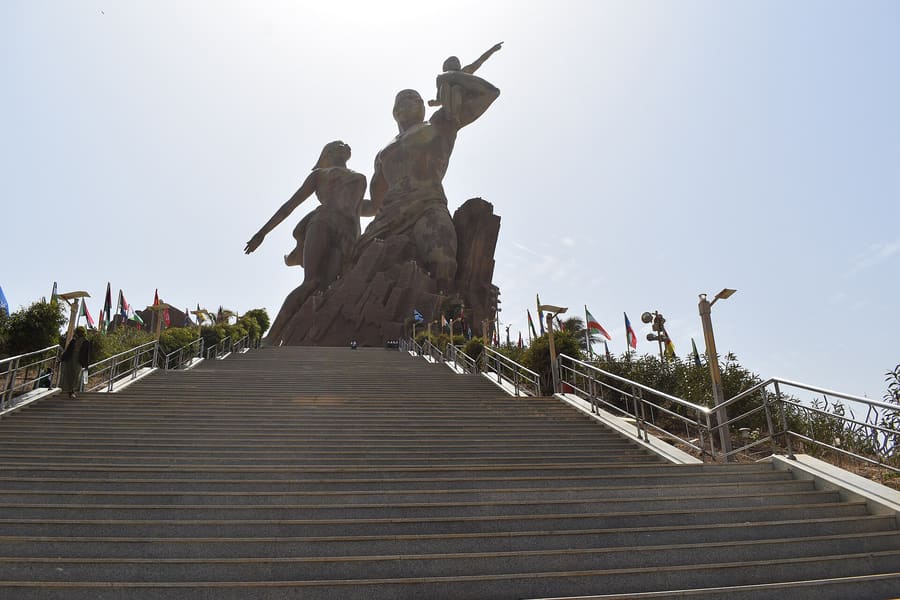
landmark
52-meter bronze statue towering over Ouakam. Climb the 198 steps to the base for broad peninsula views.
Ask Parley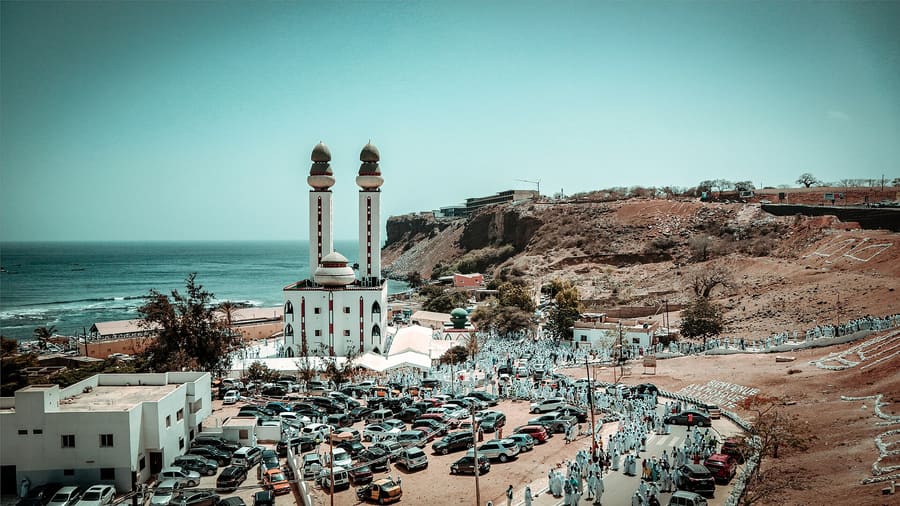
landmark
Oceanfront mosque in Ouakam sitting on the beach water edge. View it from the cliff-top lookout above the bay.
Ask Parley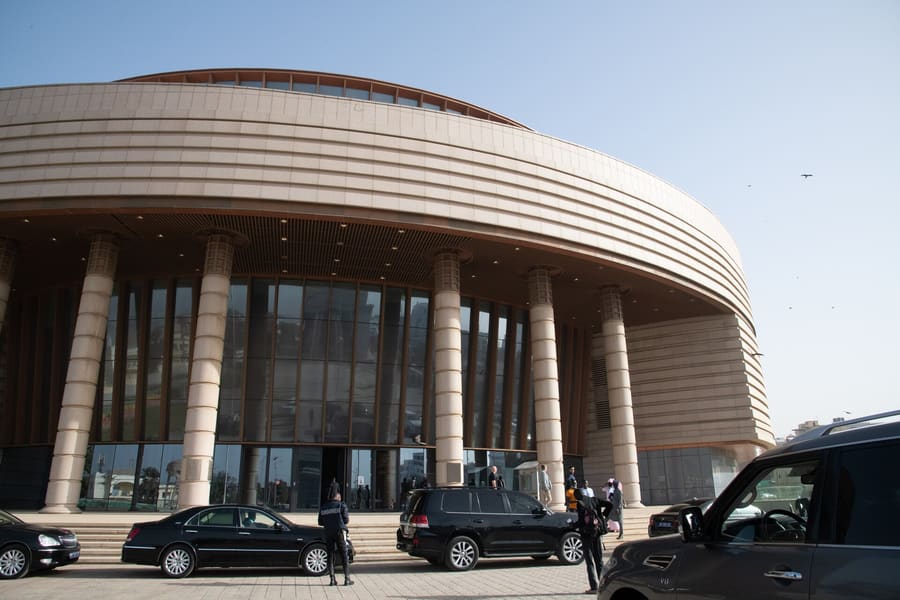
landmark
Modern museum displaying African history and global contemporary art. Located near the central railway station.
Ask Parley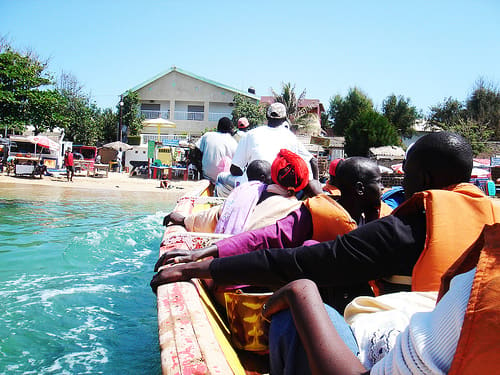
landmark
Quiet island 500 meters off the northern coast. Catch a wooden pirogue from Ngor beach to reach the island.
Ask Parleyattractions
areas
Colonial grid, central banks, civic squares, and port terminals.
NearbyPort de Dakar, Place de l'Indépendance, MCAN.
Ask ParleyWesternmost point of mainland Africa with seaside dining and cocktail spots.
NearbyPointe des Almadies, Île de Ngor, Secret Spot surf break.
Ask ParleyTraditional coastal neighborhood with wide sand beaches and strong spiritual roots.
NearbyYoff Beach, BCEAO beach strip.
Ask ParleyHigh-density street grid packed with tailor shops, open markets, and music spots.
NearbySoumbédioune fish market, Marché Tilène, Grande Mosquée.
Ask Parleyfood
Dakar eats its main meal at midday. The national staple is ceebu jën, where white rice, fresh fish, cassava, and cabbage cook inside a spiced tomato broth. Neighbourhood lunch spots serve fresh pots between 12:30 and 14:30. At night, open-air dibiteries fire up wood grills, serving spiced lamb chops wrapped in brown paper with sliced raw onions and mustard paste.
A plate of classic ceebu jën red rice served with fish and root vegetables.
KVDP · Public domainOrder ceebu jën before 14:00. Kitchens make single large pots for midday and rarely prepare fresh batches for dinner.
Look for smoke and wood fires after dark in Médina or Ouakam to find lamb dibi grilled to order.
Pair meals with cold bissap (hibiscus tea) or bouye (sweet baobab fruit juice) sold in chilled glass bottles.
history
Dakar developed from autonomous Lebou fishing villages on the Cap-Vert peninsula. French forces fortified the port in 1857, replacing Saint-Louis as the capital of French West Africa in 1902. The city expanded across the narrow peninsula throughout the 20th century. Following national independence in 1960, Dakar established itself as a regional hub for African diplomacy, contemporary art, and international shipping.
French military post established
Colonial administrators map out the initial street grid in Plateau.
Capital of French West Africa
Dakar replaces Saint-Louis, triggering major port and railway construction.
Senegalese Independence
Dakar becomes the national capital as European rule ends across the region.
Museum of Black Civilisations opens
A state-of-the-art museum complex opens near the train terminal to highlight pan-African history.
where to stay
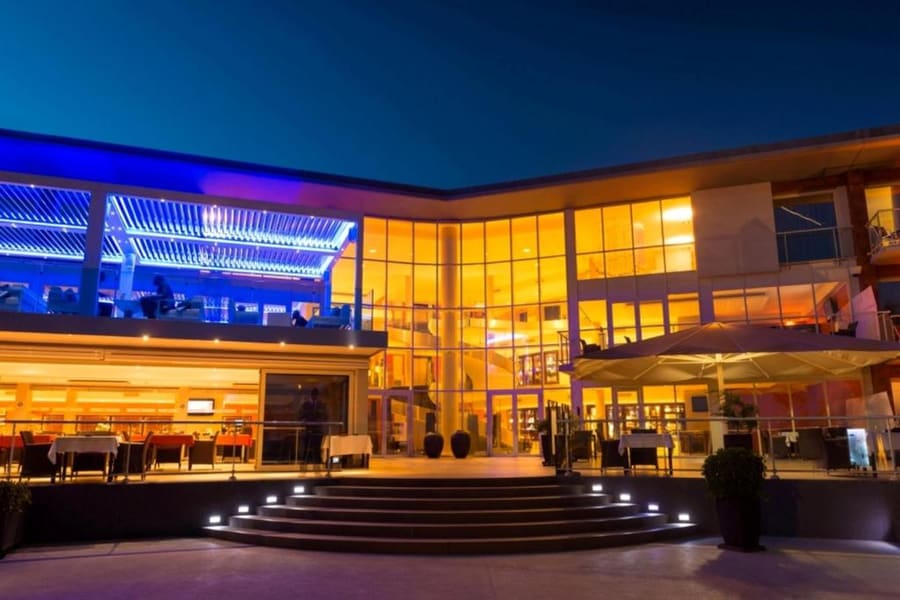
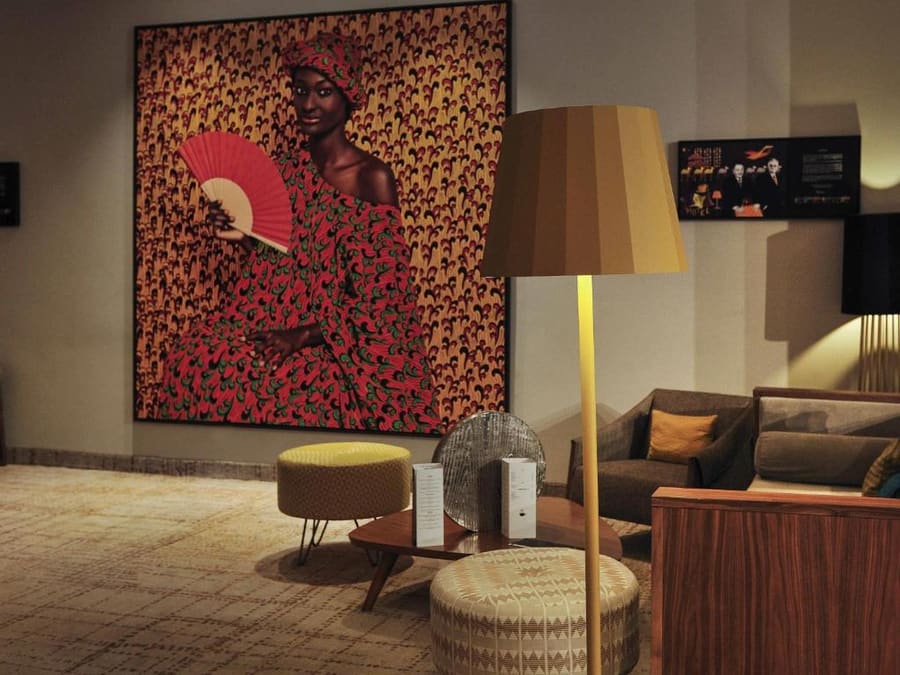
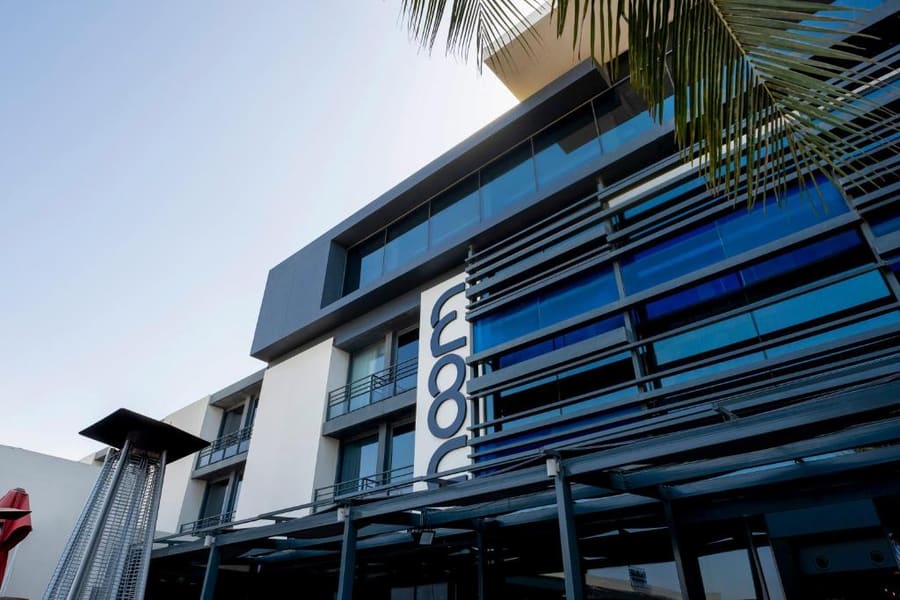
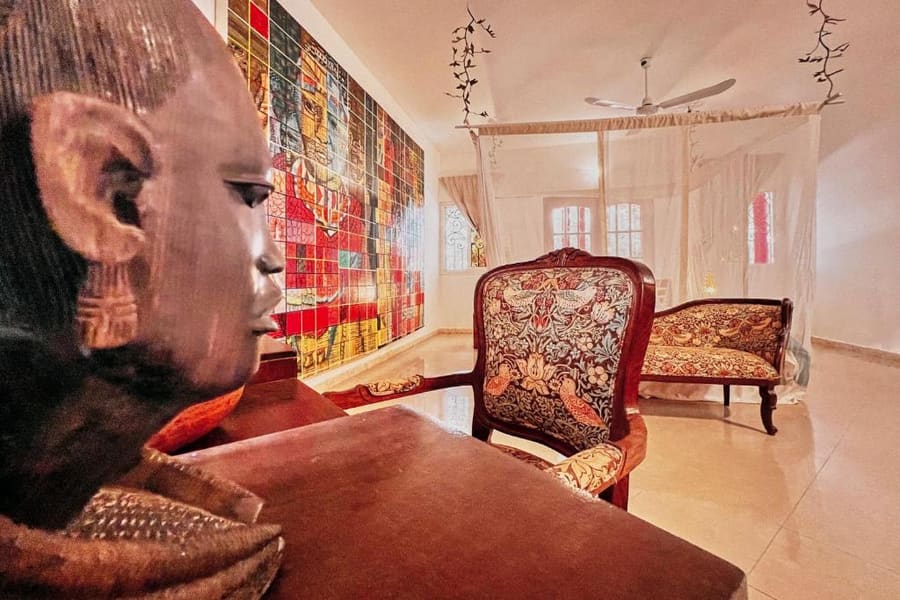
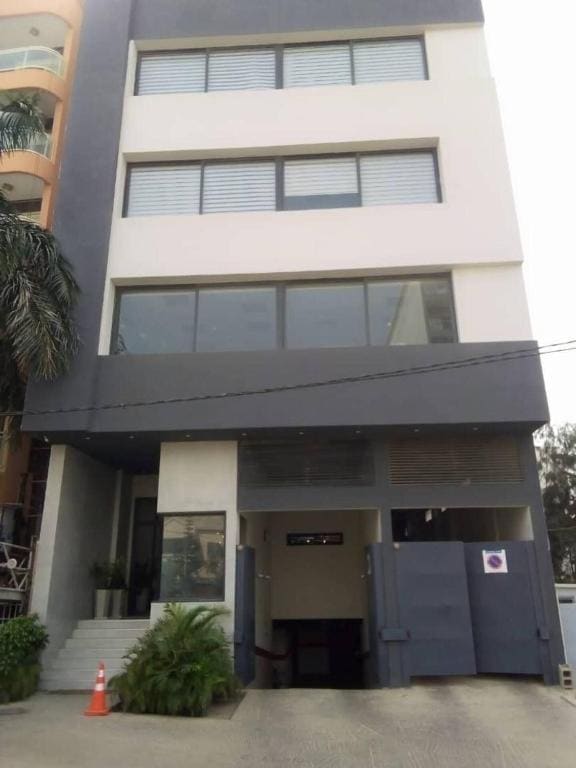
Choose your base by transport access and nightly noise. Stay in Plateau if you need walkable access to financial offices, museums, and the ferry terminal. Pick Les Almadies for modern hotels, surf breaks, and oceanfront dining. Choose Yoff or Médina for lower room rates and local residential surroundings, keeping in mind that cross-peninsula cab rides take longer during commute hours.
Live rates, matched to the areas above.
transport
Dakar transit runs on yellow-and-black taxis, app-based rides, express buses, and the TER commuter rail. Yellow taxis do not use meters, so negotiate the fare before stepping inside. The TER fast train connects central Dakar to eastern suburban stations, avoiding highway bottlenecks entirely.
From Blaise Diagne International Airport (DSS)
Departs outside arrivals. Budget alternative, though subject to highway delays.
Fixed rates posted on arrival hall boards. Toll charges are usually extra.
Take a taxi to Diamniadio TER station, then fast train straight into central Dakar.
The Train Express Régional links Gare de Dakar to Diamniadio every 10–15 minutes, skipping city highway traffic.
Street taxis lack meters. State your destination, agree on the total price, and then load luggage.
The Yango rideshare app operates reliably across Dakar, locking in transparent prices payable in cash or card.
Traffic heading northbound toward Almadies or southbound to Plateau locks up between 17:00 and 19:30.
cost
Senegal uses the West African CFA franc (XOF), pegged to the Euro (1 EUR = 655.957 XOF). Cash is mandatory for market shopping, street taxis, and small lunch spots. Major hotels and high-end restaurants in Plateau and Almadies process international credit cards.
A full dish of fish and rice at a neighborhood spot.
Short to medium trips across central peninsula districts.
Round-trip ticket bought at the Ngor embarcadère pier.
Includes sliced meat, onions, mustard, and bread at a dibiterie.
seasonality
NOV – FEB
Dry, warm days with ocean breezes. Best weather for exploring Plateau and outdoor walking.
MAR – MAY
Warm and sunny with reliable Atlantic swells. Top window for surfing along Almadies breaks.
JUN – OCT
Hot and humid rainy season. Heavy tropical rain can flood low-lying streets quickly.
practicalities
ATMs operate throughout Plateau and Almadies, but card terminals frequently lose network signal.
Starting interactions with 'Nanga def' before French immediately establishes respectful contact.
Municipal tap water meets basic standards, but bottled water avoids stomach adjustments.
Shops and market stalls close between 12:30 and 15:00 for Friday Muslim prayers.
Always seek consent before photographing individuals or market vendors on street corners.