
landmark
Ahsan Manzil
This 19th-century Mughal-revival palace sits along the Buriganga. Visit before midday to avoid afternoon crowding at the river gates.
Bangladesh
A hyper-dense capital driven by river traffic and rickshaws.
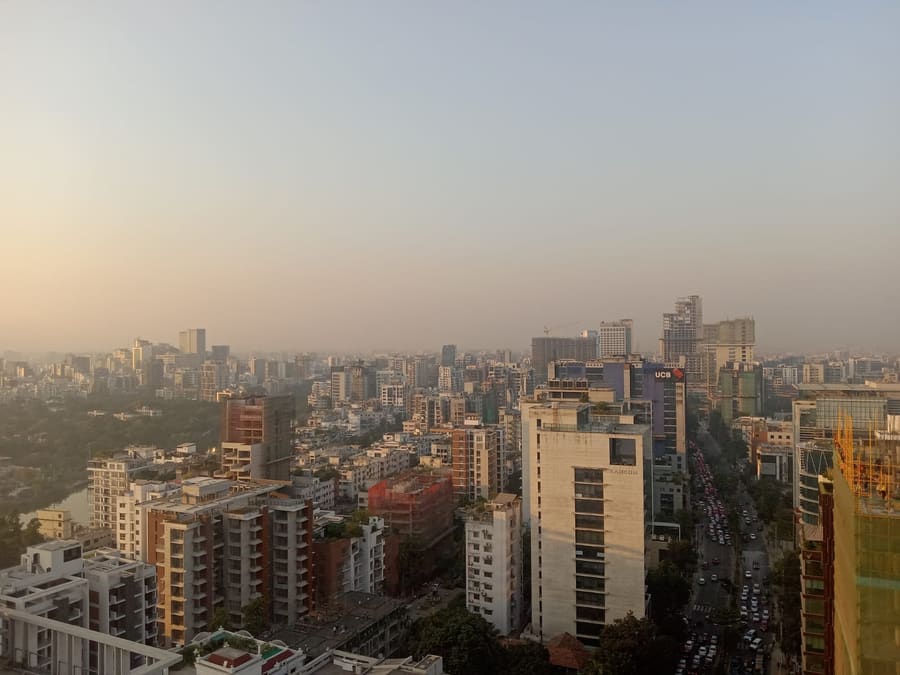
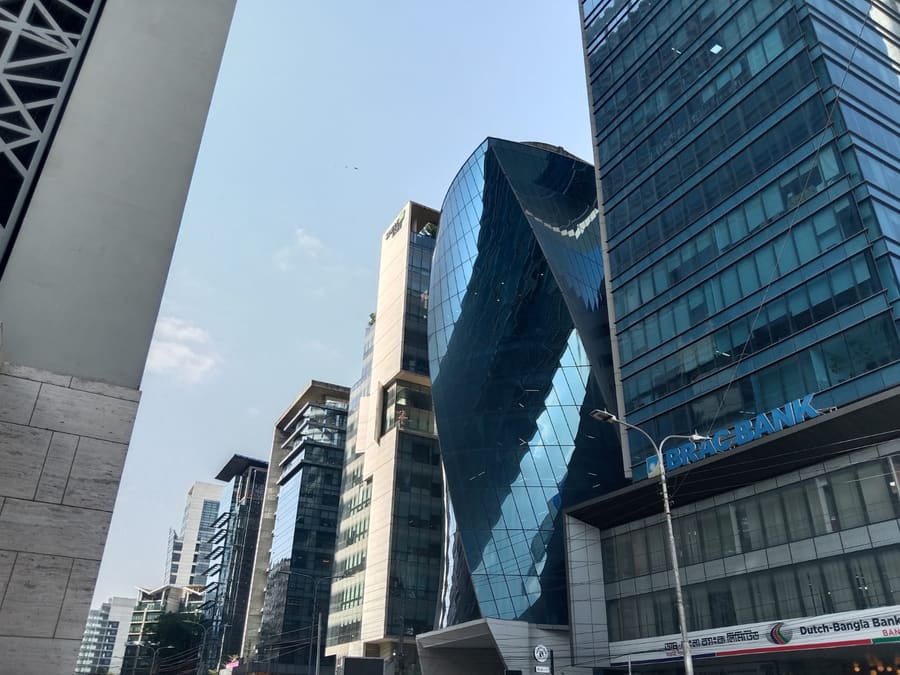
Dhaka moves at the speed of its dense traffic networks. MRT Line 6 offers elevated transit above gridlocked arterial roads. Old Dhaka anchors the south along the Buriganga River, while north Dhaka holds diplomatic enclaves and modern dining.
Gulshan — Diplomatic enclave with gated residences, upscale coffee shops, and security checkpoints.
Banani — Commercial hub filled with local fashion boutiques, modern bakeries, and rooftop dining.
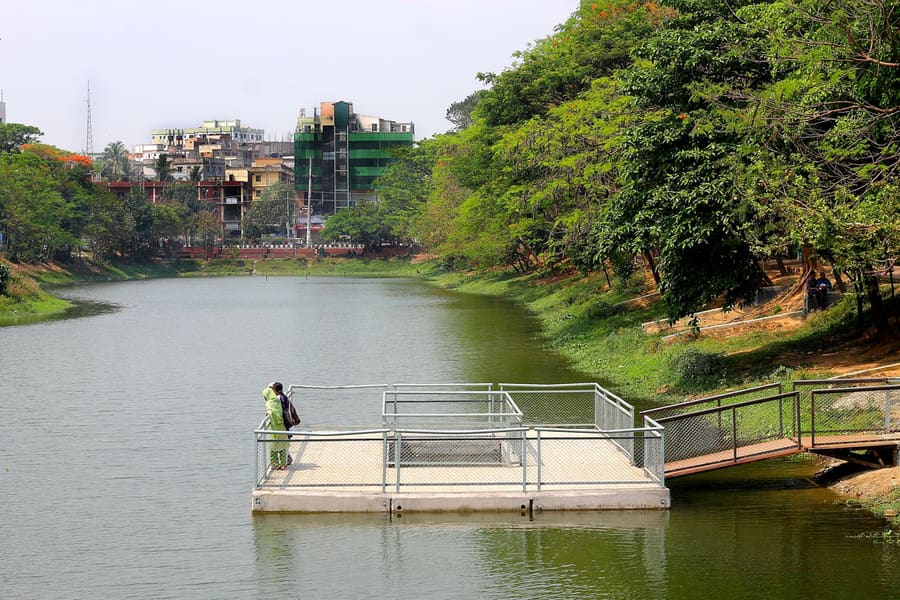
Dhanmondi — Residential district centred on a lake, packed with universities, galleries, and cafes.
Mutton Kacchi Biryani served with marinated potatoes at a traditional Dhaka diner.
01
landmark
This 19th-century Mughal-revival palace sits along the Buriganga. Visit before midday to avoid afternoon crowding at the river gates.
landmark
State-owned Hindu temple founded in the 12th century. Visit early morning during morning prayers to see active worship.
landmark
Louis Kahn's monumental concrete parliament surrounded by artificial lakes. View the exterior from Lake Road; interior needs a permit.
landmark
Historic narrow street of traditional shell-carvers in Old Dhaka. Walk early in the morning before commercial handcarts block the lane.
landmark
Mughal-style mosque decorated with blue star motifs and Chinese porcelain. Non-Muslims can view the interior outside prayer times.
02
03
Dense historic alleyways, river ports, and centuries-old wholesale markets.
NearbySadarghat launch terminal and Ahsan Manzil
Ask ParleyDiplomatic enclave with gated residences, upscale coffee shops, and security checkpoints.
NearbyGulshan Lake Park and international embassies
Ask ParleyCommercial hub filled with local fashion boutiques, modern bakeries, and rooftop dining.
NearbyBanani Road 11 retail corridor
Ask ParleyResidential district centred on a lake, packed with universities, galleries, and cafes.
NearbyDhanmondi Lake and Rabindra Sarobar
Ask Parley04
Dhaka's culinary identity revolves around slow-cooked goat biryani and spiced Mughal specialties. In Old Dhaka, kitchens seal copper pots with dough to trap steam over wood fires. Sweetshops along the narrow lanes specialize in sweet curd and fried pastries.
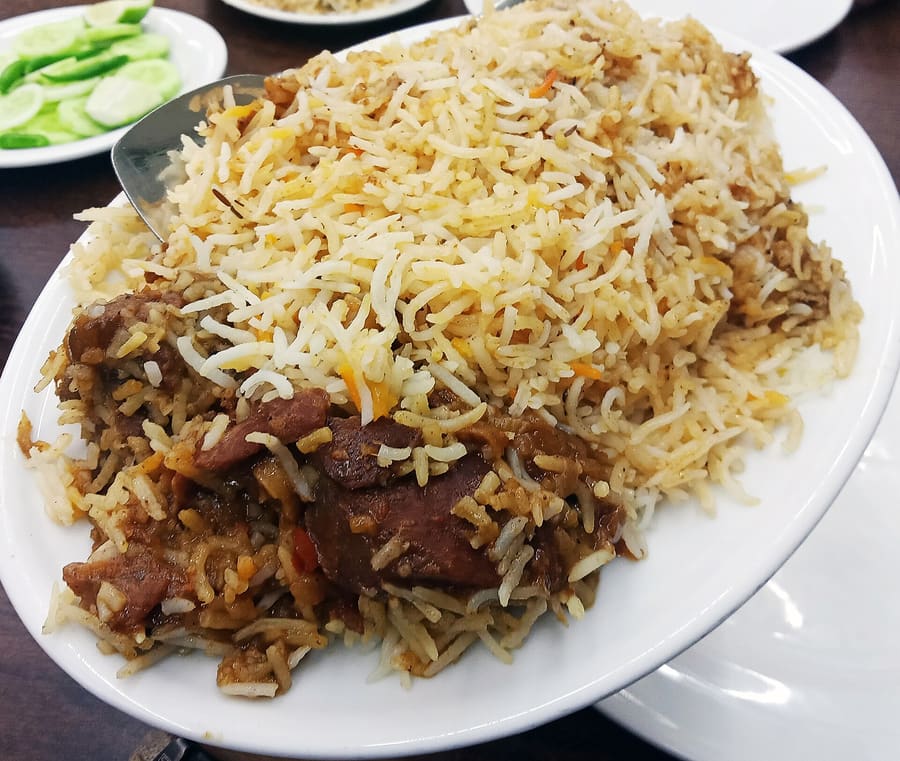
Mutton Kacchi Biryani served with marinated potatoes at a traditional Dhaka diner.
Historic restaurants in Nazira Bazaar do not process credit cards. Carry small-denomination Taka bills for food purchases.
Municipal tap water in Dhaka is unpasteurized. Drink bottled mineral water and avoid ice cubes at street stands.
05
Dhaka grew from a provincial trading hub into the capital of Mughal Bengal in the 17th century. European trade, British colonial rule, and the 1971 Liberation War shaped its modern urban identity.
Mughal Capital
Subahdar Islam Khan designates Dhaka as the capital of Mughal Bengal, renaming it Jahangirnagar.
East India Company Rule
British control shifts administrative power to Calcutta, diminishing Dhaka's textile trade.
Language Movement
Student protests establish the Bengali Language Movement, setting the course for national self-determination.
National Independence
The Bangladesh Liberation War ends, establishing Dhaka as the sovereign capital of Bangladesh.
06
Choose your accommodation based on traffic tolerance and daily transit routes. Staying north in Gulshan shields you from road noise but increases commute times to historic southern sights. Downtown locations offer river access but heavy evening street gridlock.
Highly rated hotels in Dhaka.


07
Dhaka's transit system combines elevated rail with dense ground traffic. Surface travel times fluctuate unpredictably during peak work hours.
From Hazrat Shahjalal International Airport (DAC)
Prepaid desks inside the terminal prevent price disputes upon exit.
Uber pickup takes place in the designated parking area outside arrivals.
Airport Railway Station sits across the highway via a pedestrian bridge.
The elevated metro line runs north-south between Uttara and Motijheel, bypassing street traffic completely.
Cycle rickshaws do not use meters. Agree on the fare with the driver before climbing aboard.
Tap-and-go Rapid Pass cards work on MRT Line 6 and eliminate ticket counter queues at metro stations.
Road traffic stalls near major mosques between 12:30 and 14:30 every Friday afternoon.
08
Bangladesh uses the Bangladeshi Taka (BDT). Cash remains necessary for street food, rickshaws, and traditional retail markets.
Standard single portion at an Old Dhaka biryani establishment.
Covers a distance of one to two kilometres within a single neighbourhood.
Distance-based fare on MRT Line 6.
Three-course dinner at a casual restaurant in Banani or Gulshan.
09
NOV – FEB
Cooler dry weather with daytime temperatures around 25°C. Best period for walking tours and river cruises.
MAR – MAY
High heat and intense humidity ahead of the monsoon. Midday walking tours become uncomfortable.
JUN – SEP
Heavy monsoon rains bring localized street flooding and major transit delays across low-lying districts.
OCT
Transition month featuring clearing skies and moderating temperatures.
10
Cover shoulders and knees in public places. Women should keep a scarf ready when visiting religious sites.
Friday is the official weekend day. Museums and commercial offices close or open late after afternoon prayers.
International card-compatible ATMs operate reliably in Gulshan, Banani, and airport arrival halls.
Winter months bring elevated particulate pollution. Consider wearing an N95 mask during prolonged outdoor walks.
Dengue risk exists year-round. Apply insect repellent when walking near lakes and river banks in the evening.
Contents
Your trip
Going to Dhaka?
Tell Parley when you’re going and what you enjoy, and it plans the days around this guide.
Plan with Parley


