landmark
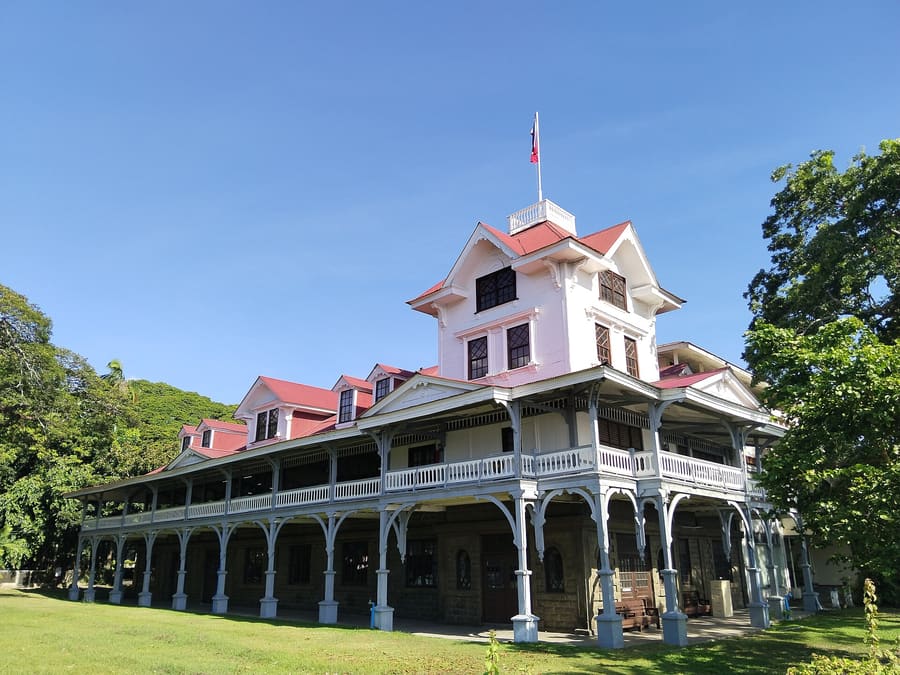
Silliman University Museum
House in Silliman Hall, the campus holds ethnographic artifacts from across the Visayas.
Ask ParleyPhilippines
A coastal university town built around quiet promenades.
introduction
Dumaguete operates on university time and sea breezes. The city centers on a paved waterfront where commuters walk and students gather until midnight. Motorized tricycles handle local transport, while fast craft ferries link the port to neighboring islands. Expect low costs, simple seafood dining, and straightforward access to surrounding dive sites.
Airport arrival
Sibulan Airport sits four kilometers north of downtown. A standard tricycle ride to the center costs PHP 150.
Marine conservation
Apo Island, managed from Dumaguete, established its community-led marine sanctuary in 1982.
Ferry planning
Ferries to Siquijor fill quickly on Friday afternoons. Purchase paper tickets at the port terminal one day early.
Dumaguete
P199 · CC BY-SA 3.0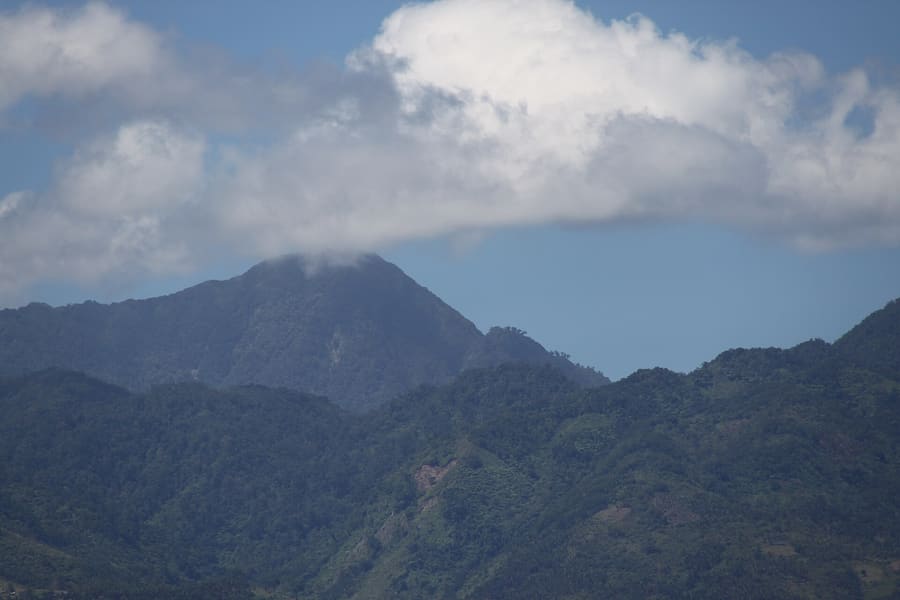
Valencia Foothills — Cooler mountain air, residential gardens, geothermal springs, and river trails.
Cristian Bortes · CC BY 2.0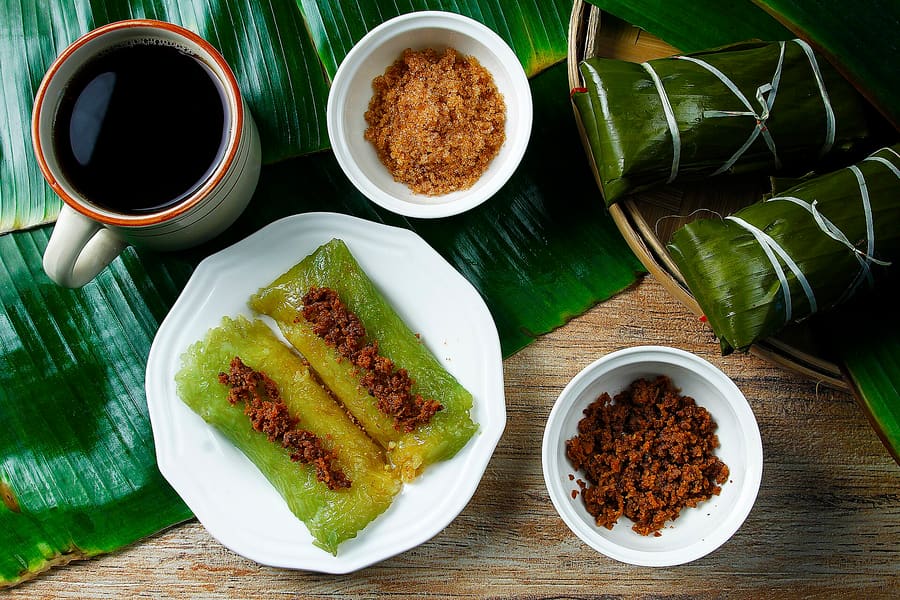
Budbud kabog served with thick hot cacao chocolate at the public market.
GwennVienn · CC BY-SA 4.0highlights
landmark
House in Silliman Hall, the campus holds ethnographic artifacts from across the Visayas.
Ask Parley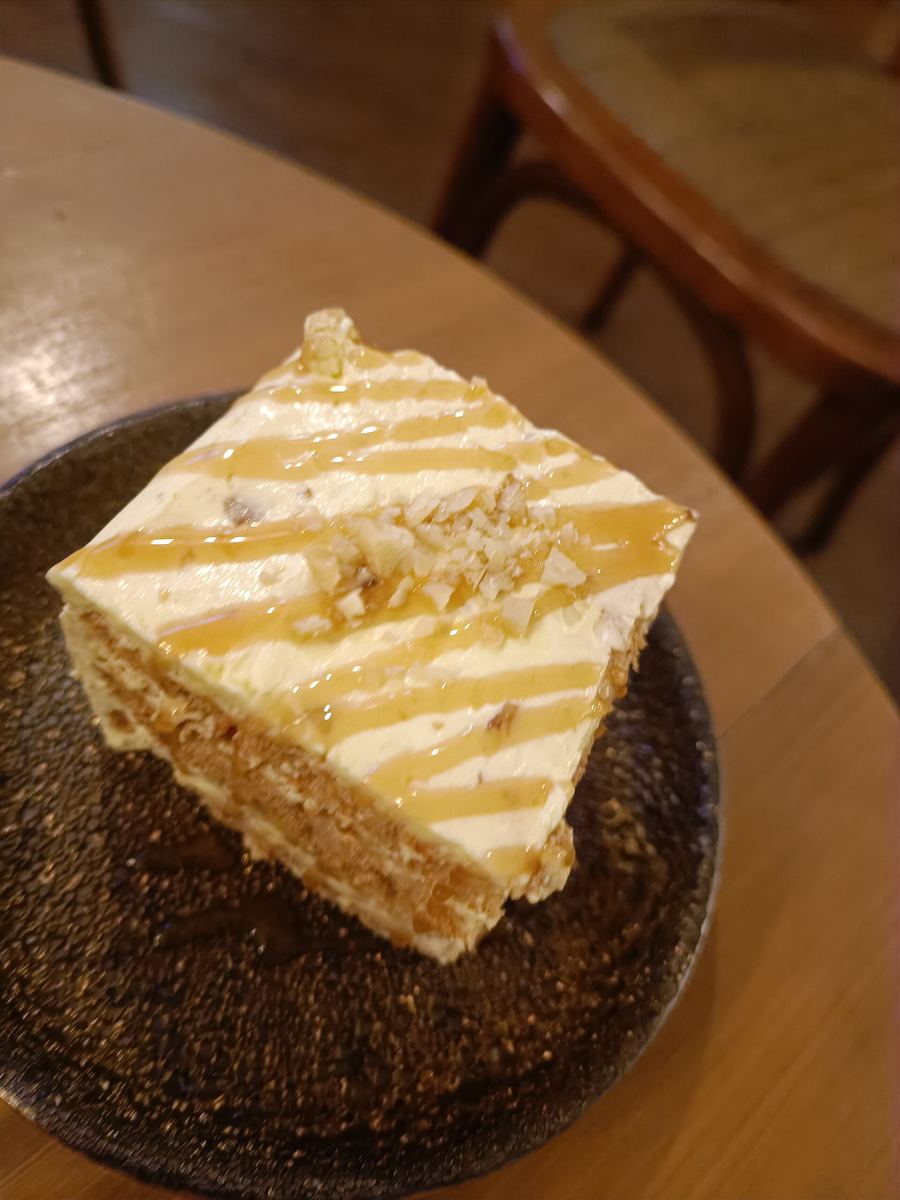
landmark
Home of silvanas, a cashew meringue cookie. Buy frozen boxes to take on the ferry.
Ask Parley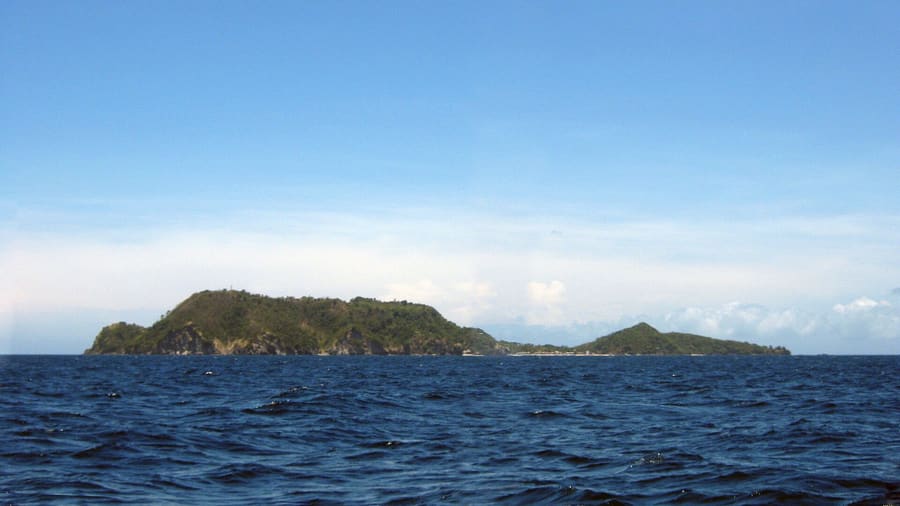
landmark
Snorkel with resident green sea turtles. Boats depart daily from Malatapay pier.
Ask Parleyattractions
areas
Cooler mountain air, residential gardens, geothermal springs, and river trails.
NearbyPulangbato Falls and Casaroro Falls.
Ask ParleyConstant tricycle engine hum, grid streets, commercial stalls, and ferry access.
NearbyDumaguete Port and St. Catherine Cathedral.
Ask ParleyShaded campus streets, budget student cafes, and wooden academic halls.
NearbySilliman Hall and the central boulevard.
Ask ParleyNorthern coastal stretch with small hotels, quiet side lanes, and specialty coffee shops.
NearbySibulan Airport and northern beaches.
Ask Parleyfood
Dumaguete's breakfast ritual centers on the public market. Inside the painitan section, vendors wrap budbud kabog—millet cooked with coconut milk and sugar—in wilted banana leaves. You dip the hot cake into thick tsokolate brewed from roasted local cacao tablea.By mid-day, dining shifts to cold pastries. The city is famous across the Philippines for silvanas, frozen cashew-meringue wafers layered with buttercream. Local bakeries package insulated boxes specifically designed to survive multi-hour boat crossings.In the late afternoon, mobile carts park along Rizal Boulevard. They serve tempura-style fish balls and fried squid balls dipped in sweet or spicy vinegar sauces. Seating consists of plastic stools set directly on the sea wall.
Budbud kabog served with thick hot cacao chocolate at the public market.
GwennVienn · CC BY-SA 4.0Arrive at the Public Market painitan section between 06:00 and 09:00. Fresh budbud kabog often sells out before noon.
Sans Rival Bistro charges a small fee for insulated styrofoam transport boxes. These keep silvanas frozen for up to six hours.
Tempura carts light their gas burners around 16:30 along Rizal Boulevard. Pay the vendor directly per skewer.
history
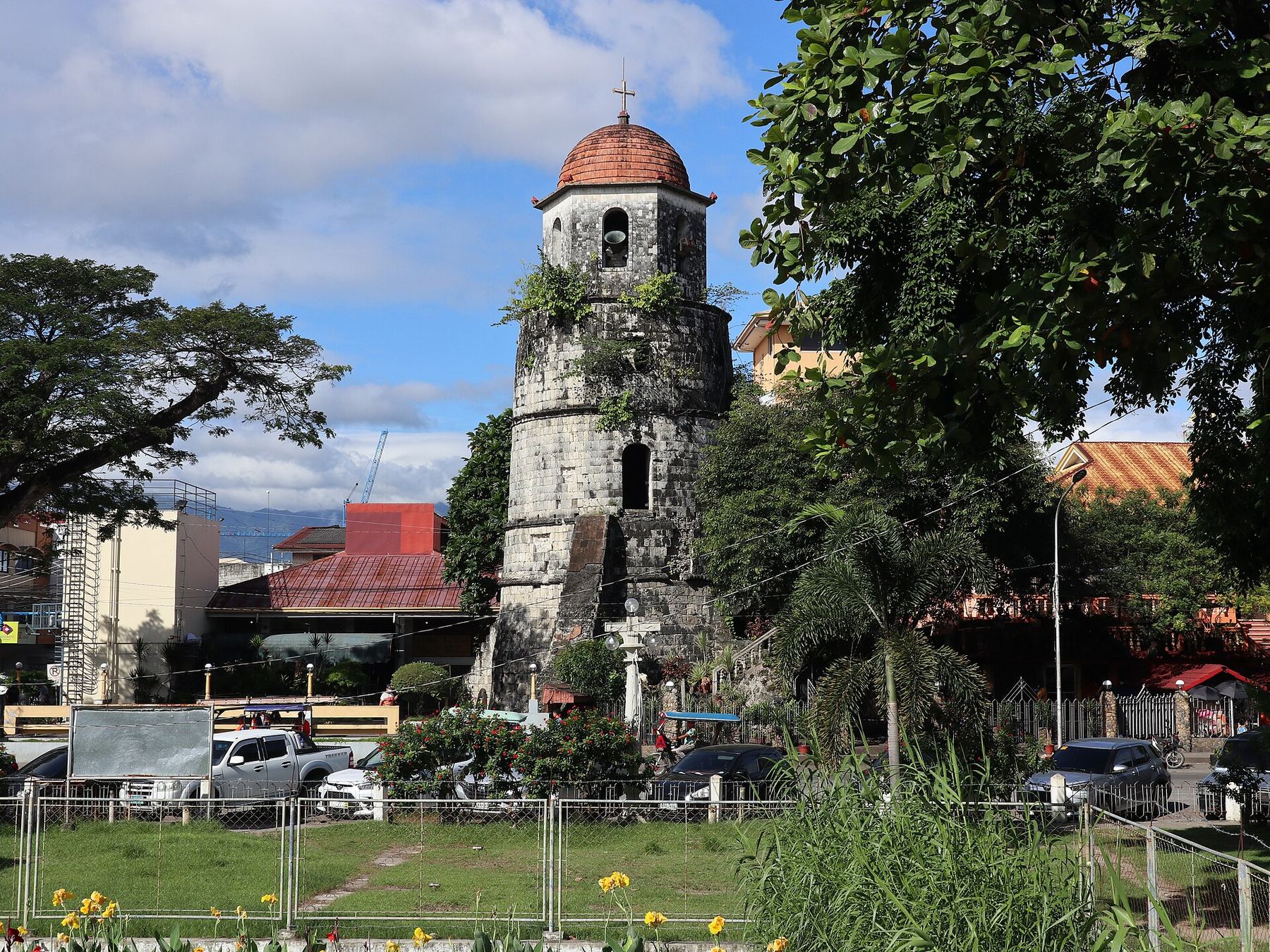
Coastal raids led local settlements to construct stone watchtowers in the late eighteenth century. The coral tower surviving near the central plaza remains the city's oldest standing masonry structure.American Protestant missionaries founded Silliman Institute in 1901. It grew into the country's first American university, shifting Dumaguete's economy toward education and health services.In 1982, marine scientists from Silliman University helped Apo Island villagers build a no-take marine reserve. The project became a global template for community-managed marine conservation.
Belfry completed
Workers finish the coral stone watchtower to spot incoming sea raiders.
Silliman Institute opens
American missionaries establish an elementary school that expands into a national university.
City Charter
Dumaguete officially converts from a municipality into an chartered city.
Apo Island reserve created
Local fishers and university biologists enact strict sanctuary boundaries around the island.
where to stay
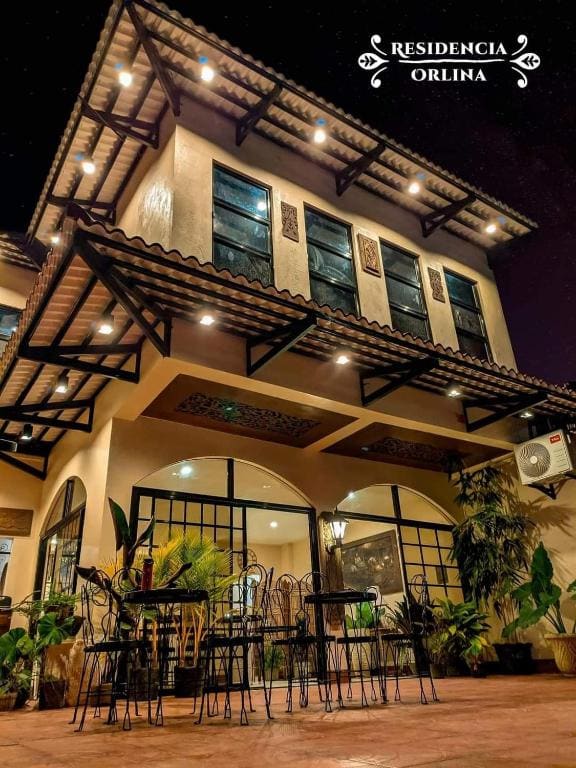
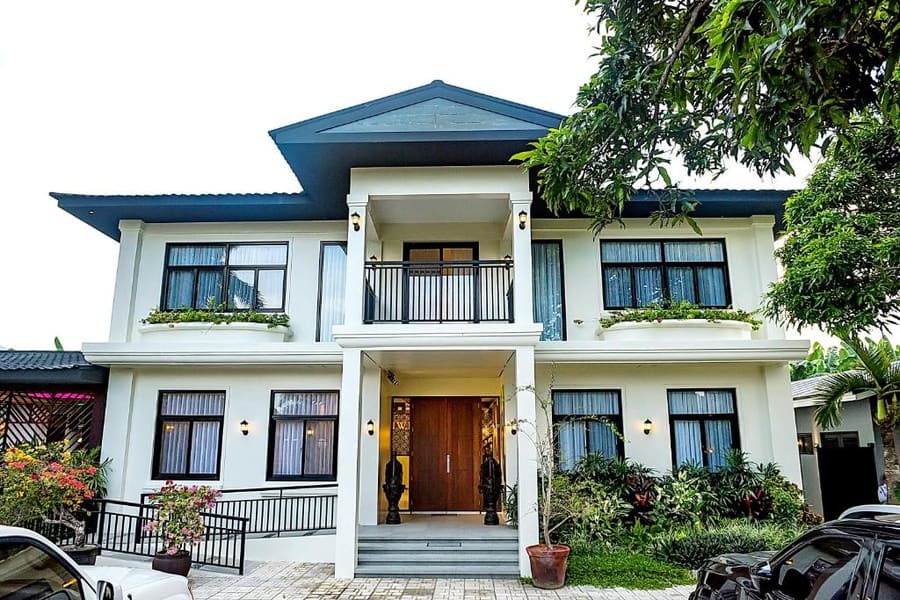
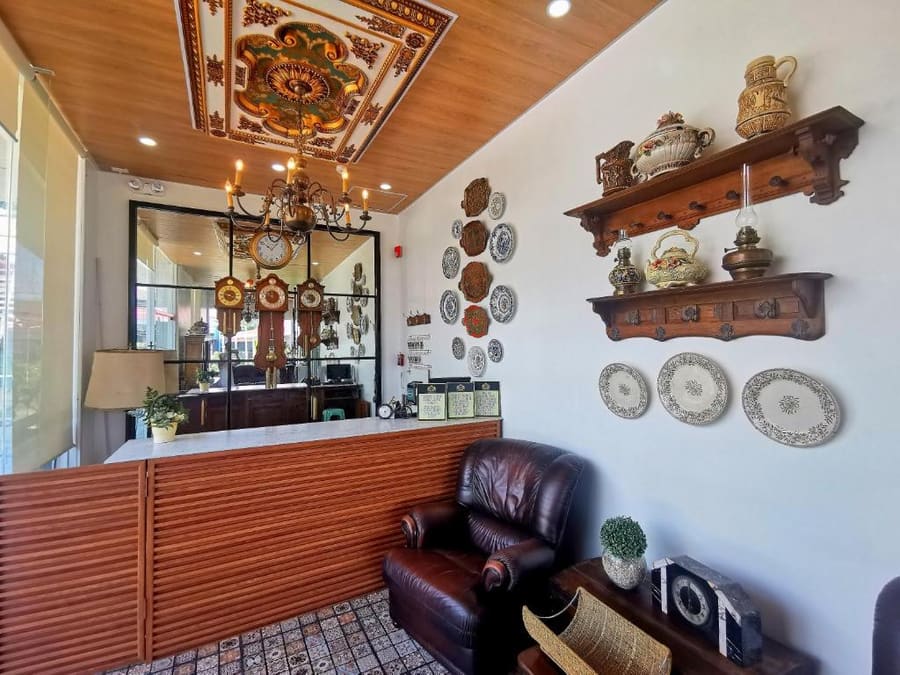
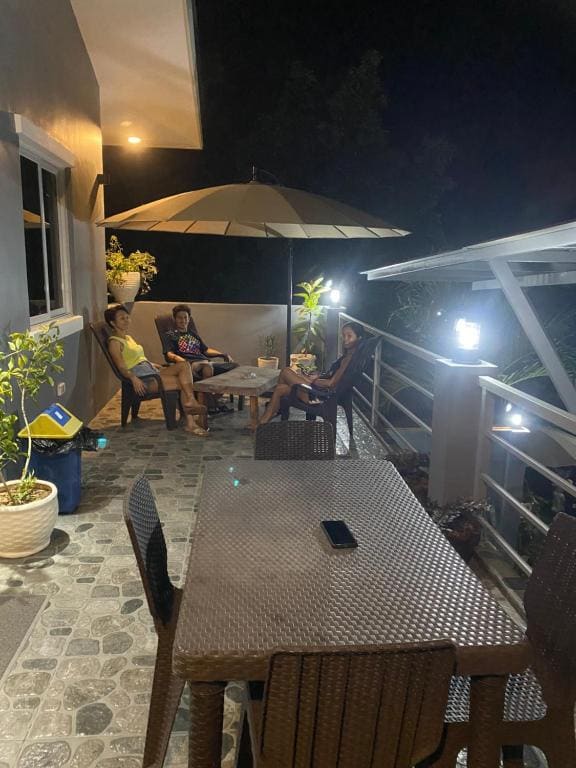
Choose your area based on your transit needs and sensitivity to traffic noise. Stay along Rizal Boulevard if you want ocean views and instant access to ferries. Select the Silliman District for quiet night streets, low hotel prices, and easy walking. If you want cooler weather, pick a guesthouse in the mountain foothills of Valencia.
Live rates, matched to the areas above.
transport
Dumaguete has no light rail or city bus network. Motorized tricycles handle nearly all point-to-point urban trips. Passenger jeepneys run scheduled routes out of town toward Valencia, Dauin, and Sibulan. For cross-gulf travel to Cebu, ferries depart regularly from both the main city port and Sibulan Port.
From Sibulan Airport (DGT)
Fixed rate for airport pickups; flag one outside the main gate for lower rates.
Arranged directly by larger hotels for air-conditioned luggage transport.
Standard shared fares within the city center start at PHP 15 per passenger. Expect to pay PHP 100 or more if hiring the entire vehicle privately.
Jeepneys park near the public market on Colon Street. Boards cost under PHP 30 for the ride up the mountain slope.
To reach southern Cebu, take a tricycle ten minutes north to Sibulan Port. Pumpboats cross to Liloan, Cebu every hour.
Ferry operators accept digital booking, but port terminal departure fees must be paid in physical Philippine peso cash at the gate.
cost
Dumaguete remains one of the most affordable coastal hubs in the Philippines due to its large student population. Local dining and inner-city transport require cash. Credit cards work mainly at larger hotels, dive resorts, and chain supermarkets.
One order of millet sticky rice cake with thick cacao hot drink at the market.
Standard shared rate per passenger within central Dumaguete boundaries.
Insulated carry-out box of frozen cashew meringue buttercream cookies.
Shared pumpboat passage from Malatapay Pier, excluding sanctuary entrance fees.
seasonality
DEC – FEB
Cooler air temperatures and moderate sea conditions. University semester is active, keeping city cafes full.
MAR – MAY
Hottest dry months with calmest seas. Ideal conditions for diving at Apo Island and coastal ferry transit.
JUN – SEP
Southwest monsoon brings afternoon rain showers. Boat trips face occasional weather cancellations.
OCT – NOV
Transition period with variable winds. November brings student celebrations and city charter day events.
practicalities
Withdraw cash along Perdices Street. Outside city limits, ATMs are rare and frequently run out of bills on weekends.
Many small family businesses and campus eateries close completely on Sundays.
Brief scheduled power maintenance occurs periodically. Larger hotels run backup generators.
Currents around Apo Island can turn strong suddenly. Always swim with an authorized local guide.
Daily motorcycle rentals require a valid physical driving license and passport copy.