
landmark
Edinburgh Castle
Sits on an extinct volcanic plug. Buy tickets online in advance to skip the main queue at the Esplanade gate.
United Kingdom
Volcanic stone, steep wynds, and serious literature.
Edinburgh splits neatly between a medieval ridge and an Enlightenment grid. You walk up and down steep wynds that test your calves daily. Cobblestones and sudden sea winds shape your pace. The city is compact enough to cross on foot if you ignore the vertical climbs.
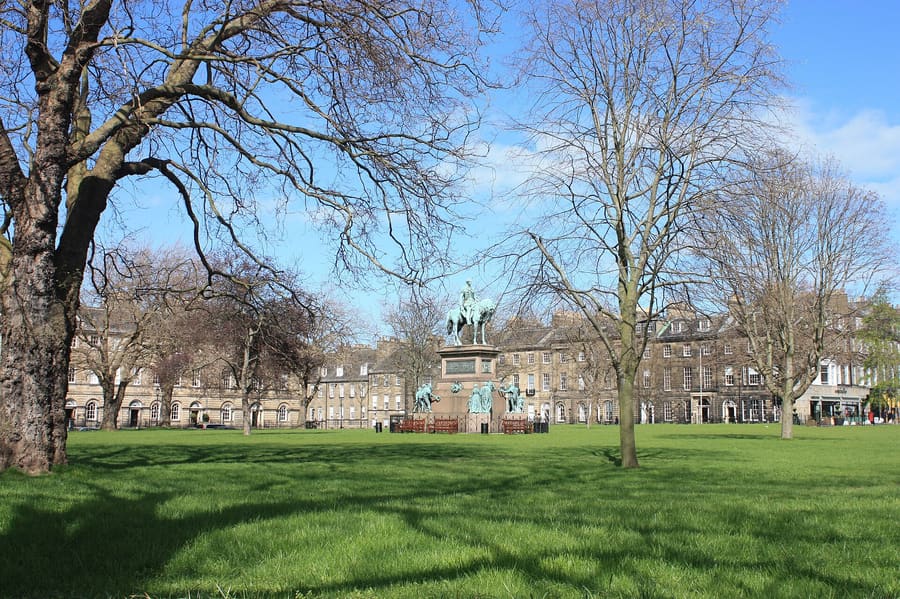
New Town — Symmetrical Georgian terraces, wide avenues, upscale dining, and boutiques.
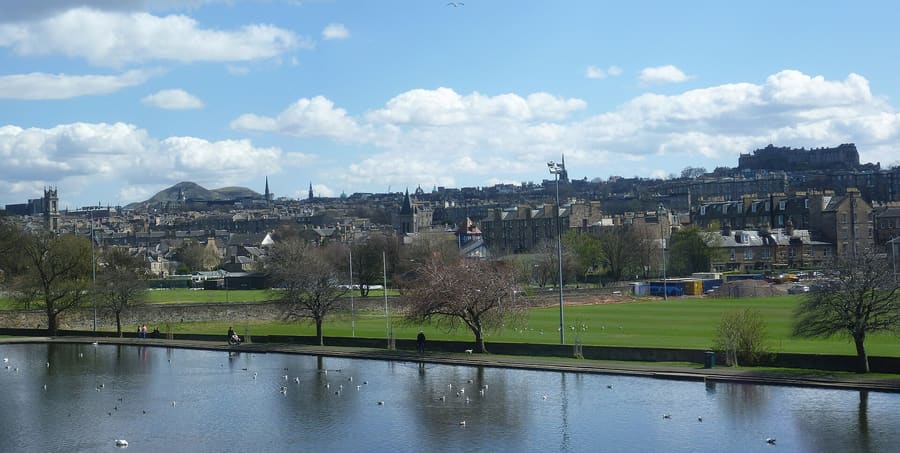
Stockbridge — Village character, independent bakeries, cobbles, and riverside walks.
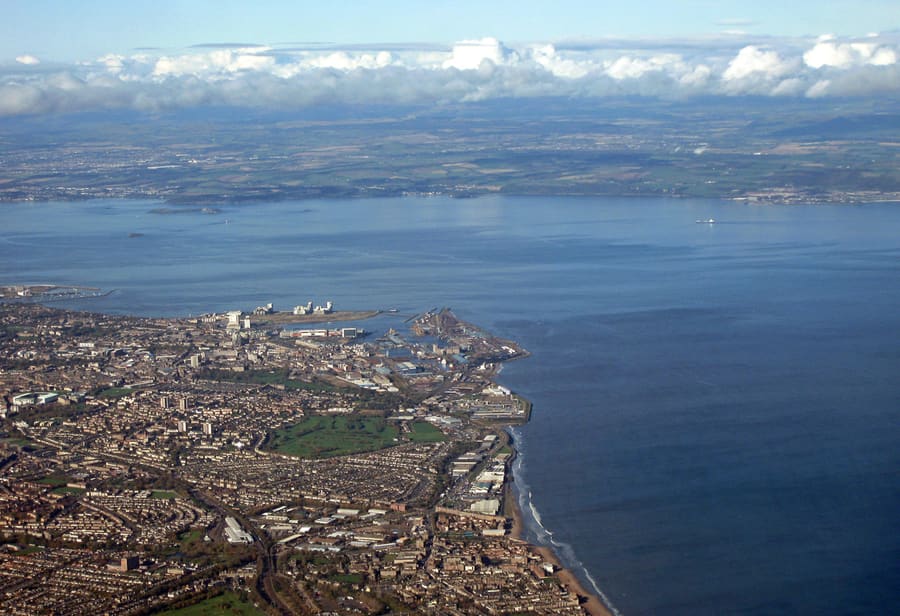
Leith — Former port turned food destination with industrial docklands and seafood spots.
Traditional haggis served with neeps and tatties.
01
landmark
Sits on an extinct volcanic plug. Buy tickets online in advance to skip the main queue at the Esplanade gate.
landmark
Connects the Castle to Holyroodhouse. Walk downhill from west to east to save your legs.

landmark
Combines Scottish antiquities with world culture under a Victorian glass roof. Admission is free.
landmark
Home to unfinished neoclassical monuments and city views. It takes ten minutes to climb from the east end of Princes Street.
landmark
The official Scottish residence of the monarch. Check opening days in advance, as state visits close the building.
02
03
Dark stone, steep wynds, crowded alleyways, and pub music.
NearbyEdinburgh Castle and the Royal Mile
Ask ParleySymmetrical Georgian terraces, wide avenues, upscale dining, and boutiques.
NearbyPrinces Street Gardens and Waverley Station
Ask ParleyVillage character, independent bakeries, cobbles, and riverside walks.
NearbyRoyal Botanic Garden and Water of Leith
Ask ParleyFormer port turned food destination with industrial docklands and seafood spots.
NearbyOcean Terminal and The Shore
Ask Parley04
Edinburgh eating ranges from traditional offal dishes to North Sea seafood. Haggis is widely available in historic pubs, served with mashed turnips and potatoes. Modern dockland restaurants in Leith serve fish landed directly on the east coast.
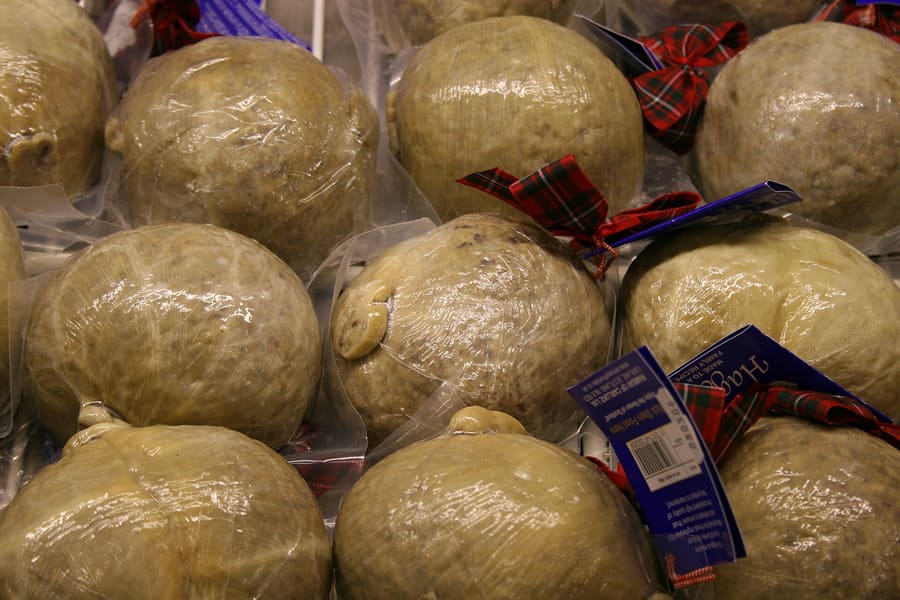
Traditional haggis served with neeps and tatties.
Try it as a pub starter or deep-fried in a chippy with local sauce.
Edinburgh chip shops offer brown sauce diluted with vinegar as the standard condiment.
05
Edinburgh grew as a fortress town along the narrow volcanic ridge of the . Overcrowding led to stone tenements rising eight stories high in the Old Town. In the 18th century, the city expanded north with the planned Georgian New Town, establishing itself as an intellectual center of the Scottish Enlightenment.
Royal Burgh
King David I establishes Edinburgh as a royal burgh, granting land to Holyrood Abbey.
University Chartered
The University of Edinburgh opens, growing into a global center for law and medicine.
New Town Plan
James Craig wins the competition to design the New Town, relieving Old Town density.
First Festival
The International Festival launches to gather post-war European artists, spawning the Fringe.
06
Choose by your willingness to climb hills and your tolerance for night noise. Old Town keeps you steps from top attractions, but street noise is constant. New Town offers grander rooms and quieter nights at higher rates.
Highly rated hotels in Edinburgh.
See more Edinburgh hotels07
Edinburgh is compact enough for walking, though steep hills make public transit useful. Lothian Buses and Edinburgh Trams operate a unified contactless fare system across the urban network.
From Edinburgh Airport (EDI)
Runs directly from the airport terminal to St Andrew Square and Leith.
Airlink 100 express bus runs every 10 minutes to Waverley Station.
Official airport taxis line up outside the arrivals hall.
Pick-up takes place on the ground floor of the multi-storey parking garage.
Lothian Buses and Trams use contactless payment with daily caps on single card taps.
A single tram ride costs £2.00 citywide, but airport stops carry a £7.50 flat ticket price.
Waverley Station sits in the valley between Old and New Towns; Haymarket serves the west end.
Night bus routes marked with an 'N' run from midnight to 04:30 from Princes Street.
08
Edinburgh is expensive relative to the rest of Scotland. Eating out and hotel rates spike sharply during peak summer months and Hogmanay celebrations.
Prices vary between historic Old Town pubs and suburban venues.
Expect to pay around £15 for haggis or fish and chips in central areas.
Flat fare across all Lothian bus routes within the city boundary.
Advance online booking grants a discount over gate ticket prices.
09
MAR – MAY
Mild weather and blooming gardens. Daylight stretches, and spring accommodation rates remain moderate.
JUN – JUL
Long daylight hours with up to 17 hours of sun. Good weather for climbing Arthur's Seat.
AUG
Festival Fringe fills the city completely. Accommodation prices reach annual peaks.
SEP – NOV
Cooler days with autumn foliage in Princes Street Gardens. Crowds thin significantly.
DEC – FEB
Dark, cold days compensated by Hogmanay celebrations and atmospheric winter pubs.
10
Old Town wynds feature uneven cobbles and steep steps. Wear sturdy footwear with decent grip.
Coastal weather changes quickly within hours. Bring a windproof waterproof layer regardless of season.
National museums and galleries offer free entry, making them ideal shelter during sudden rain.
Many central bars and bakeries no longer accept cash; carry a debit or credit card.
Public staircases like the News Steps connect streets at different height levels quickly.
Contents
Your trip
Going to Edinburgh?
Tell Parley when you’re going and what you enjoy, and it plans the days around this guide.
Plan with Parley


