landmark
Coral Beach Nature Reserve
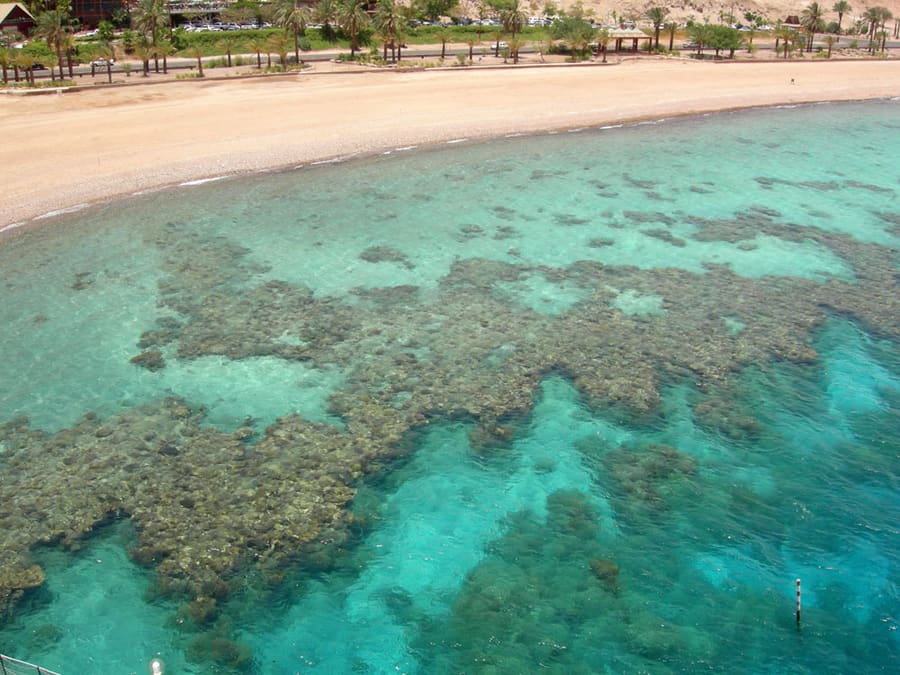
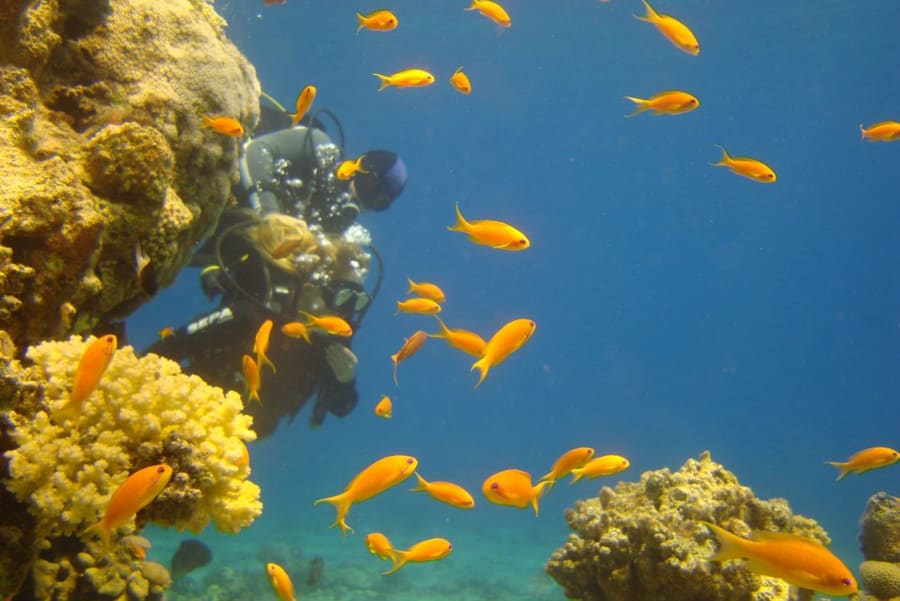
A protected reef with marked snorlkeling lanes. Rent gear at the gate and enter via designated bridges.
Ask ParleyIsrael
Israel's desert gateway to the Red Sea.
introduction
Eilat sits wedged between the Negev Desert and the northern tip of the Red Sea. The city operates primarily as a resort and port hub, isolated from Israel's main population centers. You navigate it easily by bus or taxi, with life split between the beach strip and the residential desert slope. Expect stark sun, clear water, and direct access to marine and desert reserves.
Marine recognition
The Coral Beach Nature Reserve protects one of the northernmost shallow-water coral reefs in the world.
Planning trick
Eilat is a tax-free zone. Major retail purchases cost up to 17 percent less here than in Tel Aviv or Jerusalem.
Eilat
חפי רוקח · Public domain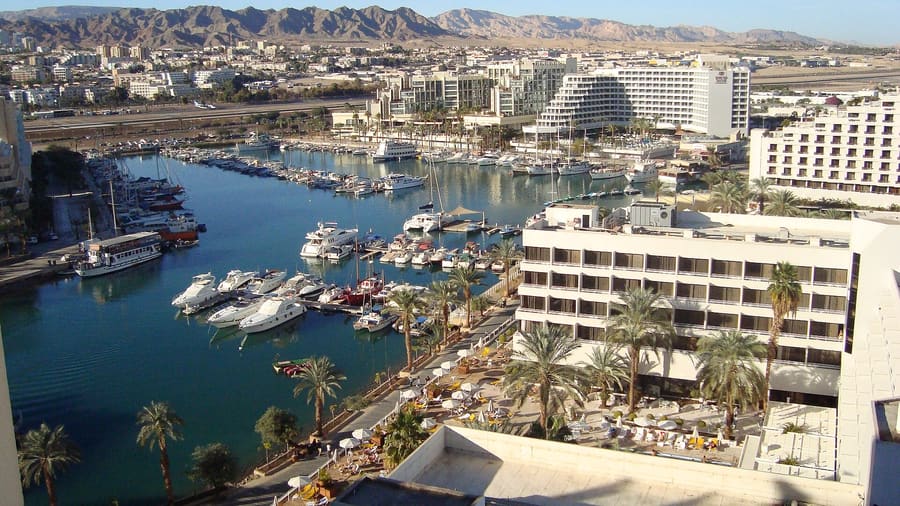
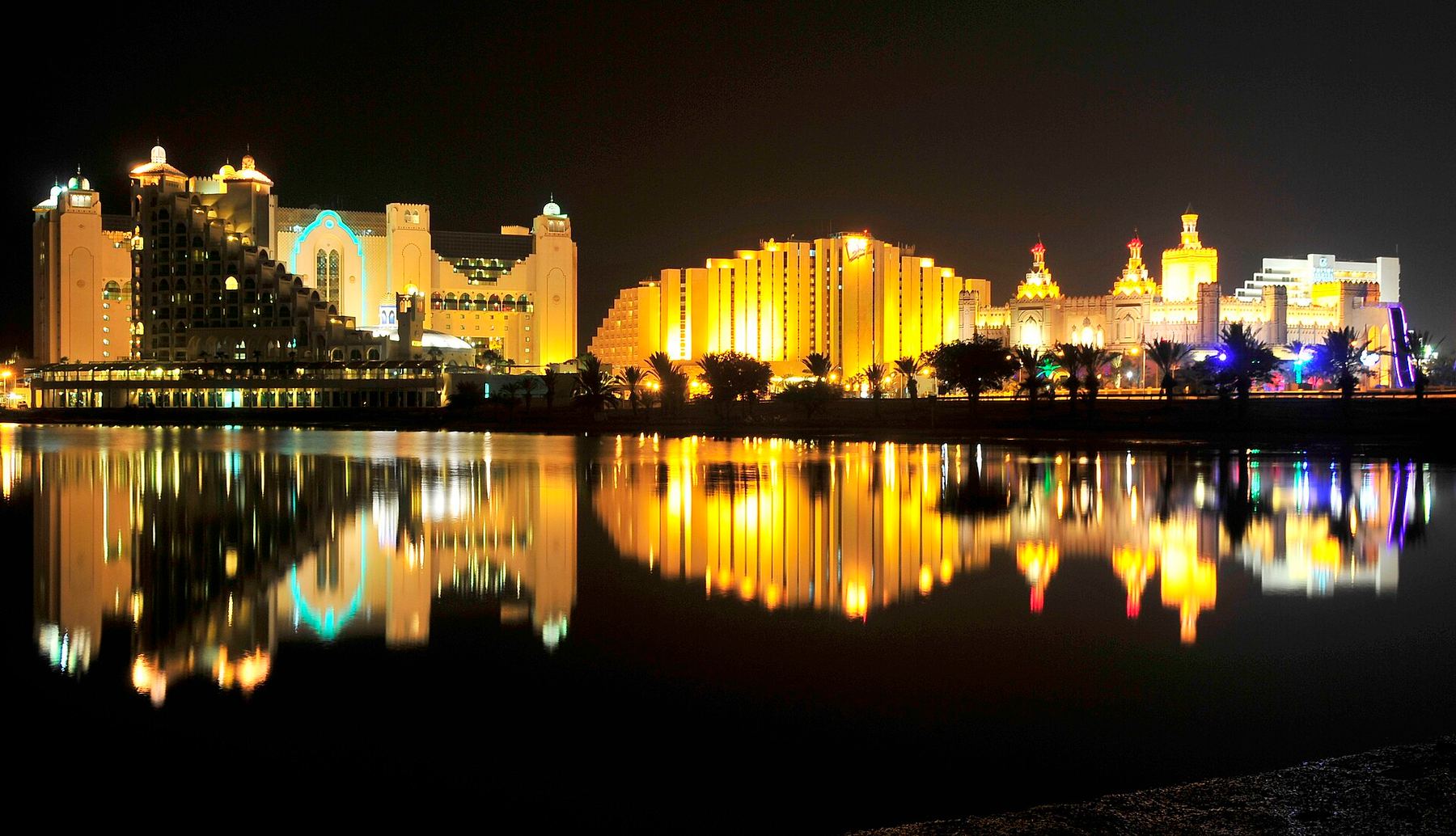
North Beach — Paved promenades, large resort towers, calm swimming waters, and dense tourist crowds.
aharon mizrahi · CC BY 2.5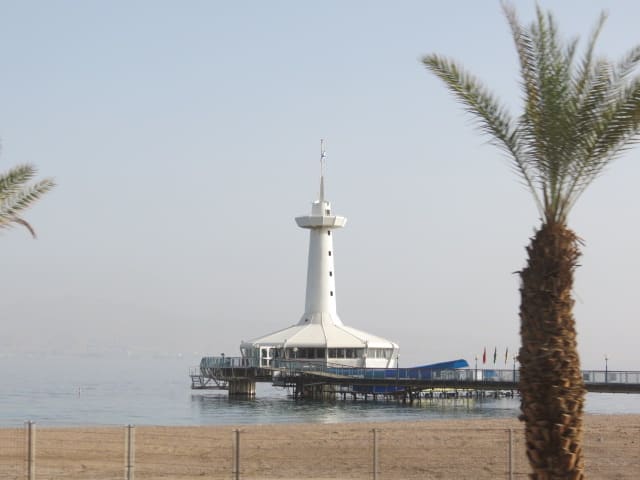
South Coast — Low-key dive clubs, stony beaches, rustic fish restaurants, and proximity to Sinai.
Hoshvilim · CC BY-SA 4.0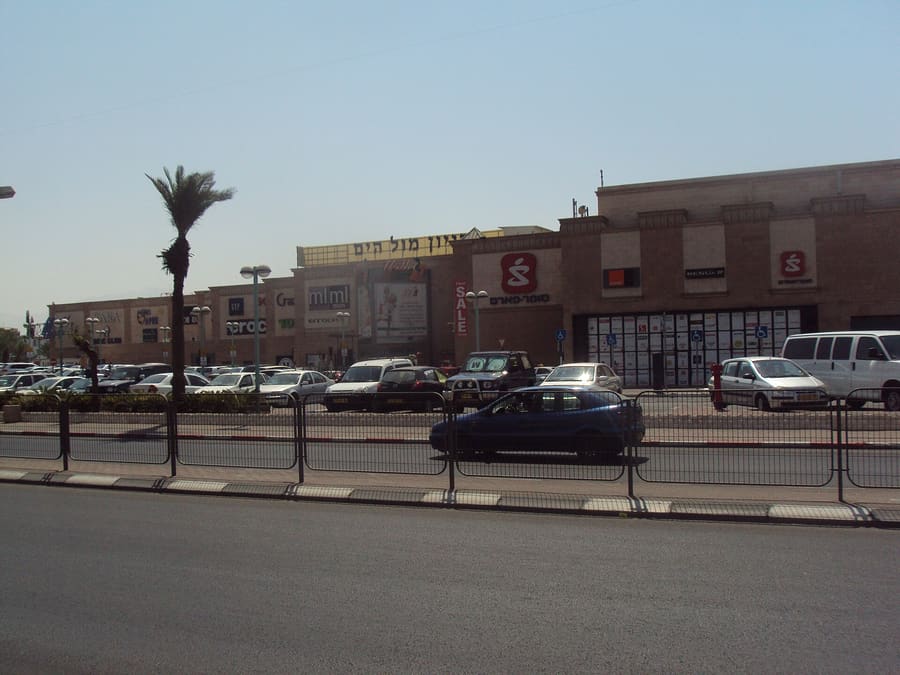
City Center — Functional residential blocks, local bakeries, cheap eateries, and the central bus station.
משתמש:דניאל א. · Public domain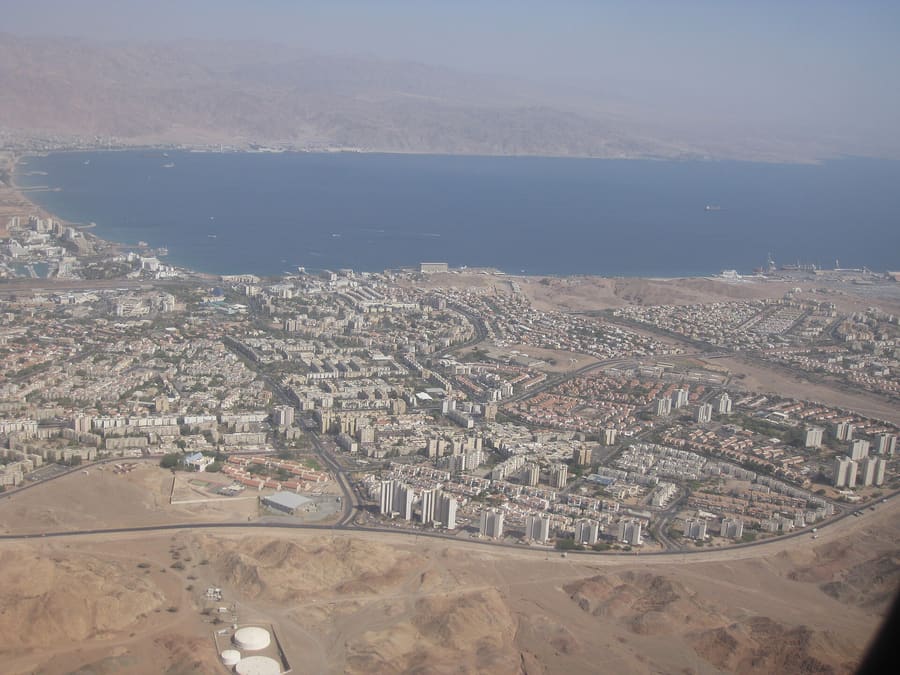
Shahamon — Modern residential hillsides offering panoramic sea views and quiet nights.
deror_avi · CC BY-SA 3.0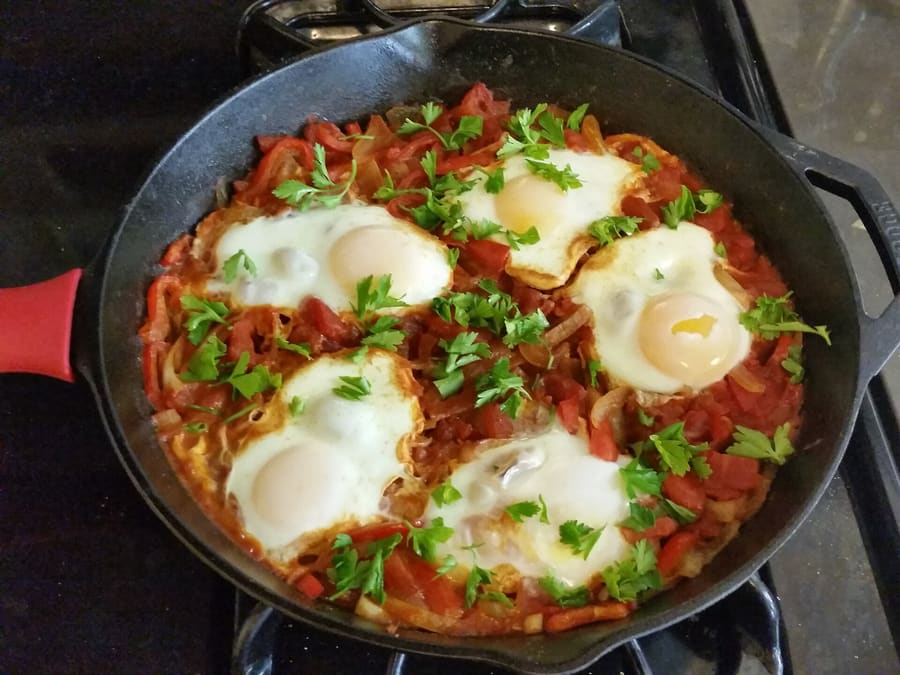
Shakshouka served hot in a skillet, a popular breakfast choice across local cafes.
Calliopejen1 · CC BY-SA 3.0highlights
landmark
A protected reef with marked snorlkeling lanes. Rent gear at the gate and enter via designated bridges.
Ask Parley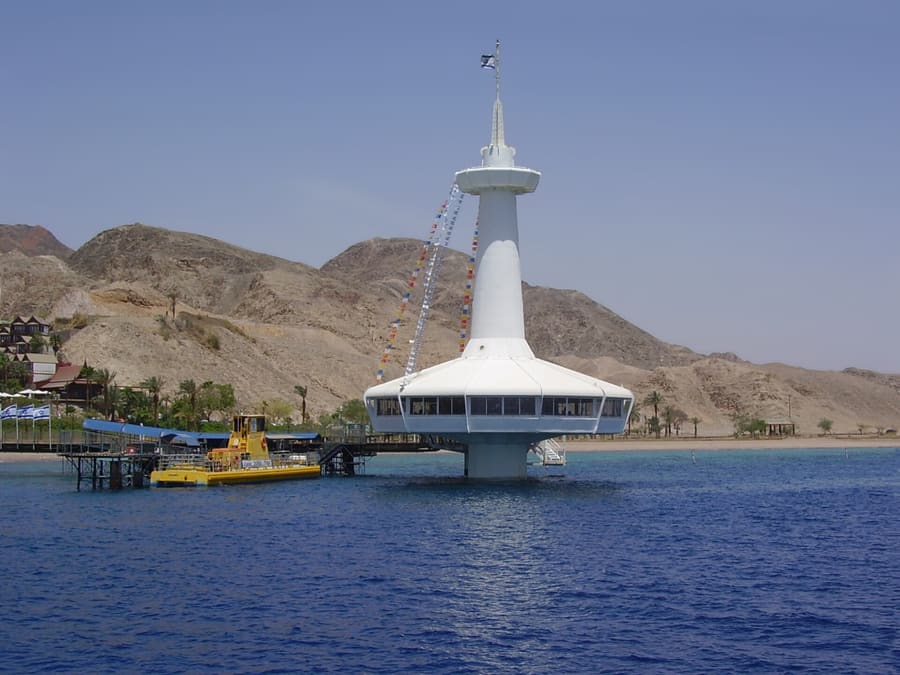
landmark
Look directly into the sea from a chamber six meters submerged. Buy tickets online to bypass morning lines.
Ask Parley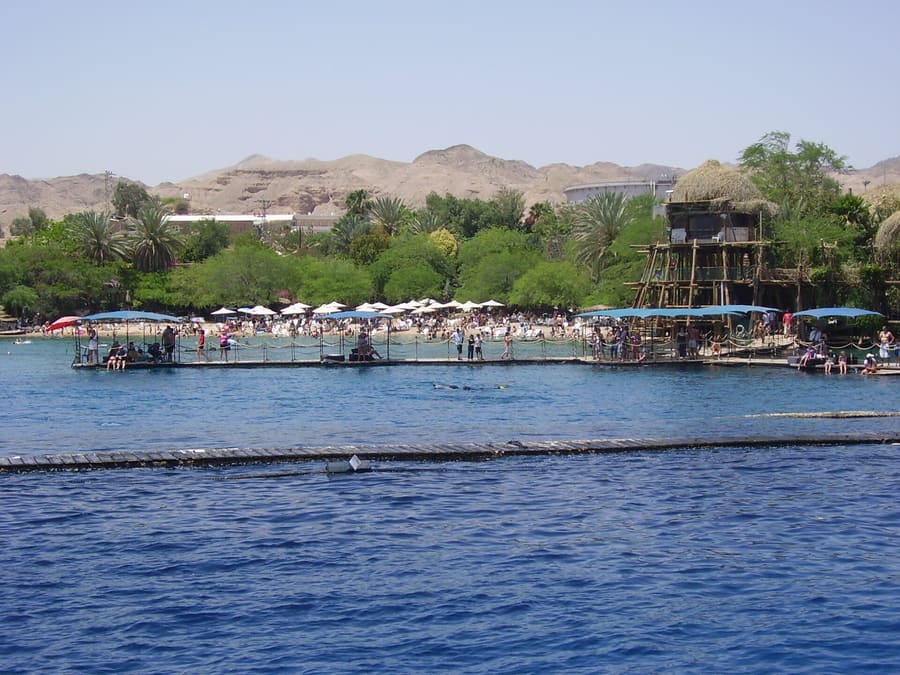
landmark
A relaxed bay where free-ranging dolphins choose to visit. Entry grants full-day access to piers and beach spots.
Ask Parley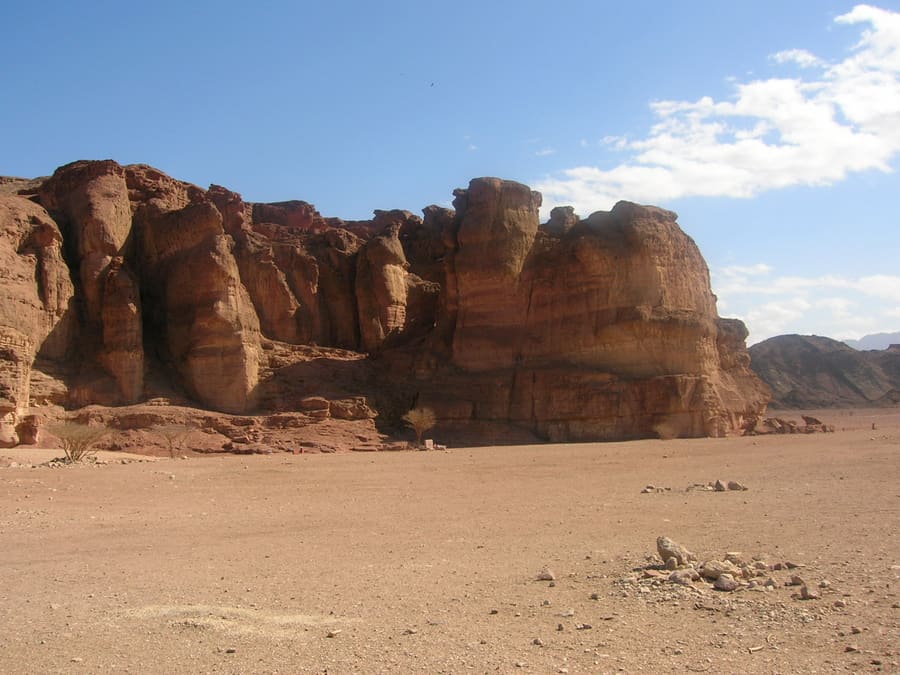
landmark
Ancient copper mines framed by red rock pillars. You need a car or an organized driver to explore it properly.
Ask Parleyattractions
areas
Paved promenades, large resort towers, calm swimming waters, and dense tourist crowds.
NearbyMarina, Lagoon, North Beach Shoreline
Ask ParleyLow-key dive clubs, stony beaches, rustic fish restaurants, and proximity to Sinai.
NearbyCoral Beach, Taba Border, Underwater Observatory
Ask ParleyFunctional residential blocks, local bakeries, cheap eateries, and the central bus station.
NearbyCentral Bus Station, Shopping Malls, Local Markets
Ask ParleyModern residential hillsides offering panoramic sea views and quiet nights.
NearbyNegev Trailhead, West Eilat Viewpoints
Ask Parleyfood
Dining in Eilat revolves around fresh seafood, Levantine grills, and resort hotel buffets. Freshly caught sea bream and red mullet feature on menus across the coastline. Prices on the North Beach promenade run significantly higher than upper town spots along Sheshet HaYamim Street.
Shakshouka served hot in a skillet, a popular breakfast choice across local cafes.
Calliopejen1 · CC BY-SA 3.0Order fresh sea bream (Dennis) at local harbor joints for the reliable regional catch.
Unlike Jerusalem, promenade restaurants stay open through Friday night and Saturday to serve visitors.
Restaurant menus reflect the 0 percent VAT status, making dining slightly cheaper than in Tel Aviv.
history
Eilat began as an ancient trade outlet on the Gulf of Aqaba. It transformed into a modern strategic port and tourism center after the founding of Israel on May 14, 1948.
King Solomon's Port
Nearby Ezion-Geber served as an ancient maritime trading post for gold and copper.
Operation Uvda
Israeli forces secured the outpost of Um Rashrash, founding modern Eilat at the gulf's edge.
Port Expansion
Opening the Straits of Tiran established Eilat as a vital trade port for African and Asian routes.
Ramon Airport Opens
The modern international terminal opened, replacing the old downtown airstrip and expanding flight access.
where to stay
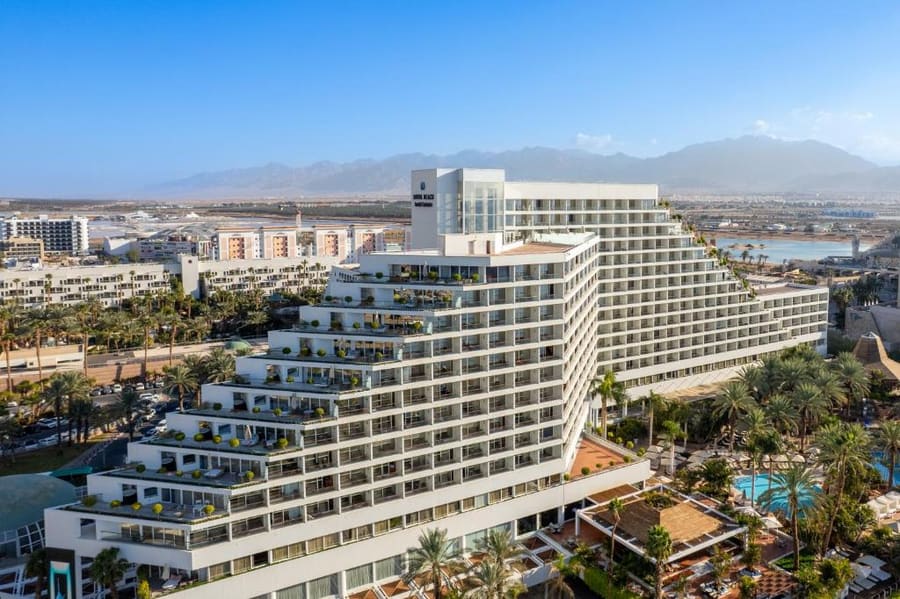
Choose your base based on your primary reason for visiting. Stay along the North Beach if you want immediate water access and evening dining without relying on transport. Select the South Coast if your focus is daily diving and quiet nights near the reef.
Live rates, matched to the areas above.
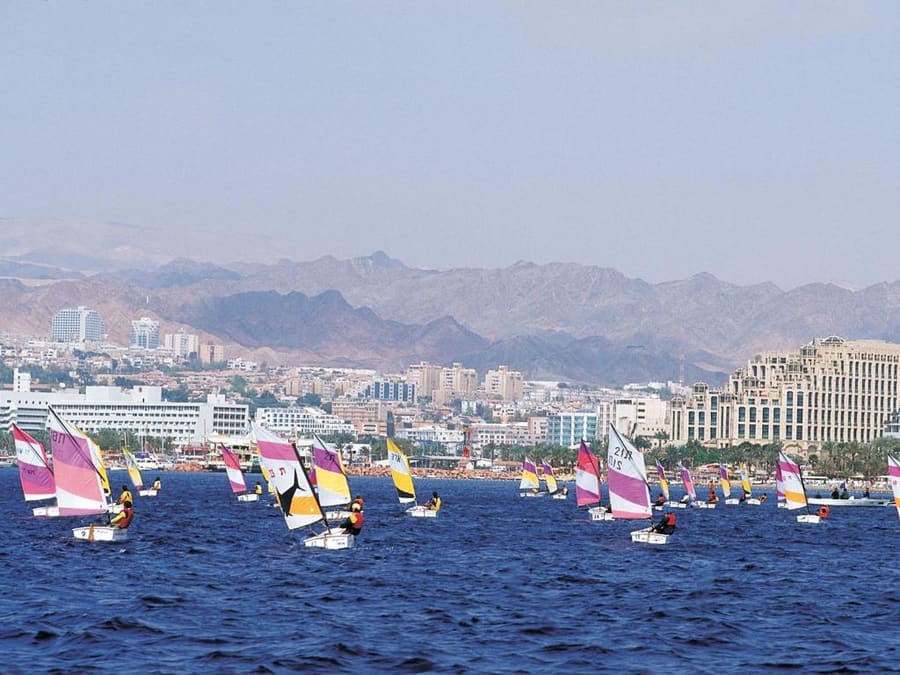
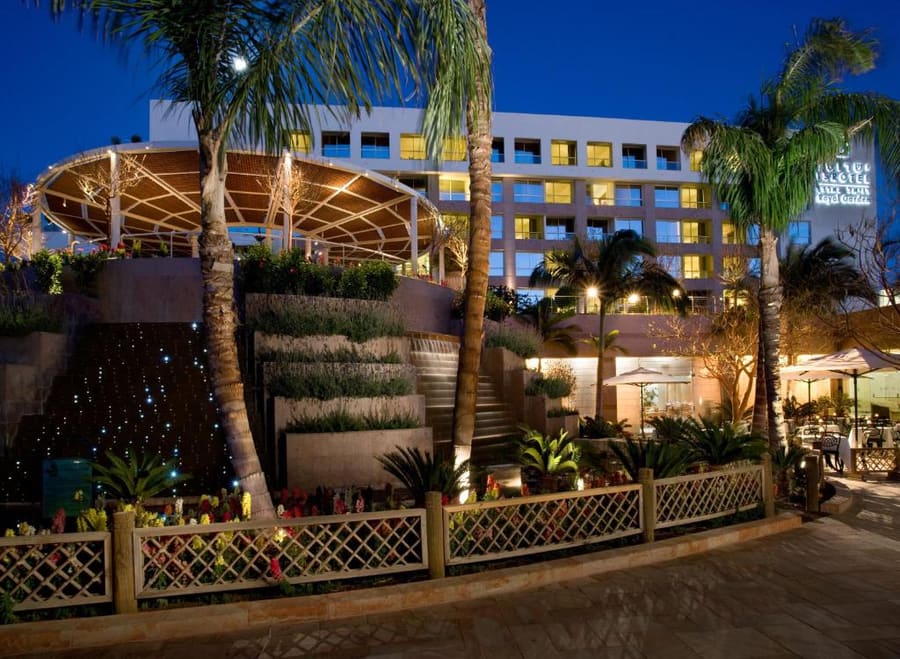
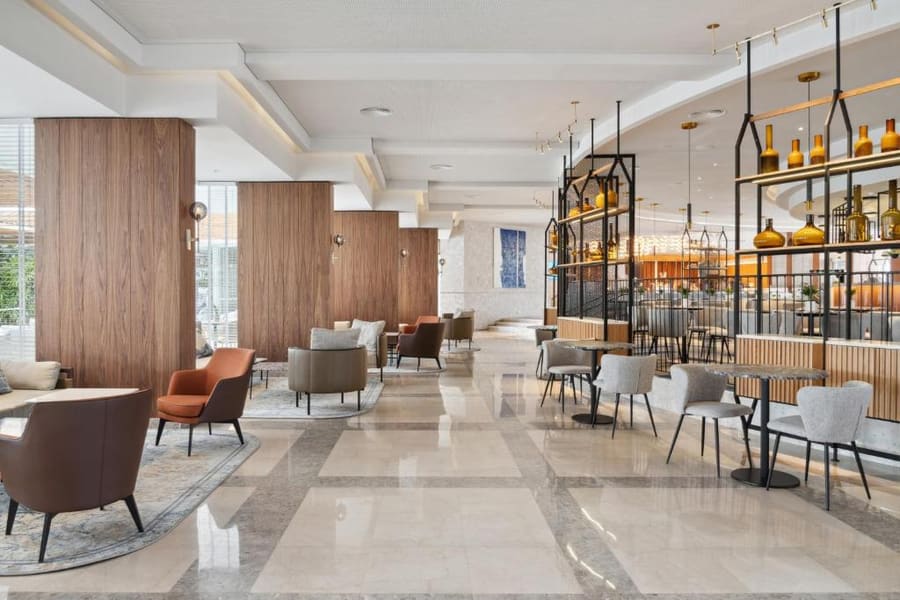
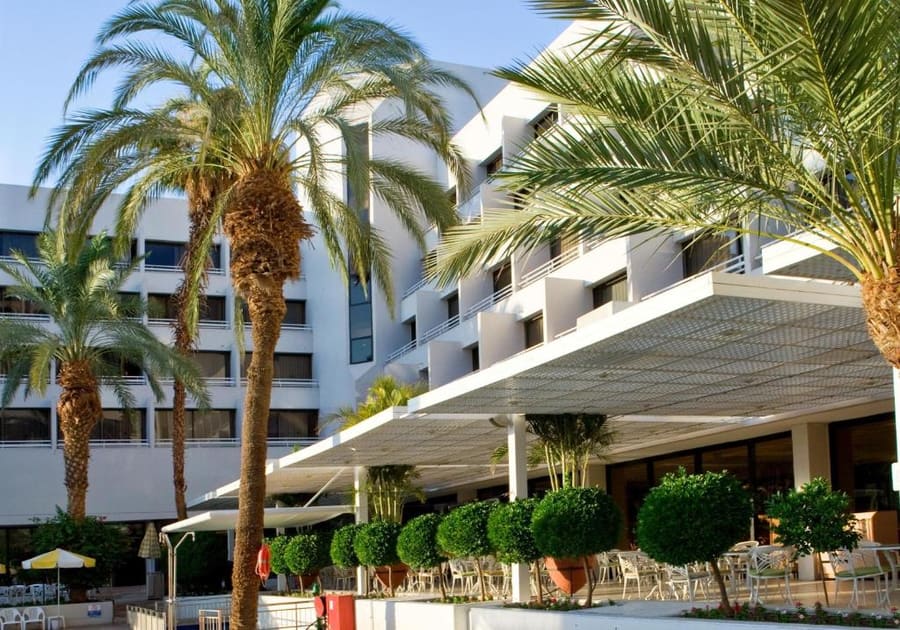
transport
Eilat operates a compact urban bus network managed by Egged. City buses connect upper residential neighborhoods to the beach strips, while regional lines handle desert excursions.
From Ramon Airport (ETM)
Lines 301 and 302 run frequently from outside the arrival hall directly to the resort area.
Official taxis wait outside arrivals. Confirm the meter is active before departing.
Public buses accept Rav-Kav smart cards or mobile payment apps like HopOn. Cash is not accepted onboard.
Bus line 15 runs from the central station down the South Coast to Coral Beach every 30 minutes.
Public Egged buses stop running on Friday afternoon and resume service on Saturday evening.
Taxis are plentiful around major hotels. Always insist on using the meter (Monit) for city rides.
cost
Prices in Eilat benefit from a local exemption on Value Added Tax. However, high demand during peak sun seasons keeps hotel and resort restaurant rates elevated.
Grants day access to protected water lanes, shade structures, and showers.
Daily rental fee for mask, snorkel, and fins at south coast dive shops.
Cost of a falafel or shawarma plate with sides at central eateries.
seasonality
MAR – MAY
Ideal balance of warm sea temperatures and moderate air heat. Excellent condition for desert hiking.
JUN – AUG
Extreme daytime temperatures frequently pass 40°C. Outdoor activity is limited to water sports.
SEP – NOV
Warm waters and comfortable air after summer heat drops. High booking volume during Jewish holidays.
DEC – FEB
Mild sunny winter weather with occasional desert wind. Water temperatures drop to around 21°C.
practicalities
Desert rays reflect heavily off water. Wear protective rashguards for long snorkeling sessions.
Touching or stepping on coral structures is illegal and strictly enforced by beach rangers.
The Taba crossing to Egypt and Wadi Araba crossing to Jordan require separate exit fees and passport checks.
Tap water is safe to drink and produced primarily through local coastal desalination plants.
Show your passport or foreign entry slip at large shops to confirm your eligibility for tax exemption.