landmark
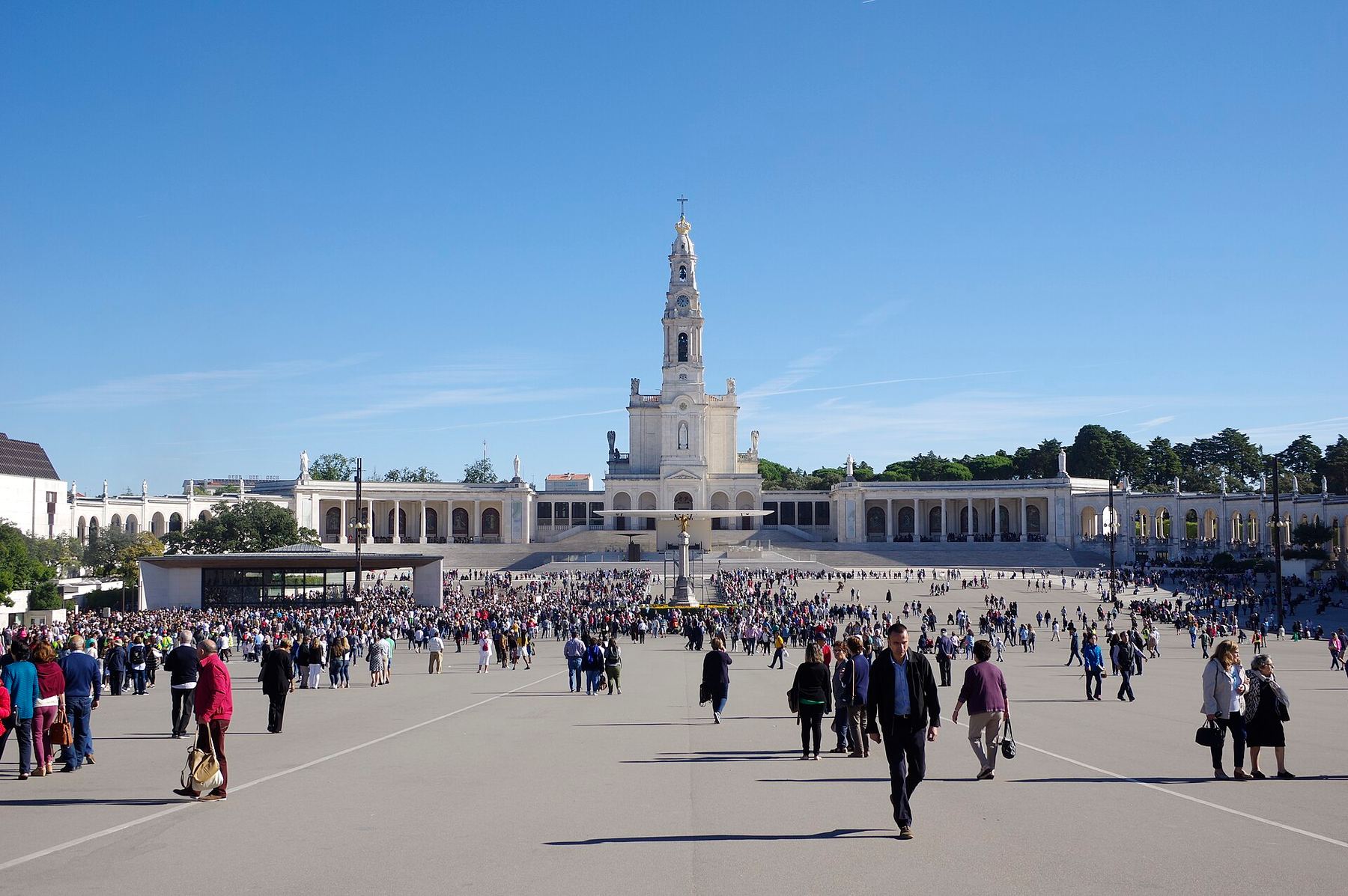
Sanctuary Plaza
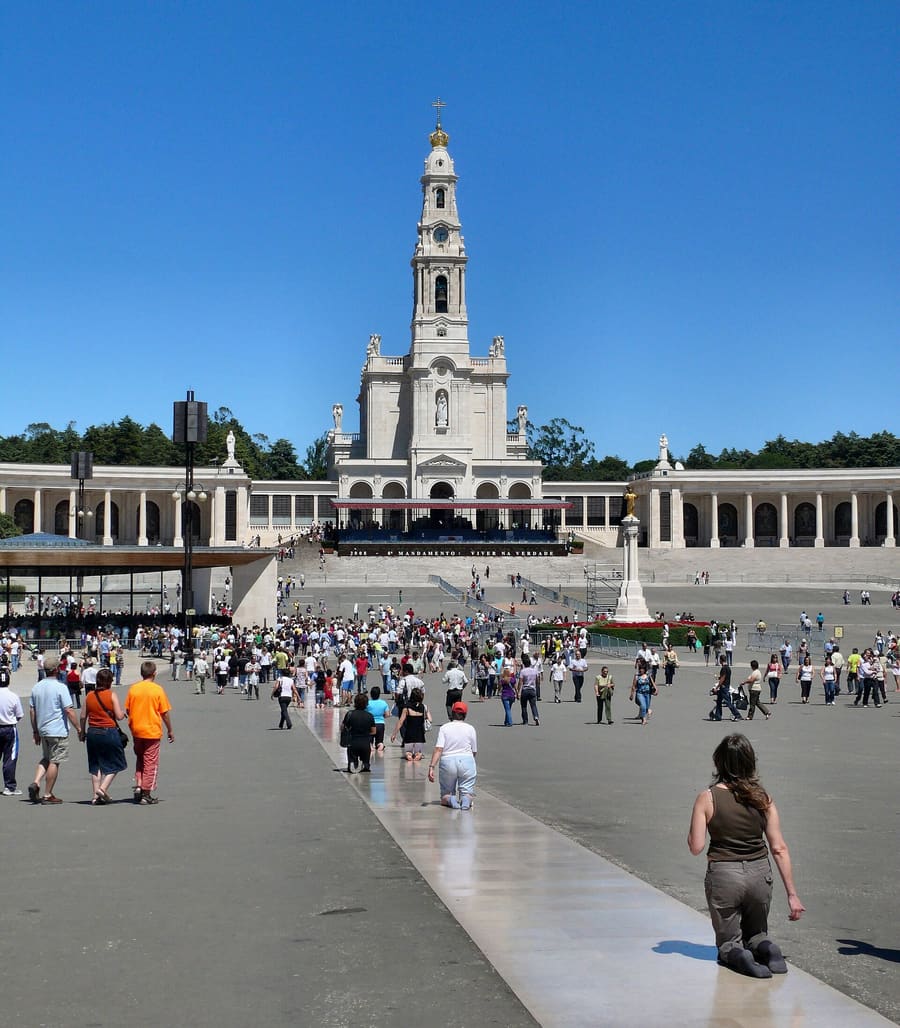
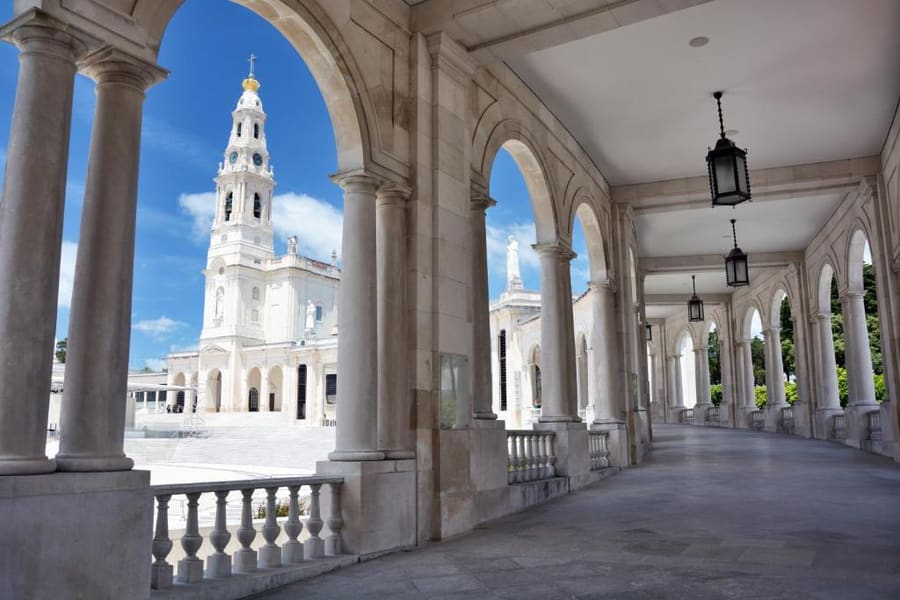
A vast central square anchored by two basilicas. Visit at dusk to watch the evening candlelit procession.
Ask ParleyPortugal
A global pilgrimage hub set around a vast sacred plaza.
introduction
Fátima is a purpose-built sanctuary town in central Portugal designed to process millions of visitors. Life revolves around a central plaza twice the size of St. Peter's Square in Rome. Navigating the town is straightforward on foot because almost everything sits along a single flat ridge. Outside major pilgrimage dates, it is a calm stopover with low accommodation costs and quick highway access to central Portugal.
Arrival trap to avoid
Do not take the train to Fátima. Fátima railway station sits 20 kilometres away, whereas long-distance express buses drop you 500 metres from the main plaza.
Global pilgrimage hub
The Sanctuary of Our Lady of Fátima draws over six million visitors annually, making it one of the largest Catholic pilgrimage sites in the world.
Major pilgrimage dates
Torchlight processions occur on the 12th night and 13th morning from May to October. Room prices triple during these monthly cycles.
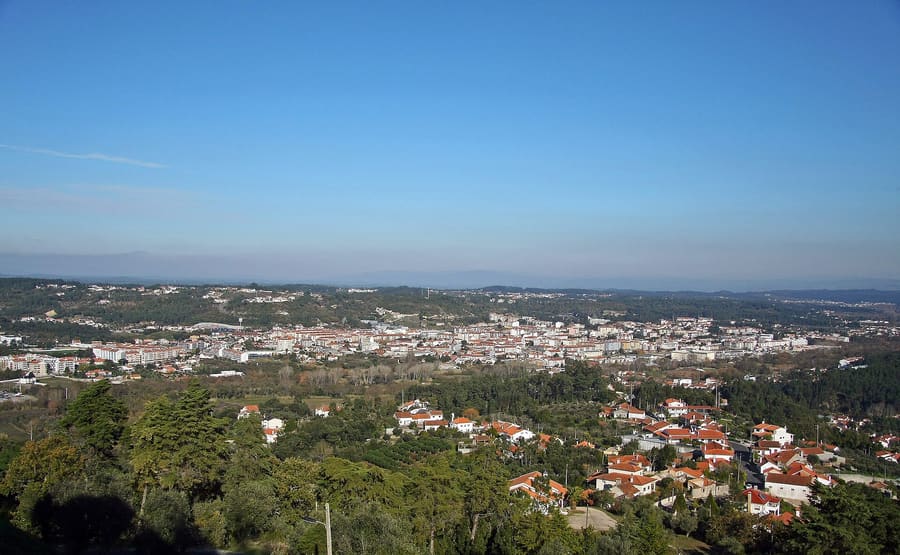
Fátima
Vitor Oliveira from Torres Vedras, PORTUGAL · CC BY-SA 2.0Sanctuary Precinct — Pedestrianised, solemn, and focused entirely on the holy sites.
dynamosquito from France · CC BY-SA 2.0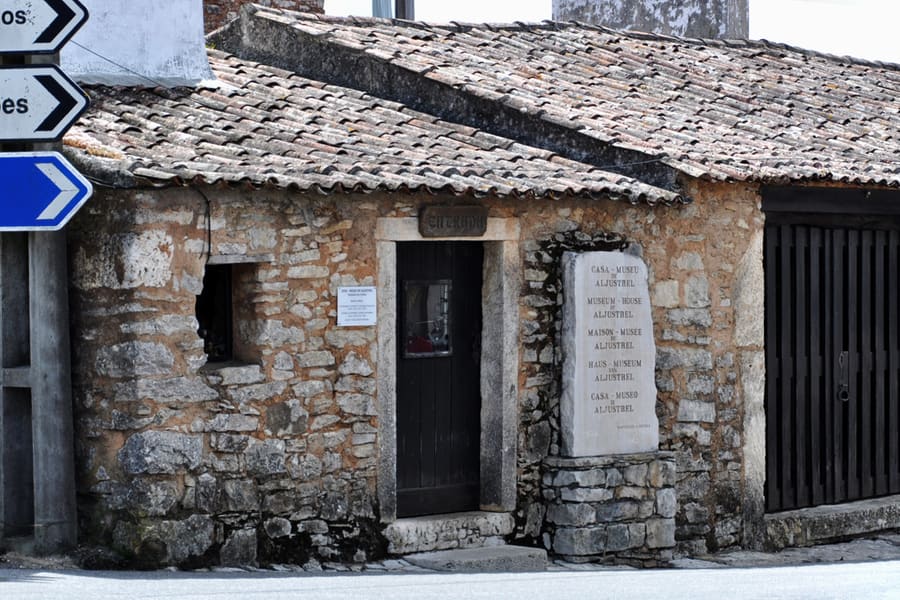
Aljustrel — Quiet rural village with traditional stone cottages and olive groves.
János Korom Dr. from Wien, Austria · CC BY-SA 2.0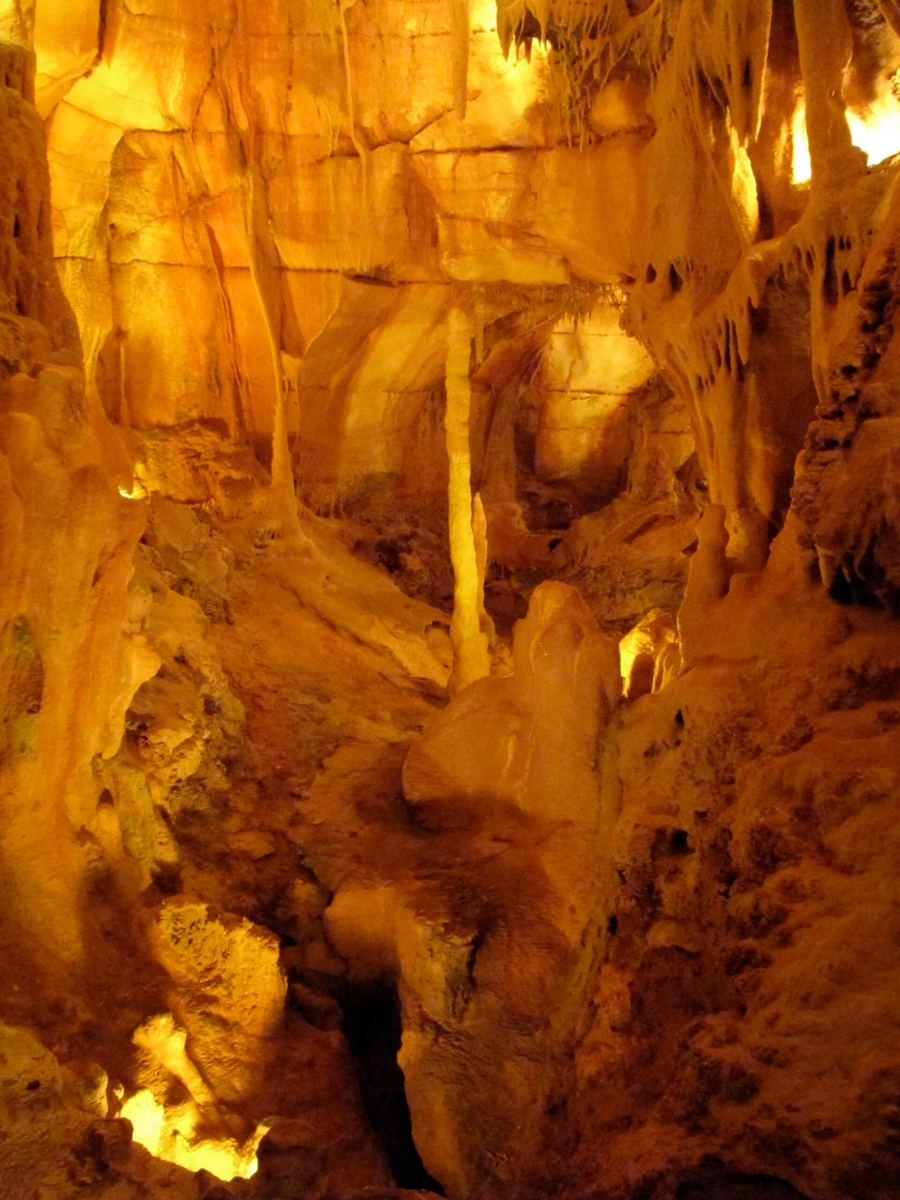
São Mamede — Rural parish bordering limestone hills and natural cavern formations.
Pierre Phaneuf from Montréal, Canada · CC BY 2.0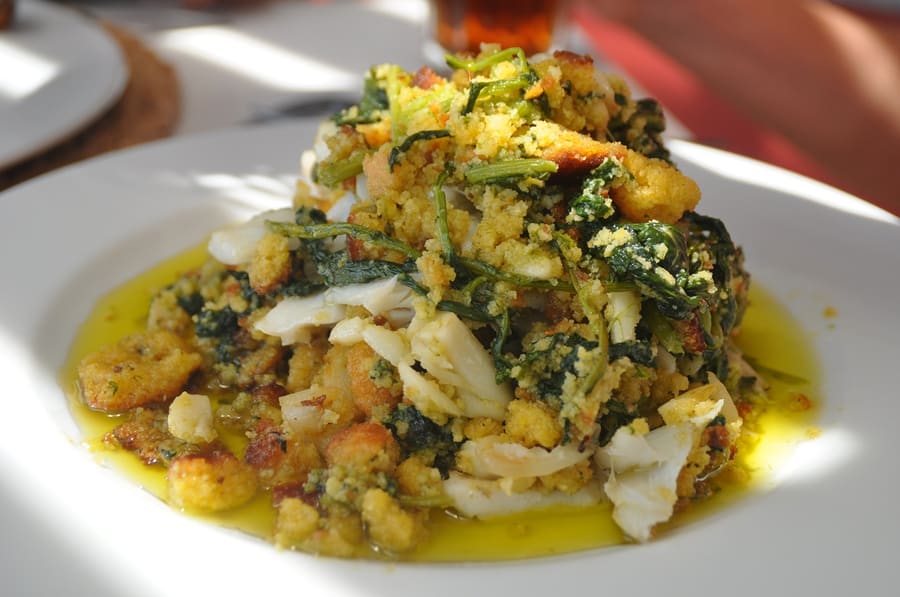
Cabrito assado, slow-roasted goat served with baked potatoes in clay cookware.
silvar.net · CC BY 2.0highlights
landmark
A vast central square anchored by two basilicas. Visit at dusk to watch the evening candlelit procession.
Ask Parley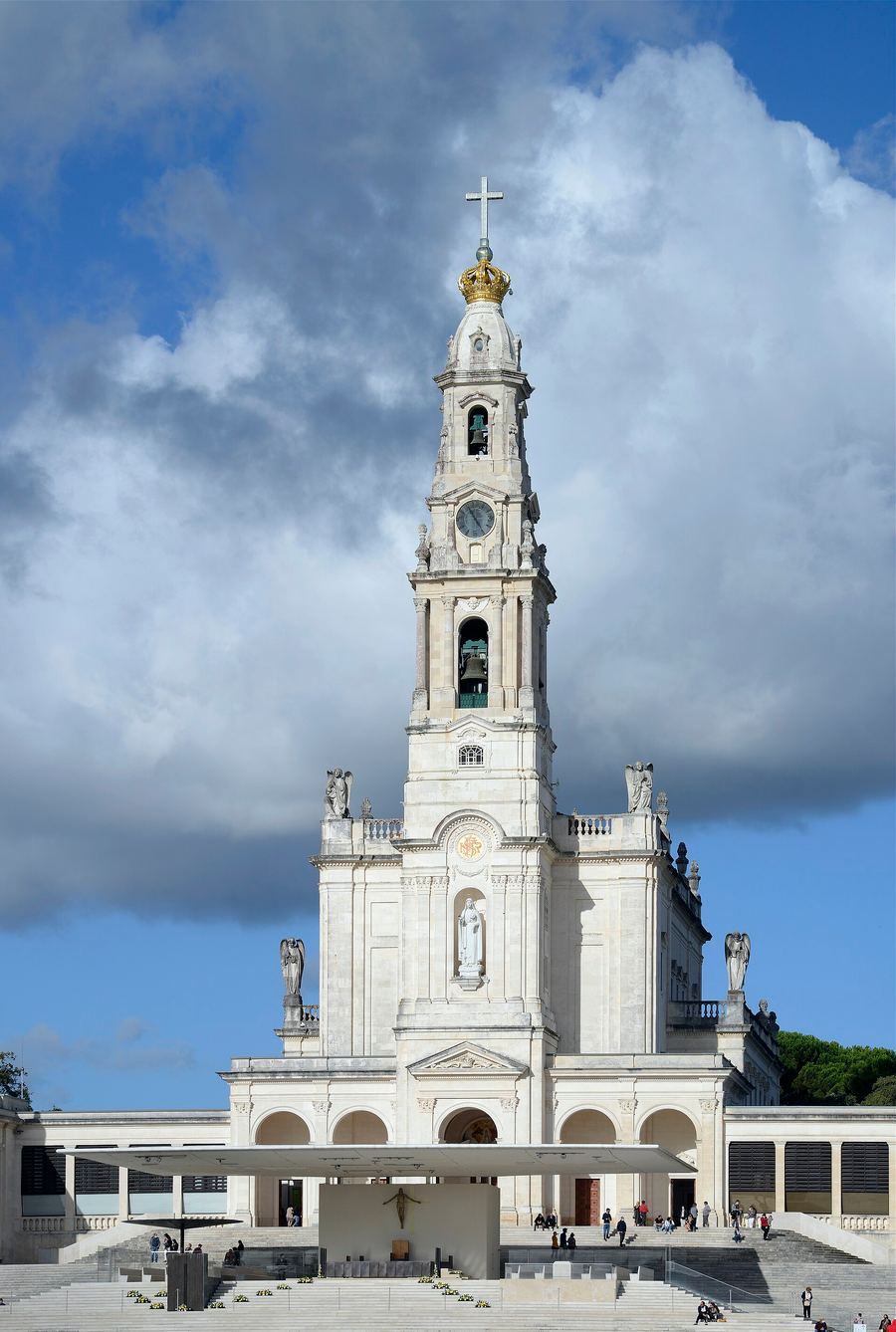
landmark
The 1928 white-limestone basilica containing the tombs of the three shepherd children. Entry is free.
Ask Parley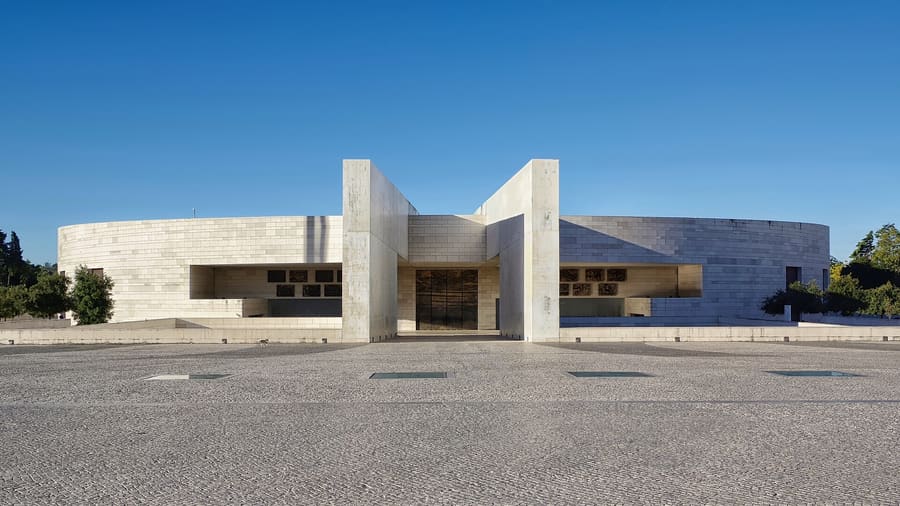
landmark
A modern church seating 8,600 people beneath a minimalist circular concrete roof built in 2007.
Ask Parley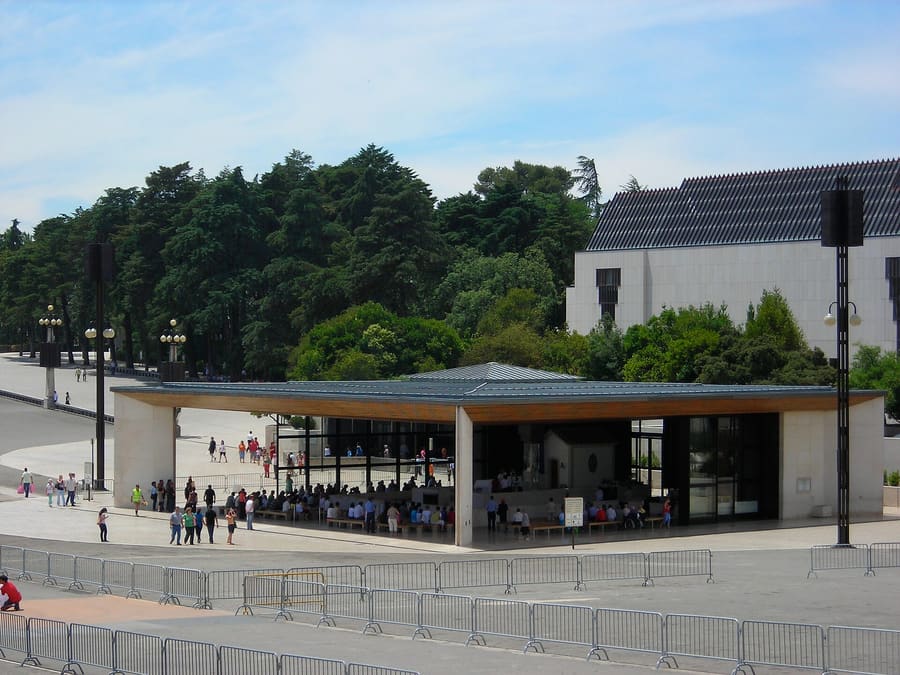
landmark
The spiritual heart of the complex where the 1917 events were reported. Services run continuously throughout the day.
Ask Parleylandmark
Preserved 19th-century stone cottages 2 km south of the plaza. They show rural life before the sanctuary was built.
Ask Parley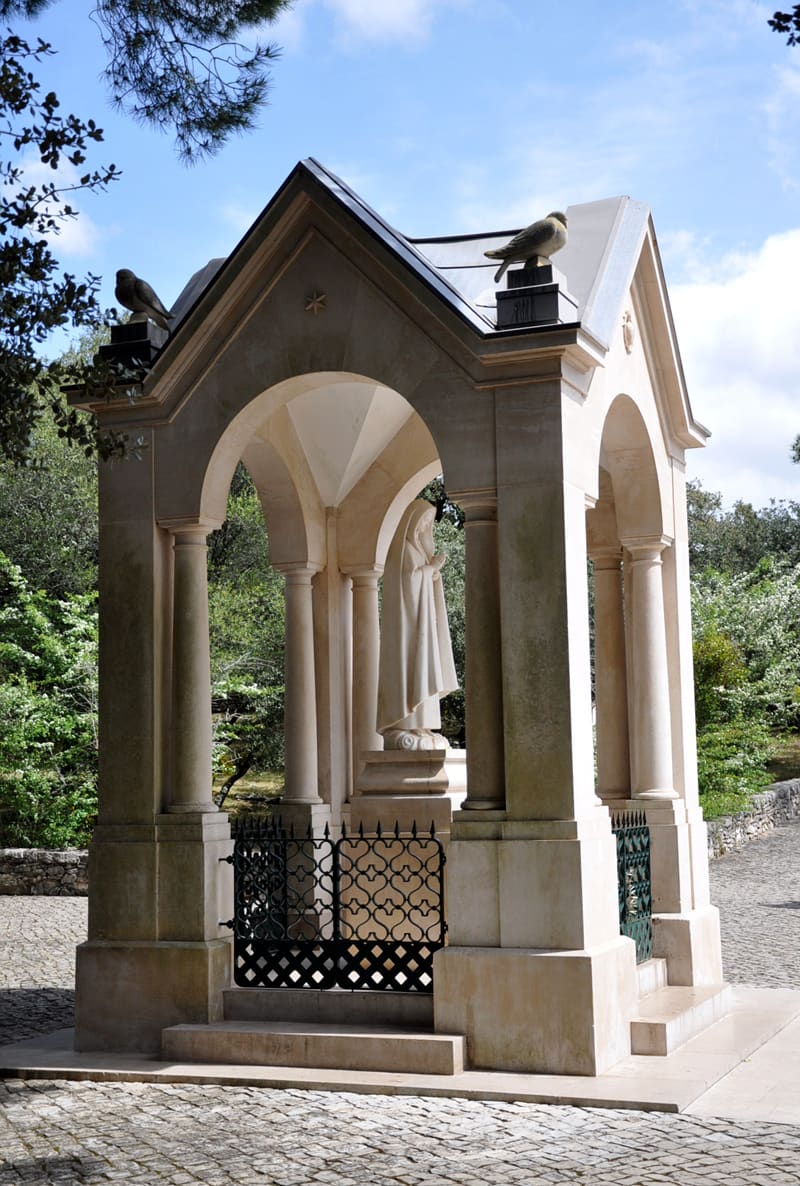
landmark
A shaded olive grove path with 14 stone stations of the cross leading to the Hungarian Calvary monument.
Ask Parleyattractions
areas
Pedestrianised, solemn, and focused entirely on the holy sites.
NearbyChapel of the Apparitions and bus terminal
Ask ParleyQuiet rural village with traditional stone cottages and olive groves.
NearbyShepherd homes and Via Sacra trail
Ask ParleyRural parish bordering limestone hills and natural cavern formations.
NearbyGrutas da Moeda limestone caves
Ask ParleyGrid of souvenir shops, hotels, and casual eateries along Avenida Dom José Alves Correia da Silva.
NearbyMain commercial strip and car parks
Ask Parleyfood
Food in Fátima reflects its location in the Serra de Aire hills. Local menus feature slow-roasted meats, codfish, and rich regional soups. Because the town caters to large tour groups, quality varies widely between central self-service cafeterias and independent taverns tucked away on side streets. Seeking out regional specialties like cabrito assado gives you a far better meal than the fixed tourist menus near the plaza.
Cabrito assado, slow-roasted goat served with baked potatoes in clay cookware.
silvar.net · CC BY 2.0Oven-roasted kid goat cooked with garlic, white wine, and laurel leaves is the signature regional Sunday dish.
Originating nearby in Almeirim, this thick pork, red bean, and potato soup is served across local traditional taverns.
Cured sheep cheese from the surrounding limestone hills appears on most starter boards with crusty corn bread.
history
Before 1917, Fátima was an obscure agricultural hamlet in a rocky karst landscape. Reports of Marian apparitions by three young shepherd children transformed the pastures of Cova da Iria into a international pilgrimage site. Development accelerated rapidly across the 20th century as church infrastructure replaced farmland to accommodate crowds.
The Apparitions
Three shepherd children report visions in Cova da Iria between May and October, drawing thousands to the site.
Rosary Basilica Construction
Construction begins on the white-limestone basilica to host growing numbers of visitors.
Consecration
The Basilica of Our Lady of the Rosary is officially consecrated as the sanctuary grounds expand.
Holy Trinity Basilica
A modern 8,600-seat basilica opens across the plaza to double indoor capacity.
Centenary Mass
Pope Francis canonises two of the shepherd children during the centenary anniversary.
where to stay
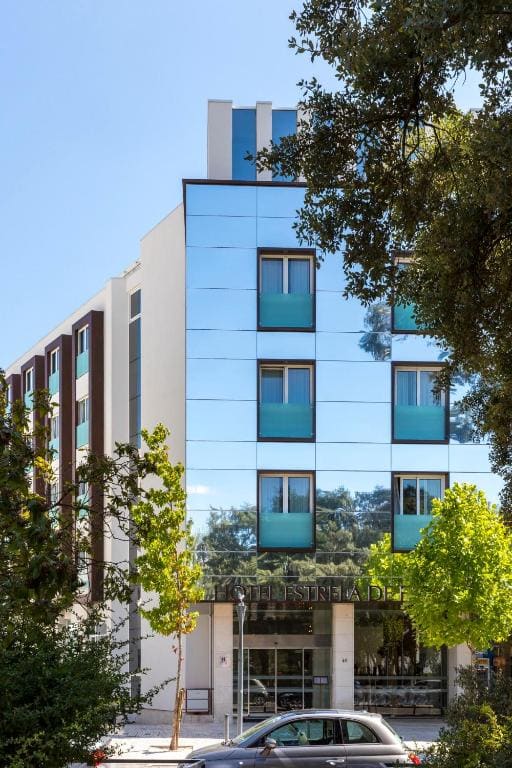
Choose your stay by matching your budget to event dates. Hotel rates fluctuate wildly based on the Catholic calendar. If you stay during the major pilgrimage dates of the 12th and 13th, book four months early or pay triple. On standard weekdays, Fátima offers some of the cheapest modern hotel rooms in Portugal.
Live rates, matched to the areas above.
transport
Fátima is entirely walkable. The main sanctuary, hotel zones, and commercial streets lie within a flat 1.5-kilometre radius. Redundant vehicle traffic is routed around the outer perimeter ring road, leaving the centre calm for pedestrians.
From Lisbon Airport (LIS) / Rede Expressos Hub
Rede Expressos runs hourly from Lisbon Sete Rios directly to Fátima terminal.
Fixed-rate highway metered fare directly from Lisbon Airport terminal.
Uber and Bolt operate between Lisbon and Fátima depending on driver availability.
Fátima train station is in Chão de Maçãs, 20 km away. Connecting buses are sparse and taxis cost over €25.
A mini-train connects the sanctuary to Aljustrel every 30 minutes for travellers who prefer not to walk 2 km.
Vast subterranean and surface car parks surround the sanctuary precinct and remain free on standard days.
Avenida Dom José Alves Correia da Silva runs parallel to the sanctuary and holds almost all town services.
cost
Outside peak pilgrimage dates, Fátima is one of the most affordable destinations in central Portugal. Daily expenditure stays low due to free admission across the entire sanctuary grounds.
Standard price at local pastelarias away from the immediate sanctuary front.
Includes soup, main dish, drink, and coffee at central eateries.
Sold at official sanctuary stalls near the candle burning area.
One-way ticket on Rede Expressos purchased online or at Sete Rios station.
Off-peak double room rate, jumping to €150+ during May and October 12th–13th.
seasonality
MAR – APR
Mild temperatures and low crowds. Spring flowers cover the walking trail to Aljustrel.
MAY – JUN
May 12–13 brings peak pilgrimage crowds. Book hotel rooms months in advance.
JUL – AUG
Hot mid-day temperatures reach 35°C on the open concrete plaza. Seek shade by noon.
SEP – OCT
October 12–13 marks the final major annual pilgrimage with high accommodation demand.
NOV – FEB
Cool, quiet, and rainy. Very cheap hotel rates, but some tour facilities close early.
practicalities
The massive white marble esplanade reflects intense heat in summer. Carry water and wear a hat.
Nightly candlelit rosary processions begin at 21:30 at the Chapel of Apparitions from April to October.
Official sanctuary shops reinvest profits into charity; commercial street vendors carry identical items at higher margins.
The smooth marble pathway crossing the plaza is reserved for pilgrims moving on their knees.