
landmark
Fort Lauderdale Beach
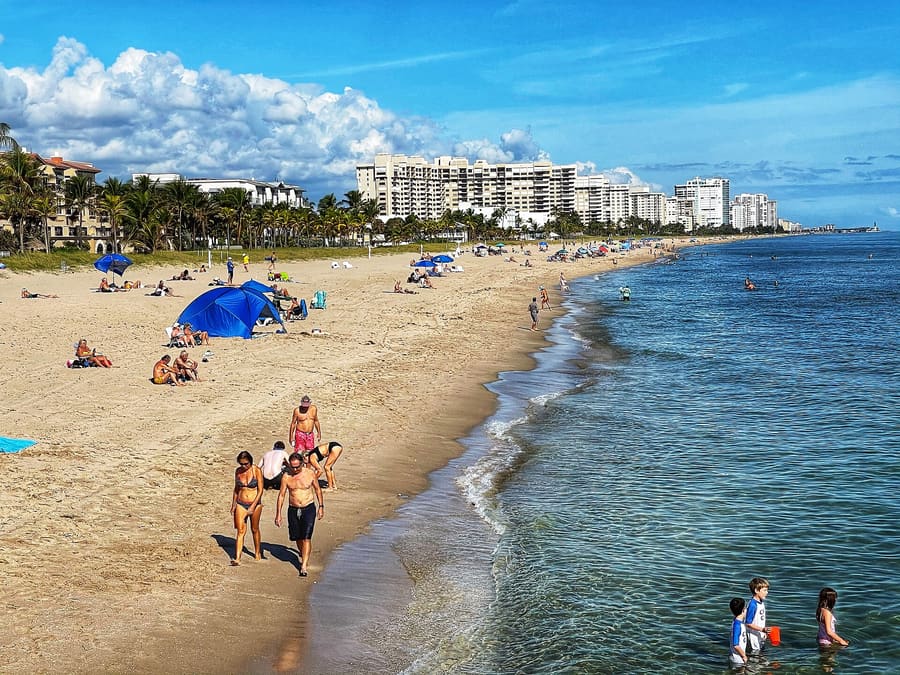
Seven miles of continuous public sand. Arrive before 9 AM to secure parking along State Road A1A.
United States
Canal routes, barrier-island beachhead, and dockside dining.
Fort Lauderdale centres on water rather than concrete. Over 300 miles of inland waterways split the city into islands and residential fingers. You move between the oceanfront strip and downtown along Las Olas Boulevard or aboard local boats. Expect high humidity, wide public beaches, and clear traffic divides between mainland and coast.
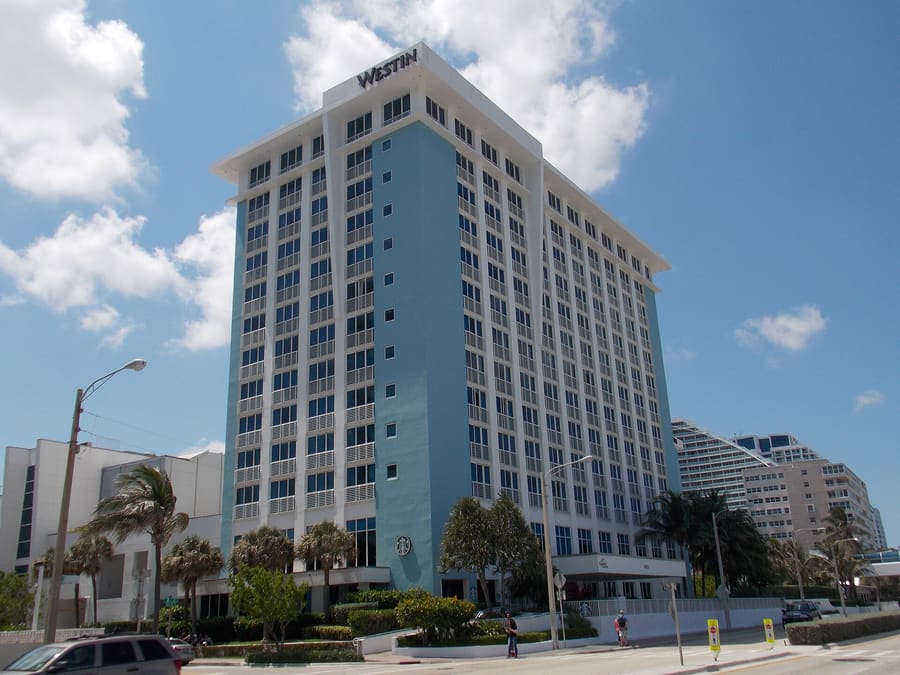
Central Beach — High-rise resort hotels along open sandy oceanfront.
Downtown — Commercial towers, river paths, and performing arts centers.
Lauderdale-by-the-Sea — Low-rise coastal village with walkable pier plaza.
01
landmark
Seven miles of continuous public sand. Arrive before 9 AM to secure parking along State Road A1A.
landmark
A preserved 1920s estate set in native barrier island habitat. Pre-book timed tickets online.
landmark
Tropical oasis between the Intracoastal and Atlantic. Rent a kayak to navigate the freshwater lagoon.
02
03
Canal-front drives, upscale dining, and residential yacht docks.
NearbyDowntown and Fort Lauderdale Beach
Ask ParleyHigh-rise resort hotels along open sandy oceanfront.
NearbyHugh Taylor Birch State Park
Ask ParleyCommercial towers, river paths, and performing arts centers.
NearbyRiverwalk and Broward Center
Ask ParleyLow-rise coastal village with walkable pier plaza.
NearbyAnglin's Fishing Pier
Ask Parley04
Coastal Florida seafood dominates high-end menus along Las Olas Boulevard and the Intracoastal Waterway. Local catches include Florida spiny lobster, mahi-mahi, and stone crab claws when in season. Away from the waterfront strips, Broward County contains strong Caribbean and South American dining pockets. Strip malls along Commercial Boulevard and Federal Highway house authentic Jamaican patty bakeries and Peruvian cevicherias.
Stone crab claws are harvested from October 15 to May 1. Expect market price billing per pound at seafood spots.
Most waterfront spots welcome shorts and deck shoes during day hours. Shirts and shoes are strictly required once off the sand.
Restaurants directly on the Intracoastal charge a premium for water views. Eat inland along Route 1 for lower prices.
05
Long inhabited by Tequesta people, the area saw armed conflict during the Seminole Wars. Major William Lauderdale commanded a stockade fort here in 1838. Real development started when Henry Flagler extended his Florida East Coast Railway south through the settlement in 1896. Major engineering in the 1920s dredged canals to drain wetlands, creating the finger islands that define the modern city layout today.
Military stockade
Major William Lauderdale builds a fortification on the New River during the Second Seminole War.
Canal dredging
Engineers dredge residential finger islands, converting Everglades marsh into waterfront property.
Spring break boom
The film 'Where the Boys Are' establishes the beach front as a primary collegiate vacation destination.
06
Choose your base based on how you plan to travel each day. Stay on Central Beach if you want immediate ocean access without driving. Choose Downtown if you rely on regional trains like Brightline or care about cultural performance halls. Pick Lauderdale-by-the-Sea for a low-rise neighborhood vibe far from high-rise resort towers.
Highly rated hotels in Fort Lauderdale.


07
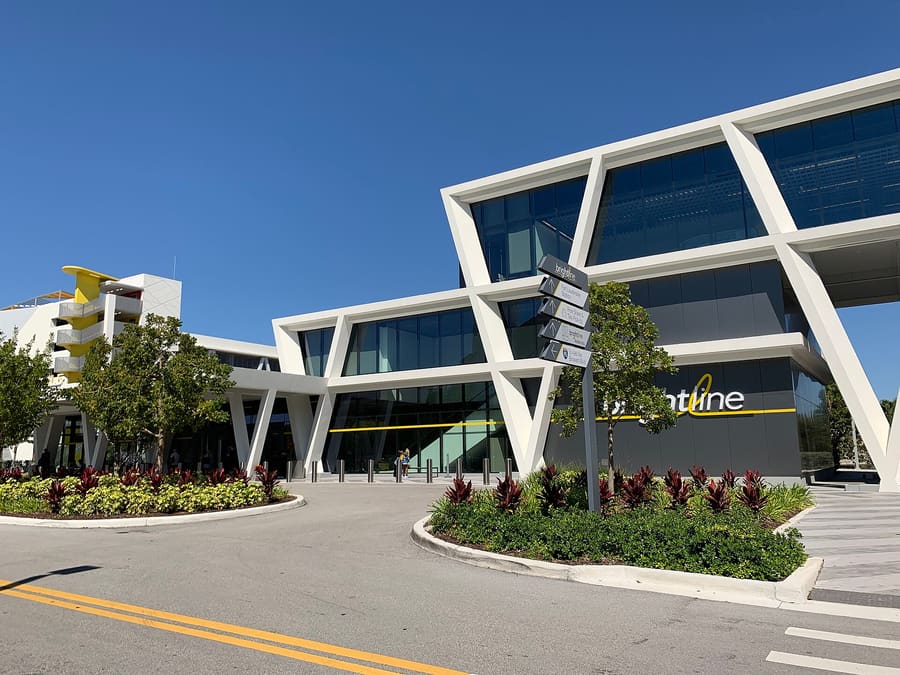
Fort Lauderdale layout spreads over water and highways. Driving is common, but parking near the beach is expensive and tightly monitored. Broward County Transit operates regional buses. Brightline rail offers high-speed service to Miami and West Palm Beach directly from downtown.
From Fort Lauderdale-Hollywood International Airport (FLL)
Pickups take place on the designated ground transportation level outside baggage claim.
Flat rates apply to central zones; stand lines move quickly.
Route 1 runs from Terminal 1 directly to the Broward Central Terminal downtown.
The Water Taxi links downtown stops with beach landings along the Intracoastal. Single day tickets cost $35.
Brightline trains reach downtown Miami in 30 minutes from the Fort Lauderdale station.
Broward County Transit accepts exact cash or contactless credit cards on onboard readers.
Free micro-transit shuttles run through downtown and Las Olas via the Circuit mobile application.
08
Prices reflect Fort Lauderdale status as a resort destination. Expect high nightly hotel rates from December through April. Beachfront dining carries high markups compared to mainland residential neighborhoods.
Street and lot meters near the ocean operate strictly via PayByPhone or kiosks.
Expect to pay around $20 for a fish sandwich or ceviche bowl near the water.
Covers hop-on hop-off access to all 11 stop locations along the waterways.
Specialty coffee shops on Las Olas charge premium rates for pour-overs and lattes.
09
DEC – FEB
Peak winter escape season. Daytime temperatures average 75°F (24°C) with dry skies and maximum hotel rates.
MAR – MAY
Warm ocean temperatures and moderate humidity. Book accommodations early to avoid spring break compression.
JUN – AUG
High heat and daily afternoon thunderstorms. Hotel rates drop sharply across beachfront resorts.
SEP – NOV
Atlantic hurricane season peaks in early autumn. Low crowds but frequent heavy rain showers.
10
Florida sun reaches intense levels by noon even during winter. Wear broad-spectrum sunscreen.
Bridge openings along the Intracoastal interrupt road traffic every 30 minutes during rush hours.
Check colored flag warnings posted at lifeguard towers before swimming in the ocean.
Many resort bars and beach parking lots accept card or mobile wallet payments only.
Drinking alcohol directly on public sandy beaches outside designated hotel zones is prohibited by city ordinance.
Contents
Your trip
Going to Fort Lauderdale?
Tell Parley when you’re going and what you enjoy, and it plans the days around this guide.
Plan with Parley


